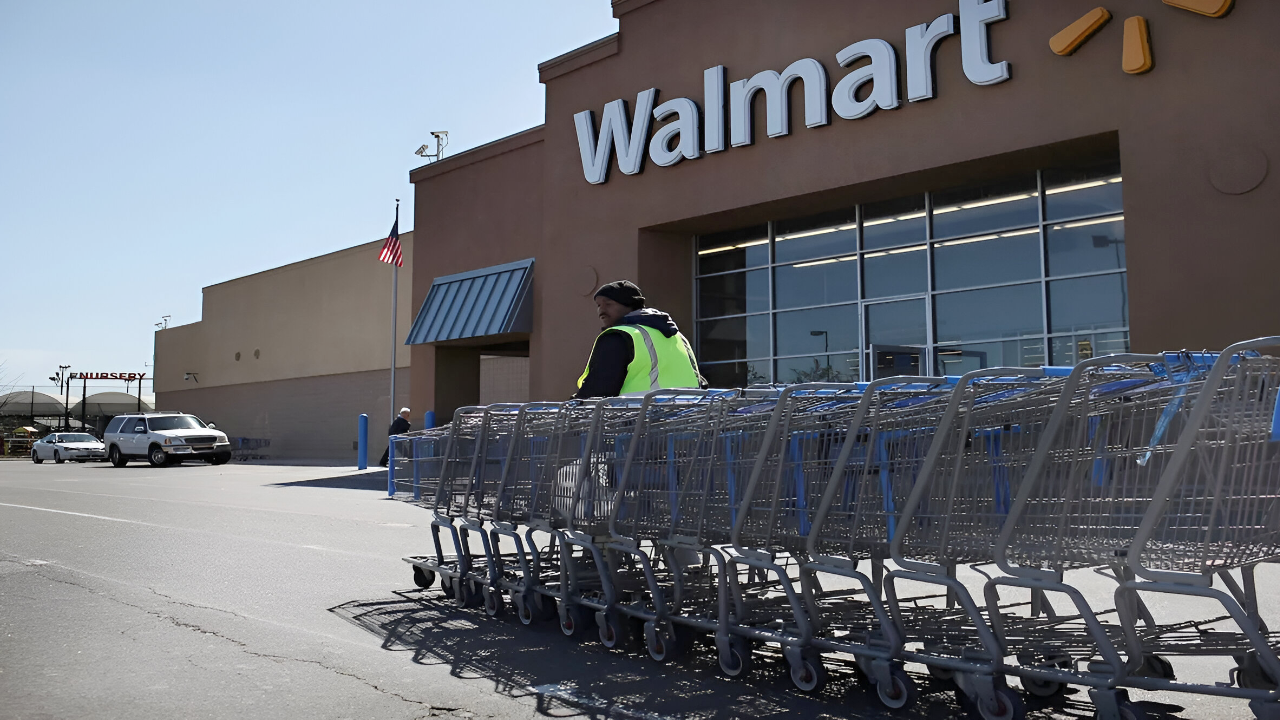
The American labor market shuddered in October 2025 when Walmart, the nation’s largest private employer, abruptly stopped extending job offers to applicants requiring H-1B visas. The move came weeks after President Trump’s administration imposed a one-time $100,000 fee on each new H-1B petition—a dramatic escalation in the administration’s campaign to curb the use of foreign skilled labor. Walmart, which employed 2,390 H-1B workers as of mid-2025, insists it remains “committed to hiring and investing in the best talent,” but the company is now reviewing its entire approach to visa-based hiring. The ripple effects are immediate and far-reaching, touching everything from Silicon Valley startups to Main Street retailers, and raising urgent questions about the future of innovation, labor costs, and America’s competitive edge.
The $100,000 Fee: Policy Shockwaves

President Trump’s executive order, signed September 19, 2025 and effective September 21, 2025, was framed as a crackdown on the “overuse” of the H-1B program and aims to push companies to “train Americans” for specialized roles. The $100,000 fee—unprecedented in both scale and scope—instantly transformed the economics of hiring foreign professionals. For context, over 70% of H-1B visas typically go to Indian nationals, with another 12% to Chinese workers. Now, thousands of skilled applicants, many of whom have built careers and lives in the U.S., find themselves suddenly shut out. H-1B visa holders have expressed concerns about the uncertainty affecting major life decisions, including homeownership and family planning.
Business leaders reacted with alarm. The U.S. Chamber of Commerce swiftly filed suit on October 16, 2025, with Executive Vice President and Chief Policy Officer Neil Bradley calling the fee “cost-prohibitive for U.S. employers, especially start-ups and small and midsize businesses,” and warning it threatens American competitiveness. Bradley emphasized that the rule could force companies to offshore projects or slow hiring—a particular blow to startups that lack the financial cushion of tech giants. Even firms that can absorb the higher costs face a stark new reality: the U.S. is no longer the default destination for global talent.
Global Talent in Motion
The policy shift is already redirecting the flow of skilled workers. Countries like Canada, Germany, and China are actively courting tech professionals who might have once sought H-1B visas. Canada announced a fast-track immigration route for H-1B holders in November 2025, positioning itself to attract people who previously would have obtained H-1B visas. This global reshuffling could accelerate the migration of innovation hubs away from American soil, with long-term consequences for U.S. leadership in technology and research.
Domestic industries are bracing for disruption. Retailers like Walmart are pivoting to domestic hiring and automation, while service sectors—hotels, restaurants, and agriculture—worry about deepening labor shortages. Companies in technology, agriculture, hotels, restaurants, and construction rely heavily on immigrant workers. The University of Washington and Fred Hutchinson Cancer Research Center paused visa petitions for medical researchers in October 2025, with officials warning that the uncertainty “represents a loss for the research and education communities, as well as for vital clinical care.” Hospitals, already facing a projected shortfall of 86,000 doctors by 2036 according to the Association of American Medical Colleges, fear the fee will exacerbate staffing crises.
Economic and Legal Fallout

The financial implications are significant. Analysts at Jefferies predict the fee will “constrain talent supply,” forcing companies to pay higher wages to American workers and potentially cutting profit margins by 4–13%. These increased costs could eventually trickle down to consumers in the form of higher prices. Meanwhile, U.S.-listed Indian IT firms saw their shares decline as investors reassessed growth prospects in a tighter visa environment.
Legal battles are intensifying. The Chamber’s lawsuit argues that Congress never authorized such a levy, and additional challenges are pending. The White House defends the fee as a necessary measure to put “American workers first” and deter program abuses, but critics counter that the policy will backfire, stifling growth and diversity. The partisan divide is stark: supporters see the move as protecting U.S. wages, while opponents warn it undermines the nation’s ability to attract top talent.
A Nation Reckoning with Its Future
Walmart’s hiring pause is more than a corporate adjustment—it signals a profound shift in U.S. labor and immigration policy. The H-1B freeze suggests America may be trading open innovation for protectionism, with uncertain consequences for economic dynamism and cultural diversity. Even some observers note that the H-1B program remains “a vital source of talent,” highlighting the high stakes of this decision.
As court battles unfold and companies adapt, the nation stands at a crossroads. The choices made in the coming months will shape not only the labor market but also America’s role in the global economy. For now, businesses, workers, and consumers alike are left to navigate a landscape of uncertainty, where the only certainty is change.