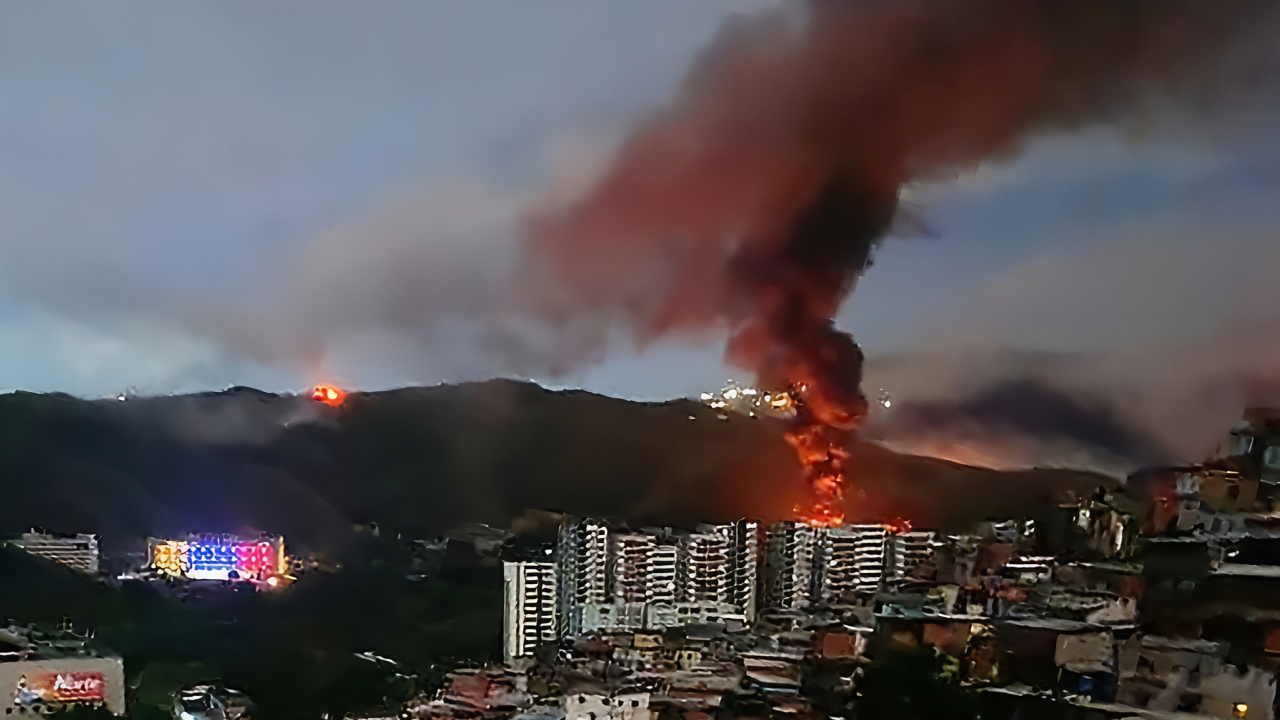
At 2:01 a.m. local time on January 3, 2026, over 150 U.S. aircraft streaked across the Caribbean sky, converging silently on Caracas. Bombers, drones, stealth fighters, and electronic warfare jets moved under strict radio silence, creating a spectacle of organized chaos.
Below, helicopters from the 160th Special Operations Aviation Regiment threaded low over water toward Venezuela’s most fortified compound. President Nicolás Maduro’s fate hung in the balance as U.S. forces executed a mission that would last only 2.5 hours but shake the world.
High-Stakes Gamble

Final approval came at 10:46 p.m. Eastern on January 2, 2026. President Trump gave commanders just hours to launch, leaving no margin for error. Mission planners had rehearsed for months on replicas of Maduro’s Puerta Tizona compound.
Success depended on flawless timing and neutralizing Venezuela’s extensive Russian-built defenses. Any delay, misstep, or intelligence leak could jeopardize the operation. For U.S. commanders, the clock was as dangerous an enemy as Caracas’s heavily armed surface-to-air network.
Caracas Under a Shield
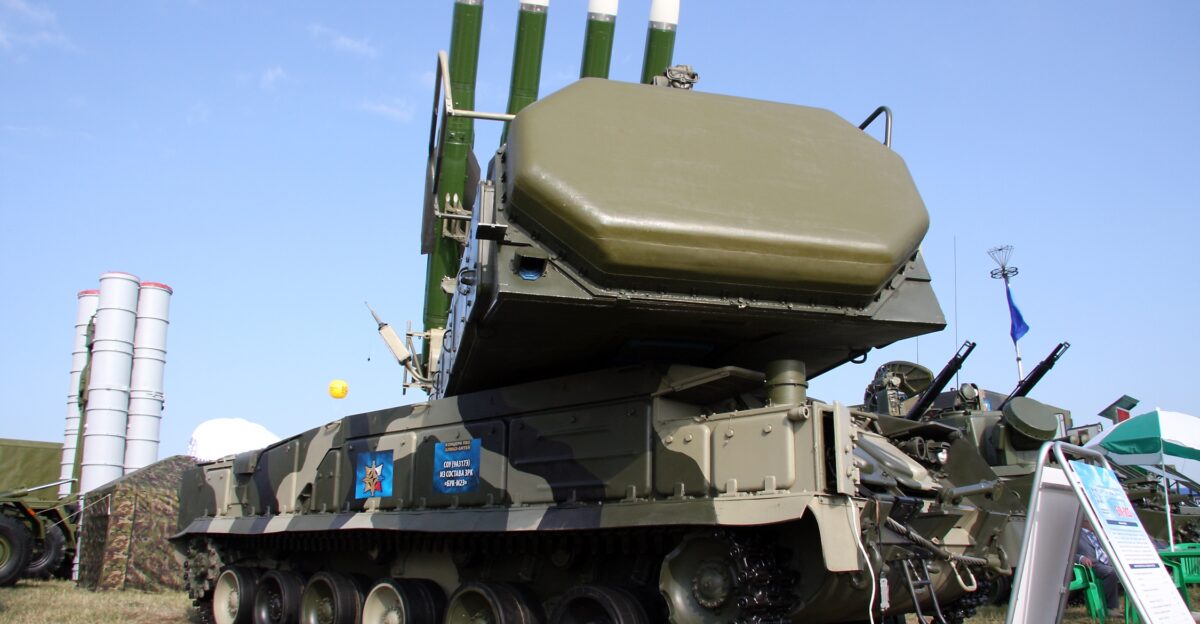
Over the past decade, Venezuela built a sophisticated air defense network with Moscow’s help. S-300VM long-range missiles, Buk-M2E medium-range launchers, Pechora-2M upgrades, and thousands of Igla-S MANPADS now dotted the country.
From Fort Tiuna to Higuerote Airport, the network formed one of Latin America’s densest defenses, designed to keep Western aircraft at bay. Every radar, missile battery, and launcher was a potential barrier to entry—and a test for U.S. stealth and electronic warfare capabilities.
Moscow’s $2.2 Billion Investment
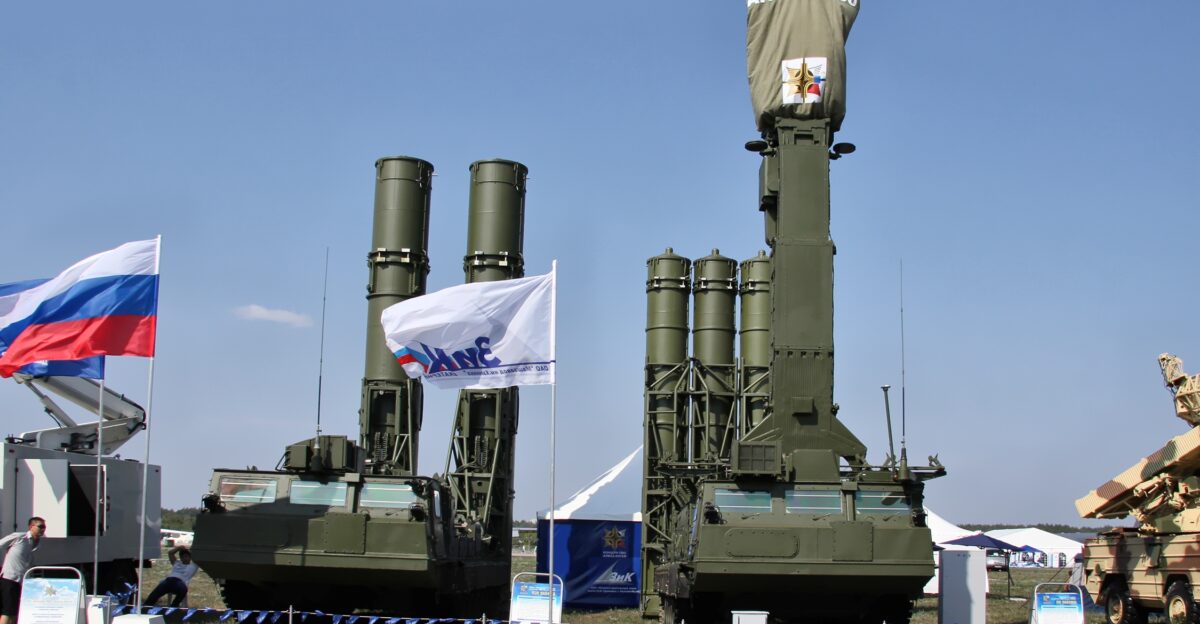
Russia financed much of Caracas’s defenses. In 2009, a $2.2 billion credit line enabled Venezuela to purchase S-300VM systems, tanks, armored vehicles, and other advanced weaponry.
Analysts highlight that the long-range missile systems were the primary beneficiaries, while also supporting a broader military buildup. Decades later, this $2.2 billion gamble would be tested in real time against stealth aircraft, Growler jamming, and precision strikes—a showdown between Russian export promises and modern American tactics.
Suppressing the Defenses
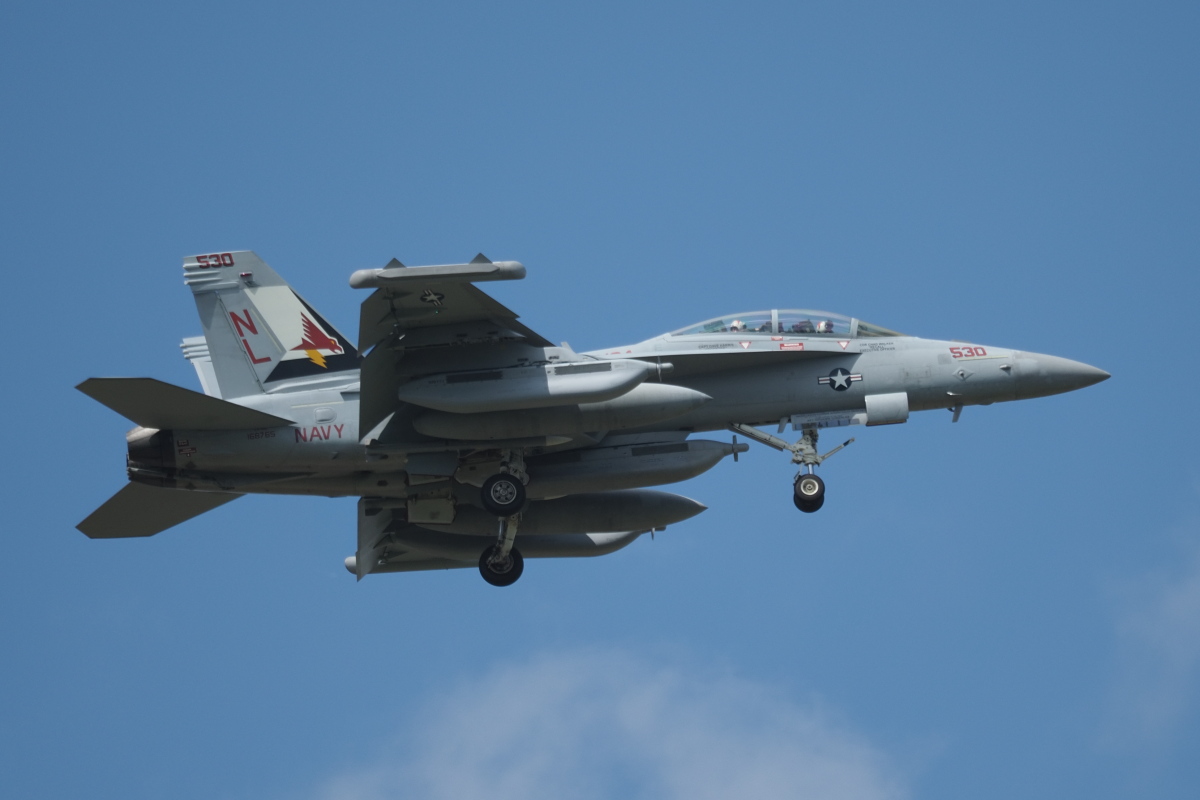
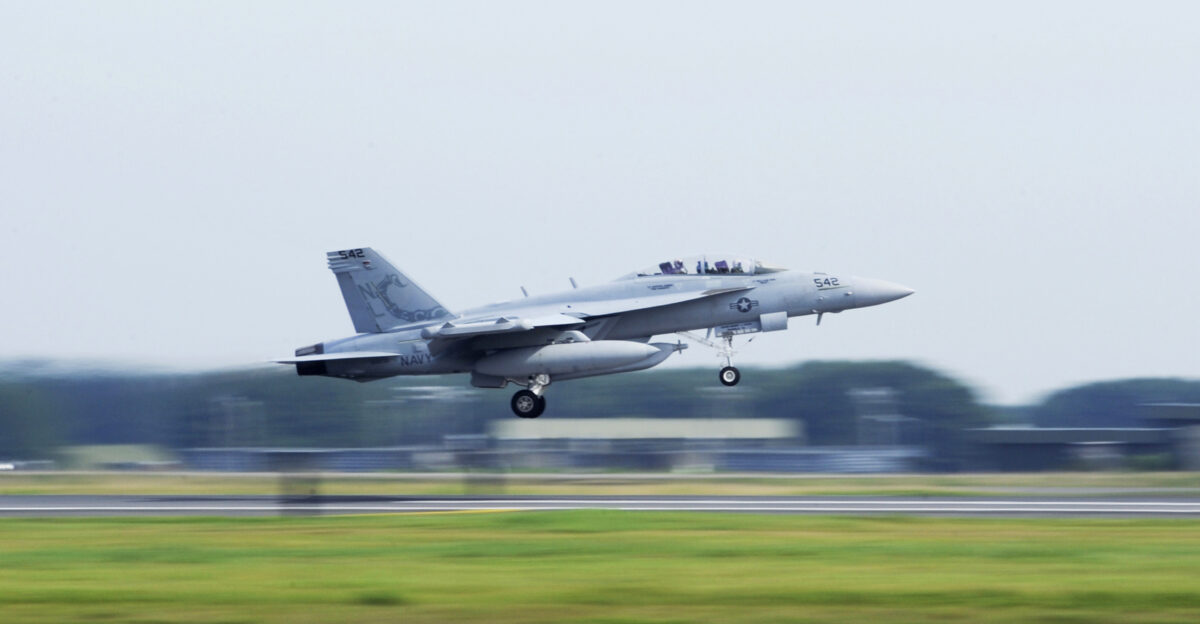
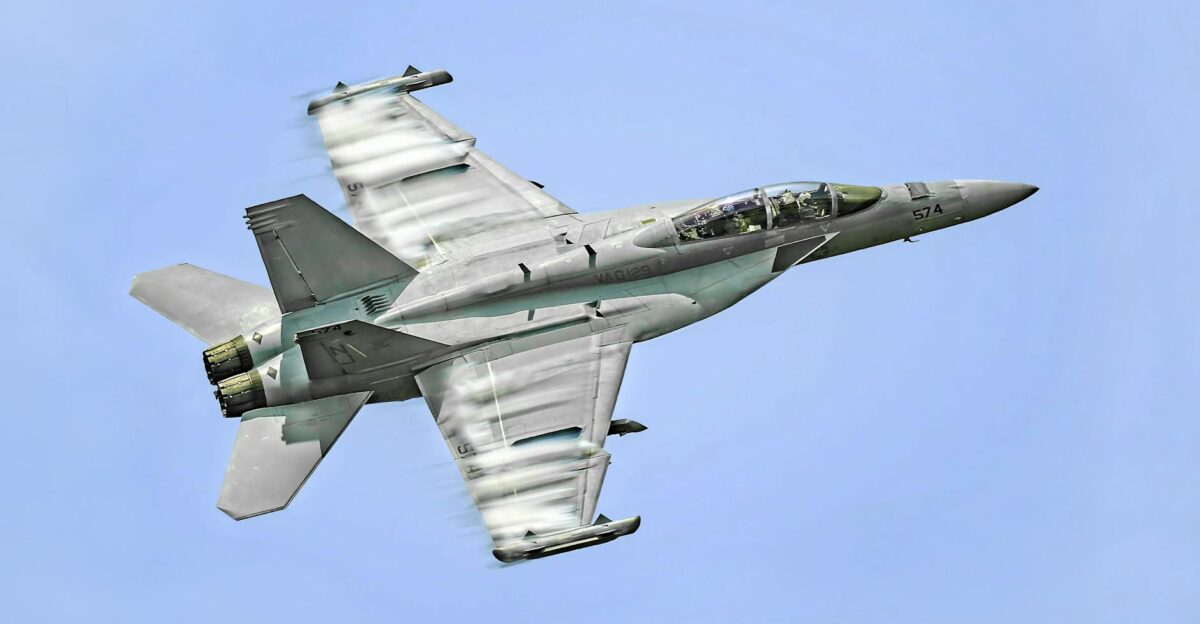
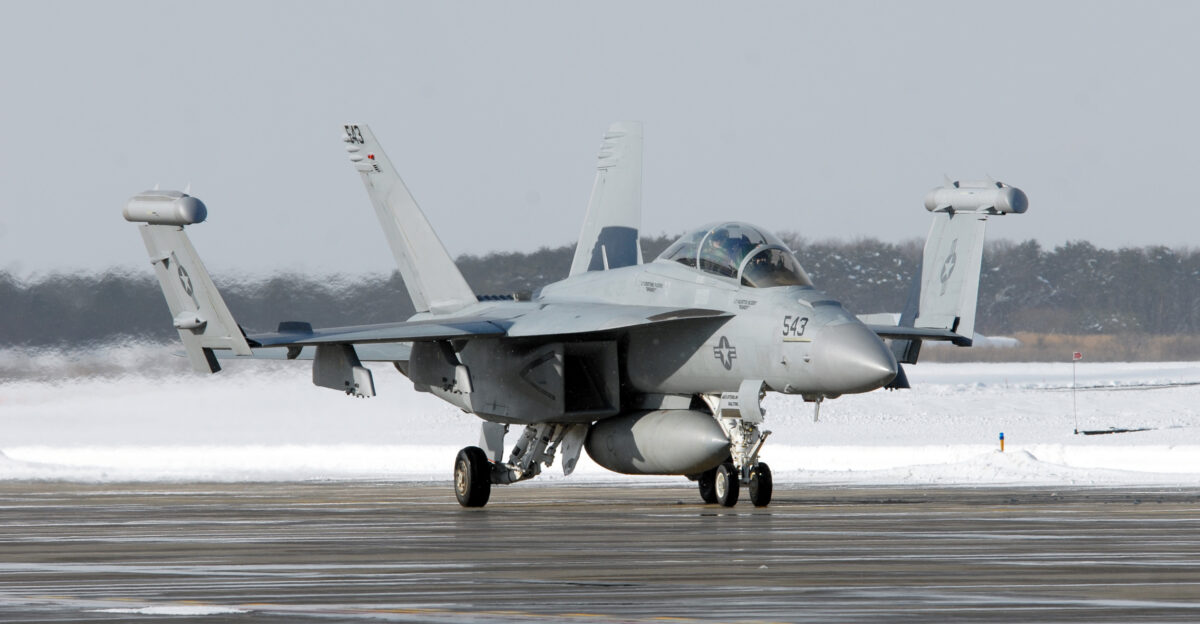
As helicopters approached Caracas, U.S. aircraft struck first. Bombers, drones, and electronic warfare jets targeted radars and missile batteries to prevent engagement. EA-18G Growlers created false targets and jammed communications, rendering even sophisticated S-300VM and Buk-M2E systems blind.
“The Joint Air Component began dismantling and disabling the air defense systems to ensure safe passage for helicopters,” said Gen. Dan Caine. By the time Delta Force touched down, Maduro’s Russian-backed shield was effectively neutralized.
Precision Strikes Across Caracas
Explosions ripped through multiple military installations, including La Carlota Air Base, Fort Tiuna, and Higuerote Airport. Communication towers were destroyed, and the power grid across southern Caracas went dark due to a cyberattack.
Targets were carefully selected to confuse Venezuelan commanders and disrupt coordination. By combining standoff munitions with stealth aircraft, U.S. forces created chaos while maintaining surgical control, clearing the path for the ground team to reach Maduro’s most secure locations.
On the Ground With Delta Force
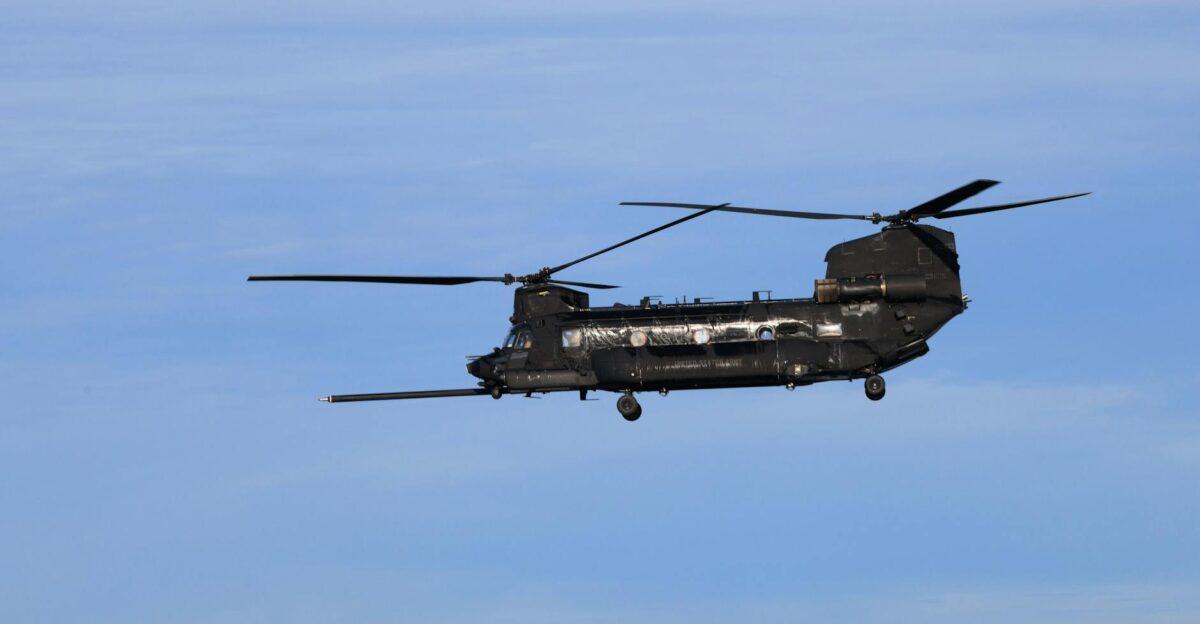
Delta Force operators, inserted by MH-47 and MH-60 helicopters, fought through ground fire to reach Maduro’s fortified compound at Fort Tiuna. One helicopter was hit but remained airworthy.
FBI Hostage Rescue Team personnel accompanied the assault to effect a formal arrest. The mission lasted roughly 2.5 hours from insertion to extraction. Venezuelan officials claimed about 100 fatalities, including Cuban military personnel guarding Maduro, while all U.S. troops survived, seven suffering minor injuries.
Russian Systems Fail to Engage
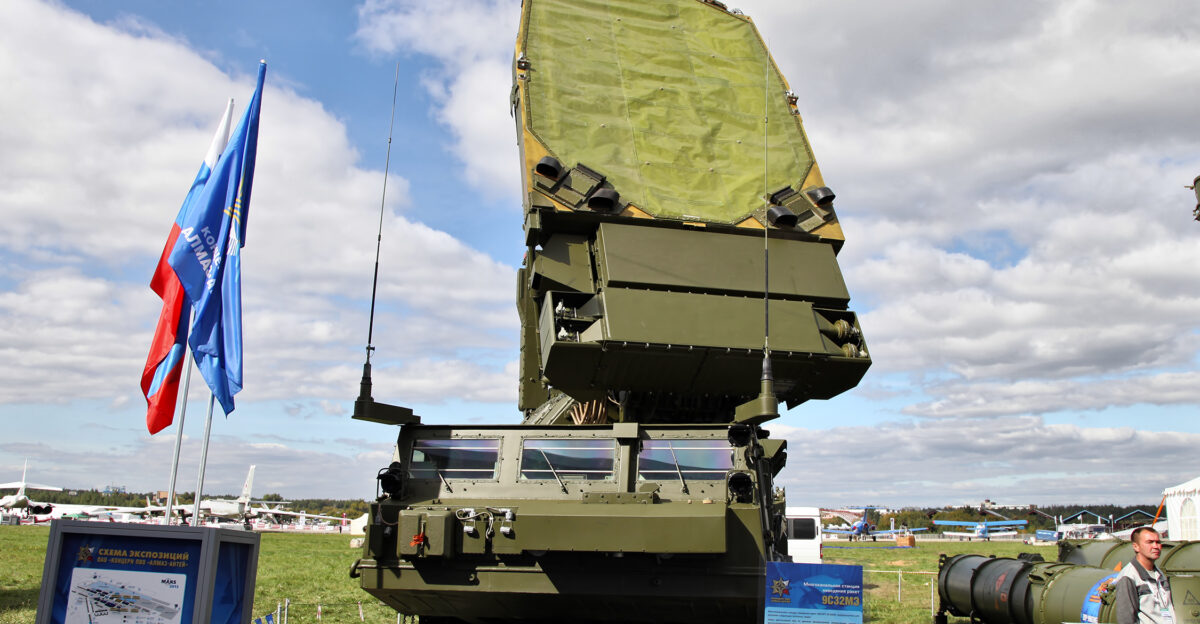
Venezuela’s vaunted S-300VM and Buk-M2E batteries failed to shoot down a single U.S. aircraft. Satellite imagery confirmed destroyed missile launchers at Higuerote Airport, while radars produced false readings under Growler jamming.
“Those Russian air defenses didn’t quite work so well, did they?” quipped Defense Secretary Pete Hegseth. The operation delivered an unflattering real-world test of Moscow’s export systems and raised questions about the effectiveness of costly air defense networks in modern, electronically contested warfare.
The Electronic Battlefield
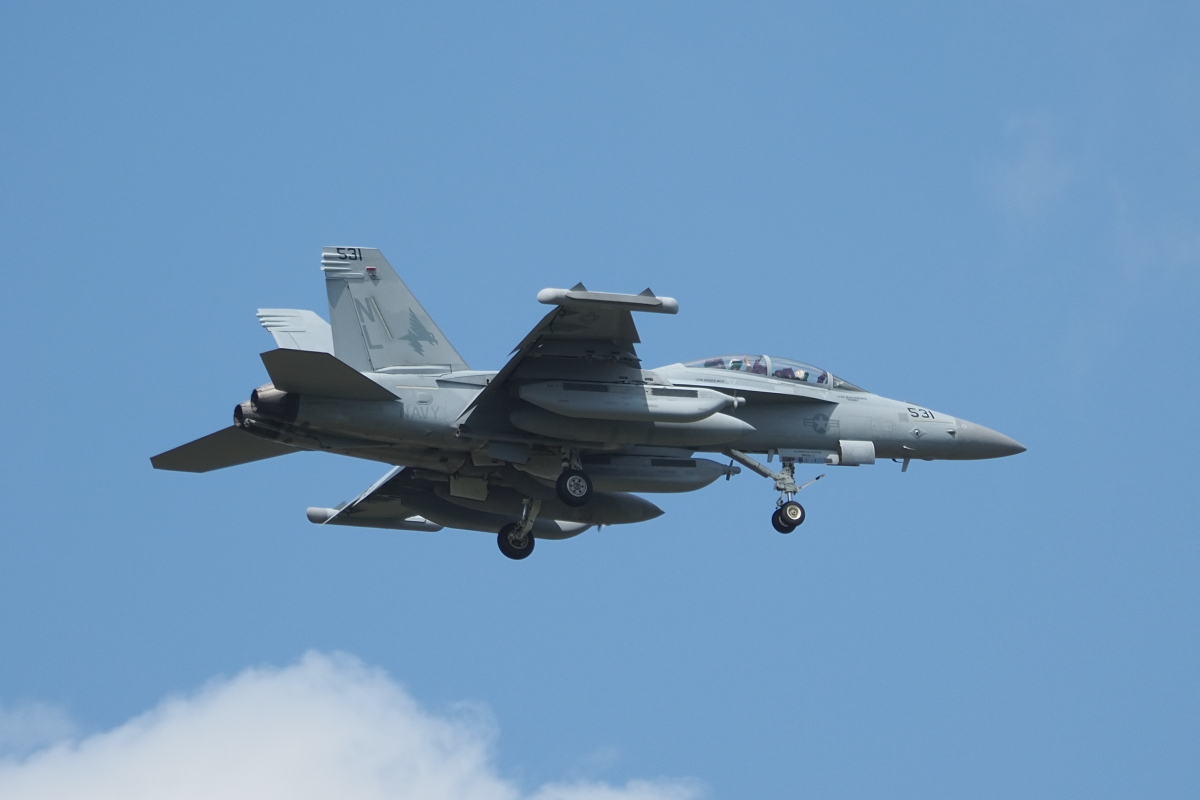
Experts say the raid highlights the central role of electronic warfare. Stealth aircraft, precision standoff weapons, and electromagnetic attacks created temporary “suppression windows” where even sophisticated missile systems became ineffective without being physically destroyed.
Venezuelan radars were overwhelmed, launchers jammed, and command networks confused. Modern combat, analysts argue, increasingly depends on controlling signals and spectrum rather than brute firepower, as illustrated by the rapid neutralization of Caracas’s defenses.
Growlers and Electronic Warfare
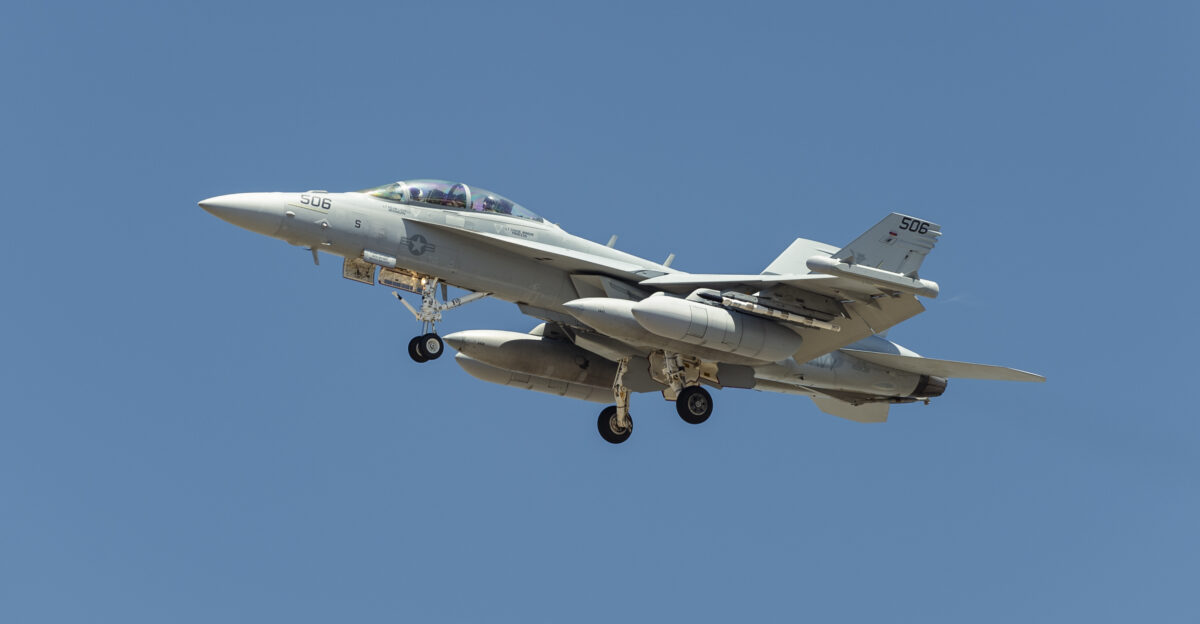
EA-18G Growlers were pivotal, jamming radars and communications across northern Venezuela. The Navy’s electronic attack aircraft disrupted targeting and created phantom signals, preventing missile batteries from locking on.
West Point analysts called the Growler’s role “of particular note” in enabling helicopters to reach Maduro’s stronghold. Paired with F-22s, F-35s, and reconnaissance drones, the Growlers exemplified how multi-domain coordination can overcome even dense, high-end air defense networks.
Venezuelan Frustration
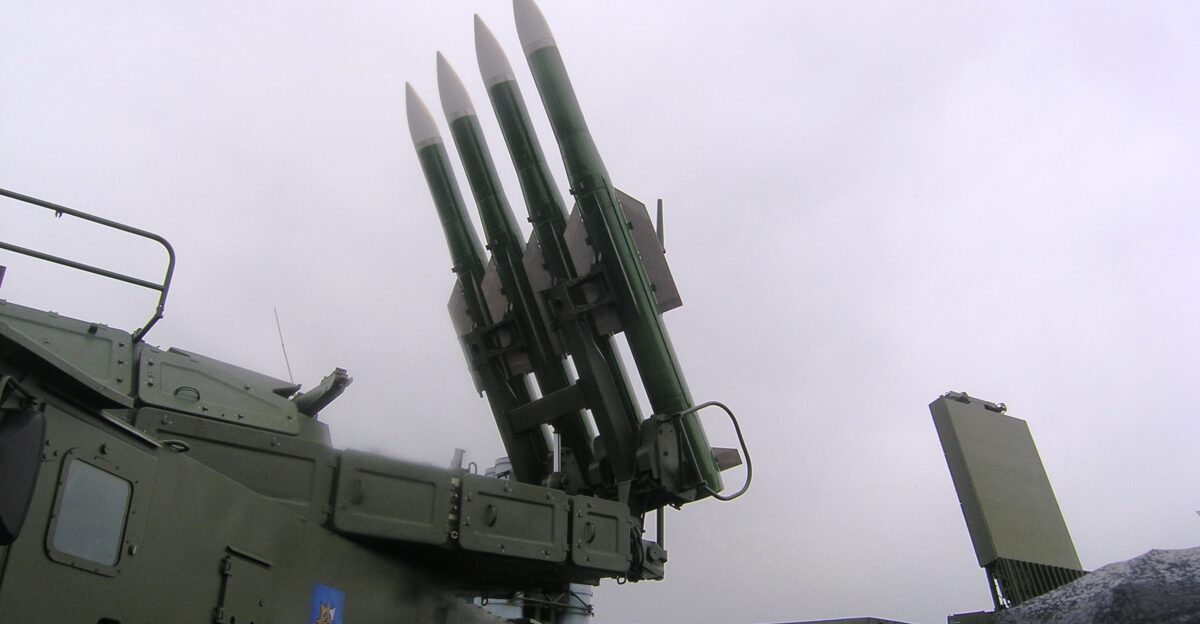
The raid sparked anger in Caracas. Analysts pointed to poor maintenance, under-investment, and limited pilot training as key factors in the collapse of modern Russian systems.
Even with expensive equipment, crews struggled to respond to electronic disruption. One expert warned NATO not to underestimate these systems globally—they remain capable under optimal conditions—but Venezuela’s network highlighted how technology alone cannot replace training, readiness, and adaptability.
Moscow’s Damage Control

Russian officials downplayed the failure, citing insufficient Venezuelan training and export-system limitations. State-linked analysts emphasized that S-300VMs differ from domestic S-400 or S-350 systems.
Nonetheless, international observers noted that expensive air defense batteries had been rendered ineffective in live combat, creating pressure on Moscow’s clients to demand explanations, upgrades, and enhanced operator training after witnessing the operation’s results.
Experts Urge Perspective
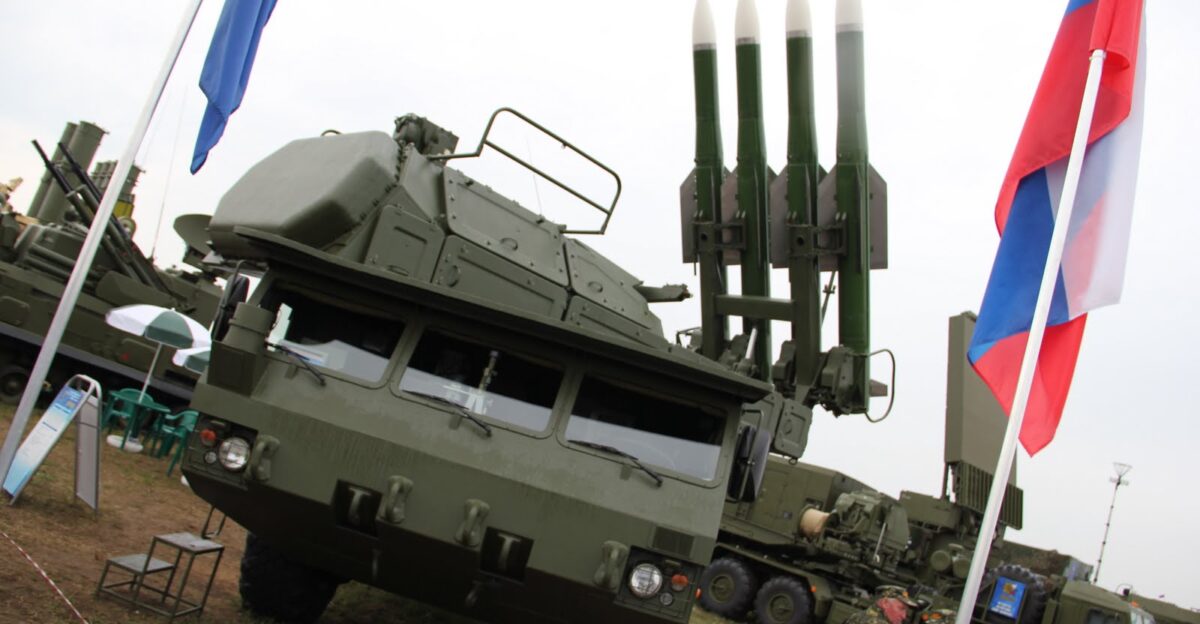
Military specialists caution against assuming Russian air defenses are universally weak. IISS analysts stress that systems like Buk-M2E and S-300VM remain highly effective in large-scale wars.
Operation Absolute Resolve, they argue, reflects a carefully planned, short-duration U.S. raid, not a symmetric conflict. The success relied on superior intelligence, electronic warfare, and timing—not inherent system flaws—underscoring that outcomes depend as much on strategy as on hardware.
Political Shockwaves
The raid marked the most significant U.S. military action in Latin America since Panama, 1989. Congress was not informed beforehand, citing operational security, sparking constitutional debate.
Regional governments were stunned by the speed and scale of the intervention. Critics warned that such operations could fuel anti-U.S. sentiment and complicate diplomacy, while supporters argued it demonstrated U.S. capability to act decisively against high-value targets in hostile, heavily defended territories.
Strategic Lessons
Operation Absolute Resolve has become a case study in modern warfare. Stealth, electronic attack, and intelligence were combined to open narrow corridors into contested airspace, achieving results in hours rather than weeks.
Analysts say the raid signals a shift: controlling signals, cyber, and the electromagnetic spectrum may now be as decisive as firepower. The capture of Maduro and Cilia Flores demonstrates that even high-end, Russian-backed defenses can be neutralized through precise, multi-domain operations.
Sources:
DefenseScoop – US deploys 150-plus military aircraft, drones and other tech in Venezuela operation, Gen. Caine details – January 2, 2026
The New York Times – Inside ‘Operation Absolute Resolve,’ the U.S. Effort to Capture Maduro – January 3, 2026
Business Insider – Venezuela’s Russian Air Defenses Didn’t Shoot Down a Single US Aircraft – January 6, 2026
West Point Modern War Institute – Eight Military Takeaways from the Maduro Raid – January 8, 2026