
Remote surveillance technology in Britain’s woodlands has captured extraordinary footage showing population recoveries of some of the country’s most secretive mammals. NatureSpy reports that trail cameras deployed across estates and forests document wildlife behavior patterns that researchers couldn’t observe through traditional methods. These weatherproof, motion-activated devices can operate unattended for months, providing unprecedented insights into nocturnal animal activity without human interference disturbing natural behaviors.
Conservation Efforts Reach Critical Moment
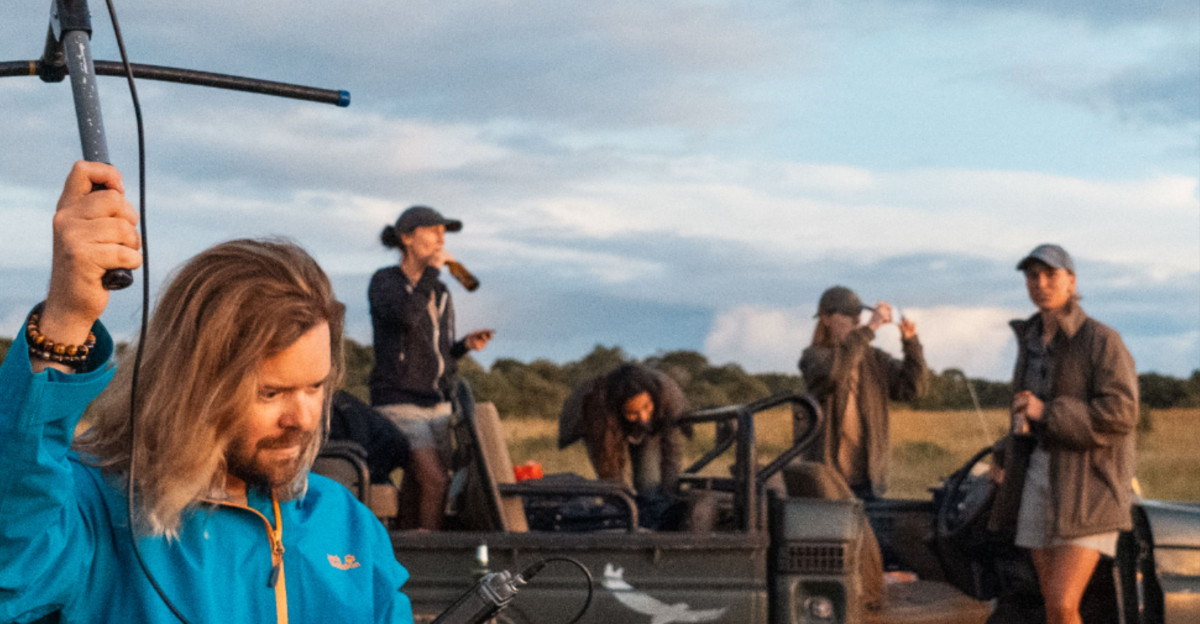
Britain’s wildlife monitoring efforts have reached a critical juncture as conservationists race to document and protect species on the brink of regional extinction. Trail camera technology has revolutionized wildlife observation, with advanced AI-enabled units now capable of species identification and real-time alerts to conservation managers. BBC Newsround indicates that recent camera trap networks have documented over 100 successful pine marten reintroductions across Wales, England, and Scotland since 2015, marking unprecedented recovery efforts for one of Britain’s rarest carnivores.
Victorian Era Persecution Nearly Eliminated Species

The European pine marten once roamed freely across Britain’s woodlands until Victorian sporting estates systematically eradicated them through intensive persecution campaigns. By the early 20th century, aggressive gamekeeper control had driven these cat-sized mustelids to near-extinction throughout England and Wales. Vincent Wildlife Trust research shows that only Scotland’s remote northwestern highlands harbored surviving populations, with scattered individuals clinging to existence in northern England and Wales’ most isolated uplands.
Habitat Loss Compounded Century of Decline

Habitat destruction compounded persecution as Britain’s ancient woodlands fell to agriculture and development throughout the 18th and 19th centuries. The pine marten population suffered a catastrophic decline during this period, with the species declared extinct across most of southern Britain by 1900. Rewilding Britain notes that legal protection introduced in 1988 under the Wildlife and Countryside Act provided the first reprieve, but recovery remained painfully slow without active intervention from conservation organizations.
Historic Discovery Confirms Species Return to Wiltshire
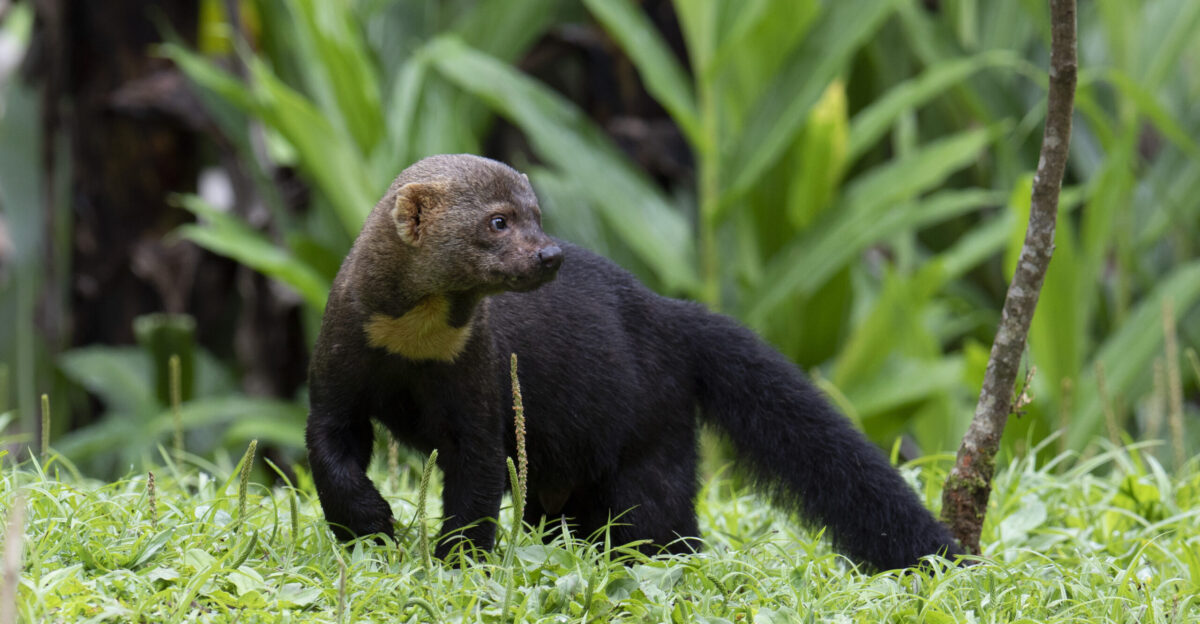
Trail cameras at Longleat Estate in Wiltshire captured definitive evidence of pine martens returning to the county for the first time in over a century in 2024. The footage and DNA analysis from scat samples confirmed natural recolonization rather than human reintroduction at the 4,000-acre estate near Warminster. BBC News quotes Dr. Tom Lewis, Longleat’s conservation and research manager, who described the sighting as remarkable given the species’ notoriously elusive nature and secretive behavior patterns.
Southern Expansion Accelerates Beyond Predictions

The Wiltshire confirmation represents a significant southern expansion of pine marten recovery, with the species now documented across multiple English counties, including Northumberland, Yorkshire, Gloucestershire, and Devon. Camera trap evidence suggests natural dispersal from recovering Scottish populations and successful Welsh reintroductions is accelerating faster than conservation models predicted. The Wiltshire Mammal Group secured funding in spring 2025 to establish monitoring networks across the county, installing den boxes and feeding stations with surveillance cameras.
Conservation Expert Celebrates Breakthrough Moment

“They are notoriously elusive creatures, and it is very exciting not just to have caught one on camera but also to have one living here,” stated Dr. Tom Lewis regarding Longleat’s pine marten discovery. Lewis, a PhD in conservation biology from the University of Sheffield, emphasized the significance of woodland ecosystem restoration at the historic estate. The confirmation provides crucial data for understanding natural recolonization patterns and habitat preferences of this critically endangered species in southern England.
Systematic Recovery Programs Show Promising Results

The Vincent Wildlife Trust has spearheaded Britain’s pine marten recovery through systematic translocation programs, moving 51 individuals from Scotland to Wales between 2015 and 2017. Forestry England partnered with conservation groups to release 35 pine martens in the Forest of Dean from 2019 to 2021, and the population had grown to an estimated 60 individuals by 2023. The Two Moors Pine Marten Project released 15 animals across Dartmoor in September 2024, expanding recovery efforts into southwest England.
Population Numbers Remain Critically Low

Current estimates place Britain’s total pine marten population at approximately 4,000 individuals, with the vast majority concentrated in Scotland’s recovering populations. The species remains classified as Critically Endangered in England and Wales, though recent reintroductions have established viable breeding populations in multiple locations. Natural Resources Wales data indicate that increasing founder populations from 60 to 100 individuals more than doubles establishment success rates for new reintroduction sites.
Unexpected Bonus for Red Squirrel Conservation
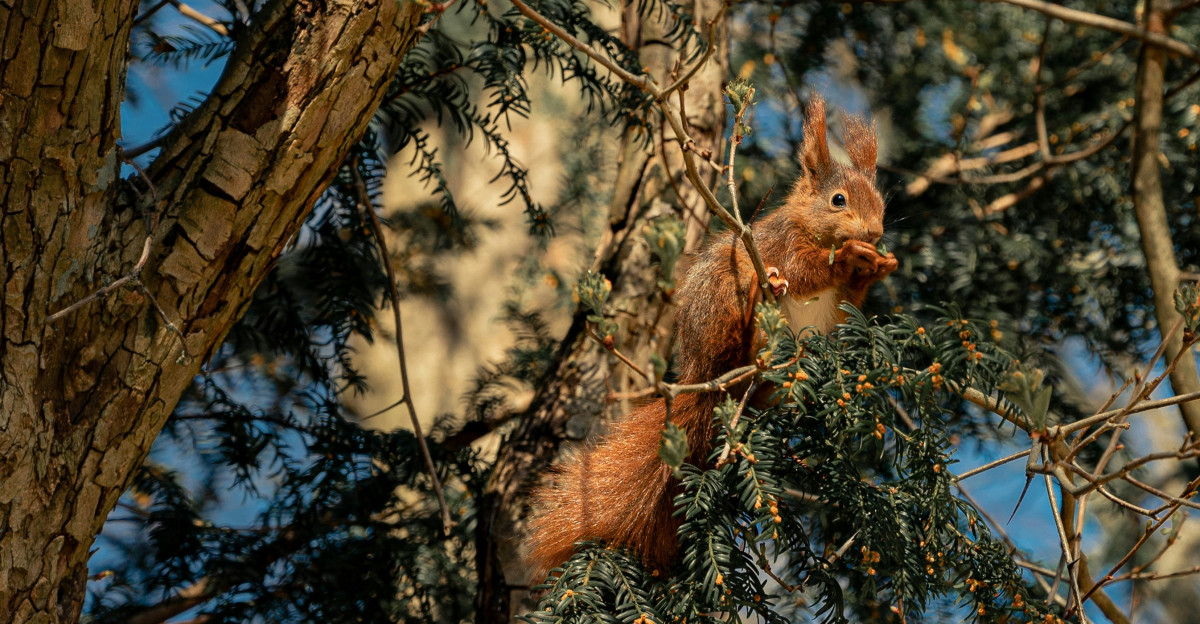
Pine marten recovery produces an unexpected conservation bonus: their presence naturally controls invasive grey squirrels while benefiting native red squirrels through predator-mediated competition. Research from Queen’s University demonstrates that grey squirrels, lacking evolutionary history with pine martens, show no behavioral response to predator scent and become highly vulnerable to predation. Having coevolved with pine martens, red squirrels exhibit appropriate anti-predator behaviors and benefit from reduced grey squirrel competition in areas where martens recover.
Monitoring Challenges Test Research Teams

Wildlife researchers describe pine marten monitoring as one of Britain’s most challenging conservation projects due to the species’ secretive, nocturnal lifestyle and low population densities. Matthew Davies, a Pine Marten Recovery Project volunteer, told the Woodland Trust about years of fieldwork with only fleeting glimpses of “chocolate-brown cats legging it into the undergrowth.” Trail cameras have become essential tools for documenting these elusive mammals’ presence, behavior, and population dynamics across their expanding range.
Funding Partnerships Enable Expansion
The Cranborne Chase National Landscape’s Farming in Protected Landscapes fund provided crucial 2025 Wiltshire pine marten monitoring funding, enabling the Wiltshire Mammal Group to establish county-wide surveillance networks. Rewilding Europe’s European Wildlife Comeback Fund awarded a €50,000 grant to support the South Cumbria Pine Marten Recovery Project’s 2024 releases. Multiple conservation organizations now coordinate funding strategies to support the estimated £200,000-400,000 cost per successful reintroduction program.
New Releases Confirm Breeding Success
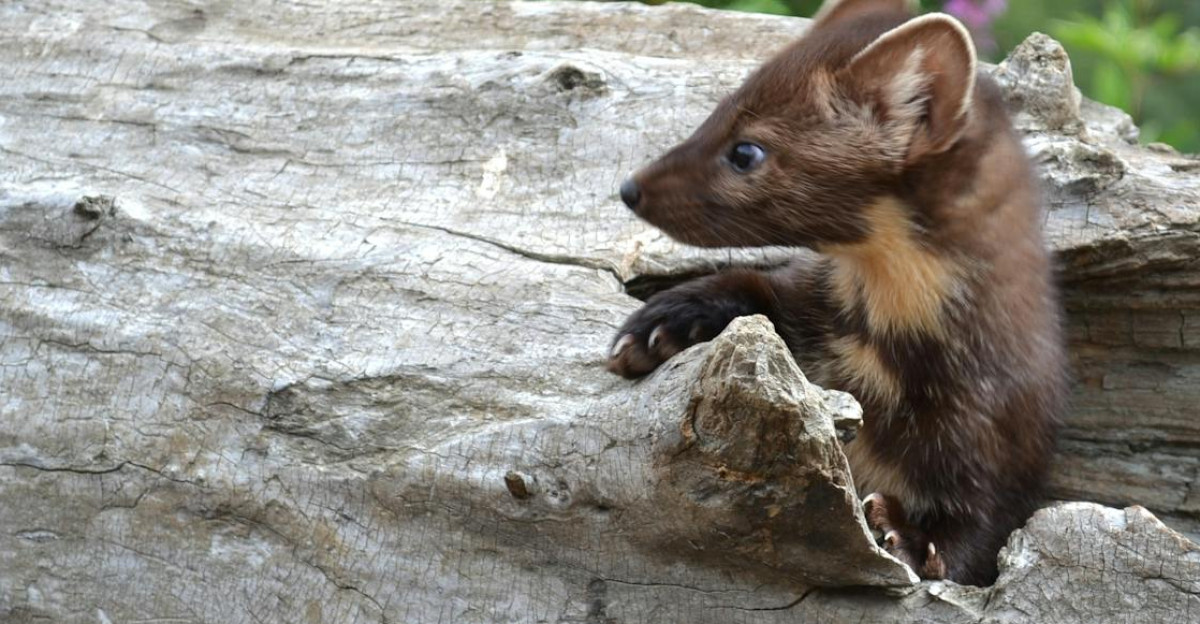
Conservation groups are accelerating pine marten reintroductions across Britain with planned 2025 releases in Exmoor and additional Lake District sites following 2024’s successful Dartmoor and Cumbria programs. The University of Cumbria’s South Cumbria Pine Marten Recovery Project achieved a significant milestone in 2024 when camera traps captured the first wild-born kits, confirming successful breeding in the reintroduced population. Strategic den box installations and VHF collar monitoring track individual animals across multiple release sites.
Scientists Maintain Cautious Optimism
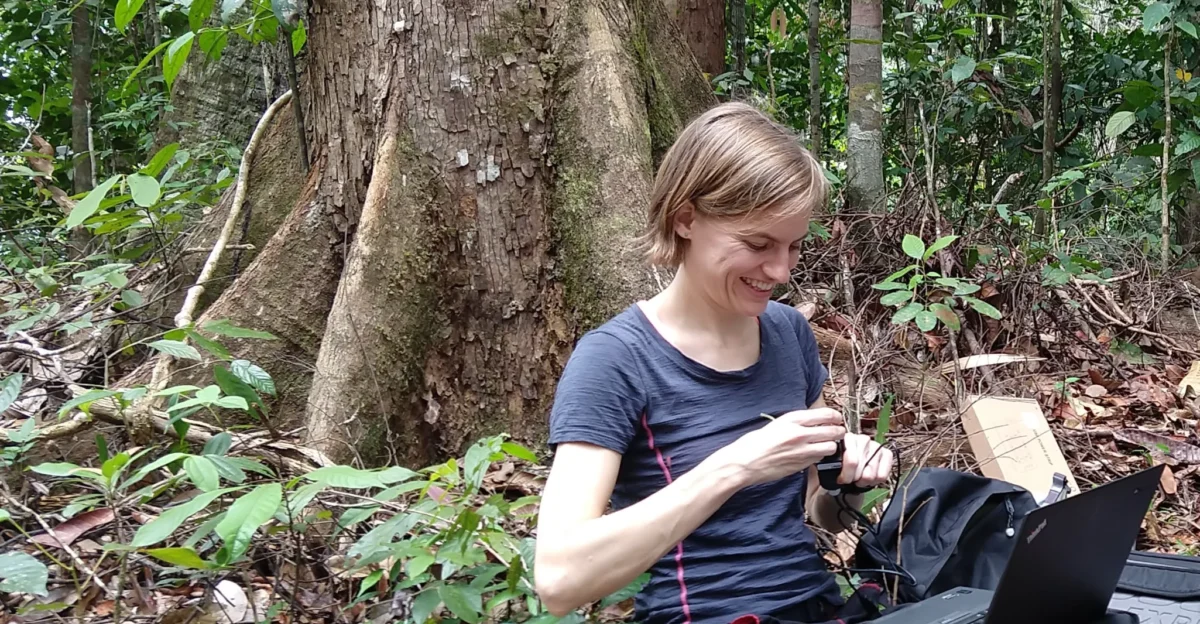
Leading conservation biologists express cautious optimism about pine marten recovery while acknowledging significant challenges, including habitat fragmentation, illegal persecution, and climate change impacts on woodland ecosystems. Population viability analyses suggest successful establishment requires a minimum founding population of 30-40 individuals across multiple release sites to ensure genetic diversity and demographic stability. Devon Wildlife Trust research shows that long-term monitoring programs extend 10-15 years post-release to assess population sustainability and ecological impacts.
Future Expansion Sites Under Consideration
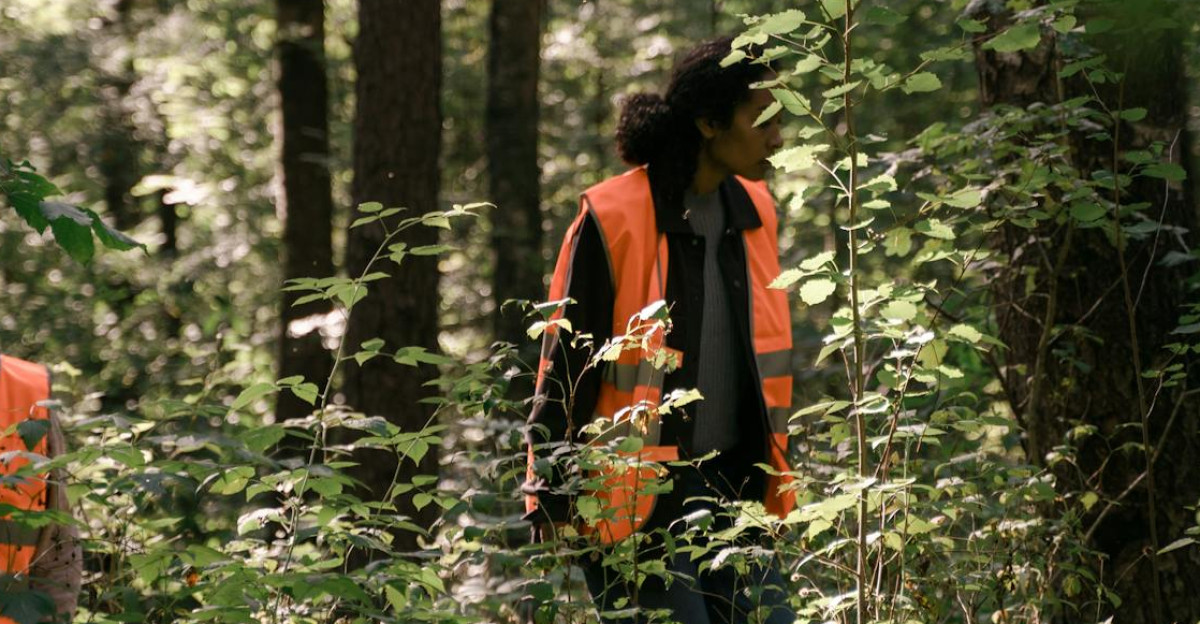
Pine marten recovery efforts face critical decisions about expansion priorities, with potential reintroduction sites under evaluation across southern and eastern England. The Kent Wildlife Trust and Sussex Wildlife Trust announced feasibility studies in February 2024 for potential Southeast England reintroductions, while conservation partnerships explore opportunities in East Anglia and the Midlands. Success depends on continued funding, public support, and coordination between conservation organizations, government agencies, and private landowners.
Government Agencies Support Strategic Approach

Government agencies Natural England, NatureScot, and Natural Resources Wales published joint position statements supporting strategic pine marten translocations while emphasizing rigorous assessment protocols and stakeholder consultation requirements. EU Habitats Directive obligations require member states to monitor and report pine marten population status, creating legal frameworks supporting recovery efforts. Brexit implications for wildlife legislation remain under review, though domestic protection under the Wildlife and Countryside Act continues unchanged.
European Recovery Trends Provide Encouragement
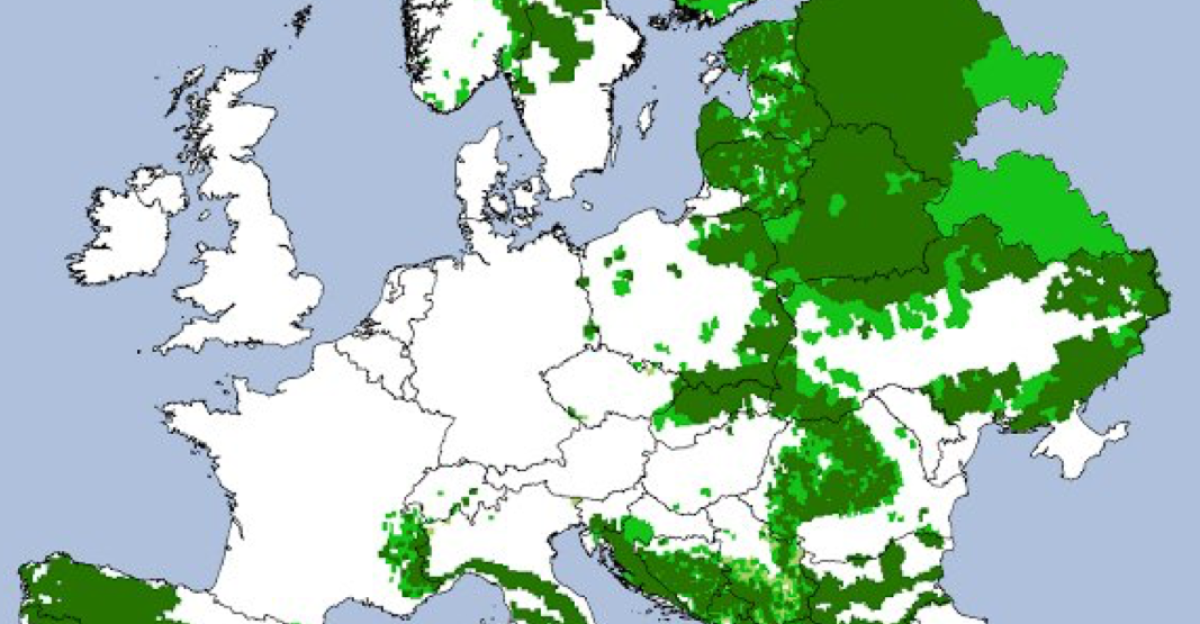
Pine marten recovery in Britain mirrors broader European conservation trends, with populations recovering across Scandinavia, Germany, and Eastern Europe following legal protection and habitat restoration. Ireland maintains an estimated 3,043 pine martens according to recent molecular analysis studies from AFBI. However, population density remains low at fewer than one individual per square kilometer in most forested areas. Cross-border collaboration between Britain and Ireland informs best practices for island population management and genetic diversity conservation.
Advanced Technology Transforms Monitoring
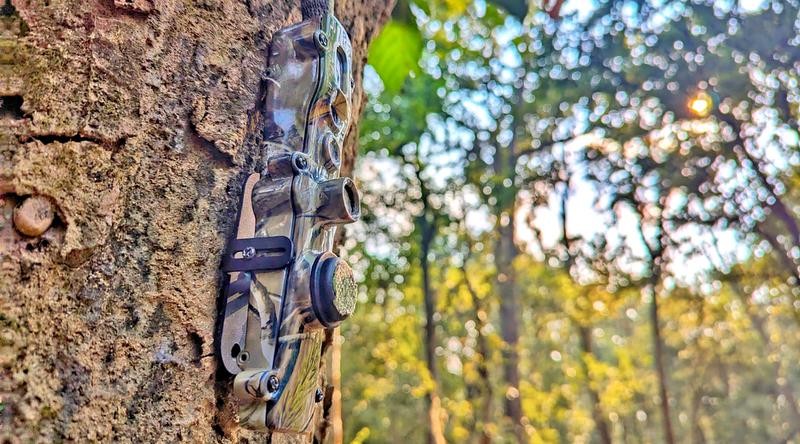
Advanced trail camera technology incorporating artificial intelligence enables automated species identification and real-time alerts for wildlife managers, revolutionizing monitoring capabilities for elusive species like pine martens. Global Conservation reports that TrailGuard AI systems can operate for 1.5 years on a single battery charge while filtering false triggers and providing cellular connectivity for remote surveillance. Camera trap networks generate massive datasets enabling population modeling, habitat assessment, and behavioral analysis previously impossible through traditional observation methods.
Changing Attitudes Toward British Predators

Pine marten recovery represents changing attitudes toward predators in British countryside management, with growing recognition of ecosystem services provided by native carnivores. Modern estate management increasingly embraces rewilding principles, as demonstrated by Longleat’s comprehensive conservation programs supporting multiple species recovery initiatives alongside traditional agricultural activities. Public engagement through camera trap footage and citizen science programs builds support for predator conservation while addressing historical persecution narratives.
Success Story Offers Hope for Wildlife Recovery
The pine marten’s return signals a potential tipping point in Britain’s biodiversity recovery, demonstrating how strategic conservation interventions combined with habitat restoration and legal protection can reverse centuries of decline. Trail camera documentation of natural recolonization events like the Wiltshire discovery validates conservation investment while providing essential data for future species recovery programs. Forestry England suggests this success story offers hope for other critically endangered British mammals while highlighting the crucial role of technology, funding, and collaborative partnerships in modern conservation practice.