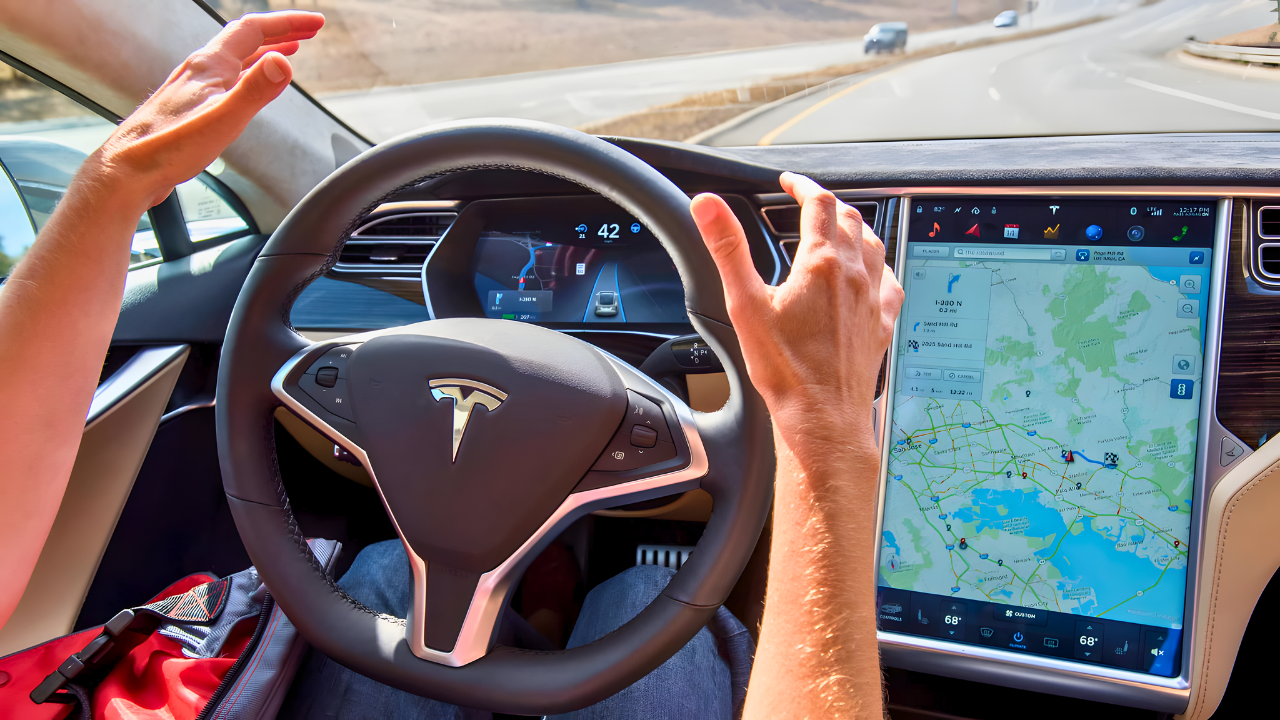
On a September evening in 2023, a Tesla Model X carrying a family of 4 veered across highway center lines on Idaho State Highway 33 and hit a 90,000-lb semi. All 4 occupants and the family dog died.
After an August 2025 $243 million verdict, their lawsuit helped open “floodgates” of Autosteer and marketing claims litigation, and the details start with that curve.
A Family Trip Turns Catastrophic
On September 1, 2023, Jennifer Blaine, 46, drove a 2022 Tesla Model X from Perry, Utah, toward the Tetons with Denali, 11, Emily, 22, and Zachary Leavitt, 24. After dinner and charging in Idaho Falls, they headed on State Highway 33 toward Driggs. Near 10 p.m., on a “gentle southward curve,” the Model X crossed into oncoming traffic, and the why remains disputed.
The Split-Second Impact With A Semi
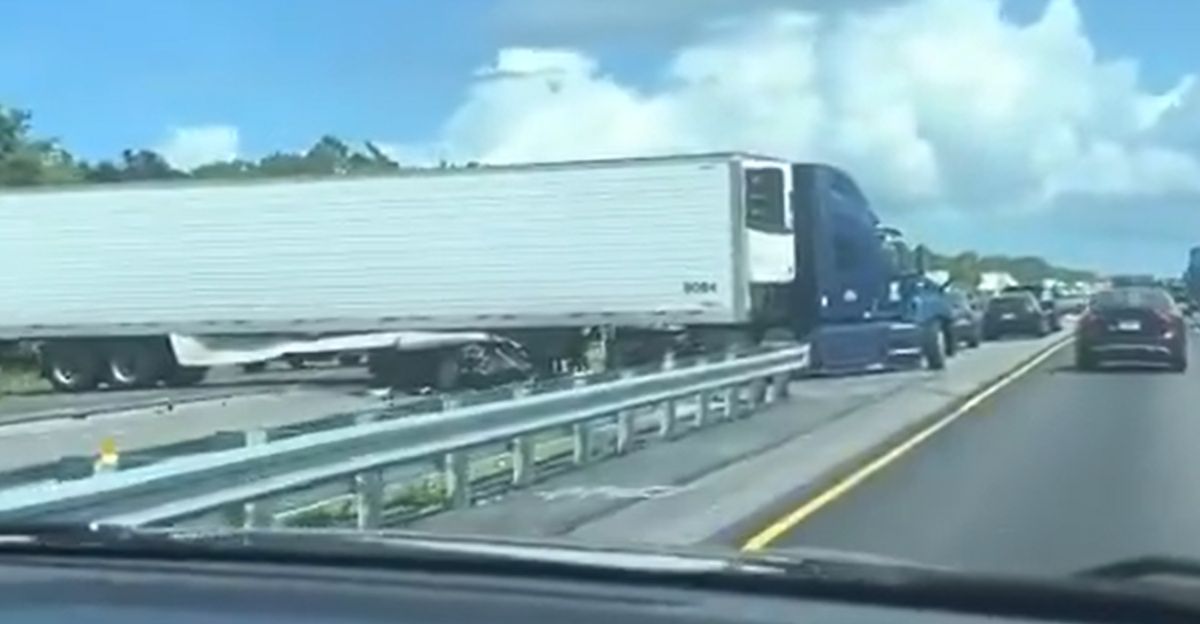
The Model X struck an oncoming 2007 Kenworth semi hauling grain, with cargo weighing 90,000 pounds. The crash crushed the Tesla’s front end rearward, killing all 4 occupants and the dog, Peaches. The Tesla then coasted into a median about 1,680 feet from first impact. Nathan Blaine learned his entire family was gone, and the questions soon shifted from grief to technology.
What Autosteer Claims To Do
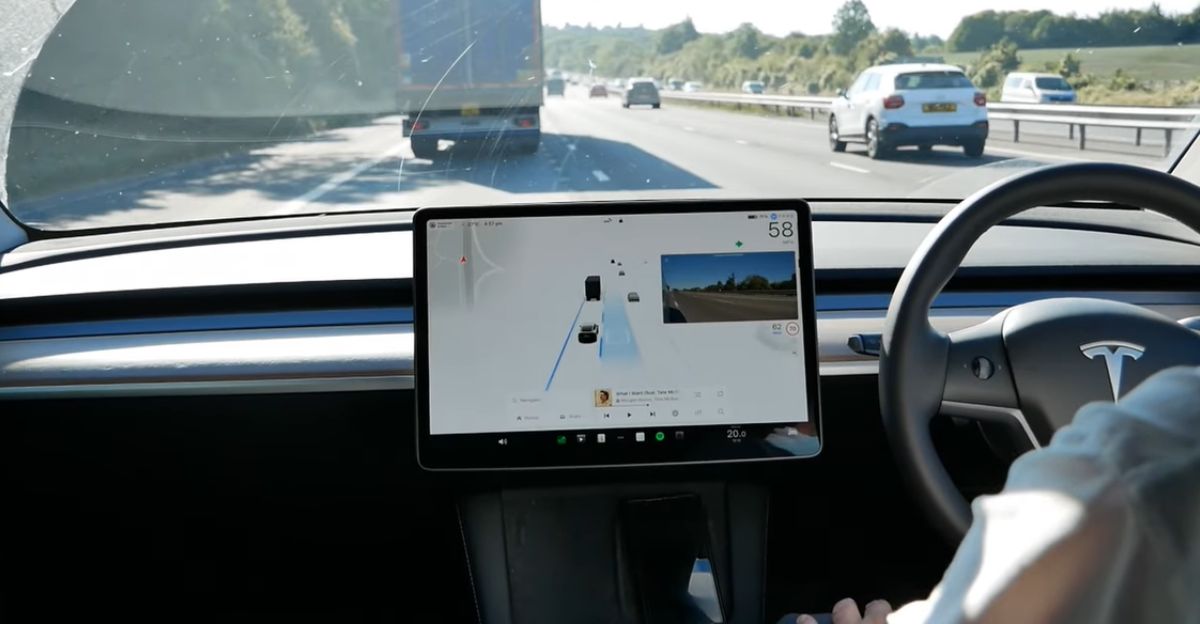
Autosteer is Tesla’s lane-centering assistance within Autopilot, which uses lane markings, road edges, and vehicle presence to keep a car centered. It is a Level 2 ADAS requiring an engaged driver. Tesla calls Autopilot a BETA feature and sells “Full Self-Driving” for thousands more, creating an impression of autonomy that regulators found misleading. That perception mattered because the family bought into safety promises.
The Purchase Built On Big Promises
The Blaines ordered their Model X on February 15, 2021, and paid extra for “Full Self-Driving.” The lawsuit says they were told it could guide from the highway on-ramp to the off-ramp, change lanes, and navigate interchanges without driver input. An attorney later stated: “Based on representations the Blaines heard made by Musk and Tesla…[they] believed [it] was a safer driver than a human driver of conventional vehicles”. That belief frames the legal blame.
Claims Of Deception In Federal Court
Nathan Blaine filed a 33-page federal lawsuit on December 23, 2023, accusing Tesla and Elon Musk of “intentionally misrepresenting the safety of their vehicles” and driver-assistance features. It alleges Musk oversold the tech to excite buyers, lift stock, and dominate EVs “all at the expense of the public’s safety.” The complaint lists Autosteer and several lane systems as having “defectively failed,” and it raises a key question: why no warning?
“Tesla Did This Inadequately”
Attorney Lynn Shumway said: “Tesla’s done a lot of good things…but they did this inadequately. I think the technology is fantastic, but not the way Tesla is implementing it”. He argued simulation testing was missing, adding “apparently Tesla didn’t do enough simulation work” on conditions like this “pretty normal and pretty simple” road. He also noted 40,000 U.S. highway deaths yearly and urged faster, safer deployment, but another courtroom soon changed everything.
The August 2025 Jury Bombshell
In August 2025, a Miami federal jury found Tesla 33% liable for a fatal 2019 crash involving Autopilot, awarding $243 million. Damages included $129 million compensatory, with Tesla owing $42.6 million, plus $200 million punitive.
The case involved a Model S that hit a stationary Chevrolet Tahoe, killing 22-year-old Naibel Benavides Leon and injuring her boyfriend. The driver was found 67% responsible, but the verdict put Tesla on the hook, and it raised a high-stakes issue: why risk trial at all?
The $60 Million Deal Tesla Refused
Plaintiffs offered a $60 million settlement before trial, and Tesla rejected it. Tesla argued the driver looked away after dropping a phone and kept their foot on the accelerator, overriding the brakes. Tesla said no vehicle in 2019 or today could prevent that exact crash. The jury disagreed, citing defective design and inadequate promotion, turning the gamble into a $243 million problem. That loss also spotlighted a weakness competitors had already addressed.
Driver Monitoring: A Competitive Gap
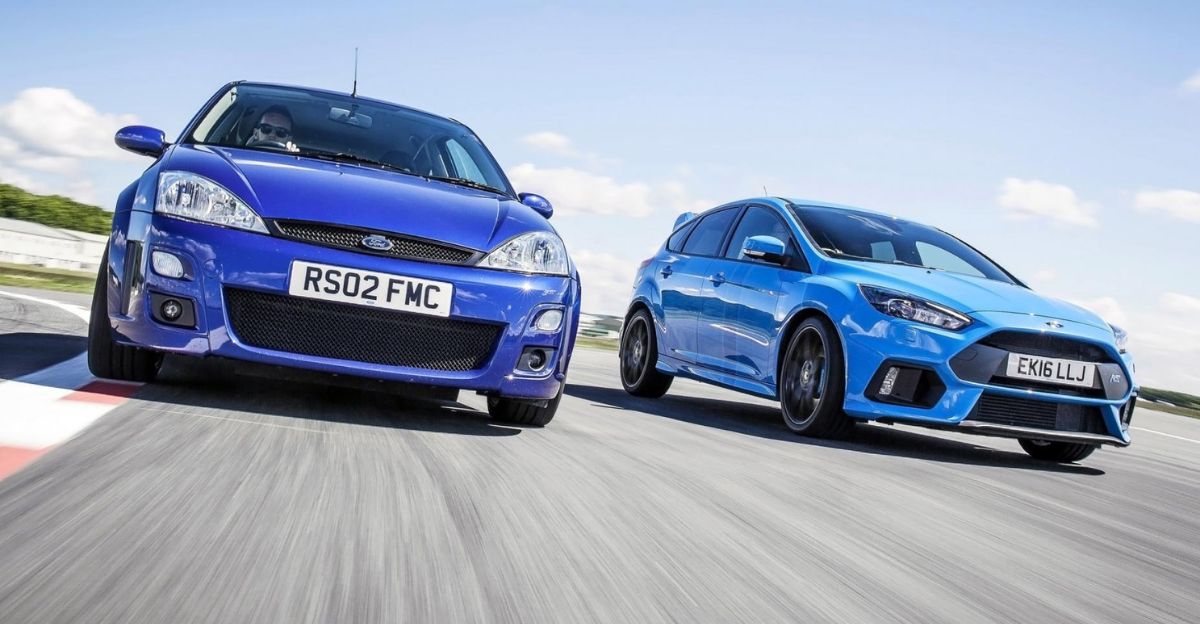
In the Florida case, attention monitoring became central. GM and Ford use infrared cameras to track eyes and warn if drivers look away for more than 2-3 seconds. Tesla initially lacked that approach and later added a standard camera, less precise than infrared eye-tracking.
Consumer Reports found camera-based monitoring like BlueCruise and Super Cruise alerted inattentive drivers 51 seconds sooner than hands-on-wheel checks. Tesla’s approach can allow disengagement up to 5 minutes versus 2 minutes with infrared, and critics asked why safeguards were optional.
Door Handles Under New Scrutiny
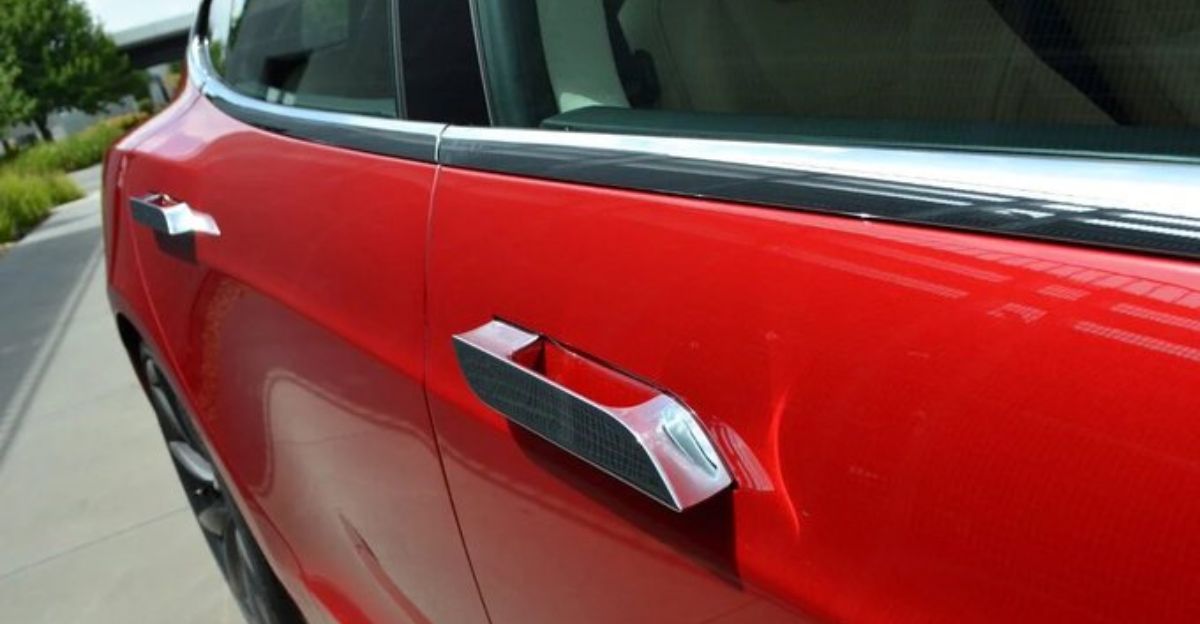
Separate from Autopilot, Tesla’s retractable electronic door handles face growing scrutiny. China will ban Tesla-style flush handles on new vehicles starting January 2027, requiring mechanical emergency releases.
In the U.S., NHTSA opened investigations into Model 3 and Model Y handles after complaints that emergency releases are hidden, unlabeled, and hard to find in crises. A Wisconsin wrongful death lawsuit says 5 occupants died trapped in a burning Model S after the electronic doors failed. That attention loops back to Idaho in an unsettling way.
“Floodgates” After The Big Verdict
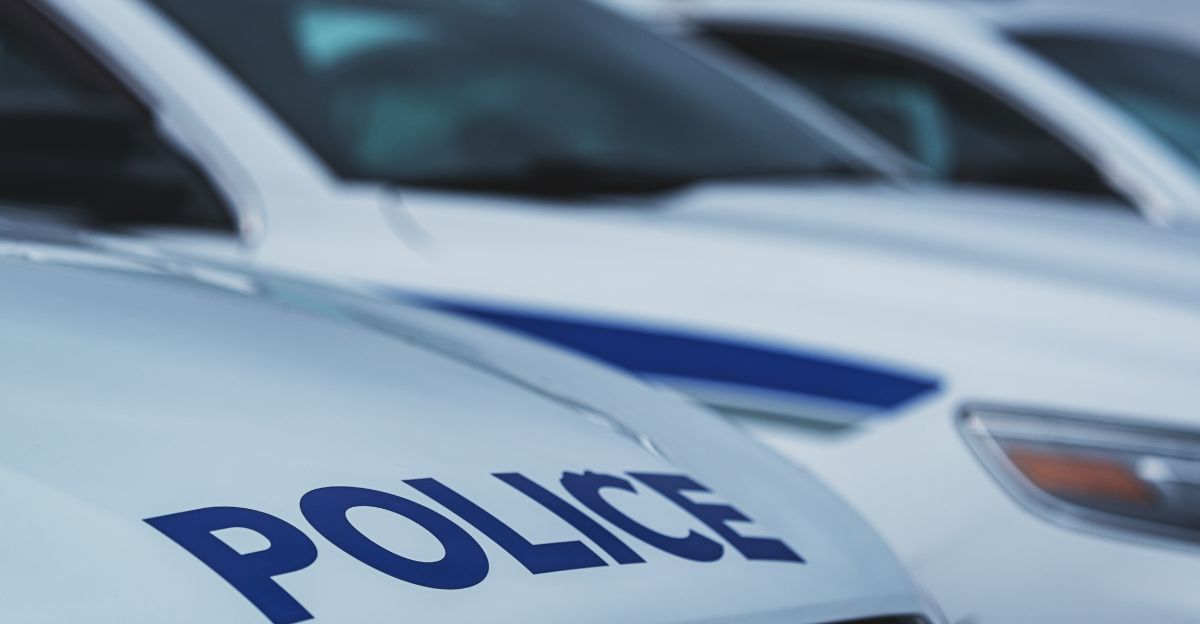
After the August 2025 verdict, Tesla’s posture shifted from fighting to settling. Tesla has settled at least 4 Autopilot-related lawsuits since the Florida trial. James Tran sued after his 2020 Model Y on Autopilot hit a stationary Texas police vehicle on November 15, 2020, and Tesla settled ahead of a November 2025 trial.
Tesla also reached a confidential settlement in litigation over a 2019 crash that killed Apple engineer Walter Huang as trial neared. Observers saw a pattern: settling could reduce discovery that might reveal internal limits.
Idaho Case Gains New Momentum
When Nathan Blaine sued on December 23, 2023, the August 2025 Florida verdict had not happened. Now his case sits in a new legal climate shaped by that jury’s willingness to assign fault to Tesla.
The complaint points to Tesla’s camera-based monitoring compared with competitors’ infrared systems, plus alleged simulation and testing gaps on conditions like the Idaho curve. It seeks economic, non-economic, and punitive damages set by a jury. Beyond this family, the claim is broader: Tesla marketed beyond capability and created false security, and the court record may show how.
The Marketing-Reality Gap Widens
Across these cases, the tension is the gap between what Tesla promised and what Level 2 systems deliver. Musk has long promoted visions of full autonomy, robotaxis, and cars that drive themselves, yet Autopilot and FSD still require constant supervision.
A 2016 Tesla video promoting “Full Self-Driving” showed a car driving itself with the caption: “The person in the driver’s seat is only there for legal reasons. He is not driving anything. The car is driving itself”. The video was later debunked as needing significant assistance, yet remains featured. Courts are increasingly treating such messaging as reckless or deliberately misleading, and the fallout is still unfolding.
A Family’s Loss Becomes A Public Fight
Nathan Blaine lost Jennifer, Denali, Emily, Zachary, and Peaches on Idaho State Highway 33. The lawsuit is proceeding publicly rather than ending quietly, with details subject to judicial scrutiny.
Shumway said: “It’s about as sad as you can get. The [older] daughter was the valedictorian of her high school class, she graduated with honors from Brigham Young University. Just all kinds of promise”. The suit argues that when marketing creates false confidence and contributes to preventable deaths, accountability should follow through public judgment. The final lesson now reaches beyond Tesla.
What Accountability Looks Like Now
From the September 2023 Idaho crash to today, courts and regulators are reassessing what responsibility means with driver-assistance tech. Juries are less willing to accept that drivers alone own outcomes when system design and promotion shape behavior. Regulators are moving from warnings to enforcement, including license threats.
California’s DMV finding that “Full Self-Driving” is “unambiguously false” signals marketing will be tested like engineering. For Tesla and the broader industry, transparency about real capabilities is no longer optional, and the August 2025 verdict ensured the “floodgates” stay open until safety claims match road reality.
Sources:
Additional Information Regarding EA22002 Investigation. National Highway Traffic Safety Administration, April 25, 2024
Traffic Safety Violations While Full Self Driving is Engaged. National Highway Traffic Safety Administration, October 7, 2025
DMV Finds Tesla Violated California State Law. California Department of Motor Vehicles, December 16, 2025
Family Blame Tesla’s ‘Autosteer’ Feature for Veering Car Into Path of Truck. The Independent, December 23, 2023
Tesla Hit With $243 Million Verdict in Fatal Autopilot Crash Trial. CarPro, August 2025