On December 8, 2025, at 5:01 a.m. UTC, the sun released a strong burst of energy called an X1.1-class solar flare from a spot named AR4298. This is one of the strongest types of solar flares. The energy raced to Earth at the speed of light and caused problems right away.
It triggered an R3-level radio blackout over the Indian Ocean, the third-highest level on NOAA’s scale. This busy area for planes and ships lost high-frequency radio signals. Thousands of aircraft and tens of thousands of ships had to switch to backup communication and navigation systems quickly.
Unlike slower solar events called coronal mass ejections (CMEs), which take hours to reach us, flare radiation hits in minutes. This shows how space weather can disrupt key tech without warning.
Busy Sunspots Build Up Energy
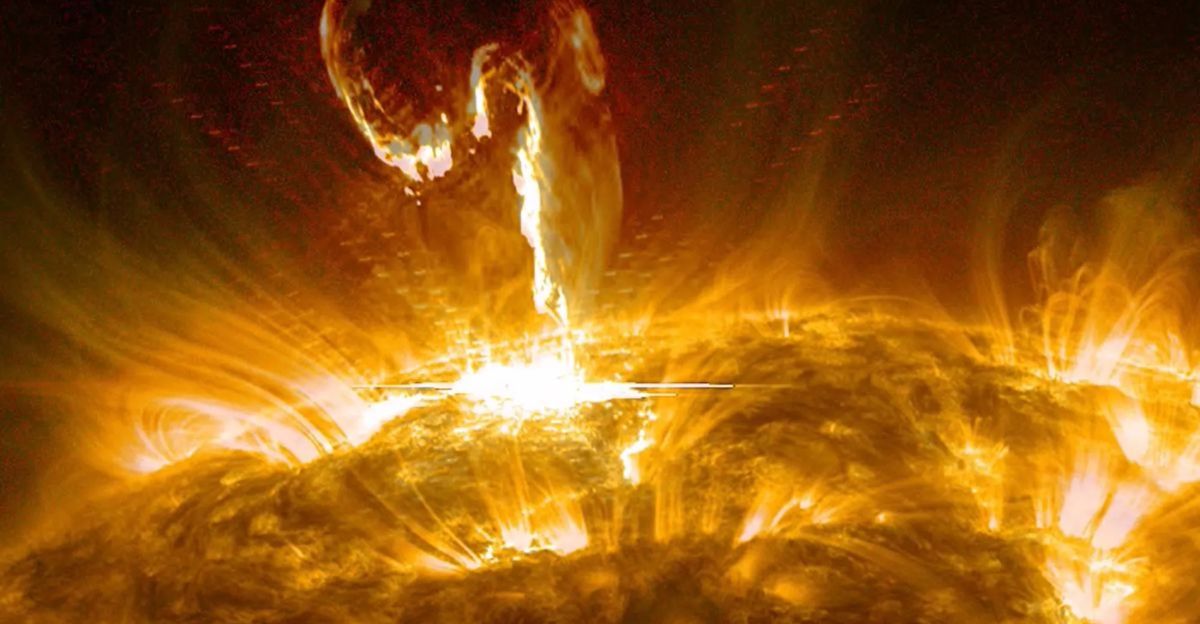
The flare came from AR4294, the biggest and most complex sunspot group facing Earth right now. In just 24 hours on December 7-8, it produced 20 flares, including several M-class ones that led to the X1.1 event. NOAA calls it a beta-gamma-delta group, the trickiest type with twisted magnetic fields.
In these spots, opposite magnetic poles twist together, storing huge energy. When they snap and reconnect, they heat gas to millions of degrees and spark flares. AR4294 is one of seven active regions on the sun’s Earth-facing side, a sign we’re near the peak of Solar Cycle 25, the sun’s 11-year activity pattern.
This was the 20th X-class flare in the cycle, proving the sun is ramping up.
Warnings of Incoming Solar Storms
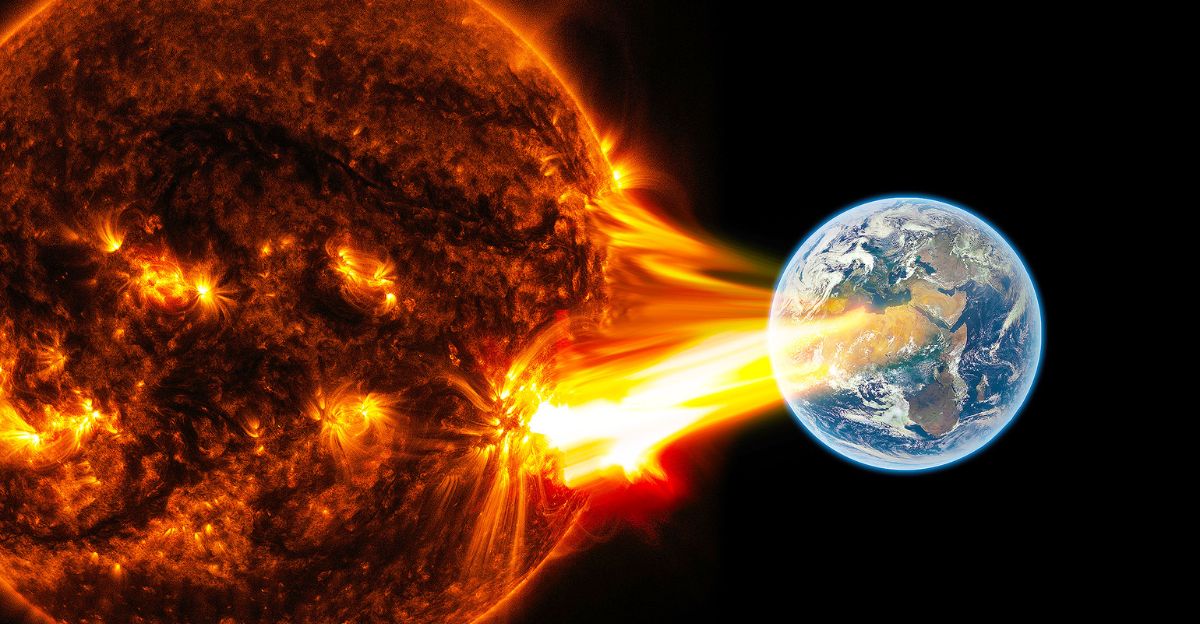
As flares happened, NOAA warned of several CMEs heading our way from these sunspots. Models show at least four plasma clouds on track to hit Earth’s path. One big full-halo CME from a December 6 M8.1 flare points straight at us.
Faster CMEs from later flares might catch up and merge into a cannibal CME. This makes a stronger storm with magnetic fields around 10 nanotesla and solar wind speeds of 350-550 km/s. NOAA gives a 65% chance of more M-class flares and 15% for X-class ones soon.
The storms should arrive between 4-8 a.m. UTC on December 9 and could last days as clouds hit Earth’s magnetic field one after another.
Storms Bring Blackouts, Auroras, and Tech Risks
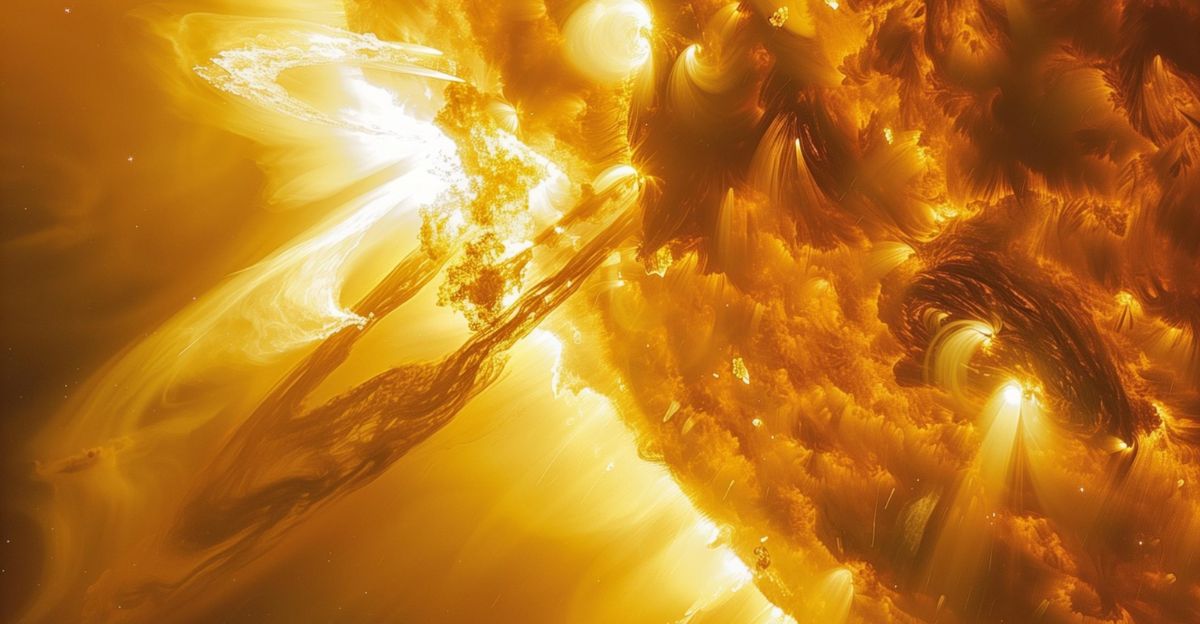
NOAA predicts G2-G3 geomagnetic storms, maybe even G4 (severe) on their scale. This matches Kp index 6-8, measuring magnetic shakes. At this level, currents can stress power lines and transformers, mess with satellites, and block radio at mid-latitudes.
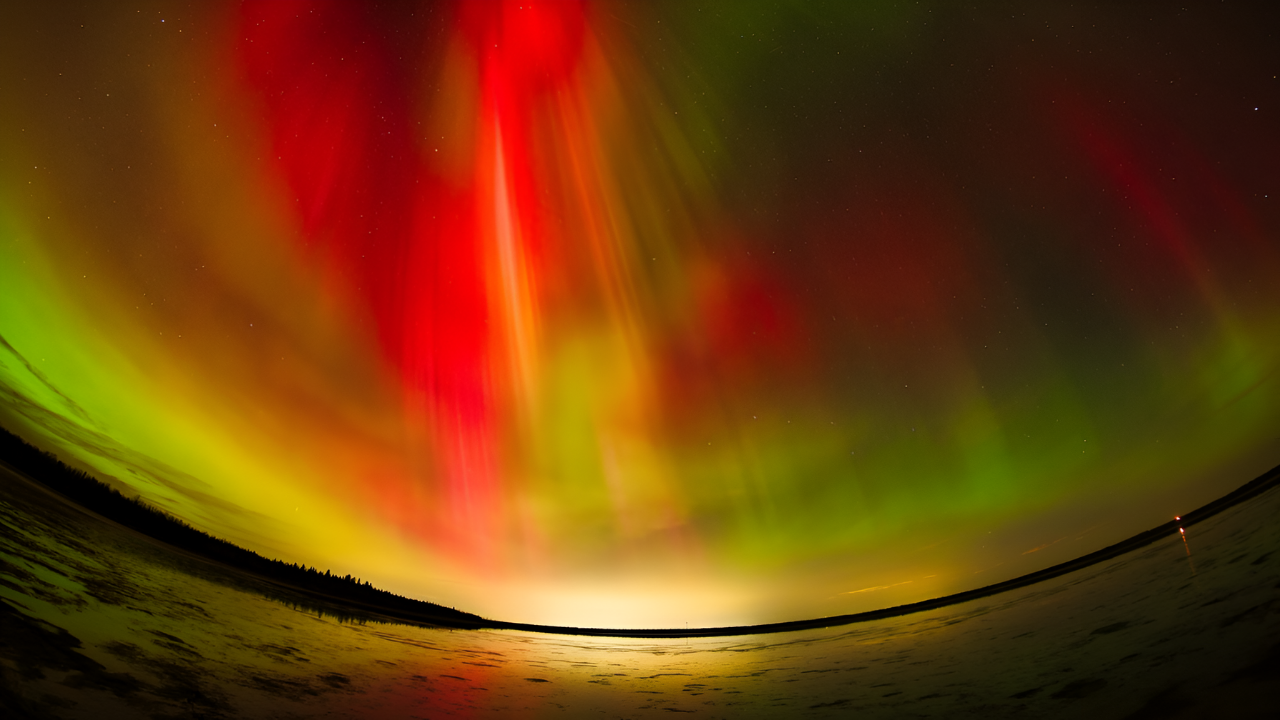
Past G3 storms damaged equipment; a 1989 G4 one blacked out Quebec. Auroras might light up for 100 million people in places like Seattle, Chicago, London, and Paris if skies are clear. They happen when solar particles hit our atmosphere, creating glowing lights.
GPS could glitch too, with errors up to hundreds of meters from ionosphere changes. This hits planes, ships, farming, and phones most during peak storms.
Power grids in the north U.S., Canada, and Europe are prepping for induced currents on long lines. They might adjust setups with just days’ notice. Satellites face drag from heated air, path shifts, and particle damage to electronics and panels.
This isn’t as bad as the 1859 Carrington Event, but it tests our tech. Experts urge monitoring forecasts, checking backups, and planning for outages. With Solar Cycle 25 peaking, more events like this will come, offering aurora views for some and real challenges for infrastructure.
Sources
- NASA – “Strong Flare Erupts from Sun”
- Space – Coverage of the Dec. 8, 2025 X1.1 flare and radio blackouts
- SpaceWeatherLive – Solar flares archive for Dec. 8, 2025