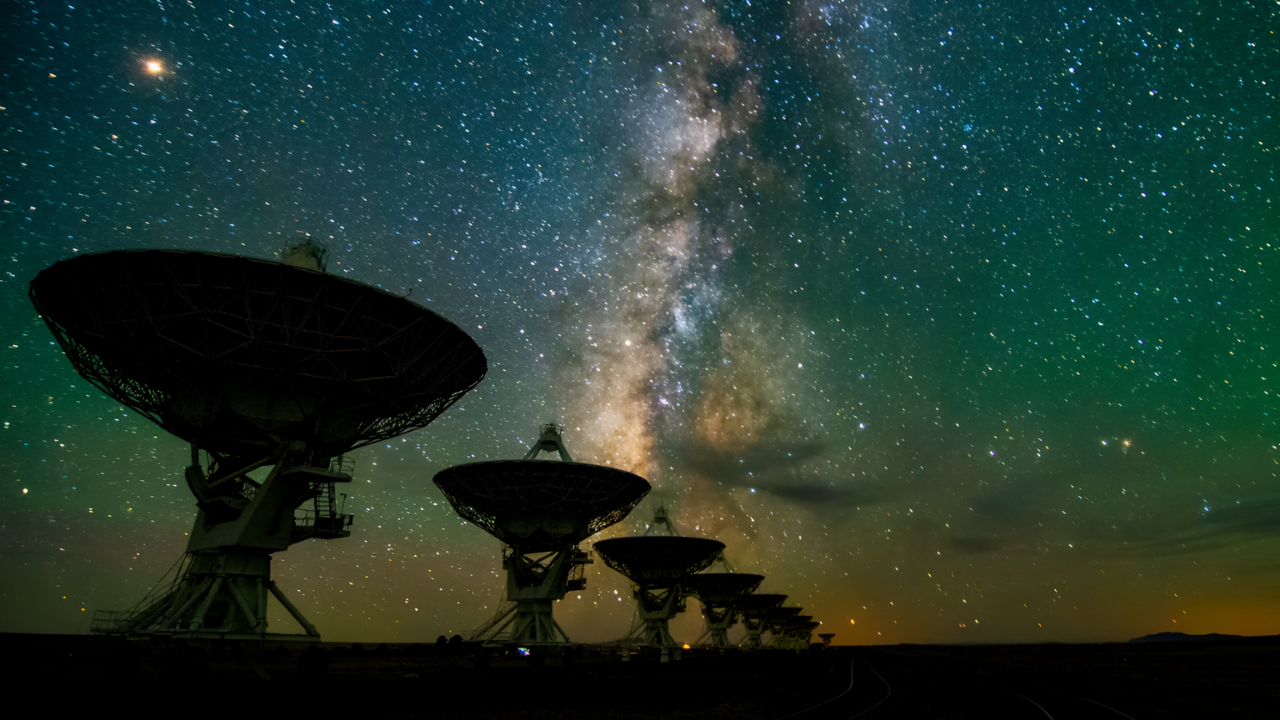
Astronomers have unveiled a groundbreaking discovery: the largest known rotating structure in the universe. This cosmic filament spans over 50 million light-years and comprises nearly 300 galaxies, gas, and dark matter, all spinning together at a staggering speed of 246,000 miles per hour. Located 140 million light-years from Earth, this immense structure is 500 times larger than our own Milky Way galaxy and challenges existing models of galaxy formation.
The Significance of the Find
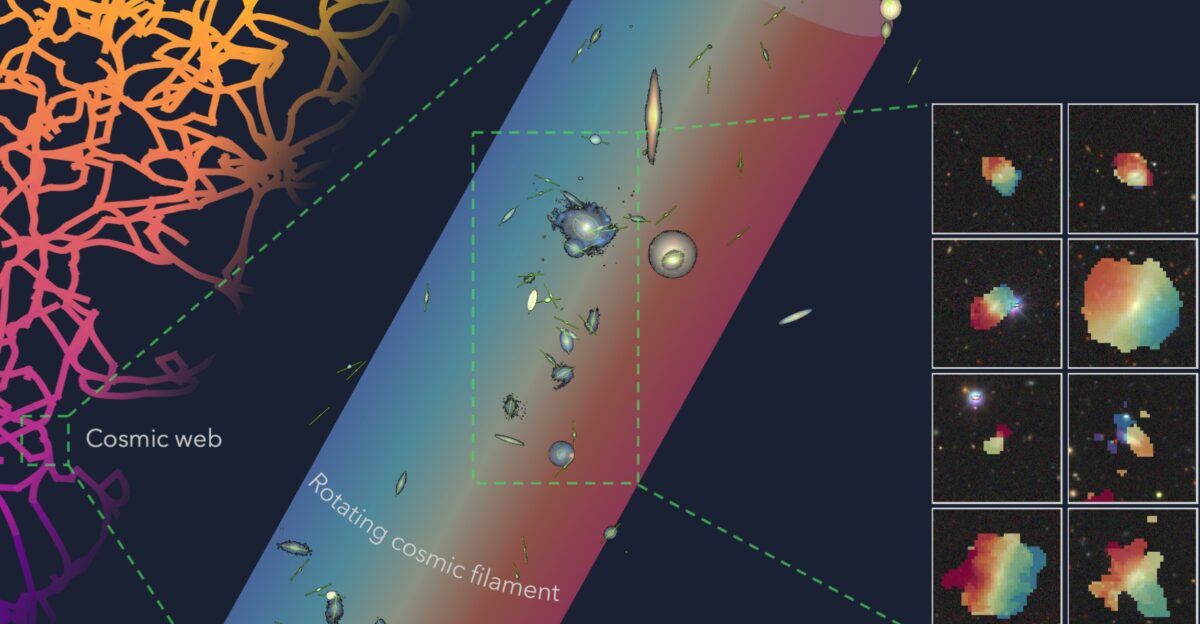
Understanding this colossal filament is crucial for comprehending the universe’s complexities. Matter organizes itself into vast cosmic webs, which thread between galaxy clusters. This discovery highlights that entire filaments can rotate, imparting angular momentum to galaxies during formation. Unlocking these insights paves the way for addressing a long-standing puzzle in astronomy: how galaxies acquire their spin, something that has eluded direct observational evidence for decades.
MeerKAT’s Groundbreaking Detection
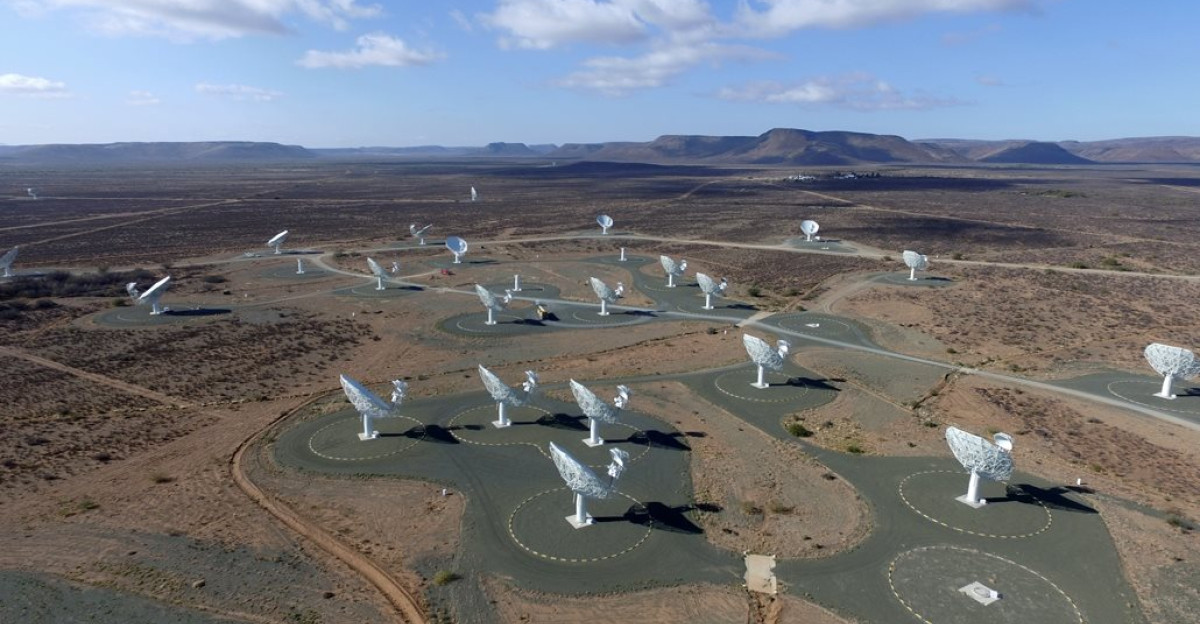
The detection of this extraordinary structure was made possible by the MeerKAT radio telescope in South Africa. Comprising 64 linked satellite dishes, MeerKAT captured the filament’s rotation by observing hydrogen gas clouds. Researchers noted that galaxies on opposite ends of the filament moved in contrasting directions, providing crucial evidence for this cosmic rotation. This milestone in radio astronomy enhances our capability to uncover structures previously deemed invisible.
Velocity Analysis of the Structure
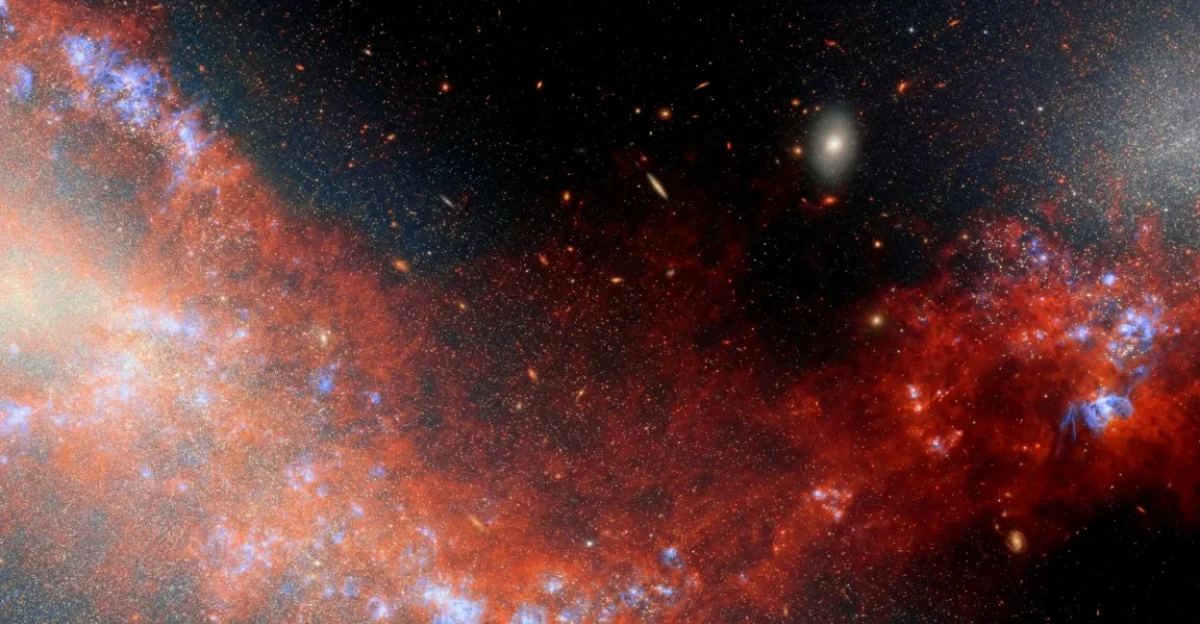
Calculating the spin of the filament revealed a rotational velocity of 110 kilometers per second, equating to 246,000 miles per hour. This unprecedented speed allows the entire structure to complete a rotation over billions of years. Such measurements are essential for understanding the mass distribution and gravitational balance within the filament, which are vital components that drive the formation and evolution of cosmic structure over time.
Analogy of Cosmic Motion
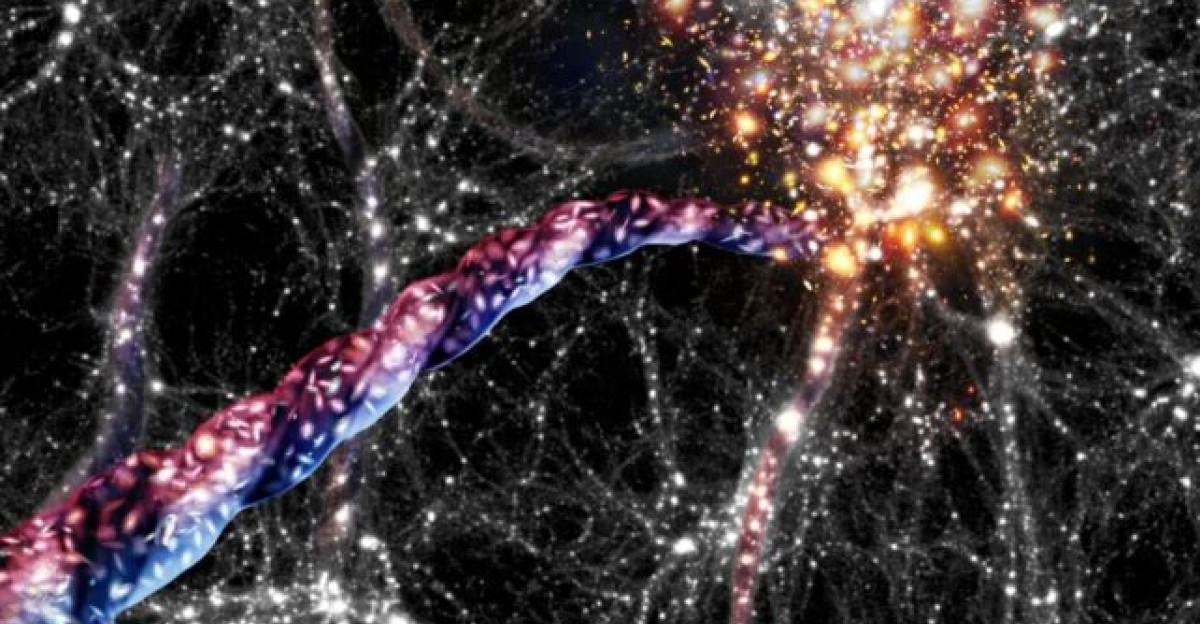
Dr. Lyla Jung from the University of Oxford offered a vivid analogy regarding this discovery. “Each galaxy is like a spinning teacup, but the whole platform, the cosmic filament, is rotating too,” she explained. This dual motion implies that each galaxy spins on its axis while also orbiting the filament’s central spine. Such phenomena challenge traditional models predicting angular momentum transfers in galaxy assembly, prompting new discussions among astronomers.
Dimension of the Filament
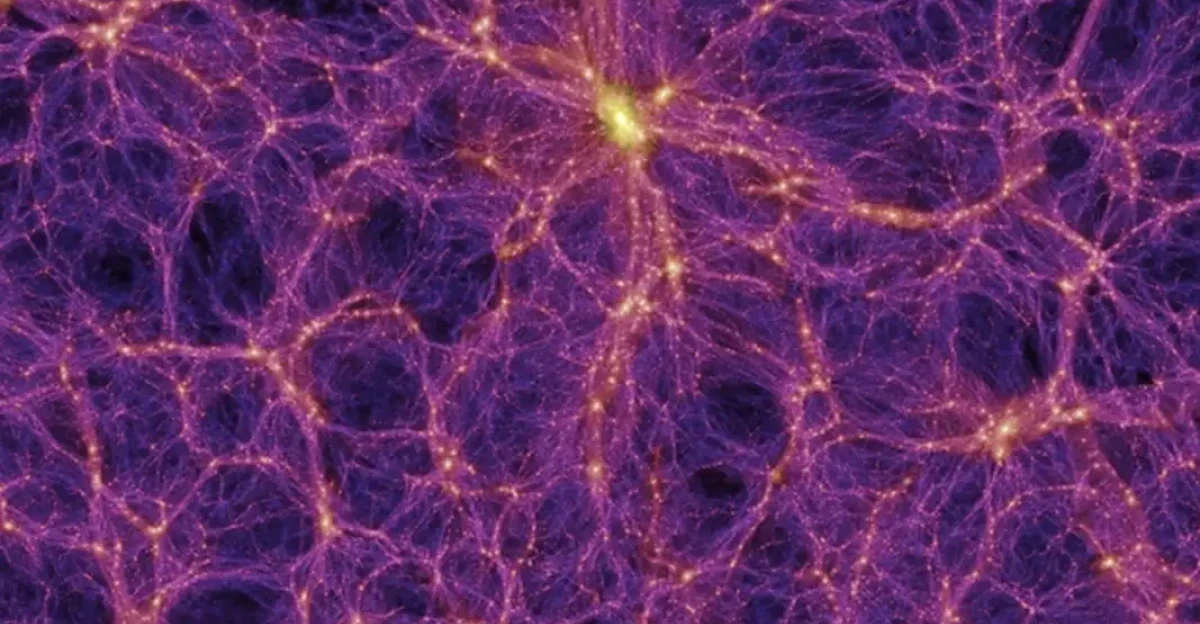
The newly identified filament measures an astonishing 50 million light-years in length and spans 117,000 light-years in width, forming a cosmic thread of unimaginable scale. To grasp this magnitude, consider that light from the filament’s farthest edge requires a staggering 50 million years to reach us. In contrast, our Milky Way, about 100,000 light-years across, can fit securely within this cosmic structure up to 500 times.
Dark Matter Insights
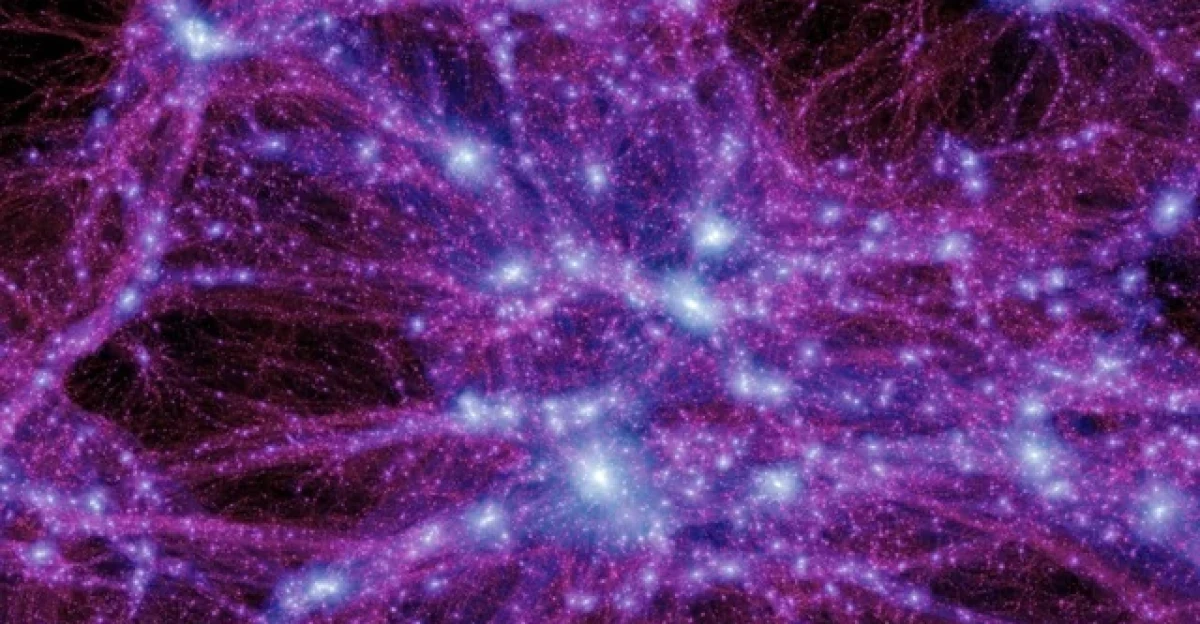
Notably, approximately 27% of the mass of this filament consists of dark matter, an invisible component detectable only through its gravitational influence. The remainder consists of ordinary matter, such as stars, gas, and galaxies, accounting for just 5% of the universe’s total content. This remarkable filament exemplifies the hidden architecture of the cosmos, demonstrating that a significant portion of the universe remains elusive and can only be inferred through its effects on visible matter.
Research Team’s Expertise

The groundbreaking study was co-led by Dr. Madalina Tudorache from the University of Cambridge Institute of Astronomy and Dr. Lyla Jung from the University of Oxford Department of Physics. Their collaboration exemplifies the global reach of modern astronomy. Both universities have emerged as leading centers for cosmological studies, utilizing advanced statistical methods and cutting-edge observations to map out the universe’s complex structures and dynamics.
The Path to Publication

Once the discovery was made, it underwent rigorous peer review by experts in the field before being published in the Monthly Notices of the Royal Astronomical Society, a distinguished academic journal in astronomy. This process ensures that the research is thoroughly scrutinized for accuracy and credibility, enabling researchers to share their findings with the scientific community and thereby enhance our understanding of cosmic structures.
Community Response to Discovery

The discovery sparked excitement not only in academic circles but also among the general public. Astronomer Dr. Jung expressed, “This finding could reshape our understanding of the cosmos.” The implications resonate beyond science, sparking public curiosity and inspiring a new generation of astronomers, students, and enthusiasts to delve deeper into the universe. The reaction exemplifies how significant discoveries can inspire society and foster collective interest in astrophysics.
Implications for Cosmic Models
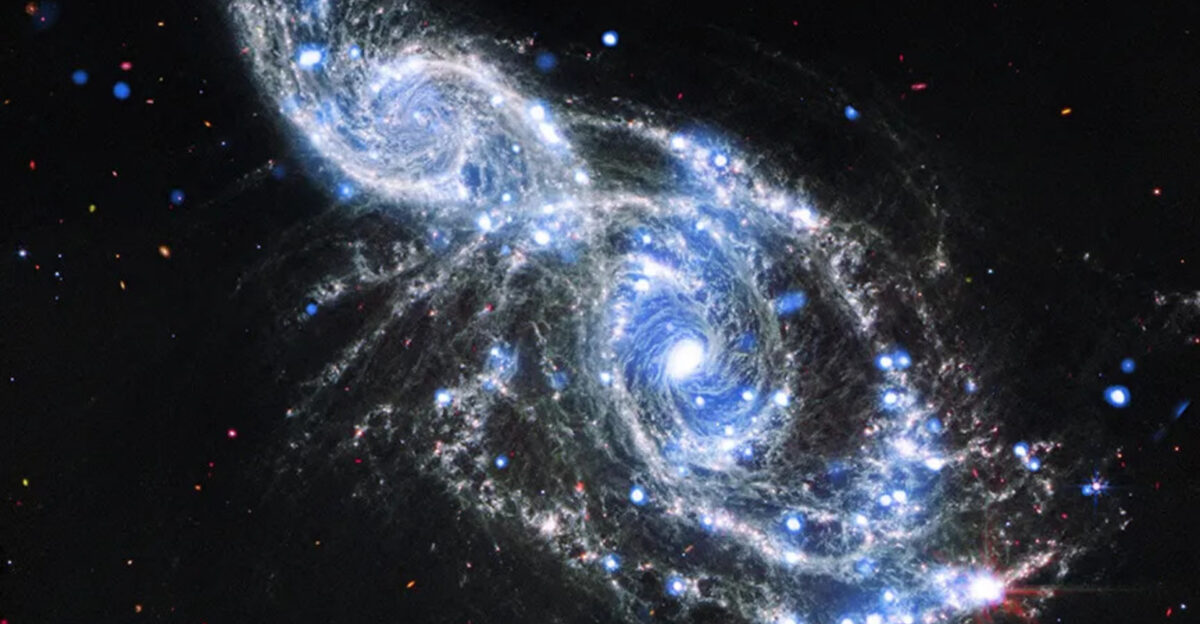
This monumental find challenges established theories regarding galaxy formation and rotational dynamics. Current models may need reevaluation to account for the influence of large-scale structures, such as rotating filaments. By filling gaps in understanding how galaxies develop their angular momentum, the research could pave the way for new hypotheses about the lifecycle of cosmic systems.
Exploring Angular Momentum Transfer
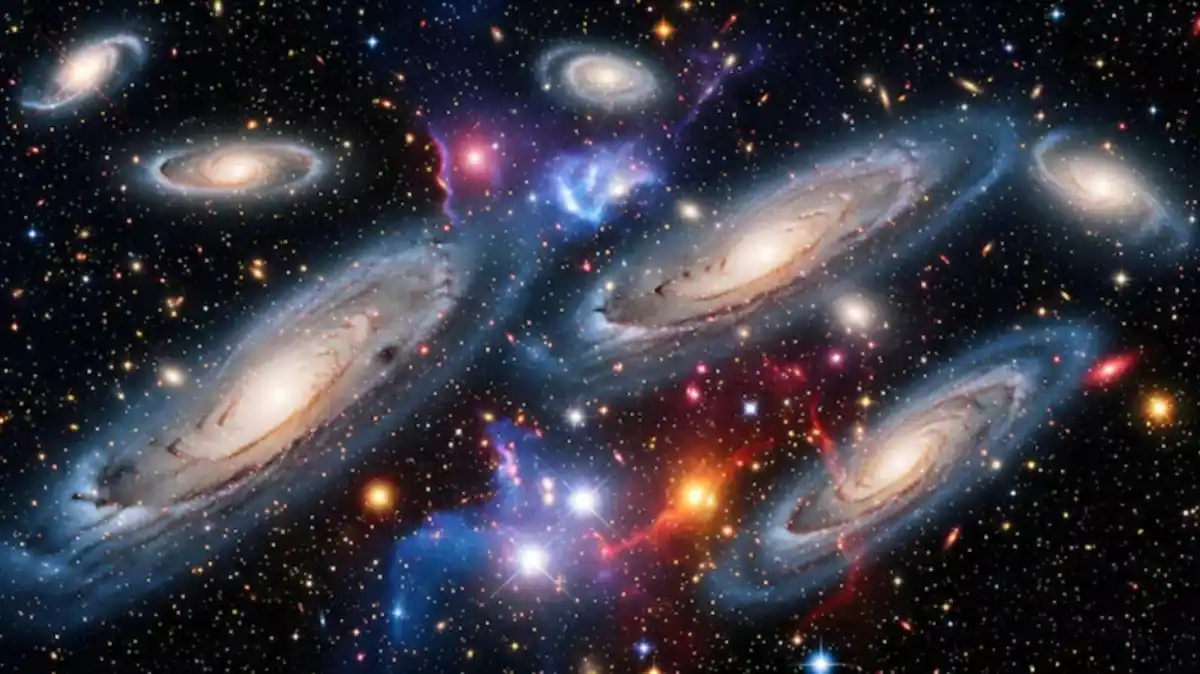
Understanding how angular momentum is transferred among galaxies within such massive structures is essential. As galaxies interact with the filament, they may gain or lose angular momentum, reshaping their rotational dynamics. This research drives a deeper inquiry into how interactions within the cosmic web might influence the evolution and fate of galaxies in the universe.
Future Research Directions
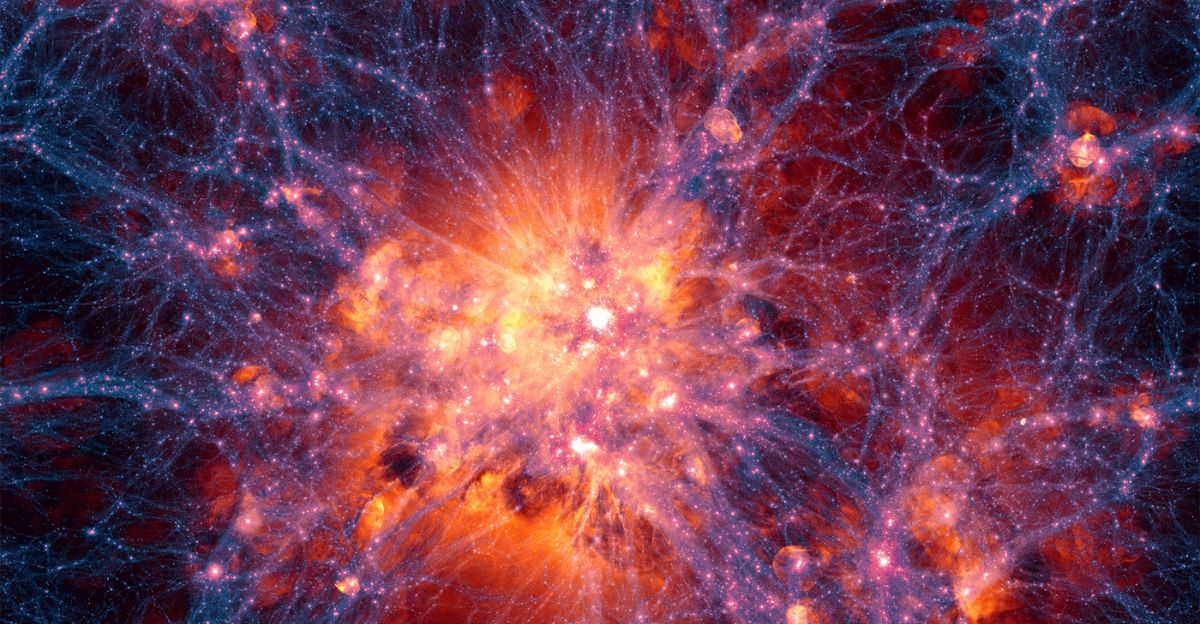
The implications of this discovery extend far beyond just the observed filament. Future research will focus on how cosmic filaments interact with surrounding materials and the role of dark matter within these interactions. By delving into these questions, astronomers aim to gain a more comprehensive understanding of structure formation at cosmic scales, encompassing galaxies and galactic clusters.
Advances in Radio Astronomy
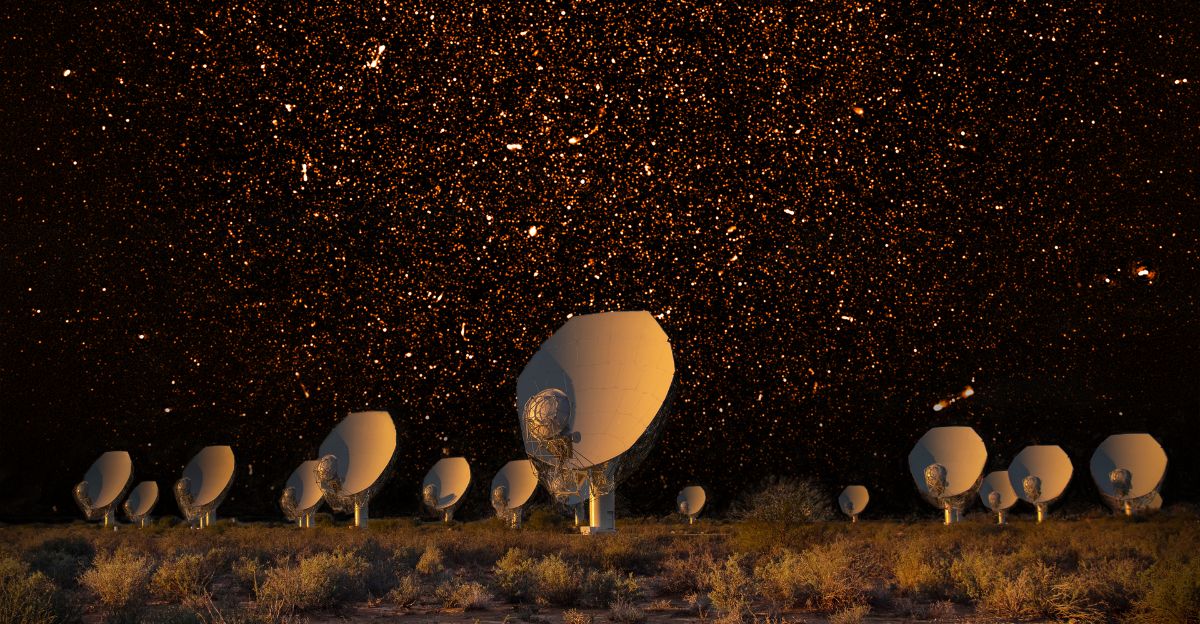
The breakthrough also highlights advances in radio astronomy technology. MeerKAT’s sensitivity was crucial in making this discovery possible. Future telescopes, such as those involved in the Square Kilometre Array (SKA) project, promise to enhance our observational capabilities further, allowing us to uncover similar cosmic threads and gather more extensive data about the dark universe.
Public Engagement and Education

In addition to its academic significance, this discovery serves to boost public interest in astronomy. Educational outreach initiatives can leverage findings like these to engage students and the general populace, fostering a sense of wonder about the universe. Programs that explain the cosmos in relatable terms are crucial for generating enthusiasm around scientific pursuits.
Bridging Gaps in Cosmic Understanding
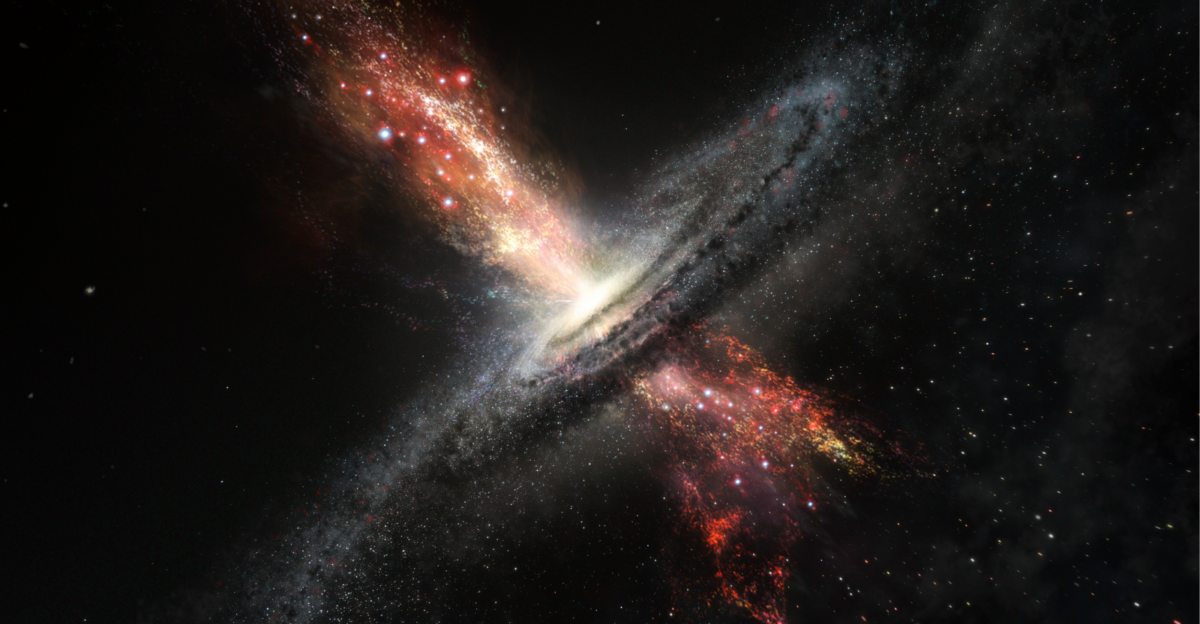
As scientists contemplate the implications of their findings, an interdisciplinary approach combining astronomy, physics, and cosmology is necessary. By integrating insights from various fields, researchers can generate a more comprehensive picture of how galaxies behave and evolve within the cosmic web, driving further breakthroughs in understanding the universe.
Global Collaboration in Astronomy
The discovery underscores the importance of global collaboration in astronomical research. With contributions from leaders in institutions around the world, the study exemplifies how teamwork fosters innovative solutions to complex cosmic questions. Collaborative networks enable scientists to pool resources, knowledge, and expertise, amplifying discoveries like this filament.
Unraveling the Mysteries of Dark Matter
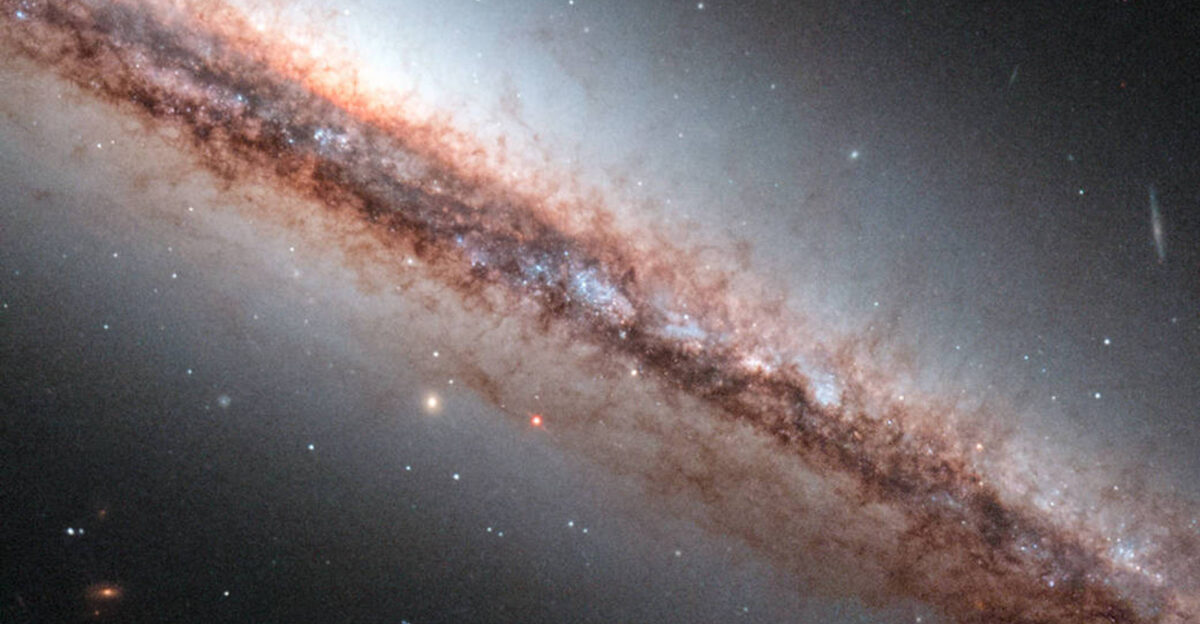
Exploration of dark matter remains a central focus for astronomers. Investigating its role in structures like the newly discovered filament can yield critical insights into the cosmos’s formative processes. Understanding dark matter not only enhances our grasp of cosmic structures but may also guide future research toward unraveling more of the universe’s hidden mysteries.
Exciting Times Ahead in Astronomy
As researchers build on the foundation laid by this discovery, there is optimism for fresh perspectives in astronomy. The findings related to rotating filaments indicate that we have merely scratched the surface of understanding the universe’s complexities. With ongoing advancements in technology and observational techniques, the future of cosmic exploration holds tremendous potential.
Shaping Our Cosmic View

This remarkable discovery opens new pathways in understanding the cosmos and its evolution. As scientists delve deeper into the mysteries of rotating structures, we are reminded of the vastness of our universe and our ongoing quest to comprehend it. Each finding shapes our cosmic view, inspiring inquiry and reflection in the minds of both astronomers and enthusiasts alike.
Sources:
University of Cambridge Press Release – Astronomers spot one of the largest spinning structures ever found in the universe – December 3, 2025
Monthly Notices of the Royal Astronomical Society – A 15 Mpc rotating galaxy filament at redshift z = 0.032 – December 2025
Reuters – Huge rotating structure of galaxies and dark matter is detected – December 8, 2025
Space.com – A 50 Million Light Year Structure Caught Spinning – December 4, 2025
University of Oxford Department of Physics – Research Communications and Dr. Lyla Jung Statements – December 2025
South African Radio Astronomy Observatory – MeerKAT Specifications and Capabilities – 2025