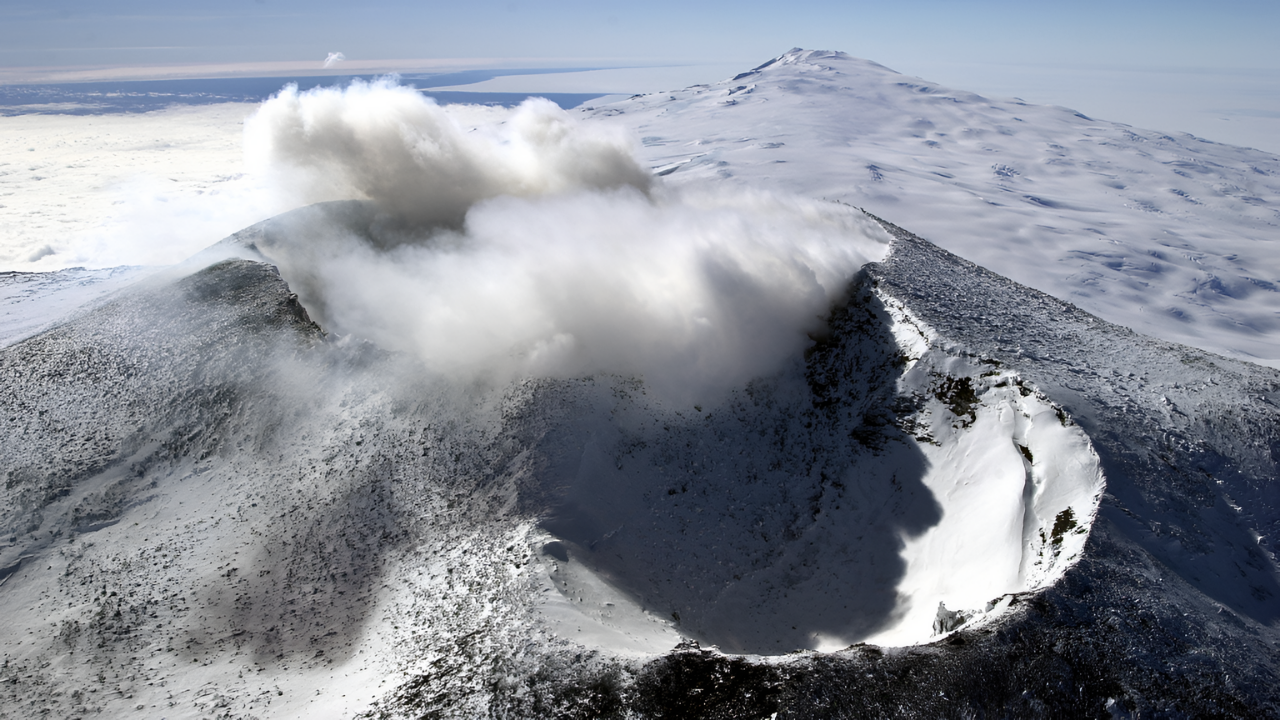
Scientists warn that Earth faces an unusual danger as glaciers disappear. About 1,000 glaciers vanish each year, and this rate will triple or quadruple by the 2040s. While most people worry about rising seas and flooding, researchers have discovered a more surprising threat: melting ice can trigger volcanic eruptions. Here’s how it works.
Massive glaciers weigh down Earth’s crust like heavy blankets pressing on a mattress. When ice melts, the ground beneath bounces back upward—a process called post-glacial rebound. GPS measurements show the land in Iceland and Scandinavia rises more than 0.4 inches every year. This upward movement disturbs underground magma chambers that have sat quietly for thousands of years.
History proves this connection is real. Around 15,000 years ago, Iceland’s retreating glaciers triggered a volcanic explosion, with eruption rates jumping 30 to 50 times higher than normal for roughly 1,500 years. Today’s rapid ice loss creates similar conditions.
A 2020 study found 245 volcanoes currently covered by ice across the Pacific Ring of Fire, Iceland, the Andes, and Antarctica. About 160 million people live within 60 miles of these sleeping giants.
Danger Zones Around the World
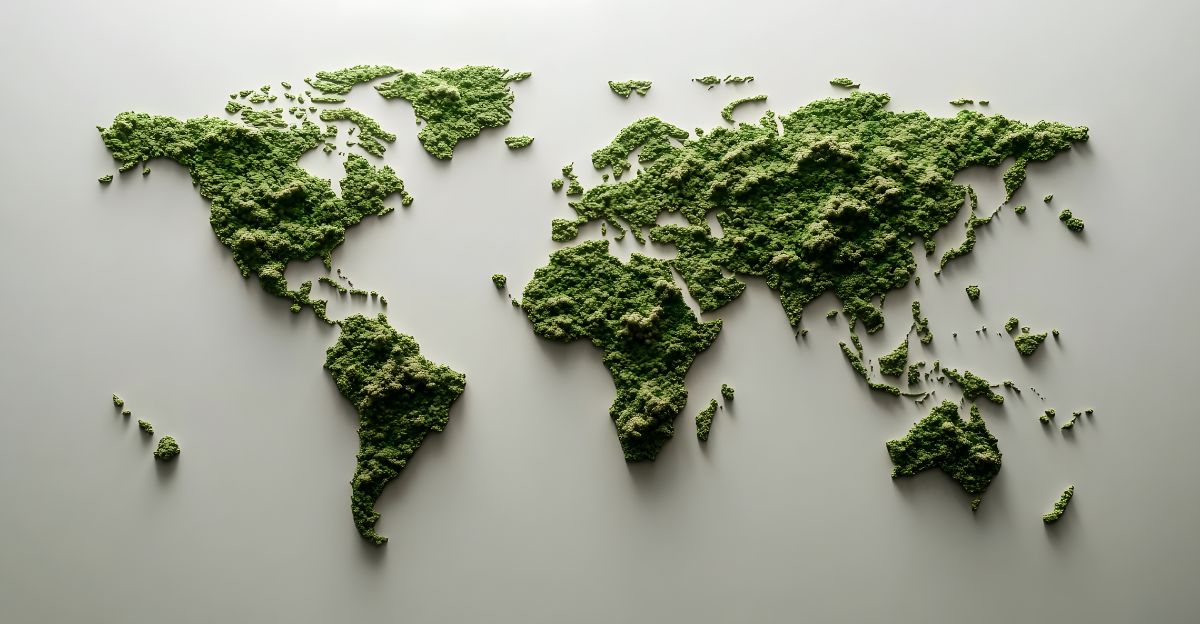
Antarctica hides the planet’s largest concentration of volcanoes—130 active systems buried beneath its ice sheet. If these awaken, they could dump enormous amounts of freshwater into the ocean, disrupting currents worldwide, while volcanic ash would block sunlight and accelerate further ice loss. Recent events show this threat is not distant fiction.
In January 2025, Iceland’s Bárðarbunga volcano experienced its strongest earthquake swarm in over ten years, with more than 130 tremors including one measuring magnitude 5.1. Scientists detected fresh magma moving beneath Europe’s largest glacier. University of Wisconsin-Madison researcher Brad Singer presented findings at the 2025 Goldschmidt Conference showing how ice acts like a lid on magma chambers.
Thick ice keeps volcanic gases compressed, but when ice melts, those gases explode outward with devastating force. His team studied six volcanoes in Chile’s Andes and found this pattern repeating. Computer models suggest Iceland’s magma production will double and stay elevated for decades or even centuries. The Pacific Northwest, Patagonia, and the Cascade mountain range face similar futures as their glaciers shrink.
What This Means for People
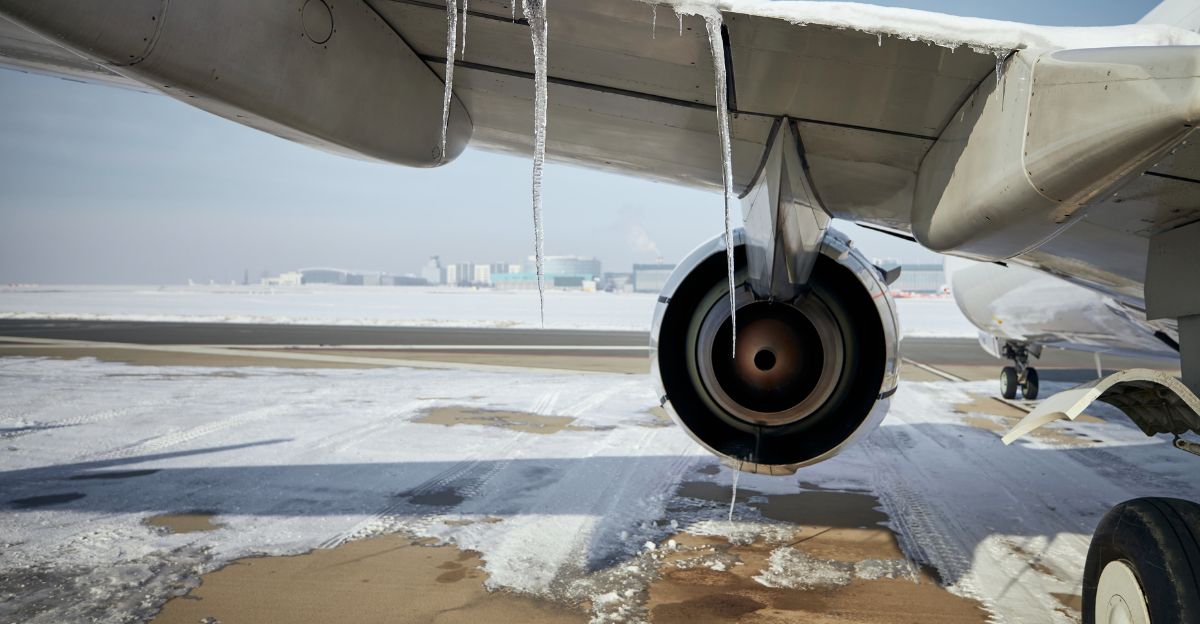
Volcanic eruptions near melting glaciers create multiple hazards. Air travel suffers enormous disruption, as demonstrated in 2010 when Iceland’s Eyjafjallajökull volcano grounded flights across Europe and cost airlines $180 million per day. More recently, Ethiopia’s Hayli Gubbi volcano erupted in 2025 after staying quiet for 12,000 years, sending ash clouds all the way to Delhi, India. The deadliest danger comes from lahars—fast-moving rivers of rock, ash, and melted ice that race down mountainsides.
Colombia’s Nevado del Ruiz eruption killed 25,000 people in 1985 through lahar flows, and similar ice-covered volcanoes still threaten communities today. Two billion people depend on glacier-fed water for drinking, farming, and electricity. Volcanic eruptions contaminate these water supplies, as happened across Europe during Iceland’s 2010 event.
Iceland has excellent volcano surveillance, but Antarctica and remote Andes regions lack proper warning networks. The critical period arrives in the 2040s and 2050s when 2,000 to 4,000 glaciers will disappear annually. This timeline means maximum ice loss will coincide with peak volcanic instability, even if global warming stays below 2.7 to 3.6 degrees Fahrenheit above pre-industrial levels.
Current climate policies ignore these delayed geological consequences, leaving airports, farms, water systems, and infrastructure exposed. Effective responses require both better monitoring and aggressive emissions reductions, and time is running short.
Sources:
CNN Interactive, Glaciers are melting. It may reawaken the world’s most dangerous volcanoes, 30 Dec 2025
Nature Climate Change, Peak glacier extinction in the mid-twenty-first century, 14 Dec 2025
EurekAlert, Melting glaciers could trigger more explosive eruptions globally, 6 Jul 2025
CNN, World heading toward ‘peak glacier extinction’ with up to 4000 disappearing a year, 15 Dec 2025
New Scientist, The world will soon be losing 3000 glaciers every year, 15 Dec 2025
Icelandic Meteorological Office, Strong earthquake swarm in Bárðarbunga. Largest earthquake magnitude 5.1, 14 Jan 2025