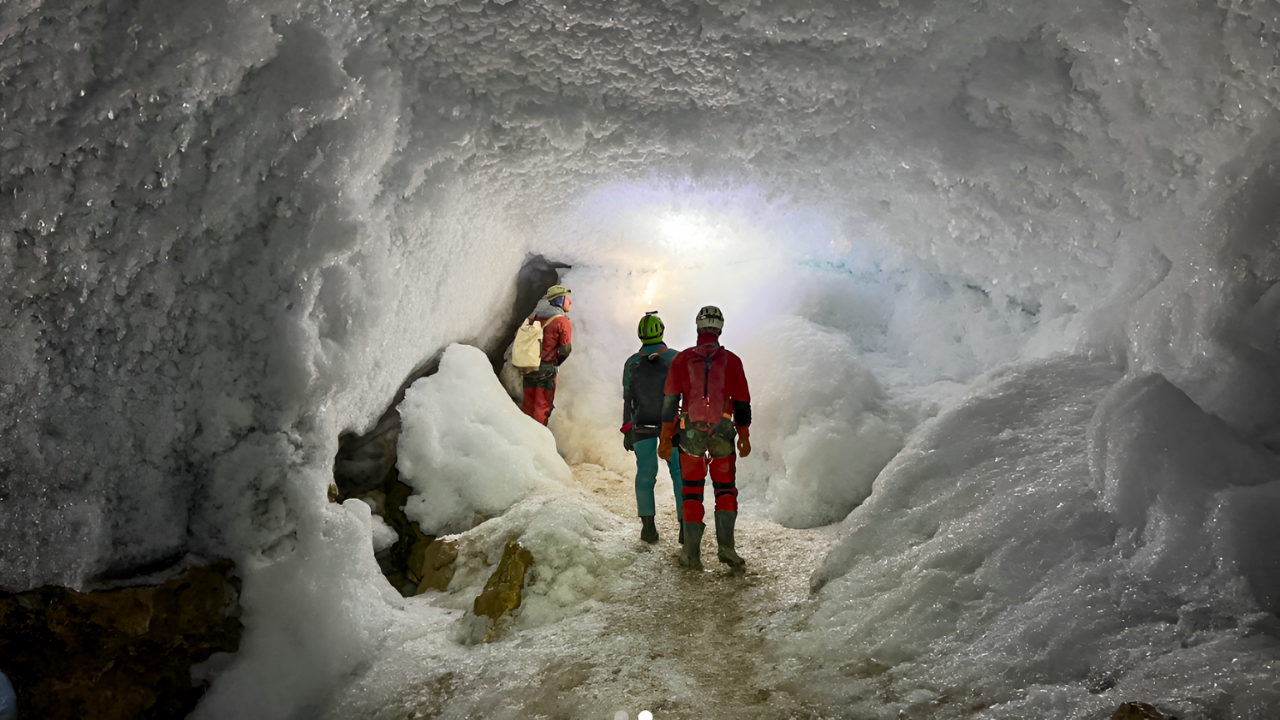
In 2009, scientists made a mind-blowing discovery on Bylot Island, deep within the Canadian Arctic. Led by geomorphologist Daniel Fortier, the team found a hidden pocket of glacier ice buried under the ground. This happened after a landslide peeled back layers of rock and soil, uncovering ice that had been locked away for hundreds of thousands of years.
This accidental discovery wasn’t just about cold and frozen ground, it gave scientists a rare look at a timeline stretching way back into the planet’s history.
Surprises in the Soil
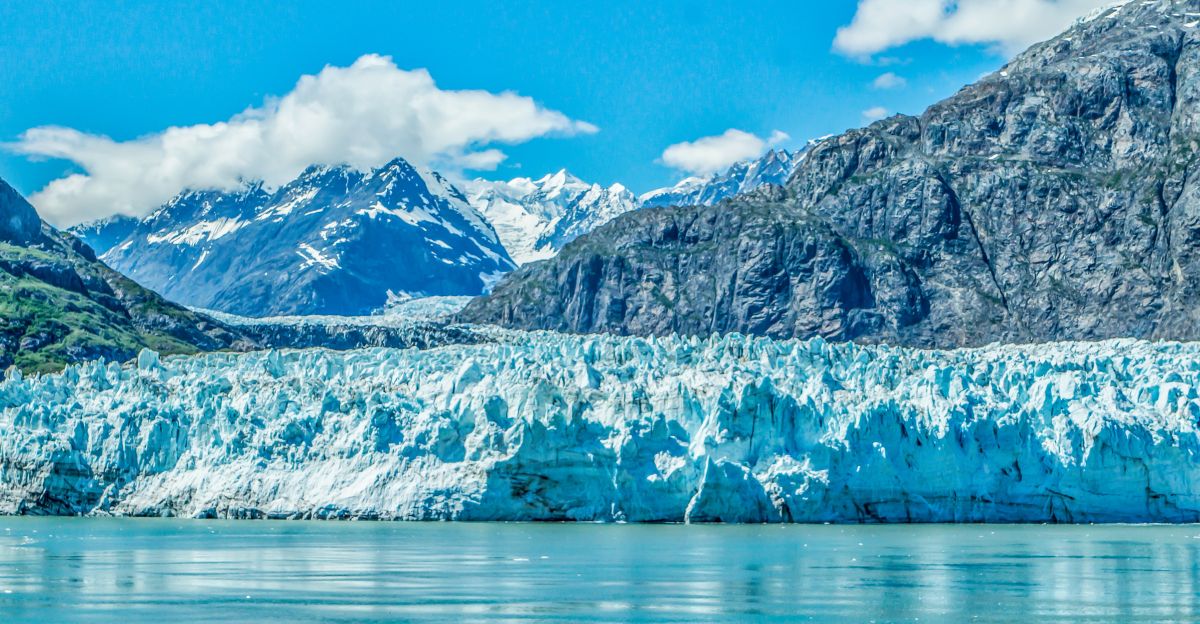
The ancient glacier wasn’t uncovered because someone was digging for it deliberately. Instead, warmer temperatures melting the permafrost caused a landslide, which exposed the ice. Scientists noticed the ice only after the land shifted unexpectedly.
Sometimes, nature reveals its secrets when we least expect it. This chance event reminds us just how many hidden wonders might be waiting underground, revealed only by dramatic changes in our environment.
Older Than Humankind
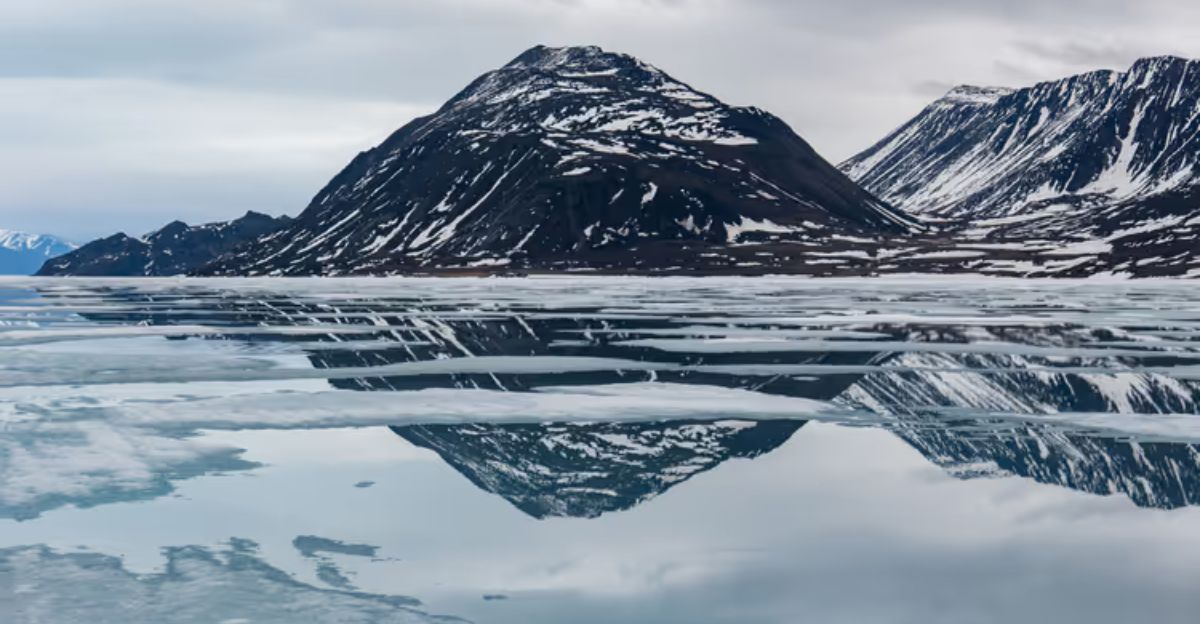
Remarkably, the glacier ice found on Bylot Island is at least 770,000 years old. To put that in perspective, modern humans (Homo sapiens) have roamed the planet for about 300,000 years.
This means the ice was already there long before our species even existed. Studying such ancient ice is like reading a diary that began long before people could write. It helps scientists understand what Earth’s climate was like before humans arrived.
How Scientists Dated the Ice
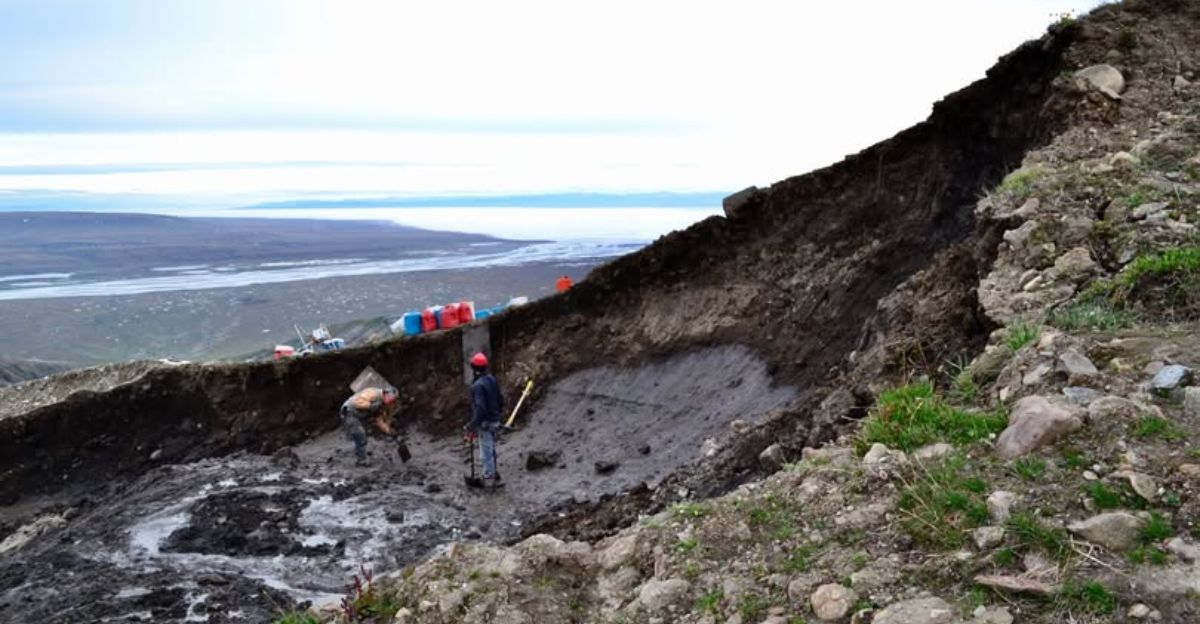
The team figured out the age of the glacier ice by examining the sediment above it. Inside, they found evidence of a reversal in Earth’s magnetic field, a significant, globe-spanning event that happened roughly 770,000 years ago.
This scientific detective work gave them a minimum age for the ice. “This clever use of geology and physics let scientists pinpoint when the ice first froze.
An Ancient Forest Below
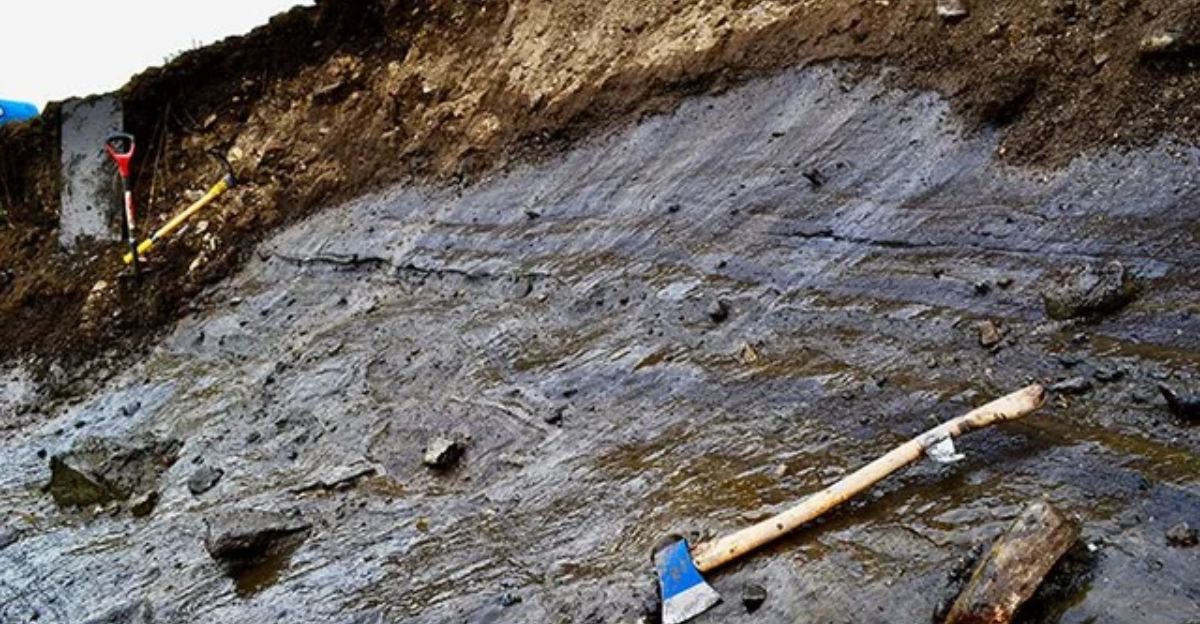
Beneath the glacier ice, scientists discovered something even older, a fossil forest. Using radiometric dating, they determined that these ancient plant remnants are somewhere between 2.8 and 2.4 million years old.
This means the glacier ice was sitting on top of remnants from a much earlier period in Earth’s history. The fossil forest shows that dramatic climate changes have shaped this Arctic region for millions of years.
Radioactive Clues in Organic Matter
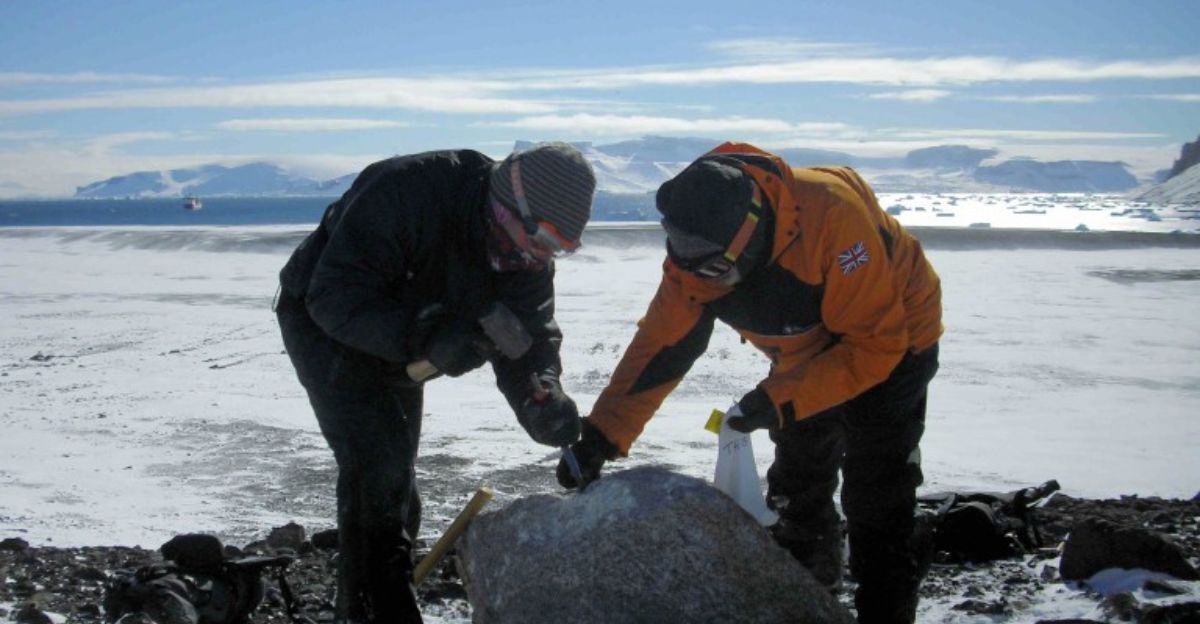
Organic bits preserved inside the glacier ice told another story: radiocarbon dating showed ages over 60,000 years old. That’s much older than most ice found in Arctic permafrost, which usually only dates back to the last ice age about 20,000 years ago.
These findings confirm that the Bylot Island ice is truly exceptional, a window into eras rarely represented elsewhere in the Arctic.
Traces from the Pleistocene
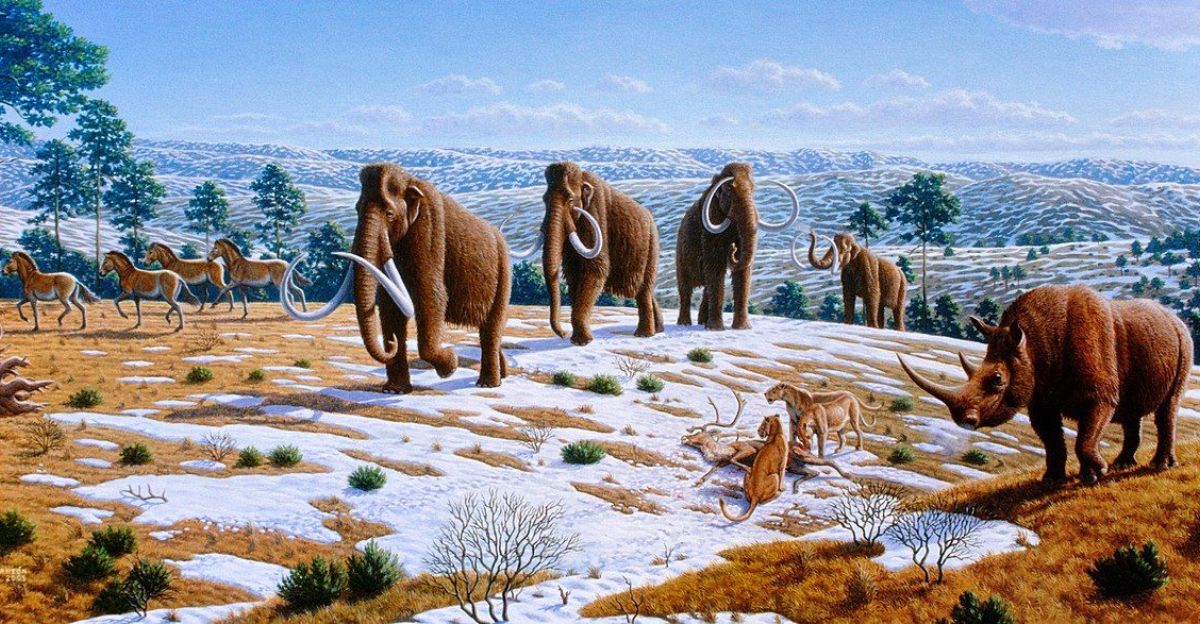
Analyzing particles and gas trapped in the ice, scientists detected materials from the early Pleistocene epoch. This period, stretching from 2.6 million to 11,700 years ago, was a time of dramatic environmental changes and frequent ice ages. The ice preserves tiny samples of an atmosphere and world very different from today.
Unlocking Ancient Air
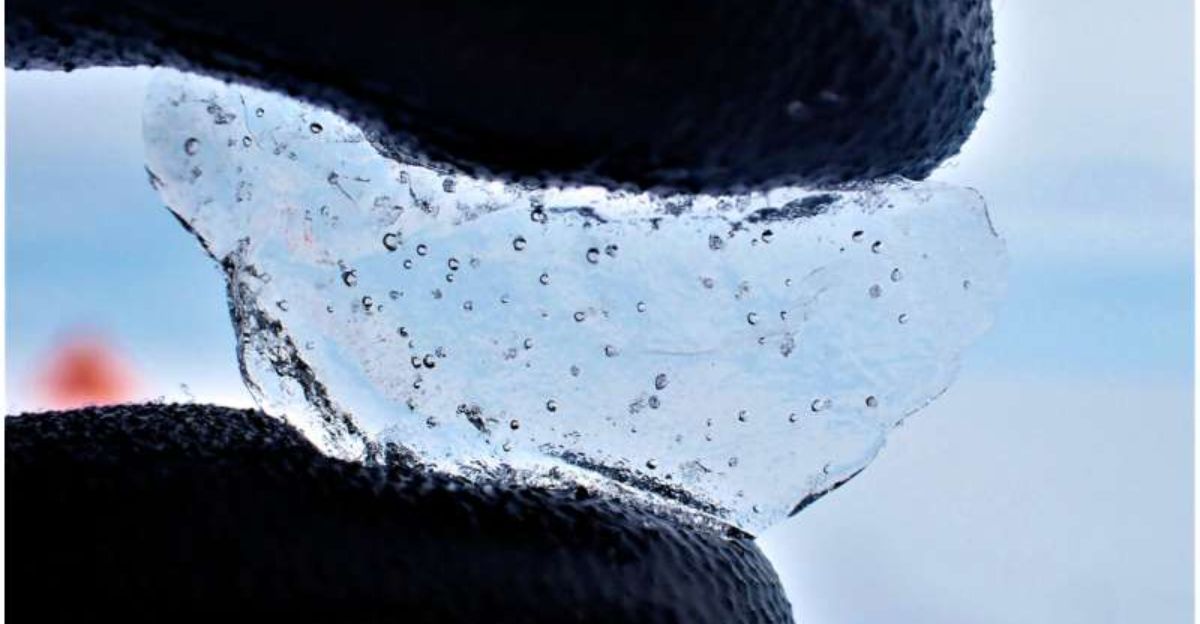
Tiny bubbles of air trapped in the ice are invaluable for climate research. These ancient air pockets provide a direct sample of the atmosphere from hundreds of thousands of years ago. By analyzing their chemical makeup, scientists can measure levels of greenhouse gases like carbon dioxide and methane from long ago.
“Every bubble is a piece of ancient weather,” explained climate scientist Dr. Kate Hendry. This helps us reconstruct past climates and understand how Earth’s atmosphere has changed over time.
The Ice That Survived Hot Ages
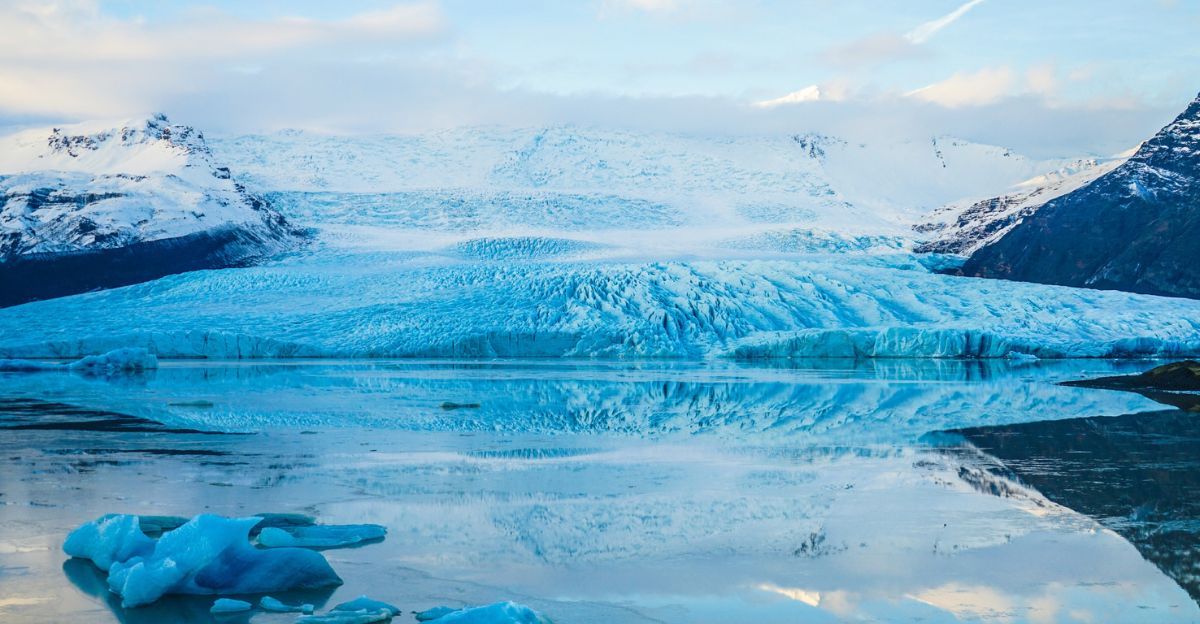
One of the most mind-boggling parts of the discovery is how this glacier ice survived multiple extra-warm periods, much hotter than anything recorded since people started measuring temperatures. Scientists had assumed that permafrost would easily melt during warmer stretches, but this buried ice proved remarkably tough.
Oldest Arctic Ice
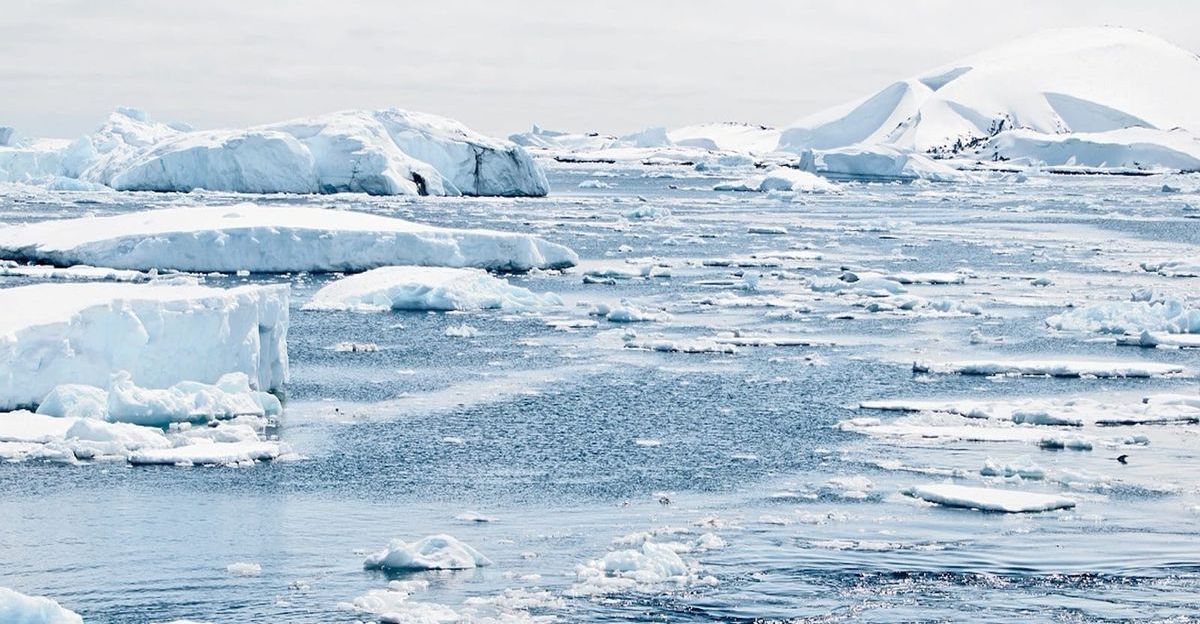
This find sets a new record for the oldest glacier ice ever discovered in Arctic permafrost, with an age confirmed at over 770,000 years. In fact, it’s more than ten times older than most other ice samples from the region.
Such ancient ice is incredibly rare, and its preservation in the ground tells scientists that the Arctic can be much more resilient than previously thought.
What’s Hidden Inside?

What secrets does this ancient ice hold? Scientists are sifting through micro-fossils, gases, and tiny particles stuck in the glacier to learn about extinct bacteria, ancient plants, and bygone climate cycles.
Each new find gives clues about what lived and breathed on Earth hundreds of thousands of years ago. Unlocking these secrets can change our understanding of how life and the climate once operated.
Danger and Opportunity
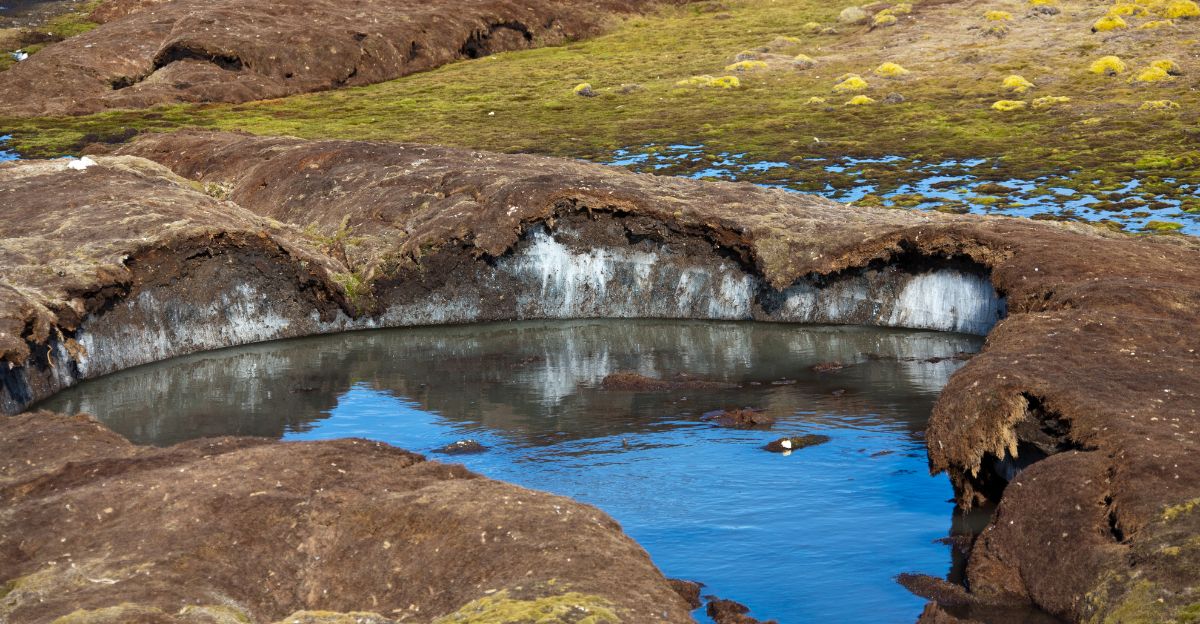
Here’s the irony: human-caused warming, which melted enough permafrost to expose the glacier ice, now threatens to wipe it out entirely. The same climate change that revealed the ice could soon destroy its record forever.
Researchers are in a race against time to study the ice before it melts or is lost. “We have a very short window to learn from this discovery,” Fortier said.
Strength from the Past, Peril Now

Seeing how this ice survived intense warmth in ancient times gives hope for permafrost’s resilience. However, today’s much faster and more widespread global warming poses a new kind of threat.
The pace of change has never been so rapid. The glacier’s fate reminds us that past resilience might not be enough for the modern world.
The Permafrost Paradox
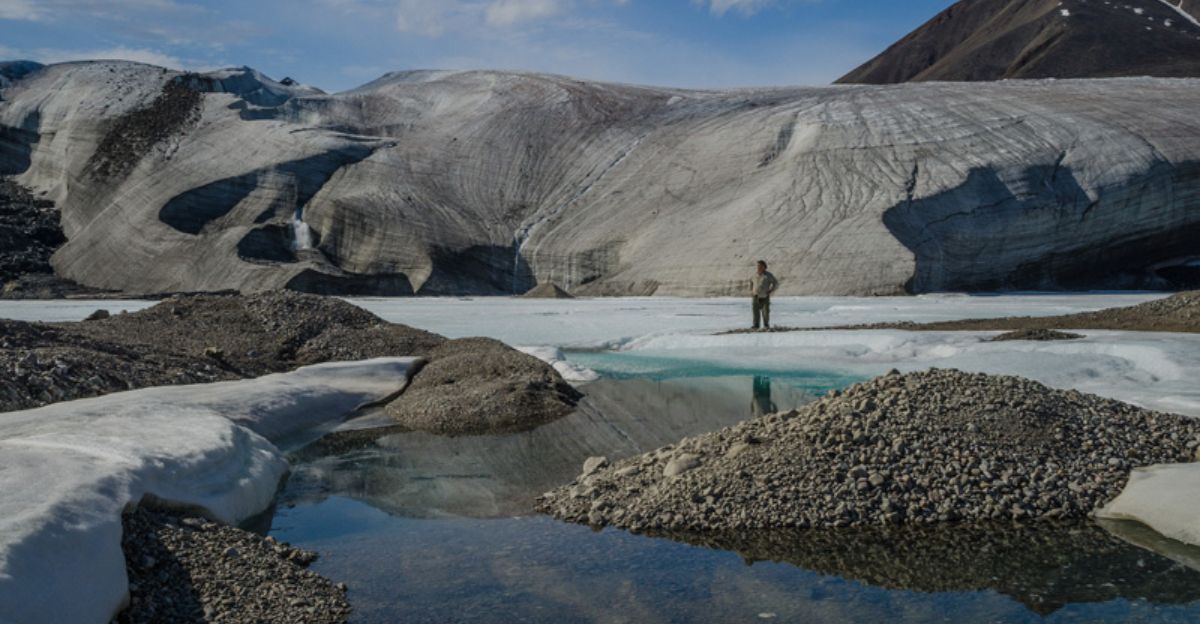
The Bylot Island glacier challenges fears that all Arctic permafrost will quickly disappear. After all, this ice survived through periods even hotter than now.
Yet, some scientists point out that today’s human-driven warming is much faster and could overwhelm even nature’s best defenses. This discovery forces questions about permafrost’s limits and how much resilience is truly left.
Layers Tell a Story
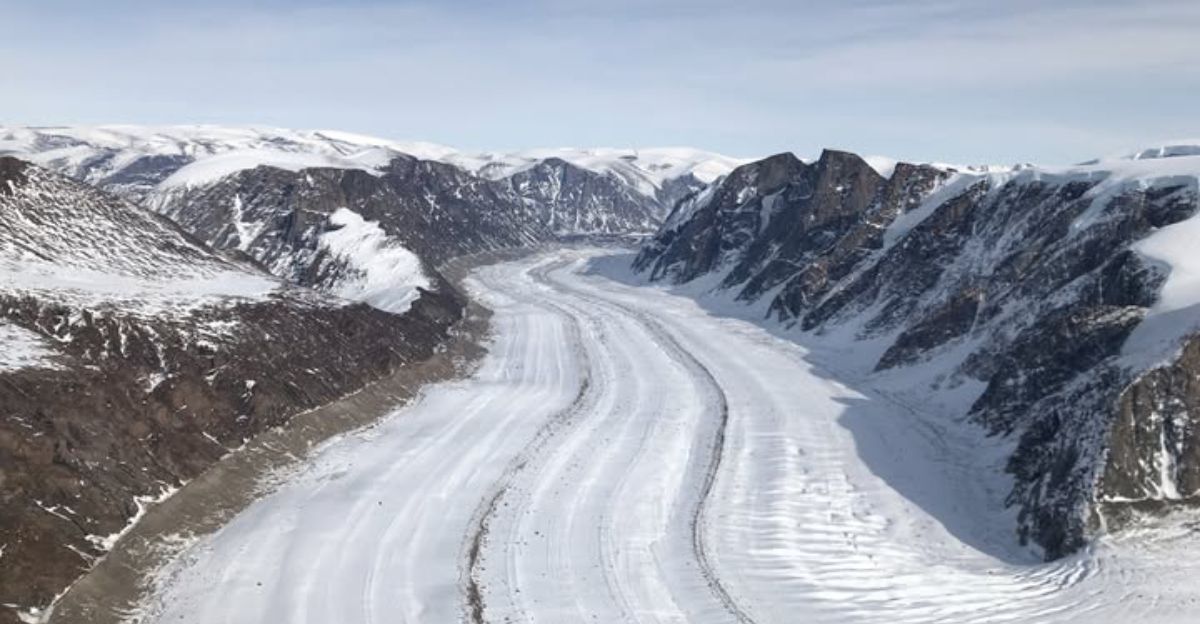
This ancient glacier carries more than just ice, it holds a record of countless warm and cold swings over nearly a million years. Researchers believe they can track glacial and interglacial cycles in the ice’s chemistry and captured particles.
“It’s like peeling back the pages of an epic novel of Earth’s climate,” said Fortier. Each layer in the ice marks a specific chapter in the planet’s environmental history.
Exploring a Million-Year Archive
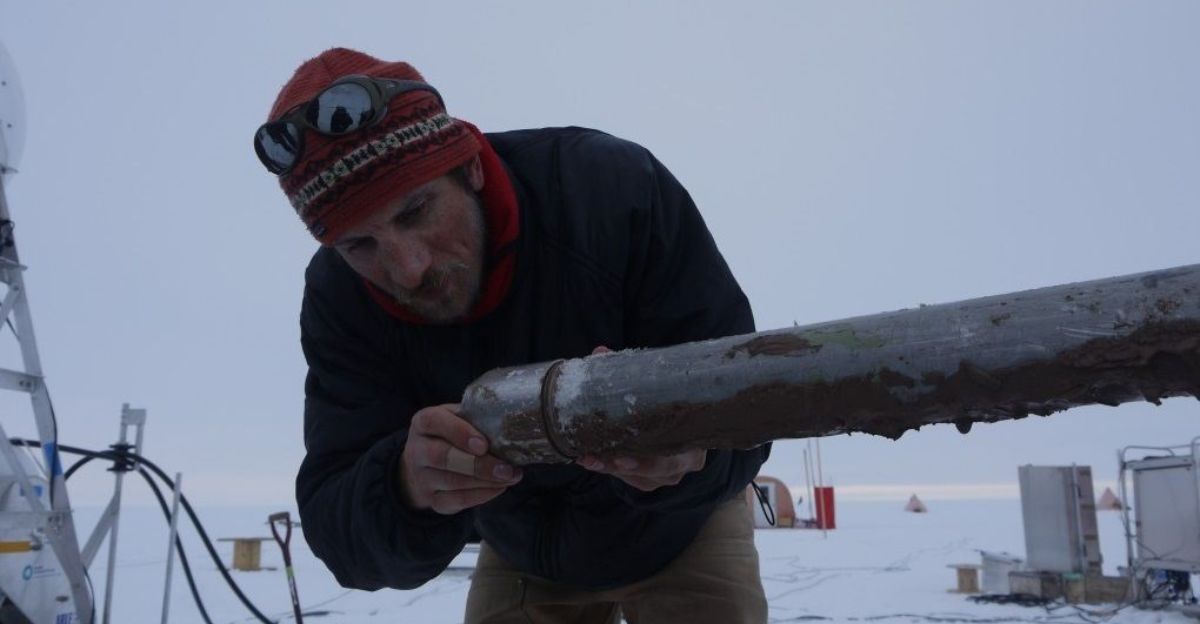
By studying the glacier, scientists have a rare opportunity to compare ancient climate shifts with modern changes. This could lead to better predictions about where our climate is heading.
The long record contained in this ice could be the key to understanding how Earth responds to dramatic changes, insight that’s urgently needed as the Arctic warms today.
“I Was Not Expecting That at All.”
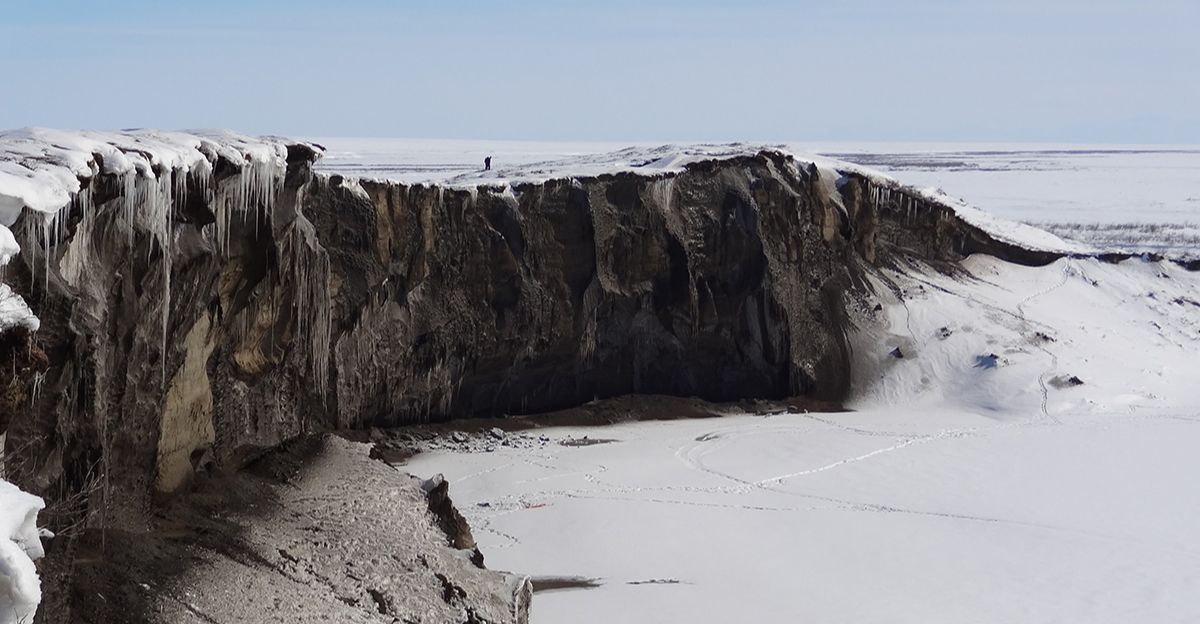
When Daniel Fortier first saw the exposed ice, his surprise was obvious. “I was not expecting that at all,” he said. The discovery upended what scientists believed about how long glacier ice could endure and opened the door to new research in Arctic geology and climate science. Sometimes, the best findings happen when no one is looking for them and the results change everything.
Racing Against the Clock
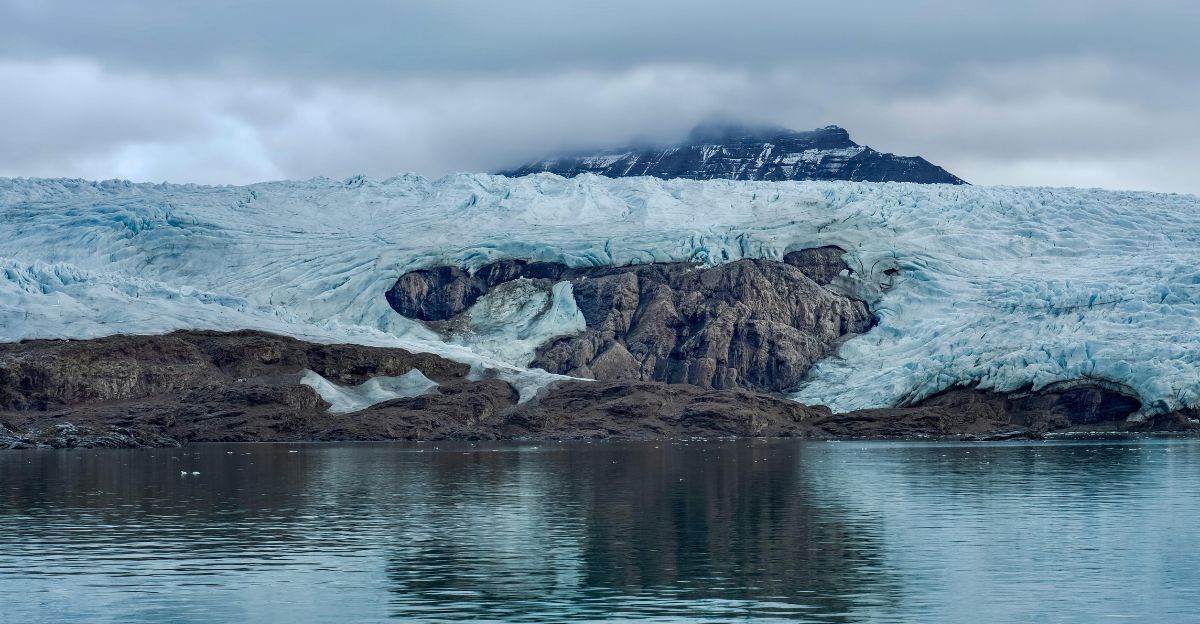
The clock is ticking. With Arctic temperatures rising, the ancient glacier ice is at risk of disappearing within just a few decades. Scientists need to work quickly to collect samples and decode what the ice has to offer. Losing this ice to melting would mean losing critical clues about Earth’s climate past and future.
Lessons for the Future
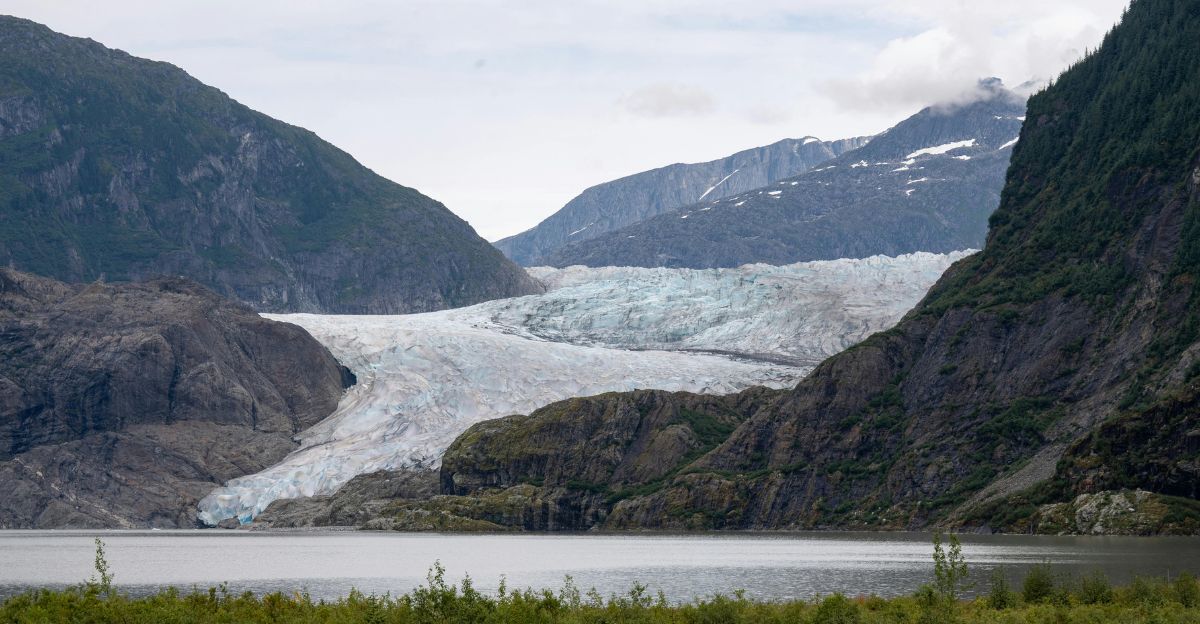
If this ice is lost, future generations will miss out on a one-of-a-kind climate archive. The knowledge hidden inside could help people adapt to new extremes, like bigger storms or hotter temperature swings. Studying this glacier can teach us ways to cope and plan for changing conditions on Earth.
A New Climate Story
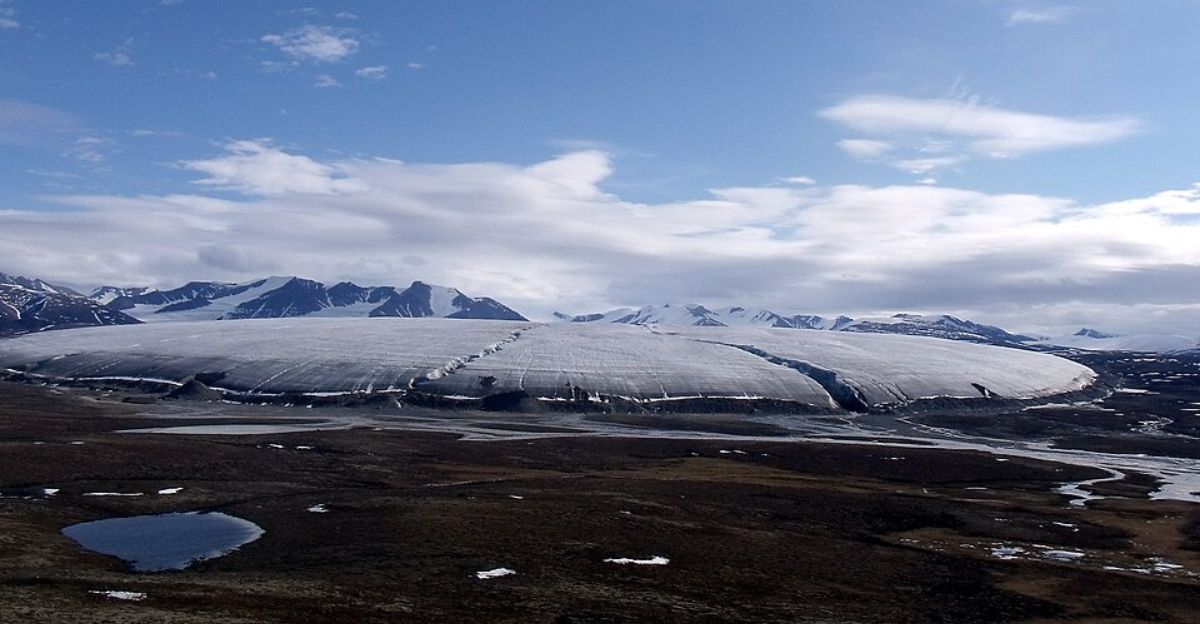
The Bylot Island glacier tells a story of Earth’s strength and vulnerability. It shows us how resilient permafrost can be, and how close we are to losing key parts of our planet’s history.
Scientists urge everyone not to ignore this warning: the ice’s endurance offers hope, but its sudden exposure and fragility demand swift action.