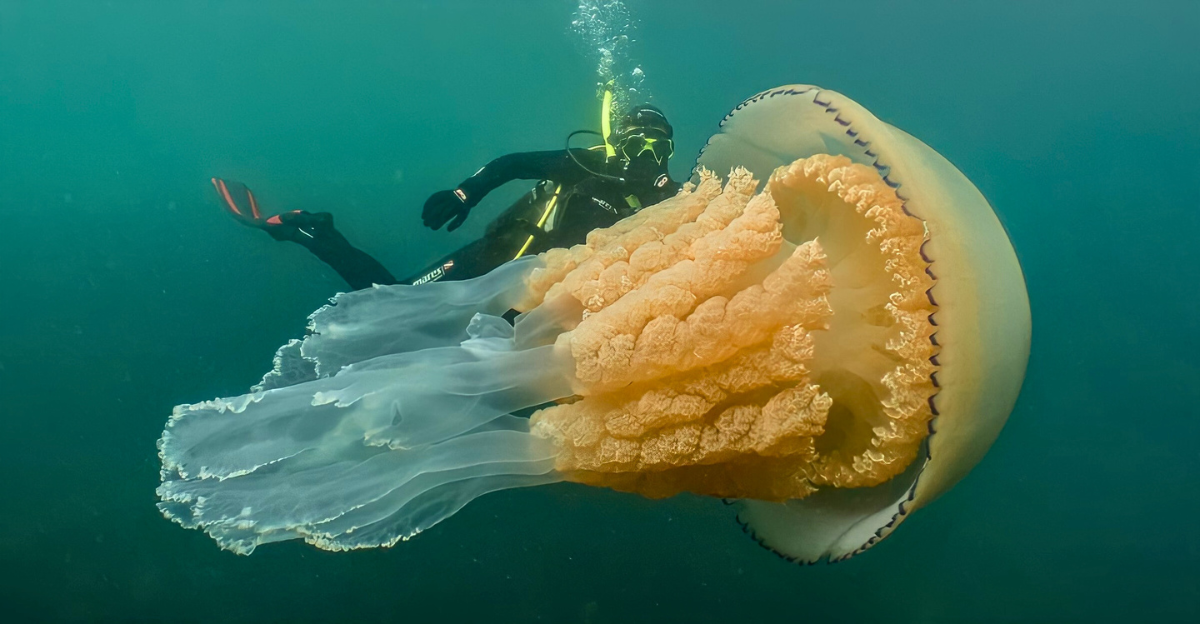
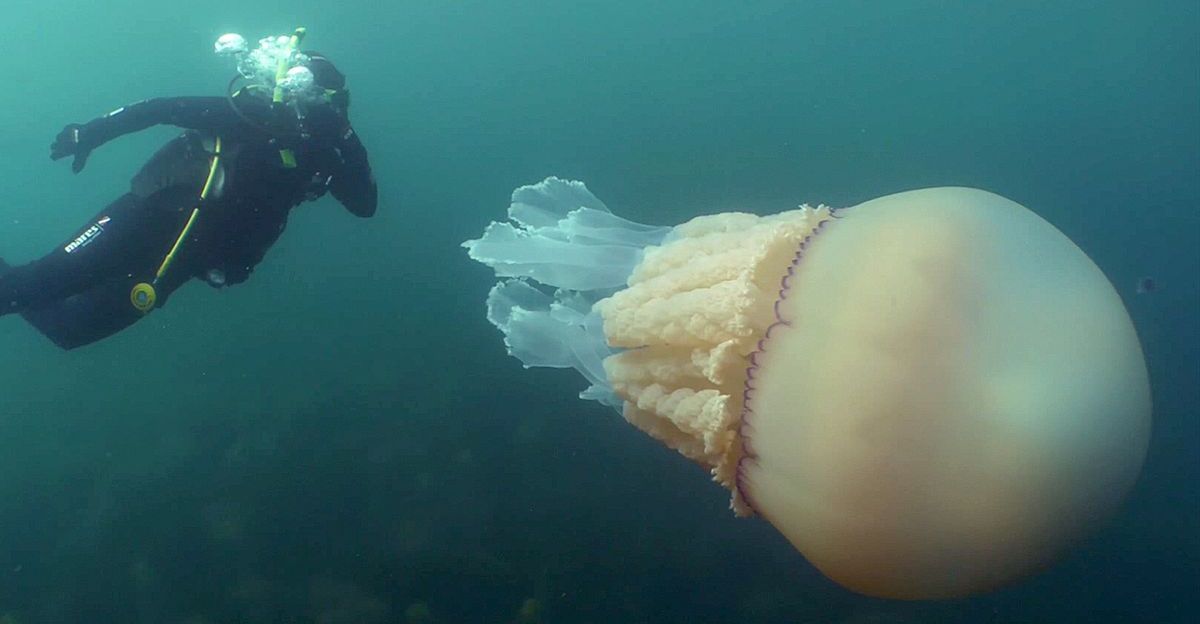
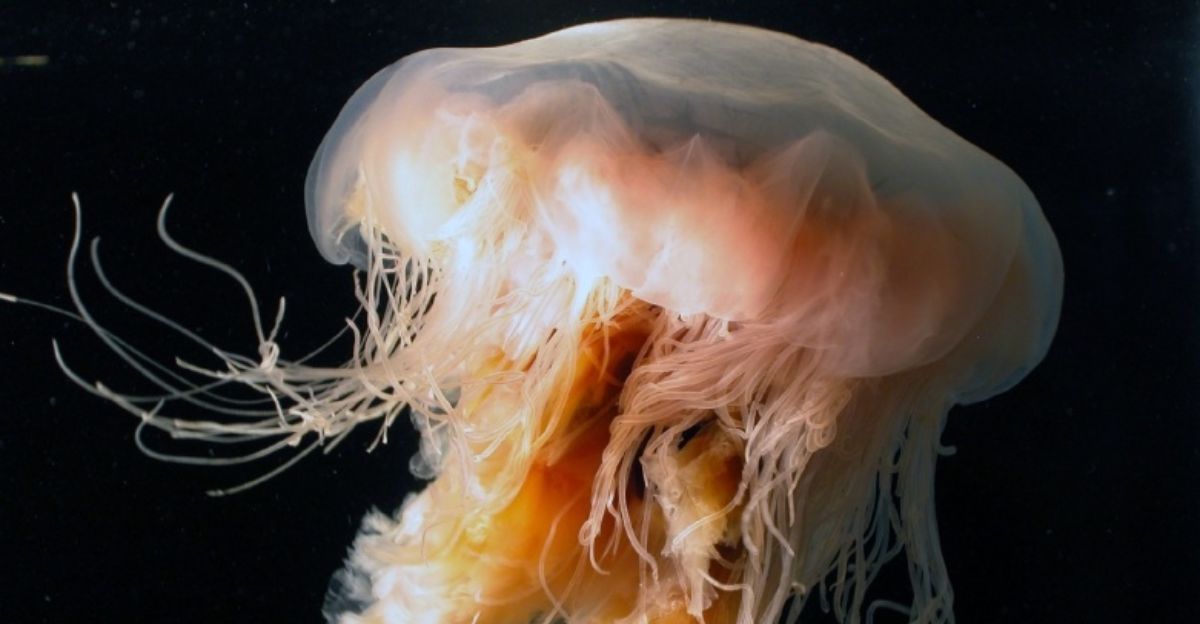
Giant jellyfish, some reaching the length of a 10-story building, pose a fascinating biological puzzle that continuously baffles scientists. The lion’s mane jellyfish (Cyanea capillata), the largest known species, can have tentacles up to 120 feet (36 meters) long, rivaling the blue whale in size.
Weighing as much as 2,200 pounds, these gelatinous giants challenge our understanding of marine life growth constraints. Despite centuries of study, such colossal jellyfish reveal the ocean’s mysteries remain vast and largely unexplored. These creatures’ soft, water-rich bodies, coupled with their ability to thrive in extreme oceanic conditions, defy many biological principles that guide size limits in animals.
The Historical Background of the Discovery of Giant Jellyfish
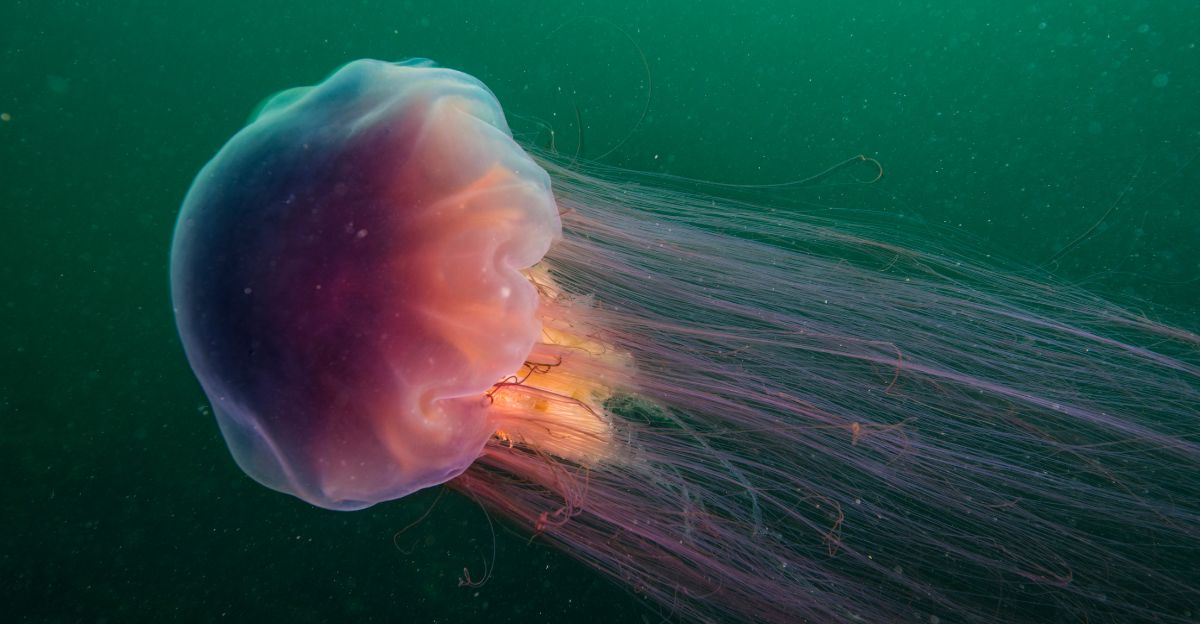
Periodically, larger and larger jellyfish species have been discovered, according to the scientific record. Since the 19th century, the lion’s mane jellyfish has been recognized; specimens as large as 6 to 8 feet wide and with tentacles that reach over 100 feet have been recorded. Even in the twenty-first century, new species of unusually large jellyfish are still being found, sometimes in unexpected places like the coasts of Australia or the deep-sea volcanic calderas close to Japan.
For more than a century, historical records of jellyfish blooms have been kept, and they frequently correspond with changes in the climate and industrialization. The rise in these enormous animals raises the possibility that environmental changes are contributing to or facilitating their gigantism.
Size-Related Physical and Biological Challenges
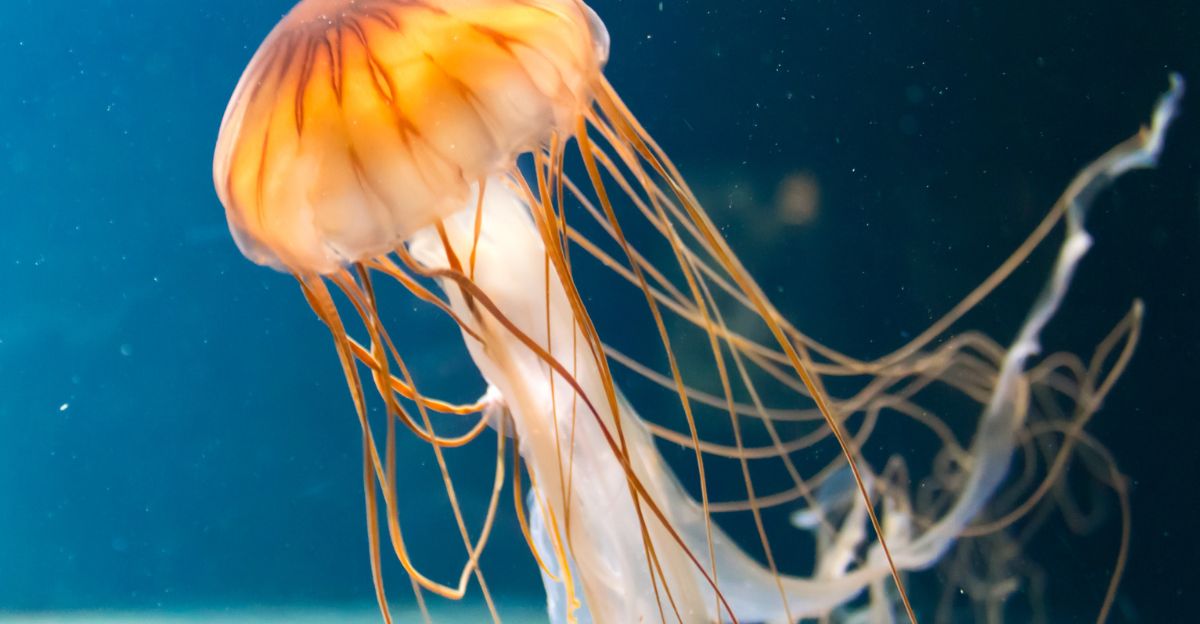
Jellyfish are about 95% water, gelatinous, and devoid of bones or brains. Unlike animals with solid bodies, their large size is supported by a unique physiology. However, the enormous size of building-sized jellyfish raises concerns about predation, buoyancy, and nutrient absorption. Little is known about their energy consumption, large-scale reproduction, and toxin production under intense ocean pressure.
Jellyfish can passively capture prey with their stinging cell-containing tentacles, but maintaining a structure tens of meters long requires effective biological systems that have not yet been fully understood. Given their extraordinary adaptability, scientists also wonder how some giant jellyfish manage to survive in deep waters where oceanic pressures can reach thousands of pounds per square inch.
Technological Developments in Deep-Sea Exploration
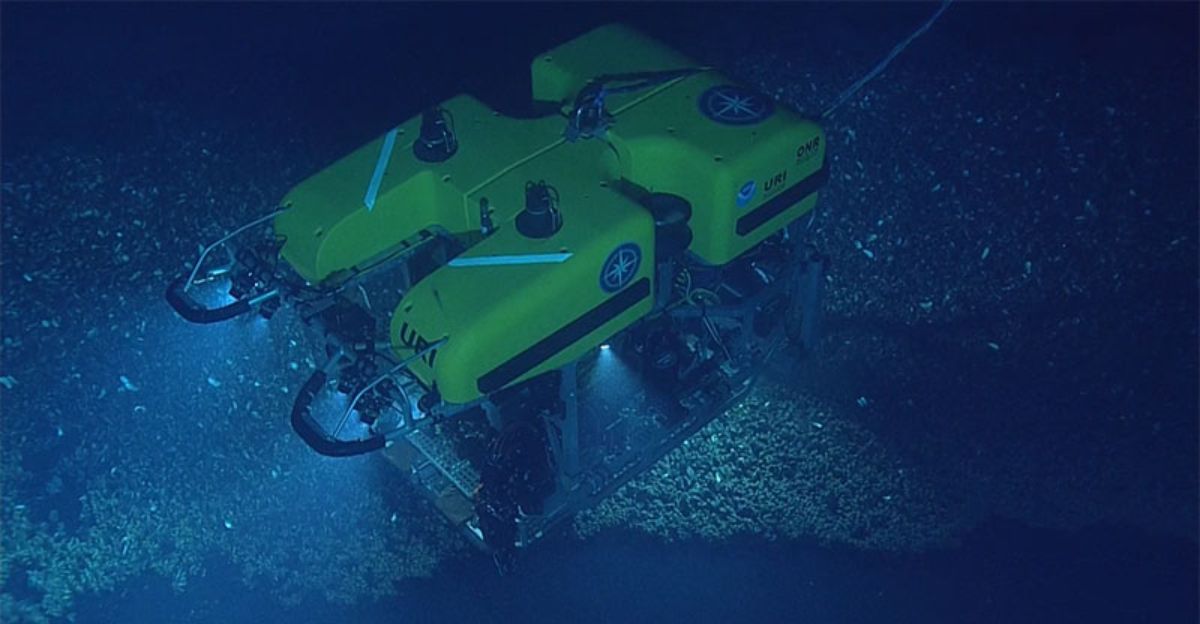
A large portion of the confusion results from the fact that many giant jellyfish live in ocean depths that are largely inaccessible, like the midnight zone at 21,900 feet, where sunlight cannot reach. Recent developments in deep-sea submersibles and remote-operated vehicles (ROVs) have made it possible to observe and record these elusive giants in a way never before possible.
These technologies show jellyfish floating in near total darkness and under tremendous pressure, with bells up to three feet in size and tentacles more than thirty feet long. These discoveries have revealed hitherto unknown or infrequently observed species with unique physical and genetic characteristics, such as Stygiomedusa gigantea and Santjordia pagesi. Scientific models regarding organism size and life adaptability in unusual oceanic conditions are still being challenged by this exploration.
Oceanic Trends and Ecological Impact
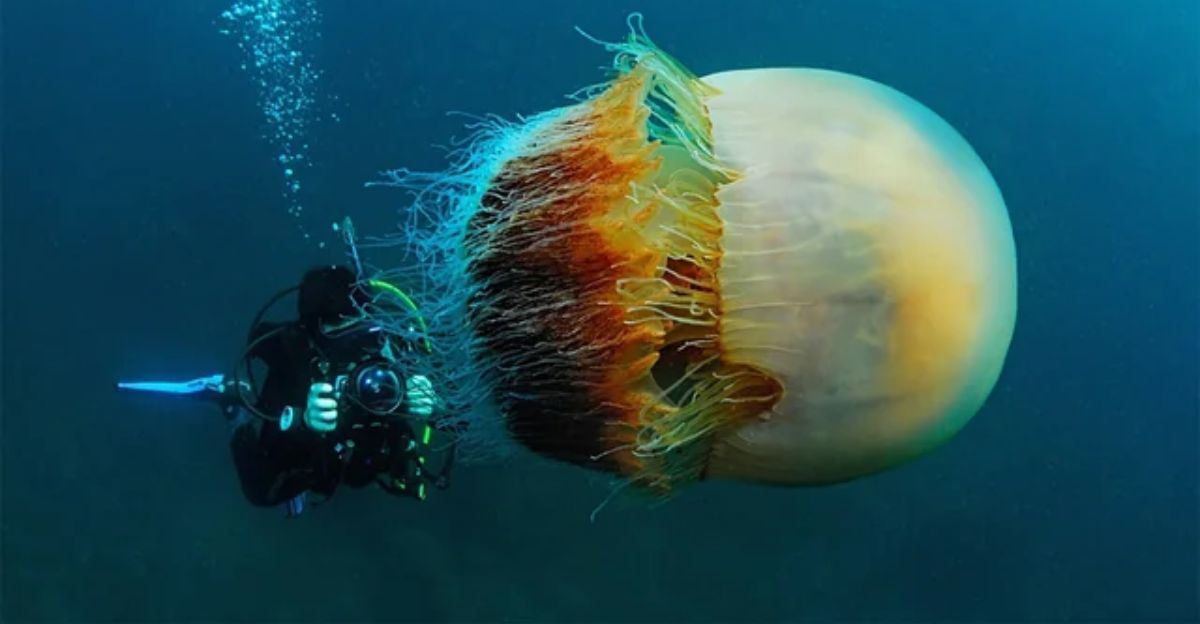
Because they compete with fish for food and feed on fish eggs and larvae, giant jellyfish blooms have the potential to seriously disturb marine ecosystems. Significant jellyfish blooms, such as those of Nomura’s jellyfish in Asian waters, have increased in frequency and size since the 1990s, having an effect on coastal economies and fisheries. By stinging swimmers, jellyfish can obstruct aquaculture pens, harm fishing equipment, and interfere with tourism.
The factors that favor jellyfish resilience over many fish species, nutrient pollution, overfishing, and climate change, are linked to their increased abundance. The ecological adaptability of certain jellyfish, which is likely to increase with continued environmental stressors, is demonstrated by their ability to survive in hypoxic or “dead zone” environments where oxygen is in short supply.
A Different Perspective on Jellyfish Gigantism
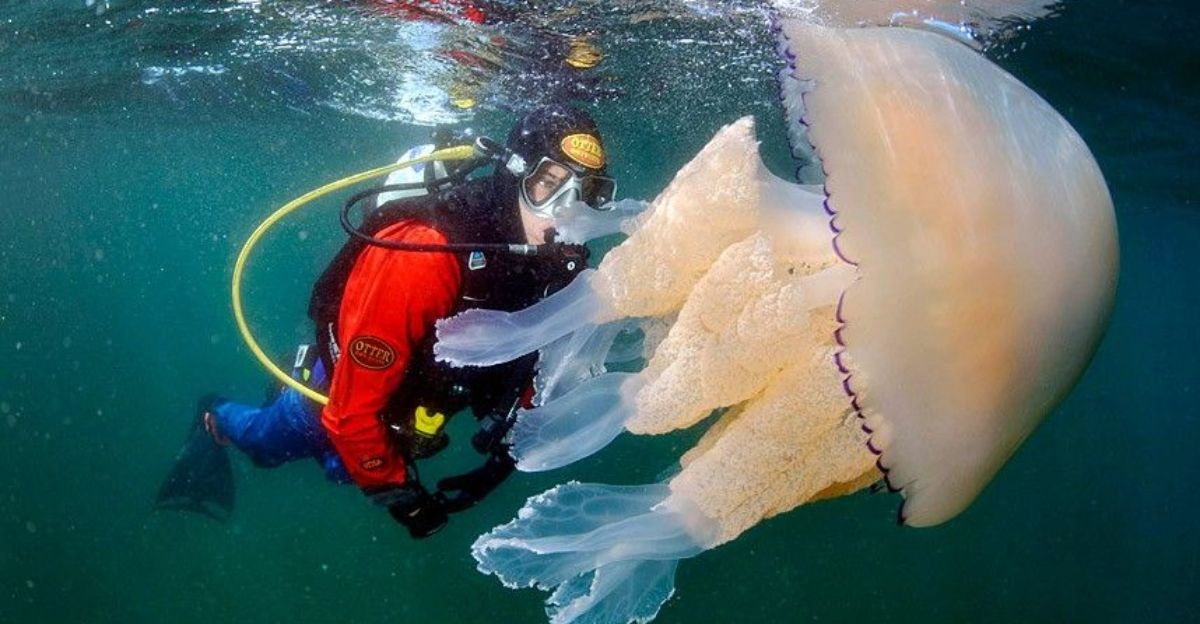
Some argue that giant jellyfish represent evolutionary advantages in future ocean scenarios, while others view them as merely the result of ecological imbalance. Jellyfish may flourish and eventually take over as the predominant inhabitants of the ocean, in contrast to many other species that suffer from warming and acidifying waters. This viewpoint contradicts the widely held belief that the proliferation of jellyfish is exclusively detrimental.
Rather, some scientists contend that the capacity of jellyfish to absorb carbon through their quick sinking after death enhances the biological pump of the ocean and may lessen the effects of climate change. This contentious viewpoint raises a paradox whereby jellyfish gigantism might not be an environmental disaster but rather a reflection of shifting oceans.
Unknown Poisons and Their Potential Use in Medicine
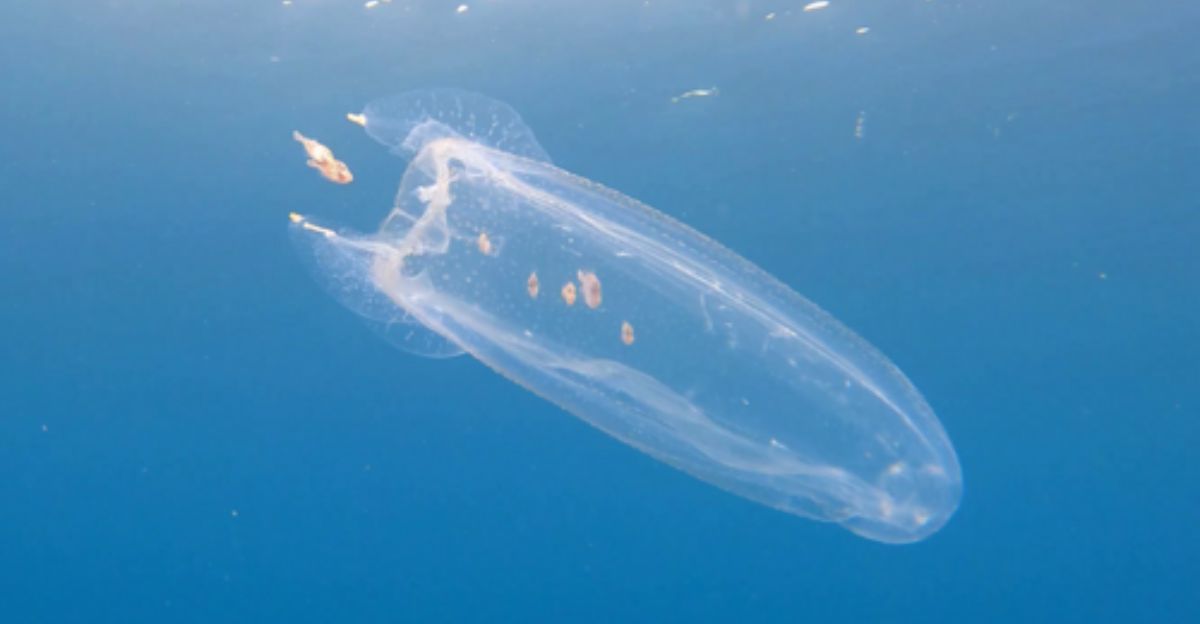
Novel venoms that differ chemically from known toxins may be present in recently discovered giant jellyfish species. For instance, the poisonous Keesingia gigas and the deep-sea Santjordia pagesi exhibit special adaptations, such as extremely strong stings. From tentacle extracts to nematocyst compositions, scientific examination of venoms reveals intricate biochemical characteristics involving the heart, liver damage pathways, and immune responses.
There is therapeutic potential for certain jellyfish toxins in human medicine, including anti-inflammatory and anti-cancer uses. From the molecular to the systemic levels, the study of venom mechanisms reveals jellyfish as a source of pharmaceutical innovation as well as a scientific mystery.
Swarming Behavior of Jellyfish: A Model Based on Physics
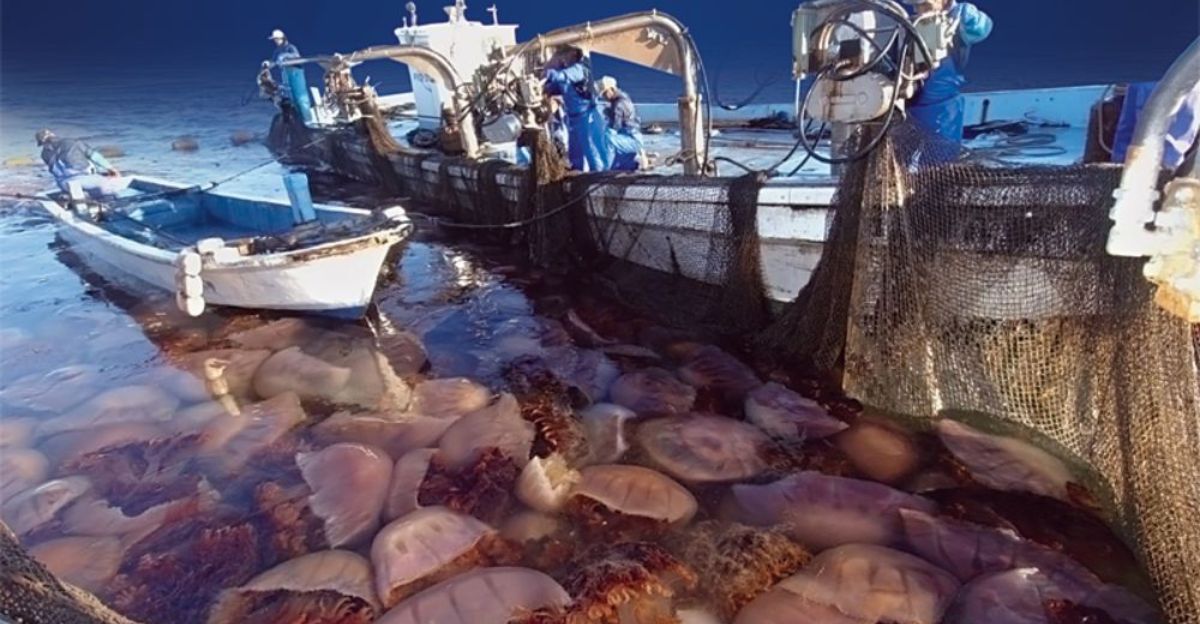
Interesting swarming behavior is displayed by jellyfish, which are influenced by environmental cues such as light, water currents, and the availability of prey. The formation of counter-current swimming groups and avoidance of turbulent zones are explained by recent physics-based models that treat jellyfish as active Brownian particles.
Population blooms and movement patterns, which are still difficult to predict, become clearer when the mechanics underlying such swarming are understood. These models can help predict jellyfish blooms and their ecological effects, which is important for managing coastal industries and fisheries that are disrupted by massive swarms of jellyfish.
Environmental and Economic Difficulties
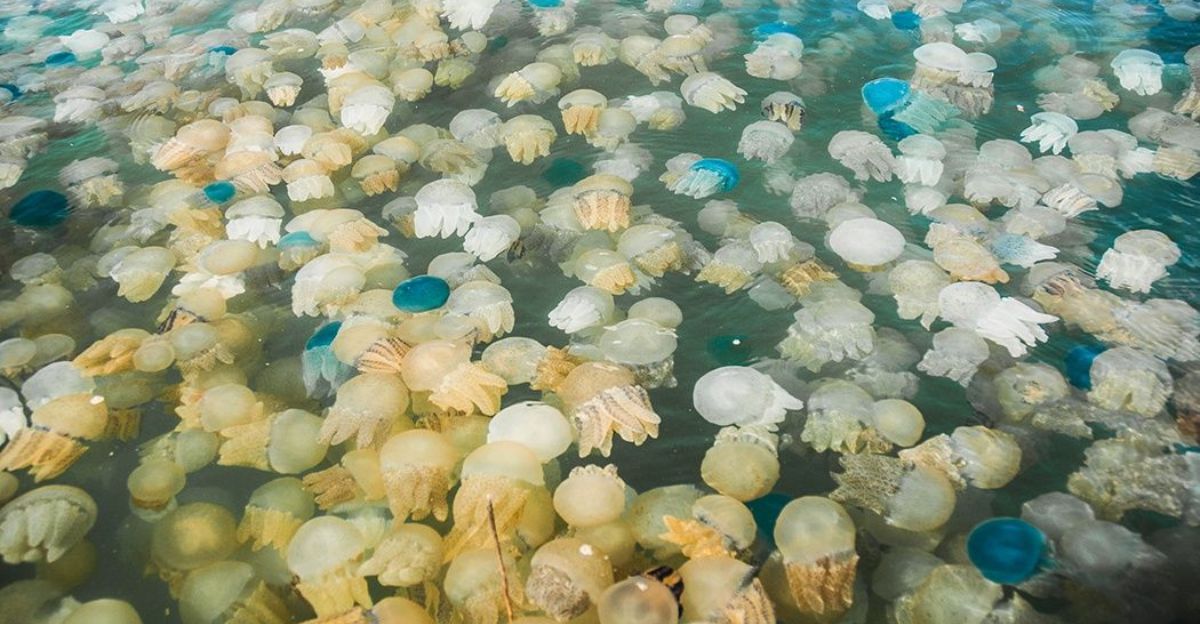
Global fisheries, tourism, and coastal infrastructure all suffer financial losses as a result of jellyfish blooms. Jellyfish swarms that suffocated farmed fish contributed to the collapse of the Irish salmon industry in 2007. Coastal fisheries in Japan lose billions of yen every year due to Nomura’s jellyfish. The obstruction of cooling intakes by jellyfish causes power plants to shut down.
These difficulties highlight the need for scientific knowledge and creative approaches to anticipate, control, and possibly lessen the effects of giant jellyfish. Their growing frequency indicates the urgent need for multidisciplinary approaches that take into account environmental preservation, business interests, and ocean health.
Unknown Anatomical Features
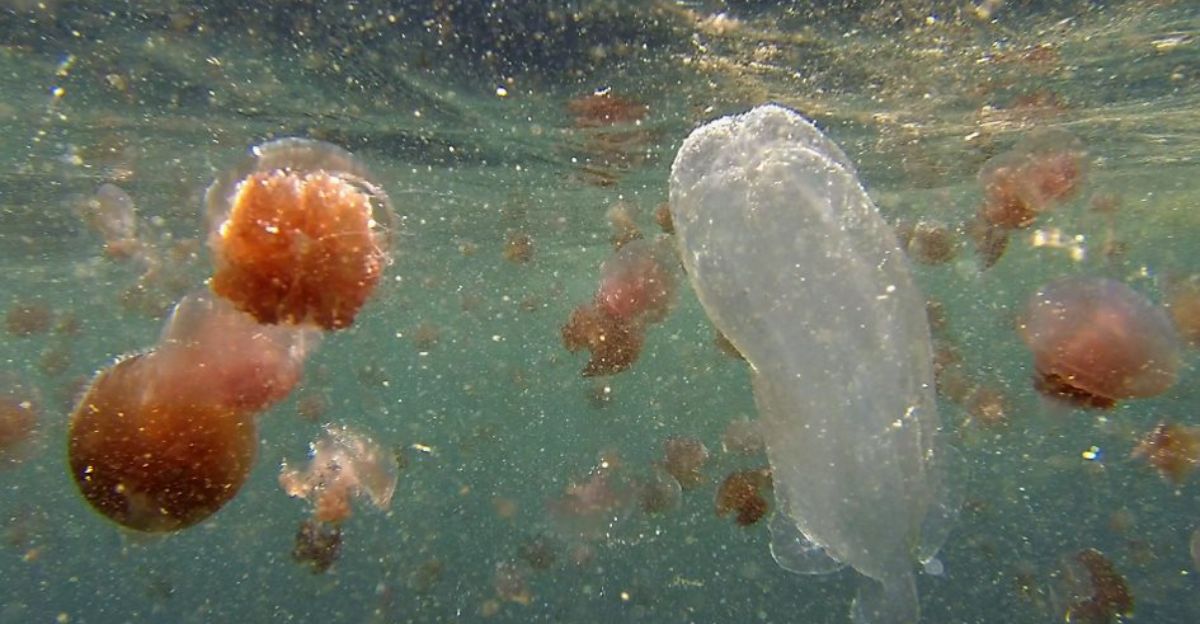
Existing frameworks for jellyfish biology are challenged by the discovery of species such as Keesingia gigas, which appear to lack tentacles. For almost all jellyfish to defend themselves and capture prey, tentacles are necessary. Researchers are perplexed by this anomaly, which has led to theories about everything from the evolutionary loss of tentacles to unidentified alternate feeding mechanisms.
Classification and research are hampered by the inability to take pictures or record tentacles. These remarkable anatomical features highlight the enormous gaps in our understanding of the diversity, physiology, and evolution of jellyfish, which calls for increased marine exploration and innovative research.
Historical Evolutionary Significance of Jellyfish
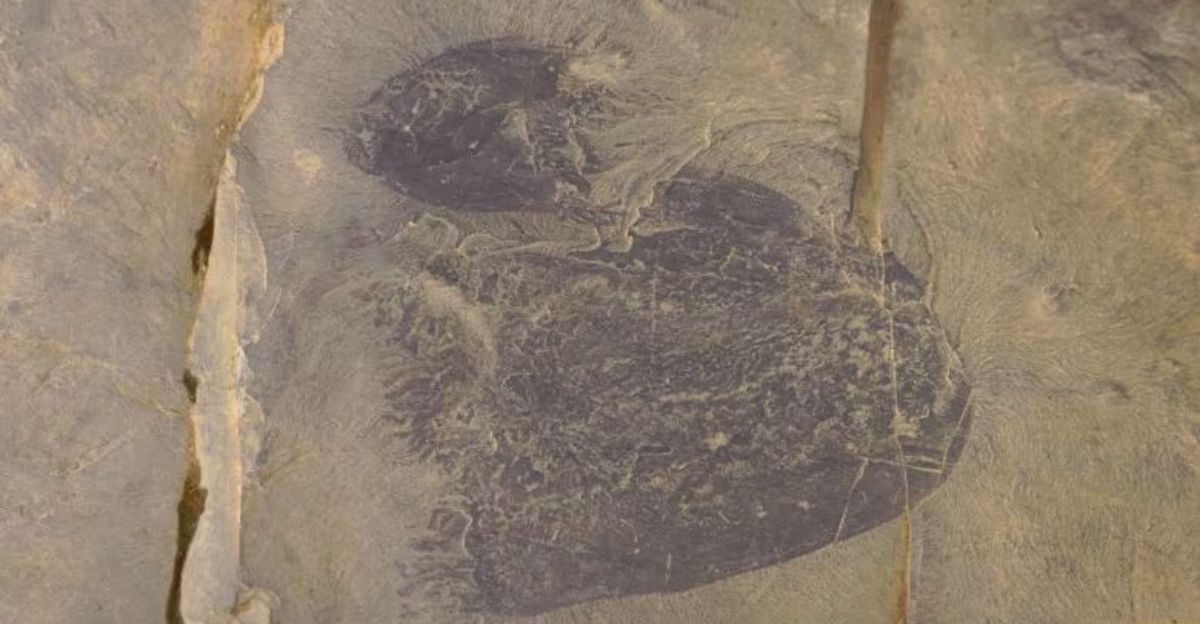
Jellyfish have been around for more than 650 million years, which is hundreds of millions of years longer than dinosaurs. Because of their soft bodies, fossil records are rare, but they confirm the ancient ancestry and tenacity of jellyfish.
Their lengthy evolutionary history indicates that they have successfully adapted to a number of ecological shifts around the world. An understanding of the evolutionary forces maintaining giant sizes and gelatinous physiology can be gained by analyzing genetic and fossil evidence. Giant jellyfish are living fossils with significant evolutionary significance because they might serve as an ancestor’s model for multicellular animal forms that thrive in aquatic settings.
Blooming Lion’s Mane Jellyfish
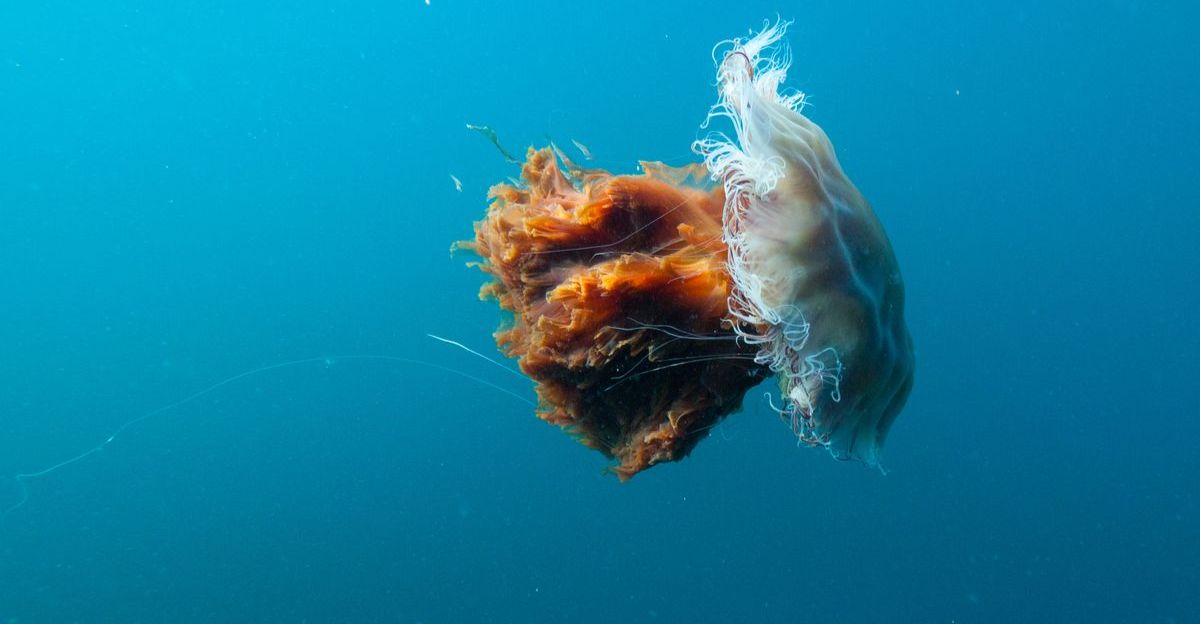
A well-known case study demonstrating the size, significance, and scientific interest surrounding giant jellyfish is the lion’s mane jellyfish, which is frequently regarded as the largest species of jellyfish still living. Temperature variations and nutrient surges have been connected to blooms in the North Atlantic and Arctic.
There have been reports of specimens with bell diameters as large as 8 feet (2.5 meters) and tentacles as large as 120 feet (37 meters). The ecological consequences include hazards to swimmers and disturbance of nearby fisheries. Researching populations of lion’s mane jellyfish improves knowledge of the processes underlying gigantism and how the jellyfish react to environmental stressors that impact their growth.
Dead Zones in the Ocean and Jellyfish
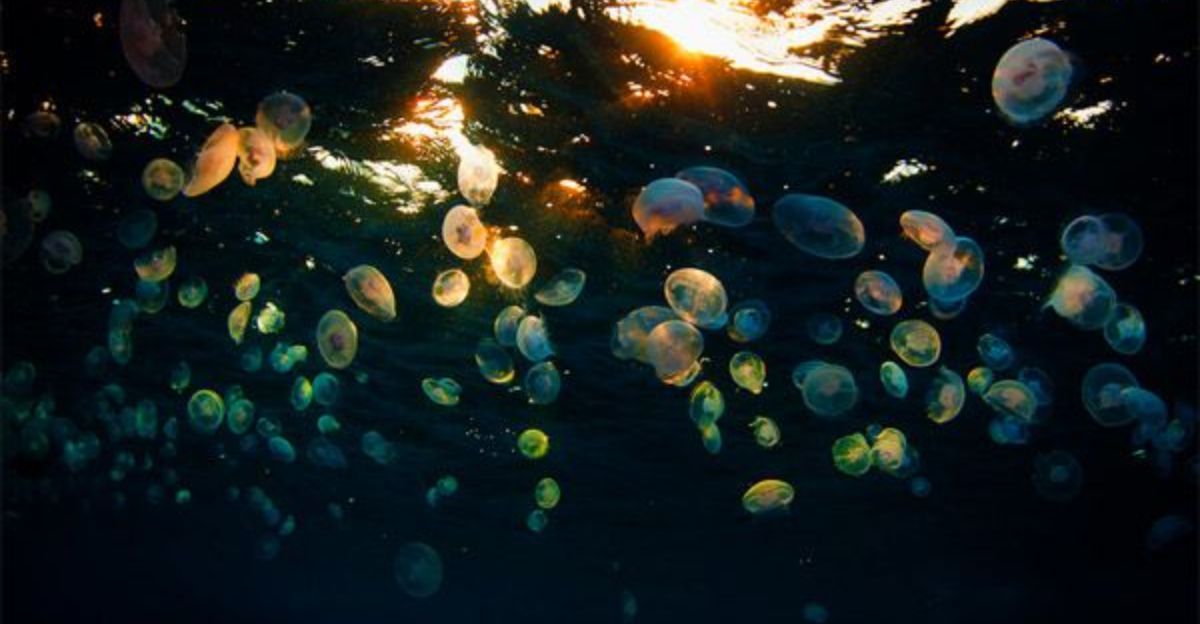
Jellyfish exhibit exceptional resilience in hypoxic conditions, referred to as ocean dead zones, where pollution and climate change cause oxygen levels to drop. Jellyfish can endure and even thrive in these harsh environments, but many other marine life dies there.
This capacity could account for their increasing populations and broader range of habitats, including the dominance of giant jellyfish species in some regions. Because jellyfish-induced dead zones have the potential to displace healthy fish populations and change trophic dynamics, they have important biological and ecological ramifications. These changes can result in feedback loops that further destabilize marine ecosystems.
Speculative and Theoretical Theories
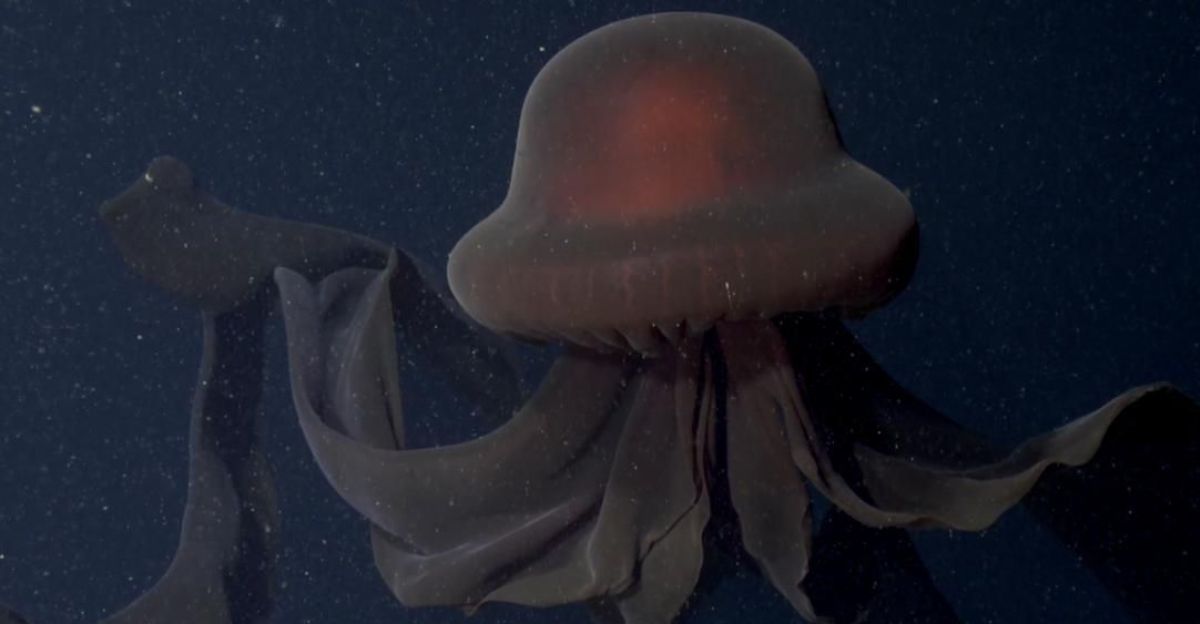
Scientists hypothesize that genomic adaptations allowing for rapid growth and extensive tentacle development may be the cause of giant jellyfish size. According to some theories, in the deep ocean, bioluminescence and size help attract mates and ward off predators. According to some, jellyfish gigantism might be an evolutionary arms race reaction to heightened competition for resources or predation.
Through the extension of jellyfish breeding seasons and changes in ocean chemistry, theoretical models also investigate how climate change may accelerate size increases. Despite being unproven, these theories pave the way for creative studies that combine ecology, climate science, and genomics.
Multidisciplinary Research Methods
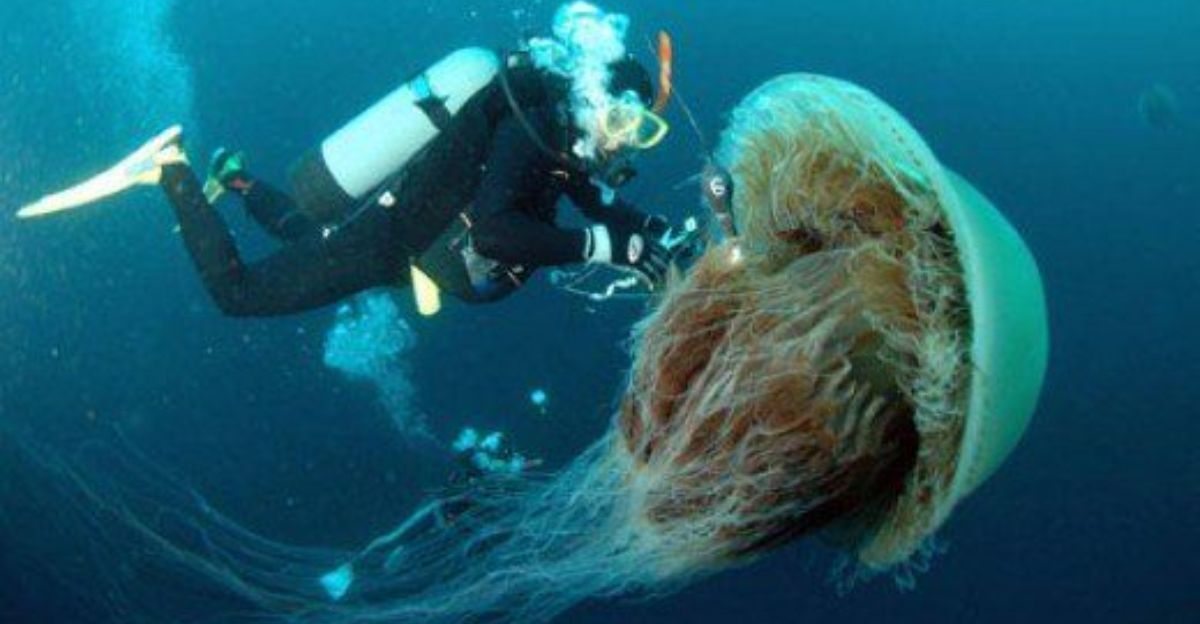
An intersectional approach combining marine biology, oceanography, physics, biochemistry, and climate science is necessary to study giant jellyfish. Deciphering their biology and ecosystem roles requires the integration of ecological modeling, genetic sequencing, and advanced imaging.
International research institutions have started working together to shed light on the life cycles of jellyfish and how they react to their surroundings through the use of deep-sea submersibles, sonar mapping, and venom analysis. Such multidisciplinary research improves forecasts of the size and timing of jellyfish blooms, which helps guide conservation and fisheries management strategies.
Human Culture and Jellyfish
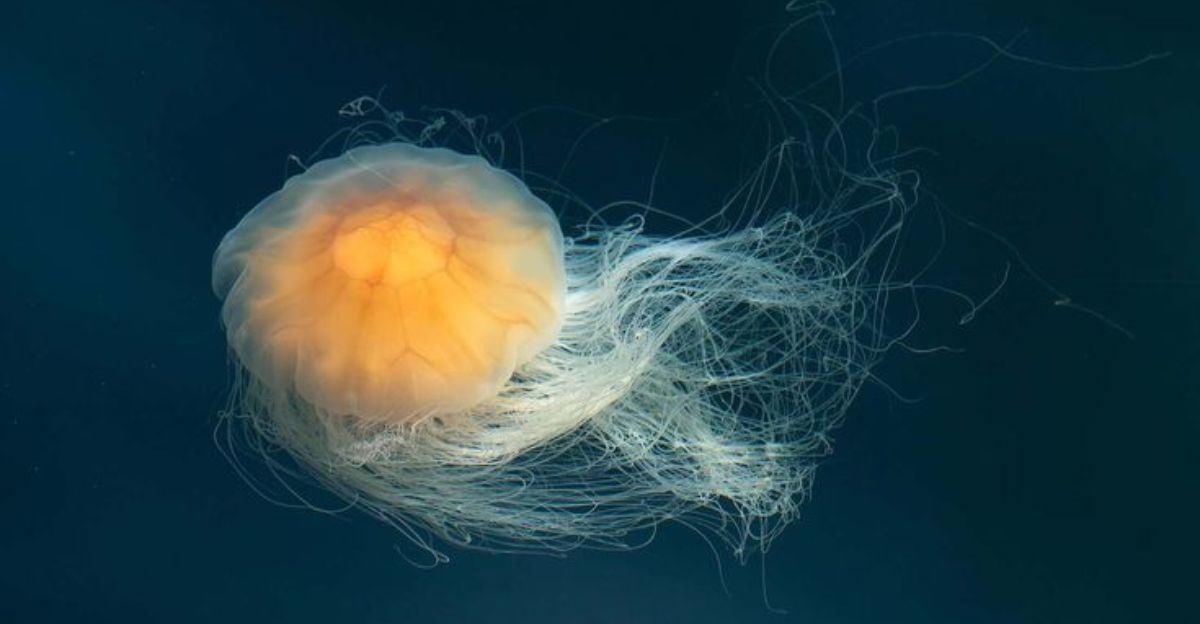
In societies that live close to the ocean, giant jellyfish have served as inspiration for art, folklore, and cultural symbolism. Their enigmatic, otherworldly appearances, which represent the strength and unpredictable nature of nature, inspire both wonder and terror. Literature and the media have portrayed jellyfish as ancient animals or marine monsters as a result of scientific discoveries about them.
Recognizing cultural viewpoints enhances public participation and science communication while promoting an understanding of jellyfish as important, if mysterious, elements of oceanic heritage.
The Role of Jellyfish in Mitigating Climate Change
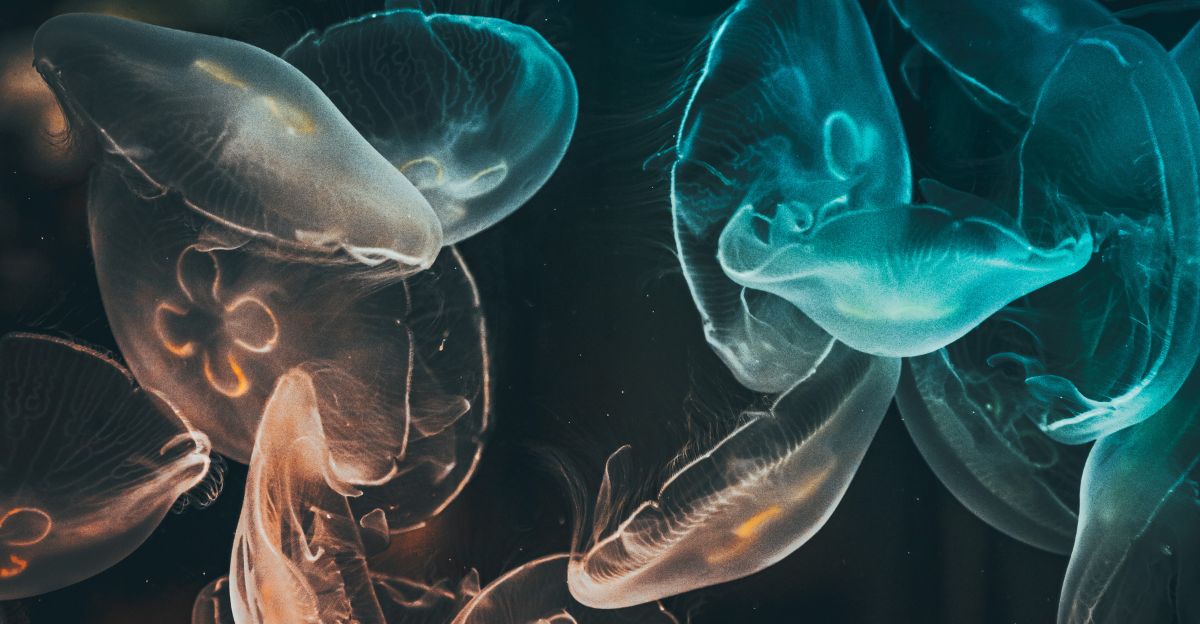
Because of their quick growth and high biomass turnover, jellyfish can contribute to carbon sequestration by sinking dead bodies to the bottom of the ocean. Long-term atmospheric carbon trapping is facilitated by this biological pump.
By recognizing how giant jellyfish contribute to this process, their ecological significance may be reframed, transforming them from ocean pests to climate allies. This area is ready for more significant research because the equilibrium between positive and negative ecosystem impacts is still unclear.
Jellyfish Offers Economic Opportunities

There are growing prospects for the commercial use of jellyfish despite the issues brought on by jellyfish blooms. In some parts of Asia, they are harvested as food delicacies, and their venom and bioluminescent proteins have potential uses in biomedicine.
The creation of medications derived from jellyfish and the use of their mucus to capture marine microplastics are examples of innovations. Investigating the characteristics of giant jellyfish may open up new markets, transforming a natural problem into a scientific and financial advantage and giving their research a hopeful bent.
Prospects for the Study of Giant Jellyfish
Resolving unresolved issues regarding giant jellyfish life history, venom potentials, ecological roles, and responses to environmental change is crucial for the field’s future. Knowledge about these marine giants will grow as ocean observation capabilities and interdisciplinary cooperation increase.
It is crucial to create predictive models in order to predict blooming patterns and lessen negative effects. As the ocean changes quickly, managing and profiting from giant jellyfish discoveries will depend heavily on public scientific literacy and policy integration.
Accepting the Mysteries
Huge jellyfish, which are as big as buildings, represent the ocean’s unsolved secrets and our incomplete comprehension of the extremes of marine life. They require ongoing scientific study because of their size, biology, ecological impacts, and possible economic worth.
They promote knowledge and innovation in biology, climate science, and medicine while also posing a threat to human industry and ecological balance. Instead of being afraid, we should embrace and learn about these gelatinous giants as a way to better understand ocean complexity and manage our marine future in an adaptive manner.