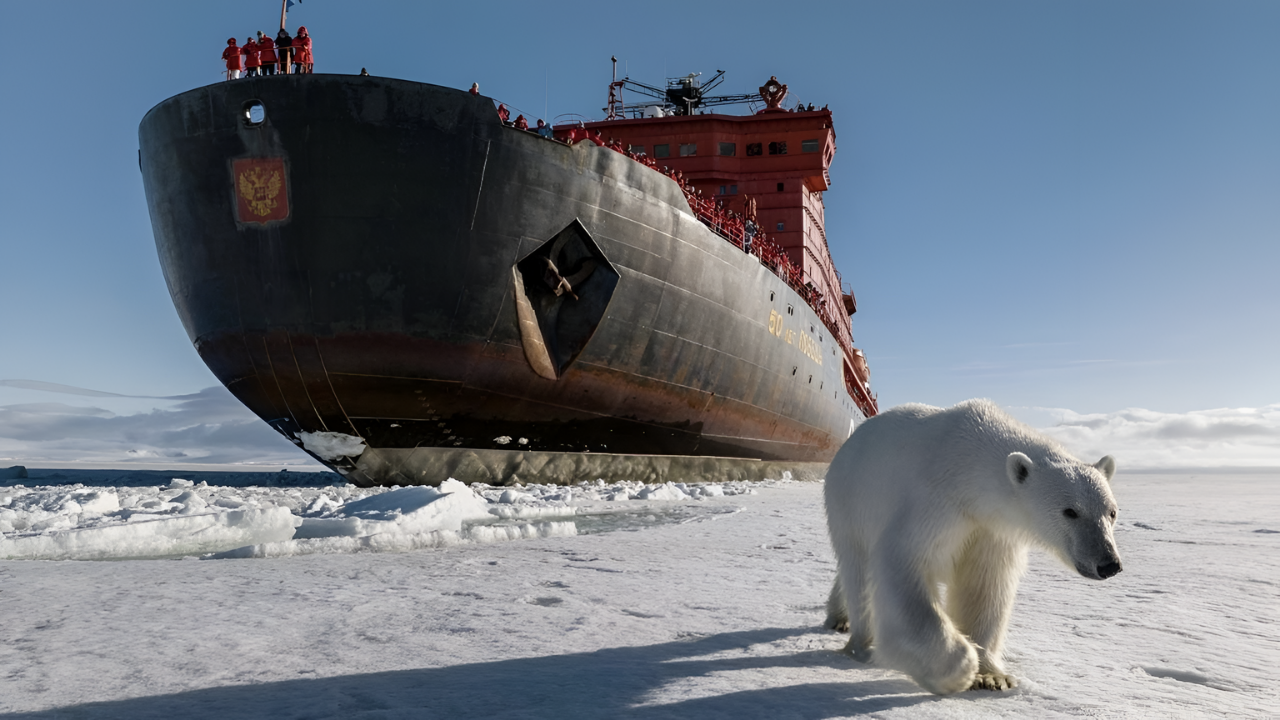
Deep under the icy waters of the Barents Sea, a long-hidden reminder of the Cold War has reappeared after 37 years. Russia’s research vessel Akademik Ioffe recently located two reactor compartments and 146 containers of radioactive waste at a site that does not appear in known Soviet-era records. This newly confirmed dump site adds to long-standing concerns that secret nuclear disposals in the Arctic still pose risks to fragile ecosystems and to the economies that depend on them.
A Secret Soviet Nuclear Legacy
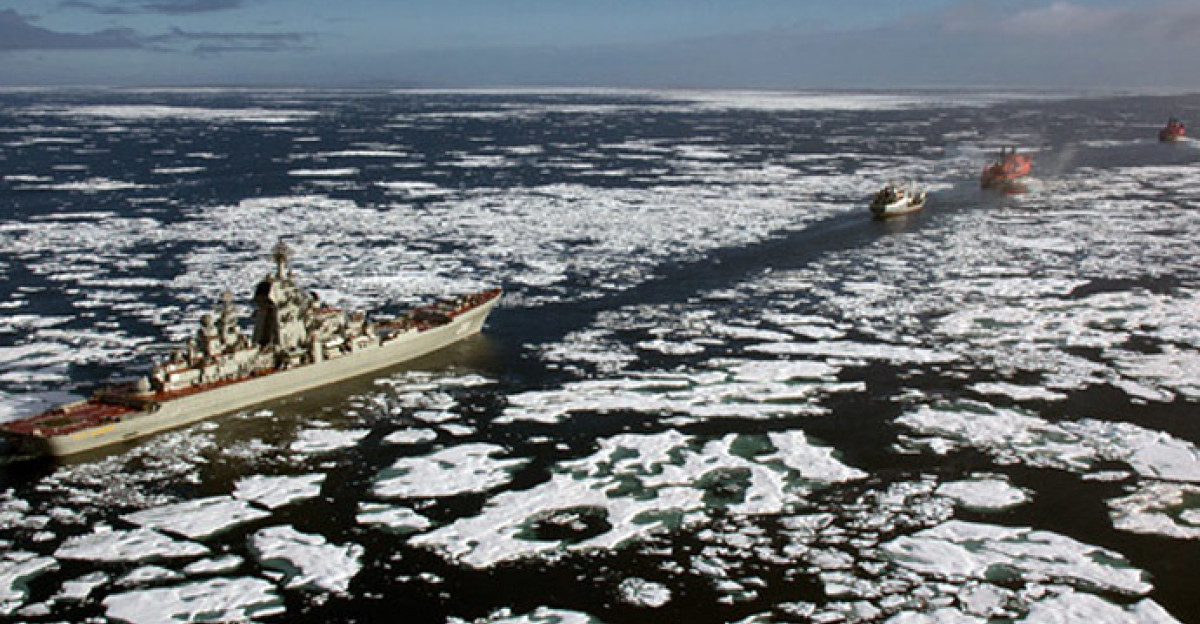
From the late 1960s through the 1980s, the Soviet Union disposed of roughly 18,000 radioactive objects in its Arctic waters, including submarine reactor sections and sealed canisters of nuclear waste. These dumps were often chosen because they were remote and cheaper than building safe long-term storage on land, leaving behind a patchwork of sites that were poorly documented or later lost from official inventories. After the Soviet Union collapsed in 1991, many of these locations remained unmonitored while metal structures aged and the Arctic environment began changing more rapidly.
The recent discovery involves the Likhter‑4 barge, deliberately sunk in 1988 with two reactor compartments from the K‑22 submarine and 146 containers of solid radioactive waste, along with confirmation of the long-suspected Nikel barge that holds hundreds of tonnes of additional radioactive material. These finds help close gaps in Soviet records but also highlight how much nuclear material is still on the seafloor and how difficult it is to track its condition over decades.
Environmental Risks for Arctic Seas and Seafood
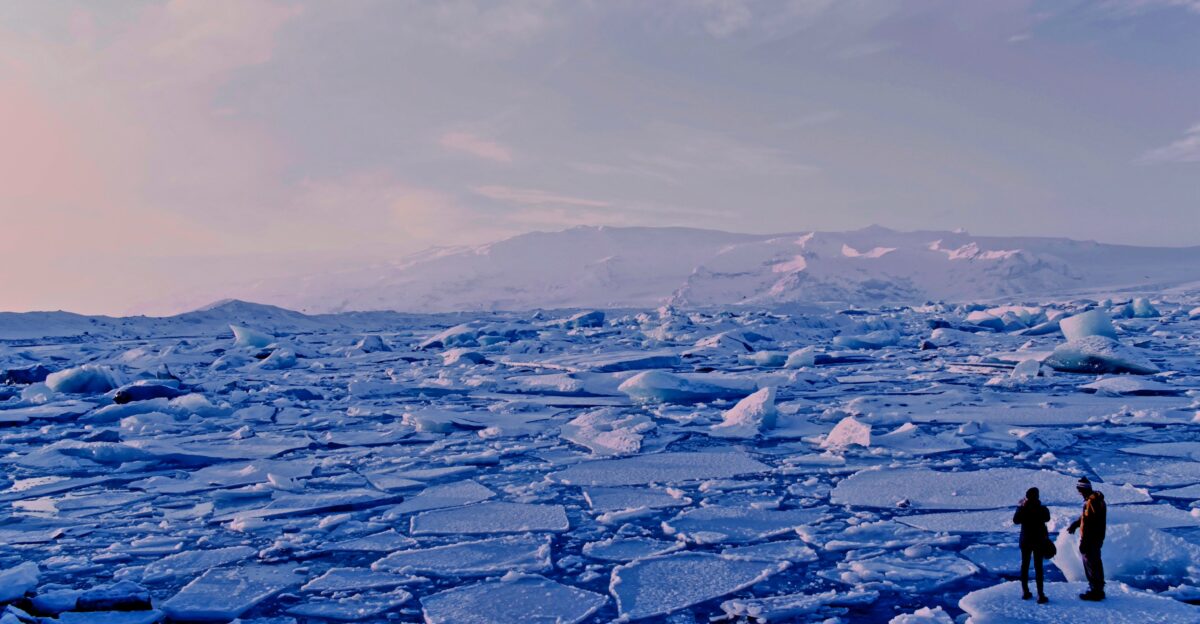
The Barents Sea supports some of the world’s most important fisheries, including cod and other species that supply global seafood markets and sustain coastal and Indigenous communities. So far, radiation levels measured in fish from this region remain far below international safety limits, and surveys near known dump sites have not detected dangerous leaks into local marine life. However, scientists warn that the age of the dumped material and the harsh conditions on the seafloor mean continued monitoring is essential, especially where reactor parts and large quantities of waste were concentrated.
Climate change adds another layer of uncertainty. As Arctic ice thins and retreats, changing currents and more frequent storms can disturb sediments that have settled over radioactive objects, potentially increasing the risk of contamination if shielding fails in the future. At the same time, new shipping routes and offshore activity are expanding in the region, raising the stakes if any of these old sites were to start leaking into key fishing grounds.
Markets, Aquaculture, and Public Confidence
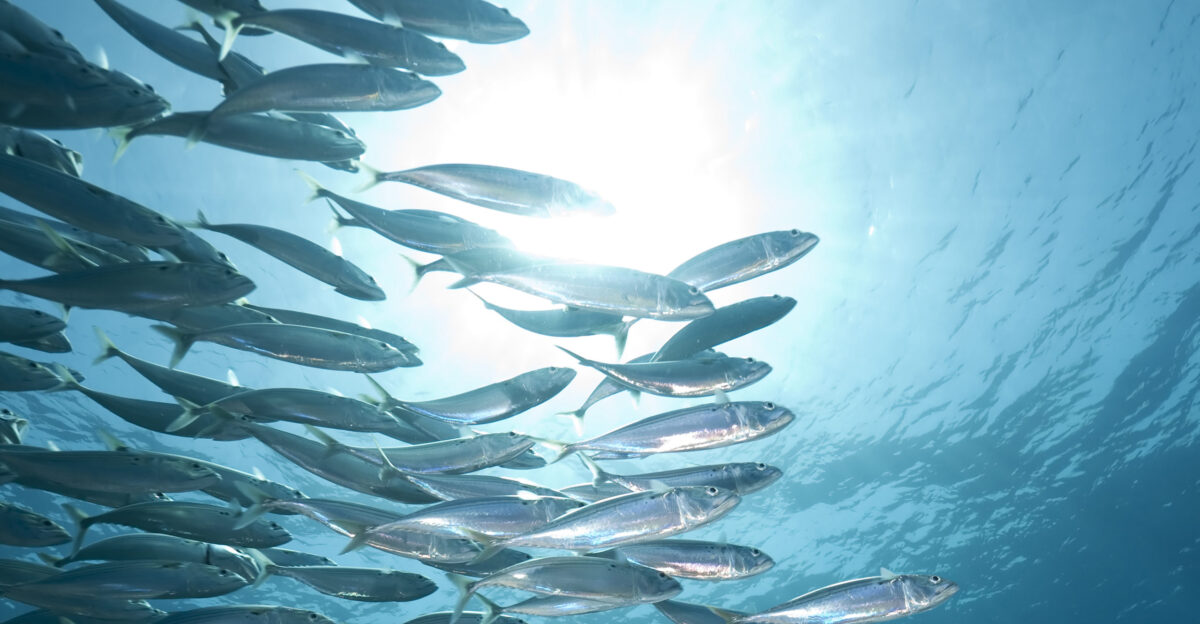
Concerns over Cold War waste complicate an already stressed seafood system, where some wild fish stocks are under pressure from overfishing, warming waters, and shifting ecosystems. Even when testing shows radiation levels are safe, news of nuclear graveyards can unsettle consumers and put extra scrutiny on fish caught in the Barents and surrounding Arctic seas. Importing countries already apply radiation checks to certain seafood products, and increased public attention can prompt authorities and industry to revisit how they certify and communicate safety.
As wild catches face growing challenges, aquaculture in places like Norway and Scotland, as well as plant-based and alternative protein products, are becoming more prominent sources of seafood. These sectors may benefit from demand for reliable, traceable supply chains, especially if they can prove strong environmental and safety standards, while traditional fishers worry that any perceived contamination risk could damage both prices and long-term trust in Arctic-caught fish.
Policy Responses and Long-Term Monitoring

Russia has made submerged nuclear hazards in the Arctic a focus of national and international initiatives, including a program often described as “Scientific and Technological Support for the Rehabilitation of the Arctic Region from Submerged Nuclear Objects.” Under cleanup plans linked to Rosatom, Russian authorities intend to map and eventually raise some of the most dangerous dumped reactors and waste objects, a task that demands advanced undersea technology and long-term funding. This work has already encouraged growth in fields such as radiation monitoring equipment, deep-sea robotics, and Arctic logistics services.
At the same time, sectors like shipping, tourism, and fisheries face higher compliance costs as environmental rules tighten and radiation monitoring expands in sensitive areas. Health experts emphasize continued tracking of potential radiation-related illnesses, such as thyroid problems, among people living near affected coasts, even though current surveys have not confirmed harmful leakage from the newly identified sites. As Arctic ice retreats and human activity increases, effective cooperation among Arctic nations, Indigenous communities, and scientific organizations remains crucial to prevent the region’s nuclear past from becoming a wider ecological and economic crisis.
Sources:
Arctic nuclear dump sites identified.” Nuclear Engineering International, 15 Dec 2025.
Russia to Remove Hazardous Nuclear Objects Dumped in Its Arctic Waters.” The Moscow Times, 5 Aug 2020.
Radioactivity in fish.” Environmental Monitoring of Svalbard and Jan Mayen (MOSJ), Norwegian Radiation and Nuclear Safety Authority and Institute of Marine Research, 10 Mar 2023.
Russian Expedition Uncovers Long-Lost Soviet Nuclear Graveyard Buried Beneath the Arctic Ocean.” Daily Galaxy, 11 Jan 2026.