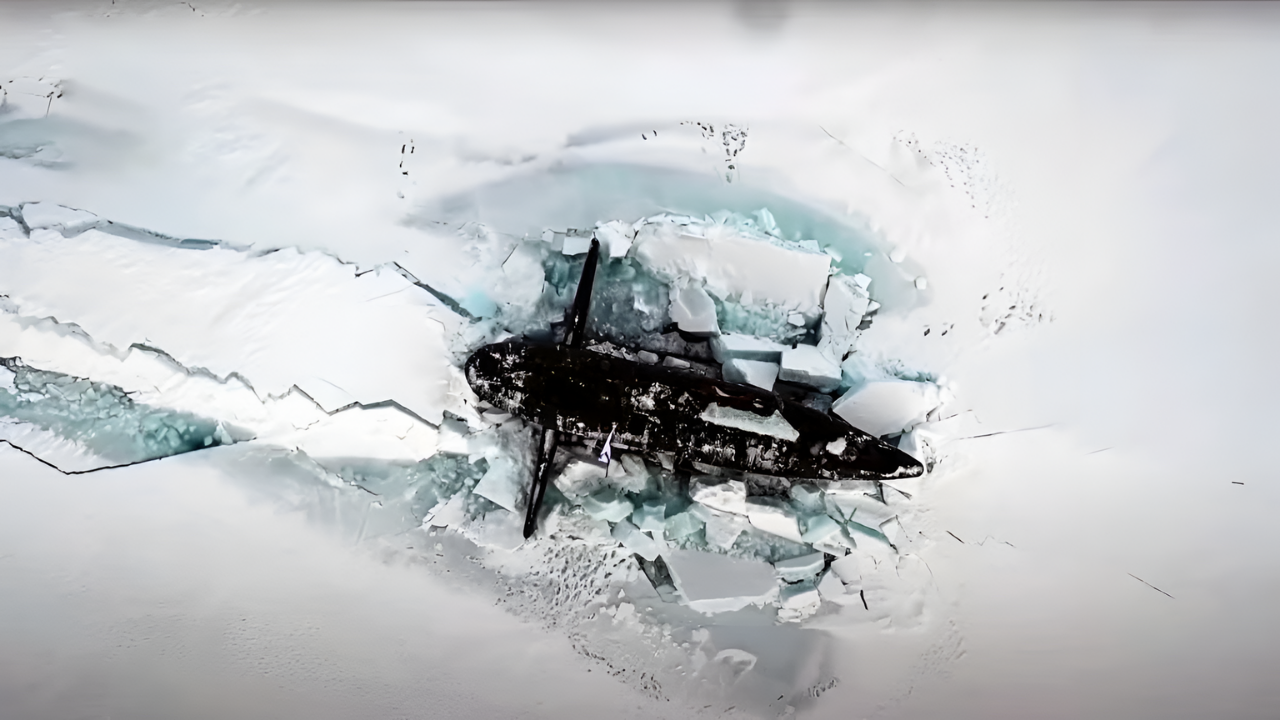
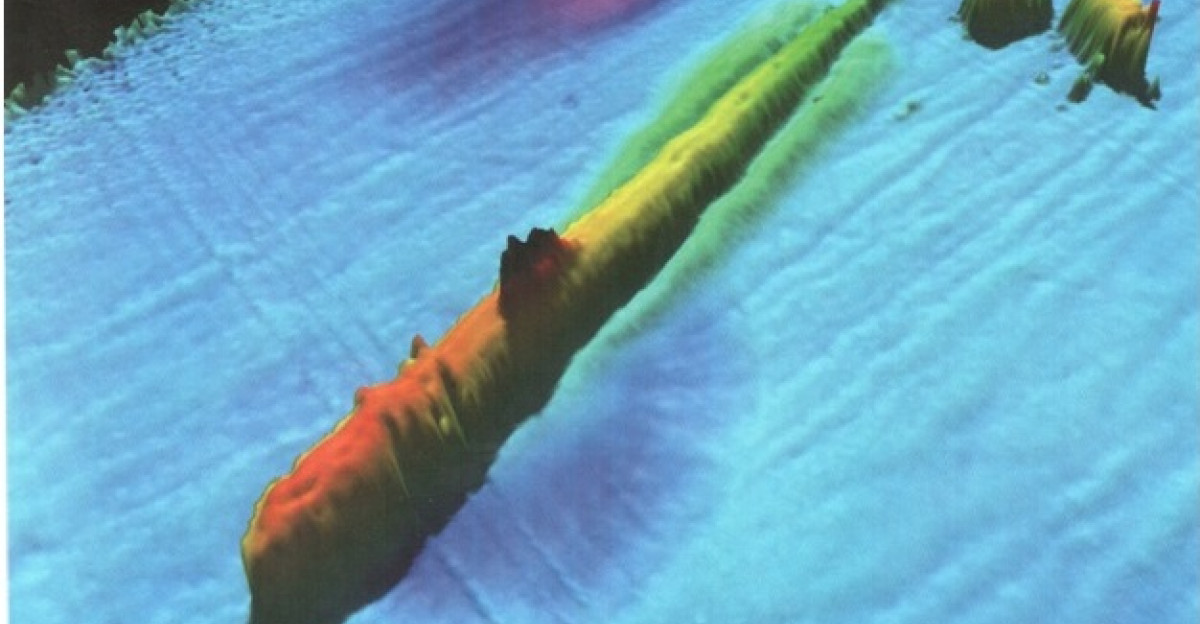
For 37 years, a hidden Soviet nuclear waste site lay dormant beneath the Barents Sea. On December 16, 2025, Russia’s Akademik Ioffe research vessel uncovered this secret, confirming the presence of two reactor compartments and 146 containers of radioactive waste.
This discovery, unrecorded in official Soviet records, raises crucial questions about Arctic safety and the long-term environmental risks posed by Cold War-era nuclear practices.
The Soviet Dumping Program: A Legacy of Secrecy
Between the late 1960s and 1980s, Soviet authorities disposed of an estimated 18,000 radioactive items in Arctic waters, including reactor compartments and sealed waste canisters.
This practice, driven by cost savings and remote isolation, left behind a legacy of poorly documented sites. With the collapse of the Soviet Union, these hazardous underwater sites were left unmonitored, aging, and increasingly vulnerable to the effects of climate change.
Environmental Risks to Arctic Fisheries
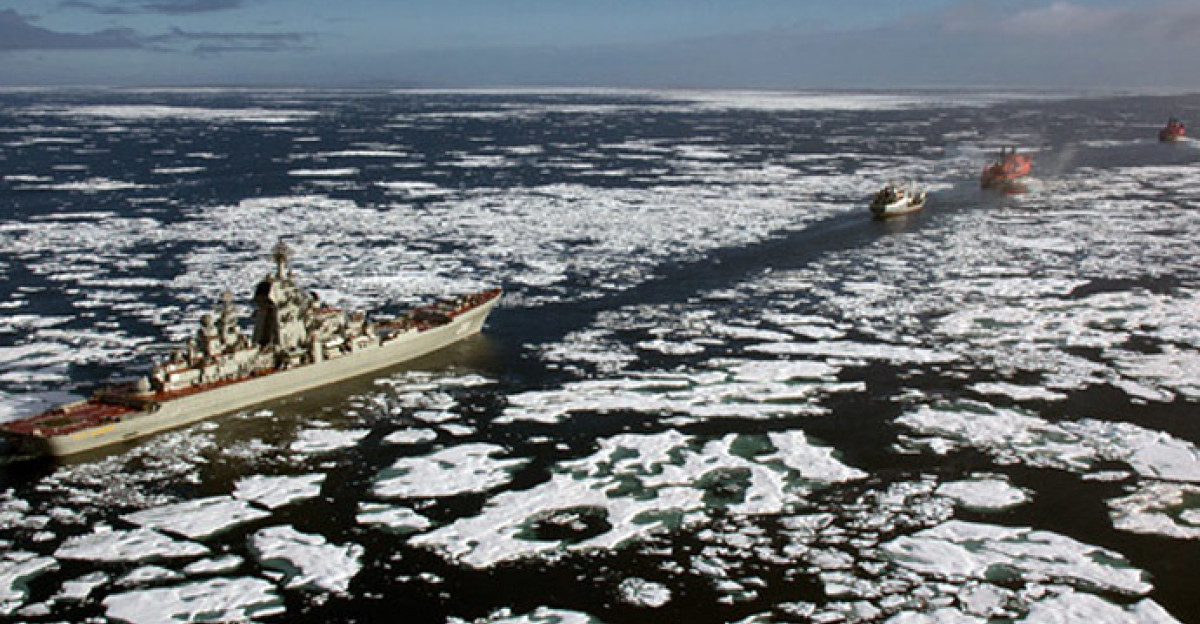
The Barents Sea, vital to Arctic fisheries and indigenous communities, is now facing the environmental consequences of Soviet-era nuclear dumping.
Although current radiation levels in local fish remain well below international safety limits, the discovery of the nuclear waste sites raises concerns. Ongoing monitoring is crucial to ensure the health of Arctic ecosystems, especially as climate change affects ice cover and opens up new shipping lanes.
The Ripple Effect on the Seafood Industry
The discovery of a nuclear graveyard in Arctic waters could prompt reevaluations within the seafood industry. Seafood safety protocols, particularly in fisheries around the Barents Sea, will likely face scrutiny.
Stakeholders may need to reassess monitoring standards, especially with rising consumer concern about environmental hazards linked to Cold War practices. Arctic fisheries are now under heightened scrutiny due to potential radioactive contamination.
The Growing Aquaculture Market

In the face of shrinking wild fish populations, global demand for farmed seafood remains strong. Norwegian and Scottish aquaculture industries, in particular, are seeing growth.
While concerns about radioactive contamination could affect consumer perceptions, the increasing demand for farmed alternatives continues to drive the market. The global shift towards sustainable protein sources, including plant-based seafood, may further shape the industry’s response to environmental concerns.
International Cooperation and Arctic Monitoring Challenges
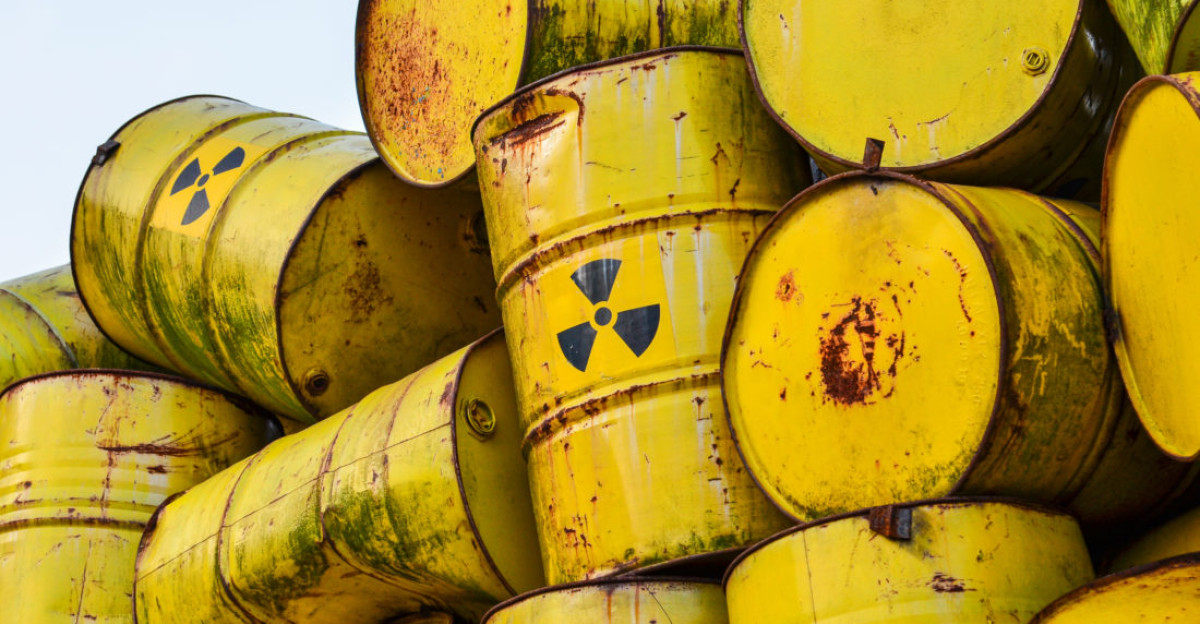
The discovery of the Soviet nuclear waste site has reignited calls for increased transparency and cooperation among Arctic nations.
Norway has long demanded clearer documentation of dumping sites, while the EU and other nations maintain stringent radiation monitoring standards for imported seafood. However, geopolitical tensions—particularly those exacerbated by the Ukraine conflict—pose a significant challenge to collaborative remediation efforts in the Arctic.
Indigenous Communities Call for Action
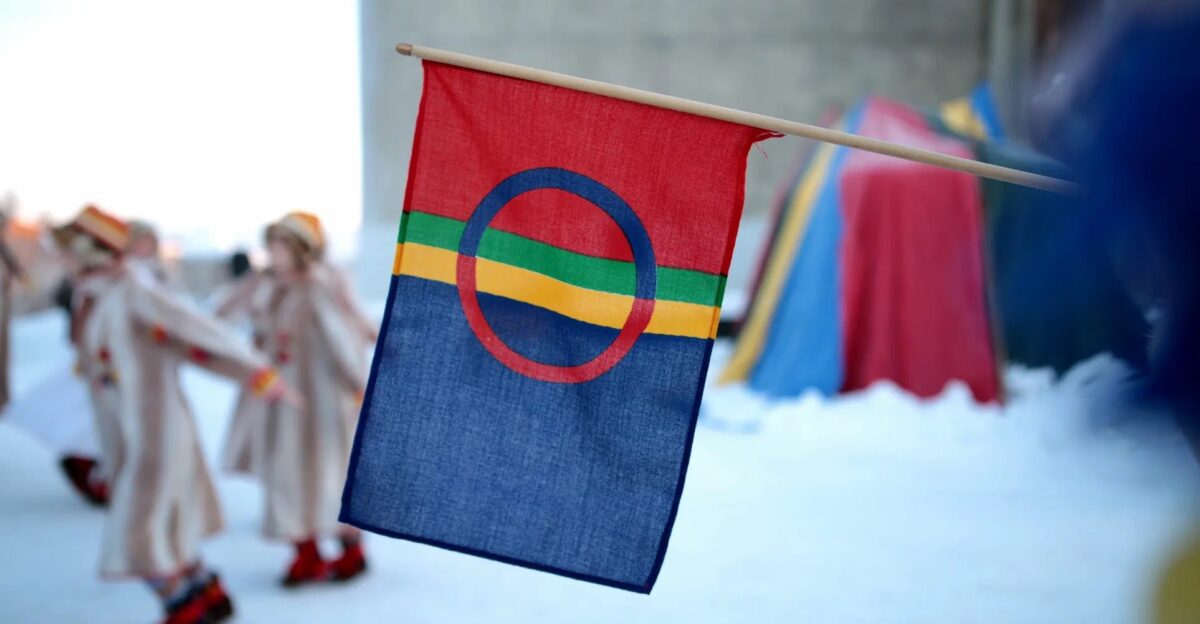
Sami communities, who rely heavily on Arctic fisheries, have voiced concerns over the environmental impacts of Soviet nuclear dumping. These communities, which engage in traditional fishing practices in northern Norway and Russia, are particularly vulnerable to long-term contamination.
Indigenous leaders are pushing for comprehensive environmental assessments and more transparent communication from governments regarding the legacy of Cold War-era nuclear waste in the region.
Policy and Regulatory Developments
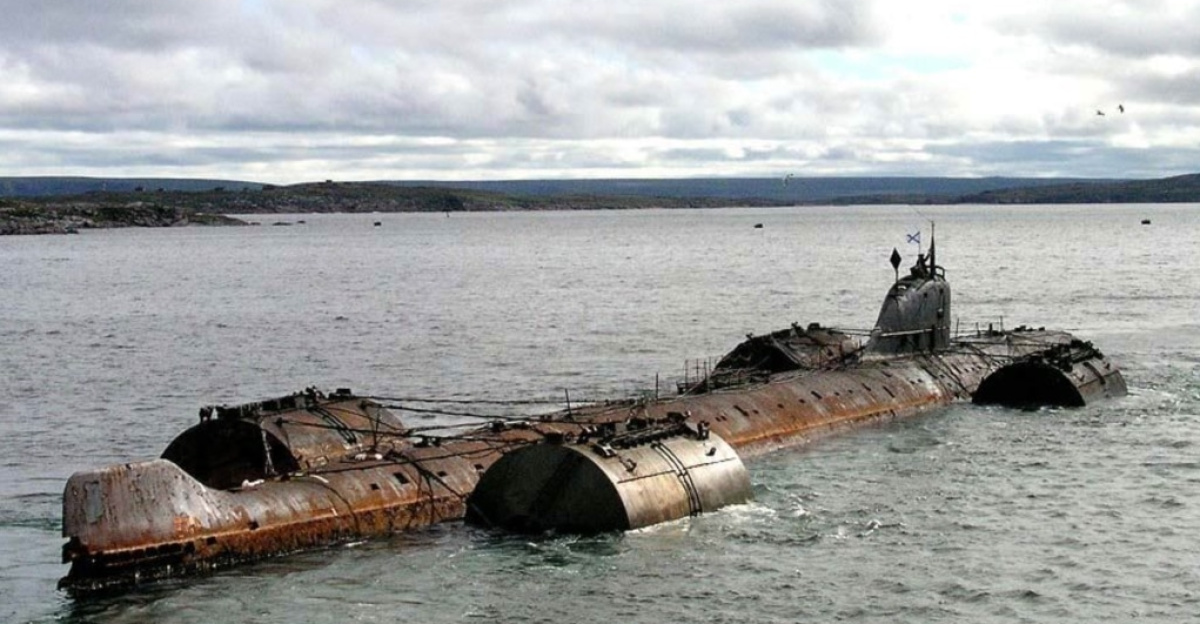
Russia has launched a new initiative to address the growing concerns about the Arctic’s nuclear waste legacy. The “Scientific and Technological Support for the Rehabilitation of the Arctic Region” program aims to identify and remediate submerged nuclear objects.
However, international cooperation remains complex, as the EU, Canada, and the U.S. all have their own regulatory frameworks for Arctic environmental monitoring, further complicating coordinated global efforts.
The Economic Impact of Arctic Remediation
The discovery of Soviet nuclear waste is expected to increase demand for specialized Arctic logistics and environmental remediation services.
Firms that provide radiation monitoring equipment and environmental consulting are likely to see growth. On the other hand, Arctic shipping operations and industries relying on unspoiled waters may face higher regulatory compliance costs, impacting the broader Arctic economy.
Public Awareness and Health Monitoring
As the Arctic nuclear graveyard is uncovered, public concern about radiation exposure is growing. Medical professionals in northern Europe and Russia are fielding questions from patients about potential health risks, especially in regions near the Barents Sea.
Ongoing radiation monitoring and health surveillance, particularly for thyroid cancer, will be crucial in managing public health concerns related to the legacy of Soviet nuclear practices.
Climate Change and the Arctic’s Changing Landscape
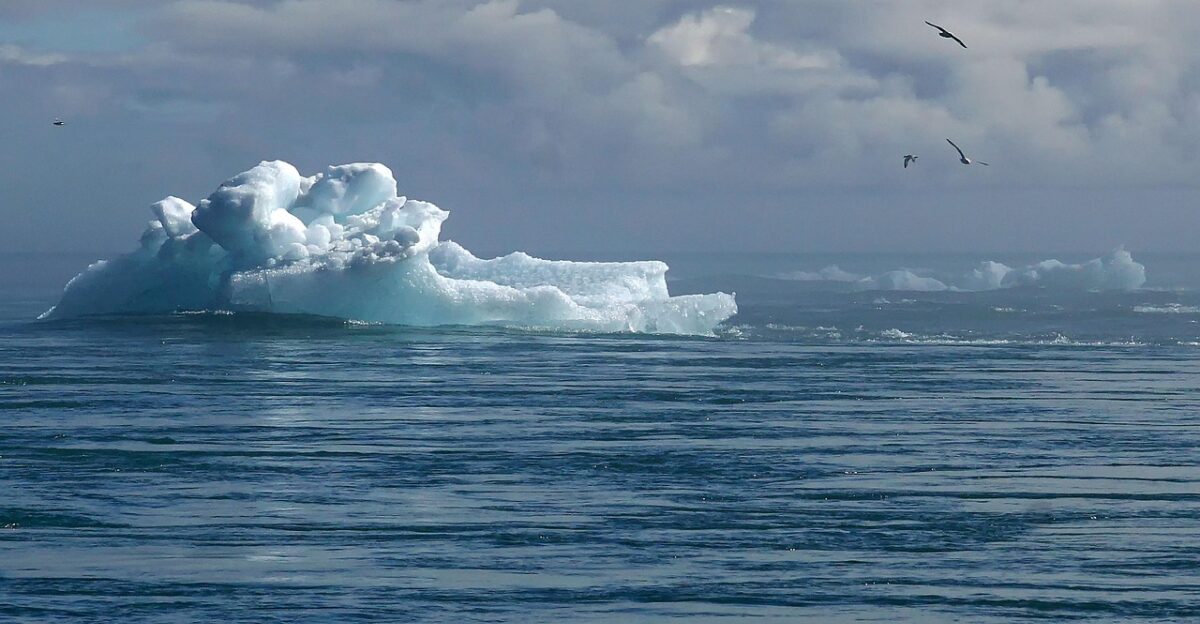
The discovery of Soviet nuclear waste sites comes at a time when the Arctic’s ice is thinning rapidly. Climate change is opening up previously inaccessible regions to new shipping routes and energy exploration.
This thawing of the Arctic raises questions about the long-term stability of submerged nuclear sites and the potential for radioactive leakage as the landscape continues to evolve.
Arctic Tourism and Environmental Accountability
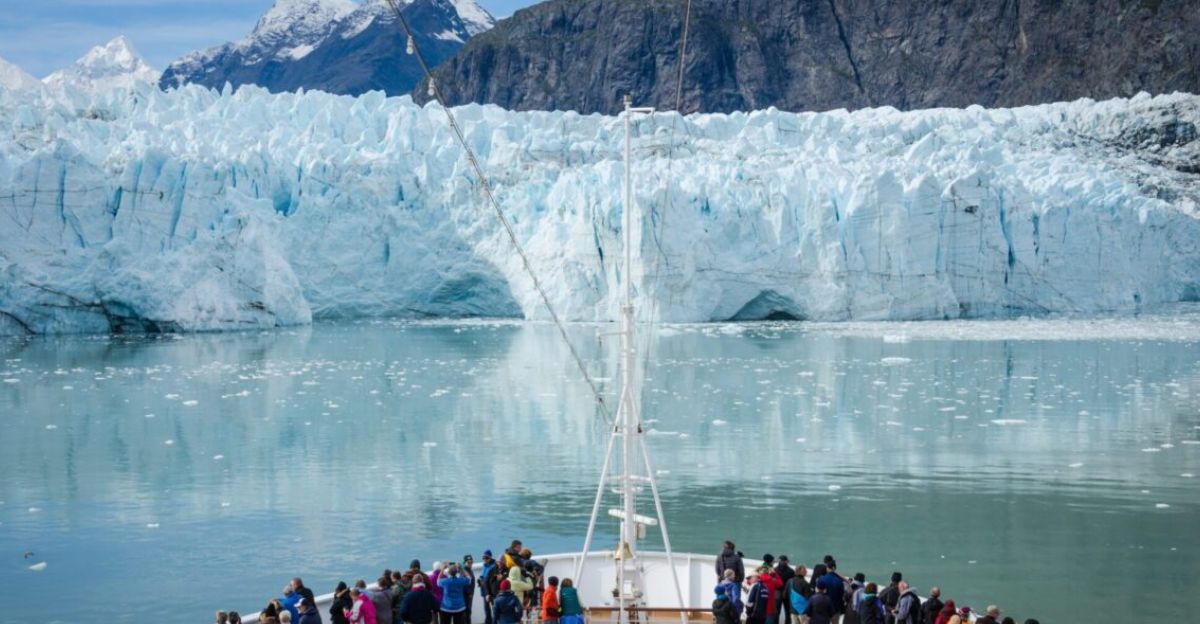
The discovery of radioactive waste in Arctic waters also affects the growing Arctic tourism industry. Tours to the region—ranging from dog sledding expeditions to Aurora viewing—are increasingly incorporating environmental stewardship into their messaging.
The discovery of nuclear waste highlights the need for greater environmental accountability as Arctic development continues to grow, prompting tourism operators to be more transparent about their environmental impact.
Sectors Poised for Change
The Arctic’s nuclear legacy is expected to create ripple effects across multiple sectors. Nuclear remediation firms, environmental consultants, and radiation monitoring equipment manufacturers stand to benefit as the region’s environmental risks are assessed and managed.
Meanwhile, Arctic shipping, wild fisheries, and tourism operations may face additional regulatory burdens, with reputational challenges and increased operational costs tied to the region’s environmental legacy.
What Consumers Should Know Now
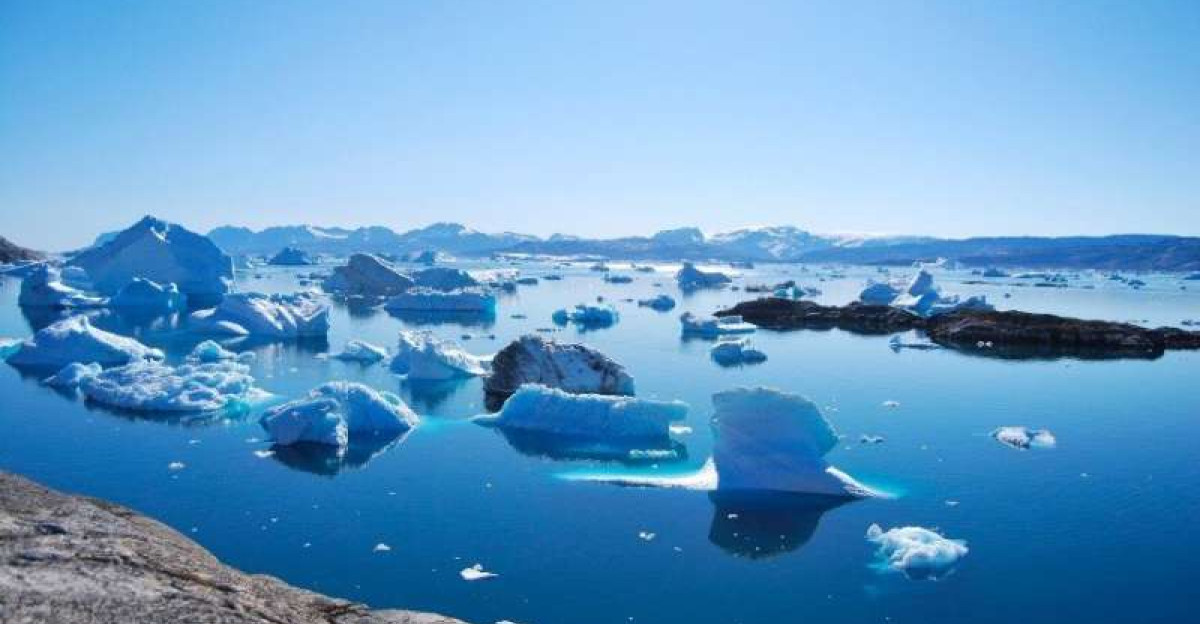
Currently, the Barents Sea remains safe for consumption, with radiation levels in seafood well below international safety limits. However, ongoing monitoring of seafood is essential to ensure the continued safety of Arctic fisheries.
Consumers are encouraged to check the origin of their seafood and support transparency initiatives in the industry. Farmed alternatives continue to provide a reliable source of seafood without the potential risks associated with wild-caught options.
The Future of Arctic Nuclear Remediation
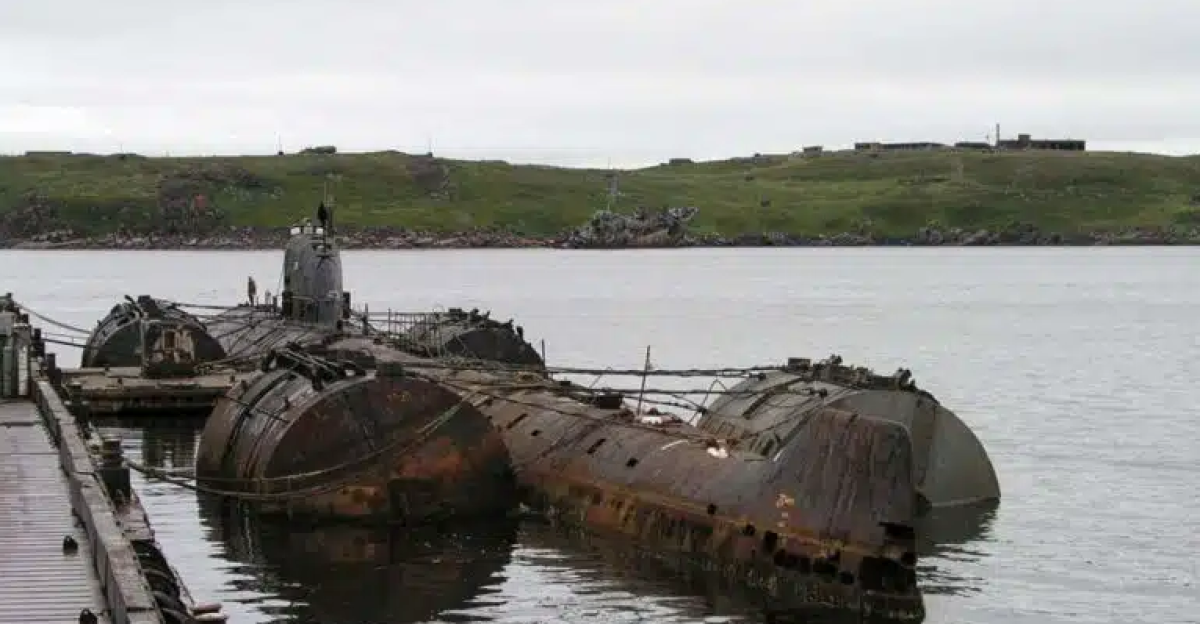
The discovery of the Soviet nuclear waste site is just the beginning of an ongoing effort to map and remediate Arctic dumping zones. While no active leakage has been detected yet, the continued warming of the Arctic and its shifting environmental conditions create new challenges.
This discovery highlights the need for sustained international cooperation, increased transparency, and long-term monitoring to address the legacy of Cold War nuclear waste in Arctic waters.
Sources:
Arctic nuclear dump sites identified.” Nuclear Engineering International, 15 Dec 2025.
“Russia to Remove Hazardous Nuclear Objects Dumped in Its Arctic Waters.” The Moscow Times, 5 Aug 2020.
“Radioactivity in fish.” Environmental Monitoring of Svalbard and Jan Mayen (MOSJ), Norwegian Radiation and Nuclear Safety Authority and Institute of Marine Research, 10 Mar 2023.
“Russian Expedition Uncovers Long-Lost Soviet Nuclear Graveyard Buried Beneath the Arctic Ocean.” Daily Galaxy, 11 Jan 2026.