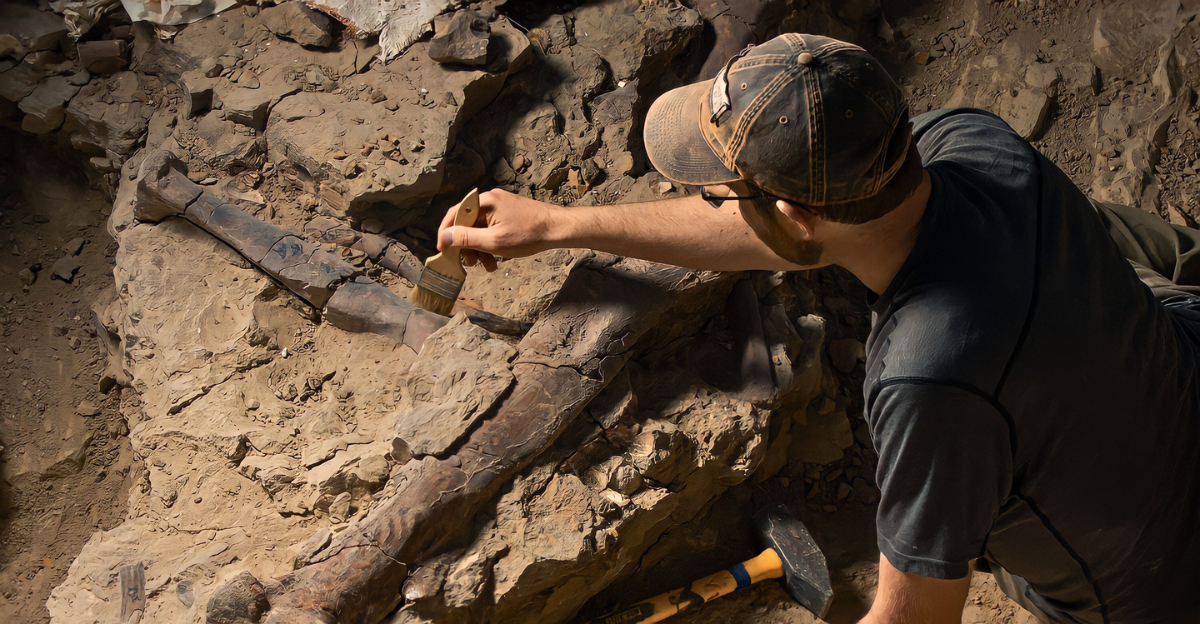
For decades, scientists assumed that soft tissues in fossils could not survive more than a few tens of thousands of years. Protein decay models even predicted nearly complete breakdown on timescales of around a million years, so any hint of original biomolecules in deep fossils was considered impossible.
However, recent results upend this dogma. As one review notes, “Proteins are long-lived biomolecules capable of surviving over millions of years”.
This suggests that tiny fragments of ancient proteins might persist far longer than expected, creating a profound mystery about how such delicate molecules endure across geological time.
Unprecedented Stakes
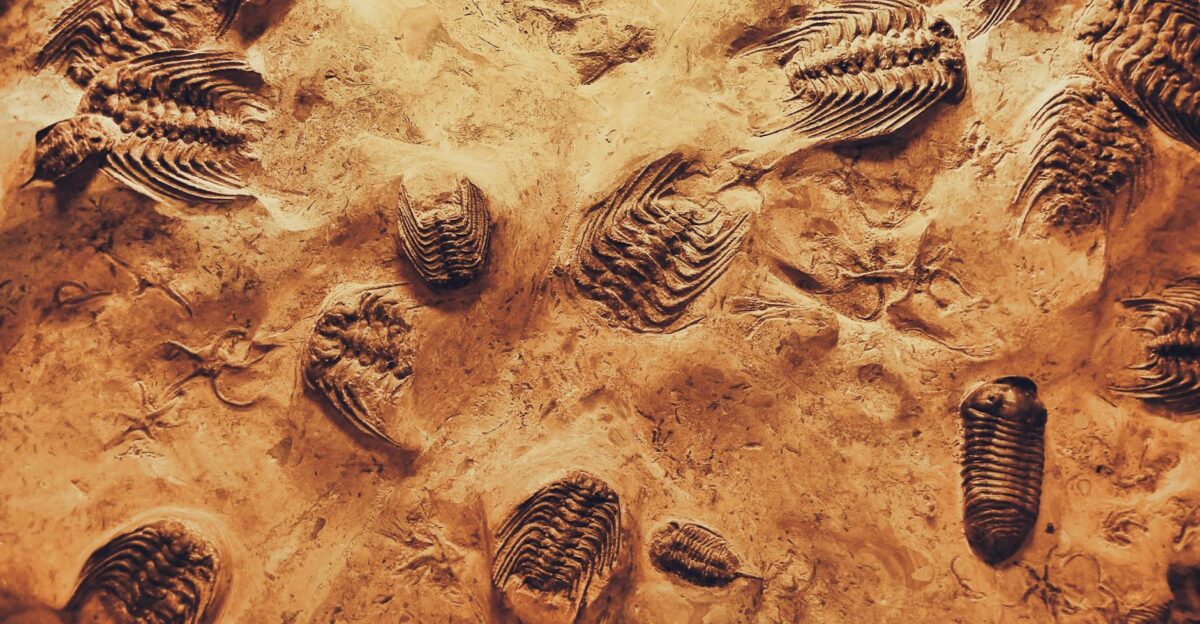
Under traditional models, organic molecules in fossils were expected to degrade within roughly a million years, setting a strict boundary in paleontology.
Textbooks long stated that by a few million years after death, all original protein should be gone. Indeed, one analysis commented that protein survival in fossils beyond “a few million years (Ma)… is deemed extremely unlikely” under normal conditions.
The new finding of dinosaur collagen at 70 million years old defies this limit.
These discoveries are rewriting the rules of molecular fossil preservation, forcing scientists to reconsider what biomolecules can endure over deep time.
Historical Foundations
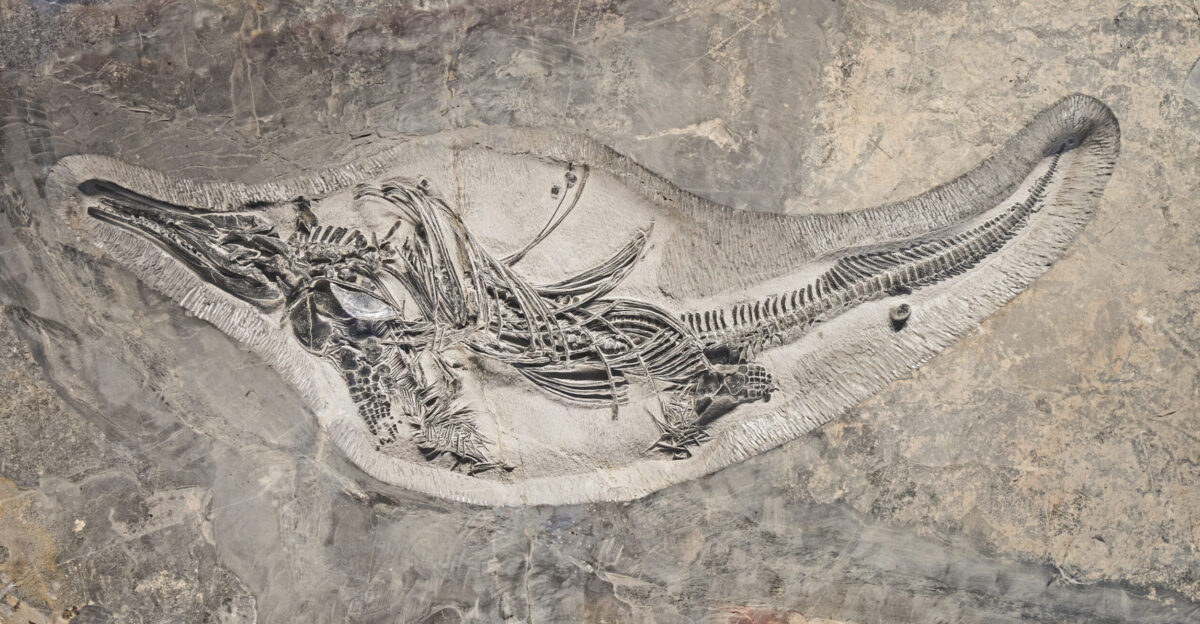
The idea of “fossil proteins” traces back to the 1950s. Chemist Phil Abelson and colleagues at the Carnegie Institution led early efforts to detect amino acids and proteins in ancient samples.
Abelson’s 1956 review, “Paleobiochemistry: organic constituents of fossils,” is often cited as the field’s origin.
Abelson and his student Ed Hare (later joined by Tom Hoering) pioneered amino acid analysis and racemization dating techniques.
Their groundbreaking work established that remnants of life’s chemistry could, in principle, be recovered from very old specimens. This laid the foundation for modern paleoproteomics.
Early Controversy
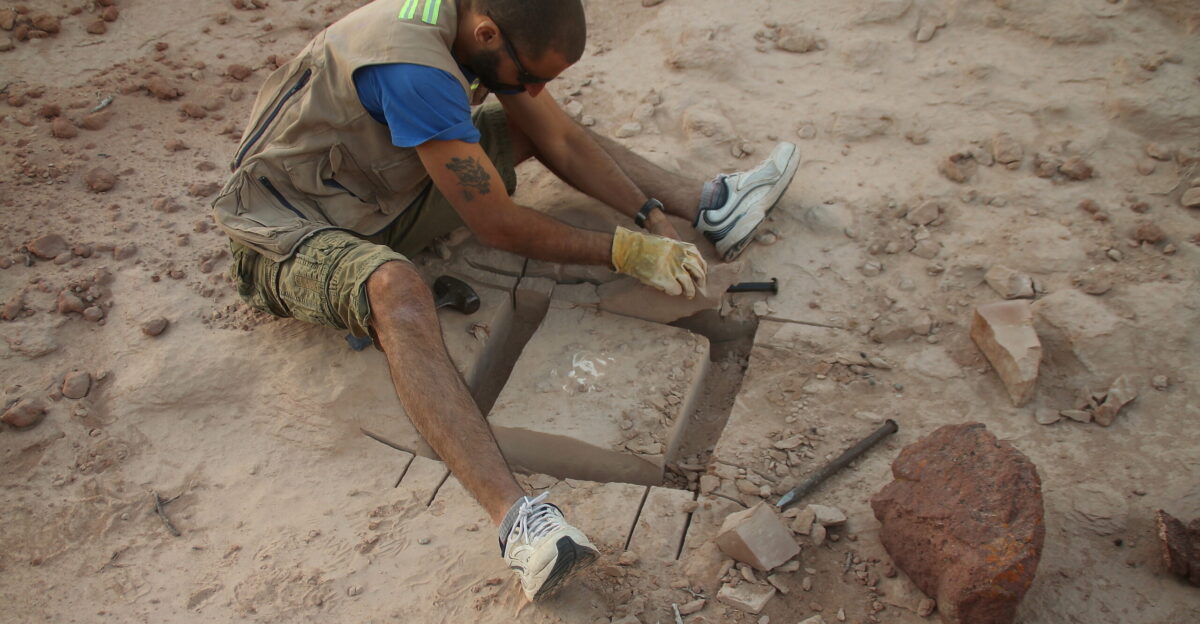
The story took an unexpected turn in 2005 when paleontologist Mary Schweitzer reported finding stretchy blood vessels and cells in a 68-million-year-old T. rex femur.
One reporter noted, “By all the rules of paleontology… soft tissue can survive at most a few tens of thousands of years, not 65 million”.
Schweitzer’s results violated that orthodoxy. Critics demanded proof against contamination and rigorously questioned the protein identifications.
Meanwhile, some young-Earth creationists seized on the discovery, claiming it meant dinosaurs are only thousands of years old. Schweitzer faced intense pressure to defend her methodology and conclusions in the face of such skepticism.
Liverpool Breakthrough
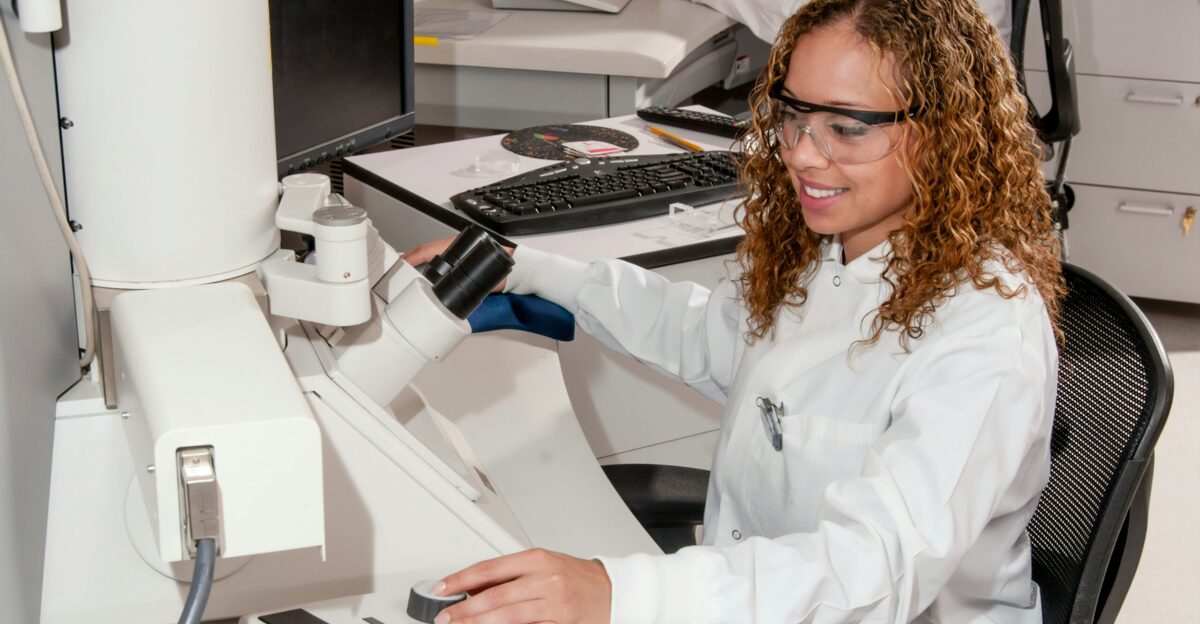
“This research shows beyond doubt that organic biomolecules such as proteins appear to be present in some fossils,” said Steve Taylor of Liverpool’s Mass Spectrometry group.
On January 16, 2025, Taylor’s team reported collagen remnants in a 70-million-year-old Edmontosaurus hip bone.
They used ultra-sensitive liquid chromatography–tandem mass spectrometry to isolate six collagen-derived peptide fragments and quantify hydroxyproline (an amino acid unique to collagen).
These precise measurements provide strong quantitative evidence that the detected collagen is original to the dinosaur fossil, rather than a modern contaminant.
Fossil Ground
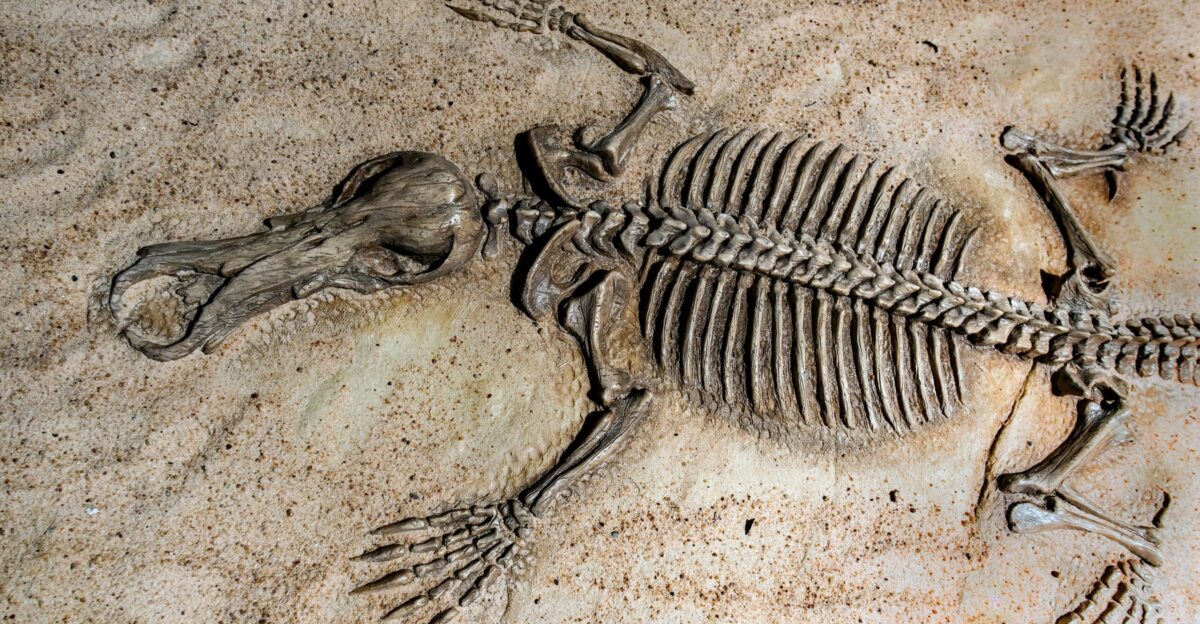
This remarkable fossil came from the famed Hell Creek Formation in Montana and South Dakota, a Late Cretaceous rock unit celebrated for its dinosaur bonebeds.
Hell Creek’s river-sand sediments rapidly buried carcasses of Tyrannosaurus, Triceratops, hadrosaurs and others, creating large fossil collections (e.g. at the Museum of the Rockies).
Such coarse, swift burial and early mineral cementation likely helped shield biological molecules from degradation.
In Hell Creek’s unique conditions, even delicate collagen could become locked inside minerals. In short, this “primeval ground” provided the ideal setting for the protein hunt.
Verifying Authenticity

Taylor and colleagues went to great lengths to rule out contamination. They applied multiple independent tests – microscopic imaging, spectroscopy, and careful lab controls – to verify the proteins’ origin.
“This research refutes the hypothesis that any organics found in fossils must result from contamination,” Taylor emphasized.
Crucially, microbes cannot produce collagen, he noted, making modern bacterial infiltration an unlikely explanation.
These precautions strengthen confidence that the amino acid fragments truly come from the dinosaur bone itself, not from modern sources.
Parallel Research Advances
The Liverpool results fit into a broader surge of paleoproteomics breakthroughs.
Ancient-protein expert Enrico Cappellini of Copenhagen, once skeptical, now calls Schweitzer’s finds a “milestone” and says he is “fully convinced beyond a reasonable doubt the evidence is authentic”.
Other teams have made similar advances: in 2025, researchers sequenced enamel proteins from a rhino ancestor tooth dated 21–24 million years old, pushing the protein-survival record into the Miocene.
Even MIT chemists are modeling how collagen’s stable structure might resist decay. Together, these international efforts signal a rapidly expanding field of study.
Growing Implications

These developments promise to transform paleontology. Protein sequences, while generally less information-rich than DNA, can survive far longer.
As one review explains, collagen peptides “provide less taxonomic resolution than DNA… but proteins can persist millions of years longer than DNA”.
That means even fragmentary fossil bits can now yield molecular clues about species identity and relationships.
Paleoproteomics may resolve evolutionary trees of extinct animals and illuminate past ecosystems, much as ancient DNA has done for archaeology. Scientists anticipate using proteins to explore questions (e.g. diet or domestication) that bones and teeth alone cannot answer.
Secondary Confirmation
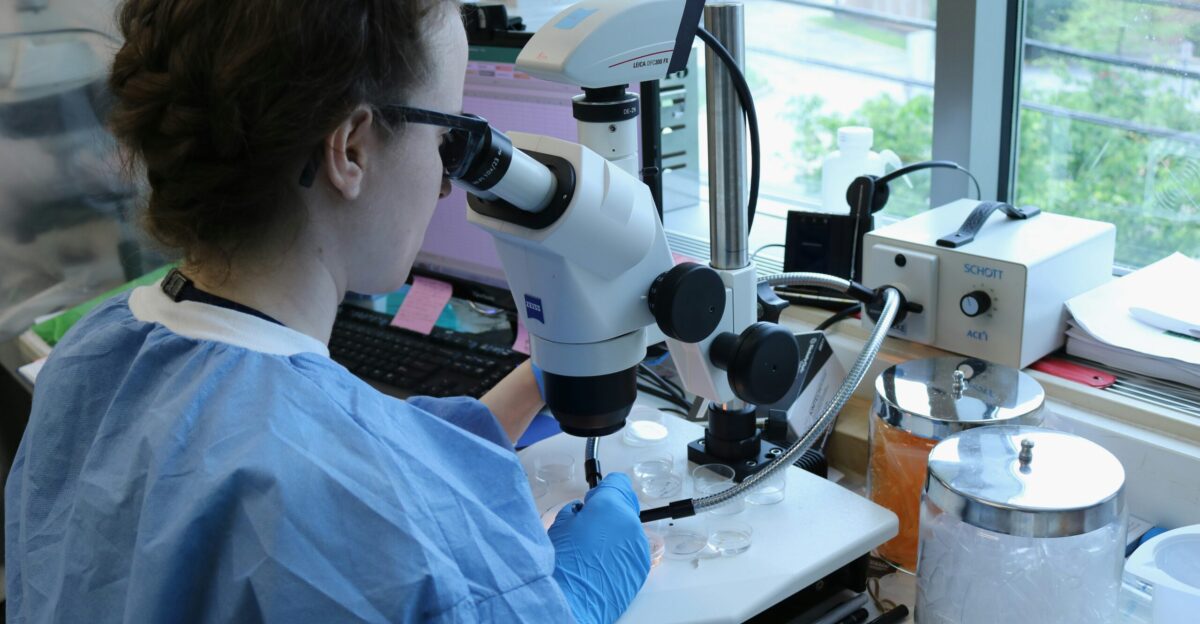
The Liverpool analysis also found that the Edmontosaurus peptides matched sequences reported in other dinosaur fossils, including a hadrosaur and T. rex, indicating a consistent preservation pattern.
Importantly, the study quantified hydroxyproline in these fossils for the first time – a unique collagen marker previously only inferred.
This cross-validation makes a contamination scenario even less likely.
In the words of Hans-Dieter Sues (Smithsonian), these findings are helping turn “dinosaurs from curious fossils to biological entities,” as molecular data reveal life histories hidden in the rock.
Skeptical Voices

Not everyone is convinced. Oceanographer Jeffrey Bada notes that over millions of years, internal radiation from uranium and thorium in bone “will wipe out biomolecules,” arguing it should prevent protein survival.
He told Discover magazine: “Bones absorb uranium and thorium like crazy… you’ve got an internal dose that will wipe out biomolecules”.
Others want more evidence. Molecular paleontologist Hendrik Poinar said the images and spectra are “stunning,” but cautioned the analysis “fell quite short” of being a slam-dunk authentication.
These critics urge exhaustive sequencing and controls before drawing final conclusions.
Research Leadership
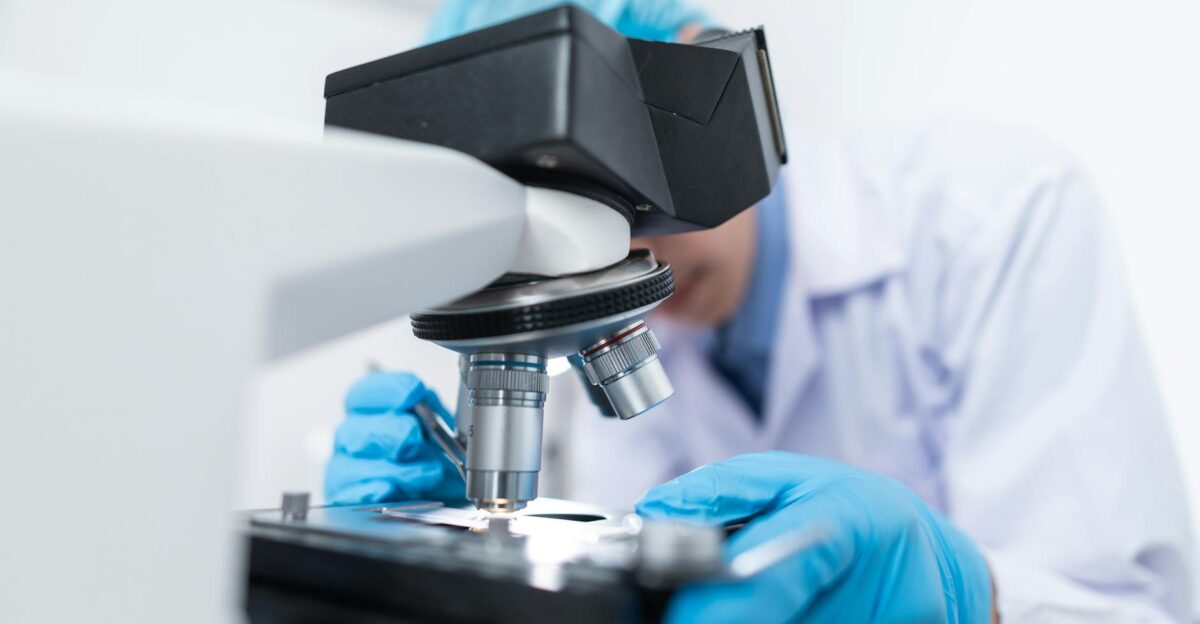
Professor Steve Taylor leads the Mass Spectrometry Research Group at Liverpool, bringing together electrical engineering and analytical chemistry expertise.
His team is renowned for developing miniaturized mass spectrometers – indeed, they built the world’s smallest mass spectrometer.
Originally focused on security and environmental sensing, Taylor applied this microelectronic technology to archaeology.
Under his direction, the group has pioneered methods to detect trace ancient biomolecules in unexpected contexts, blending high-tech instrumentation with paleontology in novel ways.
Analytical Innovation
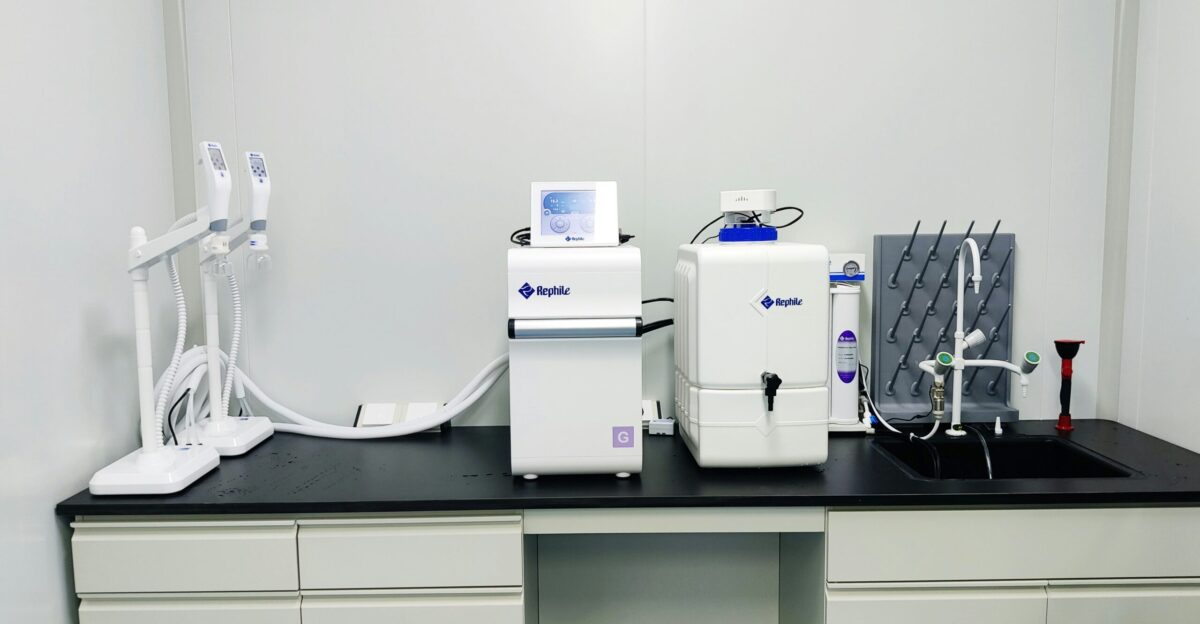
The Edmontosaurus study used state-of-the-art proteomics workflows. The fossil proteins were first enzymatically digested into peptides, then separated by liquid chromatography. A nanospray ionization source fed the peptides into a mass spectrometer.
The team filtered for ions with +2 to +5 charges and compared their mass/charge spectra and chromatographic retention times against protein databases.
This meant matching dozens of spectral peaks to predicted collagen fragments.
By combining multiple analytical techniques, the researchers provided several independent lines of evidence confirming the ancient collagen sequences.
Expert Consensus
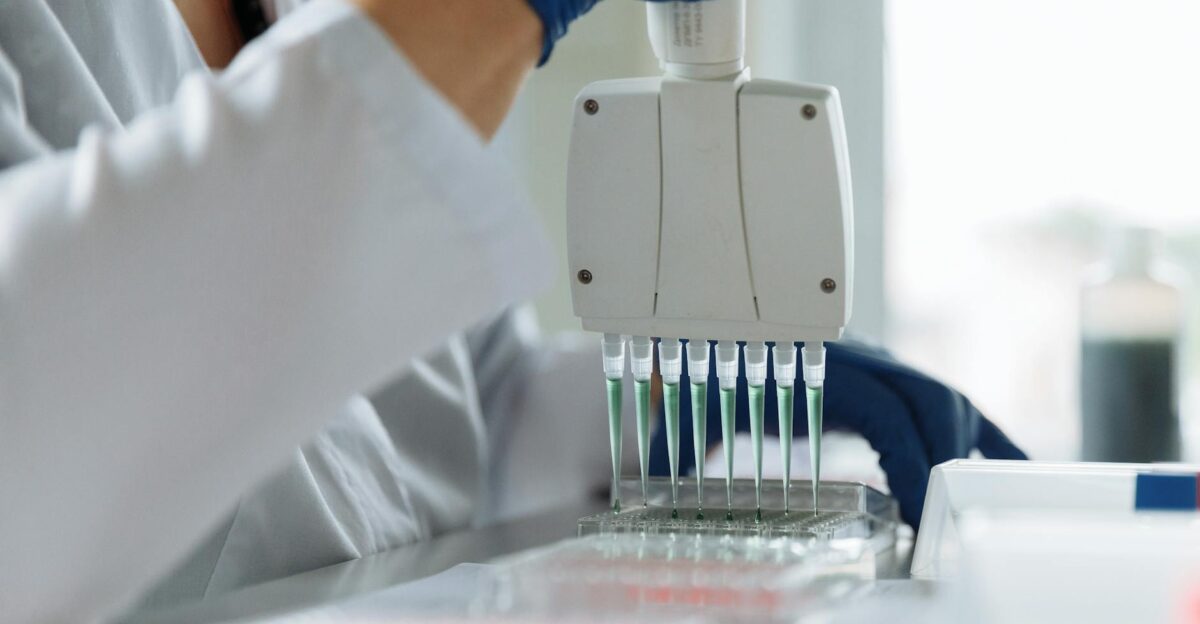
Many specialists now regard these results as genuine. Enrico Cappellini stated he is “fully convinced beyond a reasonable doubt” that the dinosaur protein evidence is authentic.
The community increasingly accepts that under exceptional conditions, organics can outlast earlier expectations.
Researchers emphasize that even short, diagnostic peptides are enough: distinctive chemical markers (post-translational modifications unique to collagen) can reliably identify the proteins without needing full sequences.
Modern scholars recognize that these finds are not flukes, but signals that proteins – and the information they carry – can survive far into the past.
Future Directions

Looking ahead, scientists are excited about what preserved proteins might reveal. Instead of inferring physiology from bone shapes, researchers may soon examine dinosaurs’ own biochemistry.
Collagen and other proteins could encode clues about metabolism, growth, or disease. In effect, paleontology might gain tools like those of molecular biology.
As Taylor noted, molecular data could “unlock new insights into dinosaurs – for example, revealing connections between dinosaur species that remain unknown”.
These possibilities raise profound questions about the kind of biological information still hidden in the fossil record.
Research Corrections
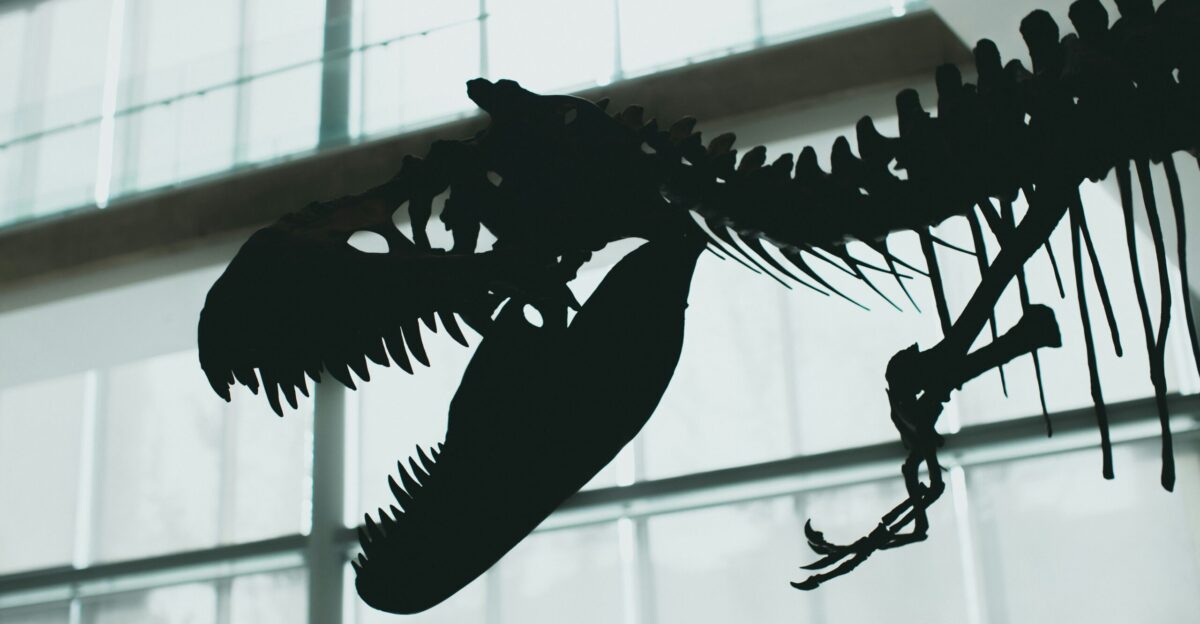
In April 2025, the Liverpool team issued a formal correction to their Analytical Chemistry paper, noting an error in one figure’s labeling but reaffirming their main conclusions.
Publishing such errata is standard scientific practice.
The correction clarified technical details (e.g. a plot in Figure 6), but it did not retract or change the evidence for collagen preservation.
The authors emphasized that the core findings remain intact. This transparent fix actually strengthens confidence, showing the researchers are vigilant about accuracy while standing by the central results.
Global Collaboration

This work relied on international support. For example, the U.K. Royce Society’s Materials Innovation Factory at Liverpool provided specialized analytical equipment that was “instrumental to the study”.
More broadly, paleoproteomics has become a global field: teams across Europe, North America and beyond now contribute.
Copenhagen’s Center for Protein Research (Cappellini), Copenhagen’s Globe Institute, Canada’s GLOBE lab, and others are all developing similar methods.
These cross-border collaborations and shared facilities mean the hunt for ancient proteins is now a coordinated worldwide effort.
Teaching & Policy Ramifications

It is likely that these breakthroughs will eventually affect education and regulations, though sources do not yet detail specific changes.
Textbooks and courses that once taught absolute limits for biomolecule decay may need updates to include these exceptions. Universities might add paleoproteomics modules to their curricula.
Some experts speculate that fossil-collecting permits and lab guidelines could tighten chains of custody or contamination controls in light of new molecular tests.
However, we found no published statements on curricular or legal reforms; any such adjustments remain speculative at this point.
Cultural Resonance
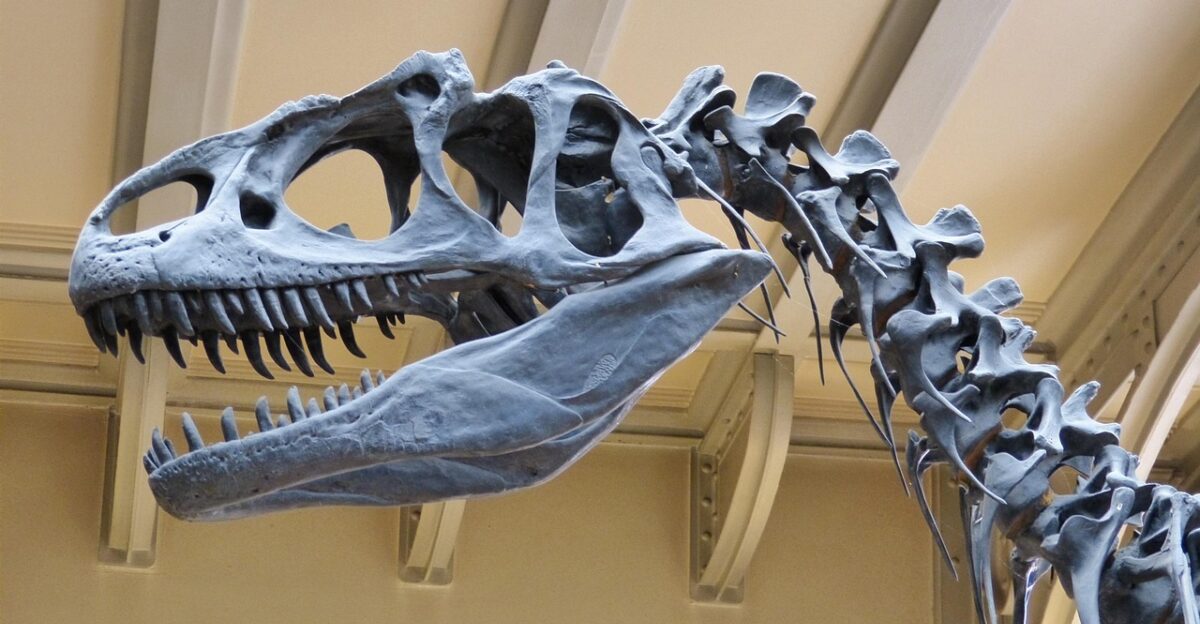
The dinosaur protein saga has also stirred cultural debate. Mary Schweitzer has said she was frustrated by religious groups that “twist your words and they manipulate your data” to fit their narratives.
She emphasized that science and religion are “two different ways of looking at the world,” meaning faith should not dictate interpretations of fossils.
Schweitzer’s comments highlight how surprising scientific findings can be co-opted by non-scientists. She makes clear that such disputes do not invalidate the science – they simply reflect a misunderstanding of the evidence.
Paradigm Shift

In sum, these findings suggest a fundamental shift in our view of fossilization. As one commentator observed, if original tissue can survive fossilization, it “could open a window through time, showing not just how extinct animals evolved but how they lived each day”.
Paleontology may soon study dinosaurs at the molecular level, not just by bone shape.
A recent review notes that analyzing ancient proteins reaches “beyond the limit of DNA preservation,” offering evolutionary insights inaccessible to genetic analysis.
Together, the evidence points to a coming revolution: the ability to directly probe the biochemistry of extinct life, a leap comparable to the impact of ancient DNA.