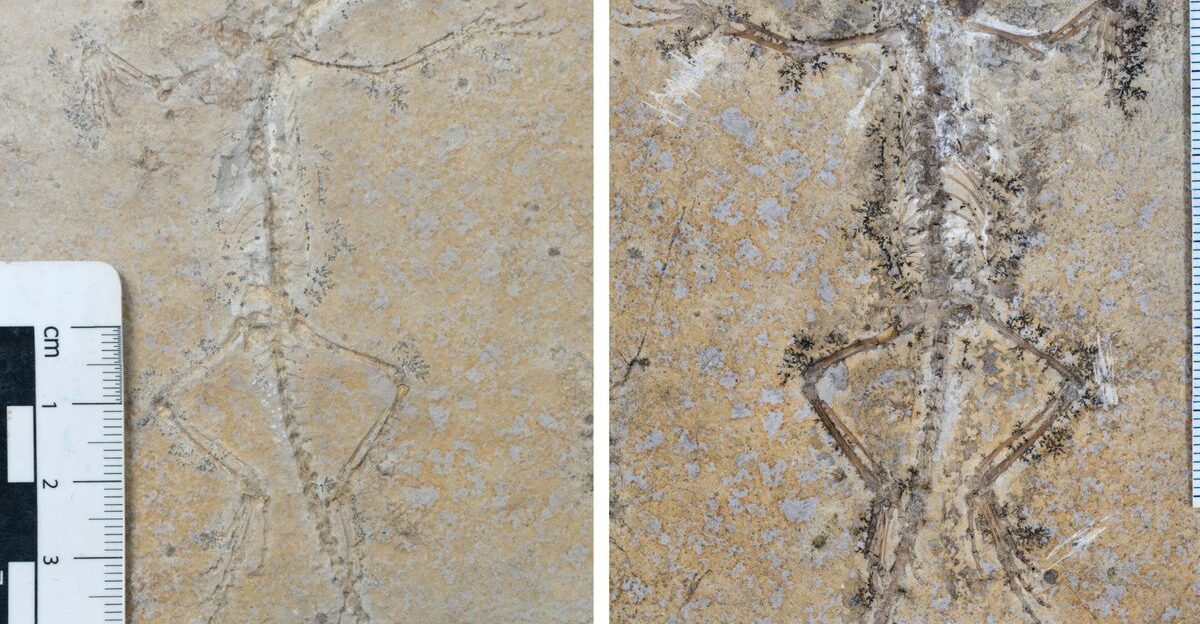
Recently, a paleontologist discovered a new species by matching two halves of a fossil that had been kept in different museums for almost a century. The fossil, known as Sphenodraco scandentis, is a tree-climbing relative of the New Zealand tuatara and contemporary lizards from the Jurassic period. This finding demonstrates how thorough fossil analysis, inter-institutional cooperation, and the return of long-separated specimens can revolutionize paleontological knowledge and provide fresh perspectives on ancient biodiversity and evolution.
The Historical Background of Fossil Findings
Incomplete and fragmented discoveries throughout paleontology’s history have occasionally slowed down or distorted the identification of species. Famous incidents from the 19th century, such as the Bone Wars, show early scientific competition and sporadic misclassifications.
These problems can now be solved thanks to improvements in techniques and teamwork. A prime example of the shift from solitary, competitive fossil collecting to collaborative, integrative science that uses museum collections as essential repositories rather than isolated artifacts is the fossil that was reunited from halves kept 400 miles apart.
Paleontological Research Trends

In order to avoid naming new species too soon based on slight variations, modern paleontology increasingly uses rigorous hypothesis testing and cross-referencing of fossils across collections.
Comprehensive analysis that incorporates temporal data, morphological variation, and comparisons with extant relatives is the trend. The field’s move to using international databases and collaboration, which uncover hidden connections and allow for more scientifically sound species identifications, is highlighted by the reassembly of fossil halves.
Difficulties in Identifying Species
Challenges in identifying species from fossils include handling incomplete specimens, accounting for polymorphisms in close relatives, and differentiating intraspecific variation from taxonomically significant differences.
Assessments are further complicated by temporal gaps between fossils. The case of the matched halves serves as an example of these difficulties since it necessitated thorough research to disprove theories that the studs were unrelated pieces, highlighting the need for a healthy balance between scientific skepticism and receptivity to new information.
Finding Solutions Together
The power of institutional cooperation and data sharing is demonstrated by the unification of fossil halves that were separated by great distances. Researchers can compare and match specimens from all over the world thanks to museums with digital collections and collaborative frameworks. By enabling thorough specimen analysis across institutional or geographic boundaries, this collaboration multiplies discovery opportunities, fills in historical gaps, and capitalizes on decades of collecting.
Additionally, the growing use of digital databases and 3D imaging technology facilitates the virtual reunion of fossils, speeding up identification procedures and promoting international scientific discussion. By bringing disparate pieces of knowledge back together, these cooperative endeavors represent the future of paleontological discovery.
Impact on Science and Evolution
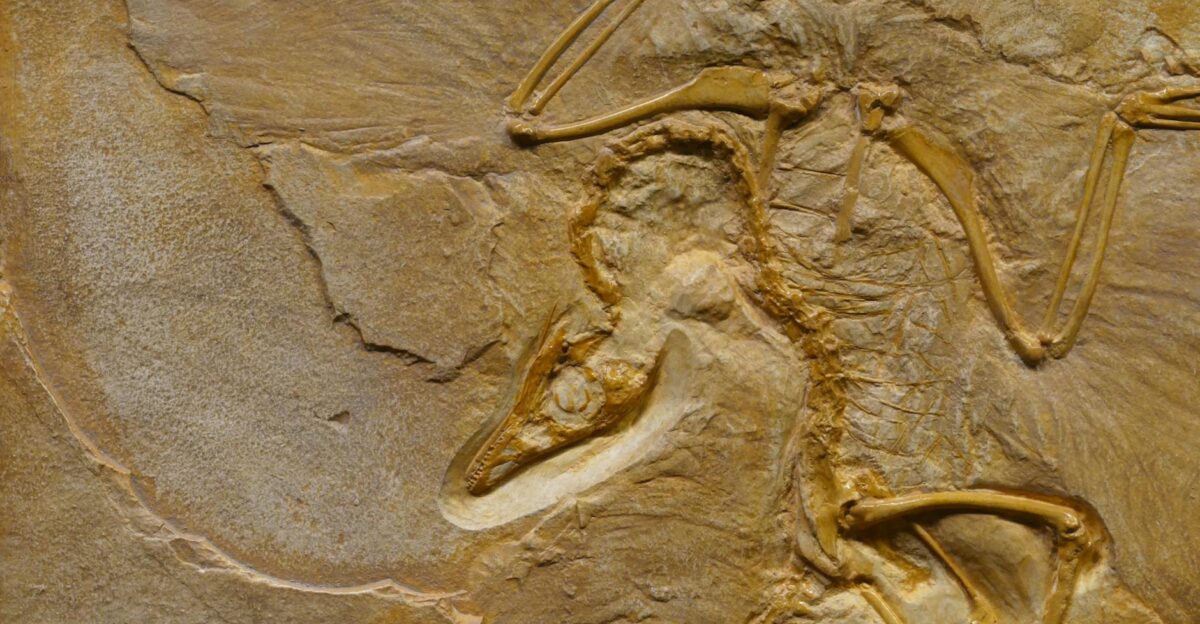
Identifying the oldest known arboreal member of the rhynchocephalian group, Sphenodraco scandentis, contributes to our understanding of rhynchocephalian diversity and ecological roles. These discoveries provide insight into adaptive strategies in Jurassic ecosystems by recalibrating evolutionary trees and paleoecological models.
This demonstrates how the discovery of new species changes our understanding of the history of life and contributes to more general theories on reptile evolution, niche diversification, and lineage survival. Additionally, this finding calls into question long-held beliefs regarding habitat specialization and evolutionary stasis in this lineage, necessitating a reassessment of Jurassic biodiversity and survival strategies in light of a shifting paleoenvironment.
Unexpected Combinations in the Industry

Technology fields like data science and 3D modeling have connections to paleontology. Machine learning’s ability to identify corresponding fossil fragments in digital museum collections is demonstrated by the case of the reunited fossil halves. Study and display are further made possible by 3D printing and virtual reconstruction.
These interdisciplinary mashups improve the efficiency of discovery, make rare fossils more accessible to a broader audience, and strengthen the influence of paleontology in conservation technology and education. Furthermore, these technological advancements might spur new paleoart techniques, allowing for lifelike reconstructions that appeal to a broader audience and support scientific visualization.
Contrarian Opinions
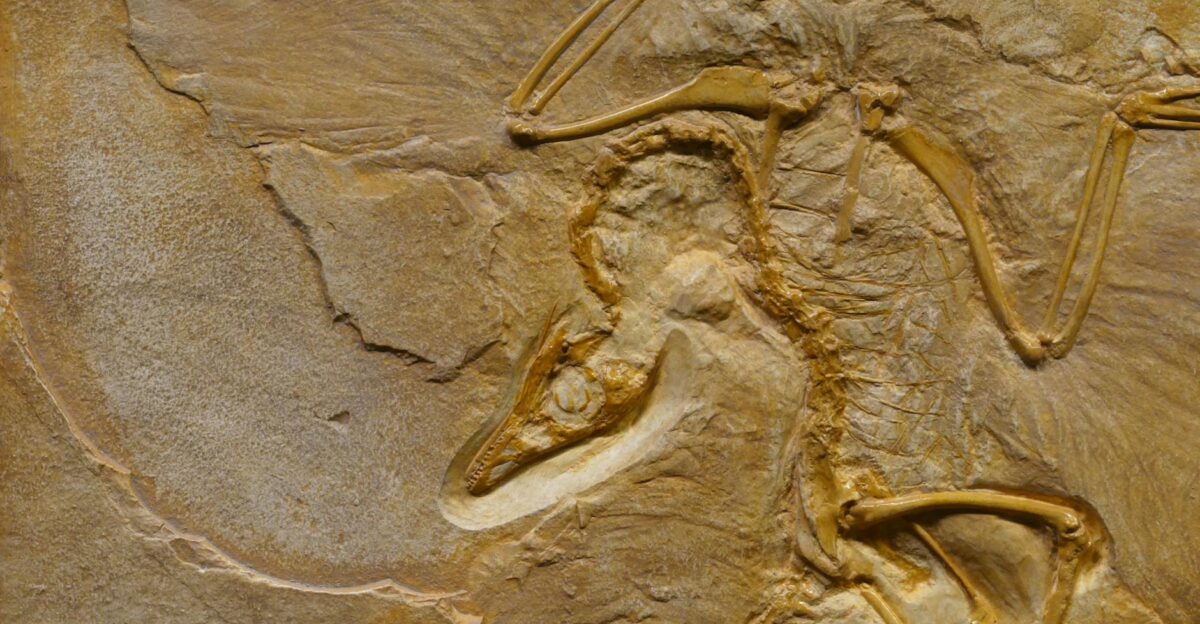
The physical similarity of two halves of the same specimen offers indisputable proof of a distinct species, even though many fossil finds that are claimed to represent new species may reflect intraspecific variation. This encourages a thorough reassessment of museum collections and runs counter to taxonomic conservatism.
By demonstrating that strict null hypotheses, which hold that fossils belong to known species, must give way to empirical findings when several lines of evidence coincide, the case challenges skepticism. It also emphasizes how crucial it is to have an open scientific mindset, where new findings challenge preconceived notions and support ongoing, critical reexamination of paleontological data.
Severe Case Studies

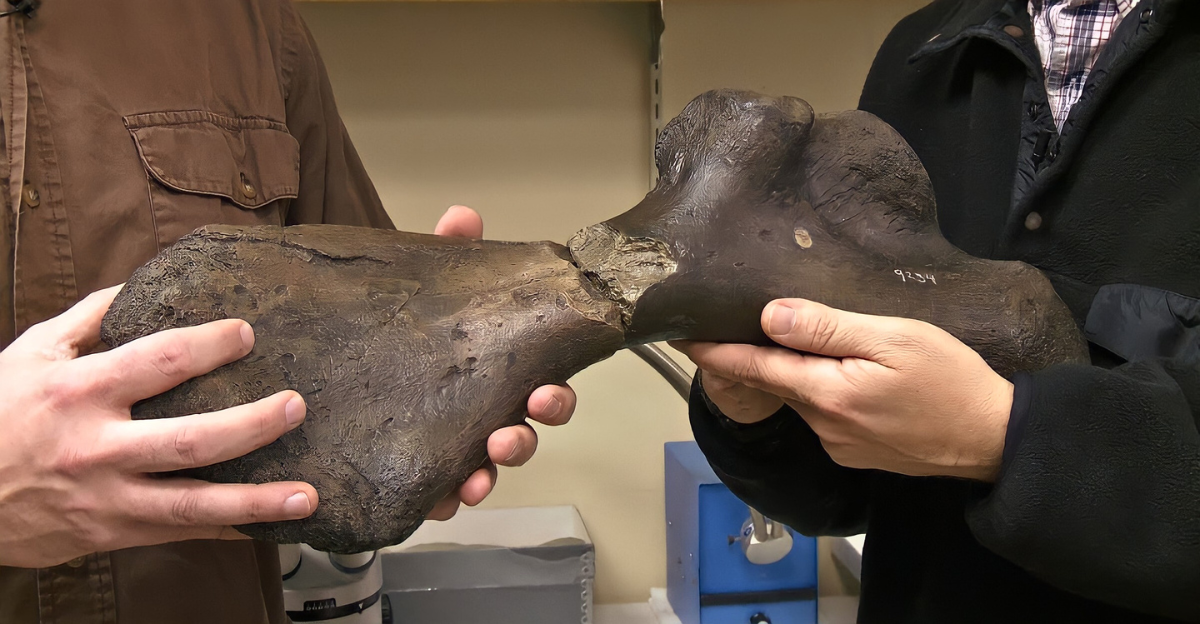
The case of the matched halves is similar to the assembly of a giant sea turtle’s humerus from bones that were collected 162 years apart. These extremes demonstrate how historical separation or fragmented records can postpone the discovery of fossils.
In order to piece together Earth’s biological past when specimens are lacking or scattered across time and space, paleontology relies heavily on detective work, serendipity, and persistence. More generally, they demonstrate how undiscovered treasures are still in collections across the globe, waiting for patient specialists who are prepared to question the traditional division of specimens into different categories.
Structure for Identifying Species
The null hypothesis, according to taxonomic rigor, is that recently discovered fossils are members of a species that has already been described. New taxa should only be named if this is refuted by unambiguous morphological, ecological, or temporal evidence.
As an example of how holistic fossil analysis produces more robust taxonomy and lowers error from premature species designations, the reunited fossil halves enable a more thorough morphological assessment that is rarely possible with isolated pieces. This method encourages reproducibility, openness, and cumulative advancement by bringing paleontology closer to the exacting biological sciences.
Museum Collections’ Function
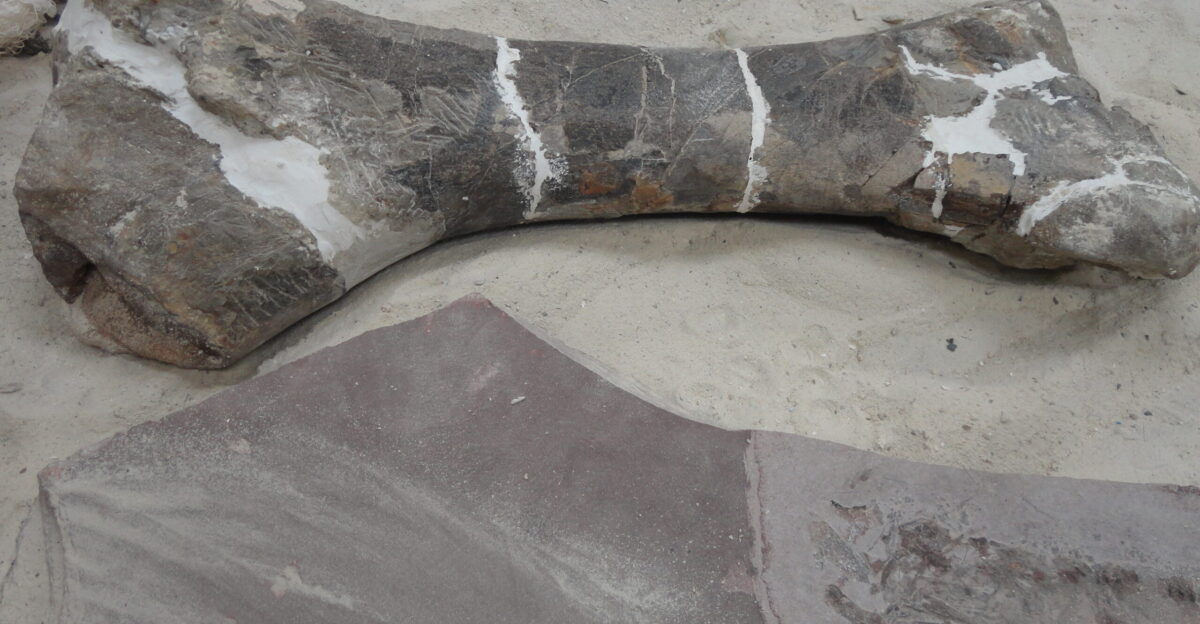
Important paleontological data that allows for species rediscovery and new classification is preserved in museums. Reuniting fossils that had been separated for nearly a century shows how dynamic collections are, not just archives, but active research tools.
Future reunifications and discoveries are more likely thanks to developments in digital cataloging and global specimen sharing, highlighting the role that museums play in fostering paleontological innovation. Additionally, museums are essential for maintaining specimens in optimal conditions that enable in-depth morphological and chemical analyses that are not feasible in field-only settings.
Impact on Education and the Public
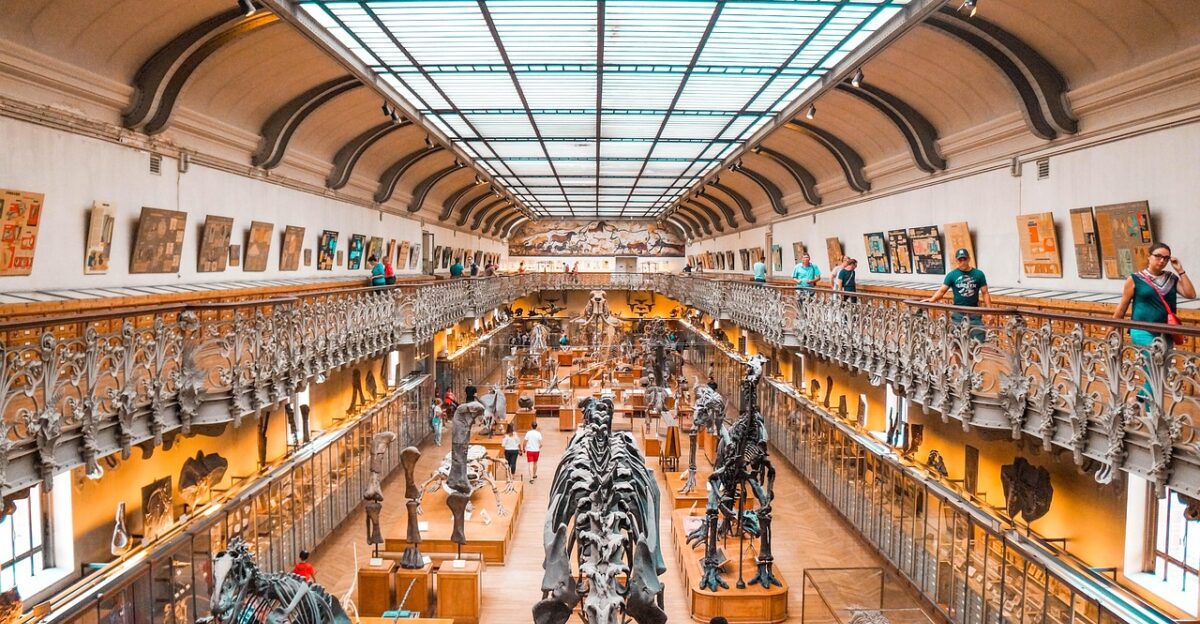
These kinds of discoveries spark public interest in science and advance STEM education by captivating the imagination. The story of the split fossil halves being reunited to reveal a new species serves as an example of scientific inquiry, perseverance, and teamwork.
By bringing abstract evolutionary concepts to life through exhibits and media coverage of these events, educators can inspire students and cultivate an appreciation for biodiversity and the ongoing discoveries made by the fossil record. By telling these tales, museums enhance their function as centers of education that stimulate interest in the history of the planet and scientific research.
Strategic and Psychological Views

Cognitive abilities like pattern recognition, analytical reasoning, and breaking down institutional silos are highlighted by this discovery. By combining knowledge and intellectual humility, the paleontologist’s insight challenged preconceived notions.
It serves as a strategic example of how encouraging cooperation and reexamination can uncover knowledge that has lain dormant, demonstrating the importance of integrative thinking and curiosity-driven research in the advancement of science. In terms of psychology, it illustrates the advantages of tenacity and an interdisciplinary approach that goes beyond conventional academic limits.
Second-Order Effects on Biodiversity Conservation
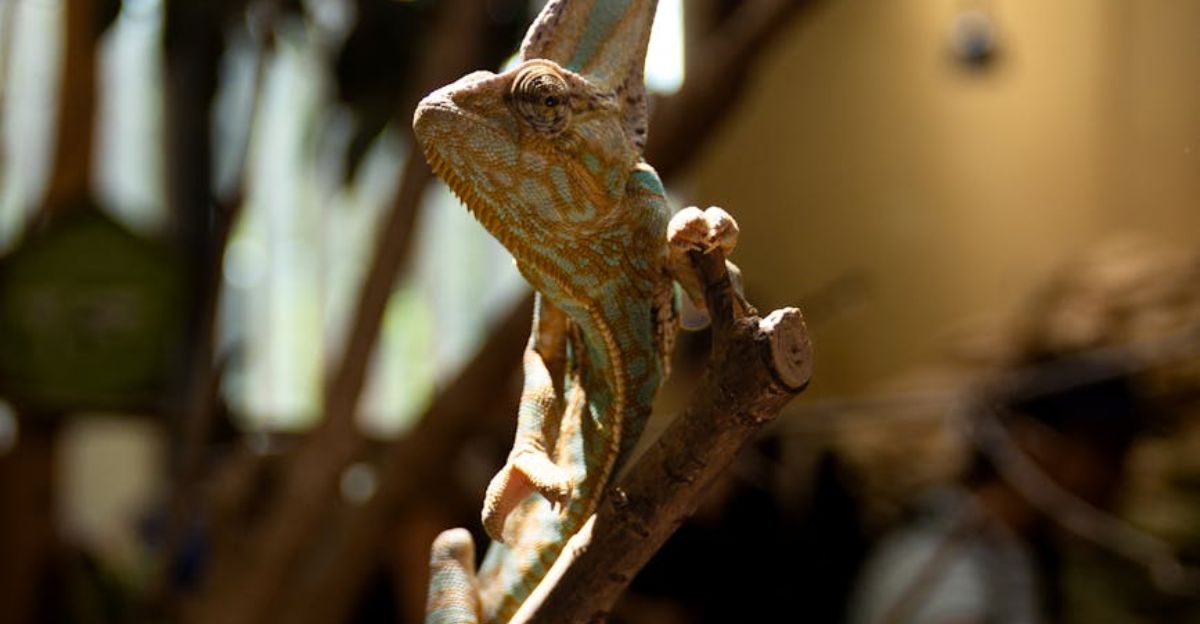
Ancient species discoveries inform modern conservation by elucidating evolutionary adaptations and habitat dependencies. Sphenodraco scandentis’s arboreal lifestyle informs understanding of ecological niches through time, paralleling contemporary species’ conservation challenges.
Historical biodiversity data provide context for resilience and vulnerability assessments, shaping predictive models that aid habitat preservation strategies in a changing world. In particular, paleontological records can reveal long-term environmental fluctuations and species responses, informing adaptive management plans today.
Extension of the Hypothetical Framework
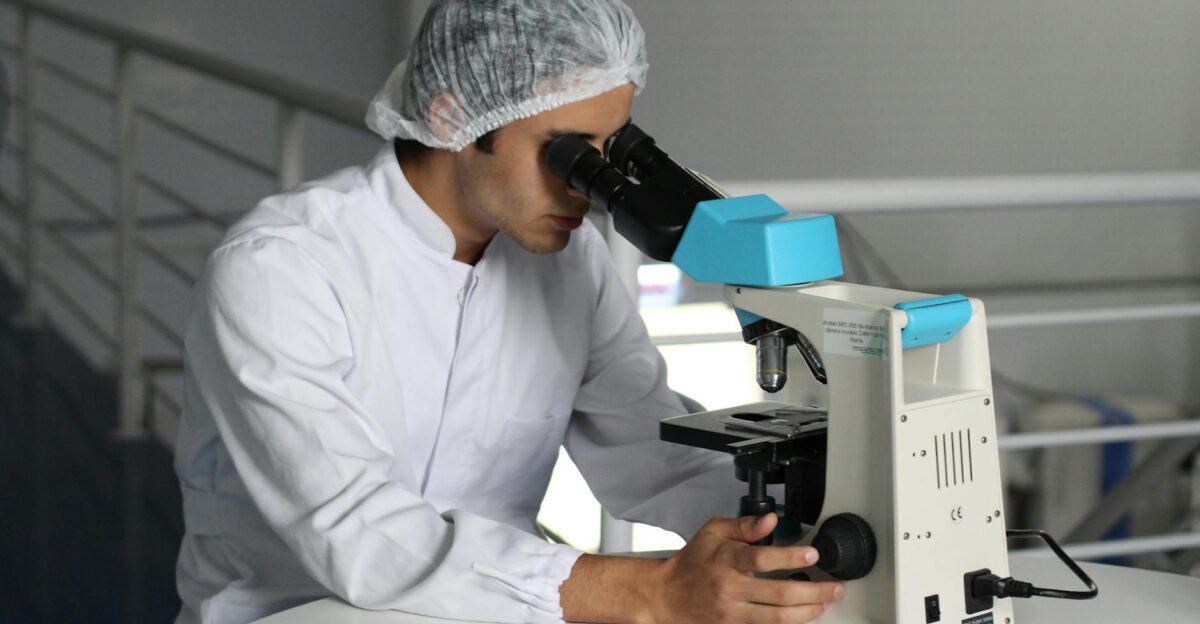
The possibility that many cryptic species complexes are still hidden in museum collections is raised by the reunification of fragmented fossils. Redefining species concepts in paleontology may be possible by combining morphology, paleobiology, and molecular data from extant relatives in a synthetic taxonomy approach.
This viewpoint encourages a daring extension of techniques that could transform evolutionary studies and lead to more accurate lineage analyses. When paired with fossil data, emerging genomic technologies present previously unheard-of opportunities for more precise evolutionary history tracing.
Excellence in Historical Narrative
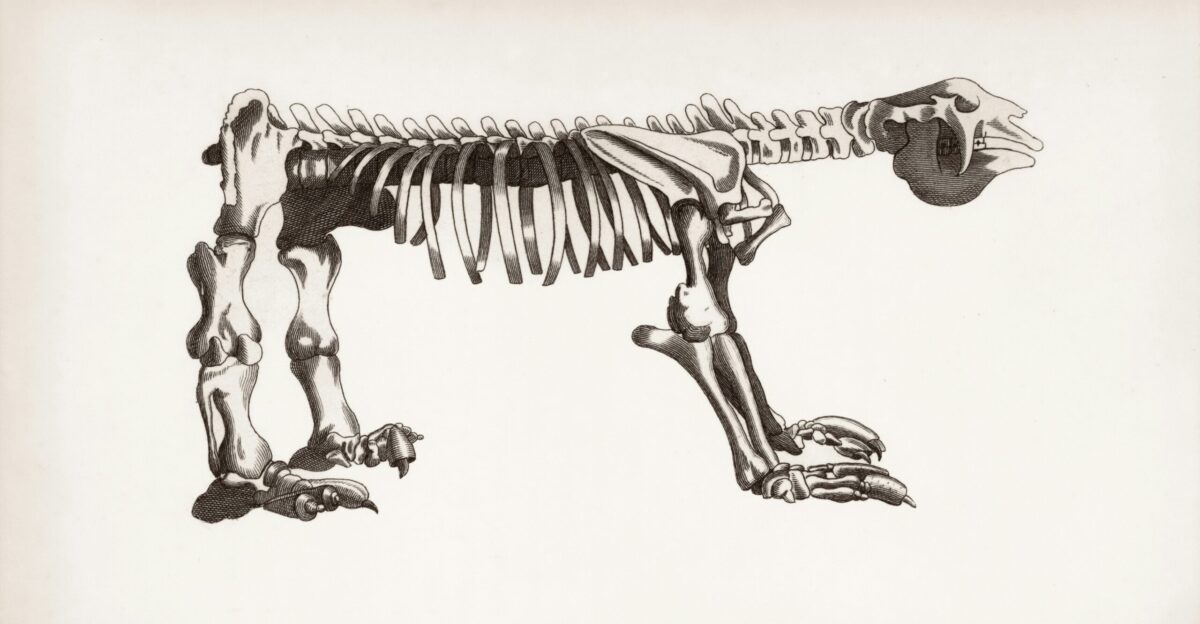
Lessons from paleontology’s historical evolution, from early rivalries and mistakes to cooperative, hypothesis-driven research,
These are echoed in the case of the reunited fossil halves. It represents how the field has developed into a sophisticated science that combines meticulous fieldwork, museum management, and creative analysis.
This story demonstrates how science advances by gradually revealing and improving upon Earth’s ancient biological legacy. Using contemporary techniques to revisit older collections continues to yield transformative insights and emphasize science as an ongoing, iterative process.
Multidisciplinary Advantages
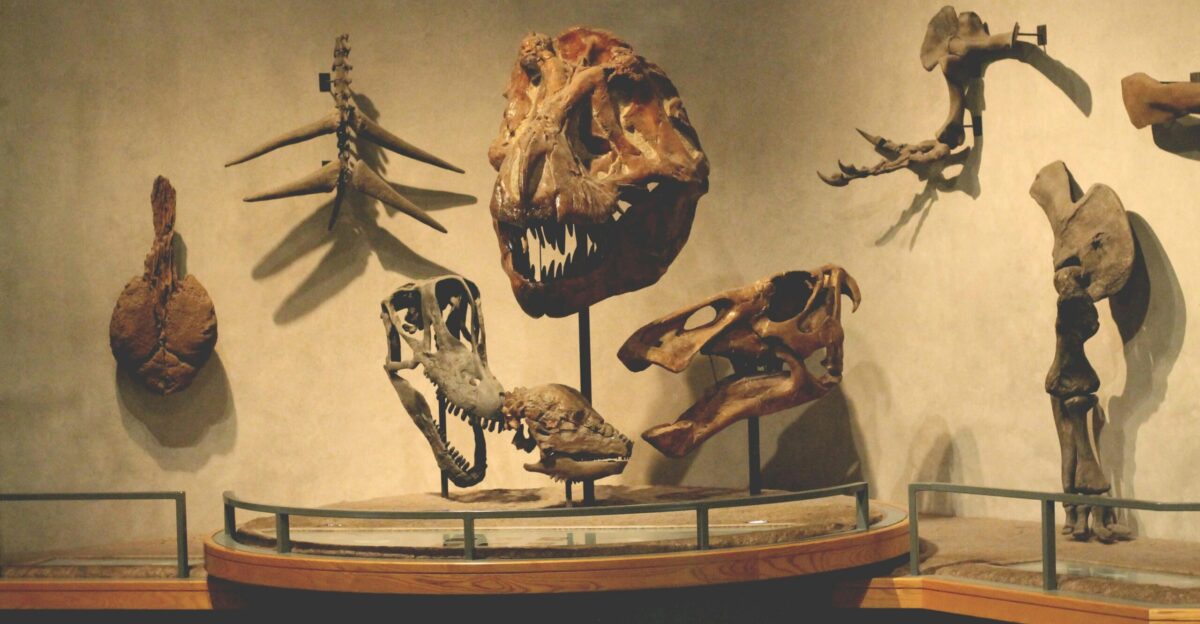
The finding demonstrates how interdisciplinary paleontology is, working with biology for taxonomy, museology for curation, and geology for dating. This collaboration increases precision and effectiveness and broadens the application of paleontology beyond conventional fossil hunting to include technology, education, and conservation.
These integrative models are a prime example of how modern science is moving toward cooperative networks for ground-breaking discoveries. Paleontology’s research toolkit is further expanded and its analytical power is increased by incorporating disciplines like computer science and material sciences.
Prospects and Trends for the Future
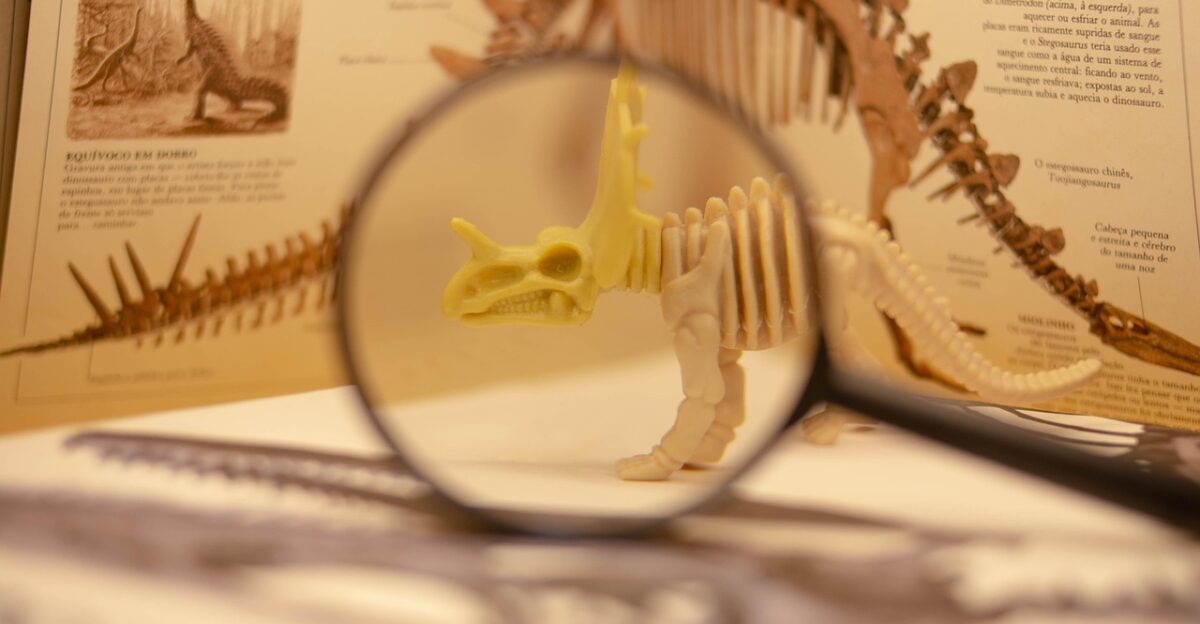
Reunifications and the identification of new species should be accelerated by developments in artificial intelligence, 3D imaging, and global digital databases. Cross-institutional specimen sharing will be made easier by open-access platforms, allowing for thorough morphological comparisons.
This new infrastructure portends the revolutionary development of paleontology, transforming discrete fossil discoveries into narratives of global biodiversity and advancing scientific knowledge globally. Future developments in augmented reality and virtual fieldwork could usher in a new era of research collaboration and public engagement.
In Conclusion
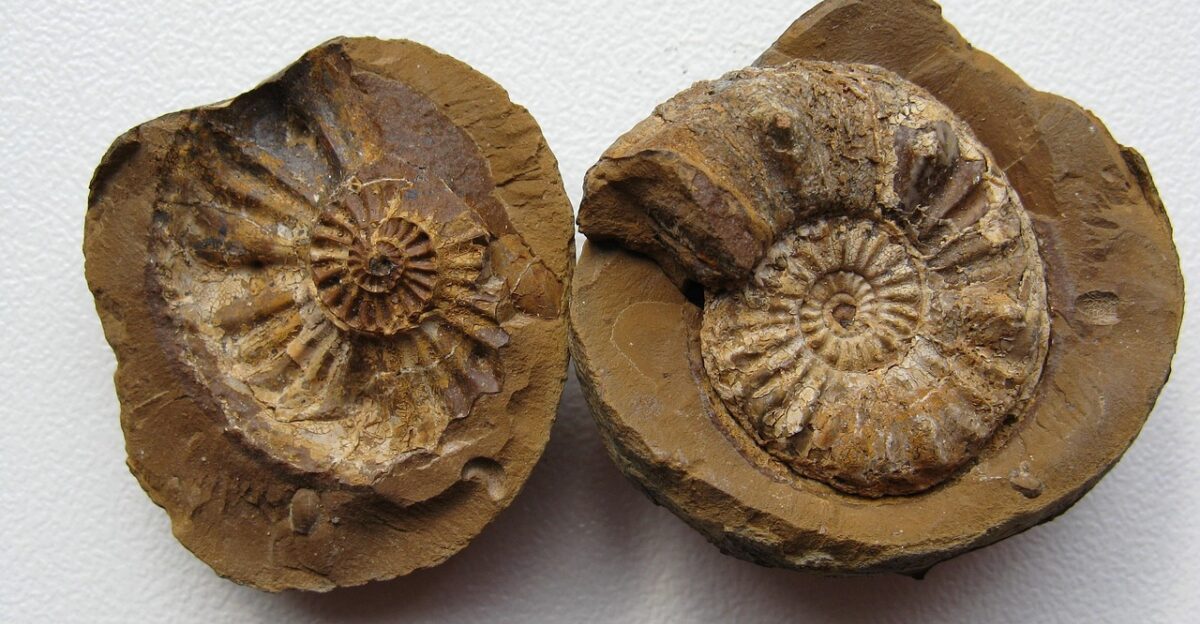
Finding a new species by matching two fossil halves is a prime example of how scientific rigor, teamwork, and creative approaches come together to expand knowledge. This finding supports museums as active research areas, advances evolutionary science, and calls into question conservative taxonomy.
It portends a time when technology, transparency, and integrative research will reveal Earth’s long-kept secrets and expand human knowledge of the intricate history of life. Paleontology stays at the forefront of discovery and knowledge synthesis thanks to the ongoing evaluation of museum collections, which is made possible by cross-disciplinary approaches.