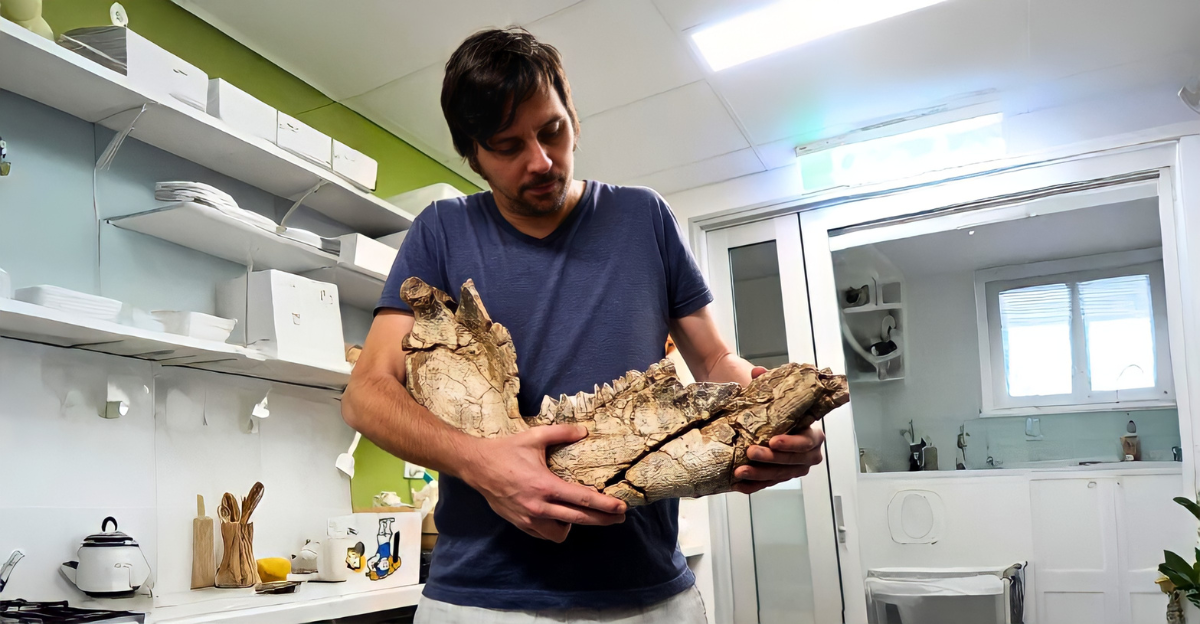
Across museums and labs lie millions of tiny, forgotten bone fragments unearthed decades ago. These dusty legacy collections (often from early-20th-century digs) have always been considered “uninspiring” because traditional morphology can’t ID them.
Now, however, scientists recognize them as a hidden treasure trove. If even a fraction of those fragments can be identified, we could unlock vast new data about Ice Age animals and environments.
Modern protein analysis is finally revealing that these long-overlooked specimens have information to share.
Critical Knowledge Gap
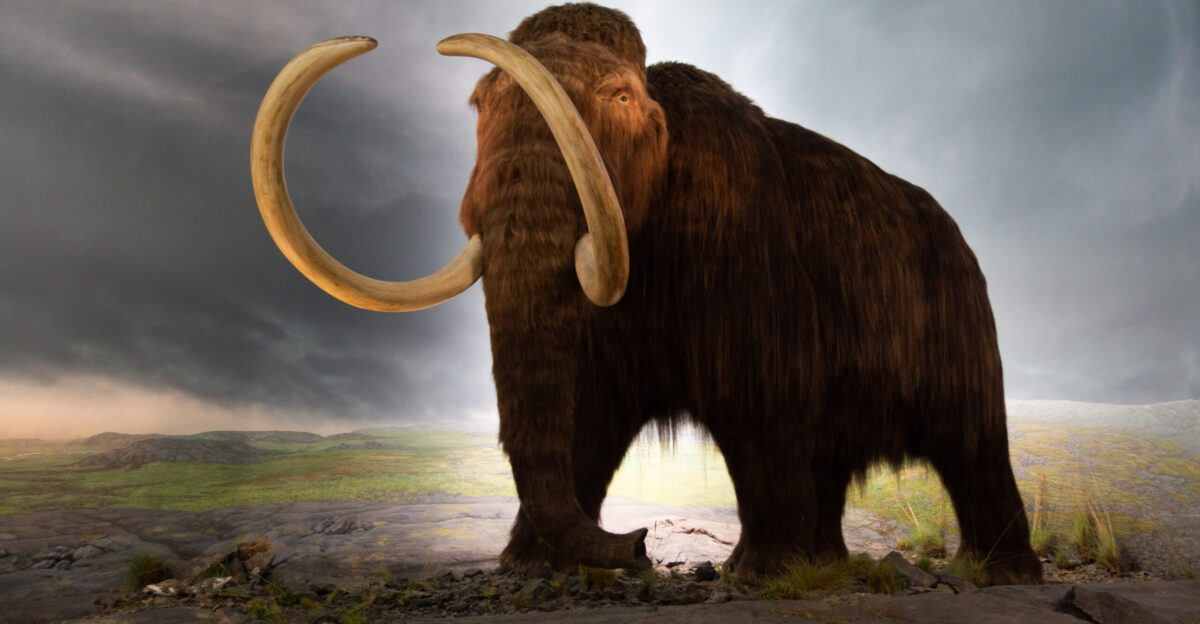
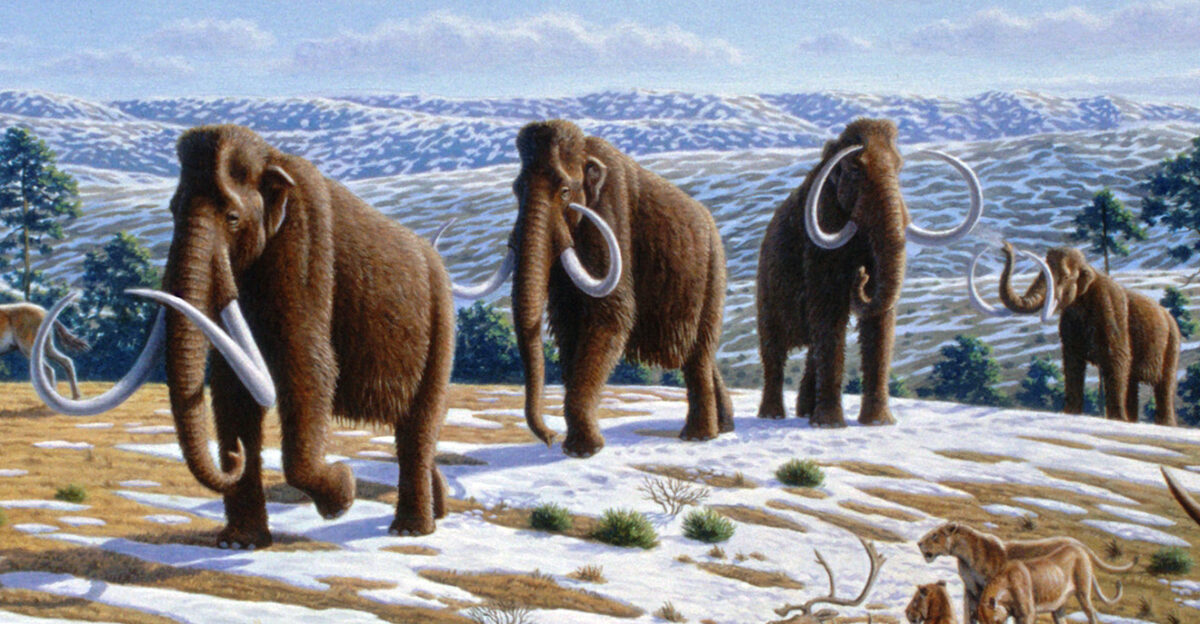
North America’s Ice Age megafauna (mammoths, mastodons, giant sloths, etc.) vanished by the end of the Pleistocene, roughly 11,700 years ago. But when and why exactly they disappeared remains hotly debated.
By around 11,700 BP, roughly 37 genera (≈80%) of North American megafauna had died out.
Theories split between “overkill” (overhunting by early humans) and rapid climate change as the Ice Age ended. Solving this puzzle requires far more precise data on where each species lived and when it vanished.
Traditional Roadblocks
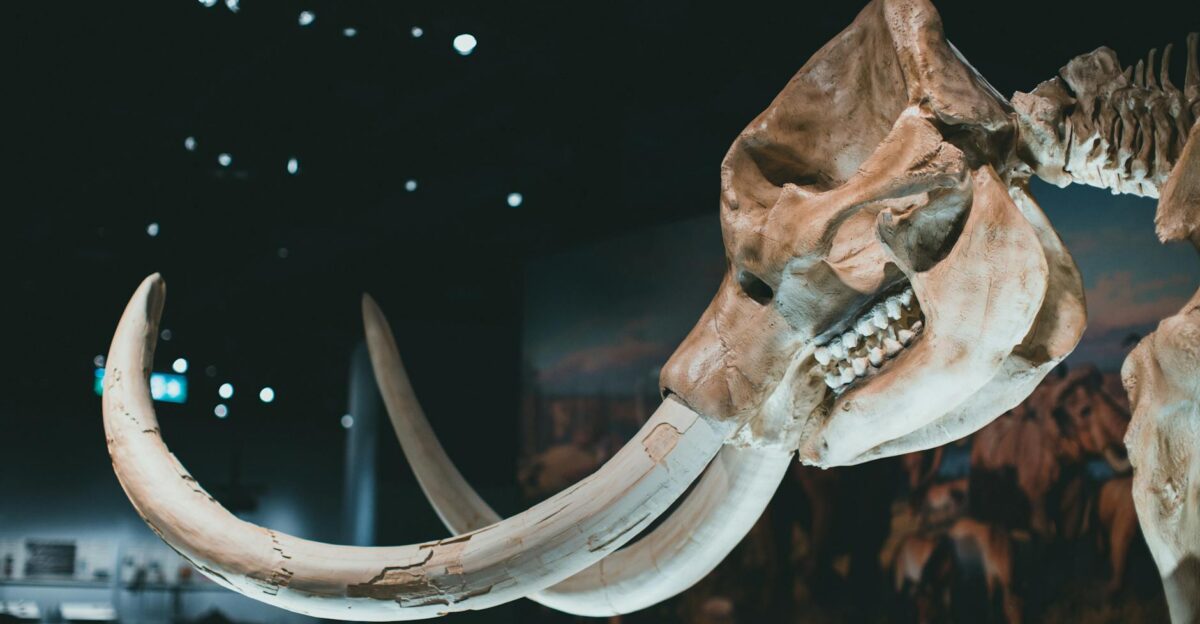
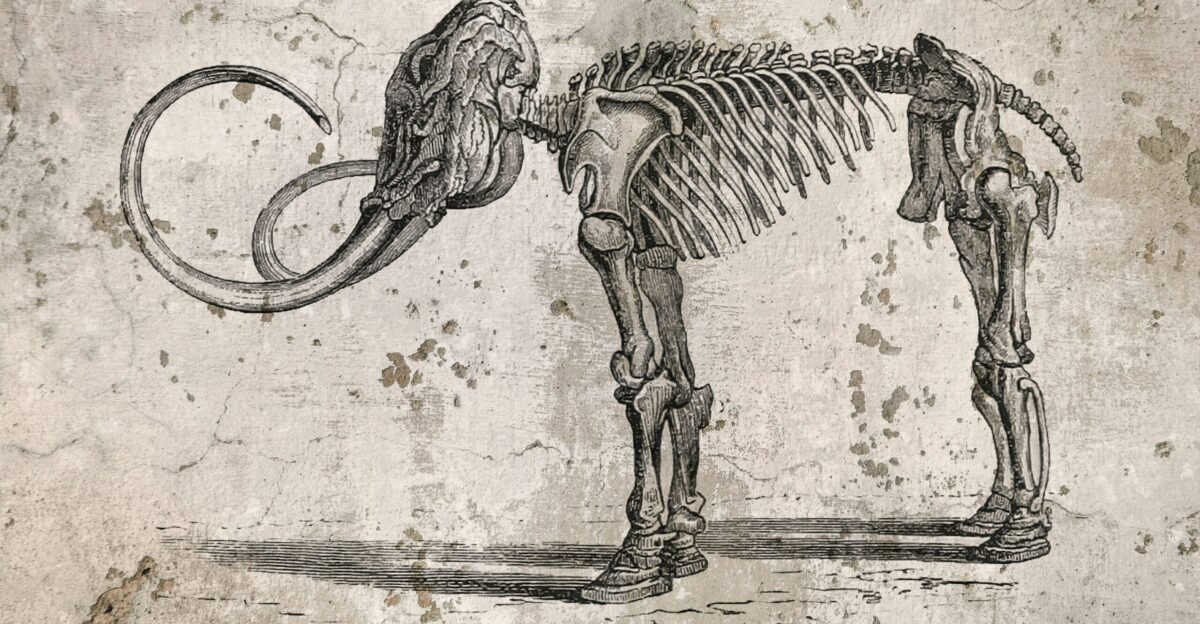
Conventional identification of fossil bones depends on distinctive anatomy (like teeth or skull features). Unfortunately, up to 80% of excavated fragments lack such landmarks and end up classified as “unidentifiable.”
Museum shelves are full of highly fragmented bone shards. As one study notes, many collections “contain large quantities of highly fragmented and morphologically indistinct bones that cannot be identified to a specific taxon”.
Until recently, most of this material had been scientifically useless — until new methods appeared.
Technology Revolution
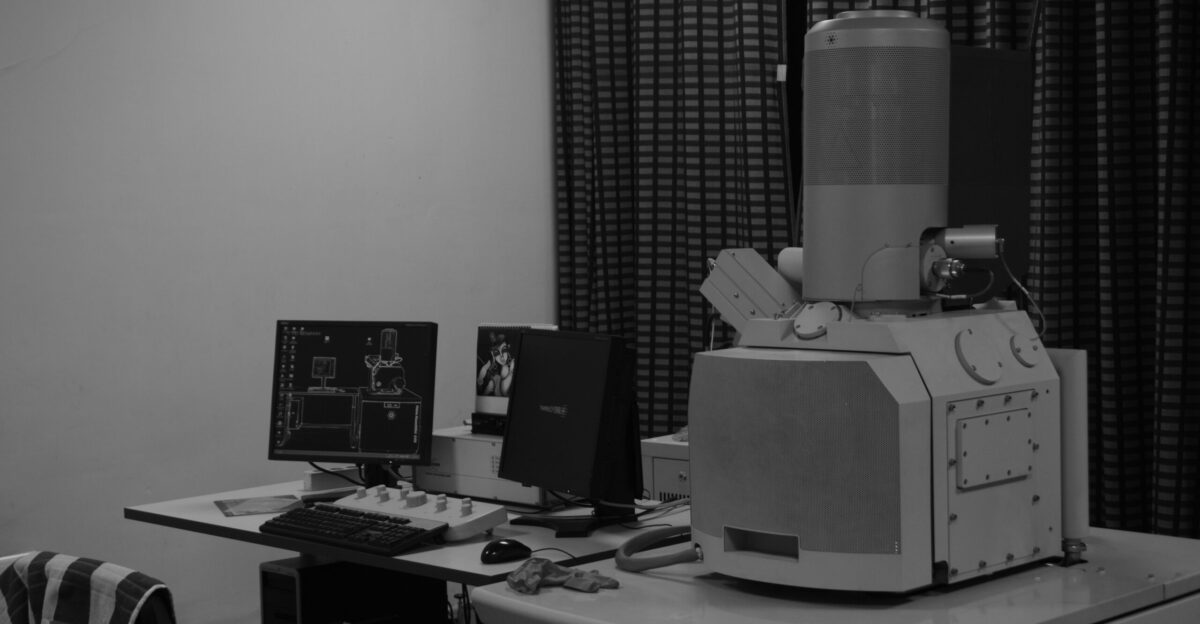
Enter Zooarchaeology by Mass Spectrometry (ZooMS), a new paleoproteomics tool. ZooMS analyzes collagen peptide “fingerprints” from bone, using MALDI mass spectrometry. Unlike DNA, collagen can survive for hundreds of thousands of years and remains abundant in bone.
ZooMS needs only a tiny sample (often just 10–20 mg of bone) to work.
It is rapid, minimally destructive, and much cheaper than DNA analysis. Because bone collagen sequences vary by species, the technique can ID even small fragments that traditional methods cannot. This makes ZooMS a game-changer for analyzing those millions of “invisible” bone pieces.
Breakthrough Discovery
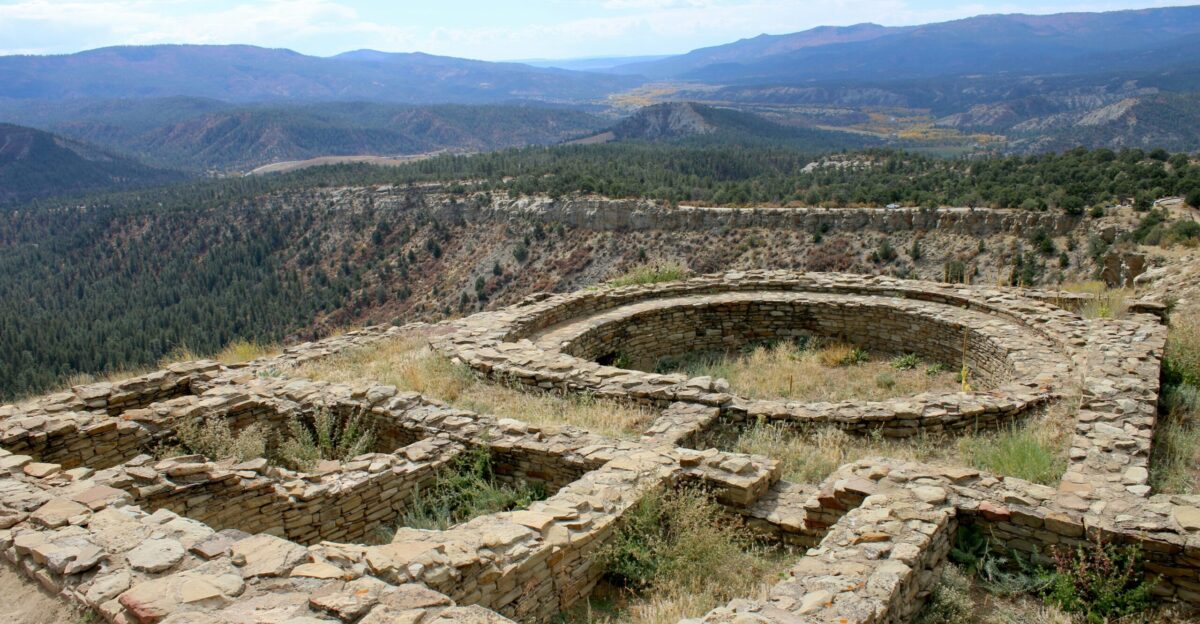
Researchers at the Max Planck Geoanthropology Institute used ZooMS on 61 fragmentary specimens from Colorado archaeological sites (excavated 1934–1981) held at the Smithsonian. The results were astonishing: ~80% of the bones yielded enough collagen for identification.
“What we found surprised us,” they write — indeed, “a remarkable 80% of the bones sampled yielded sufficient collagen for ZooMS identifications”.
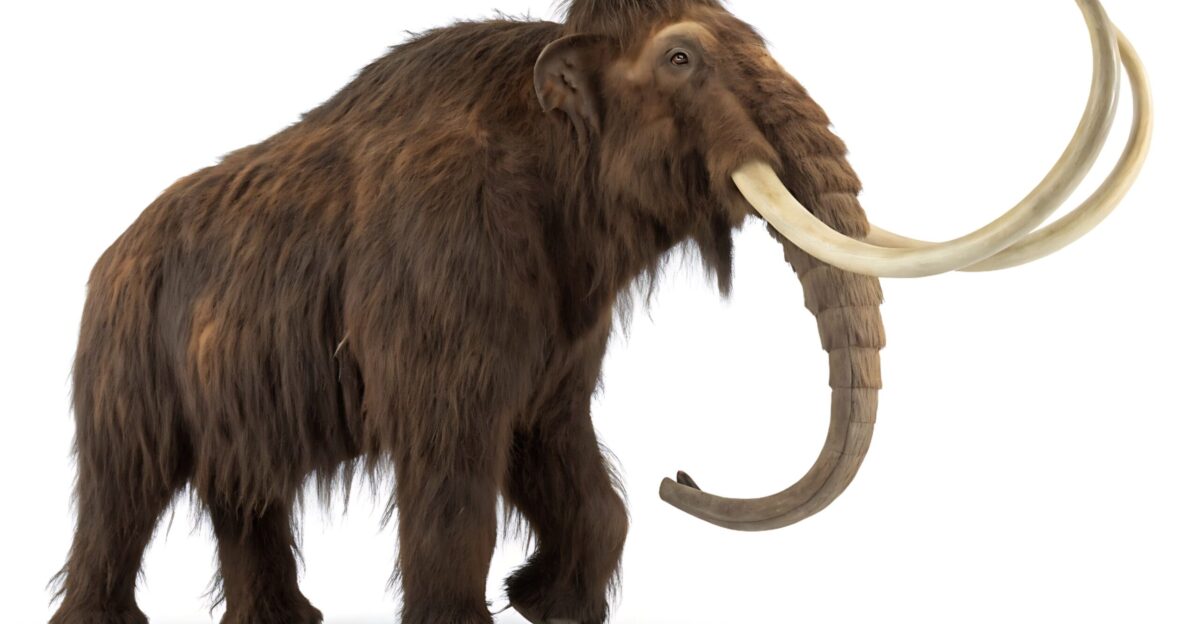
The team recovered taxonomic IDs for mammoth (Mammuthus), mastodon (Mammut), Bison, and camelids (camel family), all late-Pleistocene animals. This means that most fragments once deemed worthless are now yielding species names, effectively doubling the usable dataset from these legacy collections.
Colorado’s Ancient Giants
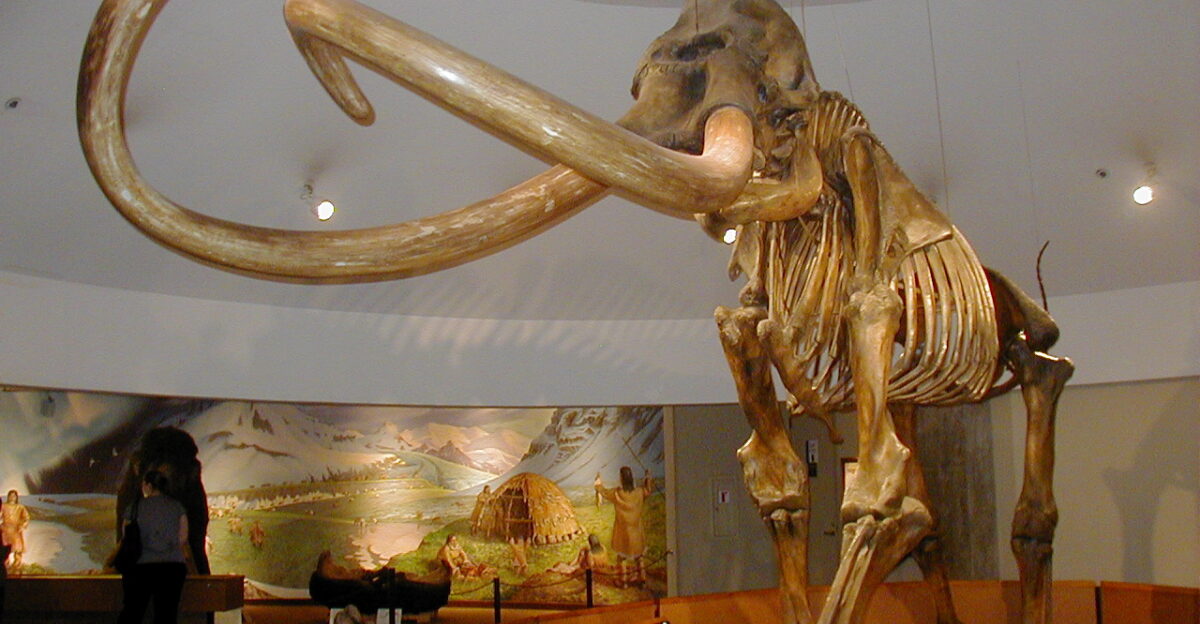
Six Colorado sites provided rich ZooMS results. At the famous Lindenmeier Folsom site, all ten tested fragments (100%) were identified as Bos/Bison species. The Zapata Mammoth locality yielded 15 of 20 fragments (75%) identified, predominantly as Columbian mammoth (11 samples) and proboscidean (the rest).
Lamb Spring (a Paleoindian site) revealed a mixed megafauna assemblage: ZooMS confirmed two bison bones, four mammoth bones, and one specimen that could be mammoth vs. mastodon.
Together, these results paint a detailed picture of past faunas in each locale, far beyond what was possible before.
Scientific Validation
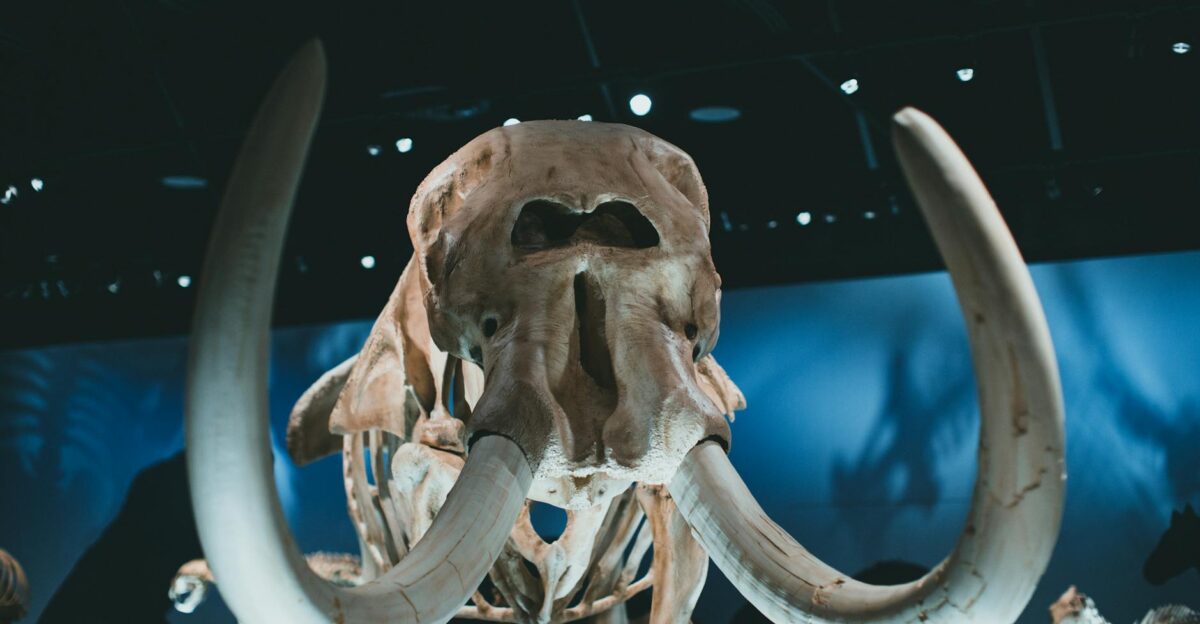
These results validate ZooMS’s power in museum collections. As the team notes, most of these fragments were “uninspiring and superficially uninformative” by eye, yet ZooMS is tapping their hidden data.
“By opening up for analysis the fragmented bone material that makes up much of the megafaunal record,” the researchers explain, “ZooMS has the potential to help provide much new research data to address long-standing questions about megafaunal extinctions”.
Museum archives are now seen as vast paleoenvironmental archives rather than static archives — ripe for re-investigation.
Global Museum Impact
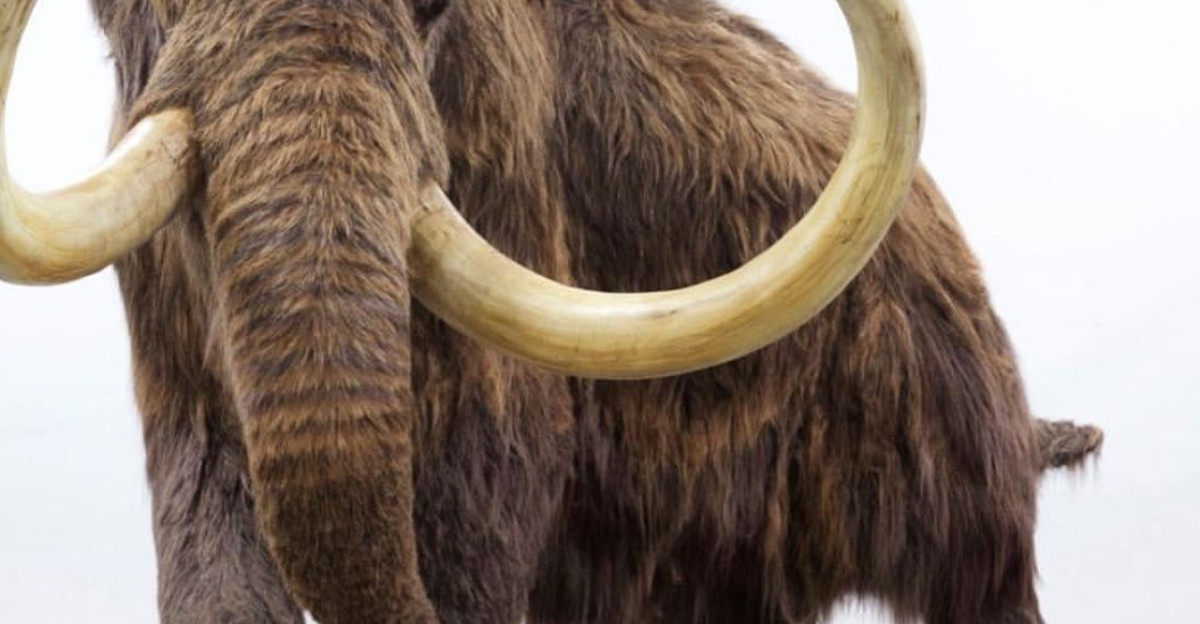
Natural history museums around the world have similar troves of legacy bones. For example, the Smithsonian’s National Museum of Natural History alone holds over 146 million specimens (animal and plant).
This includes countless fragmentary fossils in drawers. ZooMS could unlock information in any of these collections.
In Europe, Asia, and beyond, legacy faunal collections sit largely unstudied; applying ZooMS globally could rewrite our understanding of Ice Age faunas everywhere. A whole new field of “exhibit mining” is emerging as labs partner with curators to analyze these old fossils.
Collagen’s Survival Advantage
ZooMS works because collagen is extremely durable. Unlike DNA (which rarely lasts beyond ~30,000 years in temperate sites), Type I collagen in bone can persist for hundreds of thousands of years under the right conditions.
Collagen makes up ~95% of bone collagen and ~80% of all bone proteins, so it is the most abundant biomolecule in fossils.
This abundance means even heavily degraded bones often yield identifiable peptide signatures. In effect, collagen is Nature’s own barcode, surviving where DNA cannot. That longevity is why ZooMS can peer deeper into prehistory than genetic tests alone.
Timeline Precision Revealed
Beyond species IDs, ZooMS can help date the specimens more precisely. In this study, fragments were analyzed across the Late Pleistocene (roughly 13,000–10,000 years ago and older).
This widespread sample ages provides new time stamps on local faunas. With those dates, researchers can test whether megafauna declined gradually or suddenly. For example, if mammoth bones from 12,000 BP and 11,000 BP coexist, that suggests a slow fade.
Crucially, ZooMS data are now adding many new points to the prehistoric timeline, enabling better testing of extinction models and human arrival scenarios (whether populations vanished “blitzkrieg”-style or over millennia).
Extinction Debate Intensifies
Debate remains fierce: did humans or climate play the decisive role? After the Last Glacial Maximum, about 37 mammal genera died out in North America by ~11,700 BP. Proponents of the “overkill” hypothesis argue that newly arrived hunter-gatherers rapidly wiped out naive megafauna.
Others cite evidence that abrupt warming stressed these animals first.
Recent analyses lend weight to both sides. For example, Stewart et al. (2021) found no long-term population overlap between humans and megafauna, but did find correlations between megafauna declines and global cooling trends.
Human Evidence Mounts

New archaeological data emphasize humans’ megafauna diet. A high-profile study used isotopes from a Clovis-age (∼12,800 BP) mother-and-child burial in Montana to reconstruct diet. It found the woman’s protein intake was ~96% megafauna, 40% of which came from Columbian mammoth.
Co-author Ben Potter notes, “These results… indicate humans may have played a more important role than is sometimes thought” in the extinctions.
That link contrasts with other findings (e.g., Stewart et al. 2021) showing climate-driven declines. The tension remains: zooarchaeologists continue to tussle over whether the timing of climate events or of intensifying hunting best explains the fossil record.
Recovery Strategy
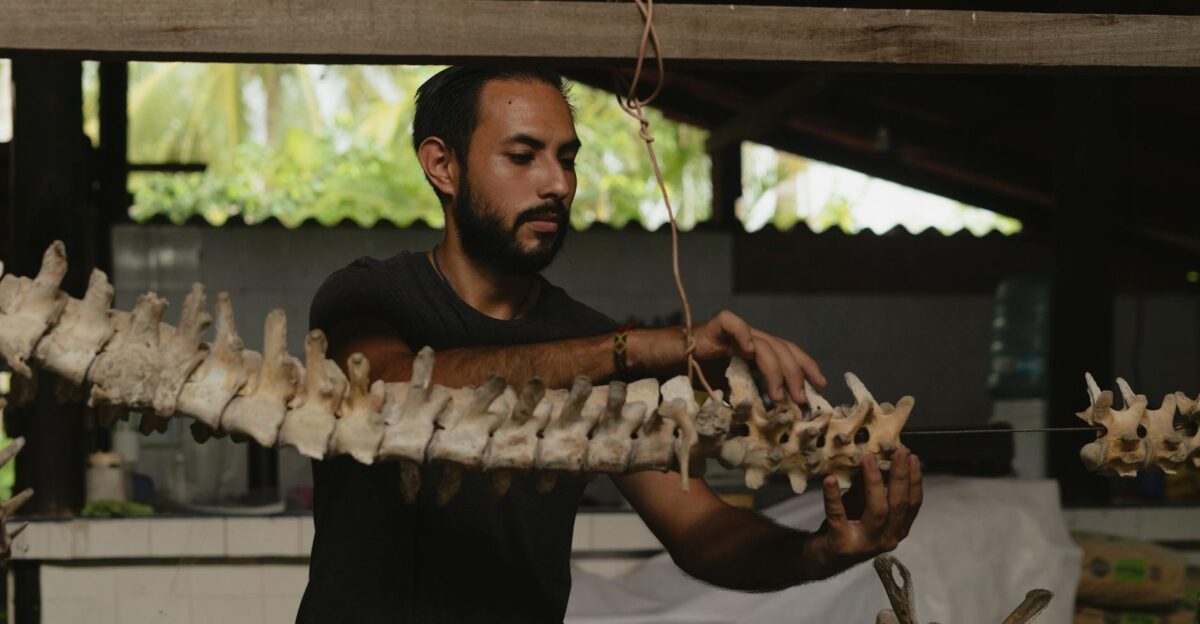
Museums and researchers are now mobilizing to analyze these legacy bones en masse. The Max Planck Geoanthropology group, for instance, is setting up dedicated ZooMS labs (with MALDI-MS instruments) to handle large batches of museum specimens.
Their goal: screen thousands of samples from collections worldwide.
A recent news release emphasizes expanding this work beyond the Smithsonian: “Future large-scale applications of ZooMS to other legacy collections … in other institutions… would not only provide new use to these collections but ultimately contribute to the discussion on the roles [of] humans… on megafauna extinction”.
Expert Optimism

ZooMS researchers remain cautiously optimistic. They stress that success can vary by site. Collagen preservation depends on local soil, time, and storage conditions. In some favorable sites, 100% of fragments yield results; in others, only a fraction do.
Another limitation is taxonomic resolution: ZooMS often can only place a fragment in a genus or family.
For example, North American camelid bones can only be assigned to the Camelidae family, because no species-specific peptide markers have been published. Still, even broad IDs from thousands of extra bones provide enormous new data.
Future Applications

The real payoff is that we can now tackle “exhausted” sites and maps with fresh eyes. Millions of fragments once ignored may rewrite megafaunal biogeography and timing.
As the authors conclude, by “opening up for analysis the fragmented bone material that makes up much of the megafaunal record, ZooMS has the potential to provide much new research data” on distribution and extinction patterns.
With costs falling, the technique could soon screen tens of thousands of old specimens, dramatically improving our timeline of when and where each Ice Age species lived and died.
Conservation Policy Implications

These ancient extinctions offer cautionary lessons for today’s biodiversity crisis. The Late Pleistocene losses were massive – in North America alone, over 65 large mammal species vanished in a geological blink.
This left “massive gaps in ecosystems that have yet to rebound”. Modern species are disappearing at similarly unprecedented rates.
Understanding how past climate change and hunting pressure combined could inform today’s conservation strategies. For example, if we know large herbivores were especially vulnerable to rapid warming, managers can prioritize habitat corridors and climate refuges for today’s elephants, rhinos and bison analogs.
International Research Expansion

The ZooMS revolution is spreading globally. In Australia, researchers have developed ZooMS peptide markers for 24 modern marsupial and monotreme species, allowing genus-level ID of kangaroos, wombats, etc.
Meanwhile, European teams are applying ZooMS to archaeological and museum bone collections, including medieval artifacts and prehistoric sites, to reveal animal trade and craft practices.
ZooMS is giving scholars new tools to trace ancient human–animal relationships. The technique is no longer North America–centric – it promises fresh insights into megafauna worldwide.
Cultural Heritage Applications
ZooMS is also proving valuable for Indigenous communities and culturally sensitive artifacts. Because the method is minimally destructive, it can be applied with respect for traditional beliefs about ancestral remains.
For example, a recent UBC study collaborated with the Musqueam Nation (Vancouver Island) to test a “polishing-film” ZooMS on bone shreds from Musqueam archaeological sites.
The results confirmed the feasibility of non-destructive sampling. As the researchers note, this pfZooMS approach “provides a practical, accessible, and culturally sensitive tool for bone identification that respects both scientific and cultural values”.
Educational Transformation
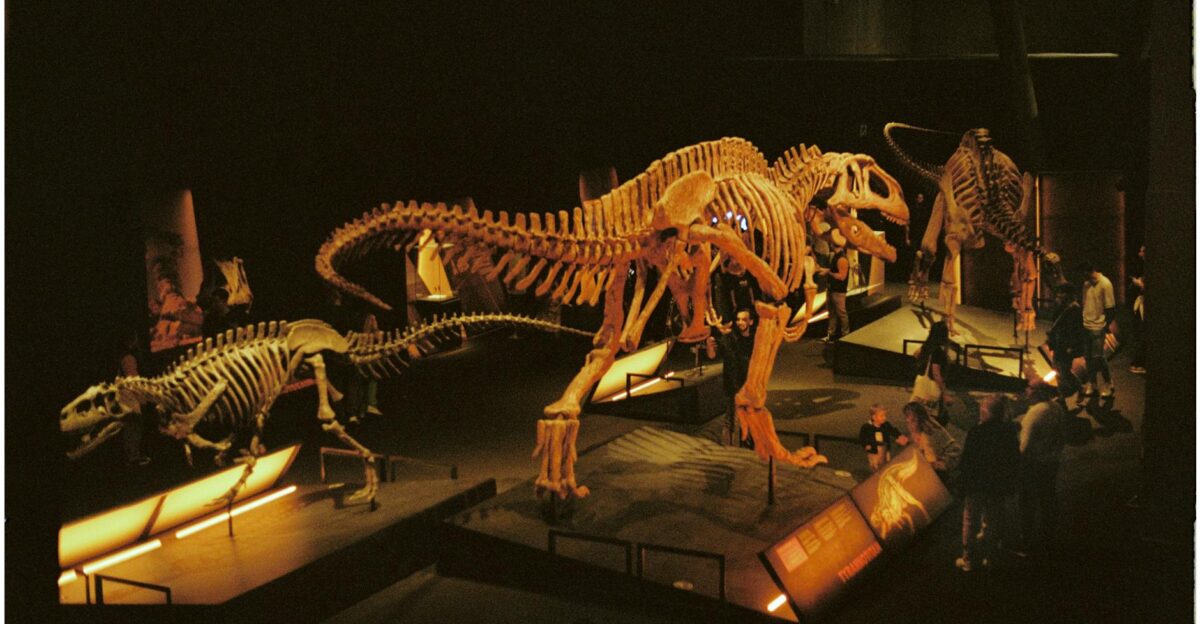
Museums are already updating exhibits to highlight ZooMS findings. Forgotten bones once confined to drawers are now envisioned as showpieces, with interactive displays on “paleontological forensics.” Visitors can learn how mass spectrometers read proteins to name species.
A Smithsonian news release even notes that ZooMS is uncovering “rich information in neglected specimens that have drawn neither researcher nor visitor attention”.
Exhibit themes like “From Fragments to Fauna” or “Ancient DNA’s cousin: Proteins” are bringing these discoveries to the public, showing how modern science breathes life into century-old collections.
Legacy Redefined
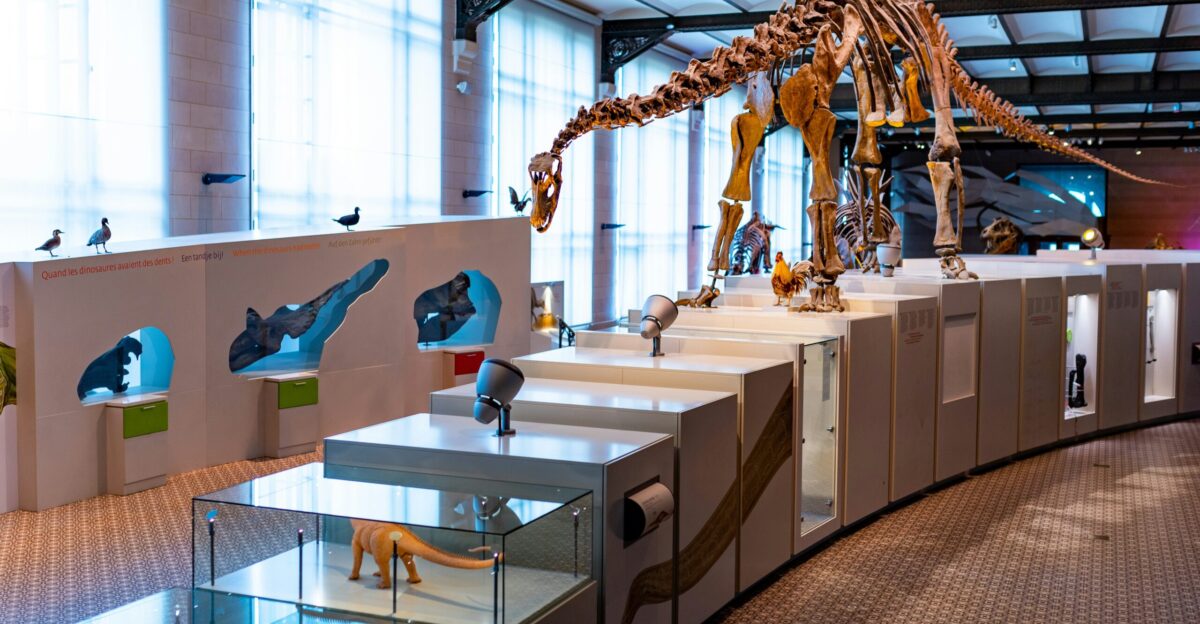
Ultimately, this breakthrough redefines how we view museum collections. As one summary puts it, old bones can “find new life in unexpected ways”.
Today’s “unidentifiable” fragments become tomorrow’s critical evidence in unraveling ice age mysteries. The Colorado pilot shows that with each technical advance, our perspective changes: specimens once discarded gain newfound importance. In short,
Natural history collections are living archives – as methods improve, what was once a warehouse of waste becomes a library of insight, and every fragment holds potential for discovery.