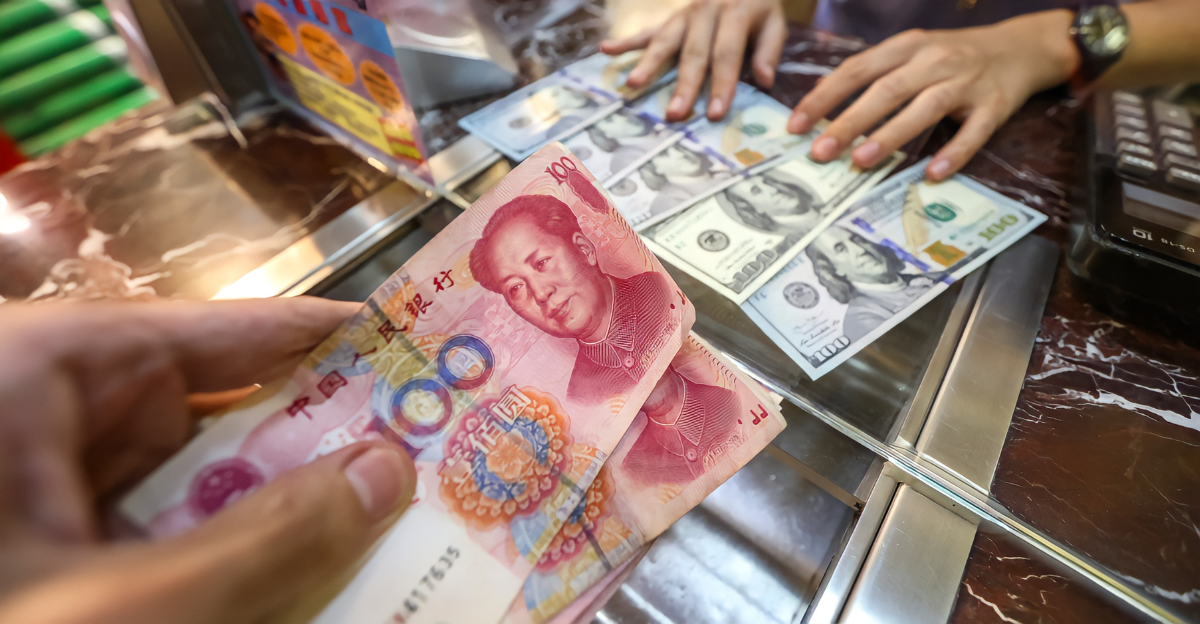
America’s dollar is facing its most significant challenge in decades. The implications are vast, with BRICS nations actively working to decrease global reliance on the U.S. currency. International markets and policymakers are aware of the gravity of this shift, leading to heated discussions about the future of global finance.
As one economist noted, “If the dollar loses dominance, it could reshape our everyday transactions.” The world watches closely as currency exchange dynamics evolve, questioning the stability of traditions established post-World War II.
Treasury Sell-Off Escalates
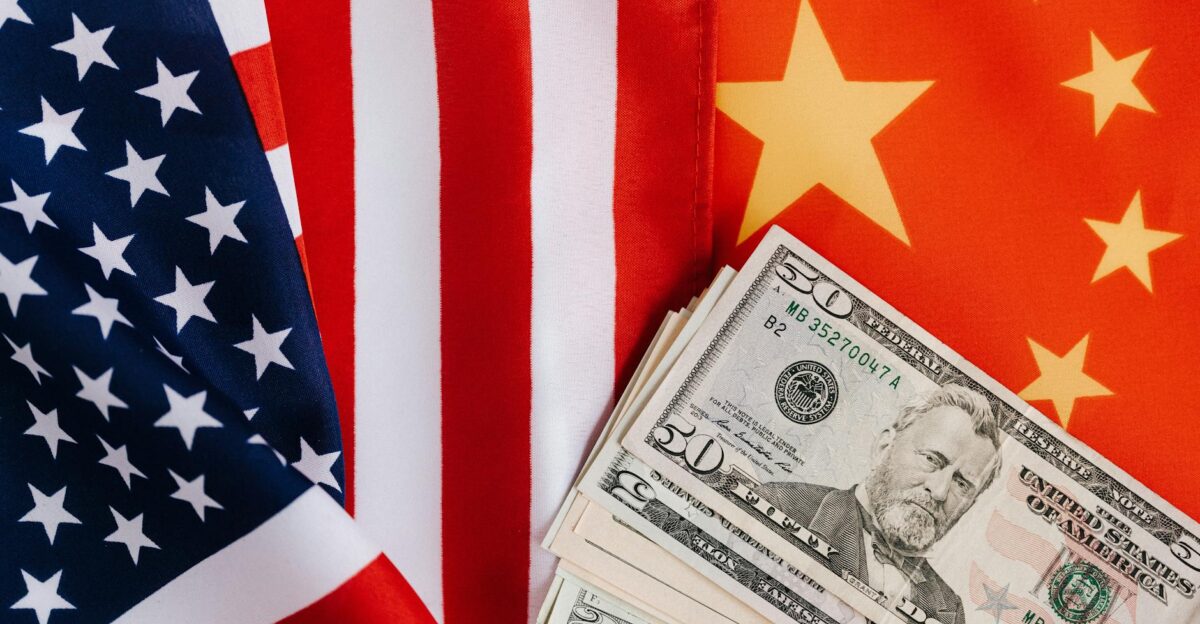
Since early 2024, China and other BRICS nations have reduced their holdings of U.S. government debt by tens of billions, signaling a broader strategy to eventually reduce their $1.2 trillion combined Treasury position. This strategic positioning has alarmed market observers, highlighting the potential for severe disruptions in core U.S. financial stability if BRICS executes a full-scale sell-off.
Investment analyst Maria Evans remarked, “This trend poses risks that everyday Americans will feel our financial system is intertwined with these moves.” As these countries choose to distance themselves from U.S. assets, the potential repercussions ripple through global markets, affecting everything from interest rates to inflation.
The Rise of Dollar Supremacy

The supremacy of the U.S. dollar took root after World War II, with an impressive 70% of global reserves once held in greenbacks. This dominance facilitated affordable borrowing and steady global trade for generations, positioning the U.S. as a financial powerhouse.
However, experts remind us that such supremacy isn’t guaranteed. As noted by economist Sarah Tan, “We need to recognize that dominance can be lost. We must adapt.” The shifting tides now tease the potential unraveling of the dollar’s longstanding reign, leaving many to ponder the future of global currency dynamics.
Growing Pressure on the Dollar
Factors like sanctions, geopolitical tensions, and rising interest rates have rendered U.S. debt a riskier investment. With BRICS countries pushing for local currency trade, the grounds for change have been set.
Economist Alex Chen warns, “When countries start trading locally, it disrupts the entire financial ecosystem.” This growing mistrust in the dollar’s reliability fuels the ongoing shift away from traditional currency pathways, fostering an atmosphere of uncertainty in global markets as financial leaders scramble to reassess their positions.
Launch of BRICS Pay
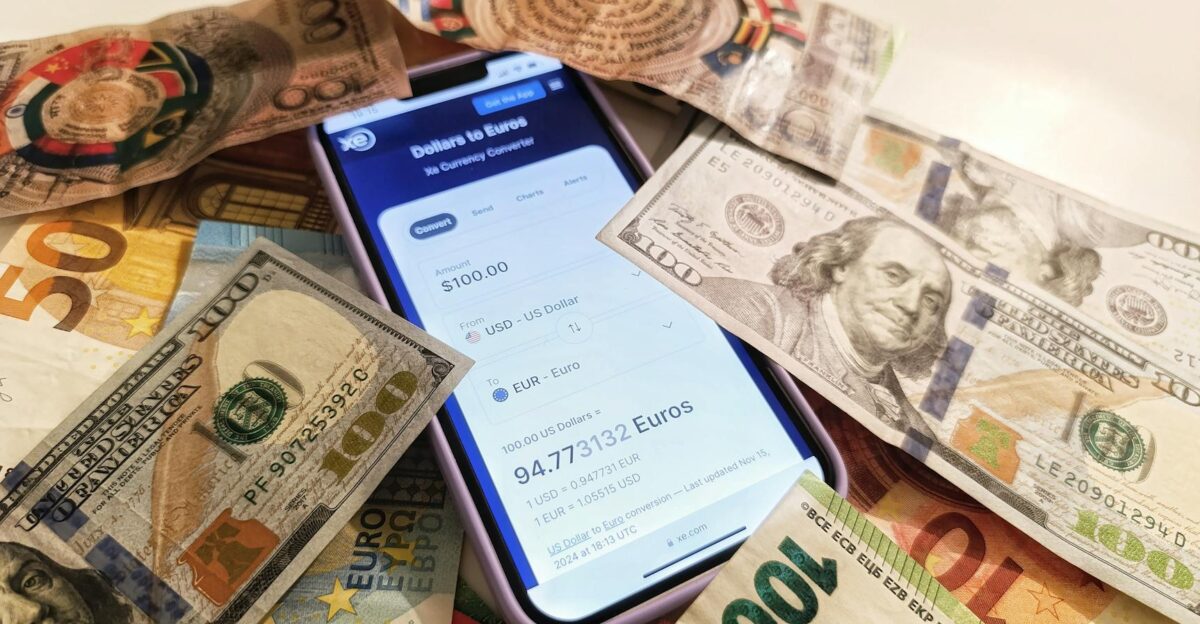
At the July 2025 BRICS summit in Brazil, member nations unveiled the rollout of the “BRICS Pay” digital settlement system. This groundbreaking initiative represents a decisive shift in global trade, allowing transactions to occur without the traditional requirement for U.S. dollars.
Brazilian trade minister Carla Mendes passionately said, “It’s high time we explore our frameworks for trade, free from dollar dependencies.” This pivot could redefine financial interactions, heralding a new era for international commerce that poses critical questions for currency reliance worldwide.
Expansion of the BRICS Network
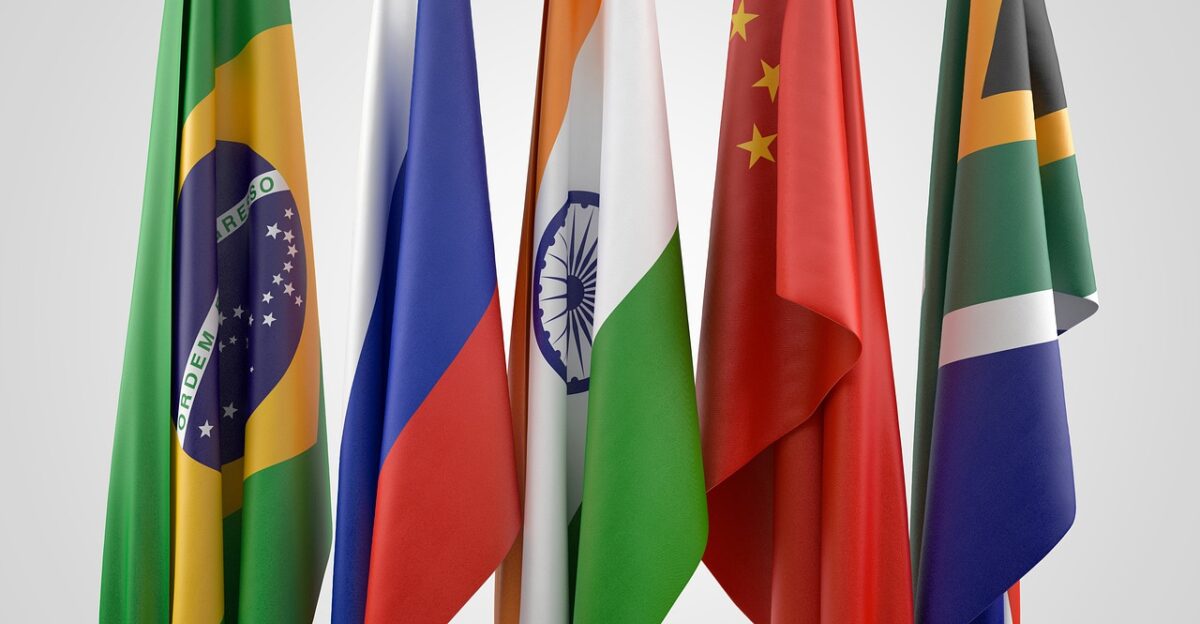
With Indonesia’s recent entry into the BRICS bloc, the group’s payment network has vastly expanded, reaching over 1 billion people. This accessibility opens new non-dollar trade routes, creating alternative methods for millions engaged in commerce daily.
Local entrepreneur Farah Yamani comments, “We now have options beyond the dollar. It gives us more control.” The integration of additional member nations signifies the growing resolve of economies to rethink their currency dependencies, heralding a transformative period in international trade relations.
Everyday Challenges in the U.S.
American families are experiencing a surge in the prices of imported goods as inflation continues to rise. Reports indicate that the weakening dollar has led to an extra $2,700 in costs annually for many households.
This burden is felt personally by workers like John O’Connor, a single father who states, “Every trip to the grocery store reminds me how much harder it is to make ends meet.” Economic pressures at home reflect larger trends affecting the U.S. economy, threatening to alter spending habits and financial stability for millions.
Global Currency Competition Intensifies

As BRICS nations push for local currency trade, other regions react accordingly. The European Union and Japan have started negotiating dual-currency oil agreements to shield themselves from the dollar’s volatility. “Breaking the petrodollar framework feels necessary now,” insists oil trader Hiroshi Tanaka.
This evolving landscape challenges the U.S. as allies explore alternative currency arrangements, creating competitive dynamics that have implications for energy markets and international financial relations.
A Macro Shift Unfolds
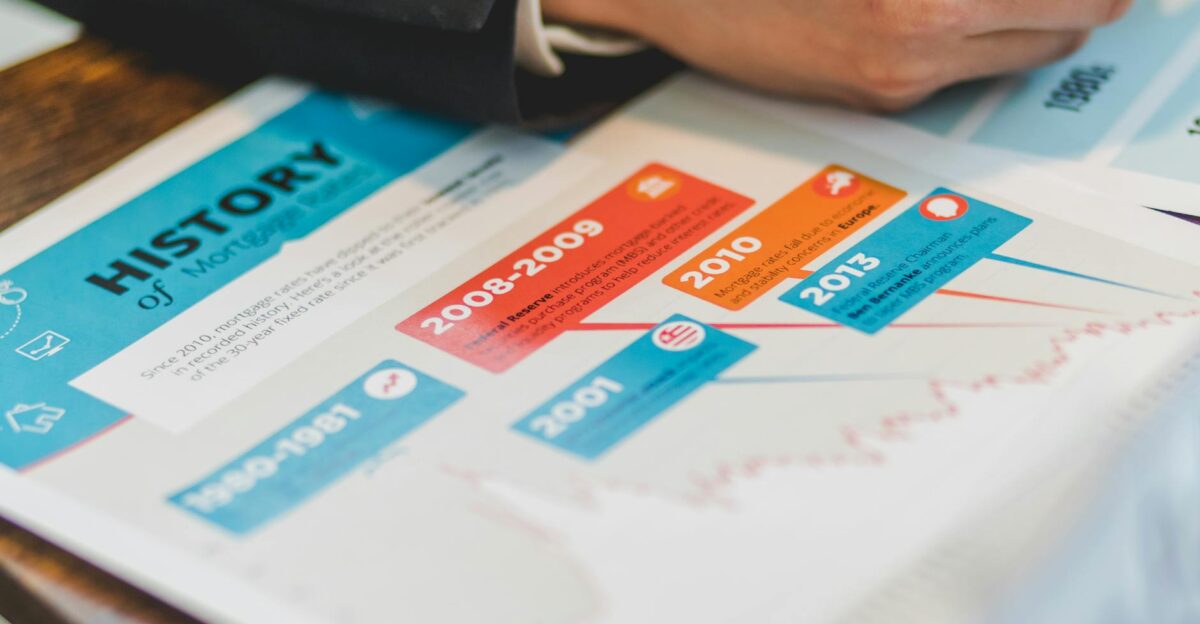
Recent International Monetary Fund (IMF) analysis reveals that the dollar’s share of global reserves has dropped to 56.32%, down from 57.79% in Q1 2025, marking its lowest level in decades. This decline, drawing attention to rival currencies like the euro and the Chinese yuan, reflects both currency valuation shifts and growing diversification in central bank holdings.
Financial analyst Emma Li highlights the trend: “We’re witnessing a pivotal moment that could redefine economic alliances.” The shifting balance raises concerns about future monetary stability and global economic health, setting the stage for shifting perceptions of the dollar.
Export Drops and Job Losses
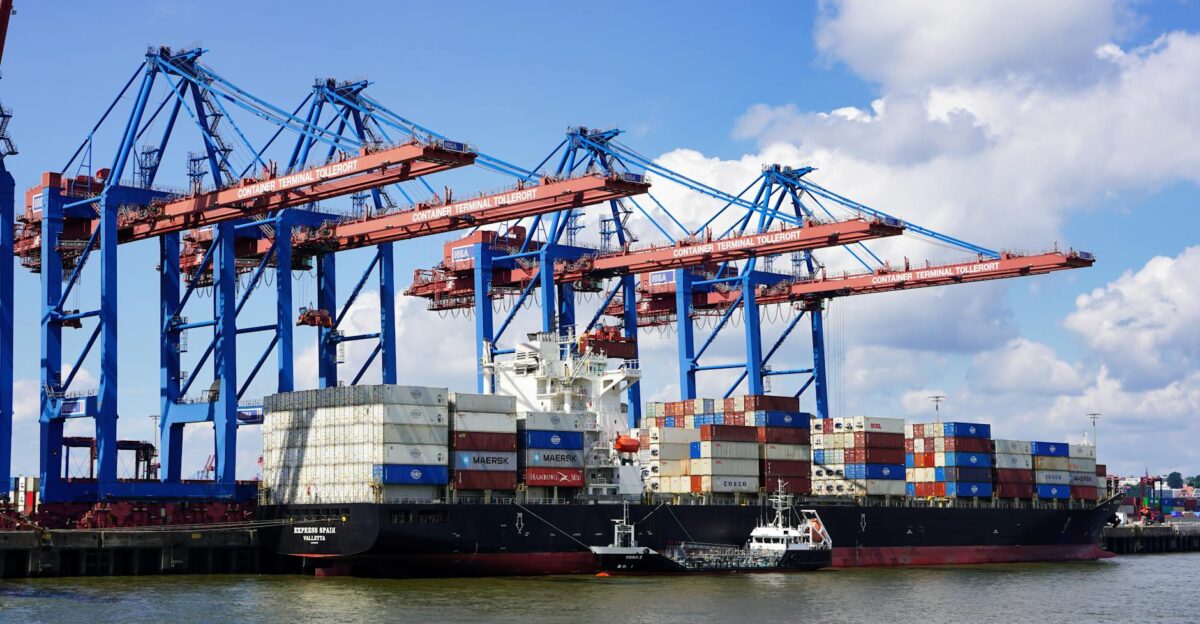
The shift toward local currency agreements has impacted U.S. exports to BRICS nations. The loss of manufacturing jobs is particularly pronounced in the Midwest, causing concerns about economic impacts in vital sectors.
Local farmer Tom McAllister laments, “My livelihood is at stake; if we can’t sell our goods, we struggle to survive.” The risk to employment in affected industries presents an urgent warning of the broader economic implications as trade patterns change.
Wall Street’s Reaction

In response to these challenges, Wall Street’s most significant hedge funds have begun employing hedging strategies and currency hedges against dollar exposure, protecting U.S. asset positions. These financial maneuvers signal investor caution and have raised questions about confidence in U.S. monetary policy among regulatory bodies.
Wall Street analyst Kevin Price states, “The response from hedge funds indicates a profound distrust in current U.S. monetary policy.” These strategic shifts reflect a serious concern over the dollar’s future, contributing to domestic and global volatility.
Emergency Treasury Measures
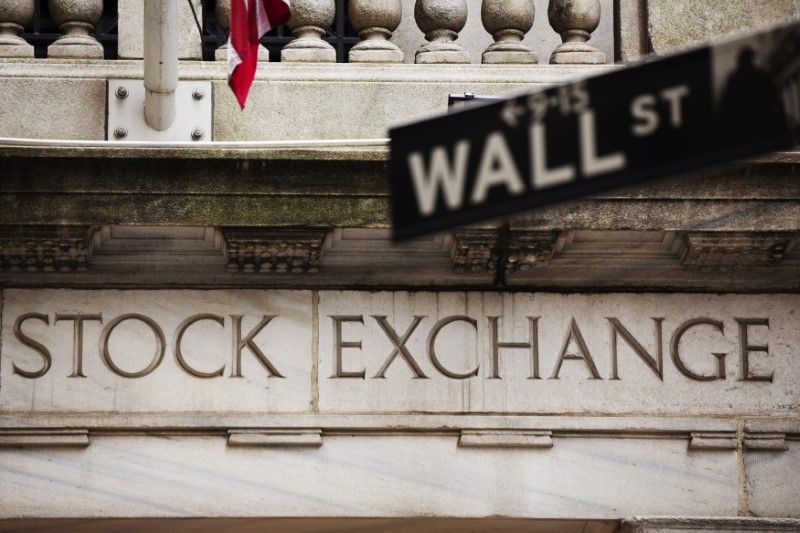
To restore confidence in the dollar, U.S. Treasury officials have promoted Series EE savings bonds. However, diminishing foreign demand signals deepening global distrust in U.S. financial strategies. Experts warn of rising financial vulnerabilities, with some pension funds and regional banks facing significant losses from declining dollar assets.
“The trust that once anchored our financial system is fading,” notes economist Richard Glass. This evolving climate requires new approaches to financial policy, aiming to alleviate mounting concerns over fiscal security.
Strategic Responses Emerge
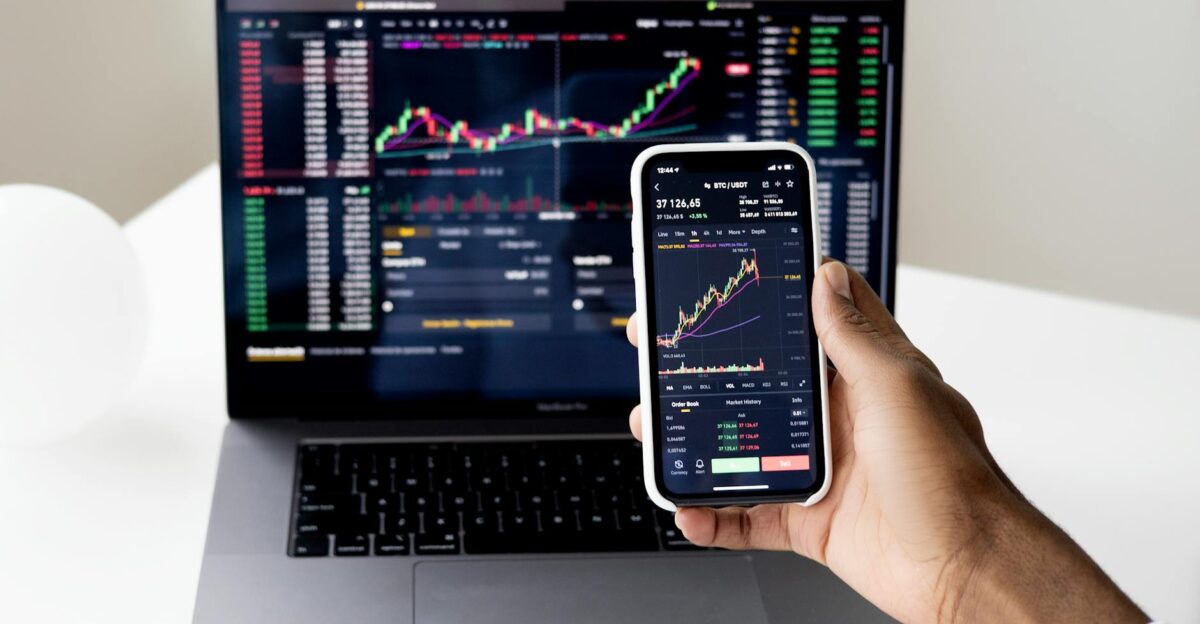
American policymakers are considering new capital controls and possible rate hikes to navigate these turbulent waters. The aim is to renegotiate trade terms to restore market confidence, yet experts caution that these measures may provide temporary relief.
“These band-aid solutions don’t address the root of the problem,” warns economist Laura Hargrove. The complexities of global finance demand innovative approaches to foster a more secure and stable economic environment, but the effectiveness of such measures remains to be seen.
Skepticism About the BRICS Payment Network
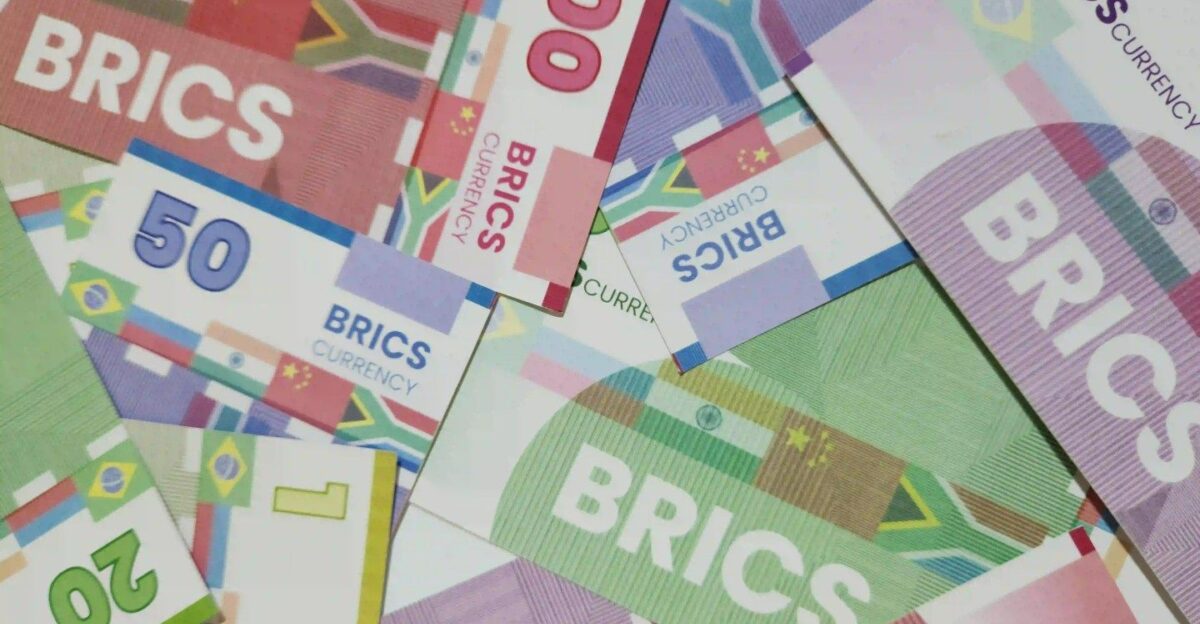
Despite the optimistic outlook surrounding the BRICS payment network, skeptics argue it remains in its infancy and depends on bilateral trust among member nations. According to JPMorgan analysts, “There’s no unified BRICS currency yet,” signifying the uphill battle for the bloc’s financial cohesion.
Until structural stability is established, reliance on traditional trade routes may continue. Investors and markets remain watchful, weighing the viability of this new system against established dollar-based practices that have long governed international transactions.
The Uncertain Future
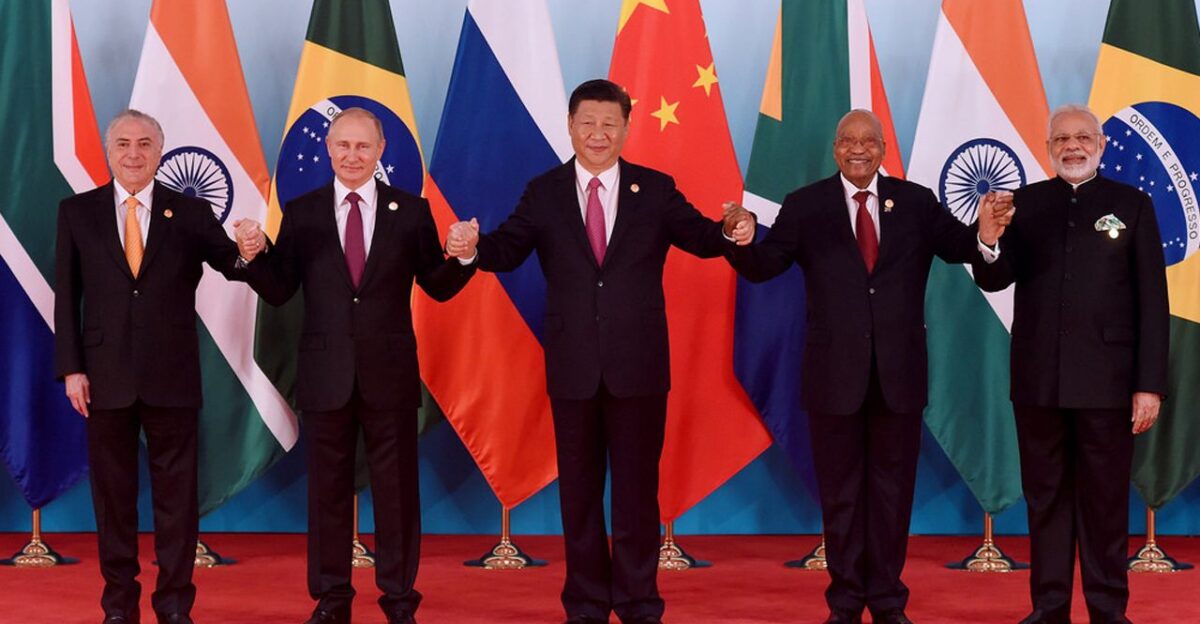
Financial experts are left to ponder whether America can reinvent its approach to global finance or face a fate similar to other past powers, such as post-war Britain.
Economic analyst Julia Roberts states, “The stakes have never been higher; we need strategic foresight.” As trade deals emerge, leaders grapple with the implications of shifting alliances, while the U.S. economy stands at a crossroads, uncertain of its path in a rapidly evolving global landscape.
Political Ramifications
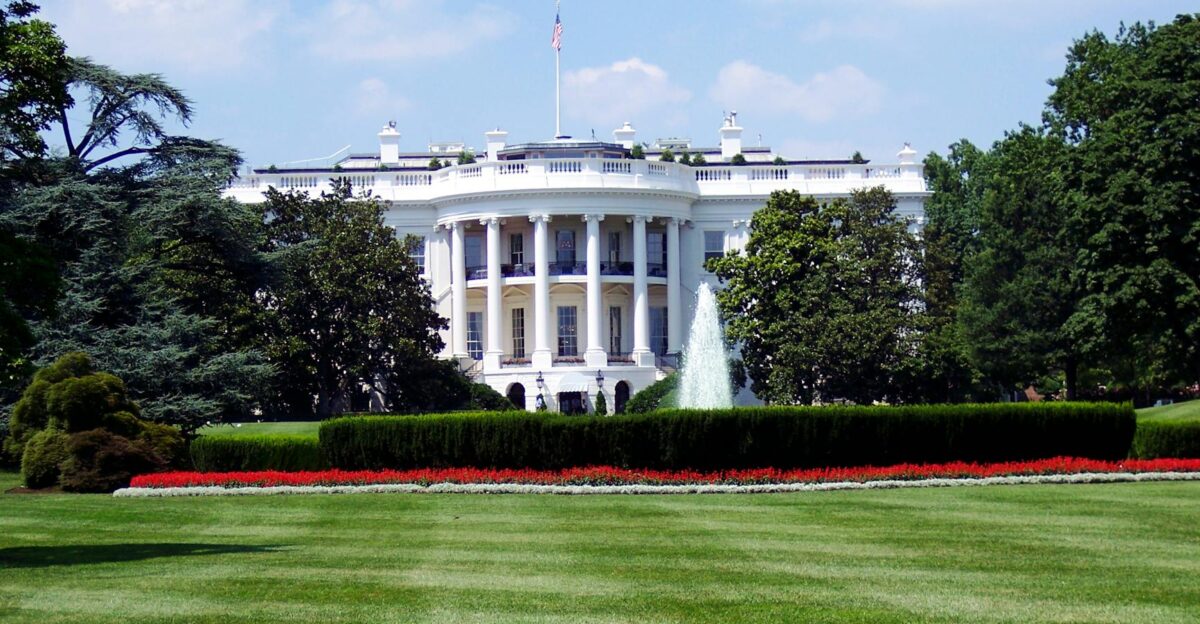
In Washington, the dollar’s decline has become a contentious political issue as presidential hopefuls engage in debates about tariffs, sanctions, and new alliances. Candidates are vying to defend U.S. economic interests amidst these global pressures.
Political analyst Mark Davis notes, “How policymakers respond now will shape the economic landscape for years.” The intersection of politics and finance creates a complex backdrop against which leaders will navigate ongoing challenges, seeking a balance between national interest and expanded international cooperation.
The Global Ripple Effect
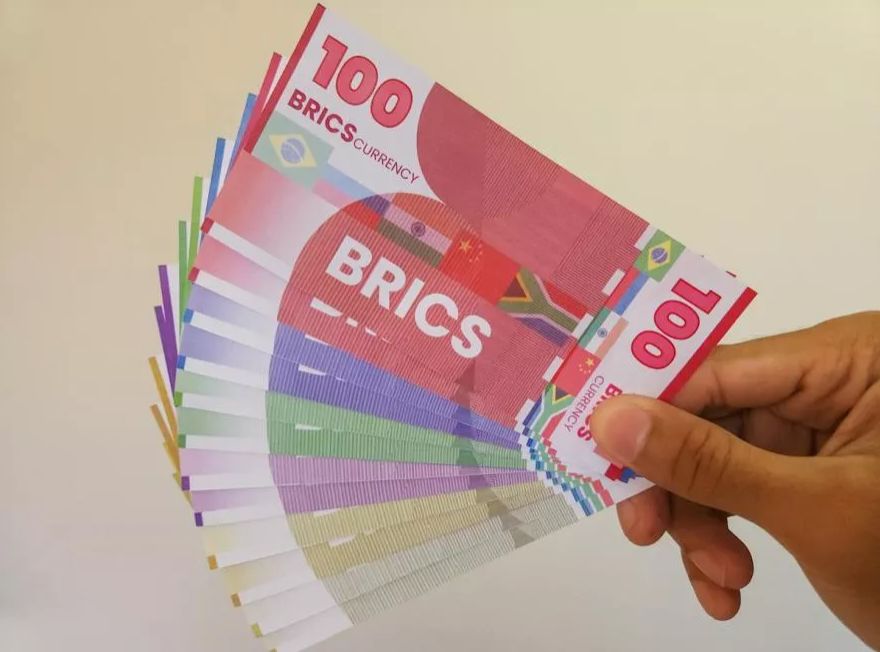
An increasing number of nations are now pursuing local currency trade with BRICS nations. This shift reflects a growing momentum toward alternative financial systems, fostering optimism among emerging economies about reducing dependence on dollar-based transactions.
Local businesswoman Priya Adhikari comments, “It’s liberating to engage without fearing dollar fluctuations.” The accelerated movement away from dollar-based systems signals a new era of economic relationships, with implications for trade dynamics and international partnerships.
Legal and Regulatory Developments
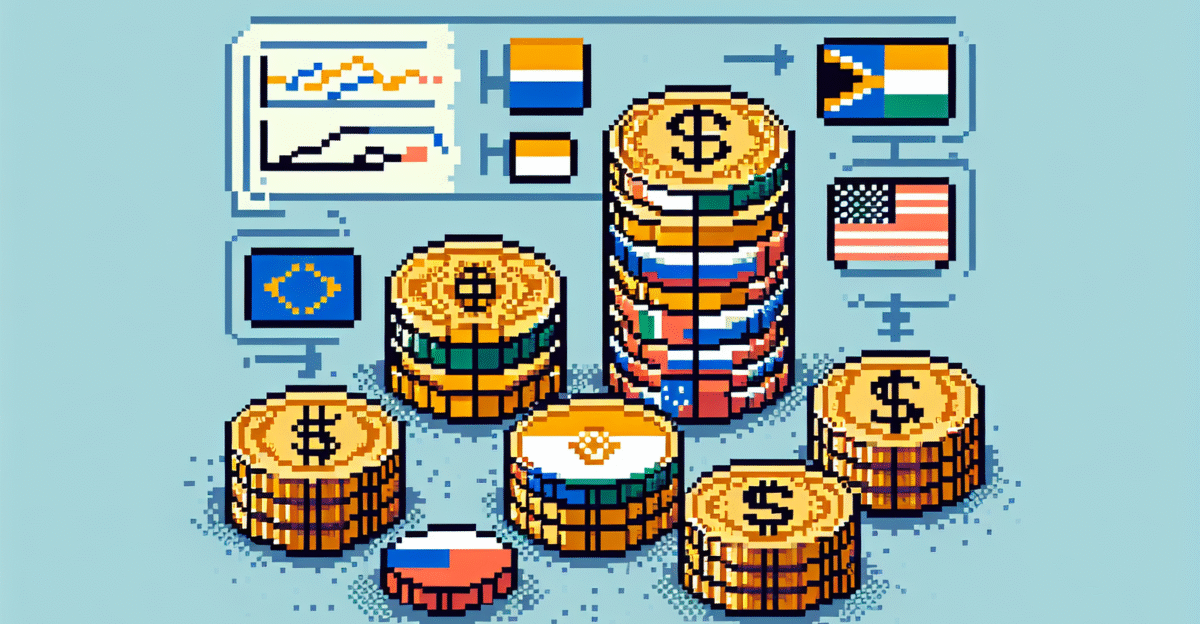
In light of these trends, IMF and World Bank officials advocate for new reserve accounting and settlement network standards. Establishing frameworks that accommodate the evolving global financial landscape is crucial for supporting emerging payment systems and currencies.
As legal expert Tom Richards articulates, “We need to create regulations that keep pace with the financial landscape to ensure stability.” These discussions underscore the necessity to adapt legal parameters amid expanding trade networks and shifting currency practices.
Resilience and Adaptation
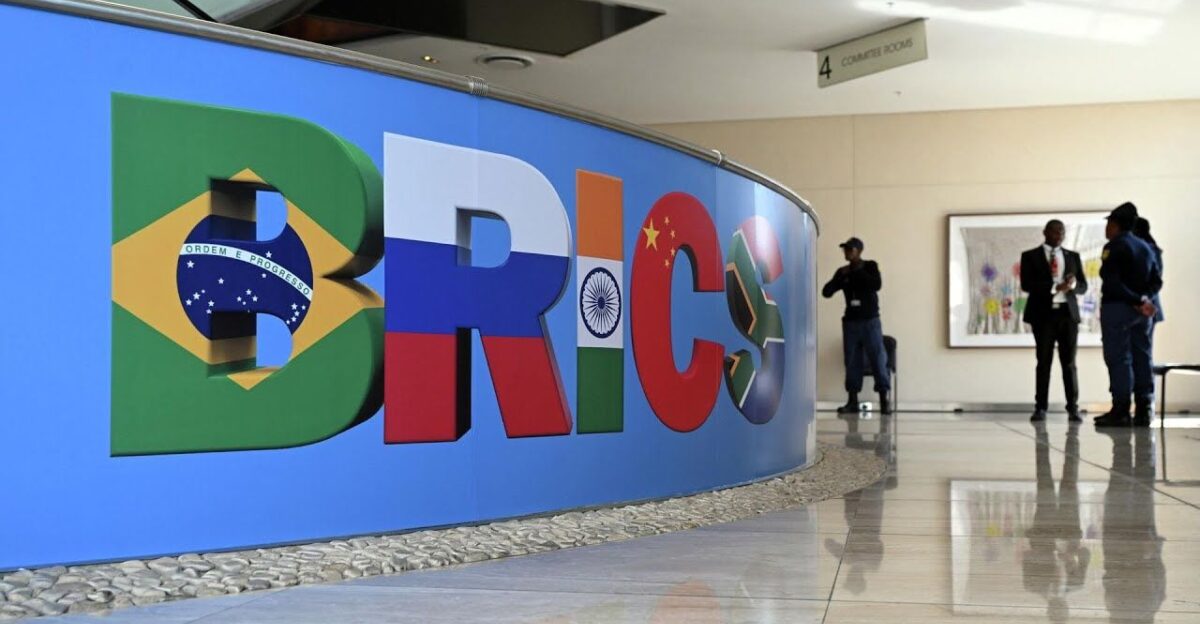
Countries must prioritize resilience and adaptation to navigate this new financial era successfully. Collaborative strategies that promote stability, innovation, and economic growth will be essential for sustaining prosperity in an increasingly competitive landscape.
“We must learn from our challenges and come together to forge new partnerships,” emphasizes international relations expert Linda Baxter. As nations ponder their next moves, the integration of vision and cooperation holds the key to thriving amidst uncertainty.
Facing a New Frontier
The dollar’s future remains in flux as the world grapples with the evolving economic landscape. The shift toward alternative currencies presents challenges and opportunities, prompting nations to reevaluate their roles on the global stage.
As economist Alan Marsh concludes, “How we respond today will determine tomorrow’s financial legacy.” The resonance of these developments extends far beyond borders, shaping the economic fabric of societies worldwide. The journey ahead will require adaptability, foresight, and collaboration as the world steps into a new financial frontier.