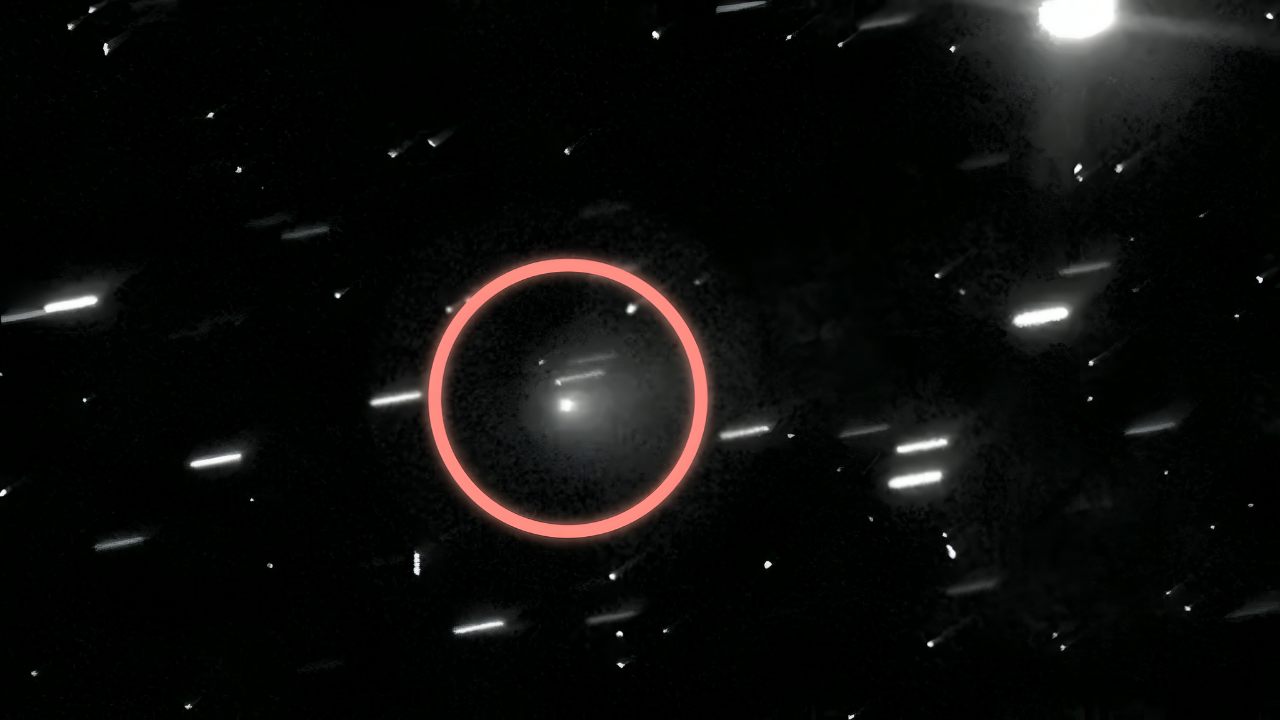
NASA’s James Webb Space Telescope (JWST) confirmed unprecedented chemical signatures from interstellar comet 3I/ATLAS, discovered July 1, 2025 by the ATLAS telescope in Chile. JWST’s August 6, 2025 NIRSpec observations revealed a record-breaking CO₂-to-H₂O ratio of about 8:1, the highest ever measured in any comet.
With water comprising only ~5% of gas output, the object demonstrates extreme CO₂ dominance. Its hyperbolic trajectory (eccentricity ~6.14) confirms 3I/ATLAS will never return, matching predictions of NASA’s “3I/ATLAS Theory.”
Discovery Timeline

ATLAS detected 3I/ATLAS at magnitude ~18 while it was 4.5 AU from the Sun, with pre-discovery images from ZTF extending back to June 14, 2025. Follow-up observations confirmed an inbound speed of ~61 km/s and a faint coma.
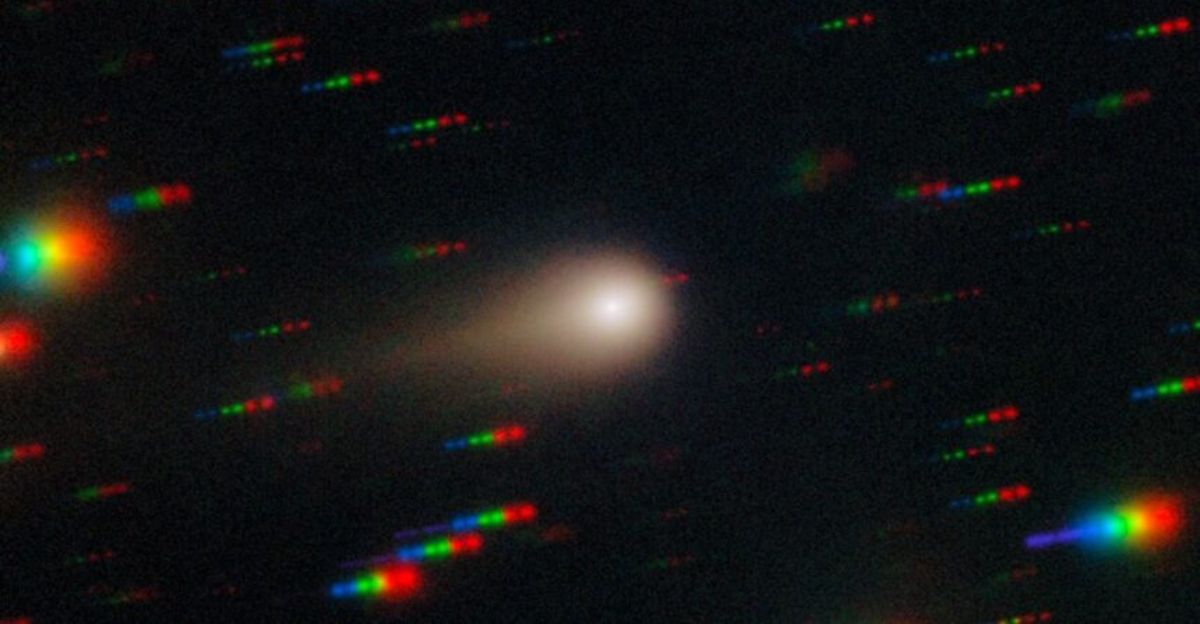
By early July, international observatories validated the hyperbolic orbit, making it only the third confirmed interstellar object after ʻOumuamua and Borisov. JWST captured full near-infrared spectra on August 6, revealing its extreme CO₂-rich chemistry.
Historical Context
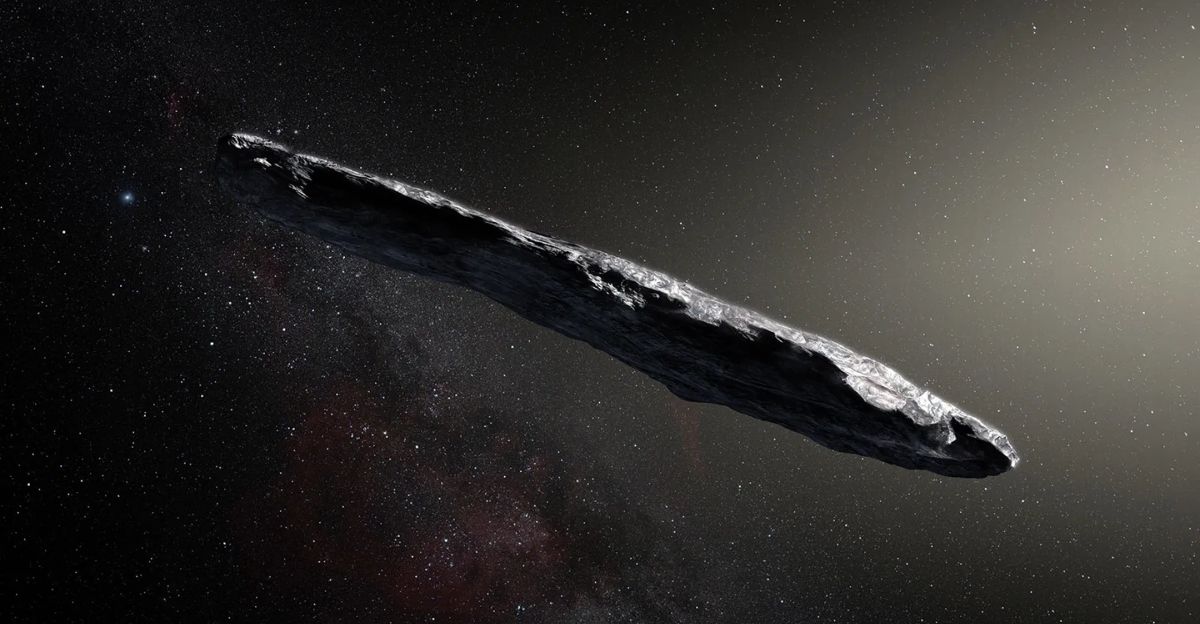
Interest in interstellar objects surged after 1I/ʻOumuamua (2017) and 2I/Borisov (2019). Unlike those earlier visitors, 3I/ATLAS is larger, more active, and chemically more anomalous, offering the deepest multi-wavelength dataset yet obtained for an interstellar comet.
Its extreme eccentricity and inbound velocity confirm it is unbound to the Sun. The object arrives from the direction of Sagittarius, near the Milky Way’s center, providing rare insights into primordial material formed far from our solar system.
JWST Breakthrough Data
JWST’s NIRSpec instrument measured production rates of approximately 129 kg/s of CO₂, 6–7 kg/s of H₂O, ~14 kg/s of CO, and detectable OCS. The spectra show a coma dominated by CO₂ rather than water—an inversion of normal comet behavior.
This activity occurred at 3.32 AU, unusually far for such strong emissions. JWST also detected nickel vapor without corresponding iron signatures, an unexpected result given typical cometary metal correlations.
Orbital Dynamics
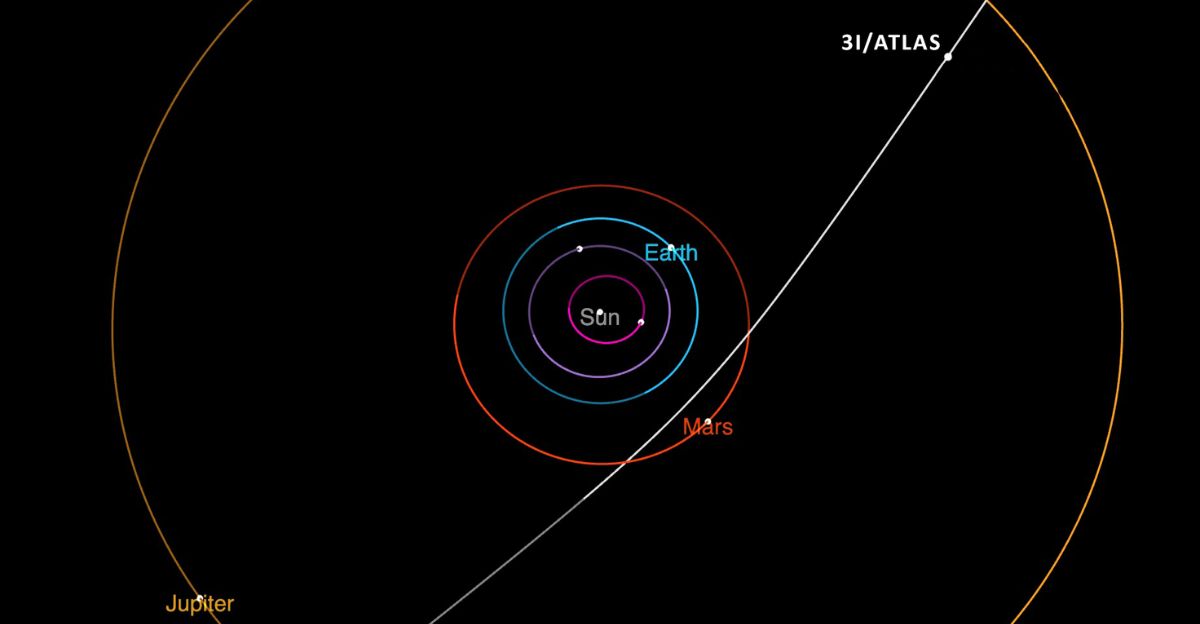
3I/ATLAS follows a steep hyperbolic orbit with eccentricity ~6.14, confirming it is not gravitationally bound to the Sun. Its retrograde orbit approaches the ecliptic within ~5°, and it will reach perihelion on October 29–30, 2025, at 1.36 AU.
The comet moves at over 130,000 mph (≈61 km/s) and exhibits measurable non-gravitational acceleration from outgassing. It passes ~28 million km from Mars on October 3 and poses zero threat to Earth.
Compositional Anomalies
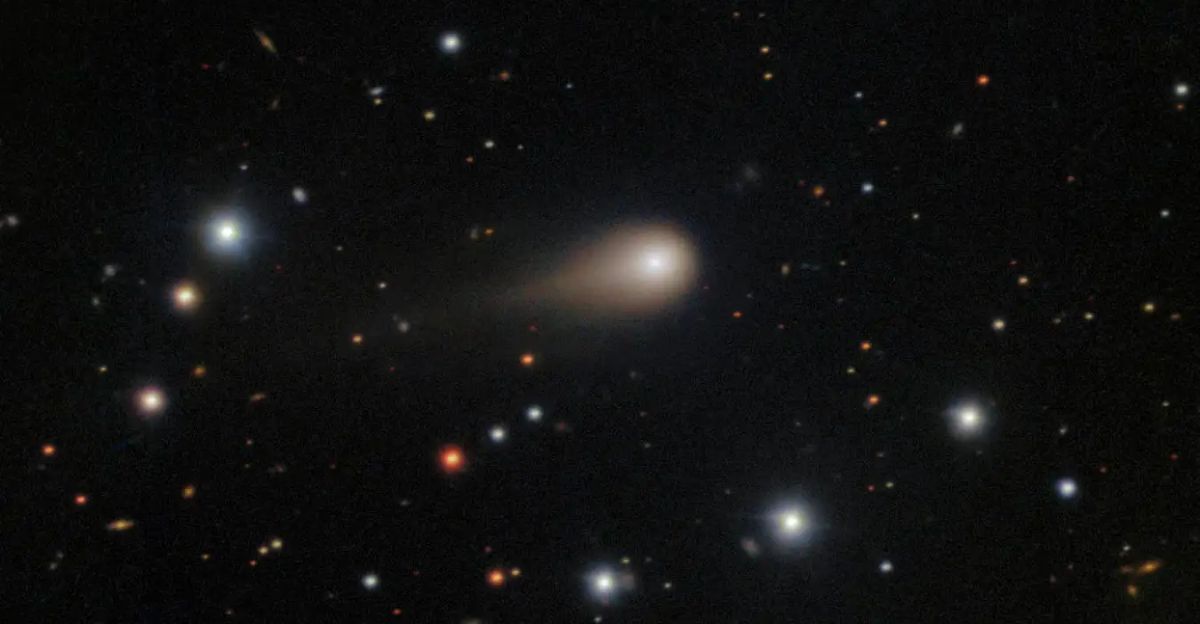
Multiple observatories confirmed that 3I/ATLAS is severely water-depleted relative to CO₂. Its 8:1 CO₂/H₂O ratio is 4.5 standard deviations above known comet trends and the highest ever recorded.
Observers also detected hydrogen cyanide, CO, OCS, dust, and a strong nickel emission line without matching iron—an unusual chemical imbalance. These measurements support models of radiation-processed ices, consistent with billions of years of cosmic-ray exposure in interstellar space.
Origin and Age Evidence
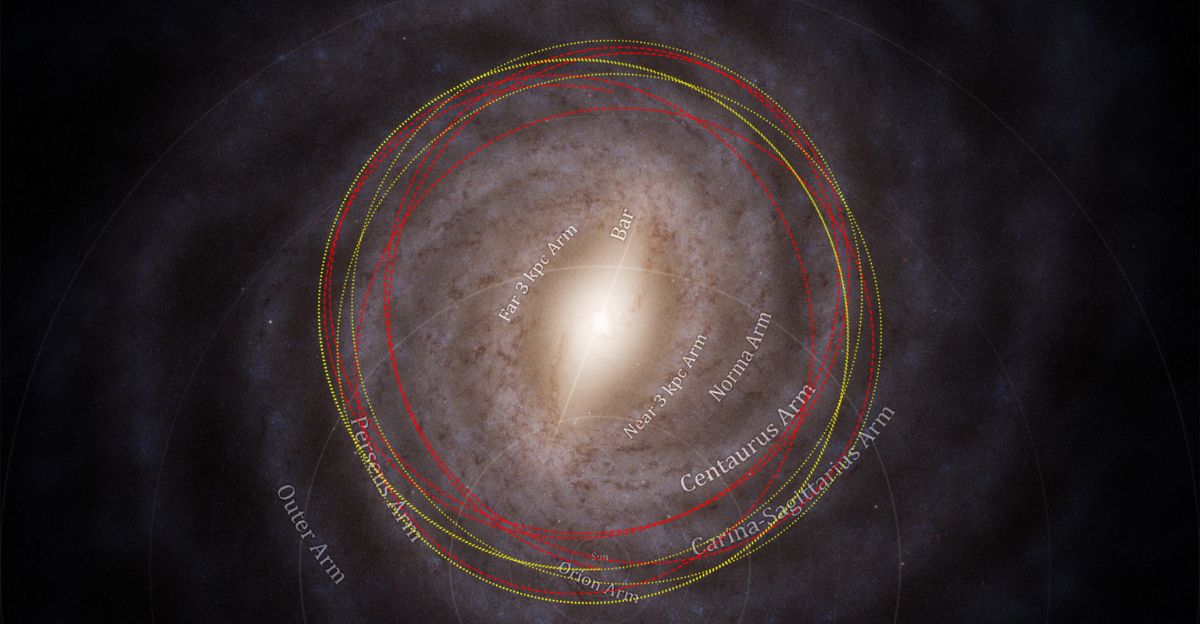
Dynamical models indicate 3I/ATLAS originated in the Milky Way’s thick disk, a population of ancient stars often exceeding 10 billion years in age.
Studies estimate the comet itself is likely ~7 billion years old, with a plausible range of 3–11 billion years—older than our 4.5-billion-year-old solar system. Its trajectory cannot be traced to a single parent star due to millions of years of gravitational interactions, but its motion strongly supports a thick-disk origin.
Current Trends in Study
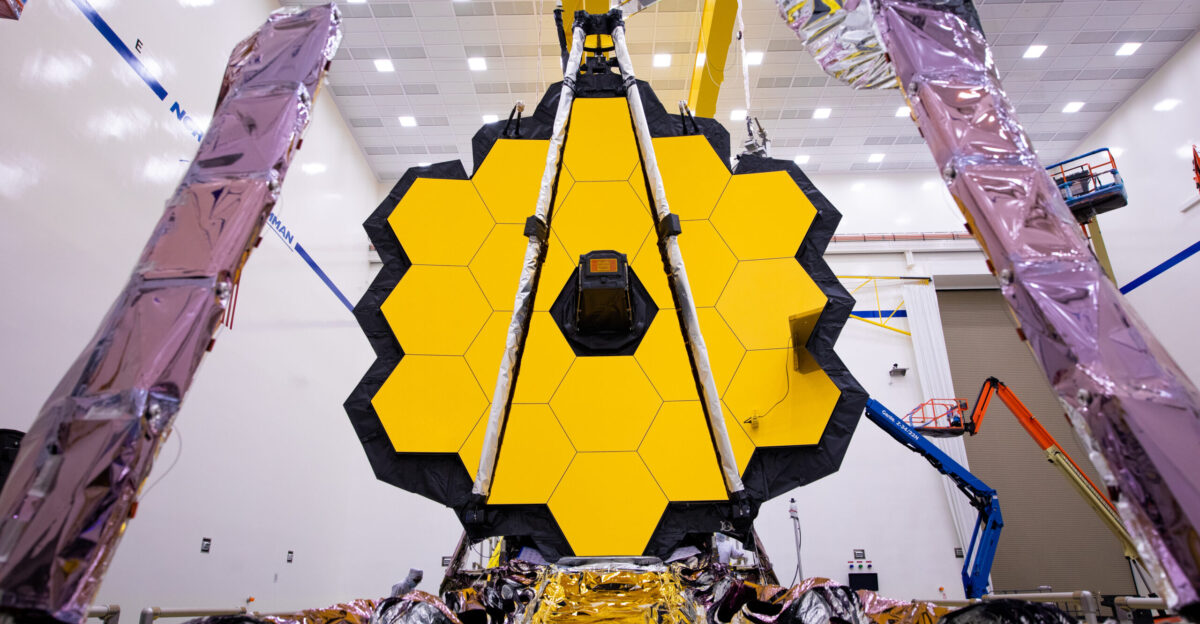
International teams are conducting coordinated follow-up using Hubble, JWST, Mars orbiters, Gemini, SPHEREx, and major ground observatories. Activity was detected even at 6.4 AU, far beyond typical water-driven sublimation.
Post-perihelion campaigns in late 2025 and early 2026 will monitor fading gas emissions, sulfur species, and dust evolution. 3I/ATLAS is now among the most comprehensively observed interstellar objects ever studied.
Challenges to Conventional Views
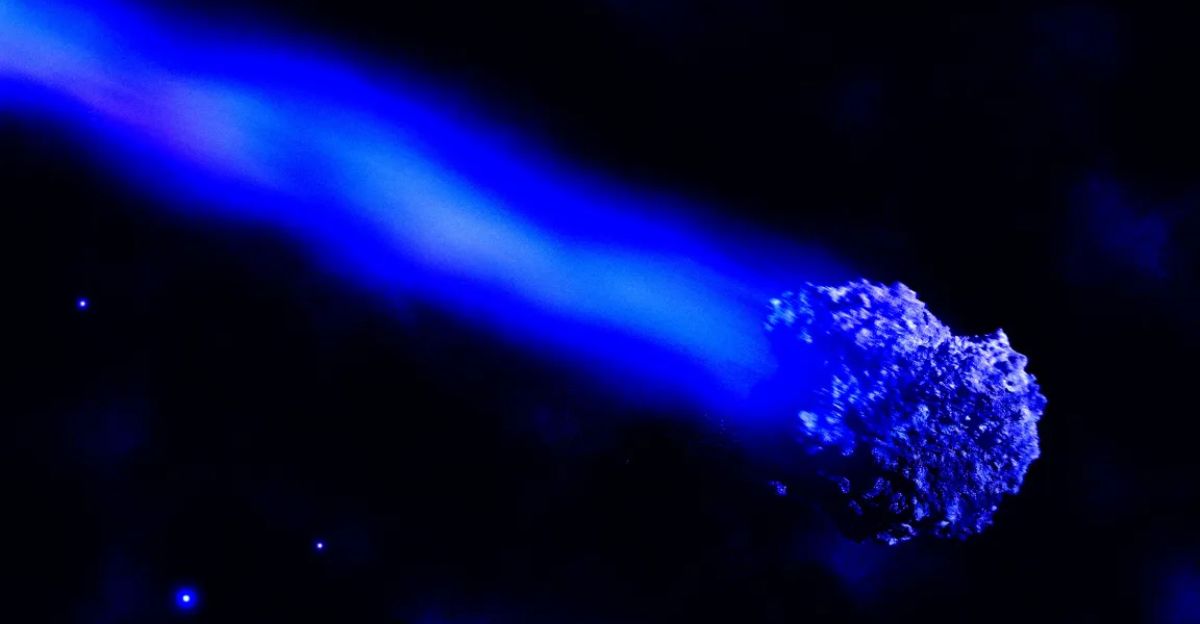
3I/ATLAS challenges long-standing assumptions about comet chemistry. Standard models predict water-dominated outgassing, but the object is overwhelmingly CO₂-rich. Some researchers argue that water may be trapped beneath a radiation-altered crust, suppressing release.
Others note that its extreme CO₂ fraction suggests formation in a region where CO₂ ice was abundant. While alternative interpretations exist, no evidence supports artificial origin claims, and the object’s behavior matches natural comet physics.
Verified JWST Spectra Facts
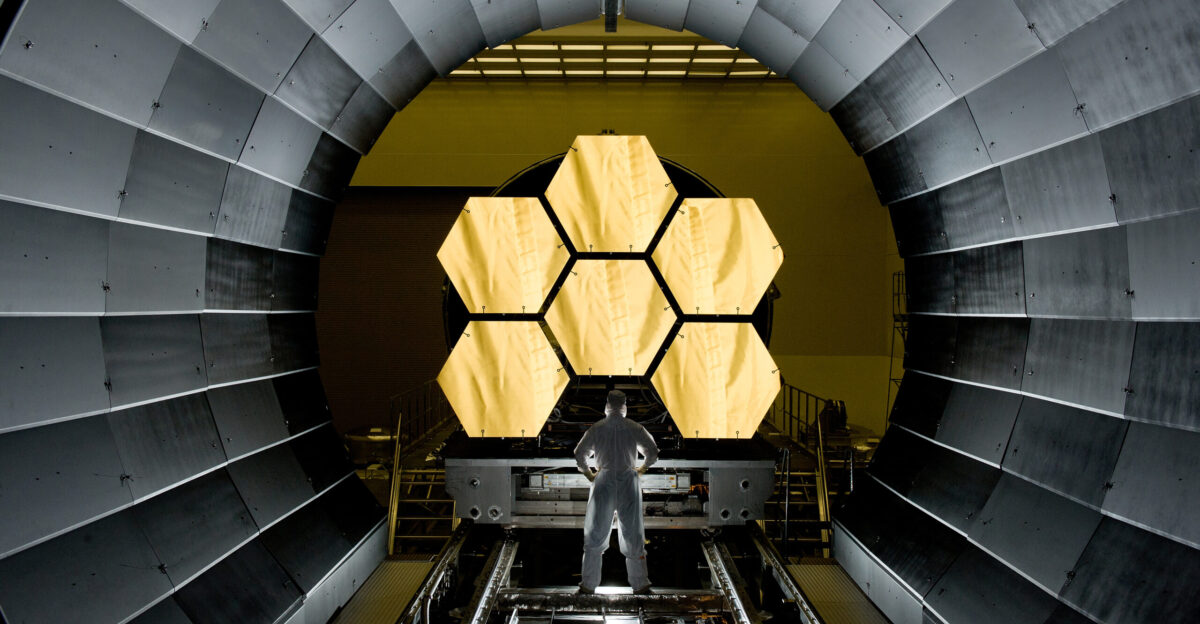
JWST’s spectra covered 0.6–5.3 μm, clearly separating CO₂, H₂O, CO, and OCS emissions. The CO₂ peak dominated the sunward-facing side of the coma, consistent with jets driven by CO₂ sublimation. Dust scattering signatures indicated micron-scale grains released at significant rates.
JWST confirmed activity well beyond the water snow line, reinforcing that CO₂—not water—drives the comet’s behavior at large heliocentric distances.
Nucleus Size Constraints
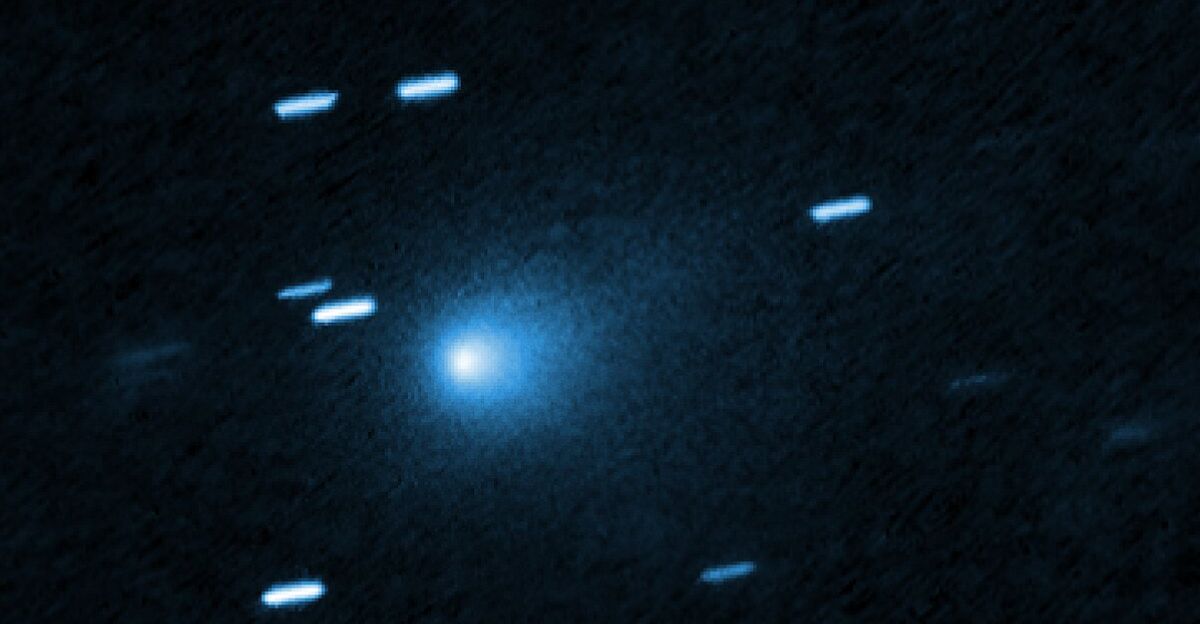
Hubble observations on July 21, 2025 constrained the nucleus diameter to between ~0.32 km and 5.6 km. Dynamical models and dust production suggest a mass of at least 33 billion tons, comparable to the largest small-body estimates among interstellar visitors.
No major outbursts have been observed—its brightening has been steady, consistent with predictable sublimation rather than episodic events.
Gas Emission Rates
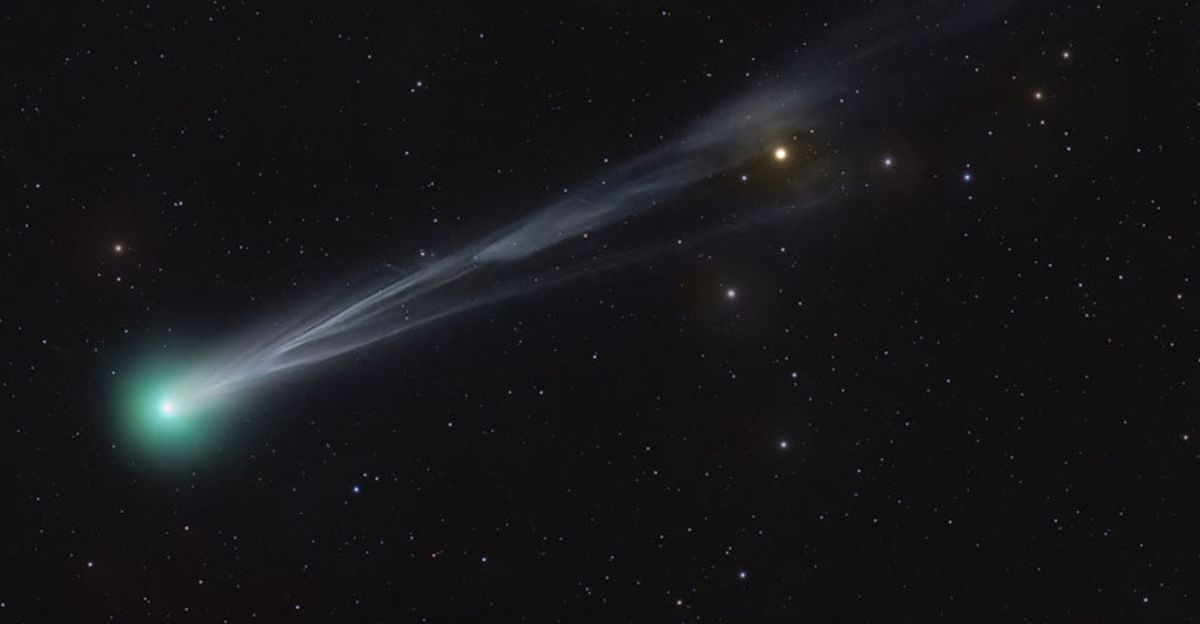
Ground-based spectroscopy measured CN production between ~1.5–4.5 × 10²⁵ molecules per second, consistent with a low but measurable cyanide output. Nickel emissions were confirmed without iron, matching JWST findings.
Typical cometary carbon-chain species such as C₂ and C₃ were extremely depleted or undetected. Water-linked OH detections remained weak, reinforcing that water is a minor volatile in 3I/ATLAS.
Trajectory Milestones
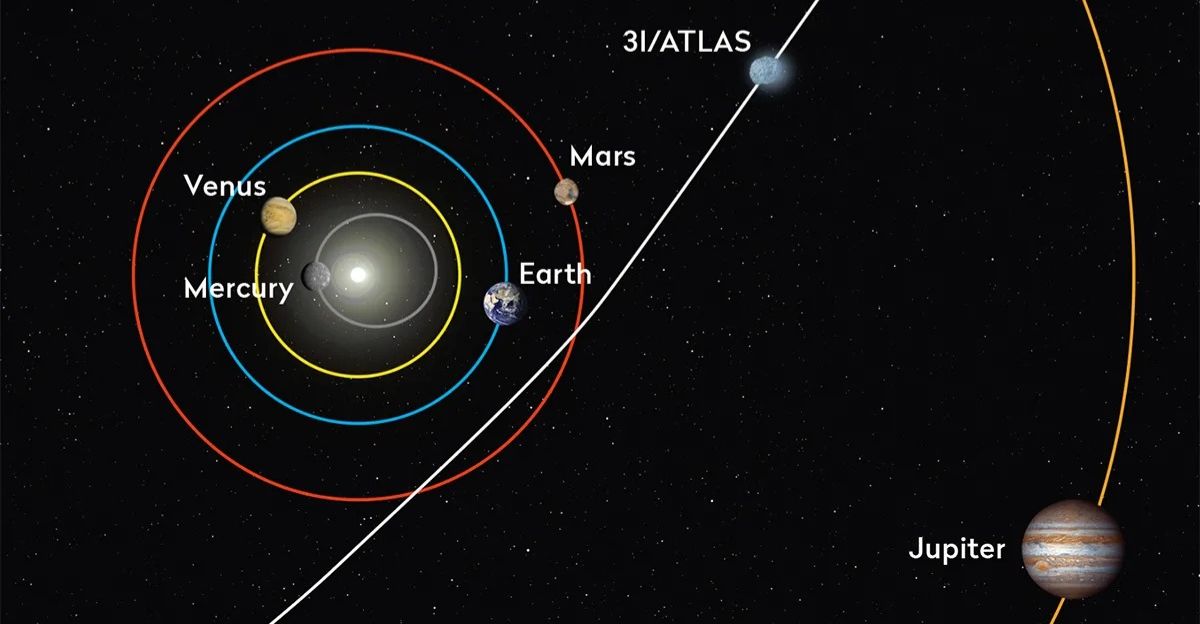
Key events include the Mars flyby at ~28 million km on October 3, 2025, perihelion on October 29–30, and closest approach to Earth at 1.8 AU on December 19, 2025. Its maximum solar-system speed near perihelion is ~68 km/s.
Because it passed behind the Sun as viewed from Earth near perihelion, ground observatories temporarily lost direct observation before reacquiring the comet weeks later.
Coma and Tail Evolution
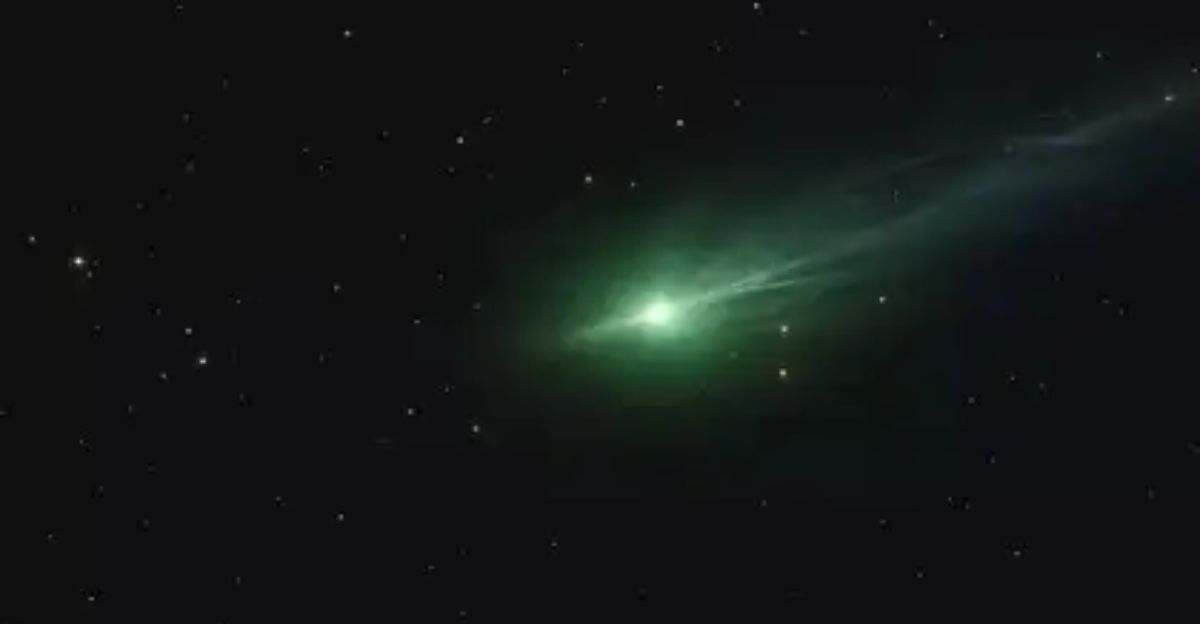
Imaging throughout July–September 2025 shows 3I/ATLAS developing a large, asymmetric coma tens of thousands of kilometers across.
The tail reached over 100,000 km in length. Unusual sunward-directed jets were observed, consistent with CO₂-driven outgassing rather than water sublimation. Dust appeared reddish, suggesting complex organic materials similar to those seen in many outer-solar-system objects.
Multi-Wavelength Verifications
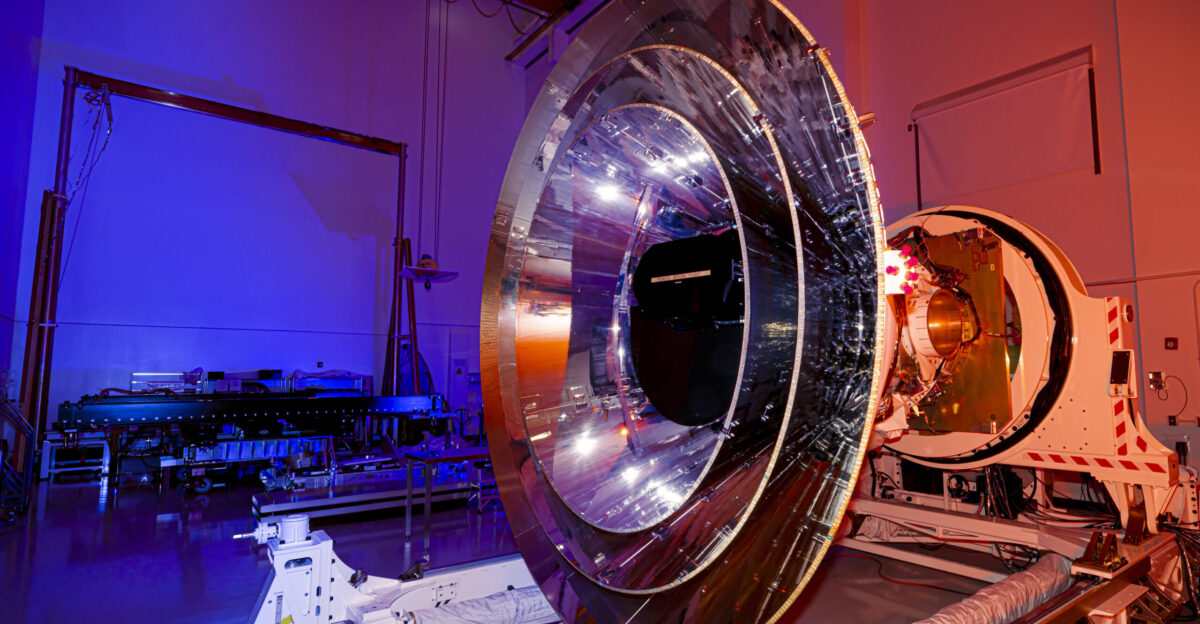
SPHEREx confirmed the extended CO₂ coma, Gemini South imaged dust structures, and TESS precovery data detected activity at unusually large distances in May 2025.
Hubble’s ultraviolet campaign is analyzing sulfur-bearing compounds, while infrared observatories continue to track fading emissions. All measurements corroborate that 3I/ATLAS is a natural comet exhibiting extreme but explainable chemical properties shaped by long-term interstellar exposure.
Dynamical Verification
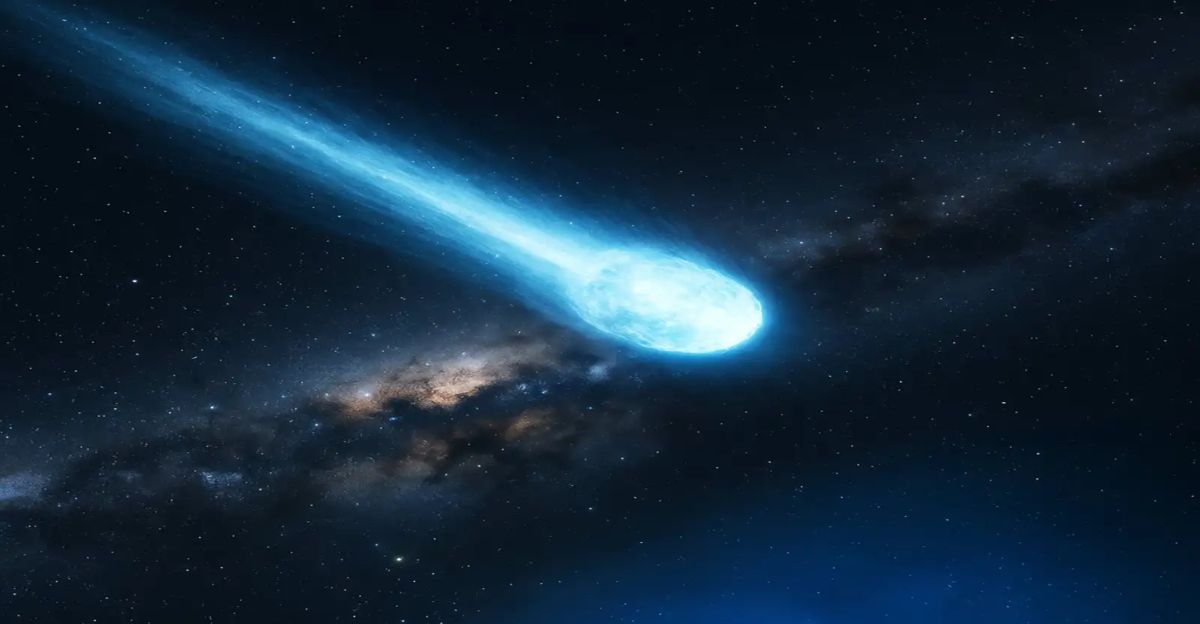
The comet’s extremely high eccentricity and inbound velocity confirm it originated from outside the solar system. Non-gravitational accelerations—consistent with jets and mass loss—were incorporated into refined orbit models.
No planetary encounters can explain its hyperbolic excess speed of ~58 km/s. Dynamical backtracking places its origin in the thick-disk population, consistent with its estimated multibillion-year age.
Ice Processing Evidence
Models show that billions of years of cosmic-ray bombardment can produce a 15–20 meter radiation-altered crust, matching estimates for 3I/ATLAS.
This layer can modify surface chemistry, suppress water release, and enhance CO₂-driven jets. Its high CO₂ fraction and depleted water are consistent with formation near the CO₂ ice line of its original star system or with extensive interstellar irradiation over geological timescales.
Observational Network Facts
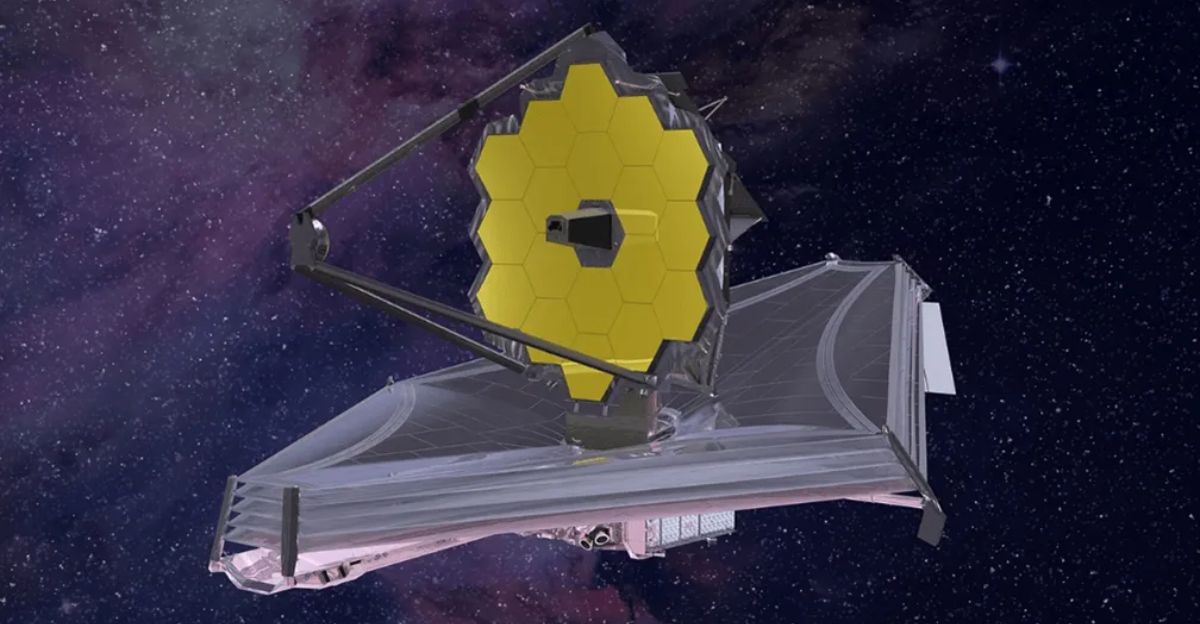
Over 50 professional observatories and numerous space-based missions contributed data. The Minor Planet Center logged more than 100 observations during the inbound phase.
Wide-field surveys including the Vera Rubin Observatory recovered earlier images, improving orbit precision. NASA confirmed the comet’s hyperbolic escape trajectory and absence of Earth impact risk, while amateur astronomers with 20 cm or larger telescopes captured images during peak brightness.
Age Modeling Details
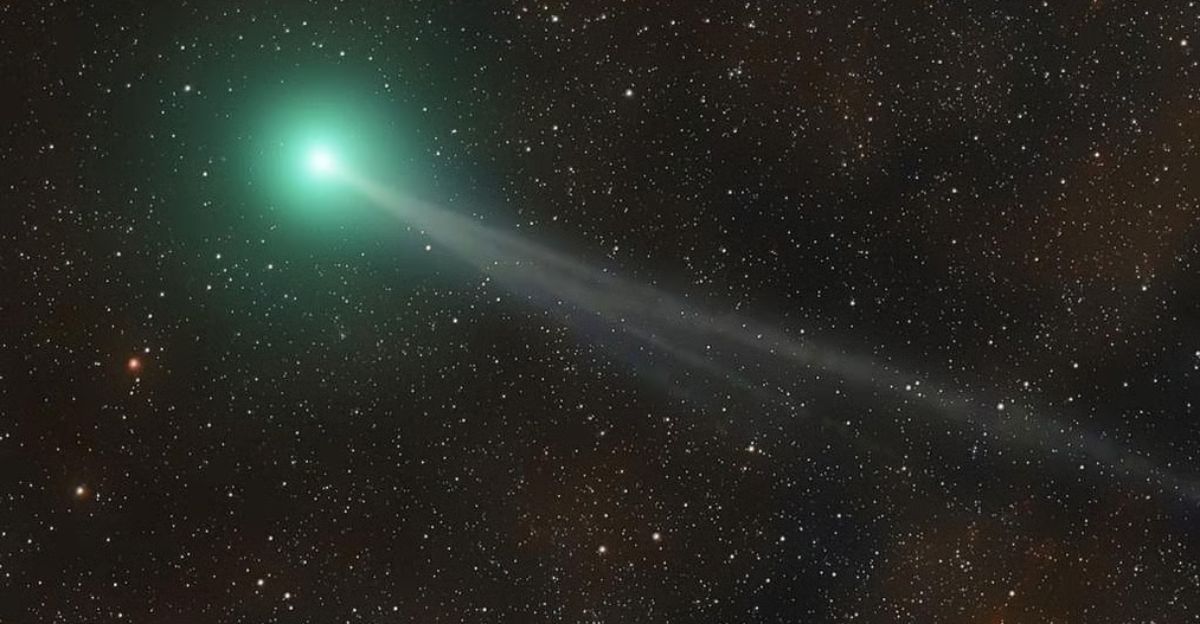
Age estimates rely on orbital kinematics and thick-disk membership probabilities. Studies place the comet’s likely age near 7 billion years, potentially older than the Sun itself.
Models accounting for galactic stellar encounters show that its path cannot be linked to any single star over the past several million years. Its survival over such timescales highlights its significance as a primordial remnant of early Milky Way history.
Theory Confirmed Implications
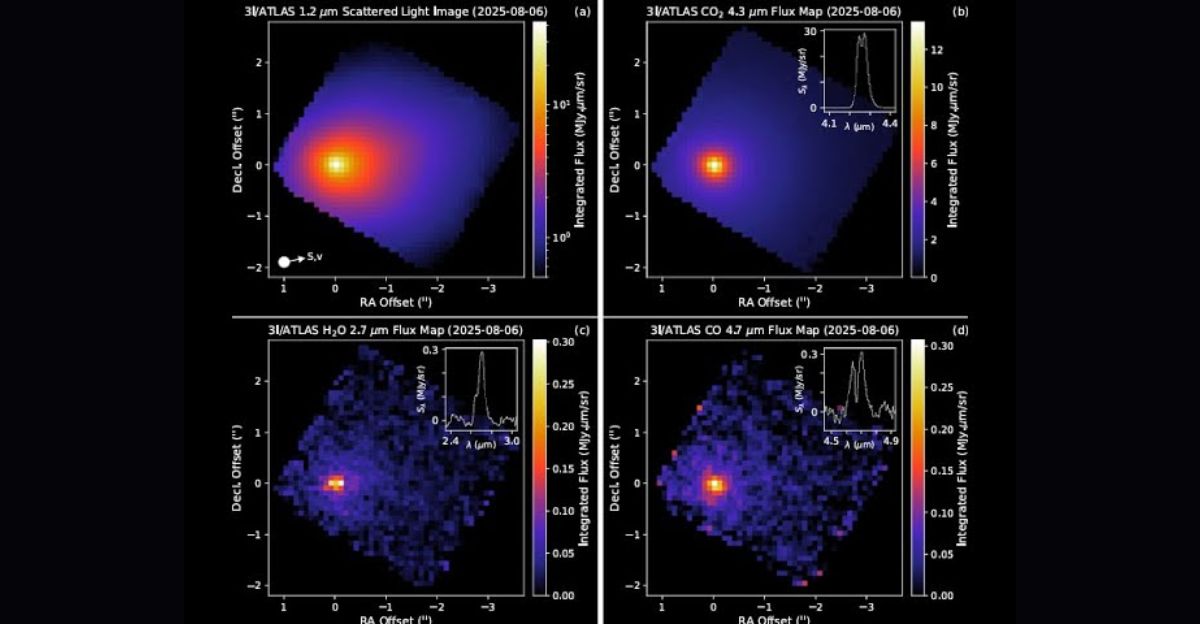
JWST’s measurement of the highest CO₂/H₂O ratio ever recorded in a comet strongly supports NASA’s 3I/ATLAS Theory: that interstellar objects from ancient stellar populations can carry radically different volatile compositions shaped by their birth environments and cosmic-ray processing.
As survey telescopes improve, astronomers expect to detect more interstellar visitors, offering rare windows into planet-forming chemistry from across the galaxy. 3I/ATLAS is now a cornerstone in understanding interstellar comet diversity.
Sources:
- JWST detection of a carbon dioxide dominated gas coma in interstellar comet 3I/ATLAS (arXiv, 2025-08-24)
- 3I/ATLAS Facts and FAQs (NASA Science, 2025-11-12)
- Indian, NASA experts confirm 3I/ATLAS is a ‘comet’, rule out alien ship theory (Times of India, 2025-11-20)