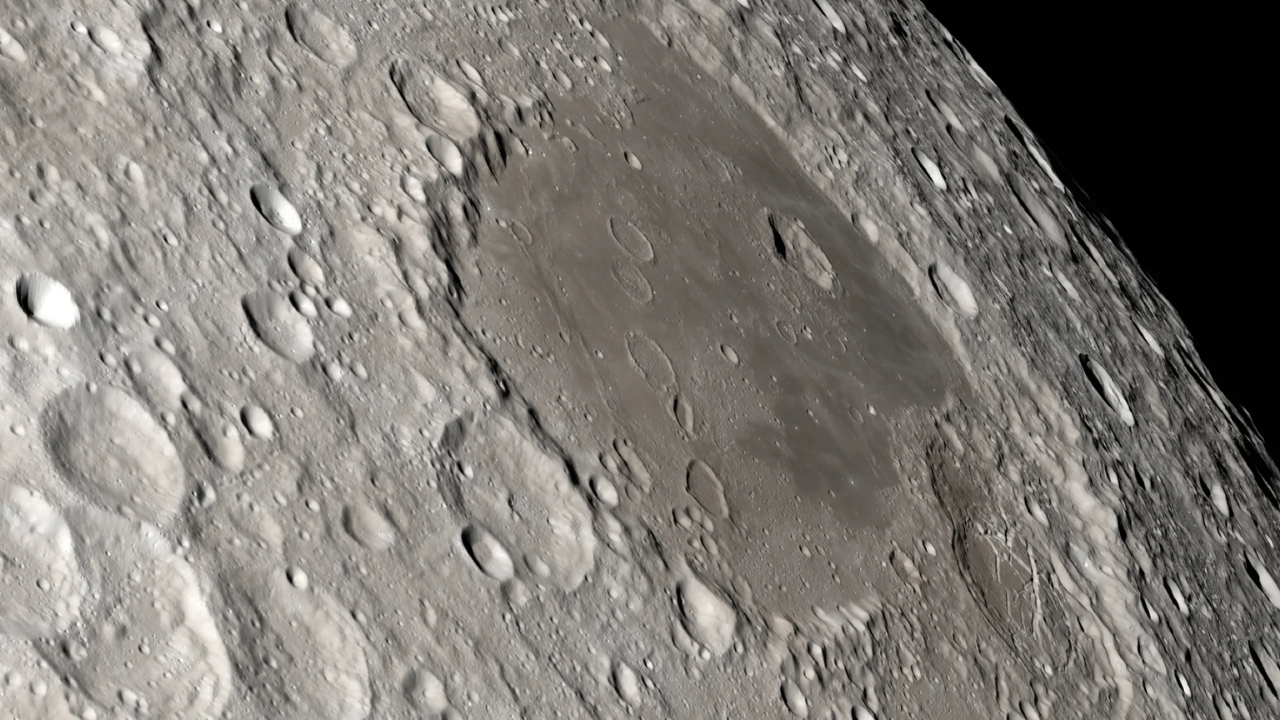
In April 2024, India’s space agency ISRO revealed a discovery that could reshape the future of lunar exploration: the Moon contains far more accessible water ice than previously believed. Using advanced radar data from the Chandrayaan-2 mission, scientists identified vast subsurface ice deposits—five to eight times greater than what’s visible on the surface—buried just two meters below the lunar regolith. This breakthrough shifts the conversation about lunar colonization from speculation to practical engineering, igniting a wave of activity among space agencies, private companies, and investors worldwide.
Mapping the Moon’s Hidden Water

The discovery stems from a five-year collaboration between ISRO, NASA’s Jet Propulsion Laboratory, IIT Kanpur, and the University of Southern California. Chandrayaan-2’s Dual Frequency Synthetic Aperture Radar (DFSAR) collected nearly 1,400 datasets, enabling researchers to map the Moon’s polar regions at an unprecedented 25-meter resolution. This detailed mapping revealed patterns of subsurface ice that had eluded earlier missions.
Scientists traced the origins of this water to ancient volcanic activity, which released water vapor billions of years ago. This vapor settled in the Moon’s permanently shadowed polar craters, where it froze and remained undisturbed for eons. The accumulation of high-resolution data transformed theoretical models into concrete evidence, confirming that significant water resources are locked just beneath the lunar surface.
A Surprising Polar Divide
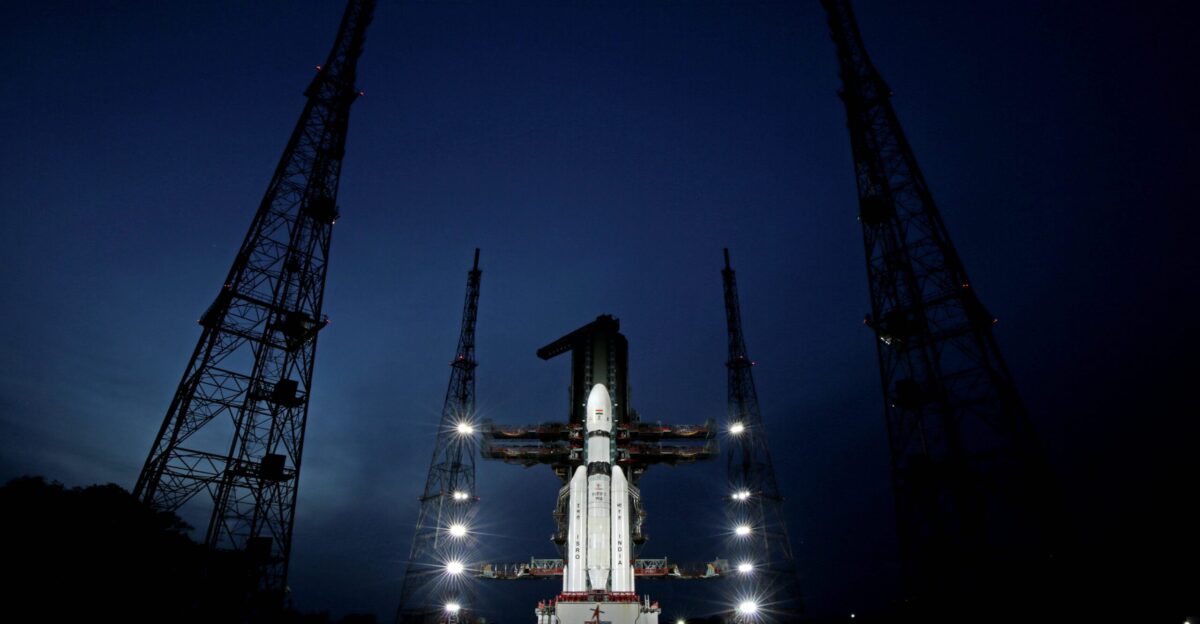
One of the most striking findings is the asymmetry between the Moon’s poles. Contrary to longstanding assumptions of symmetry, the northern polar region contains twice as much water ice as the south. Researchers attribute this to differences in volcanic history and crater geometry, which favored ice preservation in the north.
This revelation has immediate implications for mission planning. NASA’s Artemis program, which had targeted the lunar south pole for its upcoming crewed missions, began reassessing its strategy. Future lunar bases and resource extraction efforts are now likely to focus on the north pole, prompting engineers to rethink landing sites, habitat designs, and infrastructure placement. The discovery of this polar divide has fundamentally altered the blueprint for humanity’s return to the Moon.
International Collaboration and Attribution
While ISRO led the investigation and published the peer-reviewed findings, NASA played a key role by contributing data from its Lunar Reconnaissance Orbiter. This partnership integrated information from seven different instruments, including radar, laser, optical, and spectrometer sensors, to build a comprehensive picture of lunar water distribution.
Media coverage sometimes blurred the lines of attribution, with headlines crediting NASA for the discovery. In reality, the breakthrough was the result of close international cooperation, reflecting a broader trend in space science where major advances increasingly depend on shared expertise and resources.
Economic and Strategic Ripples
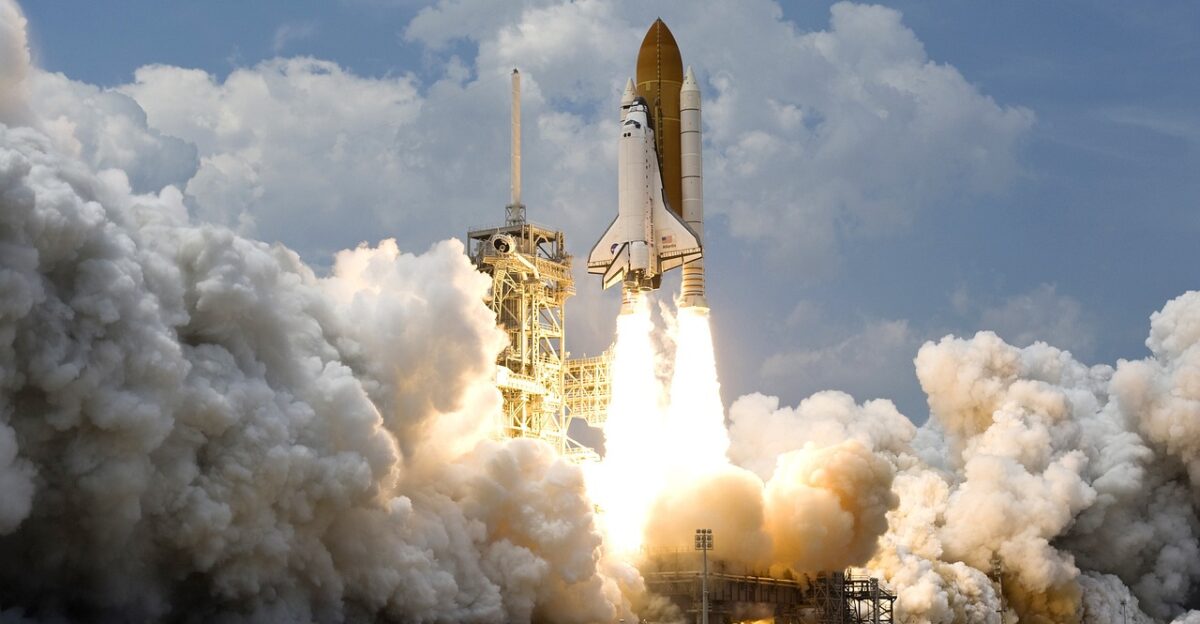
The confirmation of abundant, accessible lunar water has triggered a rapid response across the space sector. NASA, China’s Chang’e program, and the European Space Agency have all revised their mission objectives to prioritize water scouting and extraction. India’s upcoming Chandrayaan-3 mission will focus on drilling and sampling subsurface ice. Private companies such as SpaceX, Moon Express, and Axiom Space have announced plans to develop water-harvesting technologies and integrate them into lunar lander designs.
The economic stakes are enormous. Launching water from Earth currently costs $10,000 to $15,000 per kilogram. Producing water on the Moon could slash this to $100–$500 per kilogram, making in-space refueling and long-duration missions to Mars far more feasible. Venture capital investment in lunar technology startups surged by 40% in the months following the announcement, as entrepreneurs and investors recognized the potential for a new space economy built around lunar resources.
Policy, Security, and Environmental Questions
The discovery has also intensified geopolitical competition. China, India, Russia, and the United States have all accelerated their lunar programs, seeking to establish a presence near water-rich regions. The United Nations and other international bodies face mounting pressure to clarify the legal status of lunar resources. The 1967 Outer Space Treaty prohibits national appropriation but allows resource extraction for peaceful purposes, leaving unresolved questions about ownership, regulation, and commercial rights.
Military strategists now view lunar water as a strategic asset, with implications for national security and space dominance. Meanwhile, scientists and environmental advocates warn that extracting subsurface ice could destroy ancient geological records, calling for the creation of protected lunar preserves to balance exploration with conservation.
Looking Ahead: The Next Era of Lunar Exploration
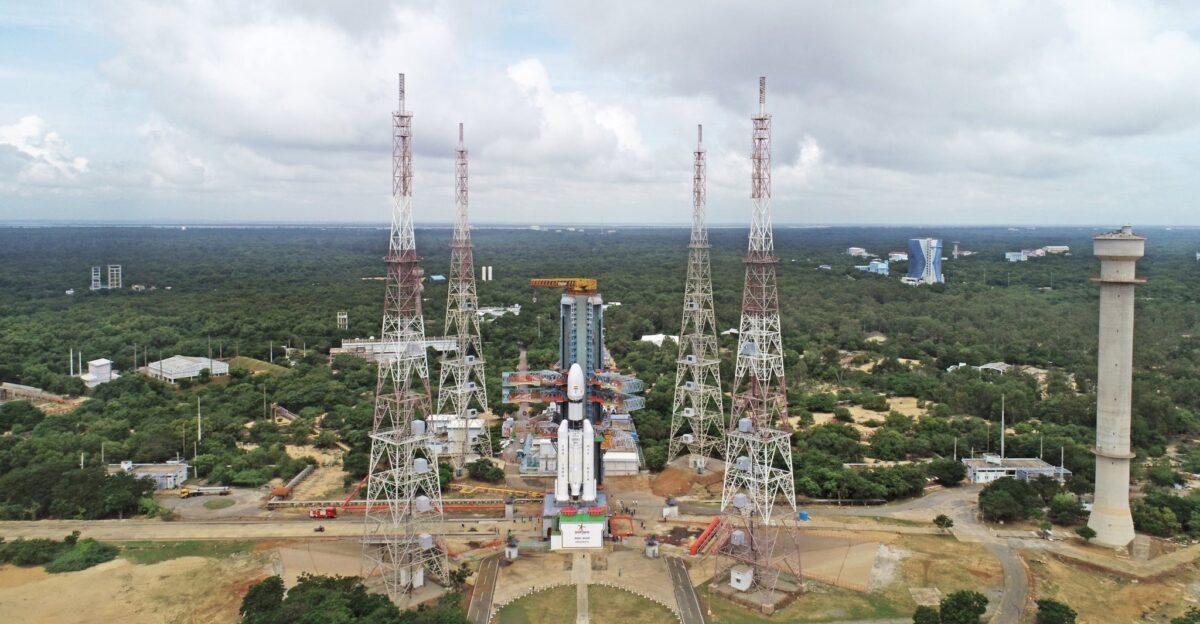
The confirmation of vast, accessible water ice on the Moon marks a turning point in space exploration. What was once a distant dream is now an engineering challenge within reach. The next decade will determine whether lunar water becomes a shared resource for all humanity, a commercial commodity, or a source of geopolitical tension. Decisions made today—about technology, policy, and international cooperation—will shape the future of lunar activity and set the stage for humanity’s expansion beyond Earth.