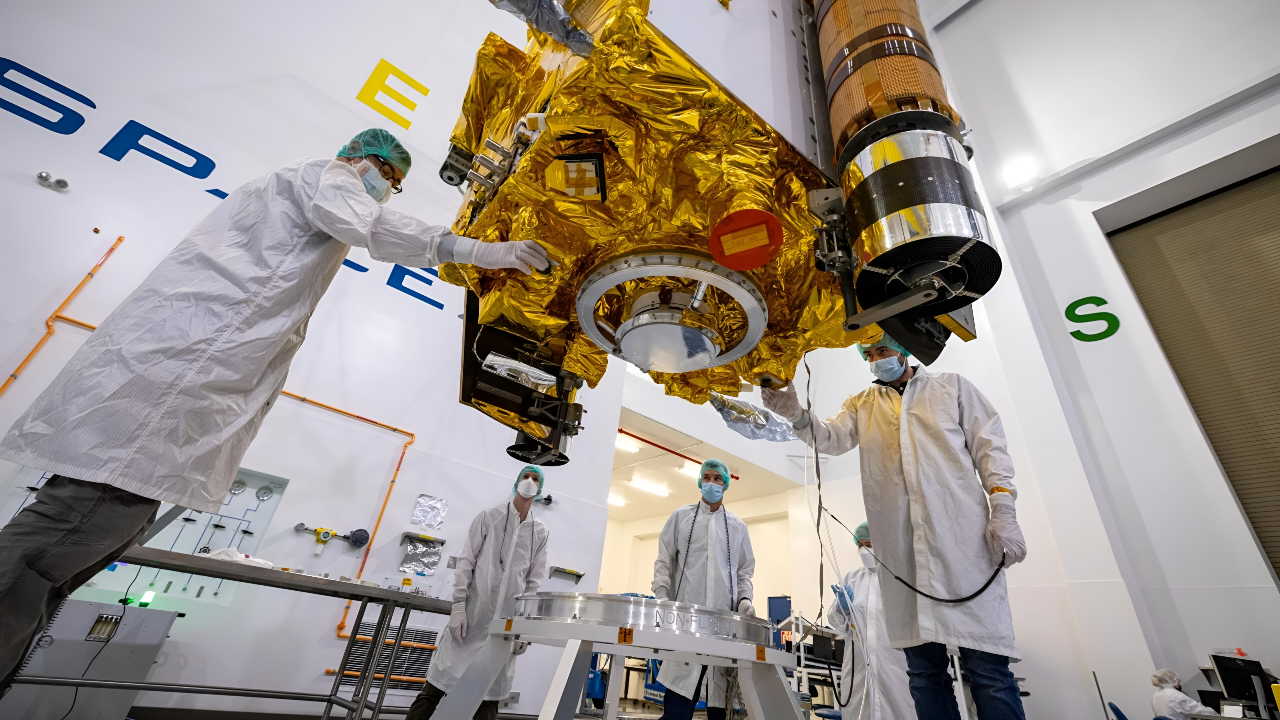
Every day, roughly 25,000 asteroids larger than 460 feet orbit near Earth, posing risks of regional devastation from a single impact. In 2021, NASA launched DART, a spacecraft designed to crash into one, proving humanity can now deflect such threats and turning planetary defense into a practical reality.
Building the Arsenal
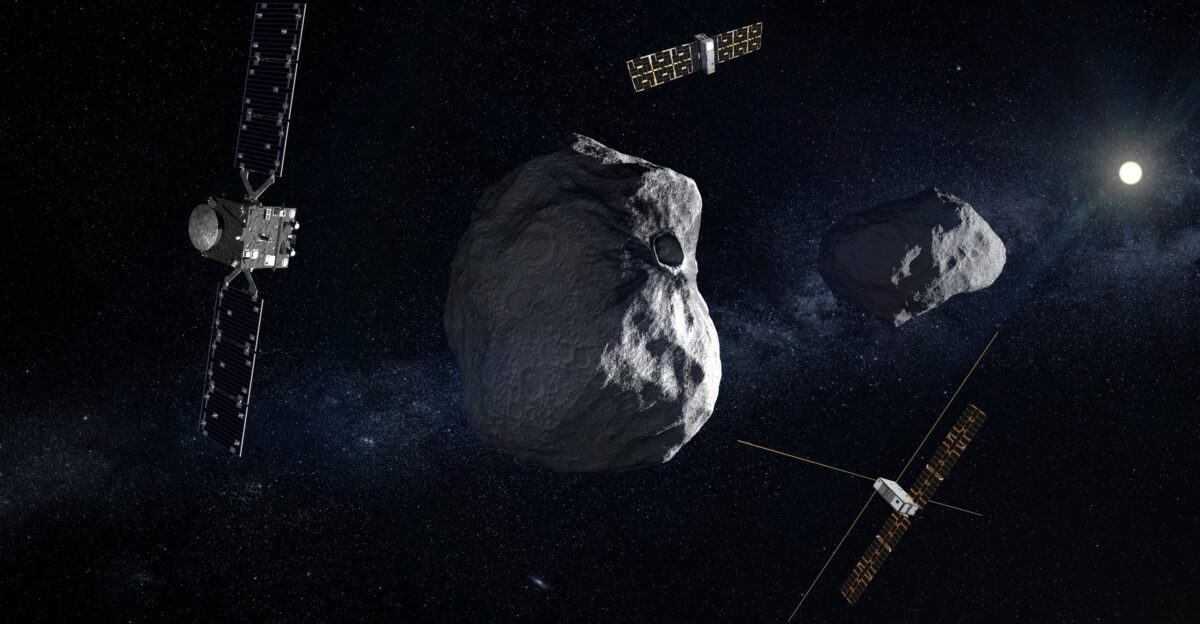
NASA established its Planetary Defense Coordination Office in 2016, boosting funding from $4 million in 2009 to $150 million by 2019—a 40-fold increase. This supported asteroid surveys and innovative concepts, including kinetic impact: slamming a spacecraft into an asteroid to alter its path. Researchers selected the Didymos system for testing, featuring the 2,560-foot-wide Didymos and its 525-foot moon Dimorphos, discovered in 1996 and 2003. Orbiting 93 to 214 million miles from the Sun and never closer than 3.7 million miles to Earth, it offered a safe, observable target. Telescopes on Earth could track Dimorphos’s orbit around Didymos by measuring brightness dips, creating a natural laboratory for deflection experiments.
The Mission Takes Shape
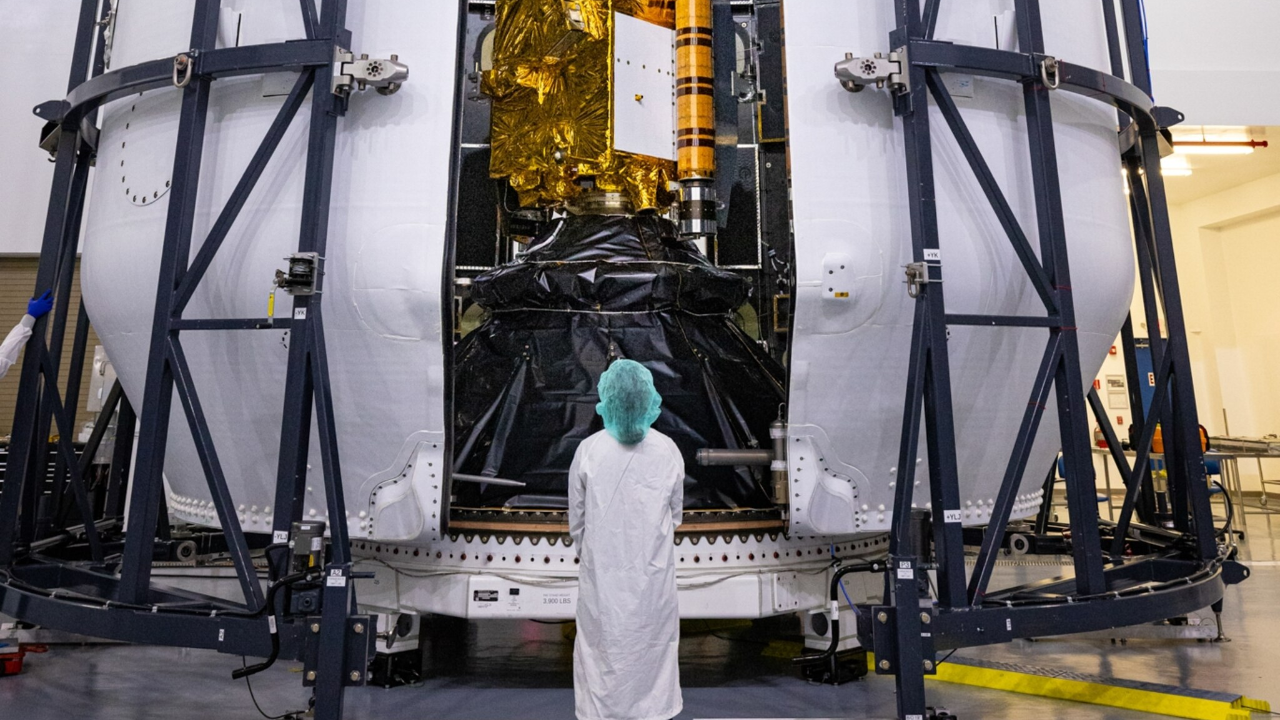
Johns Hopkins Applied Physics Laboratory constructed the 1,210-pound DART spacecraft, equipped with the DRACO camera, SMART Nav autonomous navigation software, and an ion engine. Launched in November 2021 from Vandenberg Space Force Base, it included Italy’s LICIACube CubeSat for impact imaging. Costing $324.5 million, DART traveled for ten months, using Earth gravity assists and thruster firings to reach the asteroids.
Impact Day
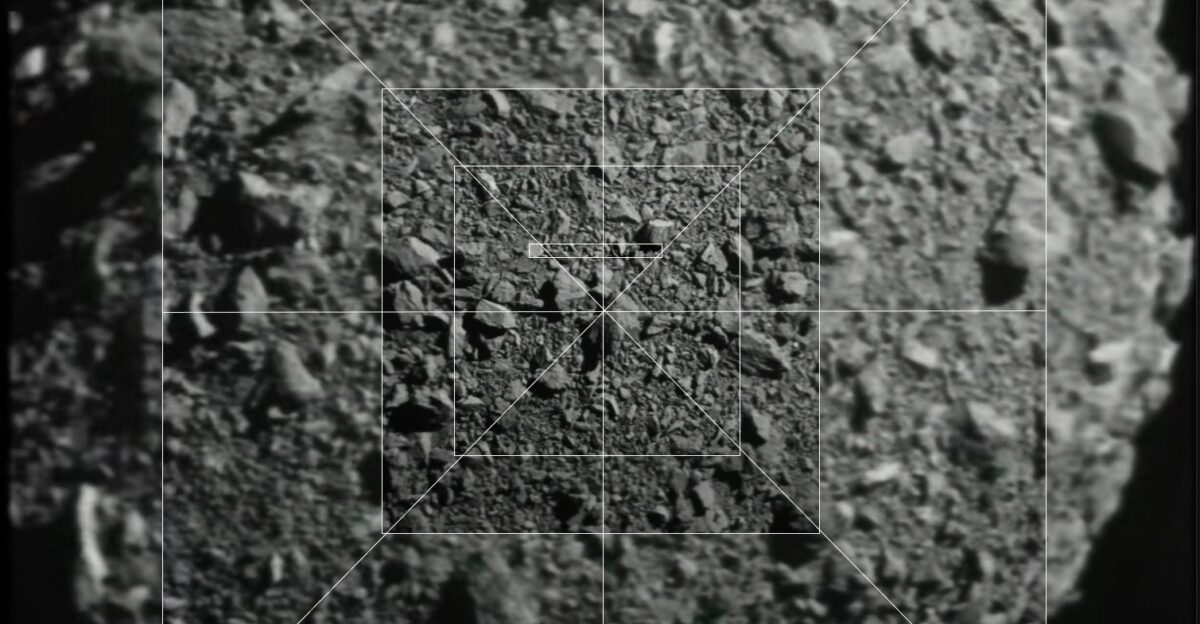
On September 26, 2022, at 7:14 p.m. EDT, DART struck Dimorphos at 14,000 mph, equivalent to approximately 4 tons of TNT—the first human-altered celestial body. Four hours prior, it activated autopilot, with DRACO and SMART Nav guiding the final approach. LICIACube documented a massive plume erupting from the surface.
Results Exceed Expectations
Telescopes worldwide monitored Dimorphos’s orbit, revealing a 32-minute shortening—from 11 hours 55 minutes to 11 hours 23 minutes—far surpassing NASA’s 73-second goal by 26 times. Refined measurements later confirmed 33 minutes 15 seconds. NASA Administrator Bill Nelson described it as “a watershed moment for planetary defense” on October 11, 2022. The success stemmed from momentum transfer amplification: the impact ejected 1.1 million pounds of debris, acting like a rocket boost and multiplying the effect 2.2 to 4.9 times. Without ejecta, deflection would have been just 3 to 8 minutes.
Global Observation and Follow-Up
Astronomers across North America, Europe, Asia, and Africa tracked the changes, with James Webb and Hubble telescopes imaging the plume. This underscored the need for international collaboration. The European Space Agency’s Hera mission, launched in October 2024, will arrive in 2026 to image the crater, measure masses, and probe interiors using CubeSats Milani and Juventas. Combined DART-Hera data will refine models for deflecting varied asteroids.
Future Implications
DART established a defense template: detect threats via telescopes like the upcoming NEO Surveyor in 2028, characterize them, design missions, and monitor globally. Policy advances include UN guidelines and U.S. protocols for safe operations. The mission inspired applications in satellite servicing and debris removal, with nations like China, Japan, and India planning tests. Despite public misconceptions about the mission’s risks, DART clarified Dimorphos posed no Earth threat. With investments at 0.7 percent of NASA’s budget, this capability guards against trillion-dollar impacts, demanding sustained detection, coordination, and readiness for real threats.
Sources:
NASA Planetary Defense Coordination Office
Johns Hopkins APL
U.S. Geological Survey Asteroid Impact Damage Assessments
JAXA Hayabusa2 Mission
NASA OSIRIS-REx
ESA Rosetta