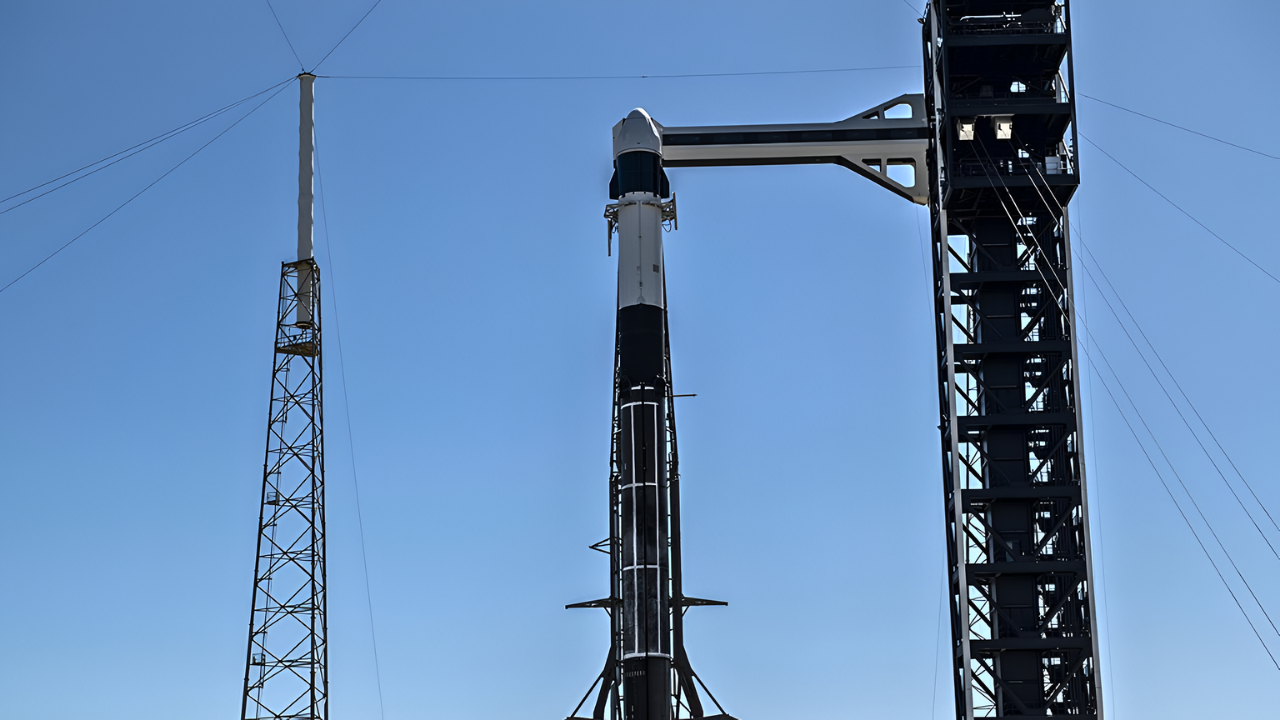
NASA’s Pandora satellite lifted off on January 11, 2026, aboard a SpaceX Falcon 9 from Vandenberg Space Force Base, marking the debut of the agency’s Astrophysics Pioneers program. This compact mission targets a persistent hurdle in exoplanet research: distinguishing genuine planetary atmospheres from the misleading effects of stellar activity on 20 known worlds.
Why Pandora Stands Out
For decades, astronomers have grappled with stellar contamination, where starspots, flares, and surface irregularities mimic atmospheric signals like water vapor or clouds. Previous surveys, from Kepler to TESS, cataloged nearly 6,000 exoplanets since the 1995 discovery of 51 Pegasi b but lacked tools for precise correction. Pandora observes in visible and near-infrared wavelengths simultaneously, modeling stellar interference to yield cleaner data for larger telescopes.
Program Roots and Design Selected in 2021 among four Pioneers missions, Pandora embodies cost-capped, swift development using proven components. Its 17-inch aluminum telescope draws from James Webb Space Telescope heritage. In a Sun-synchronous low-Earth orbit, the satellite achieves thermal stability and up to 24-hour stares at single systems, capturing full transits while monitoring stellar changes.
Instruments and Targets
Dual channels—a visible-light detector for starspots and an infrared one for planetary absorption—enable direct signal comparisons. The 20 targets, mostly TESS finds, orbit active stars and range from rocky to gaseous bodies, ideal for testing corrections. Over its one-year mission, repeated sessions build statistical strength against variability.
Operations and Data Flow
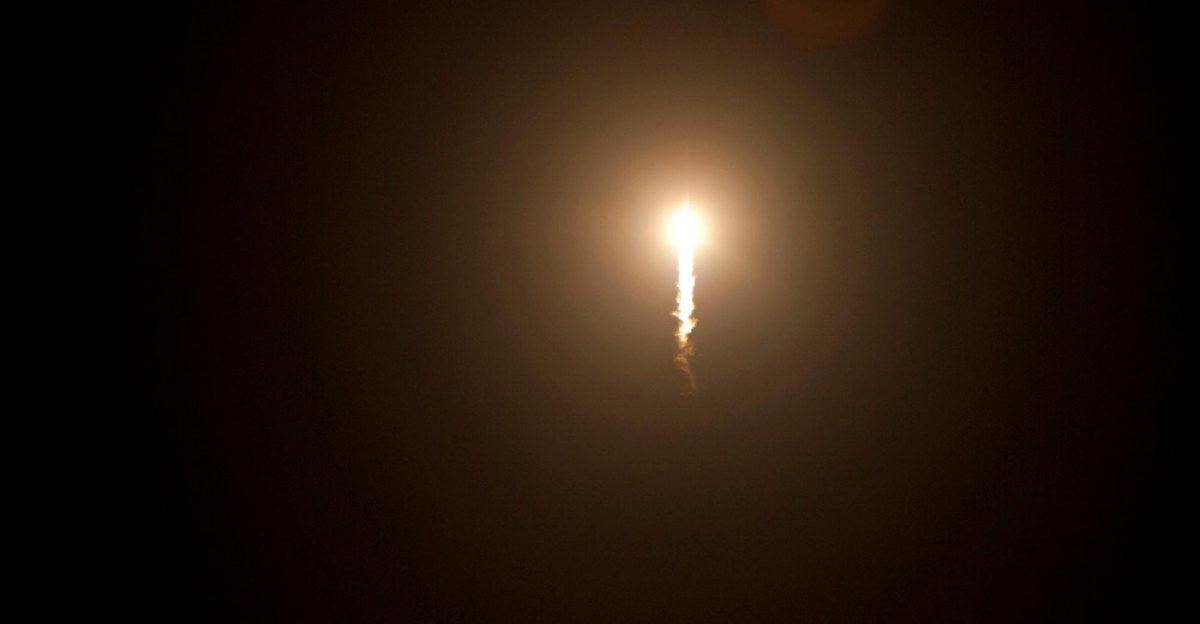
Launch occurred at 5:44 a.m. PST from Space Launch Complex 4 East, sharing the ride with SPARCS and BlackCAT. Initial signals confirmed health; weeks of commissioning calibrated alignment and downlink. Processed light curves and spectra follow NASA pipelines, archived publicly with no proprietary hold. Principal investigator Elisa Quintana at Goddard Space Flight Center leads a collaborative team of agencies, universities, and firms.
Broader Reach
Pandora refines targets for JWST and Roman Space Telescope, boosting reliability for active-star planets dominant in catalogs. It trains early-career talent through operations and analysis, without seeking biosignatures—focusing instead on hazes, clouds, and vapor origins. Primary operations end early 2027, with extensions possible based on performance.
Pandora’s precise disentangling of stellar noise from planetary atmospheres promises to solidify exoplanet interpretations, enhancing data from past surveys and guiding future probes into habitable-zone worlds.
Sources:
NASA Pandora Space Telescope Liftoff | SpaceX Falcon 9 (Friends of NASA)
NASA’s Pandora Satellite, CubeSats to Explore Exoplanets (IPAC Caltech)
Exoplanet Catalog (NASA Science)
The Pandora Mission Will Study Exoplanet Atmospheres (Astrobiology.com)
Target Selection for the Pandora SmallSat: A NASA Mission to (USU Digital Commons)
NASA’s Pandora Satellite Acquires Signal (NASA Blogs Small Satellites)
Pandora, a keen-eyed satellite built to study exoplanets takes flight (University of Arizona News)
Full Page ContentsPandora mission would expand NASA’s capabilities in probing alien worlds (Full page from Phys.org)
NASA Pandora Space Telescope Liftoff | SpaceX Falcon 9 (Full page from Friends of NASA)