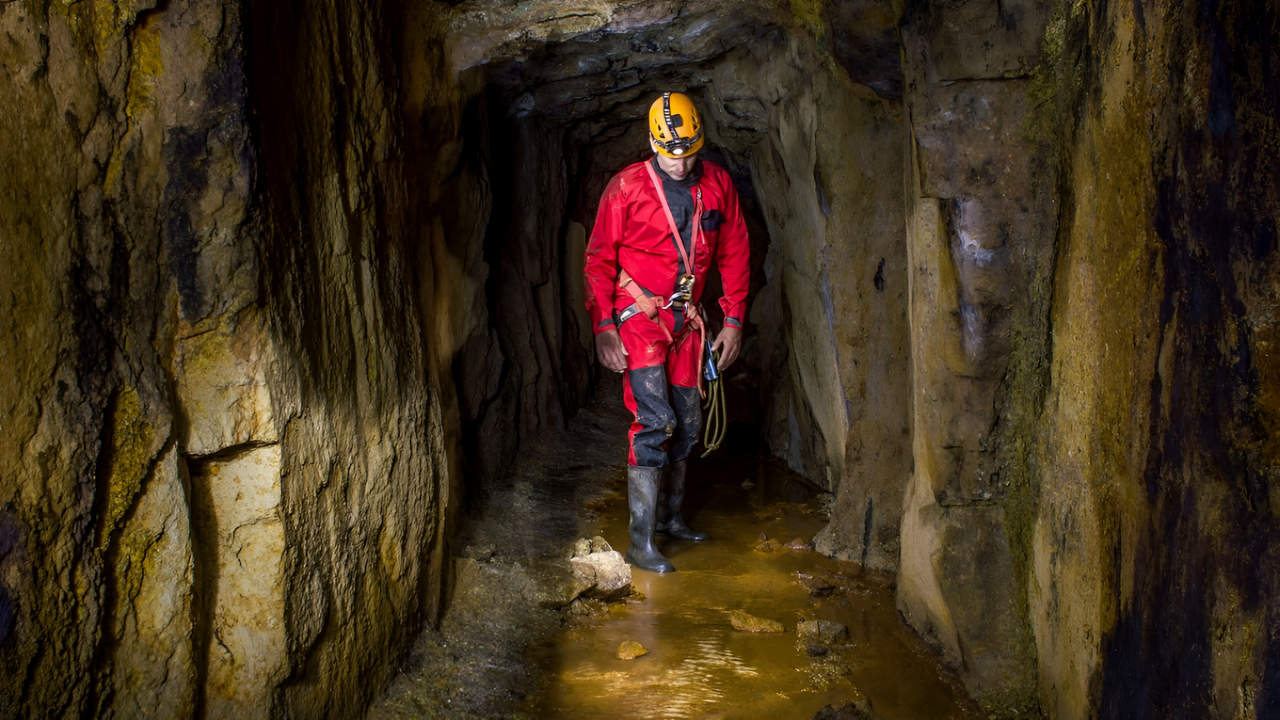
In late 2025, Pentagon procurement teams were already modeling worst-case scenarios. Spreadsheets tracked fighter jets, missile guidance systems, and semiconductor inventories—then flagged the same red warning: rare earth shortages. China controlled roughly 70% of global rare earth processing, and export restrictions were tightening.
U.S. officials warned that production lines could stall within months. This wasn’t a future risk. It was unfolding in real time—and Washington had no immediate domestic backup.
For the first time, the capital deployment machinery, federal commitment, and geological advantage aligned simultaneously to trigger what industry analysts call the fastest rare-earth sector mobilization in U.S. history: Pentagon prioritization, Treasury capital acceleration, and private sector competition converging at once.
China Tightens the Screws

Beijing’s strategy became unmistakable in late 2024. In December, China banned exports of gallium, germanium, and antimony, minerals essential for semiconductors and defense electronics. In April 2025, licensing requirements followed for lutetium, scandium, and yttrium.
U.S. government assessments soon documented an $18.5 billion shortfall in critical materials. What had long been an economic vulnerability became a national security emergency. Rare earths were no longer just commodities—they were leverage.
America’s Rare Earth Past
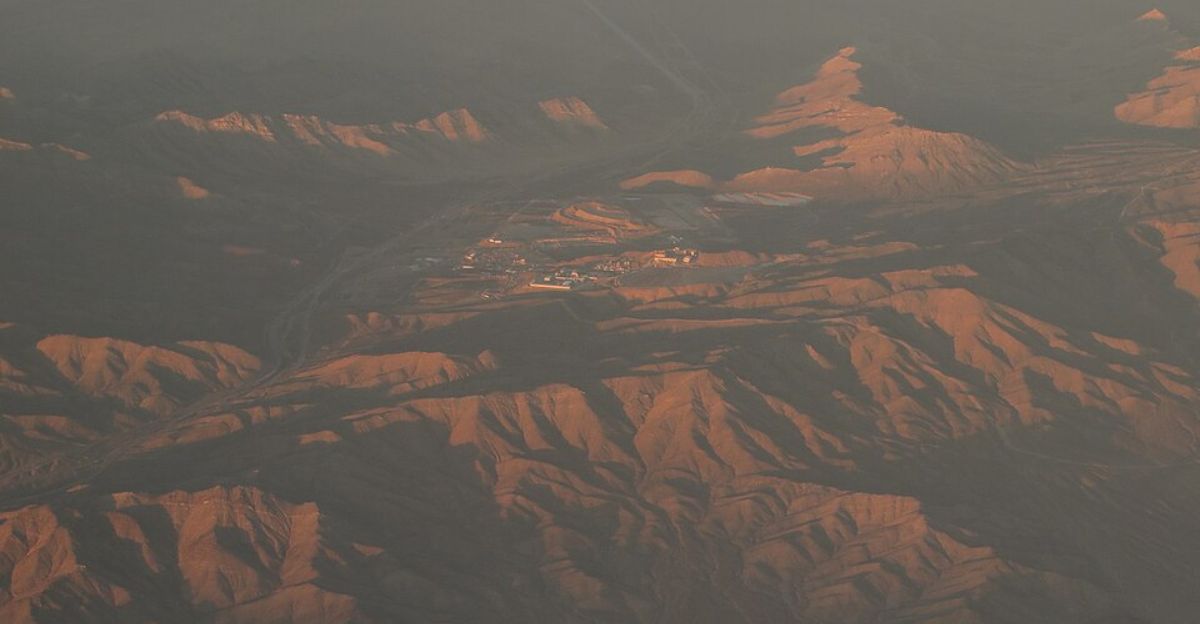
The vulnerability was self-inflicted. The U.S. once led the world in rare earths through California’s Mountain Pass Mine, discovered in 1949 and operational by 1952. By the 1960s, it dominated global supply, fueling color television and defense technologies.
But cheaper Chinese production steadily undercut U.S. operations. By 2002, Mountain Pass shut down. For nearly two decades, America relied almost entirely on foreign—mostly Chinese—rare earth supply. The dependency quietly deepened.
Fragmented Competition Returns
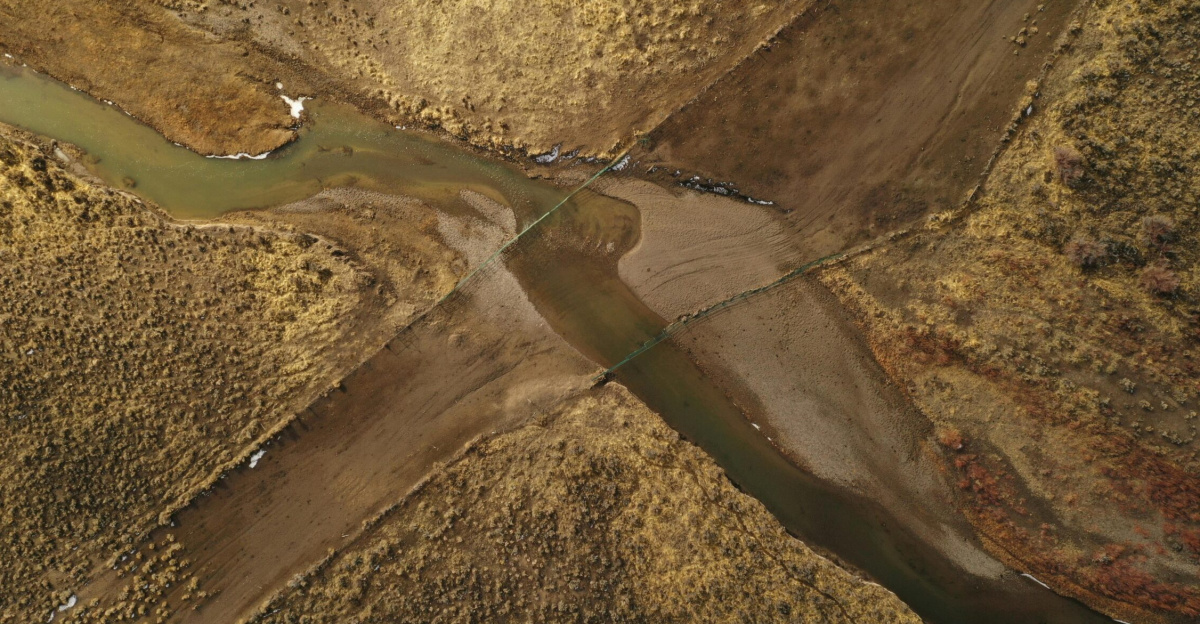
America’s comeback was slow and fragmented. Mountain Pass restarted mining in 2017, with sales resuming in 2018—proof that revival was possible. Yet one mine couldn’t meet national demand. USA Rare Earth advanced a Texas project targeting late-decade production.
American Rare Earths pushed Wyoming’s Halleck Creek, holding 2.63 billion tons of resources. NioCorp pursued Nebraska’s Elk Creek. Progress came—but the clock kept ticking. The average U.S. mine still required 29 years to reach production.
Silicon Ridge, Utah
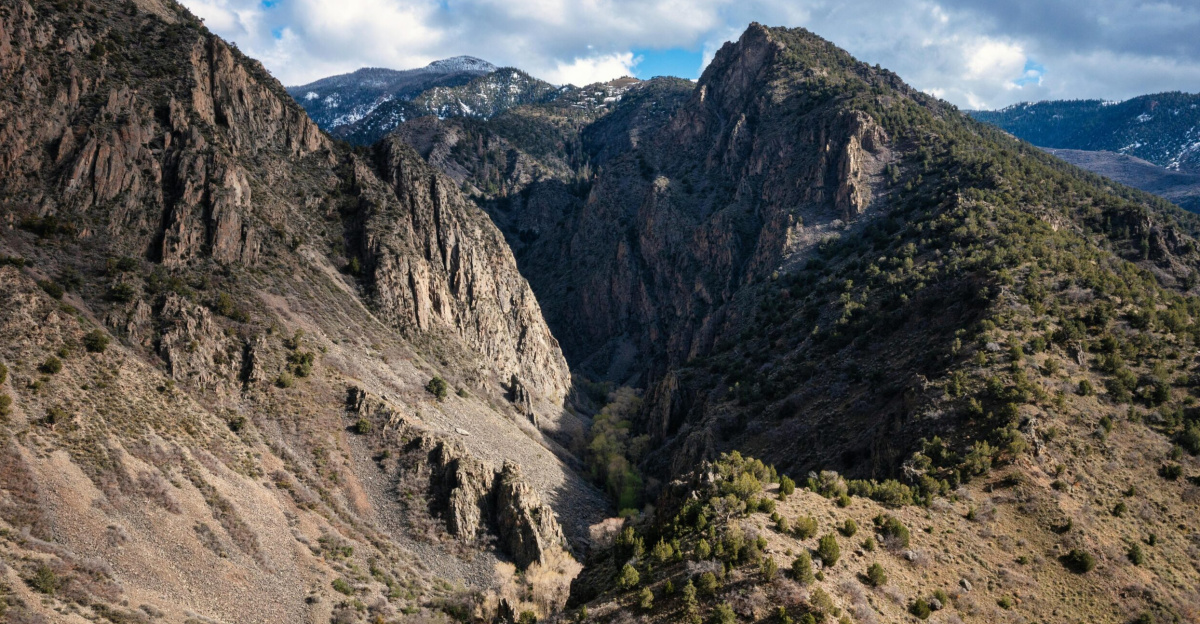
Everything shifted on December 11, 2025. Ionic Mineral Technologies announced a discovery at Silicon Ridge, a 4,000-acre site in Utah’s Lake Mountains. Geological surveys and independent verification confirmed 16 rare earth and critical minerals in a soft clay system.
Lab tests showed roughly 2,700 ppm combined rare earth and critical metals. Located just 20 miles from Utah’s Silicon Slopes, the deposit immediately ranked among the most significant in North America.
Utah’s Geological Advantage

Silicon Ridge wasn’t just large—it was different. The deposit is an ion-adsorption clay (IAC) system, the same geology responsible for 35–40% of China’s production and 70% of global heavy rare earths. Unlike hard-rock mining, IAC deposits allow easier extraction.
Utah also offered workforce depth, infrastructure, and proximity to a 74,000-square-foot processing facility in Provo—already licensed and operational. Few U.S. projects could match that starting position.
A “Watershed Moment,” According to the CEO

Ionic MT CEO Andre Zeitoun didn’t mince words. He called Silicon Ridge “a watershed moment for American resource independence.” Existing permits, state-leased land, nearby processing infrastructure, and high-grade clay all pointed to accelerated development.
Zeitoun projected a Preliminary Economic Assessment (PEA) by mid-2026, far faster than industry norms. For federal agencies scrambling to secure domestic supply, the message was clear: this wasn’t theoretical geology—it was potentially executable strategy.
Sector Activity Intensifies
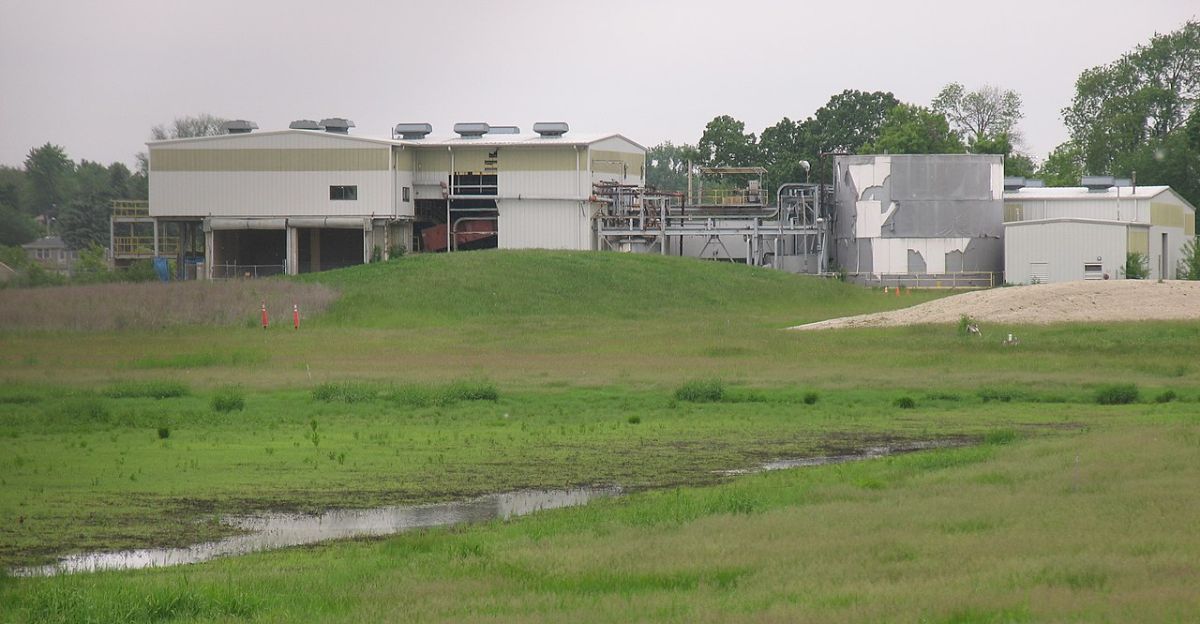
The announcement landed in an already electrified sector. MP Materials had continued accelerating expansion plans at Mountain Pass, targeting 60,000 metric tons annually through its ‘Upstream 60K’ strategy. USA Rare Earth advanced timelines in Texas with growing federal support.
For the first time in decades, China faced credible U.S. competition across multiple fronts. The rare earth story shifted from recovery to race. With export restrictions tightening and defense demand rising, speed—not just scale—became the industry’s most valuable currency.
Pentagon Focuses on Silicon Ridge

Defense officials moved quickly. The Department of Defense had already authorized $2 billion for emergency critical-materials stockpiling. With fighter jets, missile systems, and advanced electronics all dependent on rare earths, Silicon Ridge stood out.
Its permits, infrastructure, and location reduced uncertainty. What began as a commercial discovery quickly entered the national security calculus. Silicon Ridge wasn’t just another mine candidate—it became a potential pillar of America’s defense supply chain.
The Grade Question

Excitement hinged on one variable: grade consistency. The reported 2,700 ppm concentration exceeded many Chinese deposits, which typically range 500–2,000 ppm. But only 650 acres had been thoroughly explored.
If grades held across the broader resource, economics would be compelling. If high concentrations proved localized, costs could rise sharply. Production viability depends on extractable material—not headline numbers.
Industry Veterans Push Back
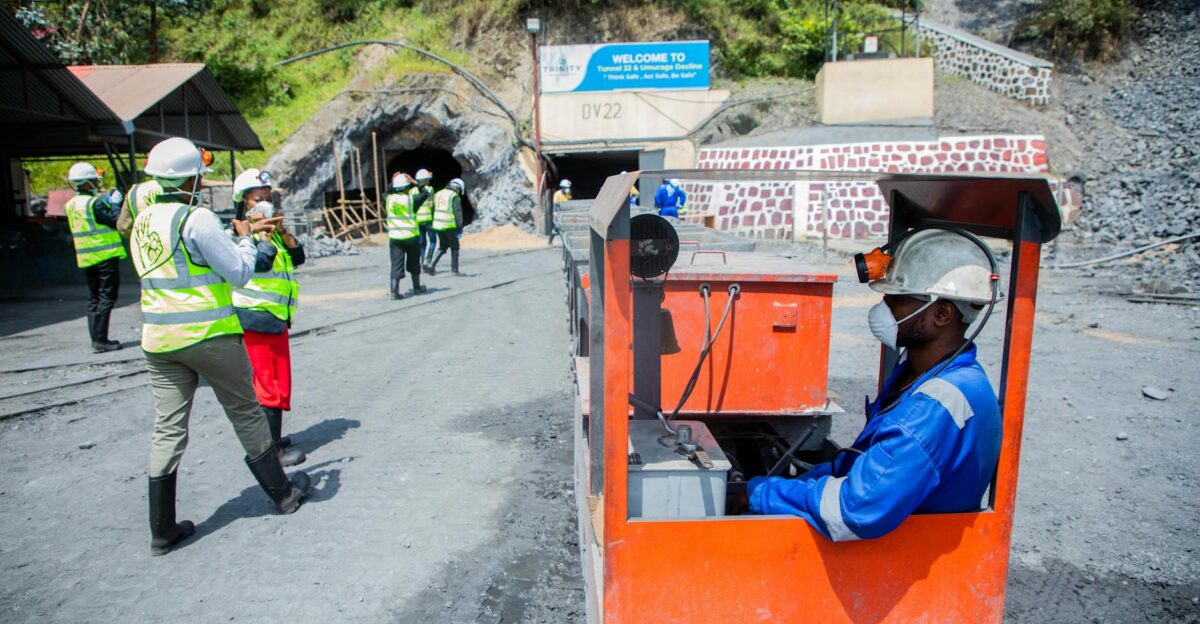
Mining professionals urged caution—not about the boom itself (the capital mobilization is real), but about the timeline to production. The average U.S. mine still takes 29 years from discovery to production. Even Mountain Pass, with permits and infrastructure, required a year just to restart operations.
Ionic MT’s timeline focused only on early-stage analysis. Engineering, environmental reviews, water permits, and operational licensing come next—and they proceed sequentially.
Silicon Ridge’s boom is a boom of capital deployment and permitting acceleration, not production acceleration.
Permitting Reality Sets In

Utah offers a relatively supportive regulatory environment, but complexity remains. State Trust Lands approved the mineral lease, yet mining still requires permits from the Division of Oil, Gas, and Mining, environmental clearance, and water rights allocation.
Federal involvement would trigger Bureau of Land Management review. Tribal consultation may apply. Even “shovel-ready” projects typically face 18–36 months of assessments and negotiations.
Why the PEA Matters So Much

The Preliminary Economic Assessment, targeted for H1 2026, is the project’s first real gatekeeper. It models capital costs, operating expenses, recovery rates, and environmental constraints.
A positive PEA leads to a Feasibility Study, typically lasting 12–24 months. Only then can construction begin. Even optimistic scenarios point to 4–6 years before first production.
Experts Temper the Hype

Industry veterans note that while Silicon Ridge has “real advantages”—grade, infrastructure, permitting climate—this doesn’t translate to magical timelines. Accelerated development lacks precedent in U.S. rare earth history.
Even accelerated projects take four to five years. Mountain Pass’s three-year sprint occurred under Cold War urgency and looser regulations. Today’s standards are different.
Boom Versus Production Phase
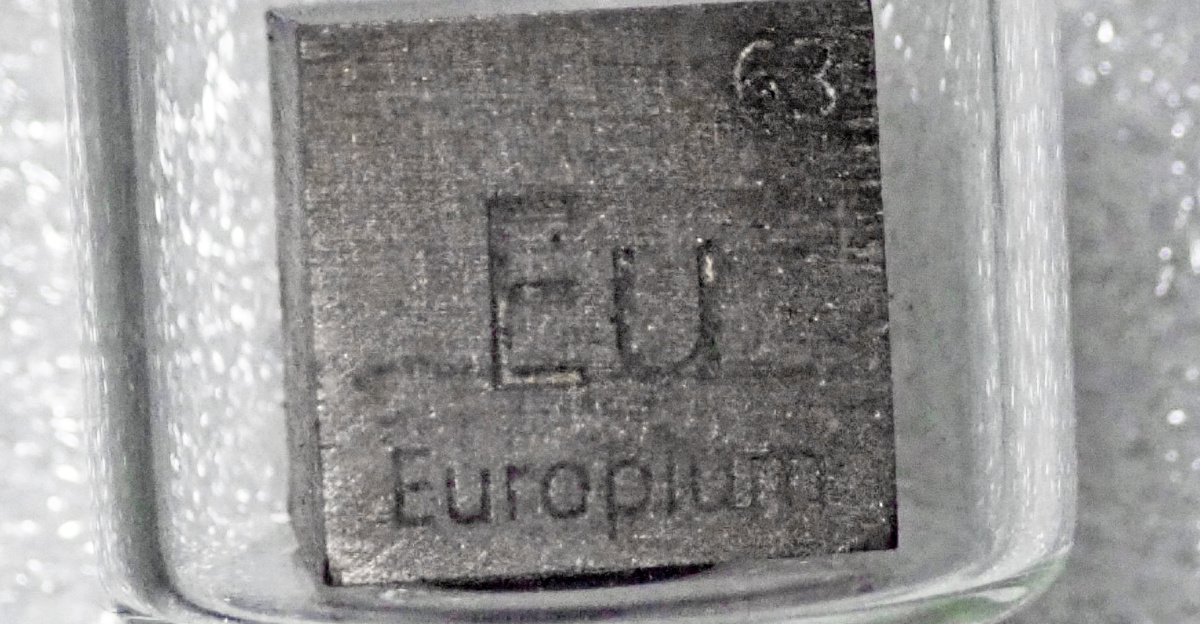
History sets the bar high. The true U.S. rare earth production boom occurred in the 1960s, when Mountain Pass output surged to meet exploding europium demand. China’s modern production boom saw sustained double-digit annual growth in output.
But a boom can precede production. Silicon Ridge’s boom—the capital mobilization boom—is real and measurable in federal commitment, investment acceleration, and permitting speed. A production boom, by contrast, requires sustained output, rising market share, and downstream integration. One discovery—even a major one—doesn’t create a production boom. But it can create an investment boom.
Silicon Ridge has triggered both: the boom in capital mobilization (happening now), and the potential for a production boom (4-6 years out, if grades hold and costs pencil).
The Geopolitical Chessboard
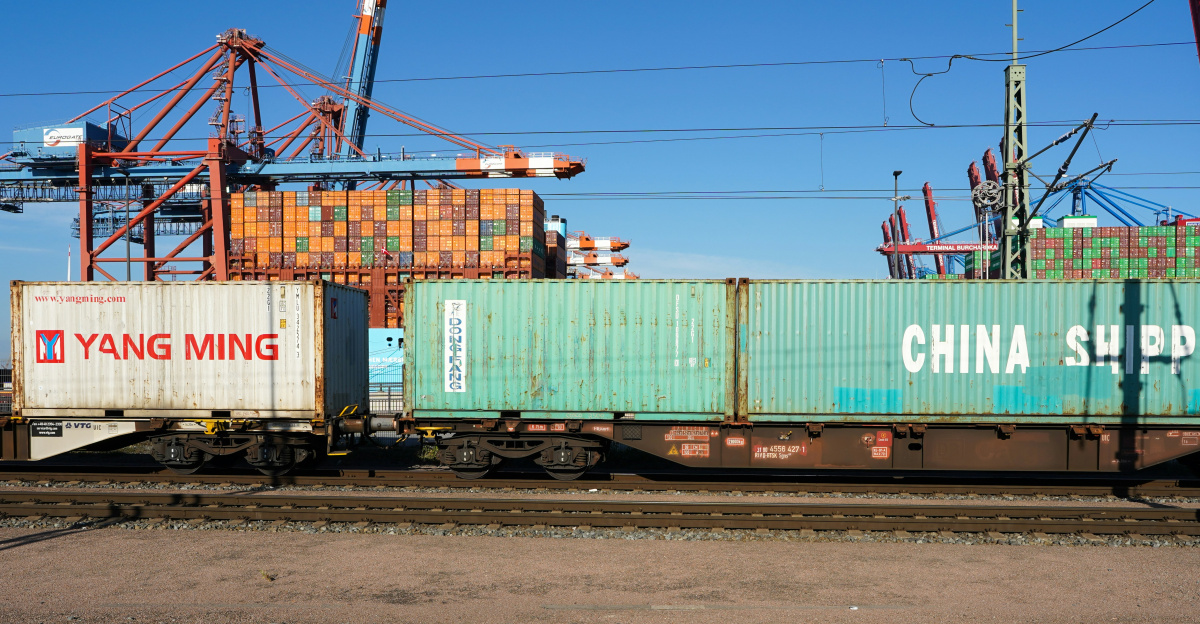
China’s export controls were strategic, not reactive. Rare earth dominance gives Beijing leverage in technology, trade, and defense. Silicon Ridge challenged that narrative—but China emphasized its 70% processing dominance.
That framing benefits Beijing regardless of outcome. Rare earths are no longer just industrial inputs. They are strategic assets shaping power balances in a fragmented global economy.
Allies Pay Close Attention

America’s vulnerability is shared. Japan, heavily reliant on rare earths for electronics, monitored Silicon Ridge closely. South Korea explored new partnerships. Australia’s Lynas expanded U.S. processing capacity.
Europe accelerated supply-chain independence plans. A successful Utah project could anchor a Western rare earth ecosystem. Failure would push allies back toward negotiations with China.
Environmental Scrutiny Intensifies

Ion-adsorption clay mining carries risks. China’s experience left polluted rivers, damaged farmland, and radiation exposure from thorium. U.S. regulators won’t allow repetition.
Utah’s water rights are already contested among agriculture, cities, and ecosystems. Environmental reviews could add 12–24 months, shaping timelines as much as geology.
Investors Cool Their Enthusiasm

Markets initially surged on the announcement. Ionic MT’s valuation climbed on visions of rapid payoff. But analysts soon recalibrated as capital needs and timelines became clearer.
Comparable projects required years and over $1 billion in capital. Rare earth price volatility added risk. Optimism matured into caution.
The Capital Boom Is Happening Now

Silicon Ridge IS the fastest rare-earth boom in U.S. history—but it’s a boom in capital mobilization, federal commitment, and permitting acceleration, not production volume. It proves America has China-style geology, infrastructure, and political will.
The capital boom is happening now. The production boom will be measured 4-6 years from now.
It shows that mobilization acceleration is possible, even if production acceleration is not yet. Silicon Ridge is necessary—but not sufficient alone. The question is whether this boom in capital mobilization can become durable production independence in time.
Sources:
ionicmt.com | Heading: Ionic Mineral Technologies Announces Major U.S. Discovery of Rare Earth and Critical Technology Metals | Publication Date: December 11, 2025
mining.com | Heading: Massive Critical Minerals Deposit Found in Utah | Publication Date: December 14, 2025
grist.org | Heading: A Huge Cache of Critical Minerals Found in Utah May Be the Largest in the US | Publication Date: December 11, 2025
mining.com | Heading: Pentagon Moves to Build $1 Billion Critical Minerals Stockpile to Counter China Report | Publication Date: October 12, 2025
mining.com | Heading: China Lifts Export Ban on Gallium, Germanium and Antimony to US | Publication Date: November 9, 2025