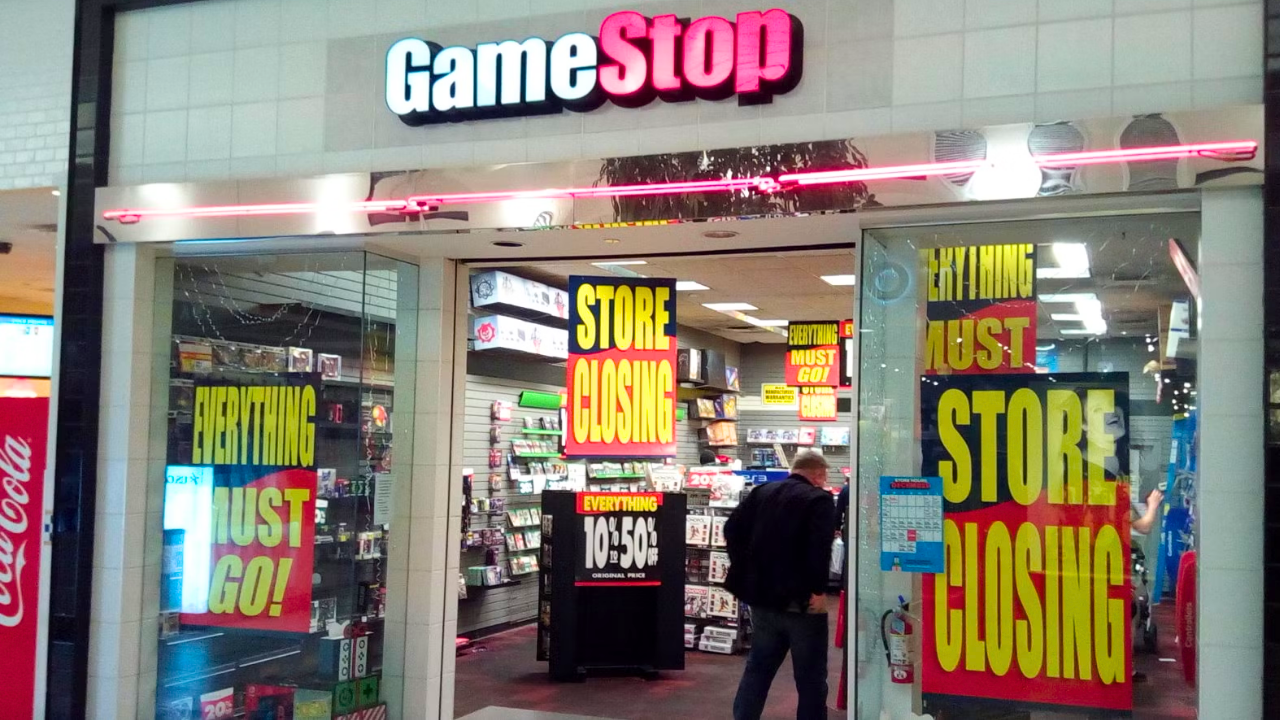
In mid-January 2026, drivers in dozens of U.S. cities approached familiar red-and-white GameStop signs, only to confront dark windows and closure notices. Over 475 stores disappeared from the retailer’s locator that month alone, prompting industry executives to reassess strategies amid an accelerating retail shakeup.
Scale of the Closures
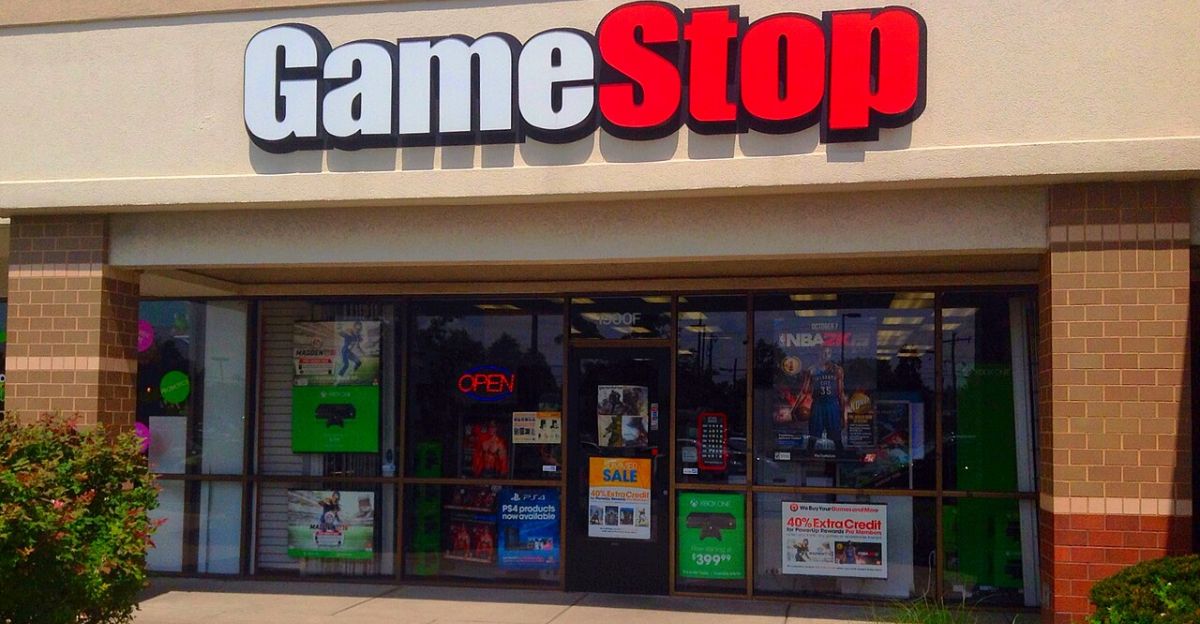
GameStop shuttered or scheduled closures for more than 475 U.S. stores in January 2026, based on tallies from WKYC reporting and the company’s online listings. Fast Company and Yahoo Finance pinpointed over 470 locations across more than 40 states as affected. A USA Today Network analysis of SEC filings verified GameStop’s prior warnings of closing a substantial number of additional stores before its fiscal year ended on January 31, 2026.
New York bore heavy losses, with Syracuse.com documenting at least 31 closures statewide, spanning Brooklyn and the Bronx to smaller towns like Ithaca, Herkimer, Plattsburgh, and Amsterdam. In central New York, DeWitt and Ithaca stores closed recently, leaving just five outlets within 50 miles of Syracuse by mid-January.
A Rapidly Shrinking Footprint
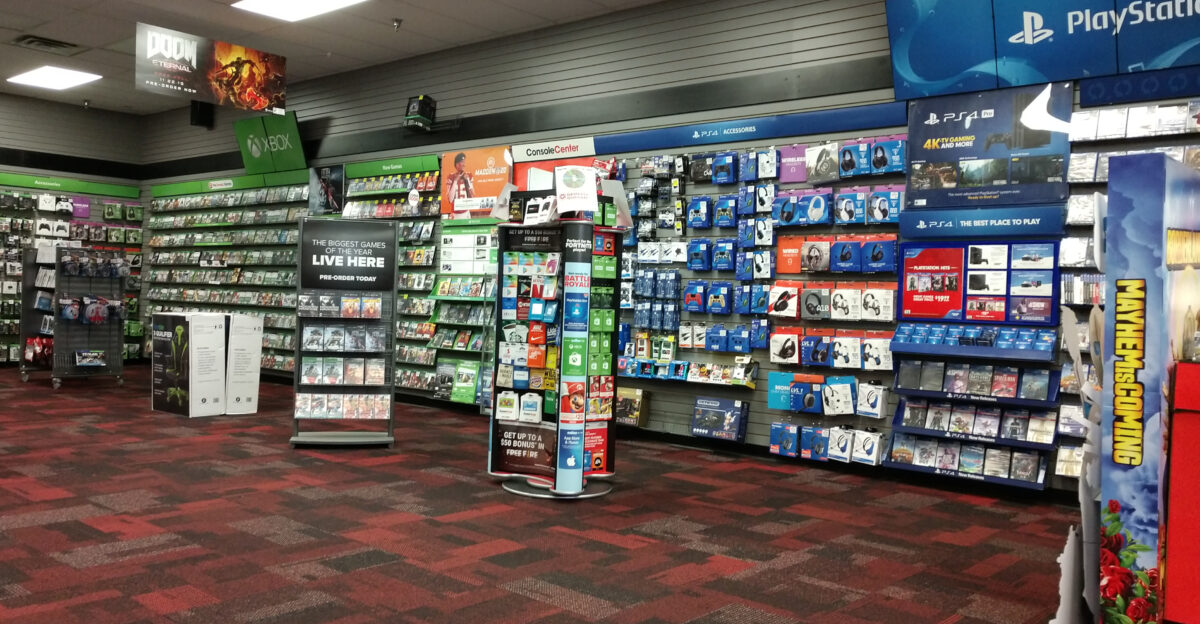
These cuts build on ongoing reductions. GameStop’s third-quarter 2025 earnings, released December 9, revealed about 590 U.S. store closures over the prior year as part of a portfolio optimization. The company operated roughly 2,325 U.S. locations as of February 2025, a fraction of its mid-2010s peak near 6,000 global stores.
Upstate New York saw over 20 closures in 2025 alone, hitting Buffalo, Depew, Evans Mills, Hudson, Johnstown, Middletown, Monticello, Rochester, Victor, and Webster. Remaining stores now demand longer drives for customers, boosting dependence on online orders.
Internationally, GameStop withdrew from Germany, Austria, Switzerland, Italy, Canada, and Ireland, with France slated next. Investor updates frame this as a focus on core markets, though it eliminates hundreds of global high-street presences.
Driving Forces Behind the Cuts

A March 2025 SEC filing outlined plans to close a significant number of underperforming stores by fiscal year-end, tied to reviews of viability. Analysts attribute this to plunging physical game sales and escalating costs, rendering small specialty outlets unviable.
Digital downloads and cloud gaming dominate, with consumers favoring console and PC storefronts over discs. Physical sales have pressured specialty retailers like GameStop for years.
To adapt, GameStop emphasized pre-owned and retro games from Nintendo, PlayStation, Sega, and early Xbox, alongside collectibles and trading cards. It also advanced digital initiatives, though these have not reversed declines in new-release physical sales.
Revenue for third-quarter 2025 dropped 4.6 percent year-over-year to about $821 million, from $860 million, continuing a multi-year downturn.
Leadership, Risks, and Community Fallout

CEO Ryan Cohen’s compensation hinges on an at-risk stock-option package potentially worth $35 billion if market capitalization hits $100 billion and cumulative EBITDA reaches $10 billion. Critics link aggressive cost cuts, including closures, to margin boosts that could aid valuation, but warn of eroding customer access.
Retail expert Neil Saunders of GlobalData Retail noted that such rapid shutdowns signal priority on cash preservation over physical presence, risking customer retention as mall visibility fades.[1]
Communities lament the loss: longtime patrons miss trade-ins, used-title browsing, and staff expertise, especially where independent shops are scarce. Big-box alternatives offer less specialization, pushing gamers toward digital platforms.
Mall owners grapple with vacancies in struggling mid-tier centers, struggling to replace traffic-generating specialty tenants.
Surviving stores serve expanded regions, acting as hubs rather than local spots, potentially accelerating shifts to mail-based services.
GameStop’s trajectory rests on e-commerce growth and digital integration, transitioning physical sites to supportive roles amid an online-dominated entertainment landscape. The closures highlight fading mall-based game retail as digital purchases reshape discovery and trading, with fiscal results by January 31 testing if cuts foster profitability or diminish presence.
Sources:
“GameStop is closing more stores this year. Here’s what we know so far.” USA TODAY, 14 Jan 2026.
“GameStop closing hundreds of stores across US as physical game sales slide.” Yahoo Finance, 14 Jan 2026.
“GameStop stores closing in 2026: Full list of 470 doomed locations across the US.” Fast Company, 22 Jan 2026.
“GameStop closing nearly 500 stores, including 31 locations in NY.” Syracuse.com, 20 Jan 2026.
“GameStop Discloses Third Quarter 2025 Results.” GameStop Corp., Investor Relations press release, 8 Dec 2025.
“GameStop CEO Ryan Cohen could be set for a $35 billion payday.” CNN Business, 7 Jan 2026.
“GameStop unveils $35 billion pay plan for CEO Cohen tied to performance targets.” Reuters, 7 Jan 2026.