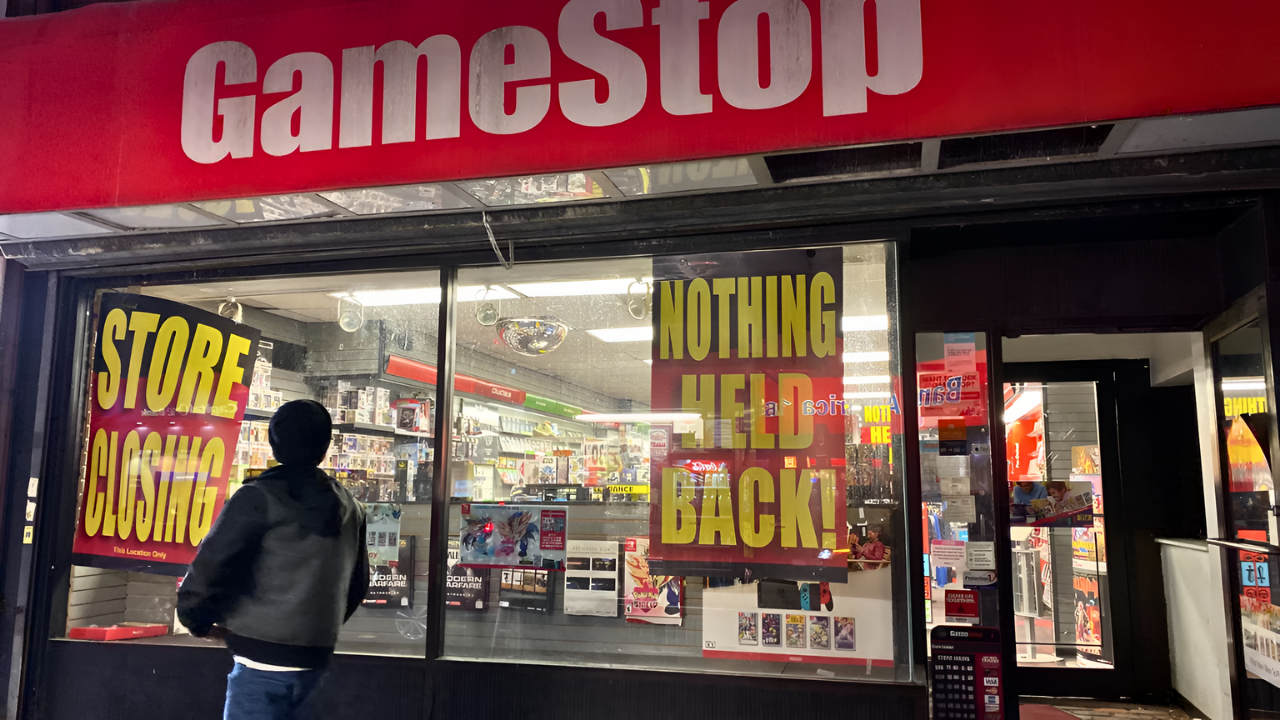
GameStop, once a gaming retail giant, kicks off 2026 with shocking news: the closure of 300-500 U.S. stores in January. This will lead to the loss of approximately 1,800-3,000 jobs, with many employees receiving only days’ notice.
This closure wave is part of GameStop’s strategy to trim its footprint, reducing from 6,000 global stores to 3,200. It’s one of the largest single-month closure waves in its 42-year history, affecting communities nationwide.
The Shift to Digital—Why GameStop is Struggling
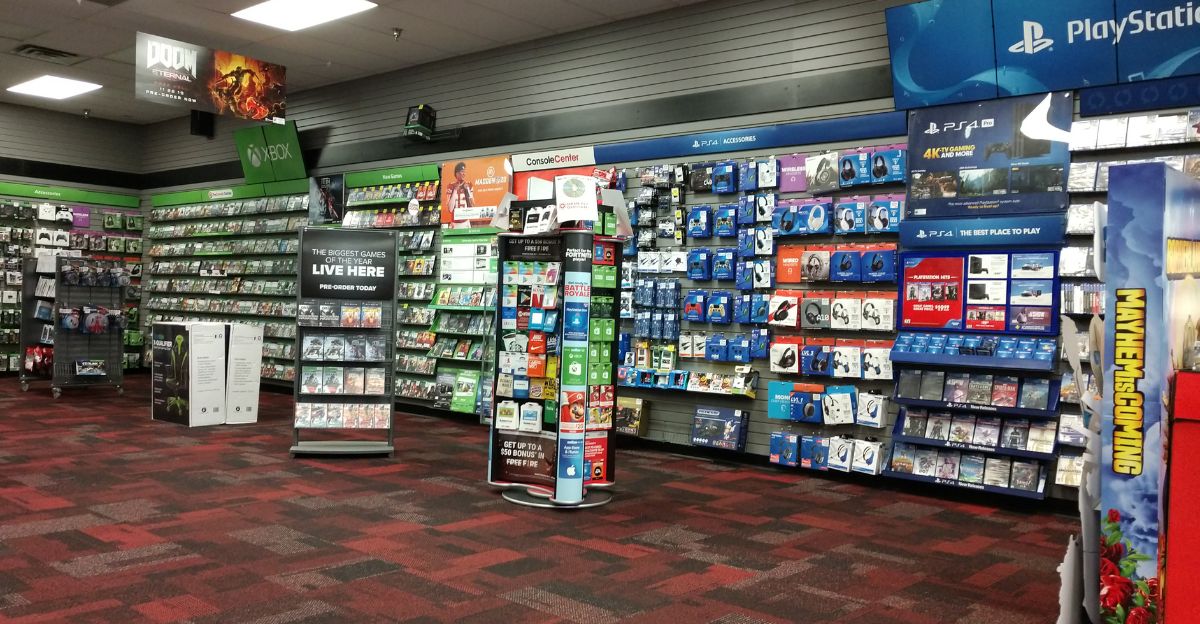
The rise of digital gaming has dramatically shifted the landscape. GameStop, which once thrived on physical game sales, now faces a market where 95% of gaming revenue comes from digital downloads and streaming.
With industry hardware sales down 30%+ and software sales down 25%+ year-over-year, GameStop struggles to keep pace. Despite holding $8.8 billion in cash and marketable securities plus a $519 million Bitcoin investment, its revenue continues to decline, signaling a digital-first future that leaves brick-and-mortar stores behind.
Closing Stores—A Loss for Gamers and Communities
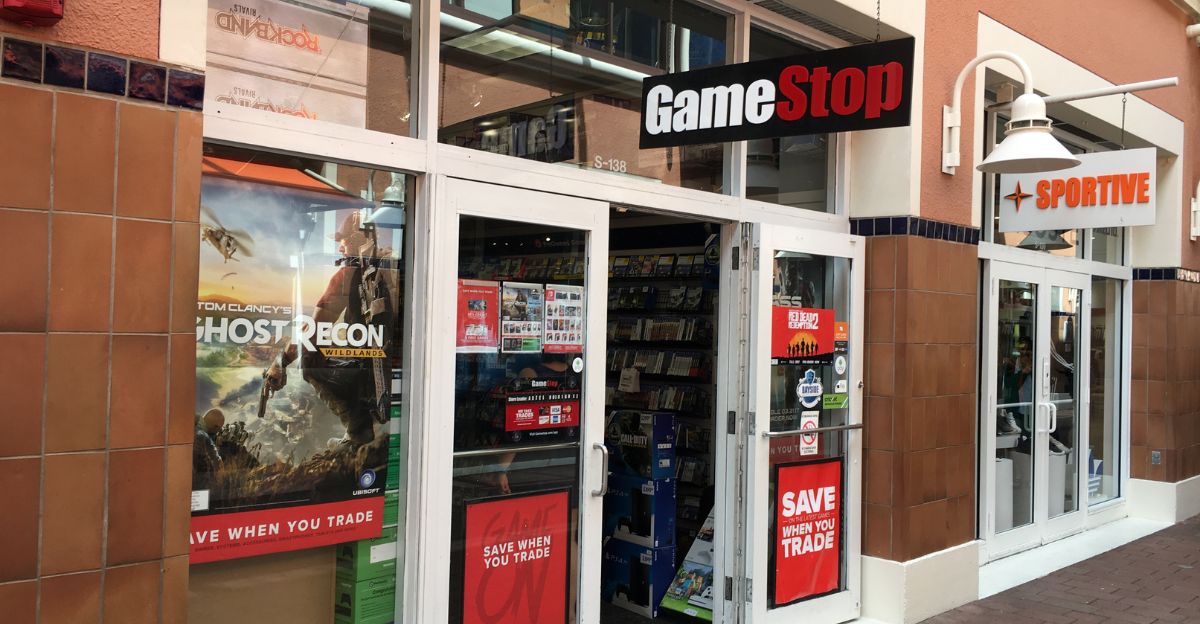
GameStop’s closures aren’t just business decisions—they mark the end of an era for gaming communities. For many, GameStop was the hub for trading games, meeting fellow enthusiasts, and collecting retro treasures.
With each store closing, local access to physical games shrinks, forcing gamers to rely on online stores and digital platforms. The nostalgia and community aspect of GameStop will fade for younger generations who may never experience it.
Retail Industry Adapts—Best Buy and Indie Retailers Respond
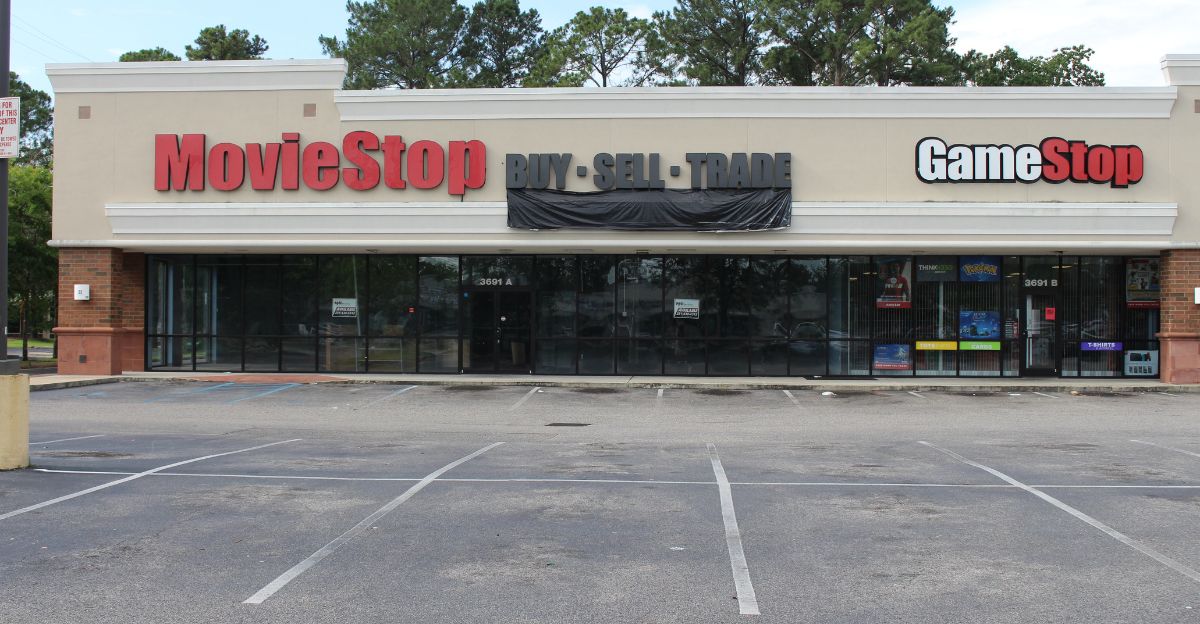
As GameStop shutters stores, competitors like Best Buy face no direct rival in gaming hardware. Meanwhile, indie retailers are stepping in, with some, like Geek Boutique, offering positions to displaced GameStop employees.
This shift marks a turning point for the retail industry, with the big-box chains reevaluating their gaming sections, and niche stores attracting cross-shoppers for collectibles and retro games.
The Digital Platform Surge—Winners in the New Era
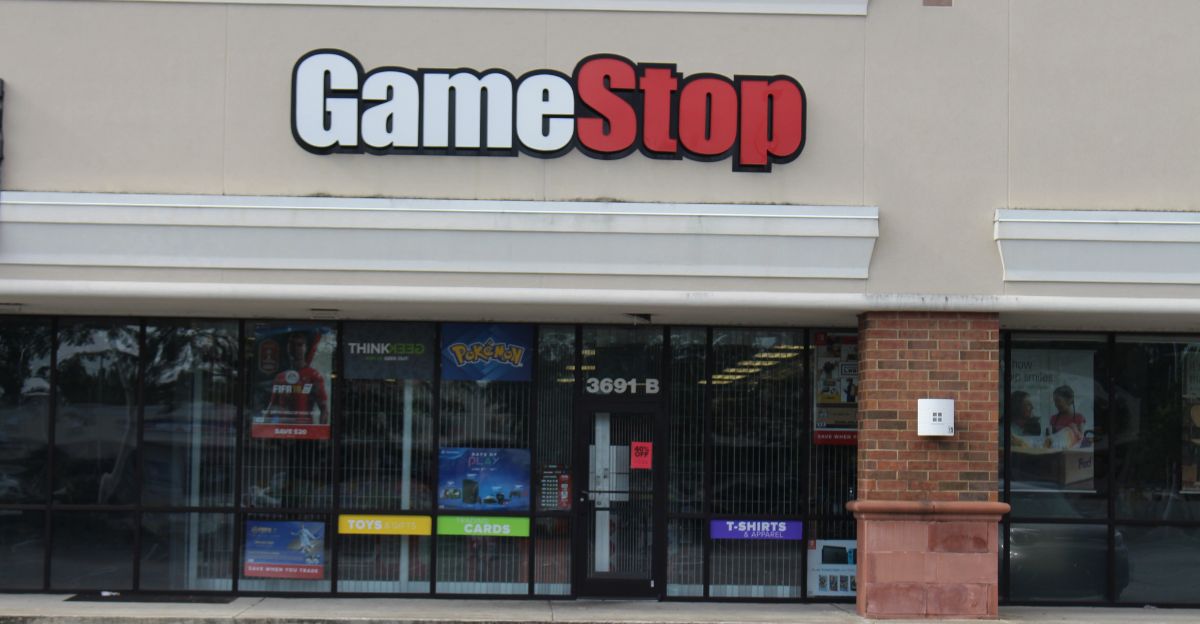
As GameStop falters, digital platforms like Xbox Game Pass, PlayStation Plus, and Nintendo Switch Online continue to thrive. These services provide on-demand access to hundreds of games, further sidelining traditional retail.
Steam, Epic Games, and GOG expand their reach, pushing the boundaries of cloud gaming. The rise of these platforms marks a clear shift in how consumers access games, leaving physical stores like GameStop behind.
Global Impact—GameStop’s Retreat on the World Stage
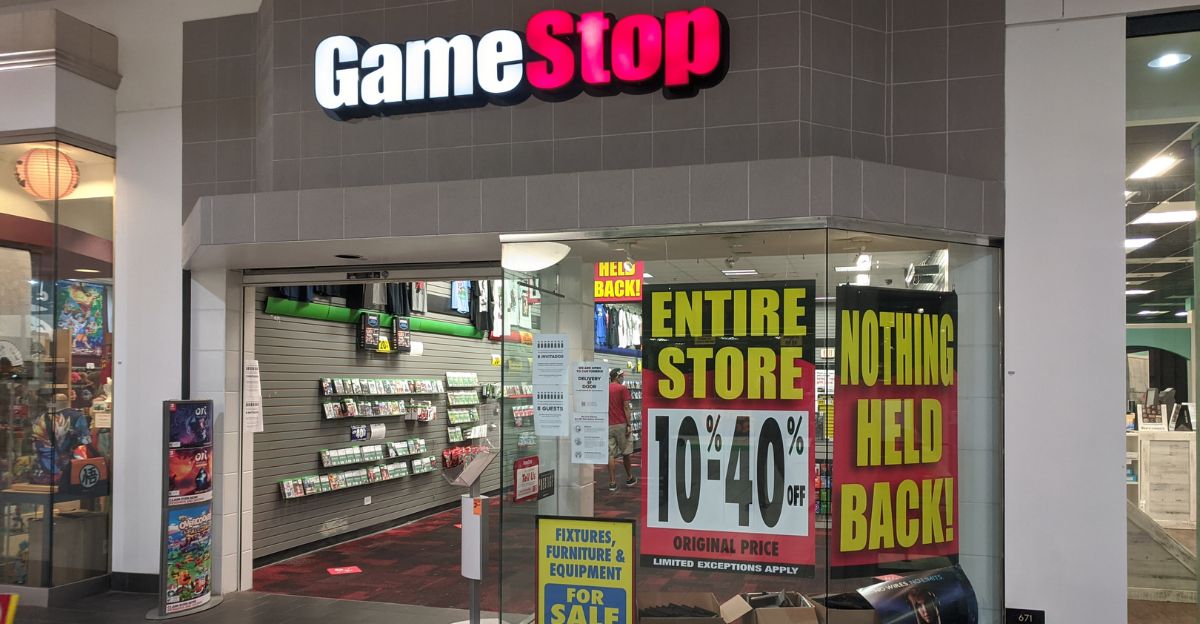
Internationally, GameStop’s closure trend continues. In early 2025, 69 stores in Germany closed, leaving 500 employees without jobs. GameStop also exited several European countries and sold its operations in Italy.
The company’s retreat from international markets is a signal that global gaming retail is in decline, with digital platforms continuing to dominate. In emerging markets, the decline is more gradual, but the trend is unmistakable.
The Human Cost—Displaced Employees Struggle to Adapt
Thousands of GameStop employees are directly impacted by the store closures. Many are given just days’ notice, leading to job uncertainty. In rural areas, where other retail opportunities are limited, these closures hit hardest.
While retraining programs exist, they’re not always accessible to everyone. For many employees, especially in small towns, the loss of their job also means a loss of community connection.
Local Governments React—Pressure on Communities and Real Estate
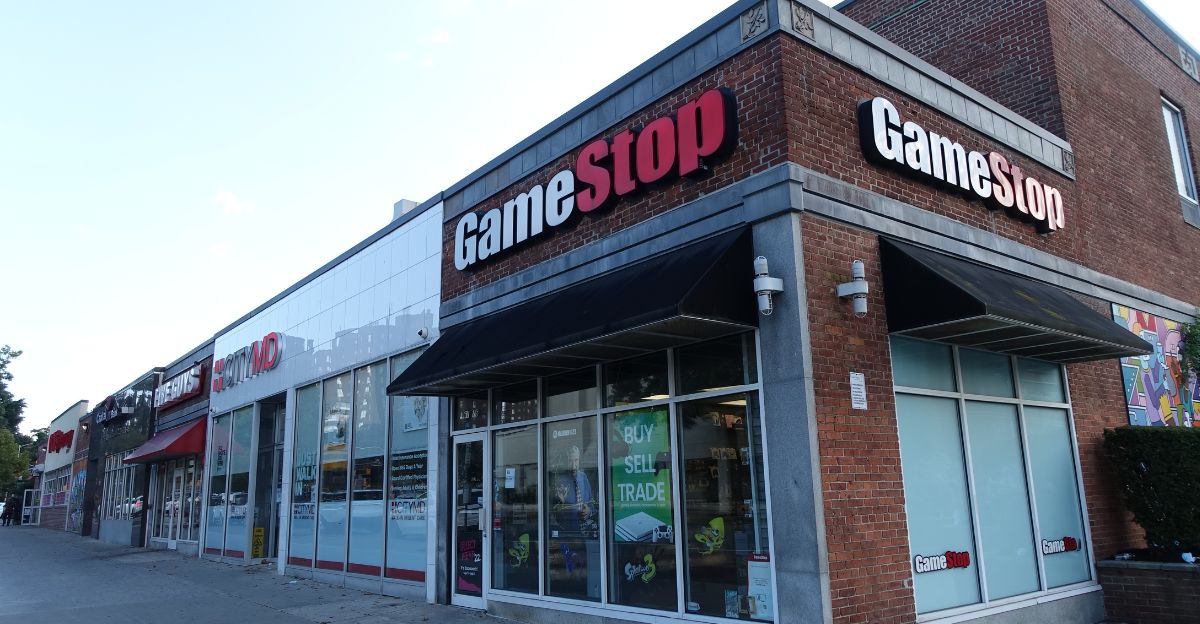
The loss of GameStop stores places pressure on local governments, particularly in areas like Grapevine, Texas, where the company’s headquarters is located.
City leaders are concerned about declining commercial tax revenue and the loss of retail anchors in malls and shopping centers. In response, some states are exploring retraining subsidies and workforce development initiatives to support displaced workers.
Economic Signals—GameStop’s Collapse Fuels Broader Trends
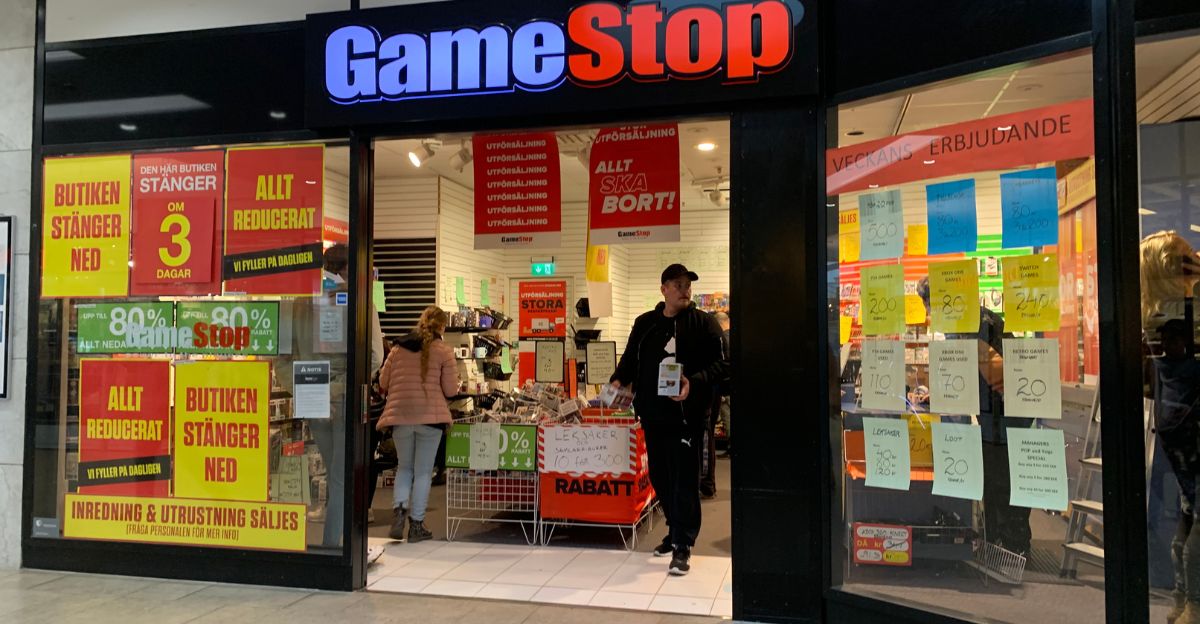
GameStop’s struggles are part of a larger economic trend affecting the retail industry. A 4.6% revenue drop in Q3 2025 reflects the softening demand for gaming hardware and collectibles.
This mirrors broader trends in consumer spending, with rent growth in commercial real estate slowing. As GameStop closes its doors, the ripple effect is felt across the retail landscape, with rising vacancies and fewer major chains paying rent.
Changing Lifestyles—Younger Gamers Embrace Digital-First Living
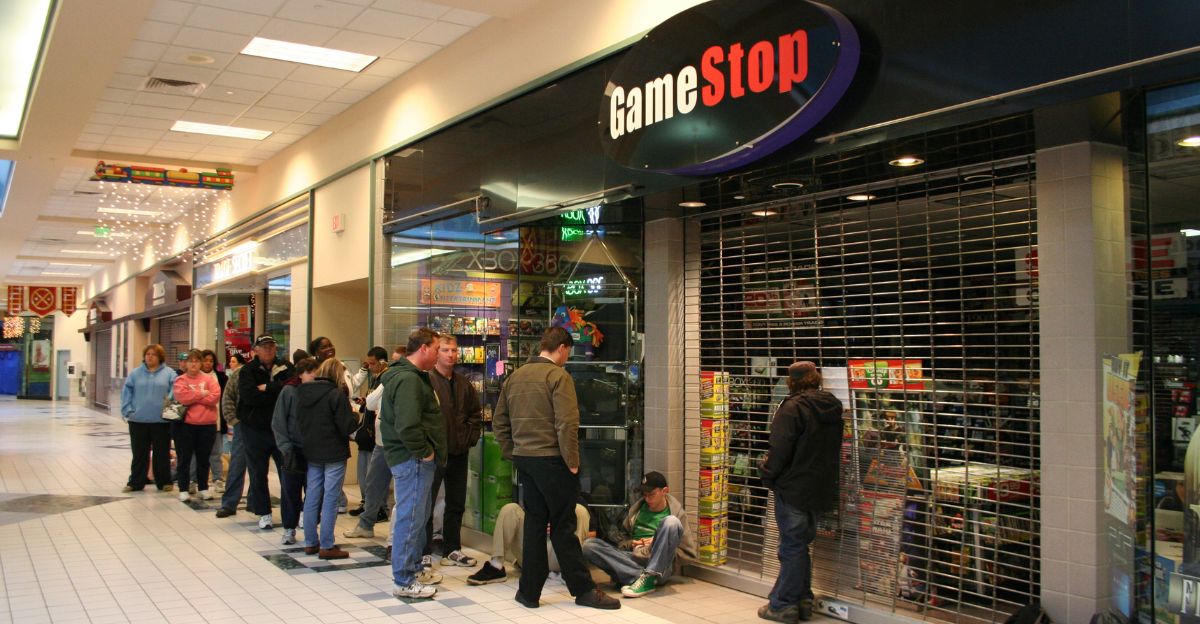
The closure of GameStop accelerates a cultural shift among younger generations, who are more accustomed to digital gaming. As physical stores close, more consumers turn to online services, with some skipping brick-and-mortar stores entirely.
This shift leads to less foot traffic, more sedentary lifestyles, and a growing reliance on digital spaces. Gaming cafés and esports venues may become the new gathering places, but the social aspect of gaming is changing.
Environmental Impact—The Green Debate Heats Up
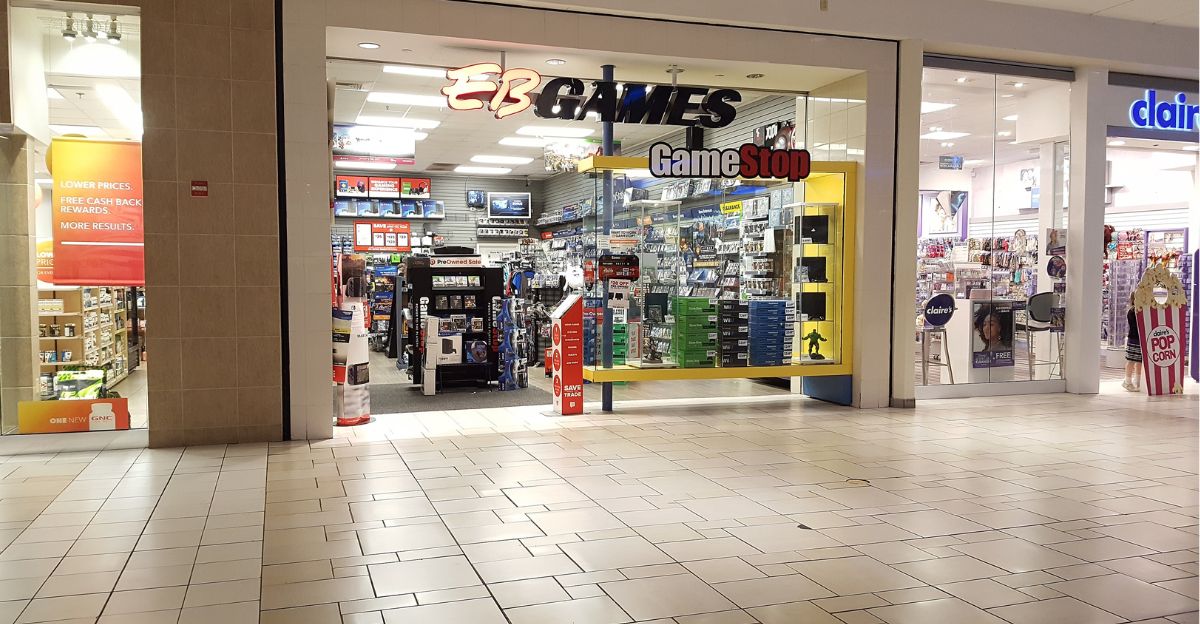
While some view GameStop’s retreat as an environmental win, with fewer physical stores and less shipping, others warn that the shift to digital gaming is far from eco-friendly.
Data centers for cloud gaming require vast energy resources, and e-waste continues to pile up. Still, some environmentalists argue that reducing the physical footprint will lower carbon emissions. As the digital era progresses, the environmental debate intensifies.
Global Perception—GameStop’s Closure Opens Doors for Local Competitors

In markets with less developed digital infrastructure, GameStop’s absence is felt differently. In regions where physical retail remains important, local competitors and regional chains are stepping up to fill the gap.
However, digital adoption is accelerating globally, and many consumers are already shifting to mobile and cloud platforms. GameStop’s decline, once a titan, now serves as a cautionary tale about the inevitability of digital-first distribution.
Surprising Winners—Smaller Businesses Seize the Opportunity
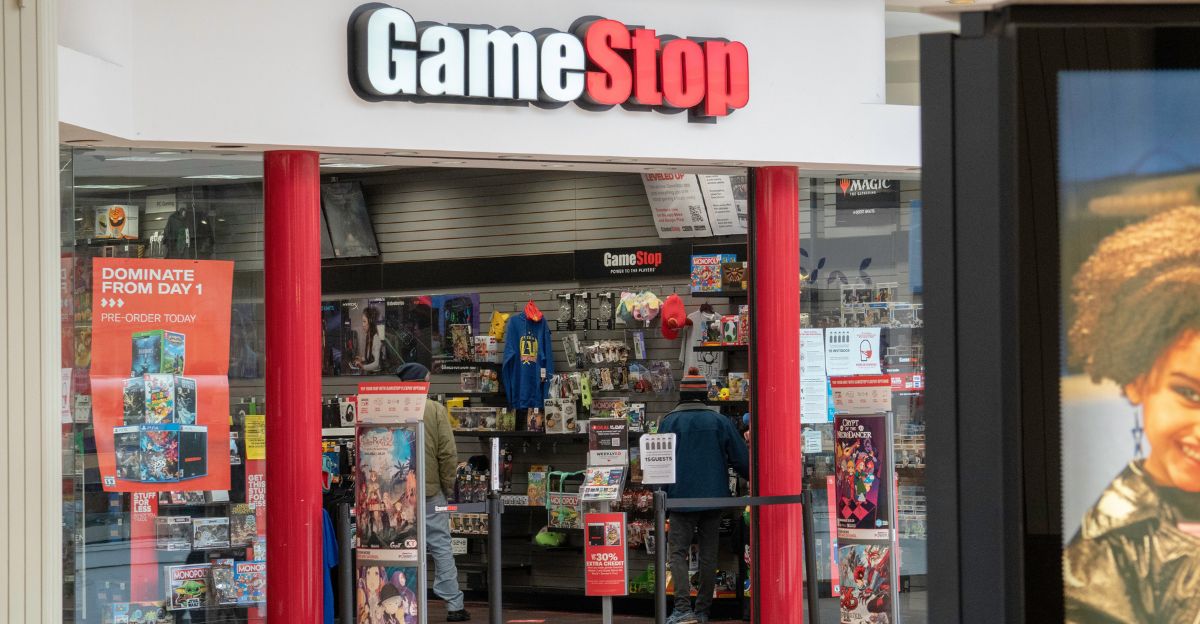
With GameStop closing stores, smaller businesses are capitalizing on the shift. Gaming cafés, fitness studios, and local collectibles retailers are growing in size and popularity.
Real estate landlords are also benefiting, as vacant spaces once occupied by GameStop are repurposed for new tenants. Even in the midst of a retail apocalypse, some independent retailers and small businesses are finding opportunities to thrive.
Financial Market Reactions—GameStop’s Stock Slumps Further
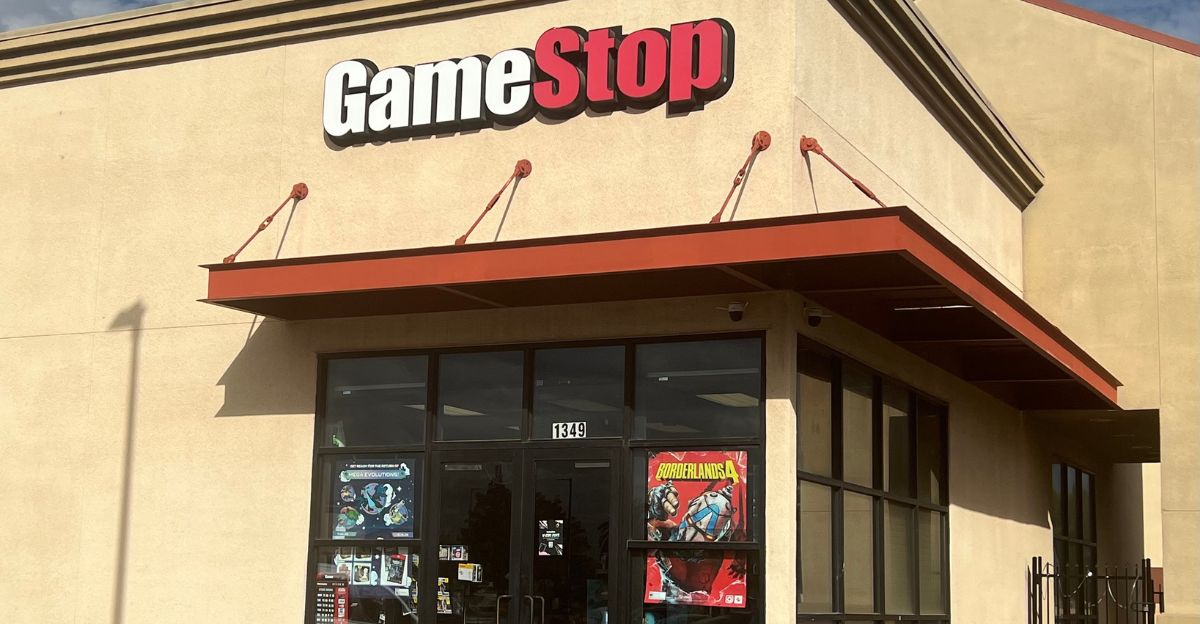
GameStop’s stock has seen a dramatic decline, with shares dropping 36% in the past year and 95% from their meme-stock peak of $483.
Analysts are now advising against investing in GameStop, suggesting that the company’s focus on physical stores and its Bitcoin holdings are not enough to offset the challenges it faces. Investors seeking exposure to the gaming industry are advised to look at digital-native companies instead.
What’s Next for GameStop? The Future of Video Game Retail
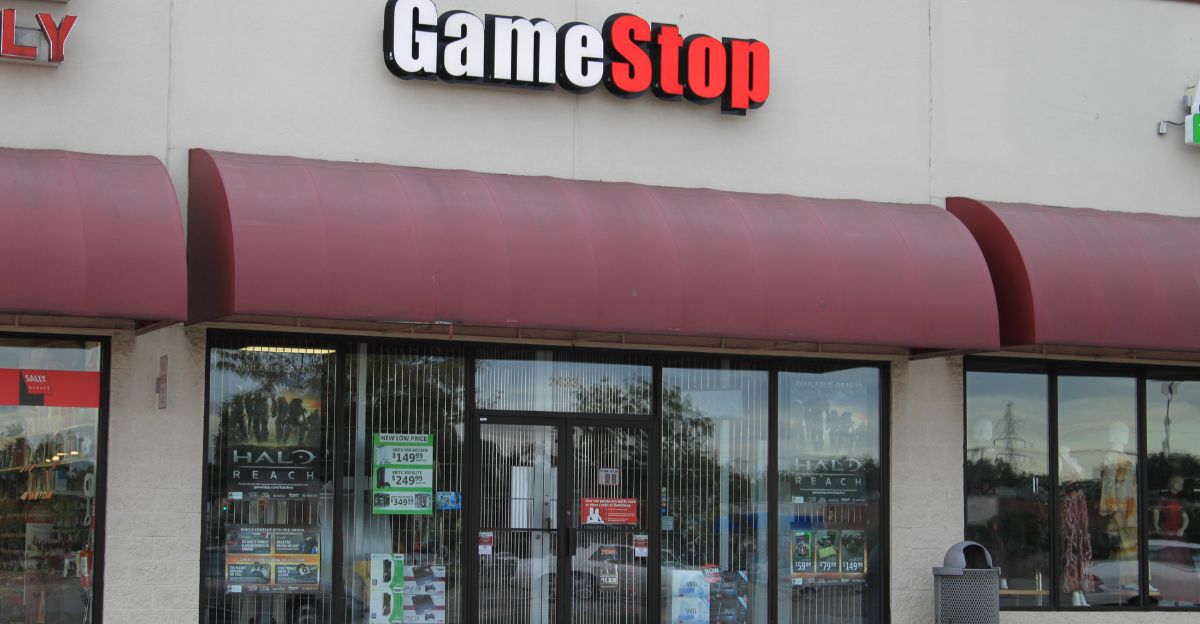
GameStop’s future is uncertain, but one thing is clear: the retail gaming landscape is changing. Expect more closures in the coming months as the company focuses on digital growth and reducing its physical footprint.
The broader industry will likely consolidate around large tech platforms, specialized boutiques, and digital-first ecosystems. For GameStop, the next few years will be crucial as it navigates the challenges of a rapidly evolving industry.
Sources:
“GameStop closing stores 2026: list of doomed locations grows.” Fast Company, 6 Jan 2026.
“GameStop Discloses Third Quarter 2025 Results.” GameStop Corp. Investor Relations, 8 Dec 2025.
“GameStop buys bitcoin worth $513 million in crypto push.” Reuters, 28 May 2025.
“Digital to make 95% of video game revenues in 2023, or $174.5 billion.” TweakTown, 22 Dec 2023.