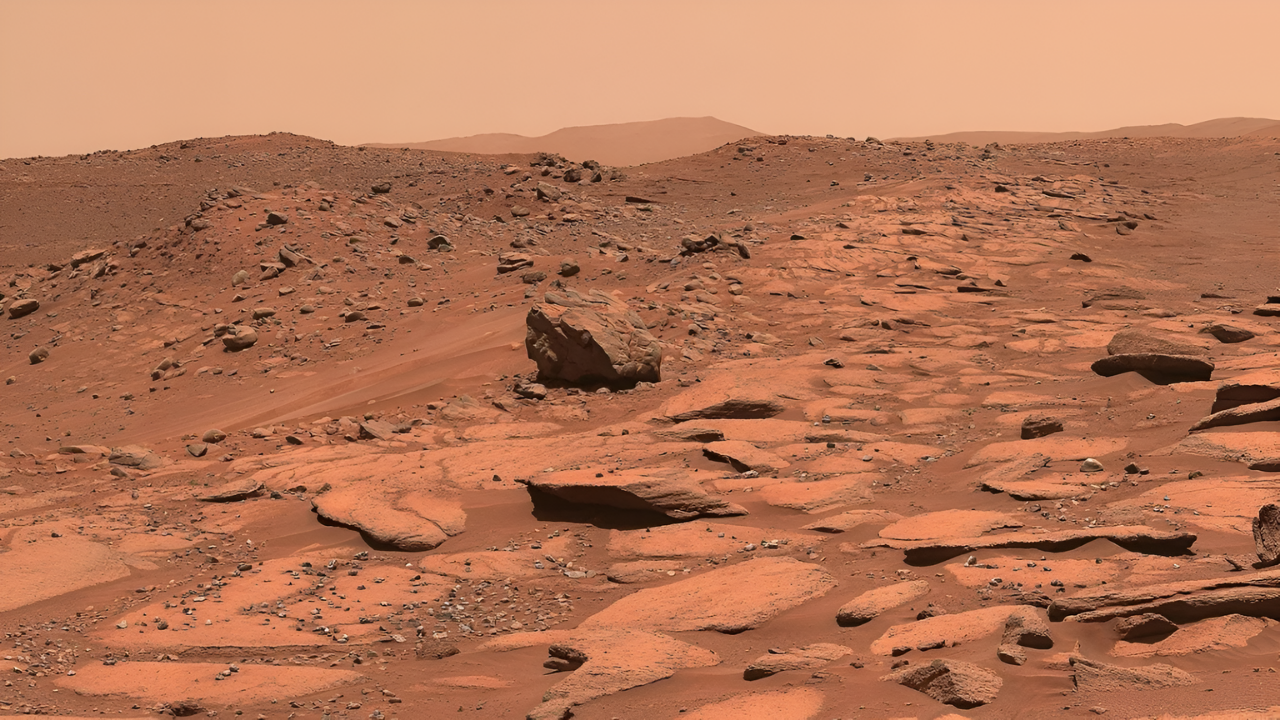
NASA’s Perseverance rover has uncovered pale rocks rich in kaolinite clay on the floor of Jezero Crater, a mineral that forms only in the presence of sustained liquid water and mild temperatures. This discovery, detailed in research published in December 2025, points to ancient rainfall-driven weathering on Mars, creating conditions suitable for life and capable of preserving its traces for billions of years.
Mars’ Ancient Waters
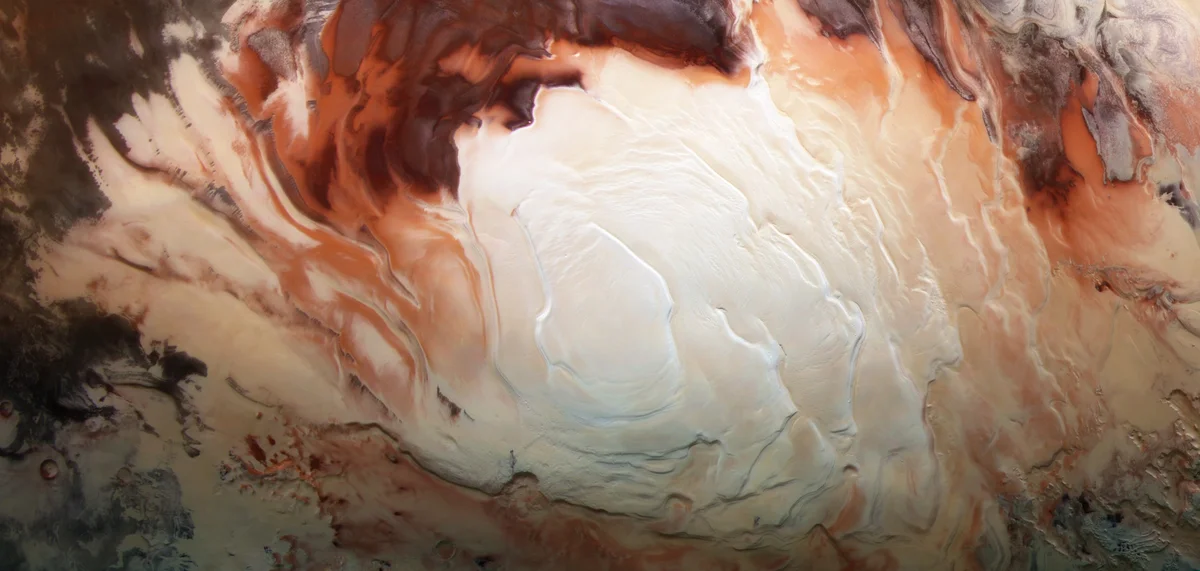
Billions of years ago, during the Noachian period from about 4.1 to 3.7 billion years ago, Mars differed sharply from its current barren state. A thicker atmosphere trapped heat, fostering warmer temperatures and widespread liquid water, including a massive freshwater lake in Jezero Crater fed by river deltas.
Satellites had previously detected signs of ancient riverbeds and lake deposits around the site, prompting NASA to select Jezero for Perseverance’s landing in February 2021. The rover’s instruments aimed to verify these hints of past habitability on the ground.
Kaolinite’s Significance
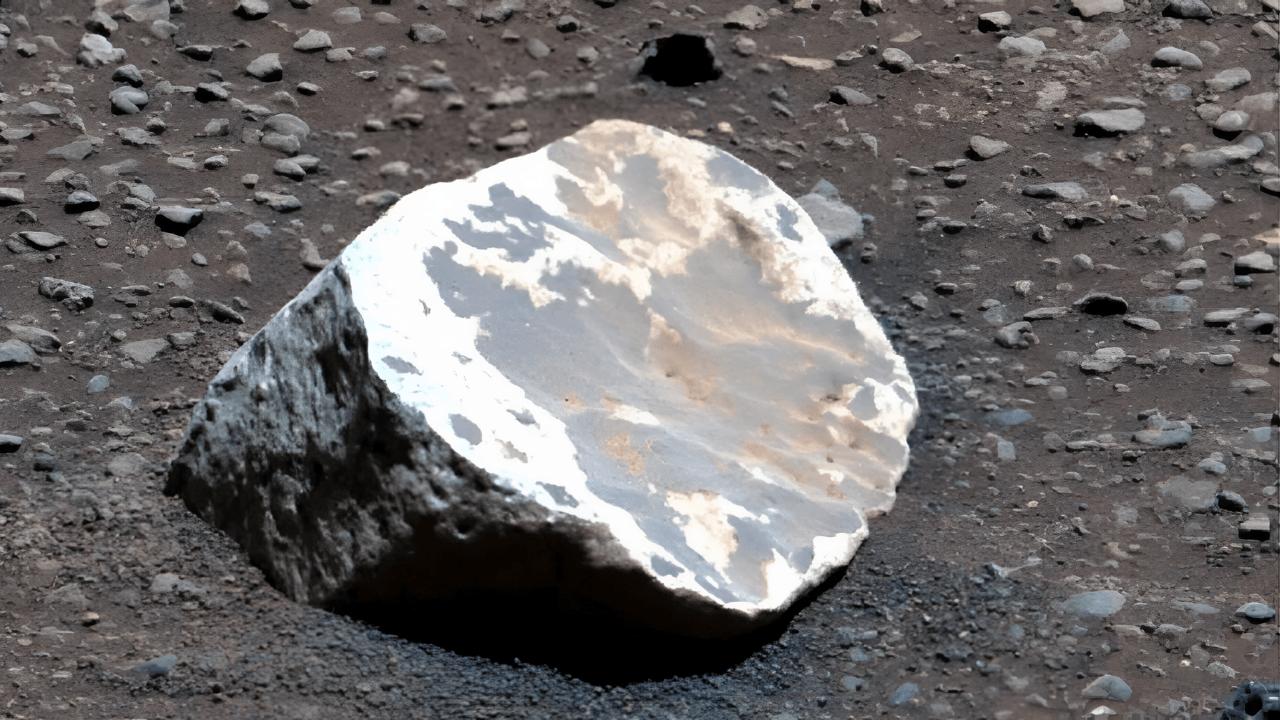
In December 2025, Perseverance identified thousands of light-colored, aluminum-rich rock fragments scattered across Jezero’s floor, confirmed through chemical analysis to contain kaolinite. On Earth, this clay mineral develops in tropical, water-rich environments via low-temperature weathering from rainfall, not hydrothermal activity.
The Martian samples matched signatures from Earth rain-leached soils, with distinct element ratios ruling out hot-spring origins. Kaolinite excels at trapping organic molecules—the precursors to life—shielding them from radiation over geological timescales.
Prolonged Habitability
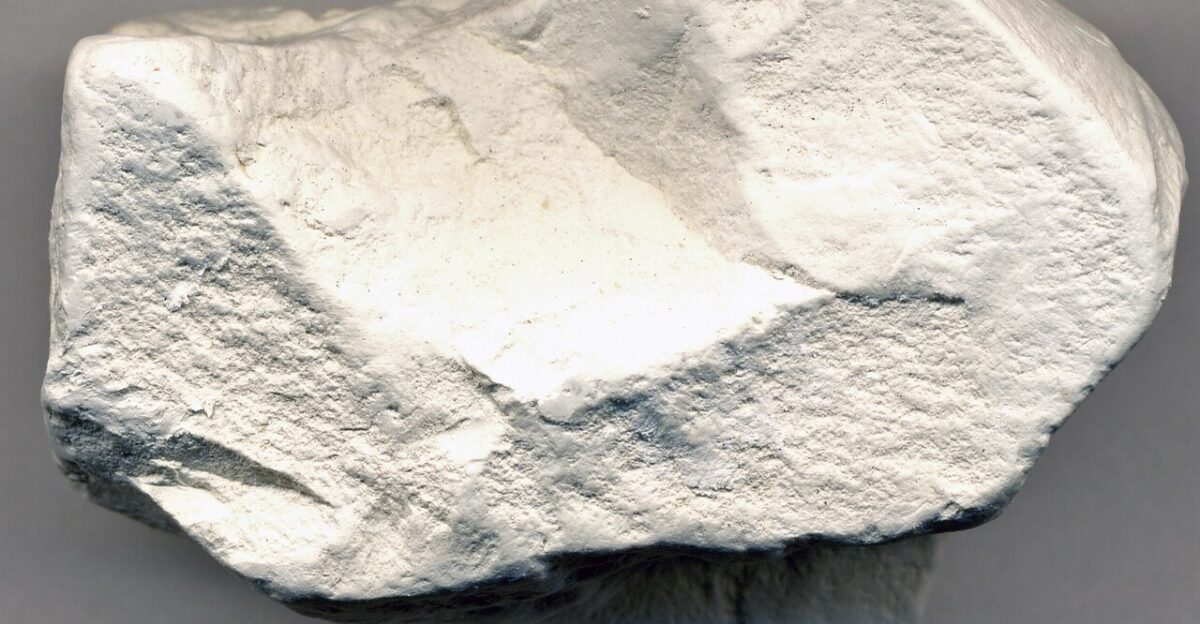
The kaolinite evidence reveals Jezero endured millions of years of rainfall, groundwater flow, and humidity, one of Mars’ longest wet phases amid cycling climates of warm periods and colder intervals. Such sustained conditions mirror those on early Earth where microbial life took hold.
Purdue University researcher Adrian Broz led the analysis, emphasizing that these rocks represent a rainfall-driven environment ideal for life. The mineral’s structure even retains water molecules, hinting at abundant ancient hydration now locked subsurface.
Ongoing Exploration
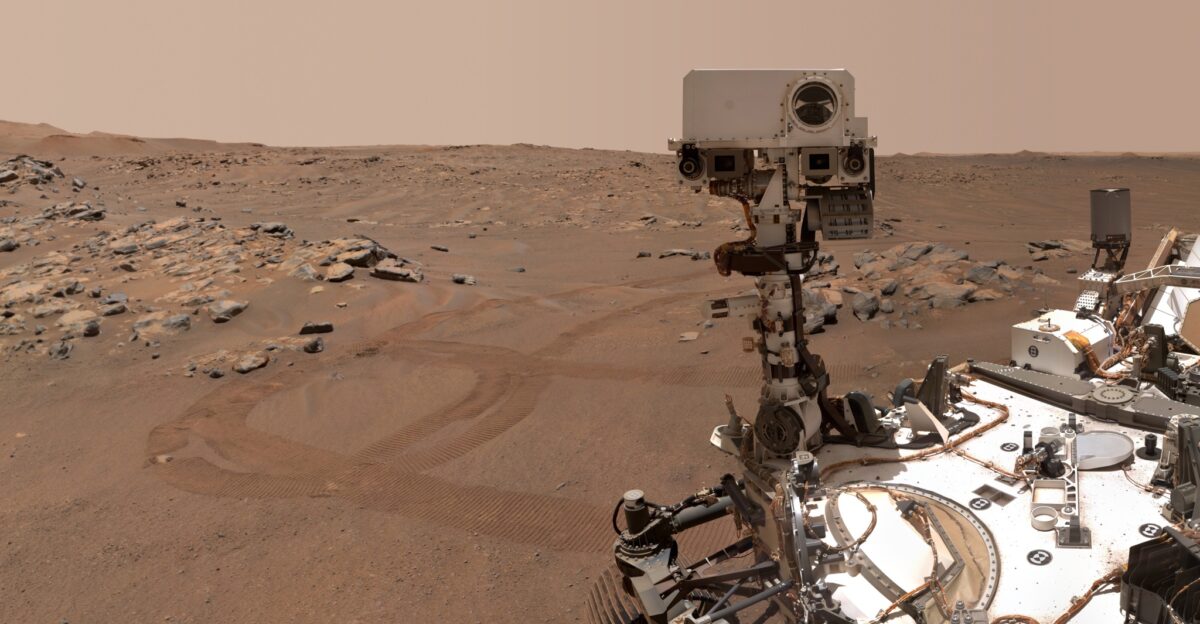
The scattered rocks lack a nearby source outcrop, sparking questions about their origins—possibly transported by ancient rivers or ejected by meteorite impacts. Orbital images reveal kaolinite on Jezero’s rim, prompting Perseverance to redirect toward potential bedrock deposits for deeper insights into weathering rates and climate history.
The rover now prioritizes caching these samples. Future NASA-ESA Mars Sample Return missions, targeted for the early 2030s, will bring them to Earth for advanced lab tests like isotope analysis, X-ray diffraction, and microscopy to detect biosignatures.
Future Implications
This finding bolsters the “warm and wet” model for early Mars at Jezero, though regional climate variations remain debated. Kaolinite deposits pinpoint prime sites for preserved life signs—organics, isotopes, or microbial fossils—elevating Jezero as a leading location in the quest for evidence of Mars’ ancient habitability. As samples return, they could confirm whether conditions on early Mars ever supported life, reshaping astrobiology and humanity’s cosmic perspective.
Sources:
Communications Earth & Environment, November 2025
Futurism, December 10, 2025
Phys.org, December 1, 2025
University of Arizona, October 9, 2022
Nature, July 4, 2024
NASA, December 2025