
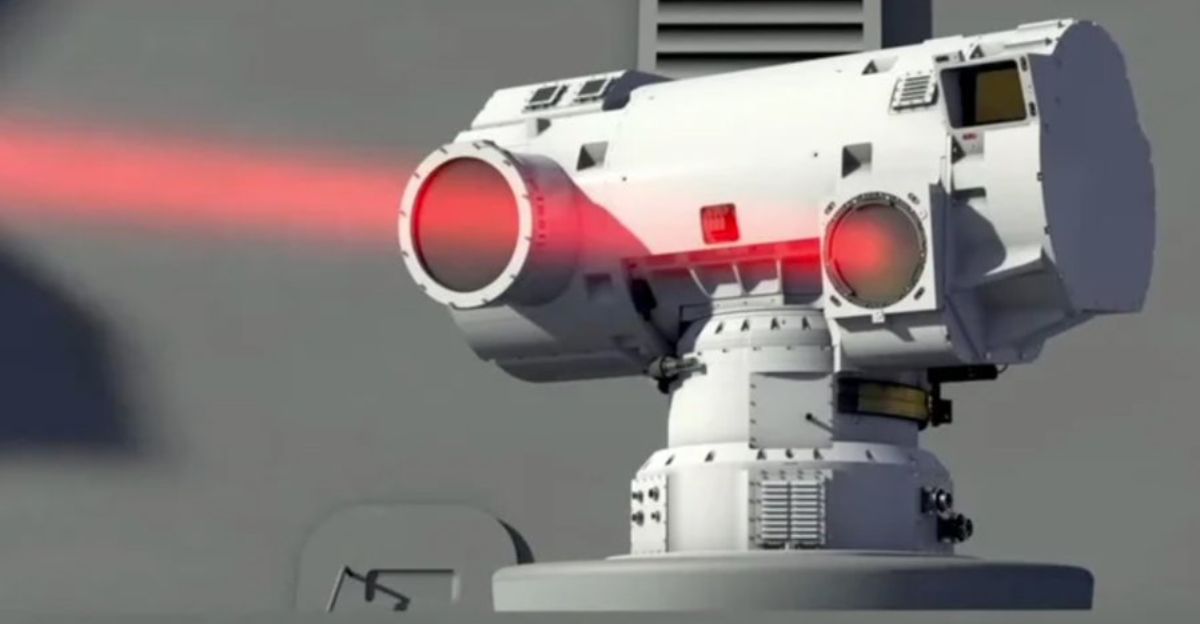
The British Ministry of Defence is set to revolutionize naval warfare with the introduction of the DragonFire laser system, projected to cost just $13 per shot, according to the UK Defence Ministry’s announcement in November 2025. This innovative weapon is expected to transform aerial defense strategies for the Royal Navy, particularly in countering the growing threat of drones.
As a significant advancement in directed energy technology, the deployment of DragonFire is keenly observed by NATO allies. The system enables a paradigm shift in naval capabilities, shifting from traditional missile-based defenses to laser-based engagements, which could redefine how modern conflicts unfold at sea. This transition signifies a significant evolution in military technology.
Escalating Stakes
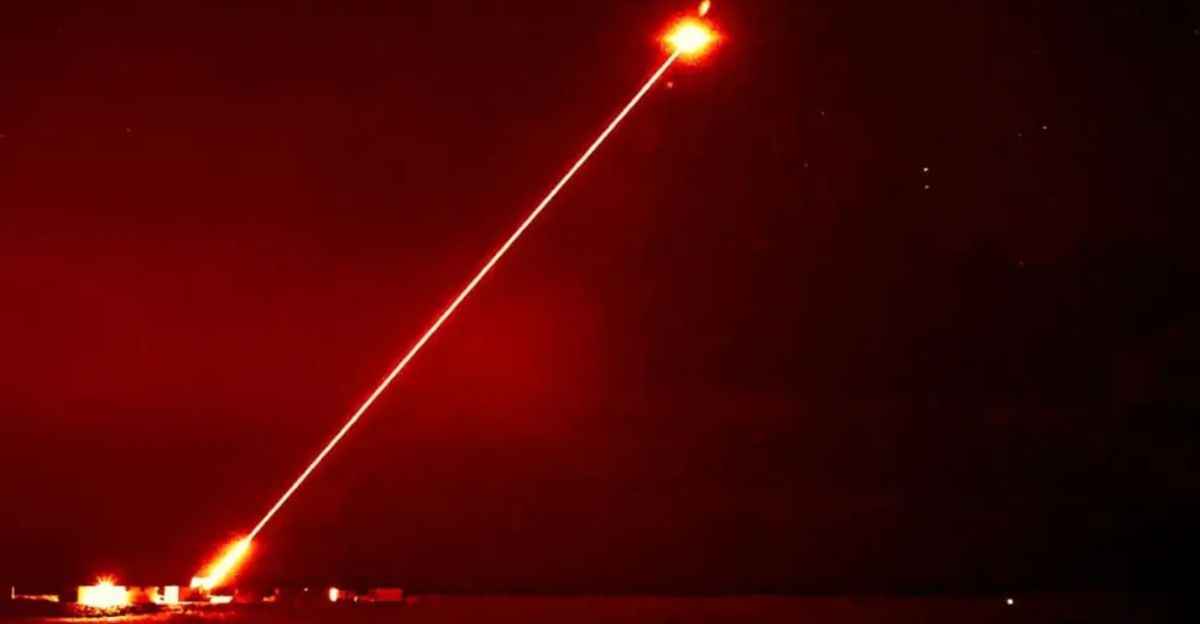
The affordability of DragonFire’s $13-per-shot laser system represents a significant advantage amid escalating defense costs. In contrast, conventional anti-air missiles can exceed hundreds of thousands of dollars per engagement, according to UK Defence Ministry statements and Forces News analysis. The laser system alleviates intense budgetary pressures on naval operations.
This shift is timely, given the rising threats of drone swarms in conflict zones, from Ukraine to the Red Sea. As global military strategies adapt, the need for cost-effective and rapid-response solutions has never been more pressing. The DragonFire system not only represents a financial relief but also a tactical necessity, meeting the demands of modern warfare.
Military Context

Historically, military lasers have been relegated to research phases, seldom moving beyond laboratory testing, as documented by defense historians and The Register’s technology archive. However, with the unveiling of DragonFire, the landscape of directed energy weapons transitions from theoretical to operational application, especially within Western naval forces.
The system’s high-tech capabilities allow for engagements at unprecedented speeds and accuracy. This breakthrough signifies a crucial leap forward for military assets, paving the way for future innovations in naval warfare. As nations invest in similar technologies, DragonFire could become a benchmark that shapes international defense capabilities and strategies over the coming decades.
Pressure to Innovate

The rise of drone warfare and loitering munitions necessitates innovative solutions that can outpace the limitations of existing missile systems, according to military analysts cited by Naval News. The current operational environment, as seen in Ukraine and threats to commercial shipping, underscores the urgent need for seamless, high-tempo defense capabilities.
Military leaders emphasize the need for “unlimited ammunition,” as conventional systems face escalating costs and logistical challenges. DragonFire addresses these increasing demands by offering a rapid response mechanism that can continuously engage multiple threats, drastically enhancing naval defenses. This innovation satisfies the strategic need for adaptability in an evolving battlefield landscape.
Ahead Of the Timeline
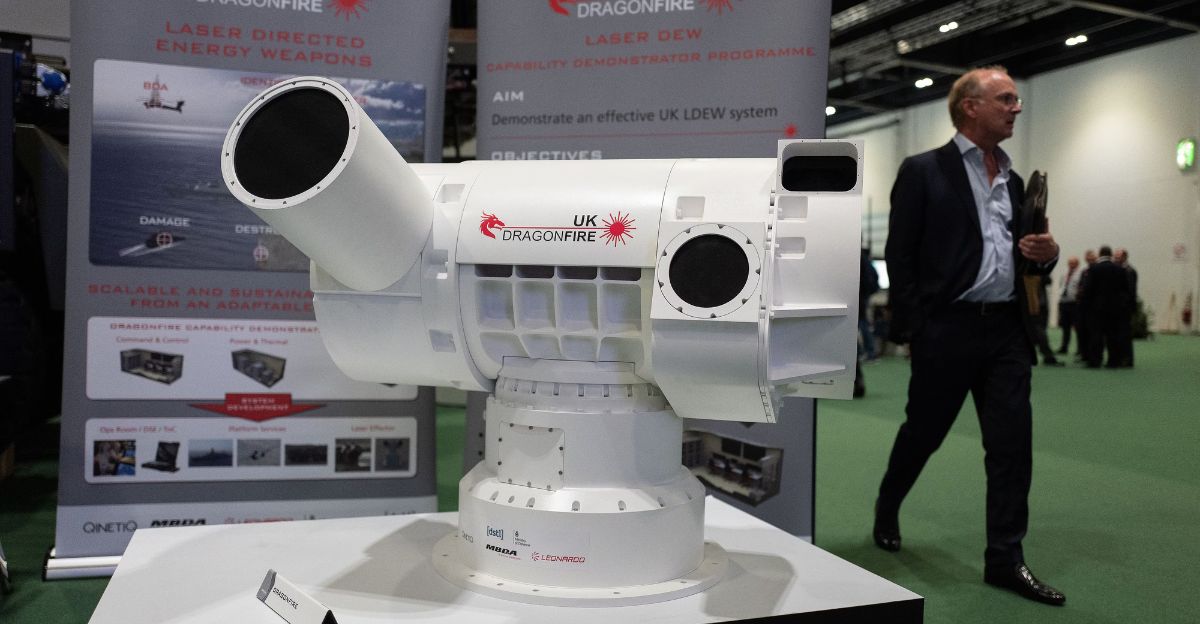
Significantly, on November 20, 2025, the UK Ministry of Defence awarded MBDA UK a £316 million ($413 million USD) contract for the deployment of DragonFire on Type 45 destroyers, set for operational capability by 2027, a remarkable five years ahead of the initial timeline, according to the official UK Government Defence announcement.
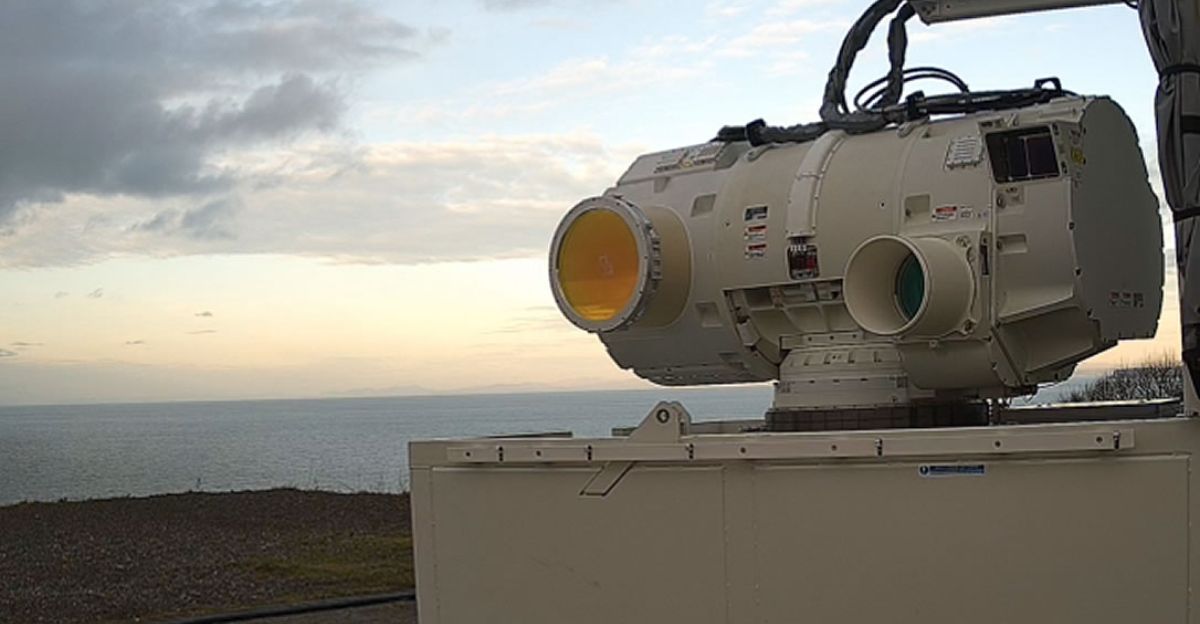
The system has demonstrated the ability to engage drones traveling at 650 km/h (403 mph) during trials at the Hebrides range in Scotland, effectively neutralizing threats utilizing a precision-targeting approach akin to hitting coin-sized objects from a kilometer away. This capability not only confirms DragonFire’s operational viability but also sets a new standard in naval weapon systems, securing the UK’s position at the cutting edge of military technology.
Scottish Trials
The transformative testing of DragonFire took place at the Hebrides range in Scotland, marking the first above-horizon laser intercepts of fast-moving drones in the UK military’s history, according to UK Defence Ministry officials. These successful trials have propelled DragonFire beyond experimental status and into imminent fleet readiness, progressing faster than competitor programs, including Israel’s Iron Beam and the US Navy’s HELIOS system.
The results showcase advanced technology that can outperform traditional systems in dynamic environments, emphasizing the Royal Navy’s commitment to leading-edge warfare capabilities. This achievement not only strengthens the UK’s defense posture but also enhances its global standing in the emerging realms of directed energy weaponry.
Human Perspective

The DragonFire project has generated nearly 600 skilled jobs across England and Scotland, according to UK Defence Ministry procurement reports and Forces News coverage. Defence Minister Luke Pollard stated on November 20, 2025: “This high-power laser will see our Royal Navy at the leading edge of innovation in NATO, delivering a cutting-edge capability to help defend the UK and our allies in this new era of threat,” highlighting the project’s broader impact on local economies and defense partnerships.
The emphasis on job creation illustrates how investment in advanced technologies can provide stable employment opportunities while enhancing national security. In this context, DragonFire represents not just technological advancement but also a commitment to societal growth tied to defense innovation.
Global Race
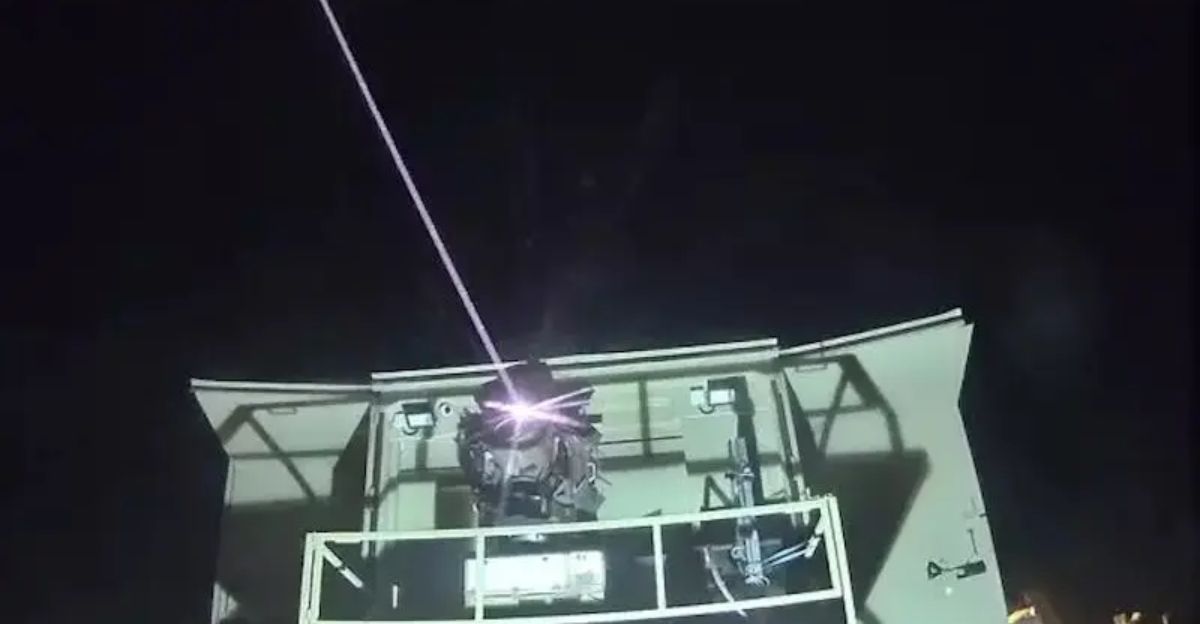
As the UK forges ahead, the global race in directed energy weaponry accelerates. Israel has operationalized its Iron Beam laser system, which has a 100-150kW power output, according to reports from Reuters and EurAsian Times in September 2025. The US Navy is deploying HELIOS (capable of 60-120kW), and China has introduced the LY-1 on its Type 071 amphibious vessels, as documented by multiple defense publication analyses.
This competition underscores the pressing need for nations to secure technological superiority in their military capabilities. As countries strive to develop the most advanced laser systems, the stakes increase both globally and regionally. The emergence of multiple operational systems is likely to reshape deterrence strategies and responses in conflict zones worldwide, heralding a new era of warfare.
Macro Perspective

Beyond cost-effectiveness, DragonFire’s touted “unlimited magazine depth” dramatically shifts naval defense paradigms, according to an analysis by the UK Defence Journal. Unlike finite missile inventories, Type 45 destroyers typically carry approximately 48 Sea Viper missiles. This laser system can sustain continuous operations as long as the ship’s power supply remains active.
Such a capability enables fleets to respond to sustained threats without frequent resupply, marking a significant evolution in military operational efficiency. This advancement challenges traditional concepts of engagement and resource management, allowing navies to maintain tactical flexibility and responsiveness in high-stakes situations, fundamentally altering how naval forces will defend themselves against aerial threats.
Layered Defense
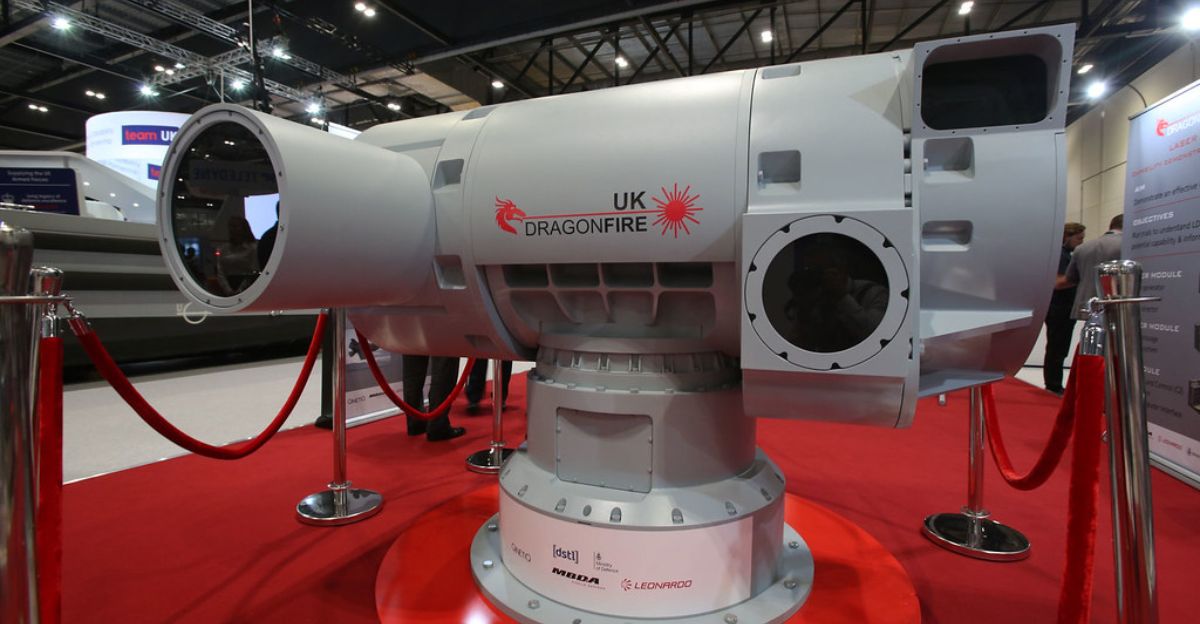
Amidst the hype surrounding DragonFire’s capabilities, it is crucial to understand that this technology does not serve as a complete replacement for missiles but as a vital complement, according to UK Defence Ministry officials. Defence Minister Luke Pollard clarified in November 2025 statements: “DragonFire doesn’t replace missiles: it’s complementary to missiles; it provides a low-cost ability to defeat threats to those ships.” Lasers are best suited for neutralizing drones and low-cost threats, preserving expensive missiles like the Sea Viper for more formidable adversaries.
This layered defense strategy preserves critical assets while enhancing overall operational efficacy. By clearly defining roles for various systems, the Royal Navy maximizes its defense potential and strategically allocates resources, ensuring readiness for a variety of conflict scenarios.
Internal Tensions

Despite the promising capabilities of DragonFire, skepticism about laser technology persists within military circles, according to Navy Lookout’s March 2024 analysis of development challenges. Early development faced hesitations regarding cost-effectiveness, technical hurdles, and operational reliability in maritime environments. Such concerns highlighted the challenges associated with integrating novel technologies into existing frameworks.
Nevertheless, accelerated investment and successful trials at the Hebrides range have largely mitigated these reservations, pushing the project forward. However, defense experts still debate the long-term efficacy of directed energy weapons in evolving combat scenarios, underscoring the ongoing need for extensive testing and refinement even as efforts advance toward full-scale deployment.
Strategic Ownership

The DragonFire initiative is led by MBDA UK in collaboration with QinetiQ and Leonardo, as announced by the UK Defence Ministry and Leonardo on November 25, 2025. These firms provide extensive expertise in defense technology and directed energy systems. The integration of longstanding British and European defense capabilities ensures that the system will meld cutting-edge technology with proven operational principles.
Ties to the Strategic Defence Review align military procurement with broader national security goals, fostering strong political and industrial relationships that are vital for sustaining advancements in military technology. Such collaborative efforts are key to ensuring the ongoing success of defense programs in the UK and Europe.
Comeback Plan
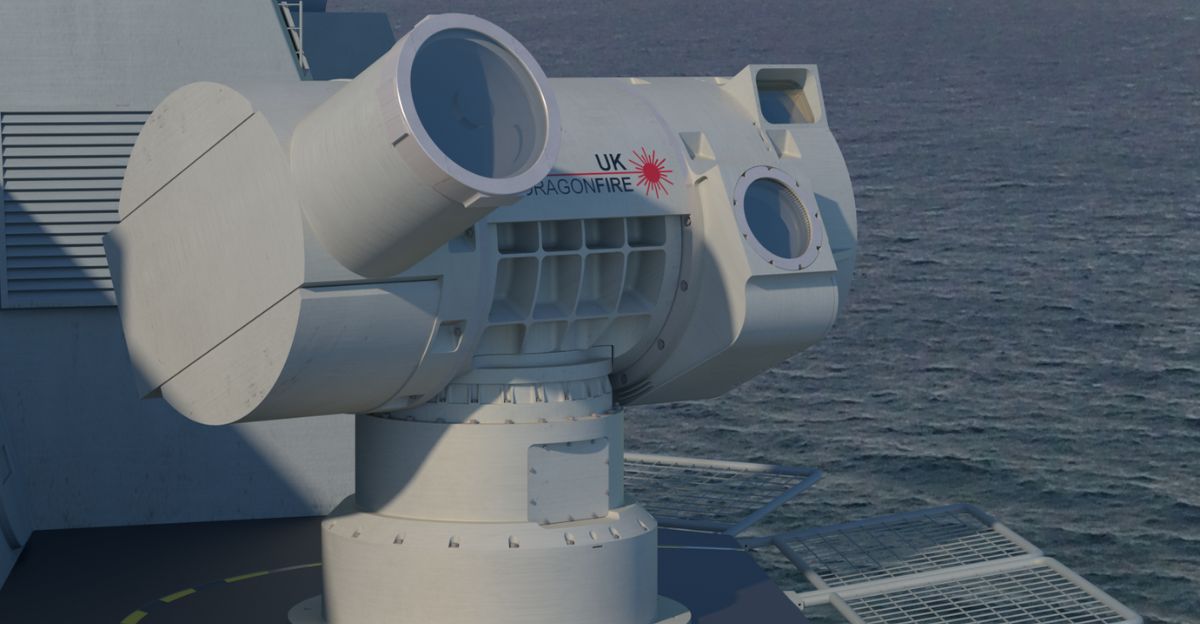
As the deployment of DragonFire approaches in 2027, MBDA and the Royal Navy are prioritizing key aspects of readiness, according to AeroTime’s November 2025 report: shipboard adaptation, personnel training, and battlefield simulations. Ensuring reliable power generation and line-of-sight targeting are critical factors that must be addressed to facilitate operational effectiveness in diverse environments.
The focus on overcoming atmospheric interference reflects a comprehensive approach to laser technology, emphasizing the stark differences between theoretical promise and real-world application. This meticulous preparation aims to ensure that DragonFire meets and exceeds the demanding requirements of modern naval conditions, with the first Type 45 destroyer fit scheduled for 2027.
Expert Outlook

Defense analysts advise caution regarding the potential for lasers to completely replace traditional missile systems, as noted in expert commentary by the UK Defence Journal. Factors such as environmental conditions, including weather, fog, and smoke, can significantly impair laser effectiveness, presenting unique challenges on the battlefield.
Additionally, adversaries are likely to develop countermeasures, such as ablative coatings on drone surfaces, which could further complicate the efficacy of lasers. Consequently, while DragonFire represents a powerful advancement, it is essential to recognize its limitations. Maintaining a diversified arsenal remains a vital strategy as militaries navigate complex operational landscapes and evolving threats.
Looking Ahead

With the first Type 45 destroyer scheduled for DragonFire installation in 2027, the Royal Navy faces a critical assessment of its operational capabilities, according to a Naval News analysis. The following two years will serve as a litmus test: can DragonFire provide reliable, cost-effective performance during actual naval operations? This period will be crucial in determining the system’s ability to revolutionize maritime air defense strategies.
While advancements are promising, real-world challenges persist, including maintaining power generation stability, ensuring tracking accuracy in adverse conditions, and integrating with existing ship systems. Successfully meeting these challenges will ultimately dictate whether lasers become a mainstay of naval warfare for future generations.
Political Stakes
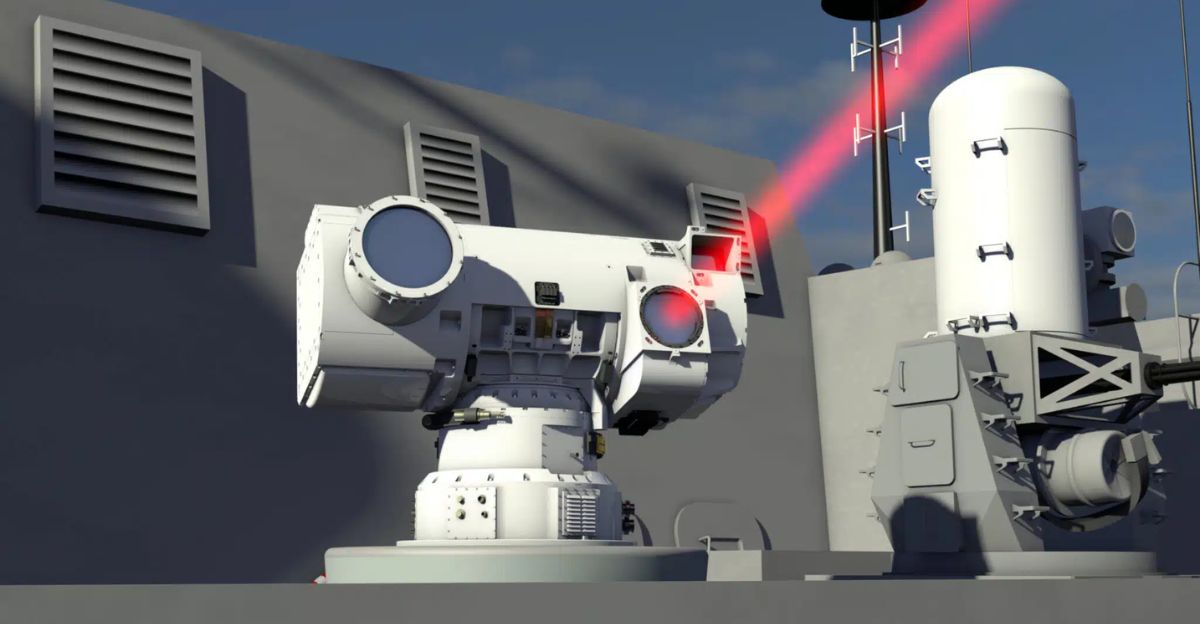
The UK’s expedited deployment of DragonFire five years ahead of expectations highlights underlying political motivations tied to national security, as emphasized in the UK Government’s November 2025 defence announcement. The urgency reflects growing concerns about contemporary threats from drone swarms and loitering munitions, particularly following regional conflicts in Ukraine and the Red Sea.
By investing in advanced technologies, the UK aims to reaffirm its commitment to maintaining a leading role in NATO and global defense dialogues. This accelerated timeline symbolizes not only technological progress but also the strategic imperative of ensuring military readiness in an increasingly volatile international environment as defence priorities evolve.
International Implications
The global directed energy weapons market is expanding rapidly as nations recognize the strategic value of systems like DragonFire. Israel’s Iron Beam, already operational by late 2025 with a 100-150kW power output and a $3 per-shot cost, according to Reuters, represents an earlier operational status than the UK system.
The US HELIOS system (60-120kW) has been deployed on USS Preble since 2024, according to Naval News reports. China’s LY-1 laser is installed on multiple Type 071 amphibious ships, as documented by Army Recognition in November 2025. This competitive landscape underscores how directed energy weapons are reshaping military doctrines across various continents.
Technical Challenges Ahead
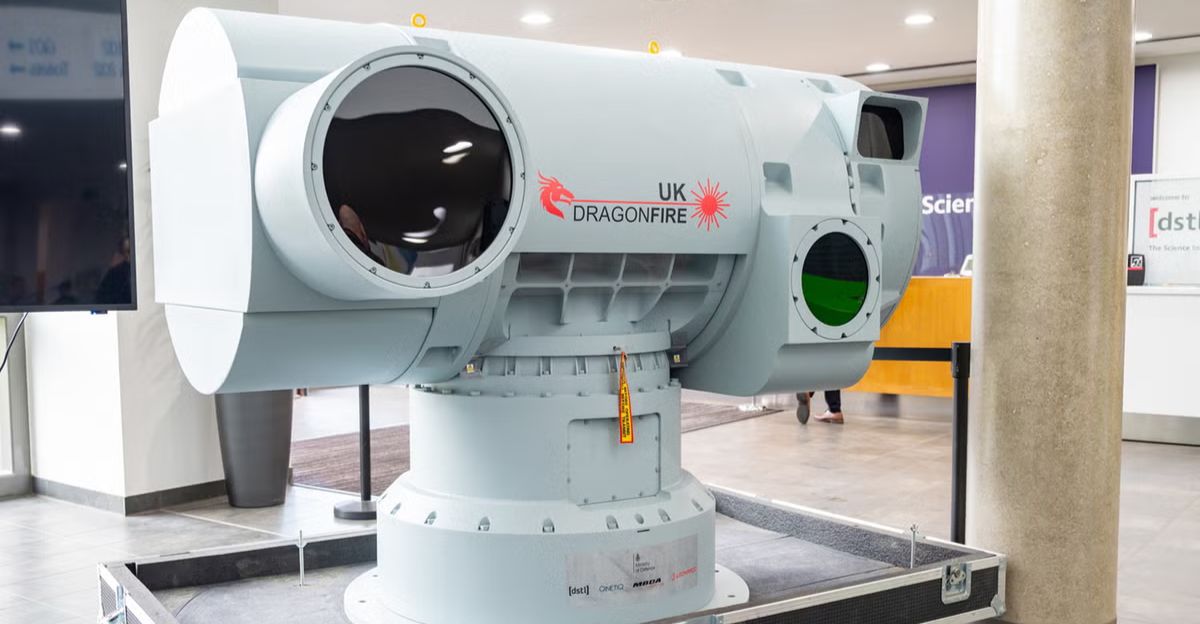
While DragonFire’s 50kW power output and precision capabilities are impressive, deployment will face real-world complications. Atmospheric interference, weather-dependent performance, and the requirement for line-of-sight targeting present ongoing technical hurdles, according to UK Defence Journal analysis. The system’s reliance on continuous ship power generation means that energy supply disruptions could compromise defensive capabilities.
Additionally, adversarial developments in counter-laser technology, including reflective coatings, smoke screens, and fast-moving targets, will require continuous refinement of the system. These technical realities underscore that DragonFire, while revolutionary, is not a panacea for all naval air defense requirements.
Economic and Industrial Growth

The £316 million DragonFire contract represents substantial investment in UK defence manufacturing, as confirmed by UK Government announcements. Beyond the direct contract value, the nearly 600 skilled jobs supported across England and Scotland contribute to technological expertise, workforce development, and supply chain resilience.
Defence contractors MBDA UK, Leonardo, and QinetiQ will expand operations and research capabilities, potentially spurring innovation in adjacent fields. This investment aligns with the Strategic Defence Review’s stated objective of strengthening UK defence industrial capacity. The programme exemplifies how military modernization can drive economic growth while enhancing national security capabilities in an increasingly competitive global environment.
A New Dawn for Defence

The introduction of the DragonFire laser system marks a pivotal moment in naval defense history. As the UK leads the charge in deploying directed energy technology, the implications for global military dynamics are significant. By embracing innovation and prioritizing cost-effective solutions at $13 per shot, compared to hundreds of thousands for conventional missiles, the Royal Navy positions itself at the forefront of modern warfare.
The successful implementation of DragonFire beginning in 2027 will not only redefine naval capabilities. Still, it may also spark a broader reevaluation of defense strategies across NATO and globally, prompting nations to adapt to a new era of warfare driven by advanced technologies, changing threat landscapes, and the proven effectiveness of directed energy weapons in real-world combat scenarios.
Sources
UK Government Defence Announcement – “Boost for Armed Forces as new laser weapon takes down high-speed drones” – 20 Nov 2025
UK Ministry of Defence Official Statement – Ministry of Defence Contract Award & DragonFire Deployment Plan – 20 Nov 2025
Leonardo UK – “DragonFire – Laser Directed Energy Weapon” – 25 Nov 2025
Reuters – “Israeli anti-missile laser system ‘Iron Beam’ ready for military use this year” – 17 Sep 2025