More than half a million bottles of a common drug, prazosin hydrochloride, have been recalled across the United States after dangerous levels of a possible cancer-causing chemical were found. The drug is widely used to treat high blood pressure and symptoms of post-traumatic stress disorder (PTSD). The recall has caused anxiety among patients who depend on it daily.
The U.S. Food and Drug Administration (FDA) and Teva Pharmaceuticals, prazosin’s manufacturer, launched the recall in October 2025 after discovering unsafe amounts of a chemical impurity called N-nitroso prazosin impurity C. This chemical belongs to a group known as nitrosamines, which have been linked to a higher risk of cancer if people are exposed to them over time. The FDA has labeled the recall as Class II, meaning that while the health risks are real, they can usually be reversed or avoided if patients take prompt action.
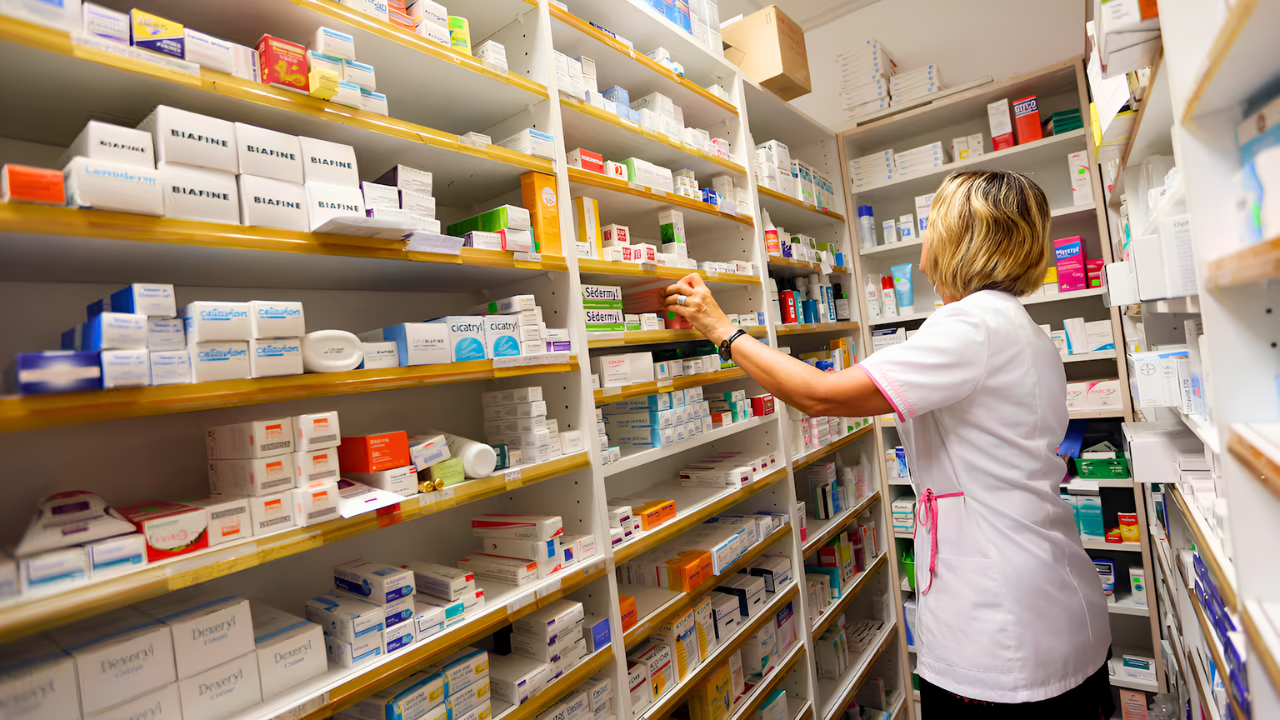
Teva is recalling 580,844 bottles nationwide, affecting doses of 1 mg, 2 mg, and 5 mg. Pharmacies across all 50 states have been told to pull the affected products from their shelves. For patients like Maria Lopez from Los Angeles, who has relied on prazosin for years, the news has been disturbing. The FDA has encouraged patients not to stop their medication suddenly, but to talk to healthcare providers to find safe options.
Why the Recall Matters
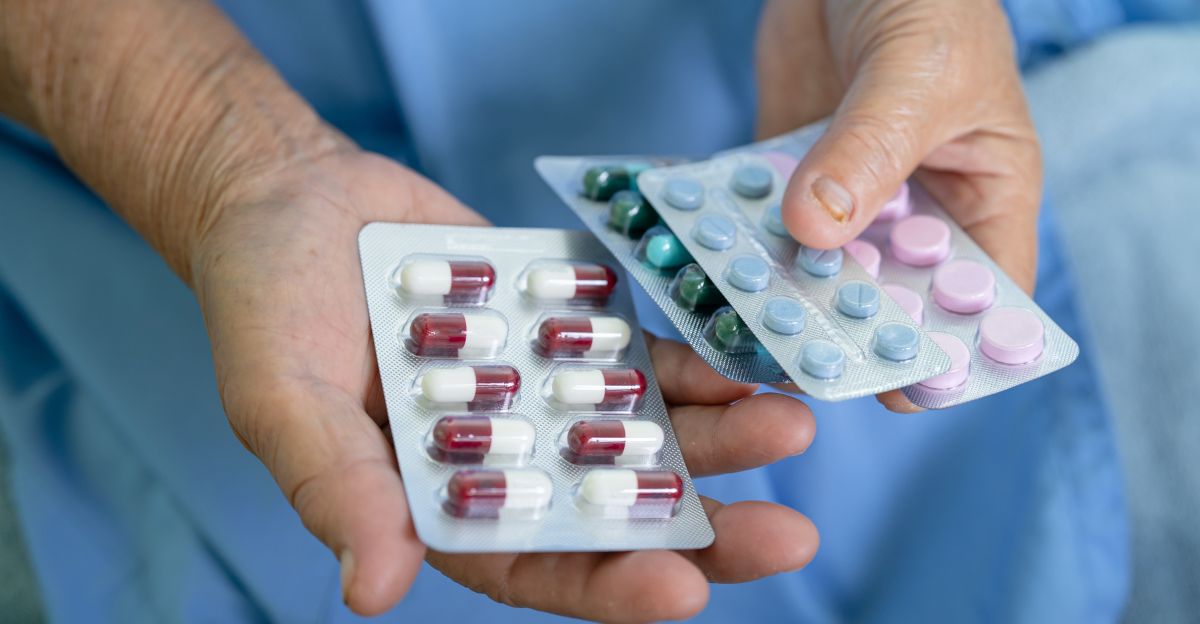
Prazosin is considered a vital drug for many Americans. It helps relax blood vessels, improves circulation, and is often prescribed to veterans and others struggling with PTSD-related nightmares. Because so many people depend on it, the discovery of toxic impurities has caused widespread concern among patients, doctors, and public health officials.
The recall affects 181,659 bottles of 1 mg tablets, 291,512 bottles of 2 mg tablets, and 107,673 bottles of 5 mg tablets. Each bottle can contain up to 1,000 capsules, meaning the potential for exposure is large. State pharmacy boards, including California’s, have issued urgent alerts advising customers to check their prescriptions and contact pharmacists if their prazosin is part of the recall.
This crisis has also reopened broader questions about the safety of generic drugs and how carefully they are monitored. Experts remind the public that while recalls of this nature are alarming, they are also an important part of protecting health by ensuring unsafe drugs don’t stay on the market.
Expert Reactions and Safety Efforts

Health experts explain that nitrosamine impurities can form during the drug manufacturing process or even after the medicine is packaged, especially if temperature or chemical conditions change. These compounds have turned up in other recalled medications in recent years, including blood pressure drugs and antacids, leading to deeper investigations into how pharmaceutical companies control contamination risk.
Dr. Alan Kim, a drug safety specialist, warned that so-called “safe levels” of impurities can become dangerous when exceeded, particularly for medicines used every day. In response, the FDA has expanded testing methods and is requiring manufacturers to strengthen their quality checks. According to agency officials, drug safety rules must keep up with the latest scientific knowledge to protect patients from emerging risks.
Pharmacists nationwide are playing a crucial role in helping patients through this recall. Many are working with distributors to remove contaminated drugs and offer replacement medications. “Your pharmacist is your best ally right now,” said one Georgia pharmacist, urging patients to reach out if they have questions about their medication lot number or need alternatives.
A Wake-Up Call for Drug Safety

The prazosin recall has drawn global attention because similar problems involving nitrosamines have been reported in other countries. Health authorities in Europe and Asia are adopting new guidelines to detect and prevent these impurities earlier in the production process. This cooperation shows that medicine safety is a shared international responsibility.
Teva Pharmaceuticals has not yet explained how the contaminant entered its supply chain, but the FDA and lawmakers are pressing for answers. Calls for greater transparency, stricter oversight, and clearer public communication have grown louder. Some patients are already exploring legal action, and environmental scientists warn that nitrosamine residues can enter water supplies if unused or recalled drugs are improperly disposed of.
In Washington, lawmakers are now considering tougher regulations that would require all drugmakers to perform routine impurity testing. Experts say this moment should push the industry to improve manufacturing practices and strengthen public trust. Every recall, while worrying, is also a chance to improve safety systems and restore confidence in the medicines that millions of Americans rely on.
As the FDA and Teva work to fix the issue and rebuild trust, the lesson is clear: drug safety demands constant attention, modern testing, and open communication between companies, regulators, and the people who take these medications. The ultimate goal is simple but vital, ensuring that every medicine on the market is not just effective, but safe for those who depend on it every day.