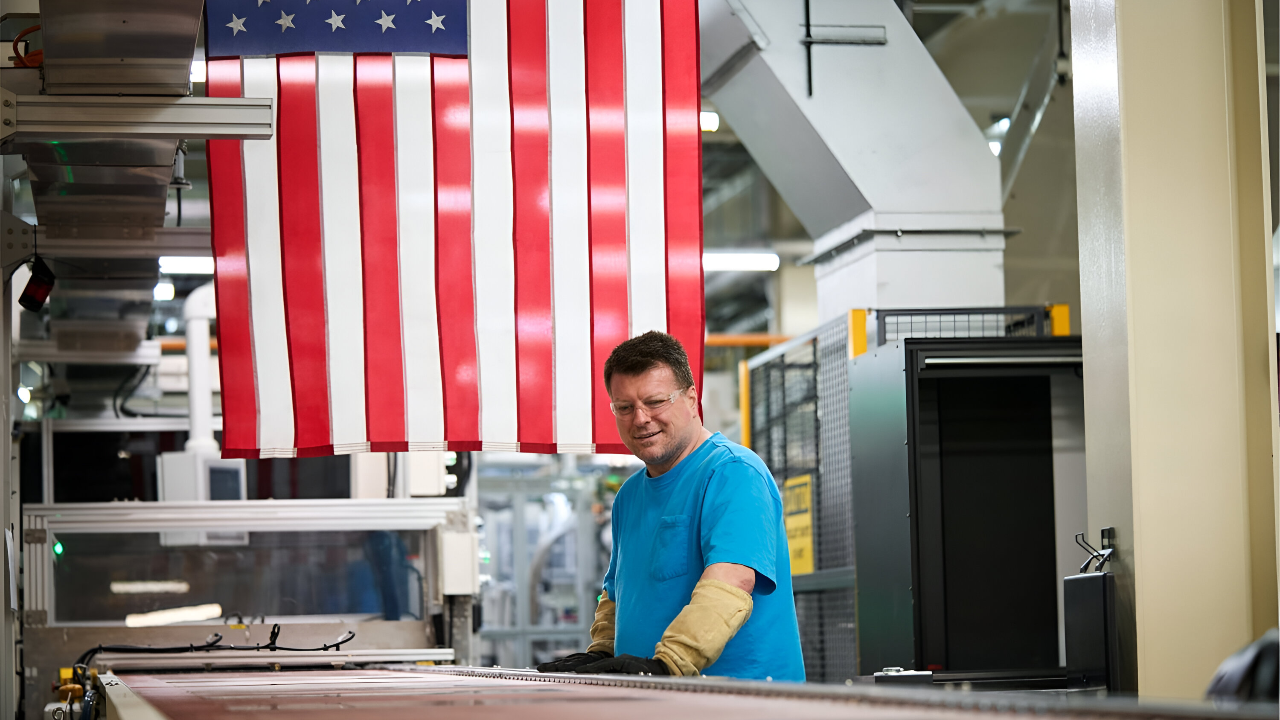
In a shocking turn for small-town Pennsylvania, the Snyder of Berlin potato chip plant—a 78-year-old local landmark—will close permanently, eliminating 96 jobs and leaving Berlin’s 2,400 residents facing a sudden economic void.
Utz Brands retains the iconic snack name, but the birthplace of a culinary staple will vanish. Families, municipal budgets, and local supply chains are already bracing for impact. Here’s what’s happening behind this abrupt shutdown.
From Family Business to Corporate Chain
The Snyder family began producing potato chips in Hanover, Pennsylvania in 1920, opening the Berlin facility in 1947 to meet Western Pennsylvania demand.
Ownership changed from Pinnacle Foods (2009) to Conagra (2018) and Utz Brands (2019). Each transition added consolidation pressure and layoffs. However, nobody anticipated how quickly the final chapter would unfold.
Bought, Then Shuttered—No Explanation Given
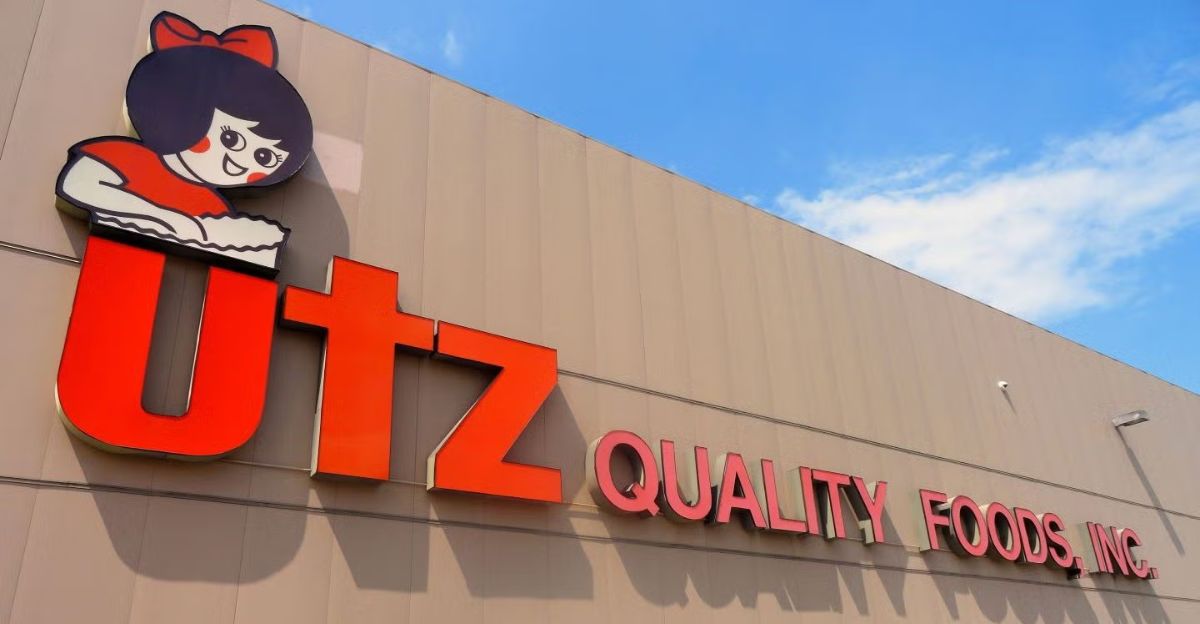
On April 18 2024, Utz sold Berlin and Fitchburg facilities to Our Home Corp. for $18.5 million combined. Utz VP Kevin J. Brick promised: “There will be minimal impact on the employee base as Our Home will be retaining Utz employees.”
Yet eight months later, Our Home filed for permanent closure on December 4 2025 with zero public explanation. Why acquire only to shut down immediately?
Sixty Days’ Notice Before Paychecks End
Our Home filed a WARN notice with Pennsylvania’s Department of Labor on December 4 2025, announcing Berlin’s total closure affecting all 96 employees.
Most layoffs hit February 13, 2026, with staggered terminations through year-end. Families face economic hardship in winter, with heating bills and holiday debt compounding stress.
96 Workers Represented By Local 1718
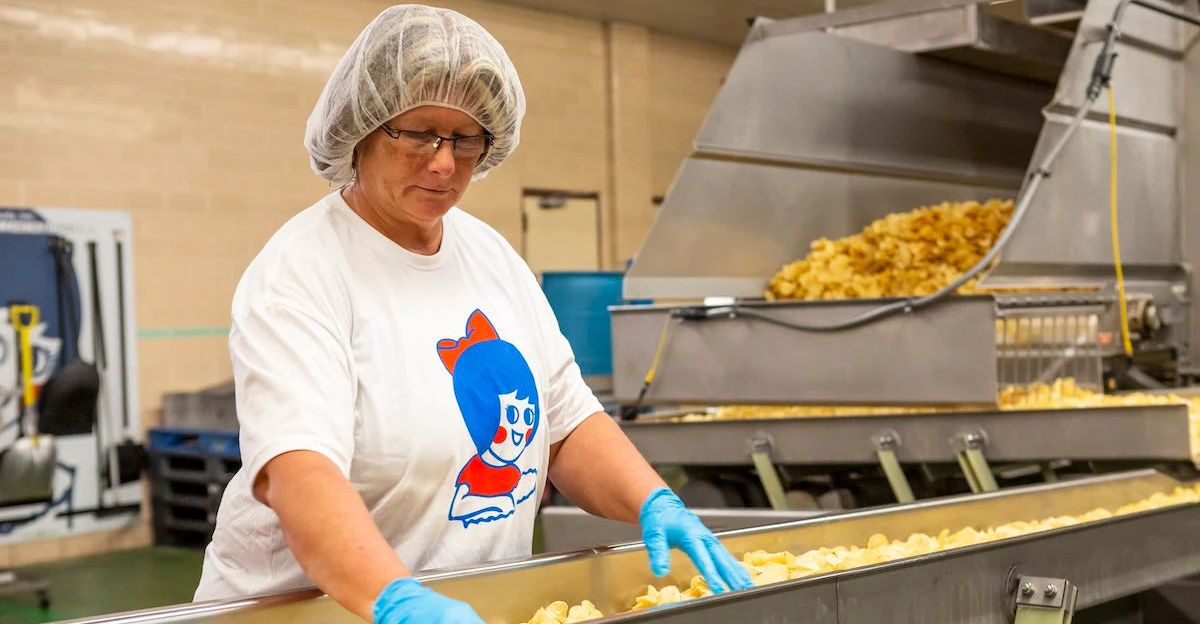
The plant’s 96 employees belong to United Bakery and Confectionary Workers Local 1718. Manufacturing jobs include 90% medical coverage and 78% retirement benefits, averaging $86,129 annually—33% higher than non-manufacturing employment.
This closure erases roughly $4.9 million in annual payroll, threatening entire household budgets. The ripple effects stretch beyond individual hardship.
Layoffs Don’t Happen All at Once
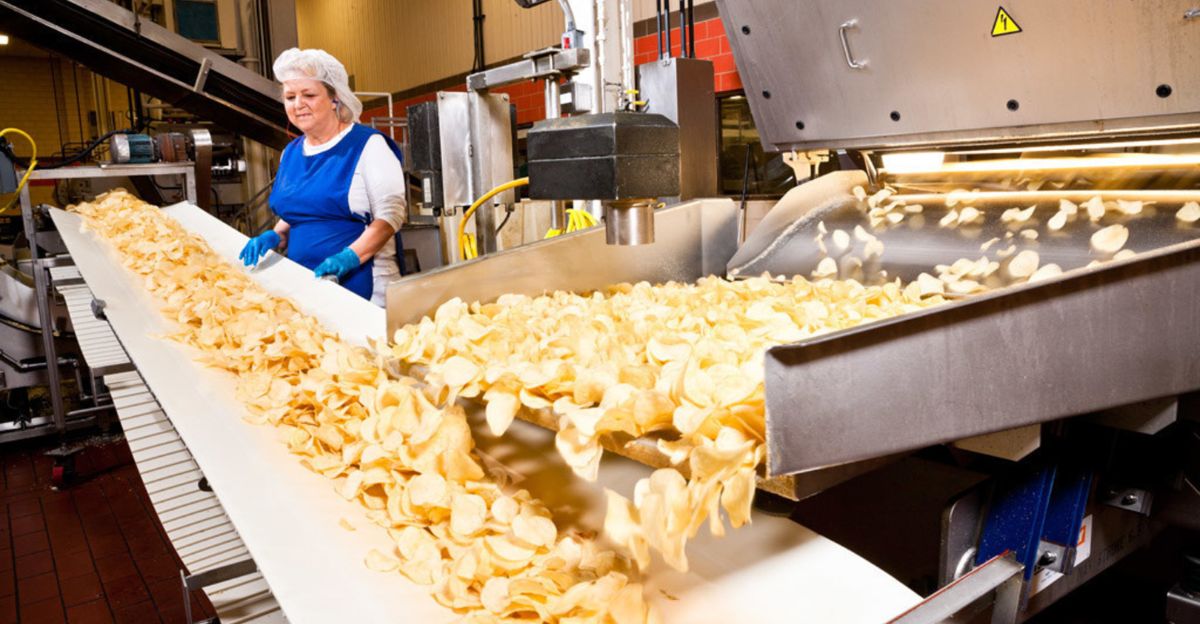
Closures span 11 months. Most workers leave February 13, 2026; a handful depart in March, May, August, and December. Six employees remain to assist in final cleanup.
The staggered schedule prolongs uncertainty and economic strain for families already grappling with initial layoffs. Each date adds another wave of disruption.
One Plant’s Closure Reverberates Widely
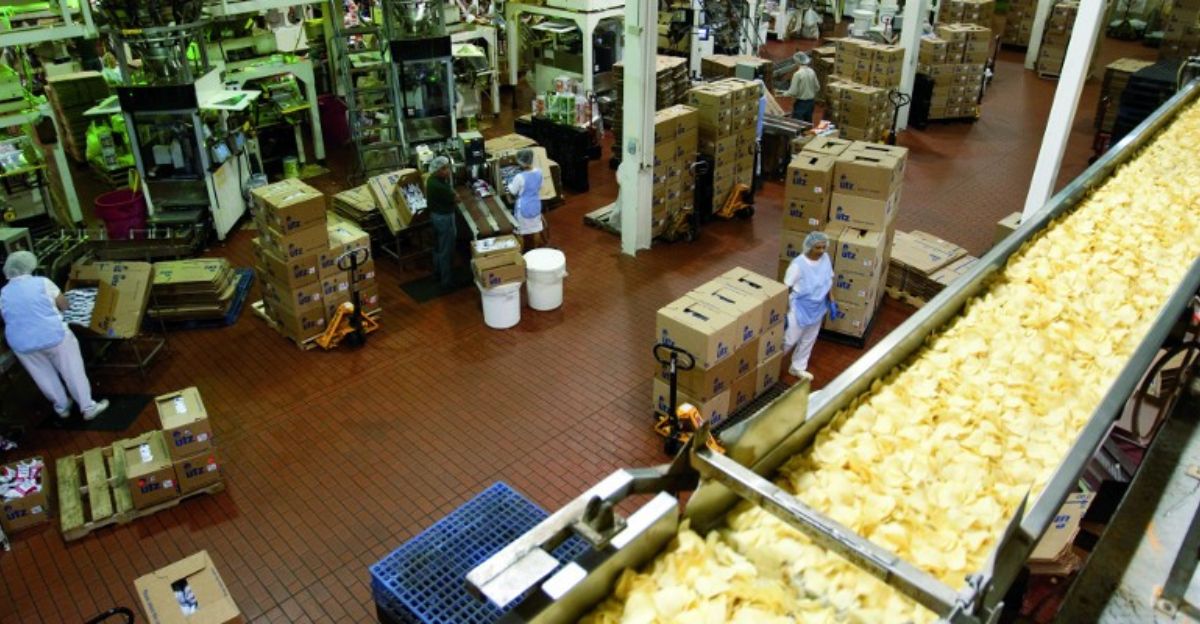
Every manufacturing job supports an additional 1.5 roles in supply chains, retail, and services. Losing 96 direct jobs equates to roughly 144 indirect jobs and $8.6 million in total economic loss.
Berlin’s 2,407 residents face cascading consequences. Even small disruptions can trigger economic shocks in tightly knit rural communities.
How Many Residents Depend on This Employer?
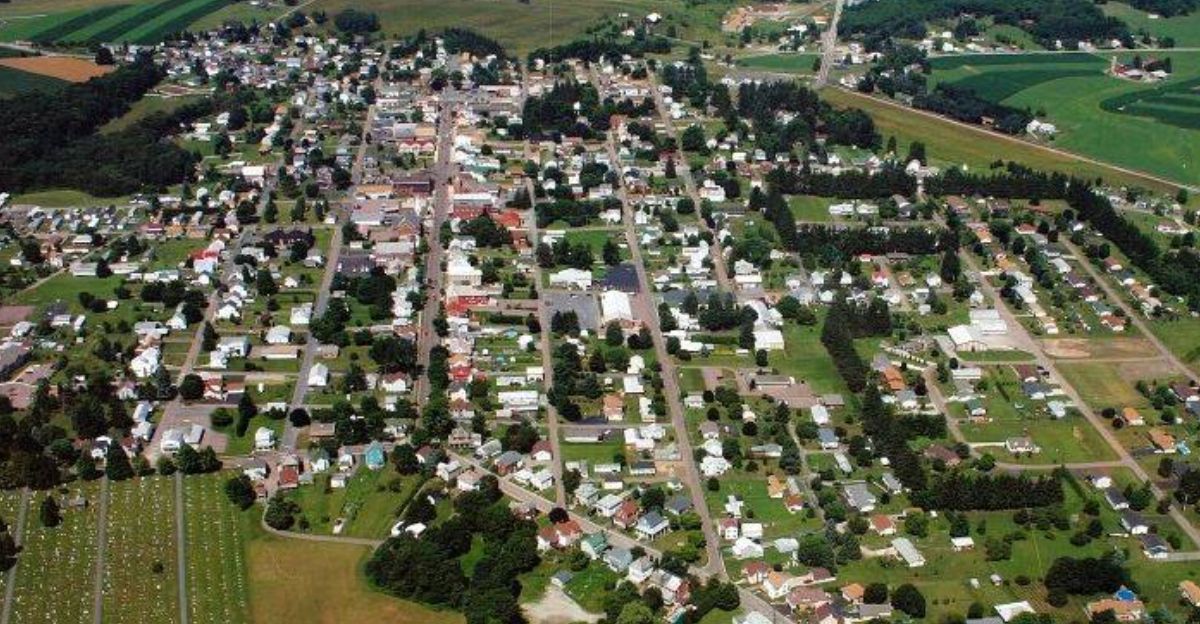
Berlin, Pennsylvania, is home to 2,407 residents with a labor force participation rate of 56.9%, below the state average. The plant has long been the borough’s largest employer.
When a single facility anchors the economy, closure doesn’t spark a recession—it threatens collapse. Municipal services and local businesses are directly at risk.
“It’s Going to Affect Our Water, Sewage, and Garbage”
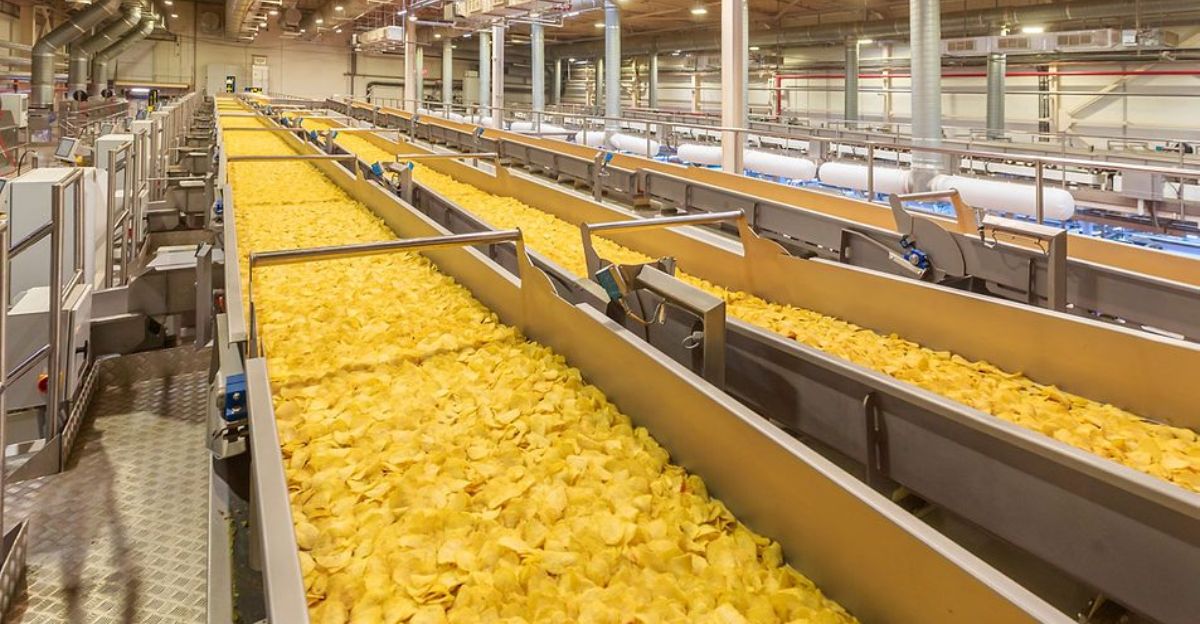
Traci Horning, Berlin Borough executive secretary, explained on December 4 2025: “It is definitely going to affect us in the ways of the electric, the water and sewage and the garbage.”
A facility operating for 78 years generated essential utility revenue. Its shutdown will drain municipal budgets, compounding the economic blow to the borough.
Legislators Launch Investigation into Rapid Closure

State Representative Carl Walker Metzgar announced on December 5: “My office has reached out to both the CEO and CFO of Our Home…to determine if there are other options to preserve these jobs.”
Officials are contacting the Governor’s Action Team. The state isn’t accepting silence, but will corporate leaders cooperate?
Pennsylvania’s Snack Manufacturers Disappearing Fast
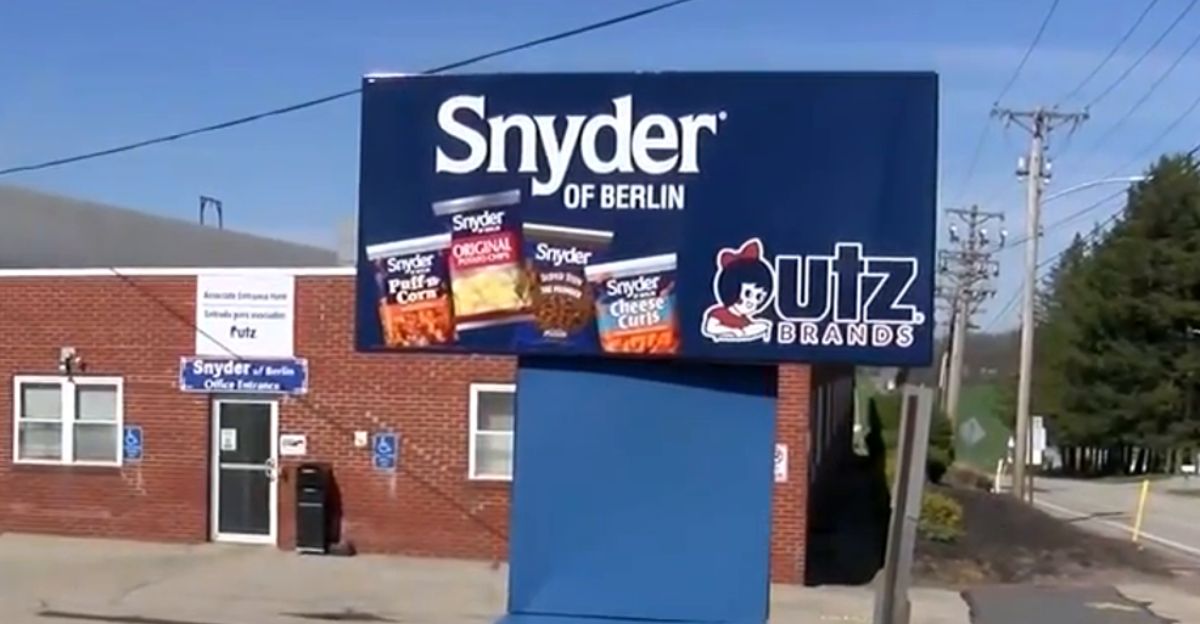
Utz Brands, which acquired Snyder in 2019, reduced facilities from 16 in 2021 to 8 by 2024. Kevin Brick said: “This plan allows the food manufacturer to allocate more volume to its larger manufacturing facilities.”
Pennsylvania is home to Utz, Herr’s, and Good’s, yet consolidation erodes legacy operations. One by one, regional snack makers vanish.
Berlin’s Closure Is Part of a National Pattern
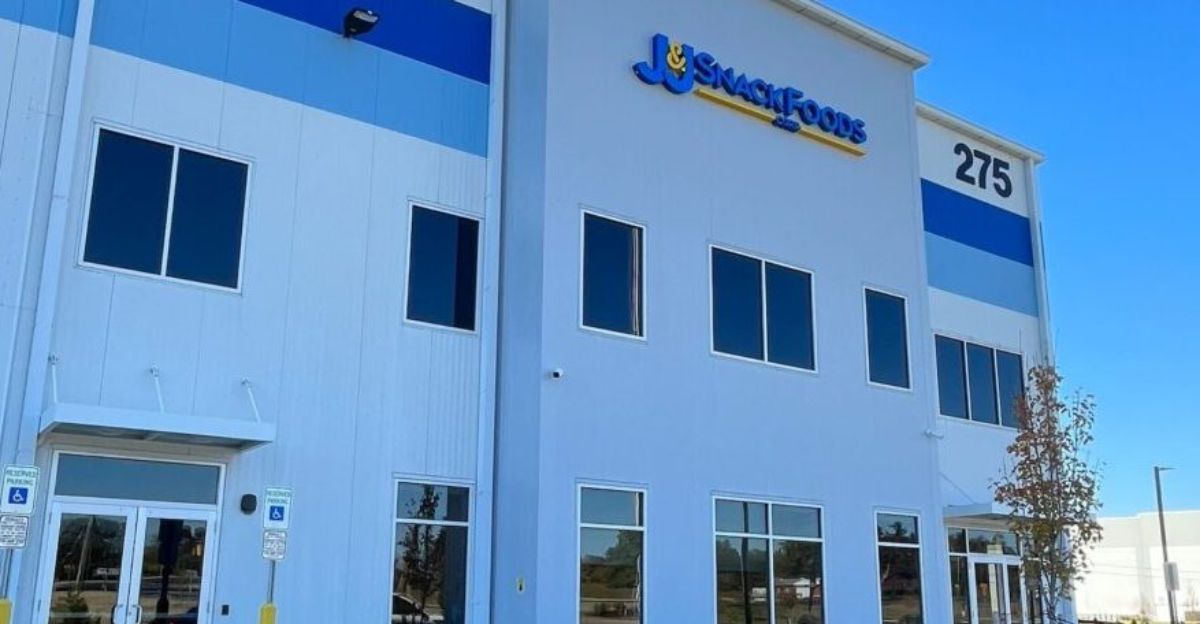
J&J Snack Foods closed three plants in North Carolina, Georgia, and California in November 2025. Anchor Hocking shuttered its Charleroi glass plant, and Packaging Corporation of America eliminated 168 jobs.
Berlin’s closure mirrors a national trend: fewer, larger facilities dominate. Consolidation is now standard practice across American manufacturing.
Traditional Chips Face Decline as Tastes Shift
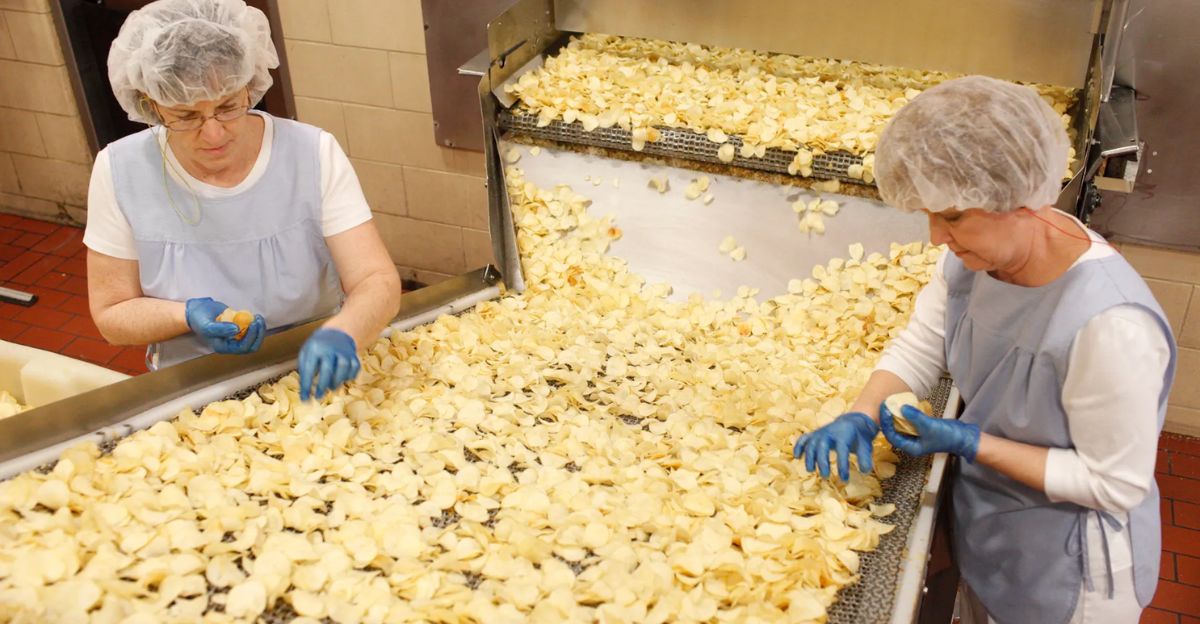
The $44.3 billion snack industry increasingly favors protein-rich, plant-based, and functional products. Our Home focuses on “better-for-you” brands, acquiring Popchips and Food Should Taste Good.
Traditional potato chips like Snyder’s no longer fit the strategy. The Berlin facility’s economic model no longer works under shifting consumer demand.
When Was This Plant Actually Founded?
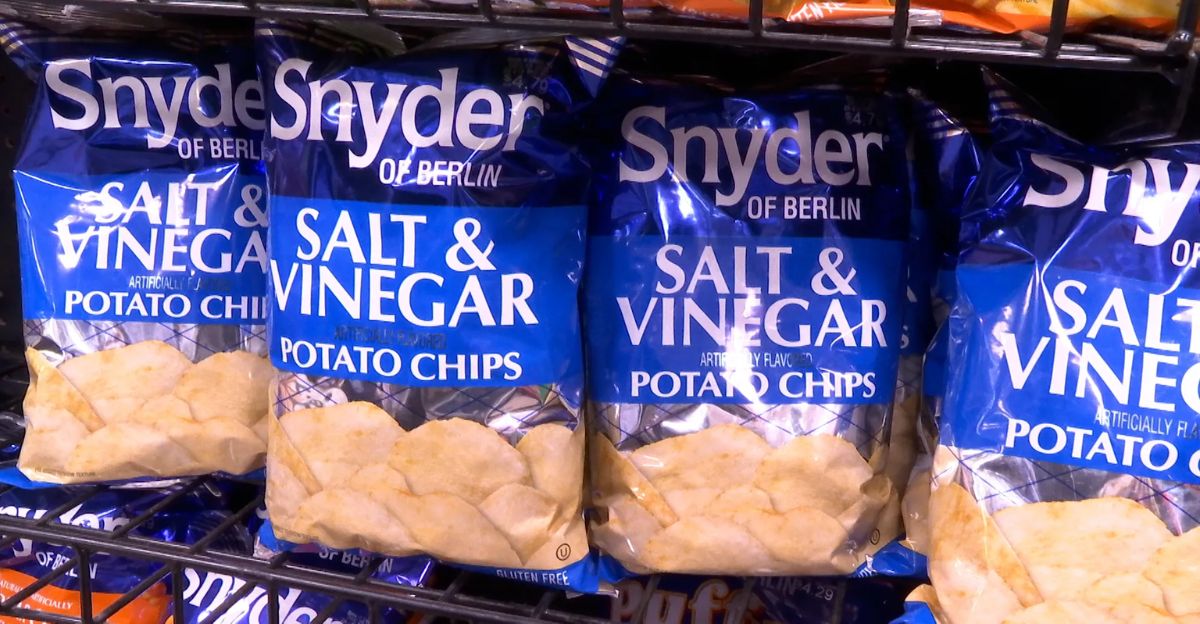
Snyder opened Berlin in 1947 for its potato quality and distribution advantages. Ownership transitions occurred in 2009, 2018, 2019, and 2024, each prompting consolidation.
From 300 workers in April 2024 to 96 today, the plant’s 78-year lifespan ends abruptly. When the last employee leaves, four generations of production will vanish.
Utz Will Keep Making Snyder Chips
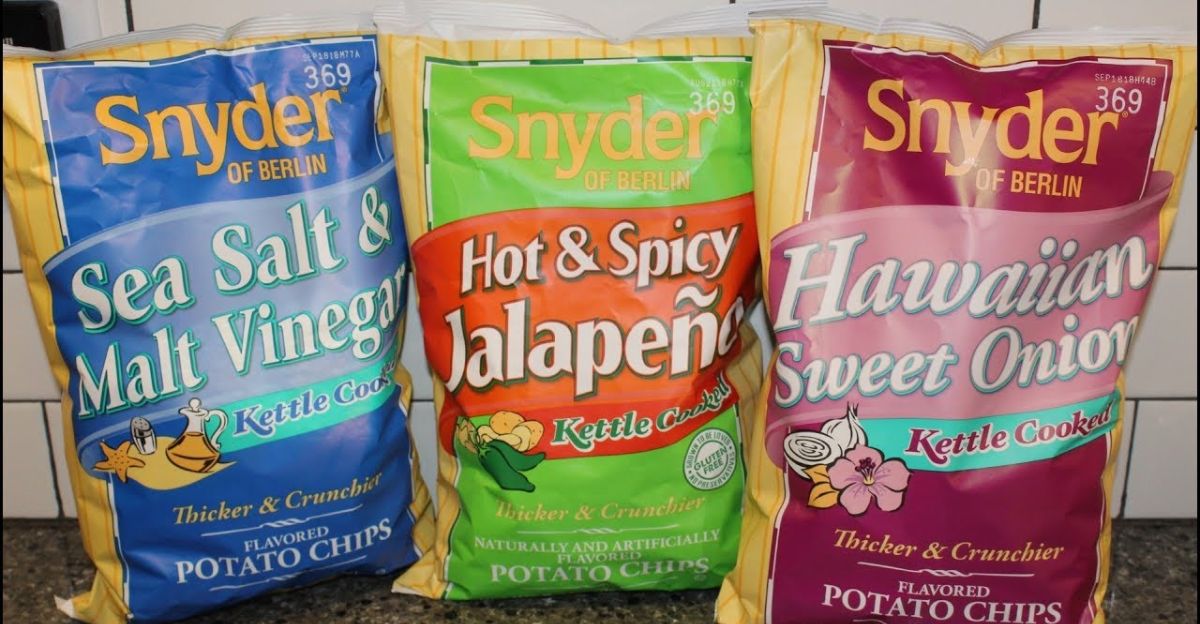
The Snyder brand survives, but production leaves Berlin. Utz retained the name when selling the facility in April 2024.
Consumers will still see Snyder chips on shelves. The brand lives, but its birthplace does not, exemplifying modern food manufacturing: names endure, origins disappear.
What Help Do Laid-Off Workers Actually Get?
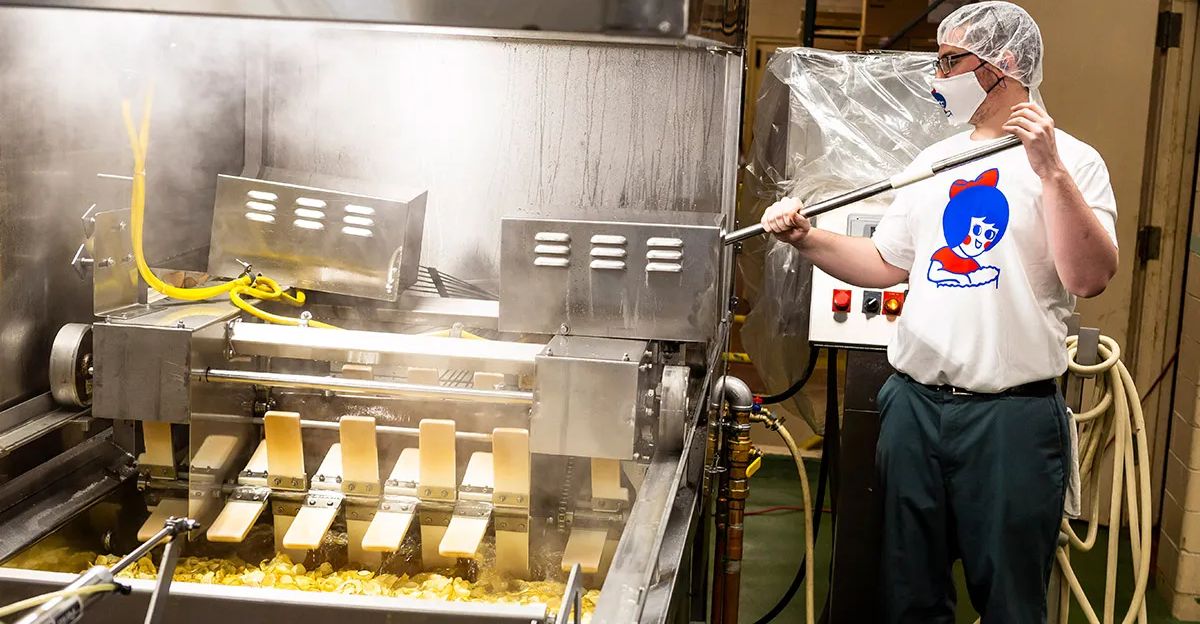
Workers are eligible for 26 weeks of standard unemployment and extended federal-state benefits. Trade Adjustment Assistance may apply, and WIOA retraining services are available.
Union Local 1718 may provide additional severance. No company-led retraining is announced, forcing employees to navigate assistance programs independently during winter’s slow job market.
Who Else Gets Hurt When One Plant Shuts Down?
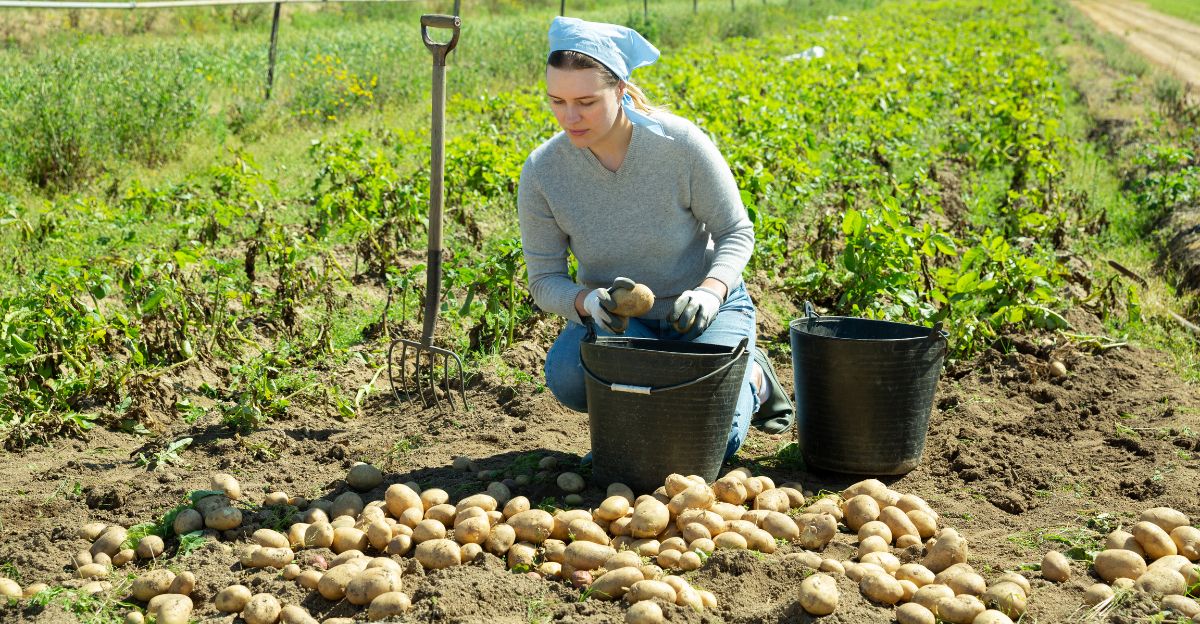
Suppliers, farmers, logistics providers, and retail partners all feel the impact. Potato growers like Sterman Masser and Folkland Foods lose a major client.
Distributors face higher costs sourcing chips elsewhere. Western Pennsylvania’s snack ecosystem experiences concentrated disruption, illustrating how a single plant closure cascades across supply chains.
Why Won’t the Company Explain Its Decision?
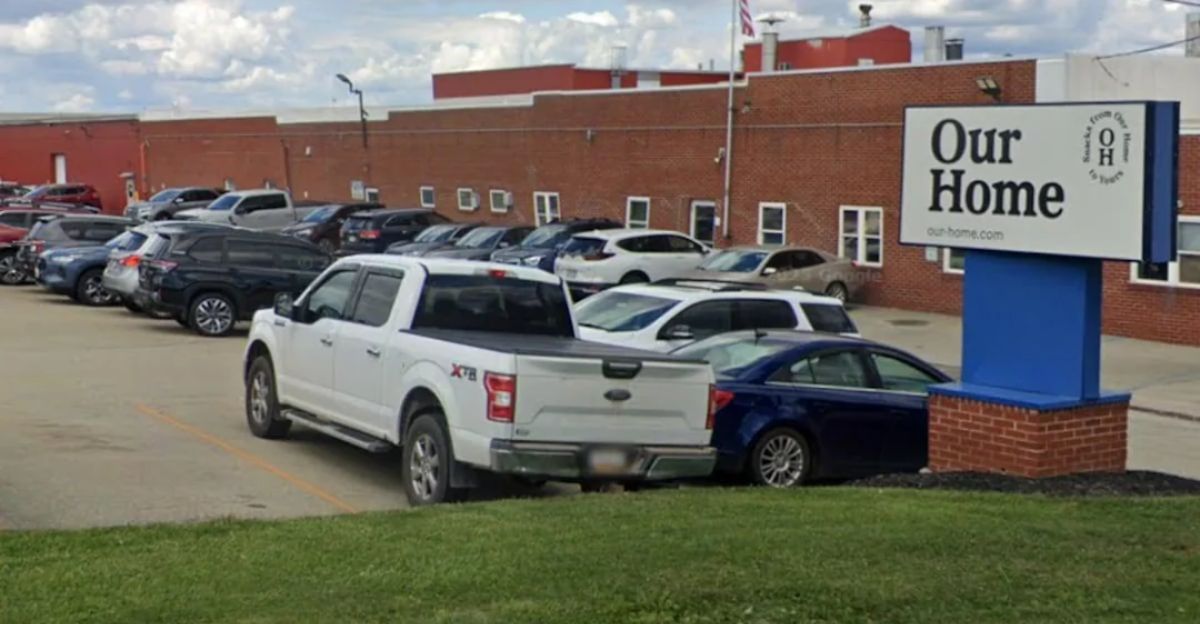
Our Home has remained silent. Reporting on December 5 2025 notes repeated inquiries received no substantive answers. CEO Aaron Greenwald spoke broadly about acquisitions and consolidation, but Berlin remains unaddressed.
The mystery deepens as corporate silence fuels speculation about profitability, labor costs, or strategic missteps. Employees and legislators are left demanding answers.
Can Berlin Recover From This Economic Blow?

Representative Metzgar announced plans for an “aggressive campaign” to attract new business with potential tax incentives. The 78-year-old facility will need conversion or demolition.
Limited local purchasing power, low median household income ($60,515), and 56.9% labor force participation challenge recovery. Outside investment and luck will be critical in reshaping Berlin’s economy.
What Does This Mean for American Manufacturing?
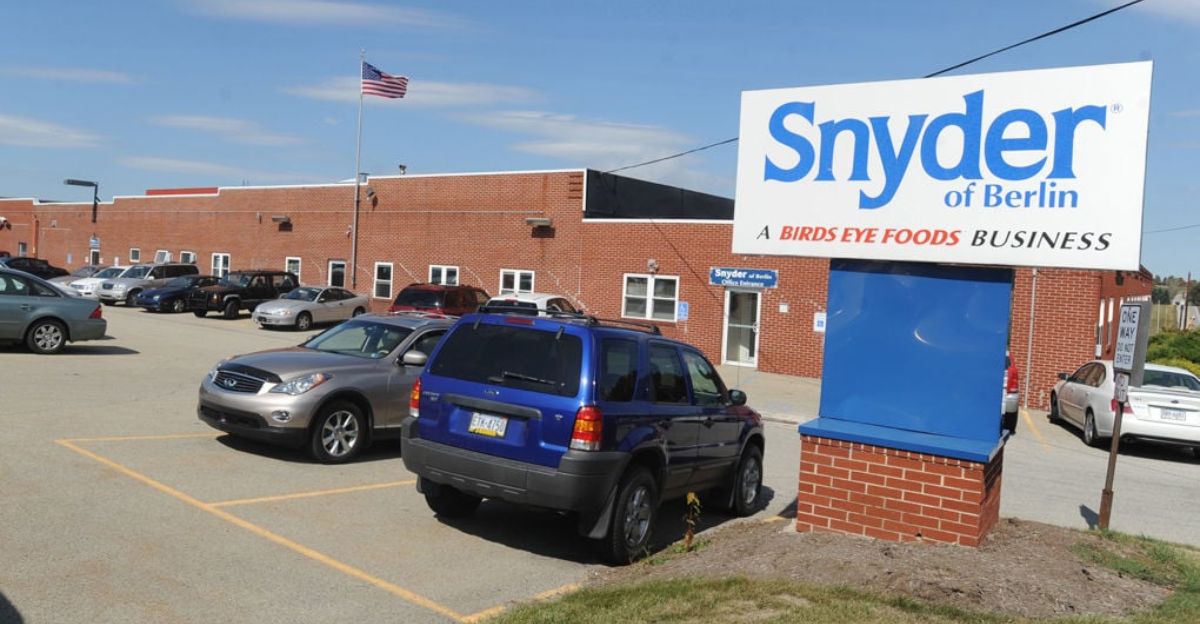
Snyder of Berlin’s closure reflects consolidation, portfolio shifts toward “better-for-you” products, and corporate prioritization over community stability. Rural towns are highly vulnerable.
From Berlin’s view, 78 years of stability vanish in eight months. One question remains: how many small-town factories must close before policymakers act to protect rural manufacturing?
SOURCES
“Pennsylvania Manufacturers: Driving Economic Growth and Providing Quality Jobs.” DVIRC, February 5, 2025.
“J&J Snack Foods to close three plants under Project Apollo transformation.” Just-Food, November 18, 2025.
“PCA closures in Pennsylvania, North Carolina hit 168 jobs.” Packaging Dive, October 6, 2025.
“Pennsylvania glass plant closure sparks outrage.” Manufacturing Dive, October 6, 2024.
“Snack Food Manufacturing Market Report 2025.” Kentley Insights, November 2025.
“Supply Chain Resilience in the Food & Beverage Industry.” EFESO, December 4, 2025.