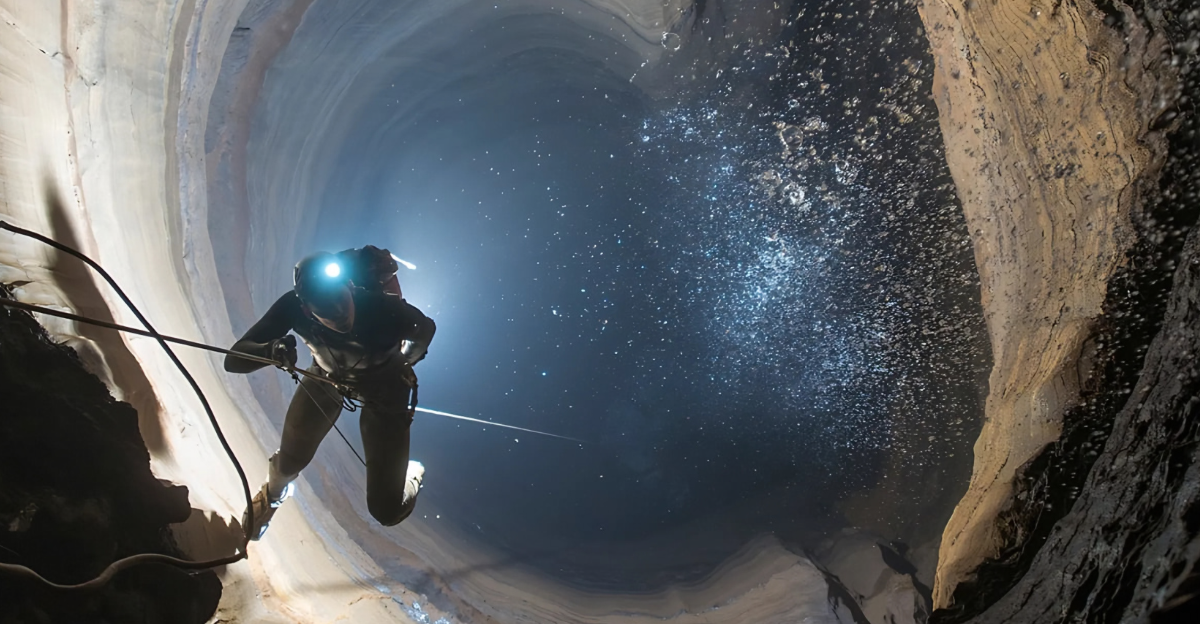
Two YouTube explorers with nearly a million followers just shared footage of what they’re calling a massive vertical shaft hidden in North Georgia’s mountains. ActionAdventureTwins discovered this water-filled pit that drops about 100 feet straight down while exploring remote terrain, according to VidIQ statistics. Their discovery has people talking across social media platforms, though no scientific authorities have verified what they actually found or whether it holds any real geological significance.
North Georgia’s Underground Empire Revealed
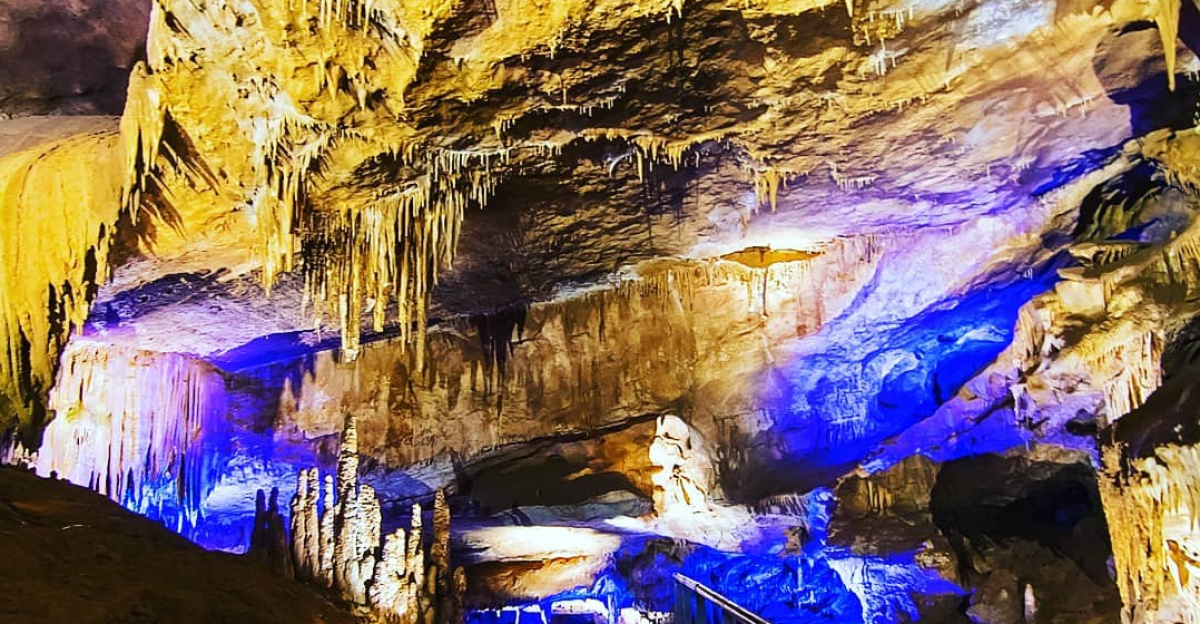
It turns out North Georgia is sitting on top of one of the most impressive underground networks in the country. The New Georgia Encyclopedia reports over 513 documented cave systems in the Appalachian region, with Walker and Dade counties packing 313 known caves alone. This creates the famous TAG region where Tennessee, Alabama, and Georgia meet. Serious cavers from around the world make pilgrimages here to explore vertical pits and limestone caverns, making it one of the most cave-dense areas in the entire Southeast.
Ancient Forces Carved These Mountain Secrets
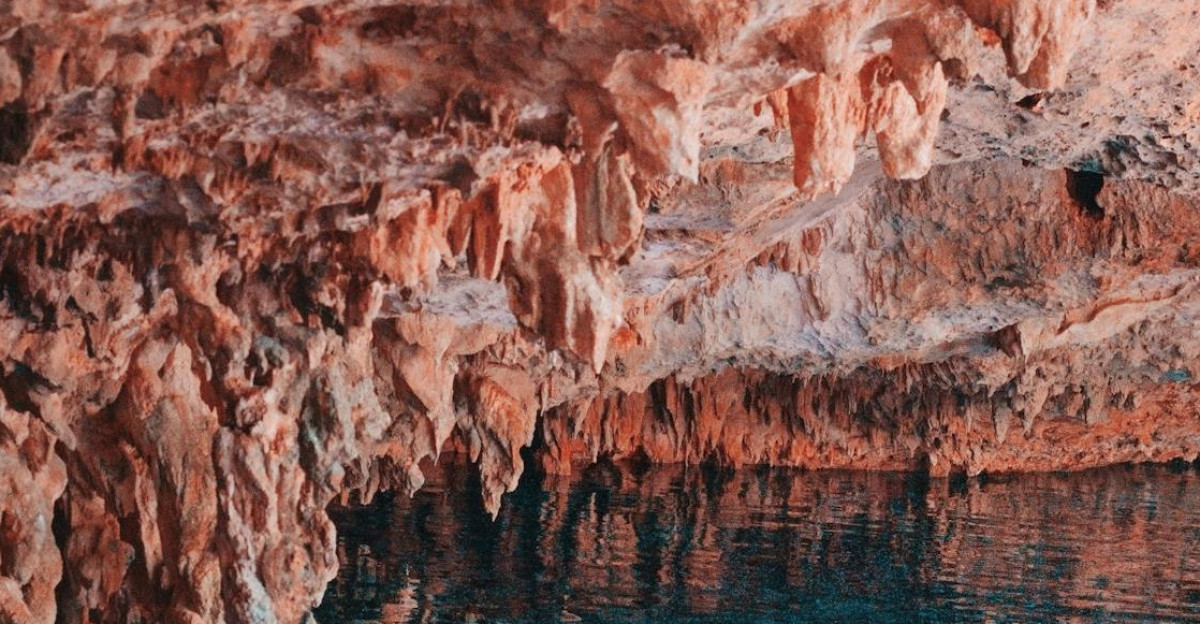
These underground formations didn’t just happen overnight. The Appalachian Plateaus and Valley Ridge provinces formed during the Paleozoic era, setting up perfect conditions for cave development over millions of years. Acidic groundwater slowly carved away limestone bedrock through natural solution processes, creating incredible spaces like Ellison’s Cave, which stretches 12 miles and drops over 1,000 feet. The New Georgia Encyclopedia shows that these geological processes are still actively shaping underground terrain throughout the region today.
Safety Rules Tighten Around Georgia’s Underground World
Georgia takes cave safety pretty seriously these days, and for good reason. The state Department of Natural Resources tightly controls access to major cave systems, while commercial caves must meet strict trail and lighting requirements under state law. Wild caves are mostly unregulated for recreational use, but accidents usually happen when inexperienced people ignore basic safety protocols. Georgia Code provisions show that the state protects landowners from liability when people explore caves for free, which helps to make some access available.
The Moment Everything Changed for These Explorers
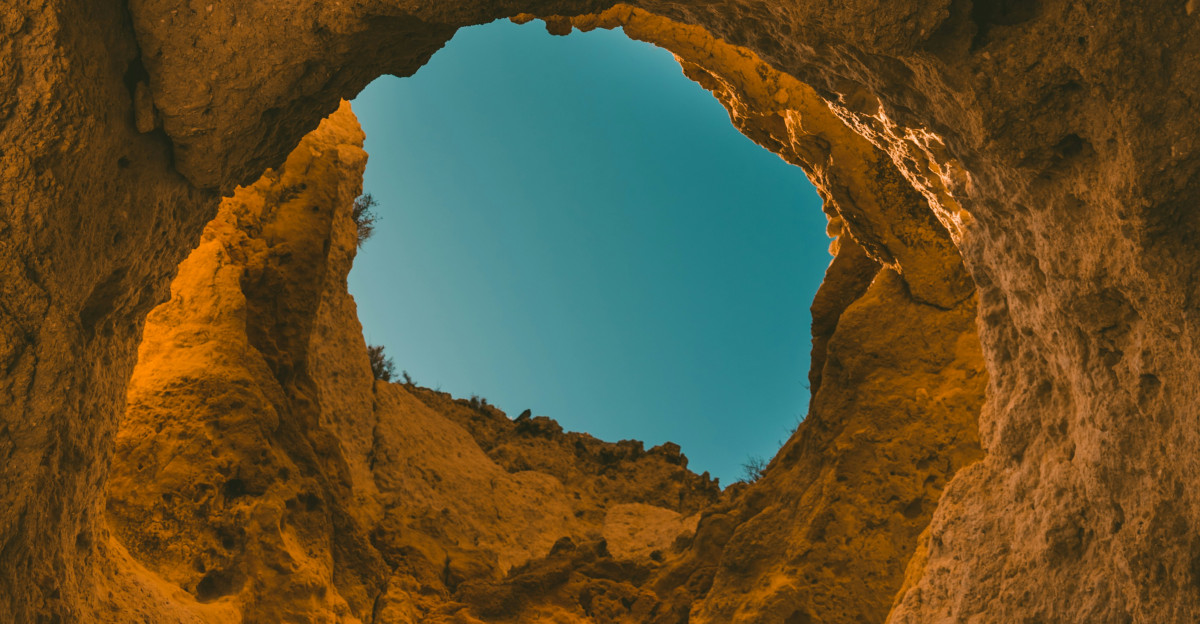
Here’s where things get interesting. In August 2025, ActionAdventureTwins were doing their usual mountain exploring when they stumbled across this roughly 100-foot deep vertical cave entrance. MSN video content shows them describing it as a “massive hole in a mountain” with water sitting at the bottom, and they had no clue how it got there. They kept investigating and found another big entrance nearby during the same trip. The wild part is that this happened in an area already famous for having extensive cave networks.
Local Economy Benefits from Underground Tourism
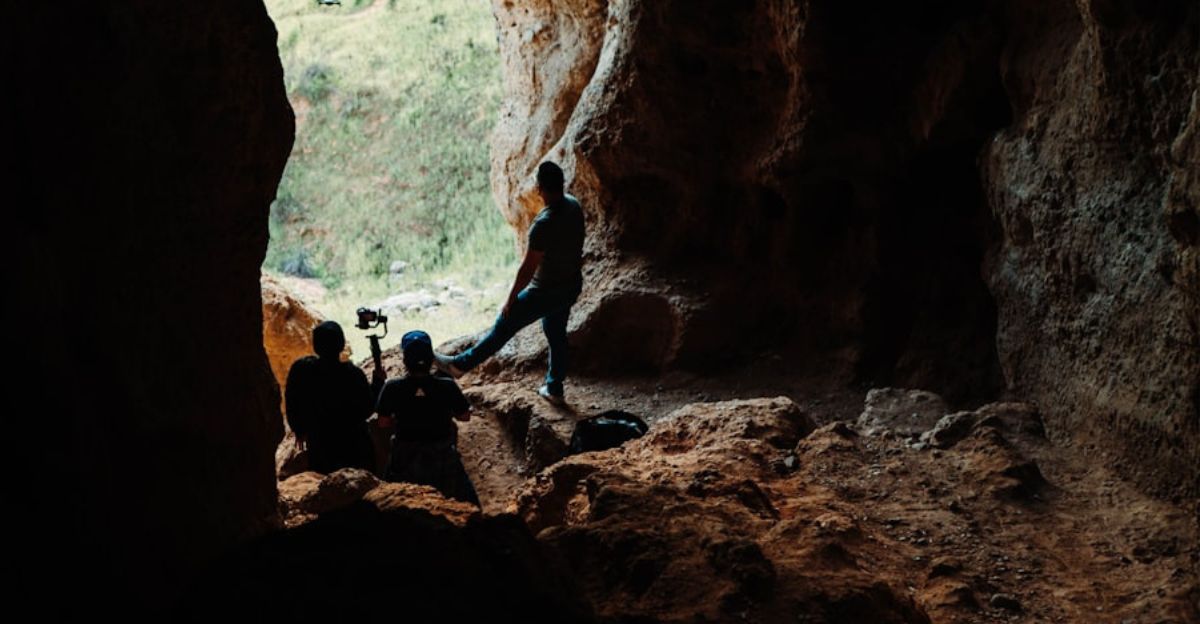
Cave tourism is big business for North Georgia, bringing in serious revenue from visitors. Places like Ellison’s Cave attract experienced cavers from all over the country, and the region’s challenging systems, including that famous 586-foot bottomless Fantastic Pit, are major draws for technical spelunking. Walker County’s official website actively promotes caving as something visitors should try. The catch is that most caves sit on private property with restricted access, limiting how much commercial development can happen.
Explorers Share Their Underground Experience
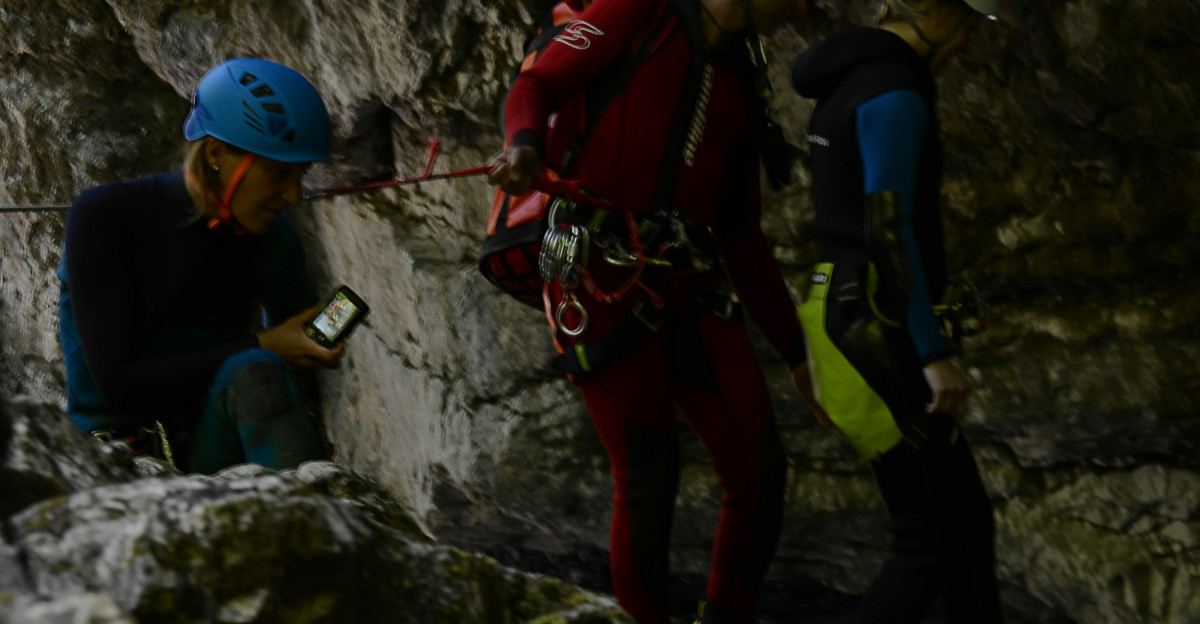
ActionAdventureTwins were genuinely excited about what they found, describing the whole thing as turning into “a wild adventure” after accidentally discovering this vertical shaft during routine exploration. You can tell from their video documentation that they were amazed by the formation’s size and depth, especially with all that water at the bottom. They filmed the entire investigation process and found those additional cave entrances, too. The problem is they didn’t bring any scientific equipment to measure anything or figure out what they were looking at.
Social Media Transforms Cave Discovery Coverage

YouTube has completely changed how people hear about new cave discoveries, and it’s become a real business for content creators. VidIQ data shows ActionAdventureTwins probably pull in $5,000 to $15,000 monthly from their 943,000 subscribers through advertising revenue. Social media platforms have become the main way cave discoveries are shared now, often bypassing traditional scientific documentation processes. This raises some important questions about how we verify whether these geological discoveries are actually legitimate when they’re primarily shared for entertainment.
Science Meets Adventure in Underground Education

Cave exploration as educational tourism is fascinating because it mixes real geology lessons with adventure experiences, though amateur discoveries often miss proper scientific verification. PMC research shows that over 70 million people visit caves worldwide each year and that caves generate about $3.5 billion annually in tourism revenue. But this gap between amateur cave exploration and legitimate scientific discovery creates real challenges for geological research validation. Educational institutions are emphasizing how crucial proper documentation and expert verification are.
Reality Check: Measuring This Discovery’s True Scale
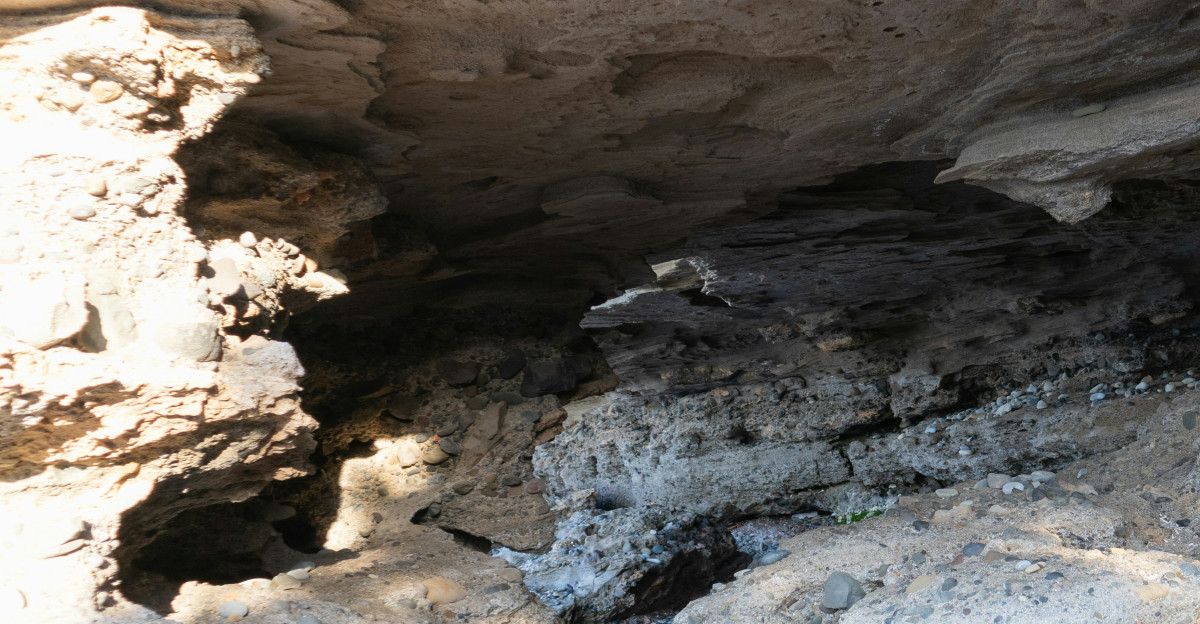
Let’s be honest about what ActionAdventureTwins actually found here. They’re calling it “enormous,” but that 100-foot depth is pretty modest compared to what Georgia already has. Atlas Obscura reports that Ellison’s Cave contains vertical drops of 586 feet and 440 feet, making it home to two of America’s most bottomless unobstructed cave pits. So while this new formation might be impressive for recreational explorers, it falls well below thresholds typically associated with significant geological discoveries. It really shows the difference between amateur exploration excitement and actual scientific significance.
Conservation Groups Raise Environmental Concerns
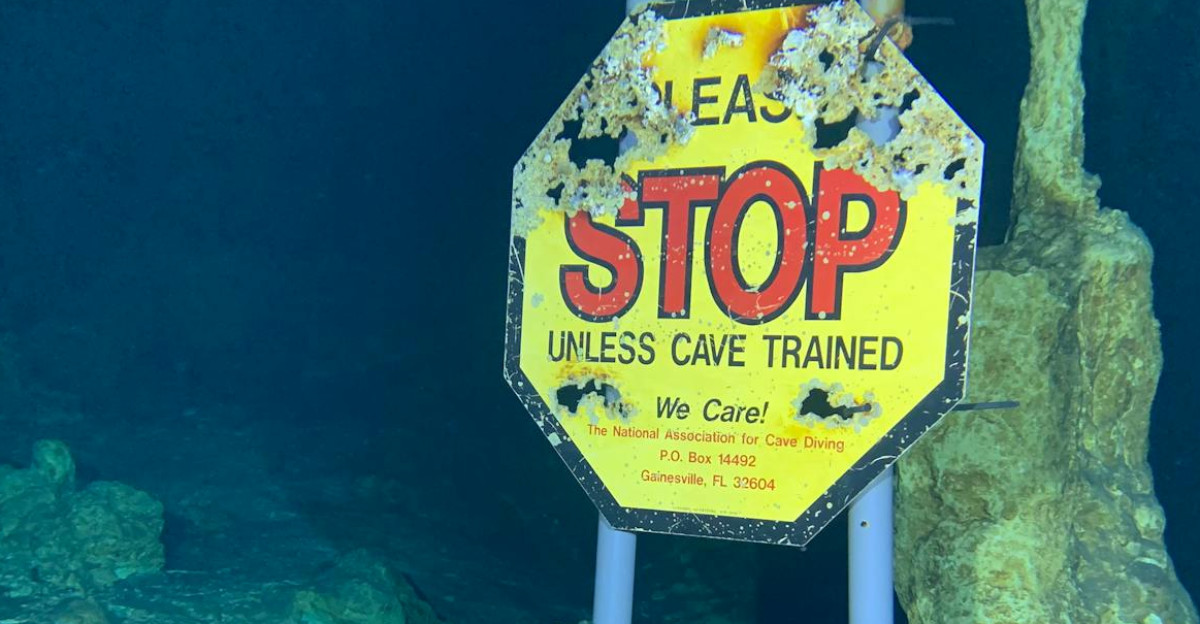
Cave conservation organizations are getting genuinely worried about social media promoting unverified cave discoveries because of potential environmental damage from increased visitation. Groups like the Southeastern Cave Conservancy try to balance public interest with ecosystem protection, often keeping sensitive cave system locations under wraps. When amateur explorers’ videos go viral, it can lead to severe overcrowding and habitat disruption in fragile underground environments. These tensions reflect bigger conflicts between creating digital content and being responsible for environmental stewardship.
Property Rights Complicate Underground Access
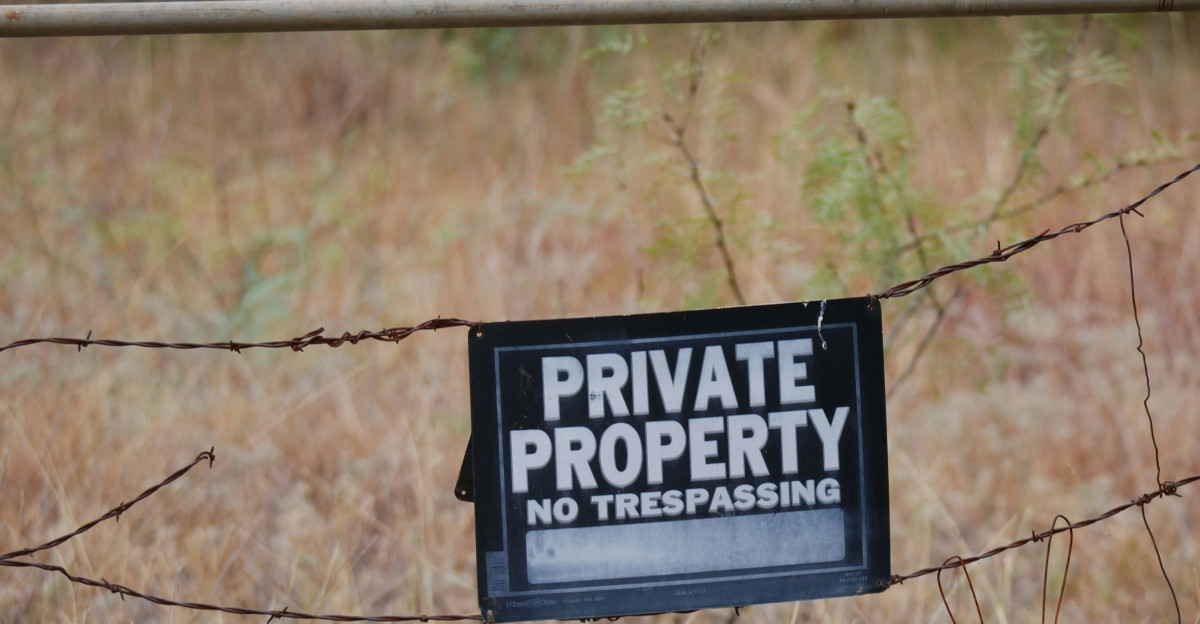
The ActionAdventureTwins discovery raises complex questions about who owns what and gets access. Most North Georgia caves exist on private property with complicated mineral rights arrangements that can be tricky to navigate. Georgia’s Department of Natural Resources manages some cave systems through Wildlife Management Areas, but plenty of significant formations stay under private control. Georgia Code shows the state’s liability protection laws encourage landowners to work with recreational cavers, though major cave systems usually have formal agreements governing access.
Scientists Demand Higher Documentation Standards

Professional cave exploration is way more involved than most people realize, requiring systematic documentation including detailed surveys, geological analysis, and biological assessments before discoveries gain scientific recognition. The National Speleological Society maintains strict standards for cave mapping and documentation, which contrasts sharply with social media content focused on entertainment value. The Journal of Cave and Karst Studies shows Georgia’s extensive cave systems have been mapped and studied by generations of experienced cavers using rigorous scientific methods. Amateur discoveries typically need expert verification and formal surveying to contribute to geological knowledge.
Experts Evaluate Latest Cave Discovery Claims
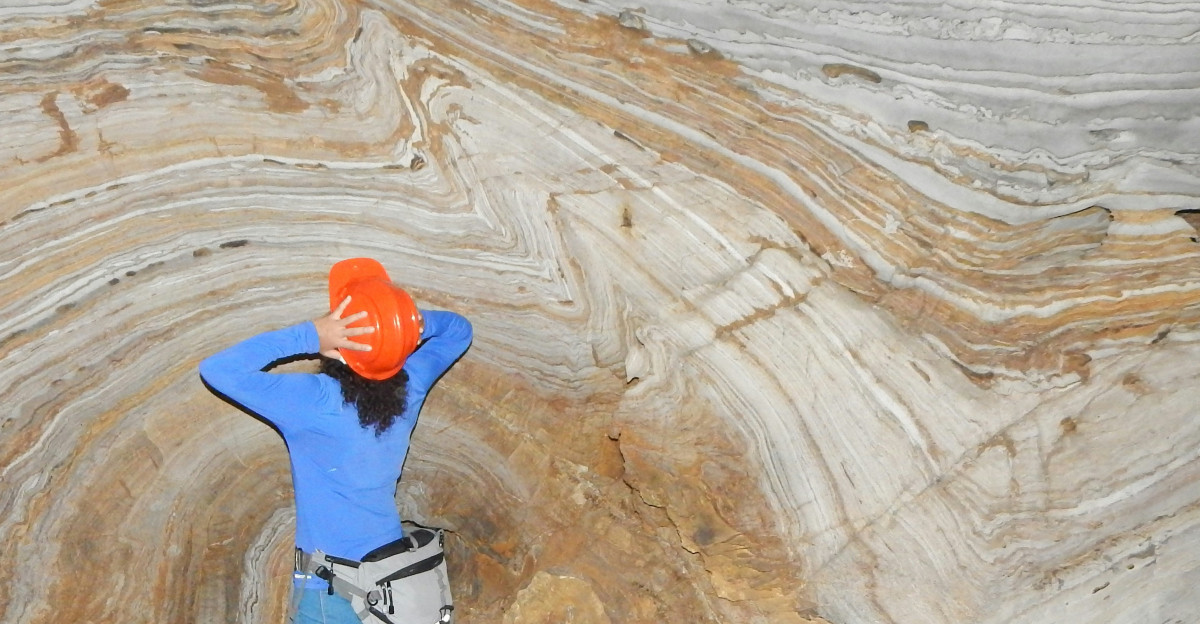
Geological experts emphasize the importance of proper cave survey techniques and scientific documentation when evaluating new discoveries in areas where the geology is already well understood. Professional speleologists point out that North Georgia’s thoroughly mapped cave systems make truly significant discoveries increasingly rare, though small formations do keep turning up. The New Georgia Encyclopedia indicates the region’s geological characteristics are well understood through decades of systematic exploration and academic research. Expert evaluation remains essential for comparing recreational finds and scientifically significant discoveries.
Scientific Verification Process Awaits
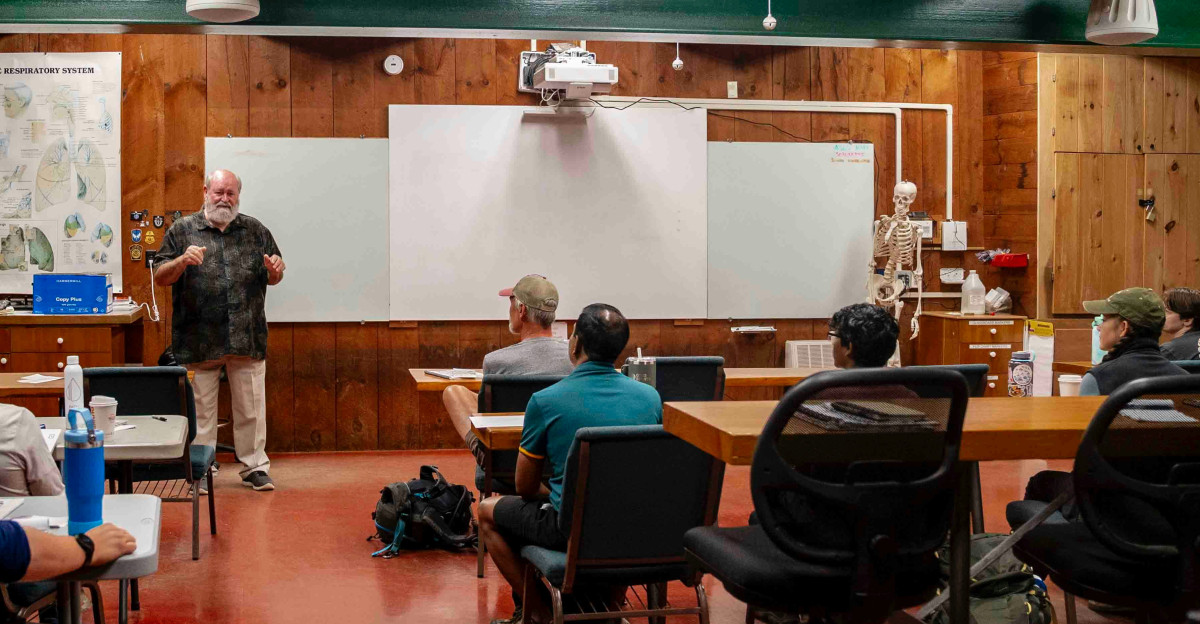
The ActionAdventureTwins discovery is now waiting for potential verification by qualified cave surveyors and geological experts who can determine its real significance within North Georgia’s cave inventory. Professional documentation would include precise measurements, geological analysis, and environmental impact assessment. This kind of verification typically requires coordination between landowners, conservation groups, and scientific organizations. Whether this discovery actually contributes to Georgia’s geological understanding depends on rigorous scientific evaluation rather than just social media popularity.
Government Strengthens Cave Protection Framework

Georgia’s cave protection regulations show growing recognition that underground ecosystems are fragile and scientifically valuable, with real penalties for damaging cave formations or disturbing wildlife. The Georgia Department of Natural Resources Environmental Protection Division has specific rules addressing groundwater protection and cave ecosystem preservation within broader land use planning frameworks. Cave discoveries can trigger regulatory oversight, especially in watersheds or areas with endangered species habitat. These policies try to balance recreational access with long-term conservation goals.
International Recognition Elevates Regional Profile

North Georgia’s TAG region has become one of North America’s premier caving destinations, attracting serious international attention from researchers and adventure tourists. The area’s geological significance goes beyond recreation to include groundwater research, paleontological studies, and ecosystem conservation efforts. The Cave-Exploring.com database shows that regional cave systems contribute to scientific understanding of Appalachian geology and how karst landscapes evolve over time. International caving communities recognize the region’s importance for technical exploration and advancing scientific research.
Fragile Ecosystems Require Careful Protection
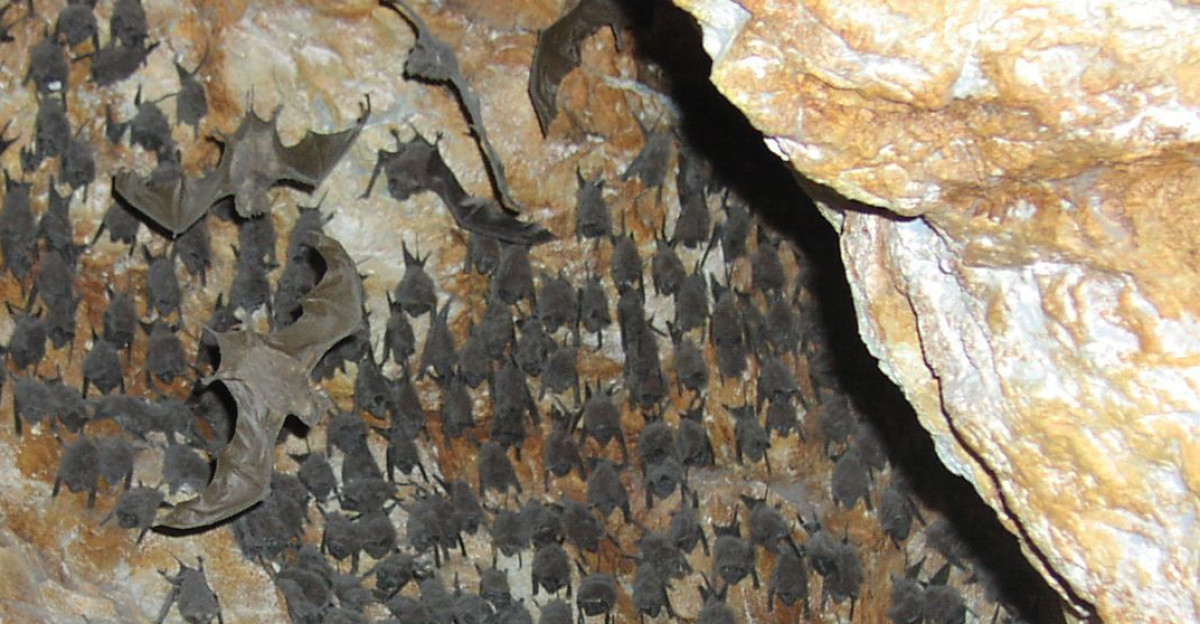
Cave ecosystems support some pretty specialized wildlife, including endangered species like the gray bat and Tennessee cave salamander, making environmental protection crucial for new discoveries. Georgia’s cave protection statutes specifically prohibit disturbing cave-dwelling wildlife and removing natural formations, with violations carrying real misdemeanor penalties. The state’s environmental planning criteria recognize caves as critical groundwater conduits that need protection from pollution and habitat disruption. Before anyone considers public access, new cave discoveries must be evaluated for ecological significance and protection needs.
Cultural Evolution Changes Exploration Practices
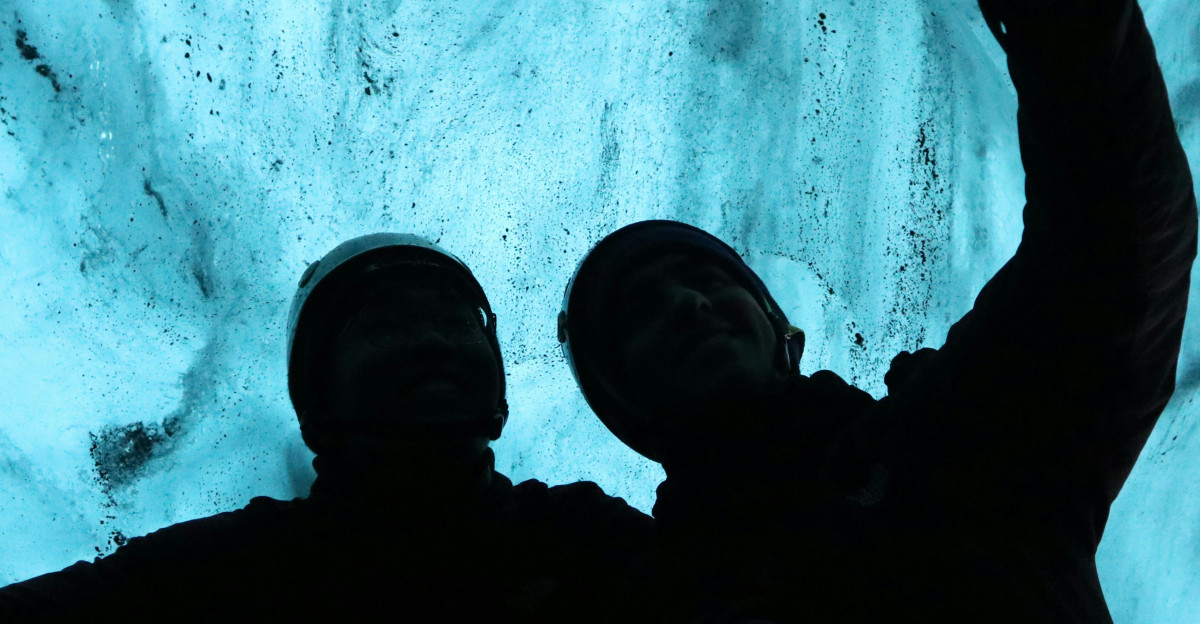
Cave exploration has become this interesting intersection of adventure tourism, scientific education, and social media content creation, reflecting changing patterns in how people engage with outdoor recreation. Atlantis Press research suggests that combining geology instruction with adventure narratives can enhance public understanding of Earth sciences and conservation needs. The ActionAdventureTwins discovery shows how amateur exploration content reaches way broader audiences than traditional scientific publications ever could. This cultural shift raises essential questions about scientific literacy and how the public engages with geological discovery processes in our digital age.
Digital Age Reshapes Discovery Documentation
The ActionAdventureTwins cave discovery reflects broader trends in how geological discoveries get documented, shared, and verified in our digital world, challenging traditional boundaries between amateur exploration and scientific research. Social media platforms have become the primary channels for sharing natural discoveries, creating new opportunities for public engagement while raising legitimate concerns about verification standards and environmental protection. Multiple academic sources suggest this evolution means future geological education will likely integrate traditional research methods with digital storytelling and citizen science participation, fundamentally transforming how society understands and protects our underground heritage.