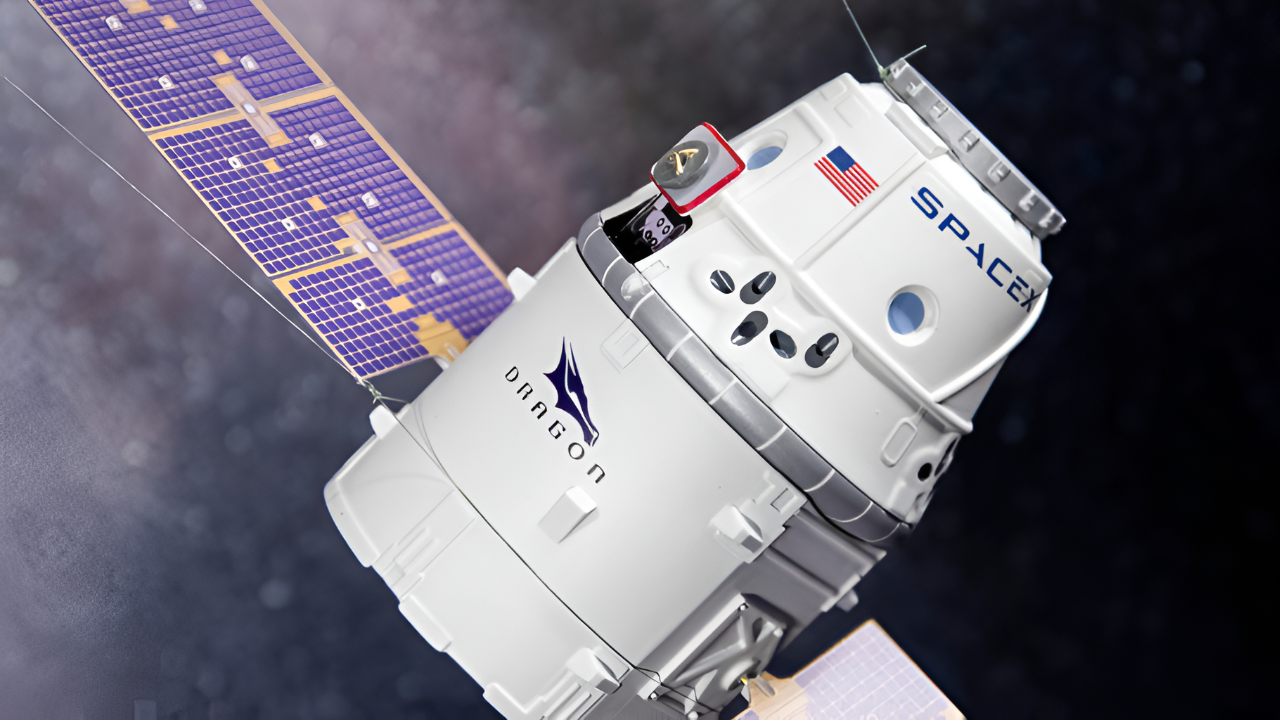
An accidental keystroke by a Canadian amateur astronomer has exposed one of America’s most secretive space programs, raising urgent questions about international law, satellite safety, and the future of space itself. In October 2025, Scott Tilley stumbled upon radio signals from 170 classified U.S. satellites operating on unauthorized frequencies—a discovery that could have far-reaching consequences for thousands of spacecraft orbiting Earth.
Starshield: A Billion-Dollar Constellation in Orbit
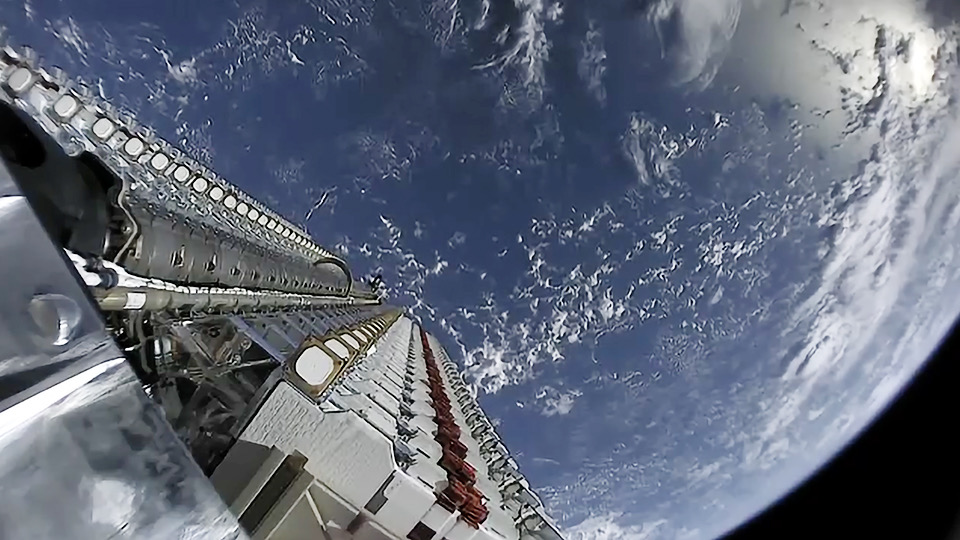
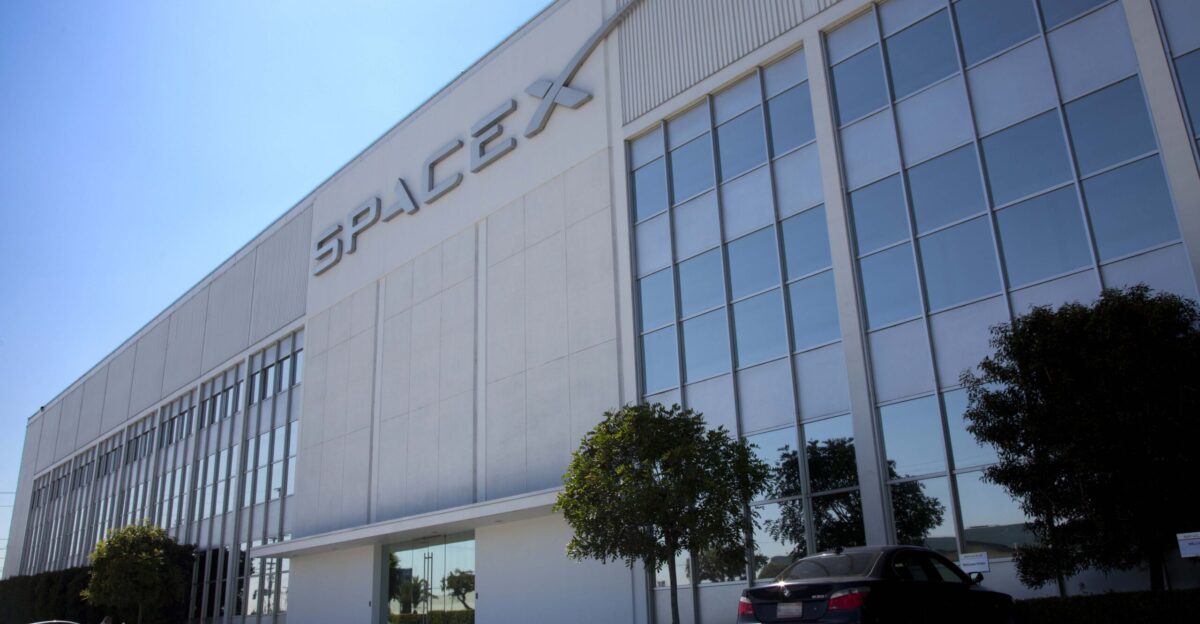
Launched in 2023, the Starshield program marks a dramatic shift in U.S. space operations. Funded with $1.8 billion in taxpayer money, Starshield consists of a rapidly growing constellation of government-operated spy satellites, primarily managed by the National Reconnaissance Office and the U.S. Space Force. SpaceX, the private aerospace company, builds and launches these satellites, while the government controls their missions and data.
Although more than 200 Starshield satellites are believed to be in orbit, the exact number and their specific capabilities remain classified. The program’s secrecy is compounded by its operational protocols, which have only come to light through Tilley’s accidental discovery. The satellites’ missions are thought to include advanced earth observation and real-time missile tracking, using infrared sensors to monitor global threats.
Breaking the Rules: Unauthorized Frequencies and Global Risks
Satellites rely on strict radio frequency allocations to avoid interference. The International Telecommunication Union (ITU) sets these standards, designating certain bands for uplink (commands sent from Earth) and others for downlink (data sent from satellites). Starshield satellites, however, have been transmitting data downward on frequencies reserved for uplink—a violation of ITU regulations.
Tilley’s detection of signals from approximately 170 Starshield satellites using these unauthorized frequencies has sparked concern among experts. If a satellite’s receiver is flooded with unexpected signals, it may fail to process commands or ignore them entirely. With around 12,000 active satellites currently in orbit, the risk of cascading interference is significant. While no major disruptions have been reported, the potential for silent sabotage remains a pressing issue.
Corporate Dominance and the Crowded Skies
SpaceX’s influence in orbit is unprecedented. In October 2025, the company launched its 10,000th Starlink satellite, bringing its combined total of Starlink and Starshield satellites to roughly 8,600—about 60 percent of all active satellites worldwide. This concentration of orbital assets in the hands of a single corporation, operating under government contracts and classified missions, represents a new era of corporate dominance in space.
The rapid expansion of mega-constellations is transforming the radio environment. Starshield’s signals add to a growing crisis: Starlink satellites have been found to emit unintended electromagnetic radiation at levels far exceeding previous generations. A 2024 study revealed that second-generation Starlink satellites leak 32 times more radiation than their predecessors, threatening the future of ground-based radio astronomy. Researchers warn that, within decades, the sky could become so noisy that astronomical observations from Earth may become impossible.
Regulatory Gaps and International Law
Despite clear ITU standards, enforcement is weak. The ITU functions as a coordination body, lacking the authority to fine or sanction operators for violations. SpaceX’s use of uplink frequencies for downlink transmissions technically breaks international rules, but there is no legal mechanism to compel compliance or halt satellite operations. This regulatory gap allows operators to transmit first and negotiate later, if at all.
Neither SpaceX nor the National Reconnaissance Office has publicly addressed the violation. The silence from both government and corporate actors underscores the lack of oversight in the rapidly evolving domain of space.
Transparency, Secrecy, and the Future of Space
Tilley’s decision to disclose his findings publicly highlights a growing tension between transparency and secrecy in space operations. His use of open-source databases and consumer-grade equipment to detect classified satellites raises questions about operational security and the accessibility of sensitive information.
As mega-constellations multiply and the orbital population surges, choices about transparency, compliance, and regulation will shape the future of space. Experts predict that by 2050, up to 100,000 satellites could orbit Earth, with SpaceX potentially operating 60,000 of them. The risk of radio interference, debris collisions, and the loss of scientific opportunities is mounting.
The ongoing transmission of unauthorized signals by Starshield satellites, coupled with the absence of international enforcement, signals a critical juncture for space governance. As the skies grow more crowded and the stakes rise, the world faces a pivotal choice: strengthen regulation and oversight, or risk chaos in orbit.