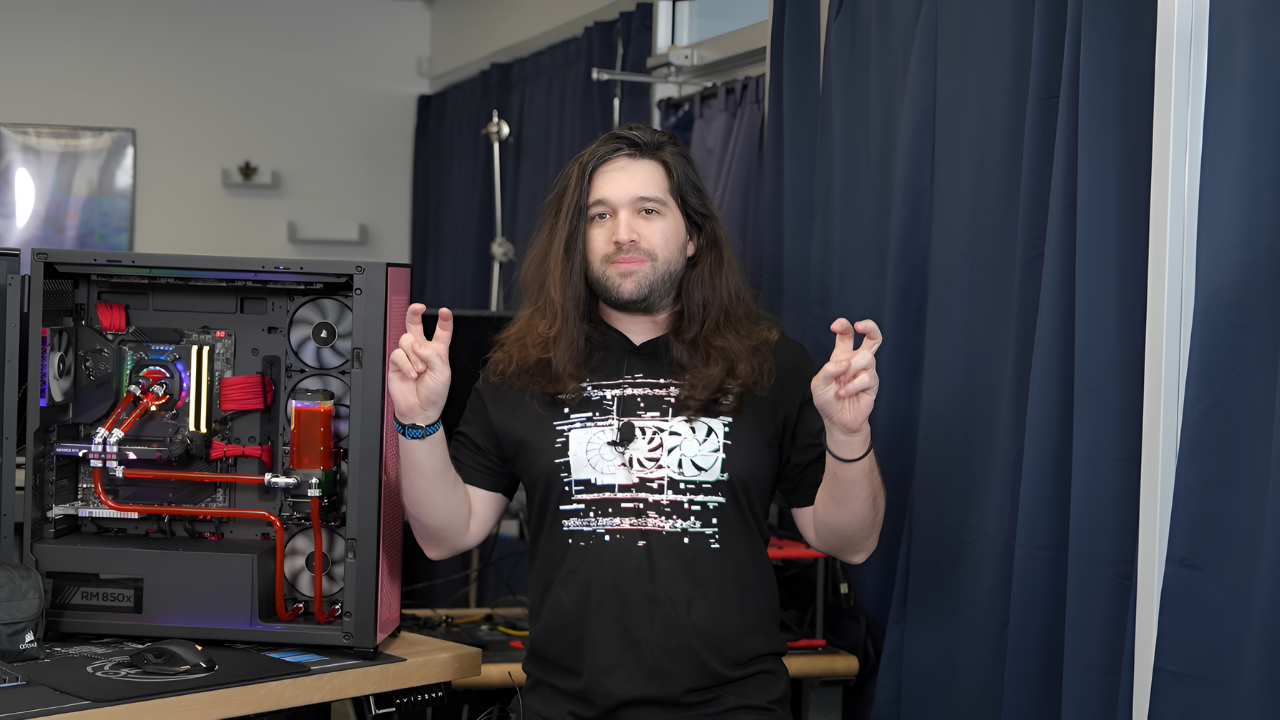
A sudden spike in memory chip prices, driven by demand from artificial intelligence data centers, has collided with the expectations of PC enthusiasts — and turned a New Year’s Day pricing error at Corsair into a full-blown reputational crisis.
Inventory Crisis Hits Consumer Memory

Over the past year, global DRAM inventories have shrunk dramatically, falling from roughly 12 weeks of stock in October 2024 to just 2–4 weeks by October 2025. Major memory makers including Samsung, SK Hynix, and Micron have committed most of their 2026 capacity to high‑bandwidth memory used in AI accelerators, where customers pay steep premiums.
That shift has left conventional consumer DRAM as a lower priority. For PC builders, gamers, and enthusiast retailers, the result is a constrained supply environment, higher prices, and fewer options. Analysts now project DRAM prices to climb by about 47% across 2026, with AI-related demand absorbing wafer capacity that once served desktops, laptops, and servers outside the AI sector. In this setting, every pricing decision by consumer-facing brands carries outsized weight.
Corsair’s Vulnerable Position
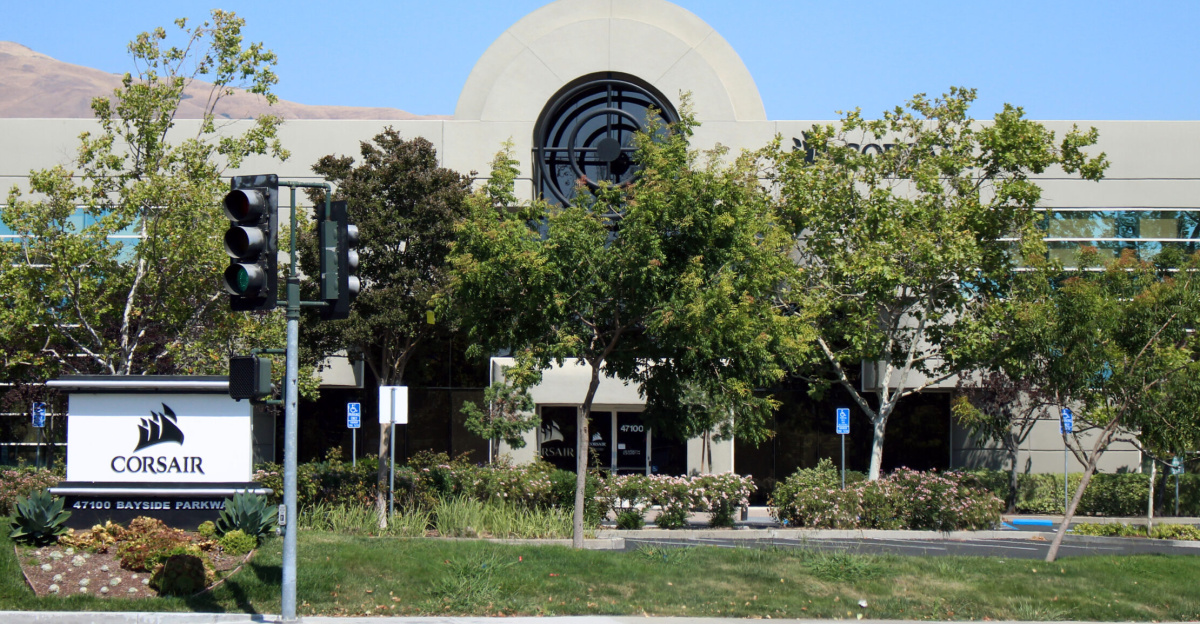
Corsair Gaming, Inc. is one of the most recognizable names in the enthusiast PC space, selling memory, prebuilt systems, power supplies, cases, and peripherals in competition with companies such as NZXT, Lian Li, and Razer. Unlike vertically integrated memory manufacturers, Corsair does not supply chips to data centers and does not rely on government or enterprise contracts to stabilize revenue.
Instead, the company depends heavily on direct sales to individuals and small builders, where repeat business is driven by brand perception and word of mouth. That dependence makes Corsair particularly sensitive to how it handles pricing errors, anti‑fraud checks, and stock shortages. In late 2025, those issues unfolded in full view of online communities already tracking every movement in DDR5 pricing.
By then, Reddit’s r/PCMasterRace forum had grown to more than 5 million subscribers and had become a de facto monitoring hub for PC component deals and vendor practices. Users shared charts of price changes, logs of cancelled orders, and side‑by‑side comparisons among brands. When Corsair’s webstore and anti‑fraud systems faltered around the New Year, the community was watching closely.
New Year’s Day: Error, Cancellations, and Backlash

In the early hours of January 1, 2026, Corsair’s site briefly listed a high‑end Dominator Titanium RGB 48 GB DDR5 kit (CMP48GX5M2B6400C36) at $239.99. The figure was far below prevailing prices: around $647.99 before January 5 and more than $819.99 afterward. The listing stemmed from a system error that allowed an out‑of‑stock product to appear as available and effectively functioned as a pre‑order, despite Corsair’s stated policy against pre‑orders for DDR5 modules.
Hundreds of customers placed orders and received confirmations, believing they had secured a rare deal in a tightening market. Within hours, Corsair cancelled every order, issued refunds, and initially offered a 15% discount code for a future purchase. After criticism mounted, the company increased the offer to 40% off a future RAM order for affected buyers.
Just hours earlier, a separate incident had set the stage for anger. A customer who had ordered a Vengeance A5100 gaming PC at a promotional price of $3,499 on December 31 saw the transaction cancelled by Corsair’s anti‑fraud systems. When the customer attempted to reorder on January 1, the same configuration was listed at $4,299, reflecting the end of New Year’s discounts and an $800 jump.
A detailed account of that experience, including screenshots of the cancellation and the new price, was posted to r/PCMasterRace. It gathered more than 16,000 upvotes within two days, drawing in thousands of commenters. Many shared their own RAM order cancellations, posted images of items that had reappeared at higher prices, and argued that Corsair was improperly taking advantage of the component shortage. Moderation actions on Corsair‑related subreddit threads — including comment closures and removals — fed perceptions that criticism was being muted rather than addressed.
Price Spikes, Competitors’ Tactics, and “RAMageddon”
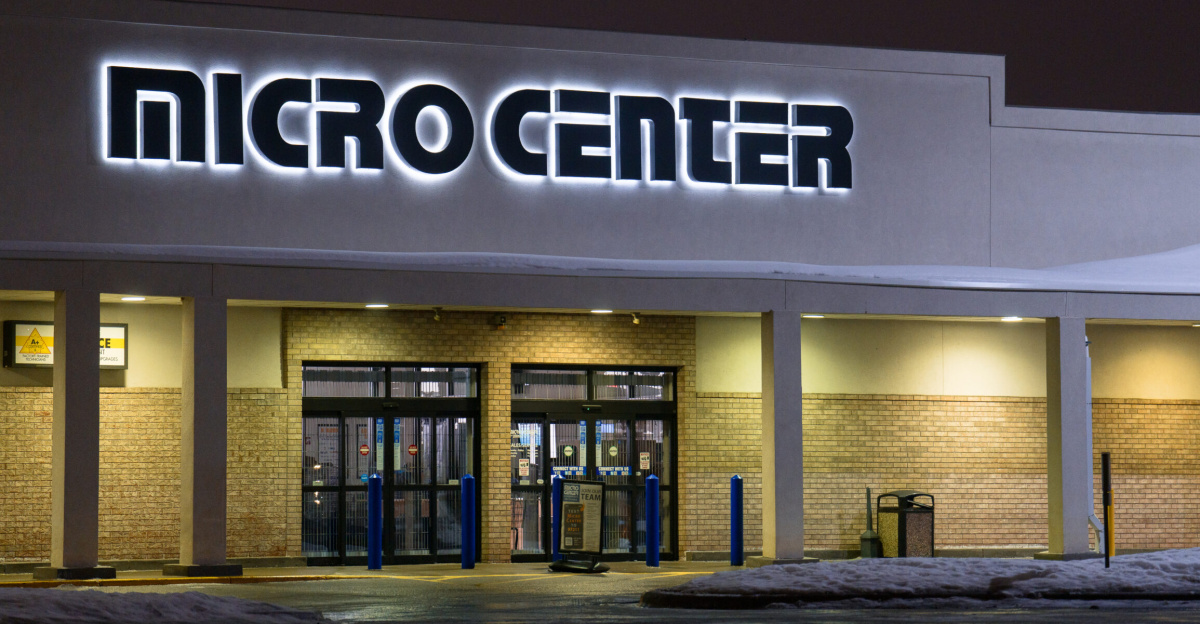
While Corsair was dealing with the fallout, other firms took noticeably different approaches. Micro Center, a regional retailer popular among PC builders, has in some cases honored pricing errors, though this practice varies by location and is not guaranteed policy. Framework Computing responded to the same memory market pressures by pulling standalone RAM from its catalog to fend off scalpers, while still supporting its laptop ecosystem.
Major PC makers such as Dell and Lenovo instead opted for formal, publicized increases of up to about 15% on systems that incorporated DRAM, explaining that higher component costs required adjustment. These companies set timelines and rationale in advance, contrasting with Corsair’s rapid shift from cancellations to revised offers and subsequent price changes.
On the supply side, leading memory manufacturers have been explicit about the constraints. Samsung executives have warned that memory shortages will influence pricing across the industry, emphasizing that even their extensive fabrication capacity cannot insulate buyers from the impact of AI‑driven demand. SK Hynix and Micron have noted that high‑bandwidth memory consumes roughly three times as much wafer capacity per gigabyte as standard DRAM, forcing them to prioritize AI‑oriented chips over mainstream products. With inventory already low, that reallocation has tightened the squeeze on consumer‑oriented vendors like Corsair.
Against that backdrop, users on enthusiast sites began referring to the situation as a kind of “RAMageddon,” accusing Corsair of profiting from a crisis it did not create but did have to navigate.
Stealth Increases and a Trust Deficit
On January 5–6, vigilant customers recorded a second wave of changes on Corsair’s website. Across the DDR5 portfolio, prices climbed sharply. The Dominator Titanium 48 GB kit that had previously listed at $647.99 moved to $819.99, an increase of about $172. A 64 GB Dominator Titanium kit increased from $841.99 to $1,071, a rise of roughly $230.
Corsair issued a short statement describing the higher figures as a response to market costs and stressing that they were “not related” to the earlier webstore error. For many recent buyers, the sequence was difficult to reconcile. Customers who had received a 40% discount coupon now faced a raised starting price, reducing or erasing the net savings they expected. Analysts and forum users published calculations showing that, in some cases, effective discounts were far smaller than the headline number.
Calls for organized boycotts under the label #Don’tBuyFromCorsair surfaced quickly. Some customers reported cancelling unrelated purchases of keyboards, mice, and cooling gear in protest. Video creators produced breakdowns of the situation, highlighting order histories and price snapshots. Within Corsair’s own support channels and community spaces, staff moved from apologetic explanations focused on a “system glitch” to more defensive statements referencing global supply issues. A moderator‑approved Reddit post on January 5 reiterated that the price increase was driven by market conditions and not by the specific incident, but offered few details on timing, forecasting, or steps to prevent similar episodes.
For a company whose revenue depends entirely on individual consumers rather than institutional contracts, the stakes are immediate. Industry observers have noted that because Corsair does not sell memory into data centers, it lacks the buffer that other hardware suppliers enjoy. Its most important asset is credibility with enthusiasts, builders, and gamers who can readily switch to rival brands.
Looking ahead, analysts expect DRAM prices to stay high through at least the first quarter of 2026, with only gradual relief later in the year as new capacity comes online. For Corsair and its competitors, that means more months of difficult pricing choices and close public scrutiny. Firms that are transparent about increases, honor existing commitments, and clearly separate genuine errors from strategic changes may preserve or even enhance loyalty. For Corsair, the New Year’s episode has become an early test of whether it can adjust its approach quickly enough to rebuild confidence before enthusiasts permanently shift their spending elsewhere.
Sources
Tom’s Hardware – Corsair Cancels $240 48GB DDR5 Memory Kit Orders Due to Pricing Error
Yahoo Tech – Corsair Cancels $240 48GB DDR5 Memory Kit Orders
NetworkWorld – Samsung Warns of Memory Shortages Driving Industry-Wide Price Surge in 2026
Reddit r/Corsair – Notice: DRAM Cancellations – Webstore Pricing Error
Software Seni – When Will DRAM Prices Normalise? Analysing the Timeline for Memory Market Recovery
IXBT Games – Corsair Accused of Profiting from “RAMageddon”