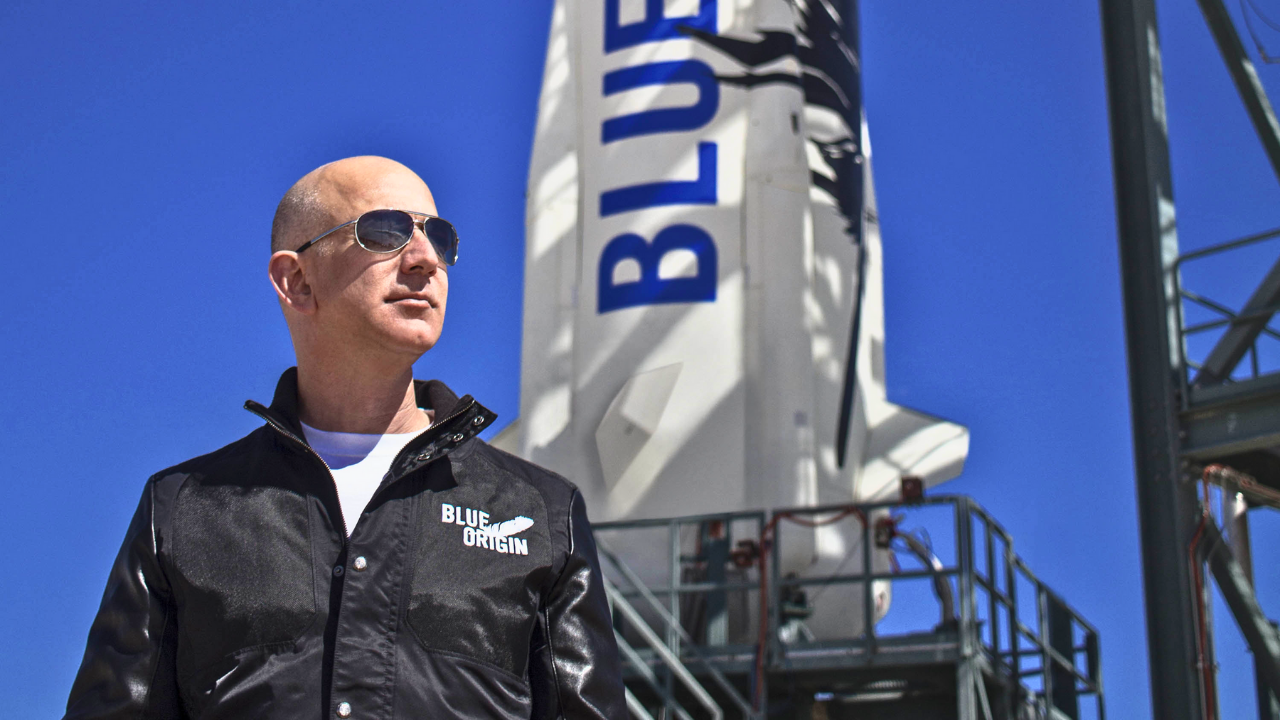
Blue Origin has rescheduled its NASA ESCAPADE Mars launch to November 13 after two scrubs—one due to weather on November 9 and another due to intense solar storms on November 12.
Favorable conditions cleared the path for the launch attempt on Thursday. The mission’s completion is critical to Blue Origin’s credibility as it manages a $10 billion contract backlog amid industry pressures.
Mission Overview
NASA’s ESCAPADE (Escape and Plasma Acceleration and Dynamics Explorers) mission consists of twin spacecraft built by Rocket Lab, designed to study how solar wind strips Mars’ atmosphere.
Built for under $80 million, the mission represents NASA’s first Mars exploration in five years and is scheduled to launch aboard Blue Origin’s New Glenn rocket from Cape Canaveral’s Launch Complex 36.
Cascade of Delays

The mission faced multiple setbacks in November 2025. Weather violations, specifically the cumulus cloud rule, forced the first scrub on November 9.
A second attempt on November 12 was cancelled due to intense solar storms creating hazardous radiation conditions for the spacecraft’s sensitive electronics. November 13 represents the team’s third attempt within the current launch window.
Solar Storm Impact

Intense solar flares in early November created auroras as far south as Florida. NASA determined that elevated solar activity posed unacceptable risks to ESCAPADE’s electronics, forcing postponement.
By November 13, space weather forecasts had improved sufficiently to allow the launch team to proceed. Solar activity underscored the complexity of modern space missions, extending beyond traditional weather considerations.
FAA Complications and Waivers

The Federal Aviation Administration’s indefinite ban on daytime commercial launches during the government shutdown added complexity to the situation. However, Blue Origin secured special waivers from the FAA and Space Launch Delta 45, enabling launch attempts during daytime hours.
This coordination between multiple federal agencies was crucial in preserving the November window and demonstrating government-industry collaboration during operational challenges.
Launch Window Pressures
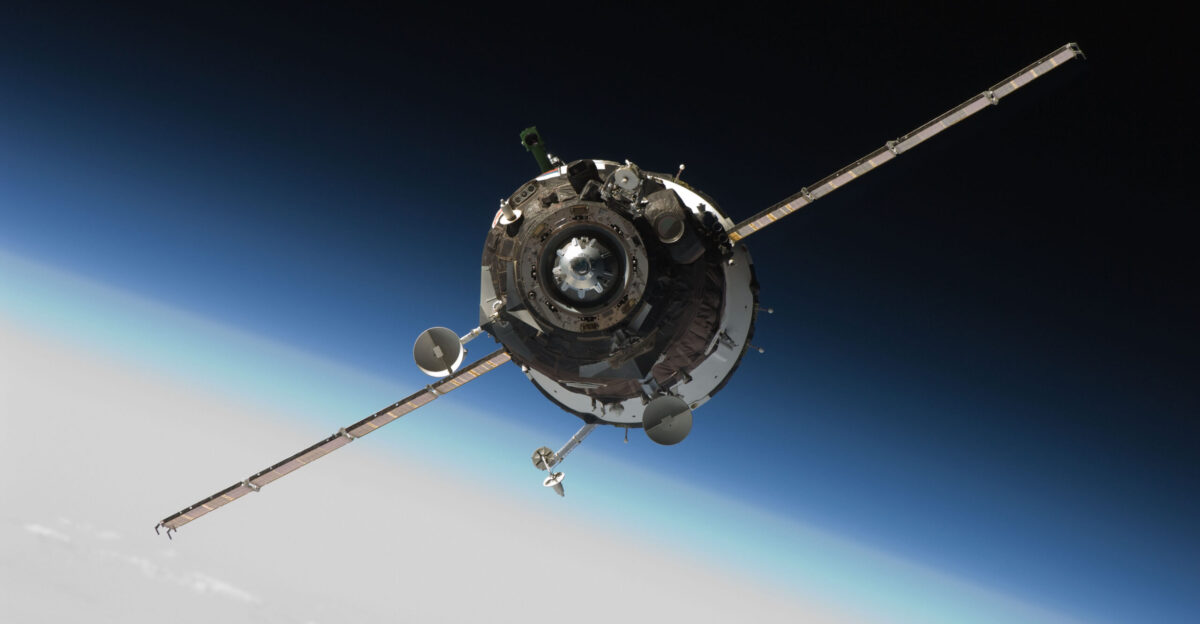
Mars launch windows occur only during specific planetary alignments, which occur every 26 months. ESCAPADE was originally targeted for October 2024 but was postponed to November 2025 to allow for New Glenn development time.
The current window represented a critical opportunity—missing it would delay the mission to spring 2026, adding significant cost to NASA’s budget-conscious planetary science program and straining Blue Origin’s schedule.
Blue Origin’s $10 Billion Backlog
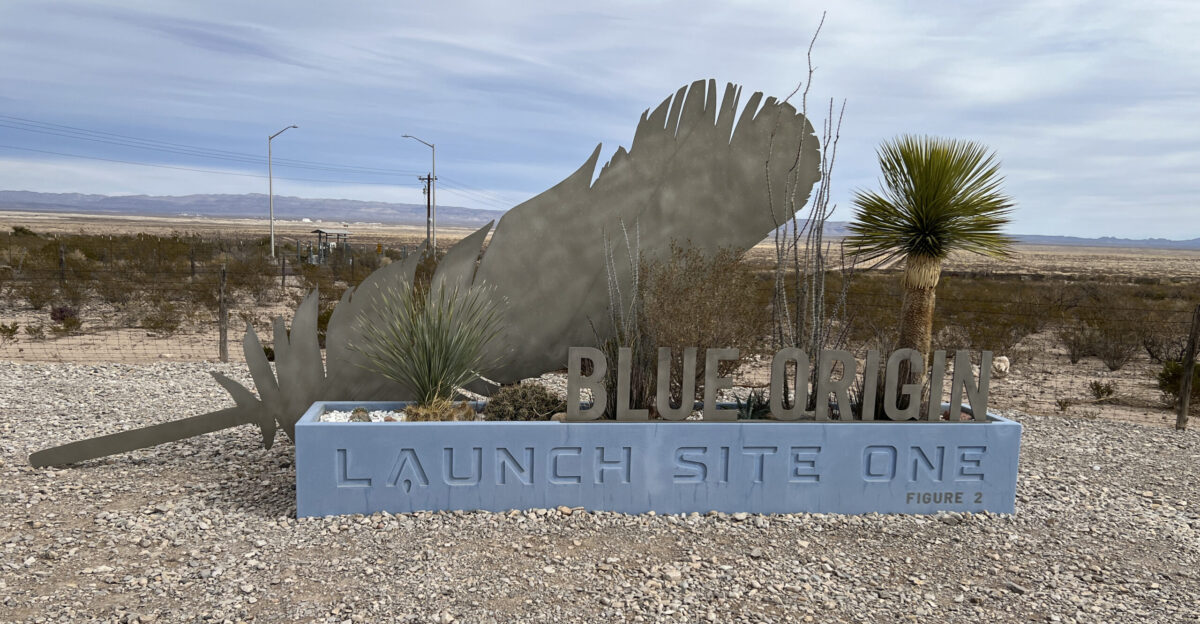
Blue Origin carries approximately $10 billion in launch contracts awaiting fulfillment. With an estimated 100 future launches on its manifest and New Glenn having completed only one successful orbital flight in January 2025, the company faces mounting pressure to accelerate launch cadence and prove rocket reliability.
The ESCAPADE delays highlighted these execution challenges.
Second New Glenn Flight Significance
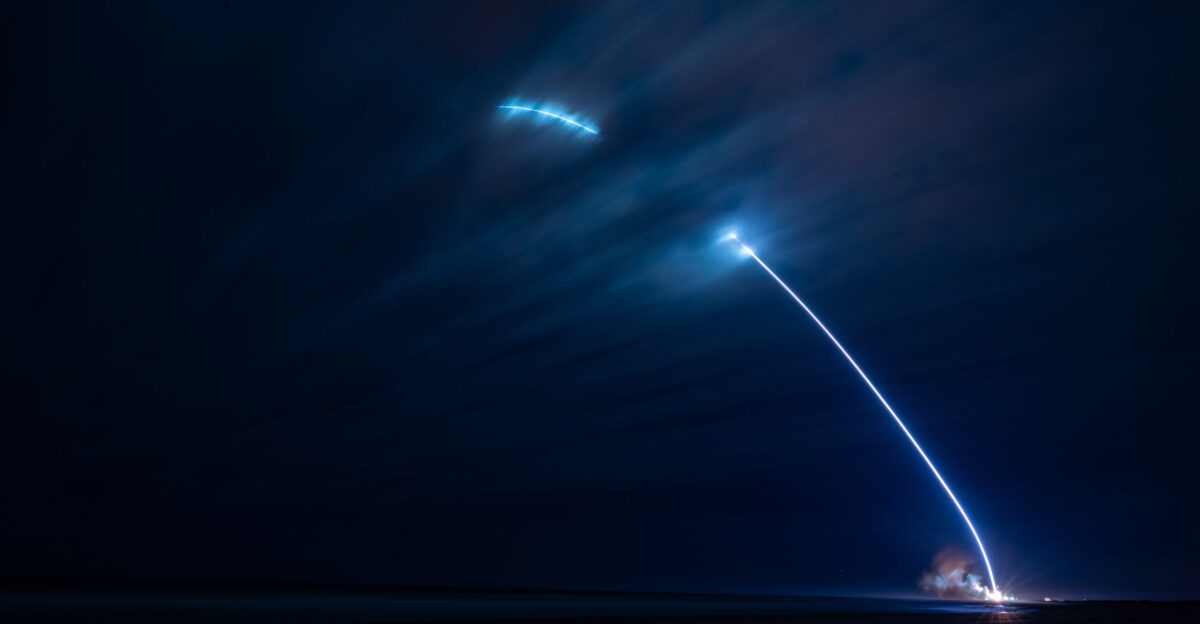
This mission represents New Glenn’s second-ever flight. The 321-foot heavy-lift rocket successfully reached orbit during its January 2025 debut but failed to land its booster on the drone ship Jacklyn.
Proving reusability on this second flight was critical to validating Blue Origin’s business model and demonstrating cost competitiveness against SpaceX.
Booster Landing Challenge
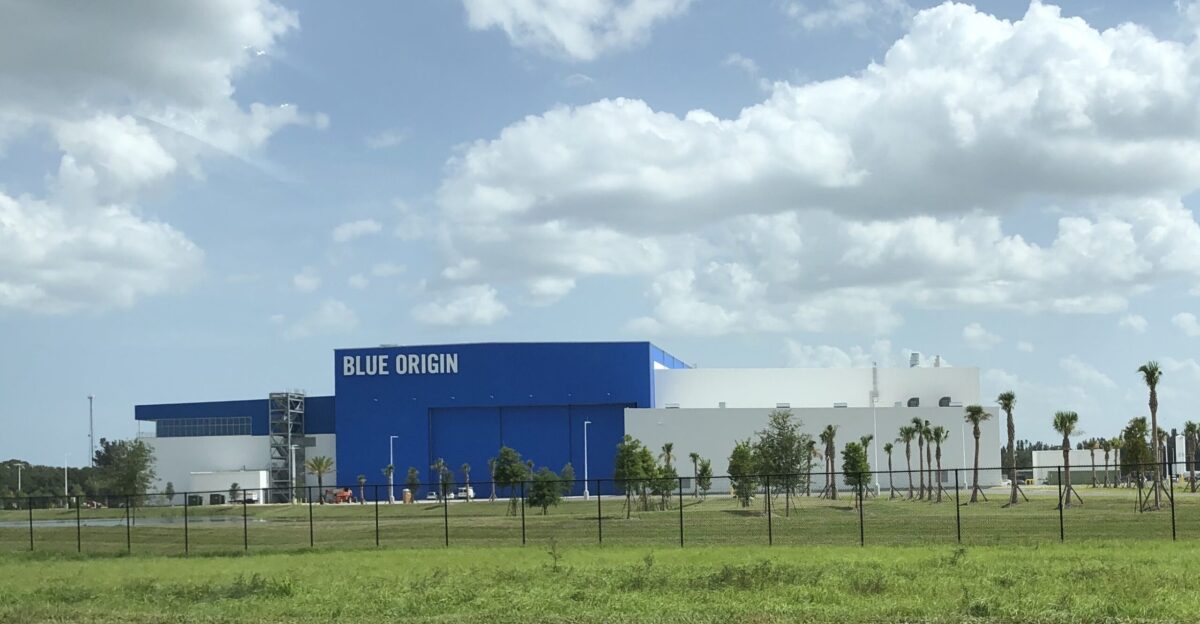
Blue Origin planned to recover New Glenn’s first-stage booster, nicknamed “Never Tell Me the Odds,” by landing it on the Atlantic Ocean autonomous barge Jacklyn for reuse. The January mission lost the booster before landing.
Success in recovering this booster would validate New Glenn’s reusability and strengthen Blue Origin’s competitive position in the commercial launch market.
Workforce Reduction Context

In February 2025, Blue Origin announced a 10% workforce reduction, affecting approximately 1,400 employees across its facilities in Washington, Florida, and Texas.
CEO Dave Limp stated that the company needed to streamline operations, reduce bureaucracy, and shift its focus from research and development to high-frequency manufacturing and launch operations.
Strategic Pivot Challenges
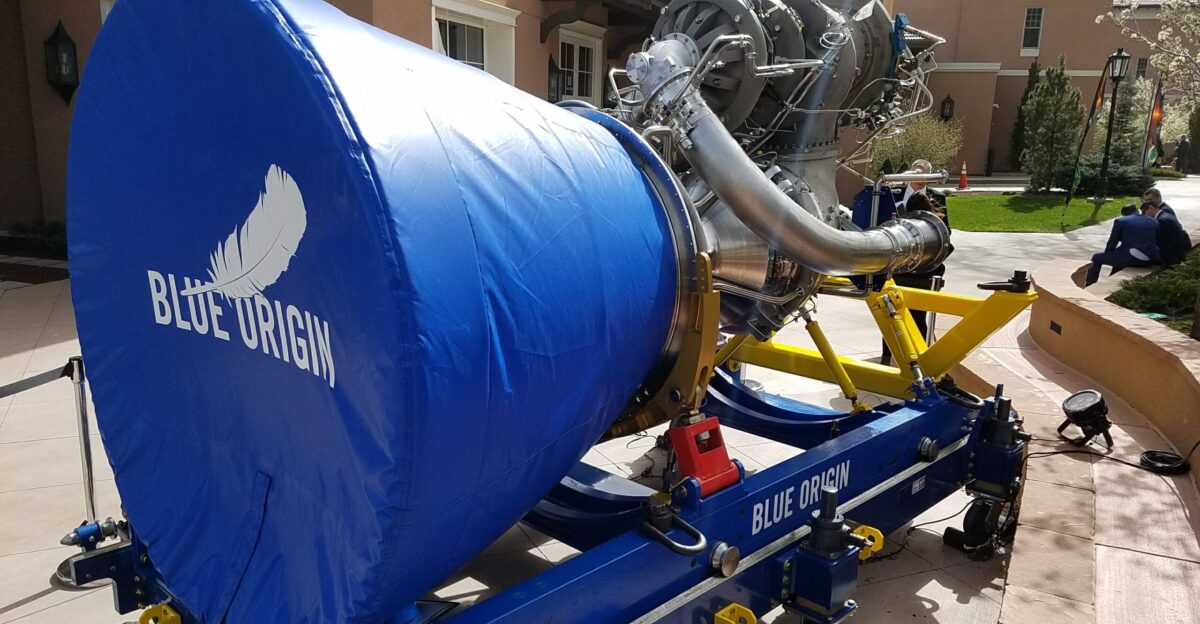
The layoffs aimed to transition Blue Origin from a development-focused to an execution- and commercialization-focused operation.
However, the repeated launch delays raised questions about whether the leaner organization could simultaneously ramp up production, increase launch frequency, and execute complex missions reliably during organizational restructuring.
SpaceX Competition
Blue Origin continues to trail far behind SpaceX, which has achieved market dominance through its rapid launch cadence and proven reusability.
SpaceX’s Falcon rockets have demonstrated consistent reliability with hundreds of successful flights, while New Glenn has completed only one mission. The repeated ESCAPADE delays underscore this competitive gap.
Government Contract Stakes

Blue Origin competes for significant Department of Defense contracts for national security satellite launches. Demonstrating mission reliability and on-time performance is crucial for securing these lucrative agreements.
The ESCAPADE delays potentially damage Blue Origin’s reputation with government clients seeking dependable launch providers.
NASA Partnership Impact
The repeated delays strain Blue Origin’s relationship with NASA at a critical time. The company is developing lunar landers for NASA’s Artemis program and competes for future contracts.
The ESCAPADE situation tests the partnership and NASA’s confidence in Blue Origin’s execution capabilities.
Orbital Reef Space Station
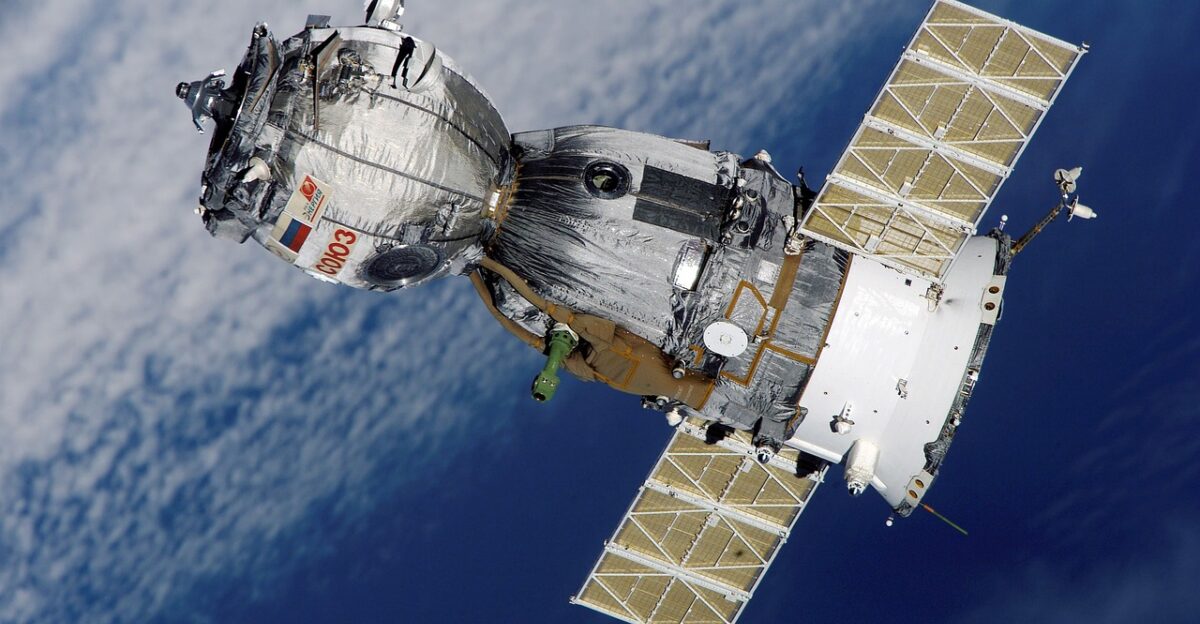
Blue Origin is developing Orbital Reef, a commercial space station, in partnership with Sierra Space, Boeing, and others. This ambitious project receives NASA funding.
The ESCAPADE delays and workforce reduction create uncertainty about Blue Origin’s ability to execute multiple complex, long-term programs simultaneously.
Financial Implications

While backed by Jeff Bezos’ personal wealth, Blue Origin must demonstrate financial viability to attract commercial customers and investors.
The $10 billion backlog represents potential future revenue, but only if the company successfully converts contracts into completed missions. Delays erode customer confidence and may trigger contractual consequences.
Technical Challenges Beyond Weather
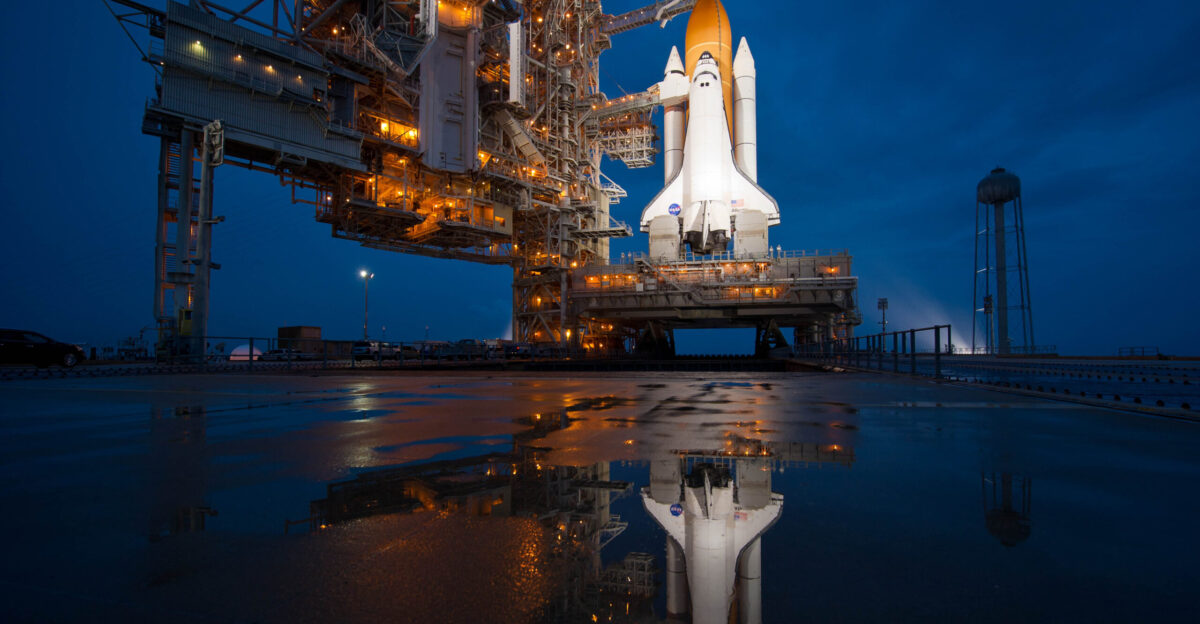
Ground systems issues during launch attempts revealed technical challenges beyond meteorological concerns.
A cruise ship inadvertently entered the Atlantic exclusion zone during one countdown, and ground equipment problems at Launch Complex 36, including potential issues with the hydrogen disconnect system, added complexity. These challenges suggested New Glenn may need additional refinement before achieving frequent operational reliability.
Bezos’ Space Vision and Long-Term Goals
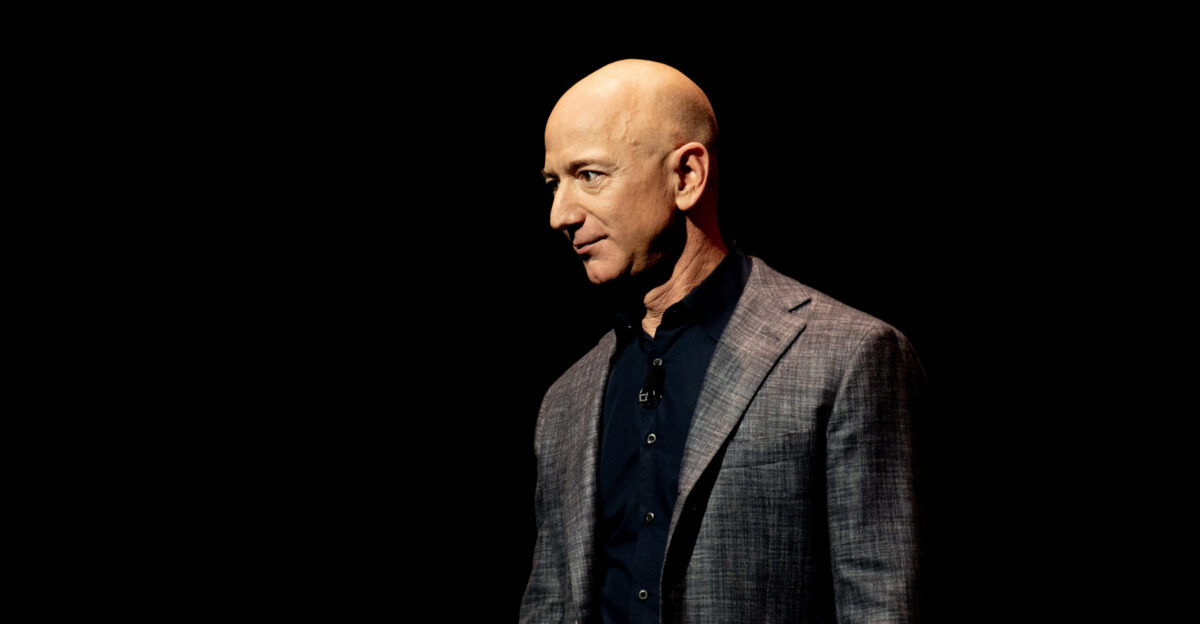
Jeff Bezos founded Blue Origin in 2000 with the vision of creating a “road to space” that would enable millions of people to live and work in space.
Progress toward this ambitious goal has been measured against ESCAPADE’s series of delays, testing both internal organizational capacity and external technical readiness across multiple systems.
November 13 Launch Opportunity
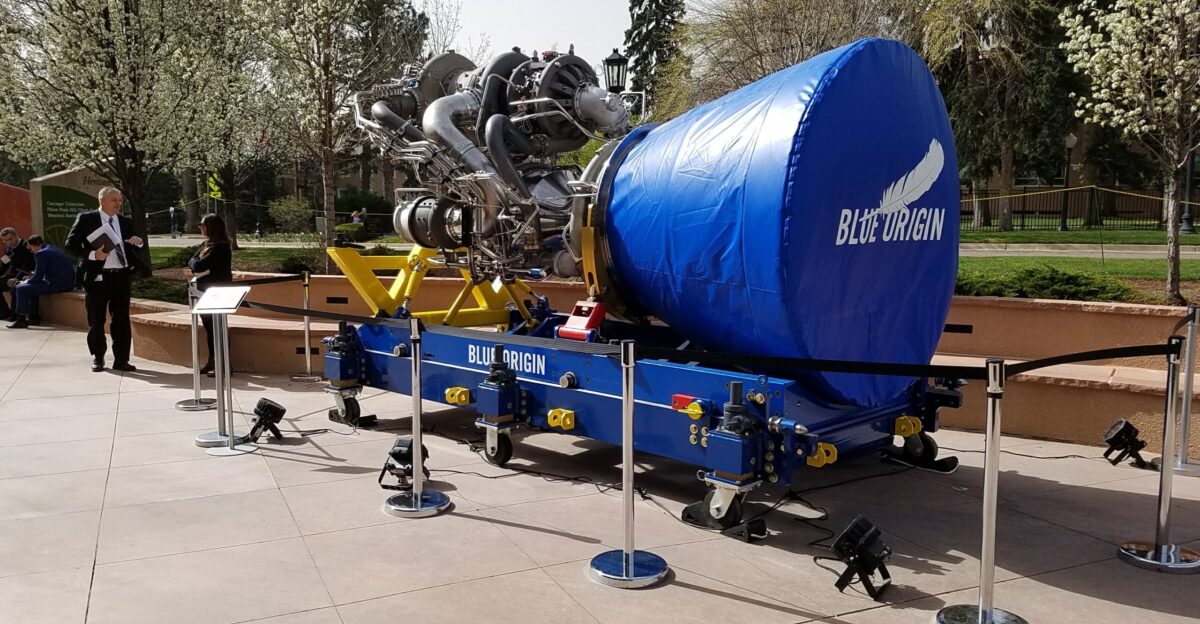
The November 13 launch attempt represented a critical test of Blue Origin’s operational readiness.
With favorable weather forecasts and improved space weather conditions, teams prepared for liftoff during a window from 2:57 p.m. to 4:25 p.m. EST. Successfully executing this mission would demonstrate booster recovery and restore credibility with customers and partners.
Industry Implications
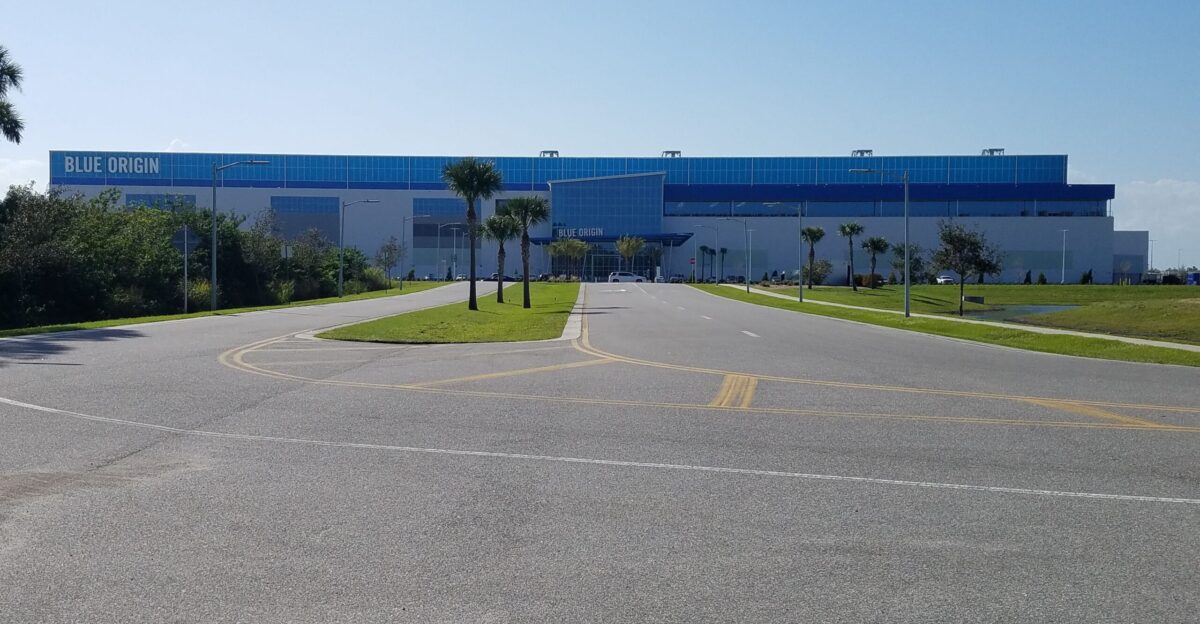
The ESCAPADE delays highlight significant challenges facing new entrants in the commercial spaceflight sector. While lower costs and innovation create opportunities, technical complexity, regulatory requirements, and the need for consistent mission execution present formidable barriers.
Blue Origin’s success in overcoming these challenges will determine its competitive viability in an increasingly demanding commercial space market.