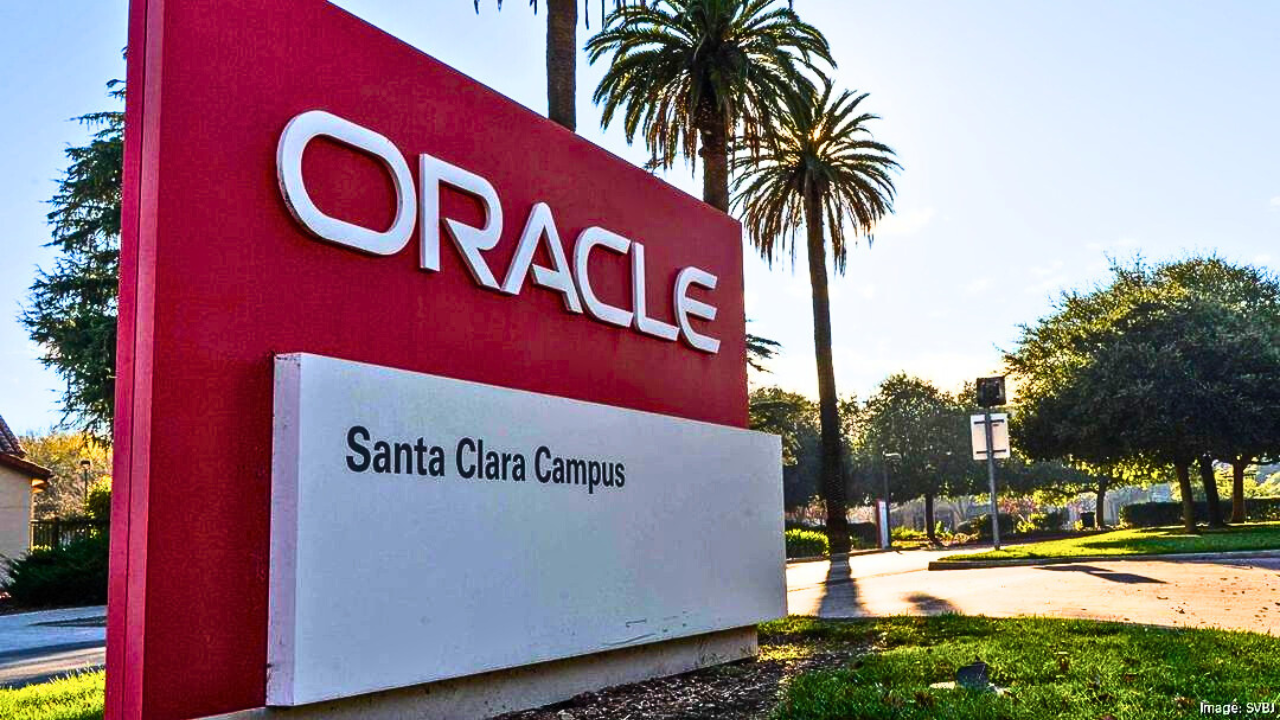
Salesforce and Oracle announced coordinated layoffs, eliminating over 600 jobs as AI-driven automation reshapes workforce needs in the Bay Area. Effective November 3, 2025, Oracle’s 355 regional layoffs and Salesforce’s 262 layoffs in San Francisco plus 93 in Washington represent a significant simultaneous tech reduction in the region.
AI systems that can replace human labor with comparable efficiency are the driving force behind this; Salesforce CEO Marc Benioff publicly acknowledged cutting the number of customer support employees from 9,000 to 5,000 because “I need less heads.” The layoffs highlight the disruptive nexus of innovation, economics, and labor psychology and mark a turning point where big tech companies abandon traditional roles for AI solutions.
Automation in Tech Employment: A Historical Perspective
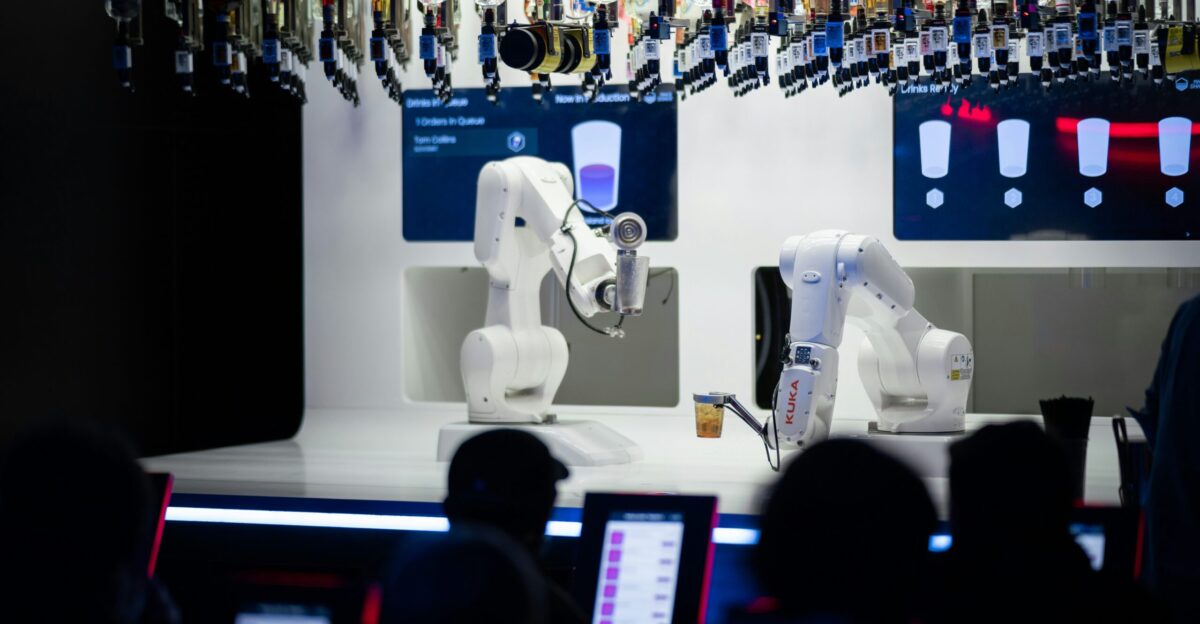
Although technological innovation has always reduced the workforce, the scope and openness of these layoffs are unprecedented. Prior waves, such as the automation of manufacturing in the 1980s, changed industries, but they were sector- and geographically constrained.
The simultaneous layoffs by two giants in the Bay Area highlight a new AI era in which knowledge work is increasingly being replaced by software. Salesforce is a prime example of the paradigm shift where AI completely replaces hundreds of full-time employees, in contrast to earlier times when automation enhanced workers. Benioff’s candid admission represents a turning point in the history of how labor and technological power align, signifying a distinct corporate candor lacking in previous tech layoffs.
The Significant Amount and Velocity of Salesforce’s Staff Reduction

Within nine months, Salesforce’s support division laid off 4,000 workers and replaced them with AI-powered customer service bots, reducing its workforce by 44%. This dismantling of almost half the support staff in less than a year is a revolutionary event that is unprecedented in the speed and scope of tech history. Salesforce dramatically increased restructuring cost estimates at the same time as the layoffs, highlighting the risks and financial commitments associated with such quick workforce change.
The decision to lay off thousands of employees shows faith in AI’s potential while establishing a challenging standard for other tech companies and possibly causing regional repercussions in the Bay Area’s employment and economic dynamics.
Oracle’s Coordinated Timing Conundrum and Parallel Layoffs

Salesforce’s actions and Oracle’s 355 job cuts in the Bay Area on November 3, 2025, raise concerns about a coordinated corporate strategy linked to budgetary constraints or industry-wide pressure to hasten the adoption of AI. Oracle’s size reflects a systemic change in the tech industry, even though it is less specific than Salesforce’s widely reported layoffs. Both companies are radicalizing their workforce structures at the same time.
This coordination may indicate an emerging pattern in which AI-driven restructuring occurs in waves rather than isolated acts, suggesting that future mass layoffs will be timed to coincide with quarterly earnings and AI implementation milestones throughout the Bay Area tech ecosystem.
The Social and Psychological Effects on Displaced Employees

Here, the human aspect of layoffs—which is frequently hidden by corporate language, is visceral. Tight market conditions have resulted in the loss of 617 tech jobs in the Bay Area, leaving many skilled professionals facing economic uncertainty. In a community that has long regarded tech jobs as secure, the layoffs ahead of the holiday season worsen psychological stress, trauma, and anxiety. Benioff’s icy declaration, “I need less heads,” reveals the callous calculation tech executives make, turning employees into disposable parts.
This change puts traditional workplace identities in jeopardy, increases mistrust of corporate promises, and necessitates quick reskilling, all of which could exacerbate mental health issues among the tech workforce in the area.
AI Customer Service Bots: Effectiveness vs. Compassion
Salesforce challenges the notion that empathy-driven jobs are resistant to automation by asserting that AI bots provide customer service satisfaction comparable to that of humans. The idea that empathy necessitates human agency is challenged if AI actually replicates or surpasses human satisfaction, upending fundamental values in service sectors.
However, the lack of complete data on these claims has led to skepticism, which raises concerns about whether these numbers represent true technological advancements or corporate spin. The paradox is striking: AI’s replacement of human warmth changes user experience and corporate culture, but could long-term relationship harm or diminished human nuance turn out to be hidden costs?
Using Bay Area Layoffs to Extrapolate National Job Risks

The 44% reduction in support positions at Salesforce portends much wider effects. Given that there are about 500,000 customer service positions in the tech sector in the United States, extrapolation indicates that if these AI deployments spread throughout the industry, over 220,000 jobs nationwide may be at risk.
This calls for an immediate reevaluation of economic and regulatory policies because it presents a systemic threat to both individual jobs and the structure of white-collar employment. Businesses are under pressure from competitors to use AI to reduce costs, but doing so runs the risk of causing widespread unemployment that could upset regional economies and exacerbate social inequality, portending a post-human workforce era with significant societal ramifications.
Underreported Realities and Salesforce’s Workforce Reassignment

Benioff notes that some Salesforce employees who were laid off were transferred to sales, but he doesn’t give precise figures, which encourages conjecture about the actual employment results. Are workers being completely absorbed by layoffs or are they being forced into lower-paying, less secure positions?
This obfuscation is a typical corporate tactic used during AI restructuring: relabeling or redistributing employees to conceal the loss of jobs, which may minimize the human cost. The disparity between stated numbers and actual experiences points to multi-layered organizational changes that prioritize AI efficiency over worker stability and transparency, which complicates public perception and labor advocacy reactions.
Large-Scale AI Restructuring’s Financial Repercussions

The widespread layoffs are a result of both financial strategy and technology. According to Salesforce’s “significantly raised” restructuring cost estimates, replacing humans with AI will require large upfront investments while long-term savings are anticipated. Massive cost-cutting at scale is indicated by the $92.5 million in yearly salaries lost in just these layoffs.
The short-term restructuring expenses, however, raise concerns about how to strike a balance between short-term financial hardship and long-term efficiency gains. Investor confidence, share prices, and tech sector valuation models that increasingly take AI’s disruptive role in labor dynamics into account are all influenced by this financial calculus.
AI’s Existential Danger to Today’s Tech Culture

Salesforce promotes a straightforward paradigm: AI replaces, not helps, in contrast to upbeat narratives that frame AI as augmentation. This puts established tech culture, which is based on human creativity and teamwork, in jeopardy. The quick and widespread recognition of workforce cannibalization reveals a harsh truth: AI promises fewer jobs rather than more.
Once thought of as the tech utopia of opportunity, the Bay Area is currently facing a “white-collar apocalypse,” which has sparked concerns about corporate ethics, job security, and the future of work. In an era of automation, this reframing necessitates discussion not only about technology but also about capitalism, ethics, and human dignity.
Human Agents vs. Salesforce Support Bots

Salesforce’s claims about customer satisfaction parity should be examined by looking at bot deployments. AI bots handle common queries more quickly, around-the-clock, and at a lower cost by utilizing machine learning and natural language processing. Humans, on the other hand, are more expensive but bring judgment, empathy, and sophisticated problem-solving skills.
According to preliminary data, bots speed up resolution times and can manage higher volumes without getting tired, but they have trouble with complex cases. This case serves as an example of how technology is challenging job functions; while hybrid, adaptive roles may continue to flourish, routine roles are eroding, redefining job design across industries.
The Bay Area’s Economic Ripple Effect

Local economies that depend on high-paying tech jobs are disproportionately affected by layoffs of more than 600 tech workers, which amount to a disruption of about $92.5 million in yearly salaries. There may be a decline in consumer spending, a rise in unemployment claims, and downward pressure on housing markets. The already worsening social inequality and housing affordability issues in the Bay Area could be made worse by this contraction.
Mass layoffs have a multiplier effect that jeopardizes social stability and growth by affecting secondary industries that support tech workers, such as real estate and service providers.
AI’s Growing Use Outside of Support Functions
AI developments foreshadow growth into marketing, sales, software engineering, and even managerial roles, following the example of customer support. Automation tools are endangering a variety of professional jobs by increasingly producing code, generating reports, and making data-driven decisions.
A larger wave of job displacement is predicted by Salesforce’s headcount reduction, necessitating immediate workforce development measures. These changes will alter labor markets and educational priorities, necessitating workers to constantly improve their skills or risk being laid off, axioms characterizing the boundless but uncertain future of white-collar work.
The Inconsistency between Corporate Messaging and Reality

Corporate doublespeak in tech culture is highlighted by Salesforce’s dual message that “our priority is our people” while laying off 44% of support employees. CEOs act ruthlessly efficiently in the pursuit of AI-driven optimization while publicly praising innovation and human-centric values.
This discrepancy increases calls for worker protections, ethical AI governance, and transparency while also fostering mistrust. A critical reevaluation of corporate social responsibility in the AI era is required in light of the Bay Area layoffs, which reveal a widening gap between shareholder demands for profit amid AI adoption and compassionate considerations for displaced workers.
Accepting the AI-Powered Workplace of the Future with Humanity and Realism

The massive layoffs at Salesforce and Oracle in the Bay Area represent a critical turning point where AI’s labor replacement reaches observable scale, indicating significant disruptions in tech employment and beyond. Despite being a sign of economic efficiency and technological advancement, these restructuring initiatives come with significant social, psychological, and human costs.
It is necessary to confront difficult realities in order to comprehend these layoffs: AI replaces, sometimes brutally, rather than just enhancing. In order to ensure that the future of the tech sector is both efficient and humane, this moment calls for creative policy, corporate ethics, and proactive workforce strategies to balance the advantages of automation with human dignity.