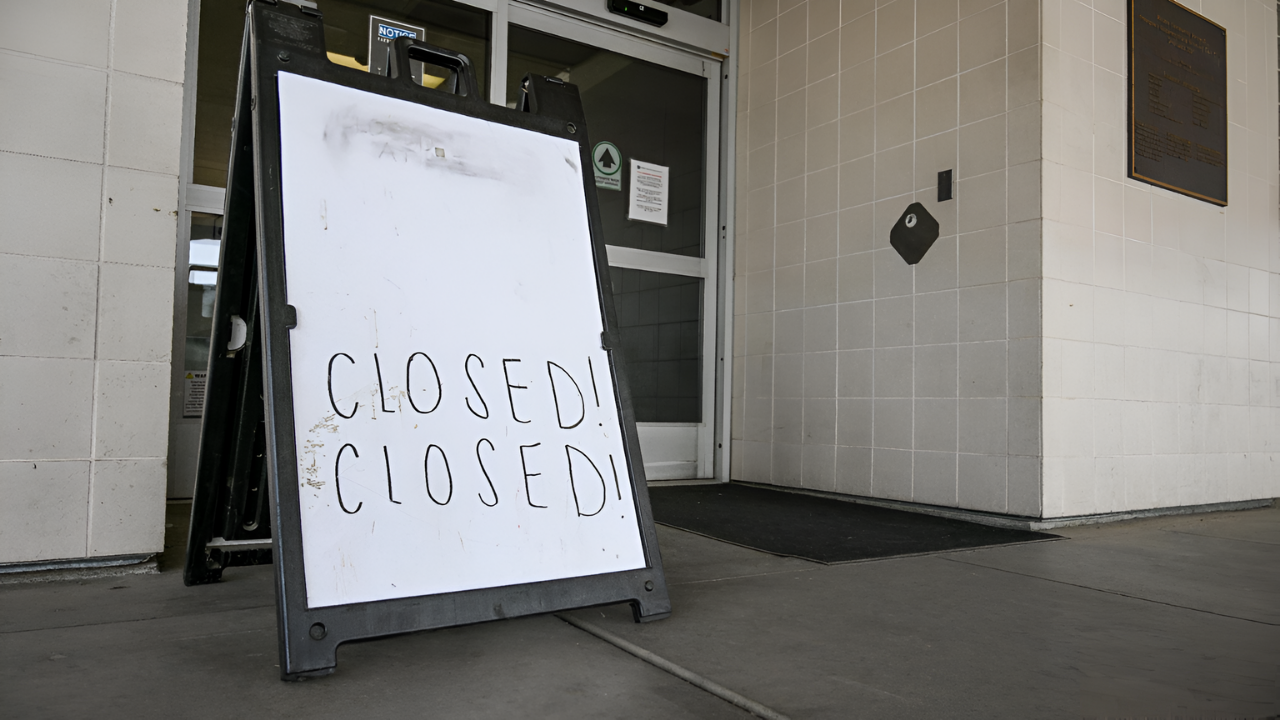
The unexpected bankruptcy of ASC Therapeutics has sent shockwaves through the Bay Area’s biotech community, cutting short what many believed was a promising chapter in gene therapy research. On November 19, 2025, the small company based in Milpitas filed for Chapter 7 bankruptcy, which means it will close permanently and sell off all its assets. The announcement came as a surprise to many who had followed ASC’s progress, showing again how even the most advanced medical startups can quickly fall apart when money runs out.
ASC Therapeutics began in 2019 as a spinoff from another biotech company, Applied StemCell. Its main goal was to create genetic treatments for serious and rare conditions such as hemophilia A and graft-versus-host disease, a complication that can occur after bone marrow transplants. The company earned early praise from scientists and patients alike for its fresh approach to gene therapy. When ASC treated its first hemophilia A patient in early 2024, many saw it as a major step toward a possible cure, signaling that new and effective treatments might soon follow.
From Promise to Financial Ruin
Despite its scientific progress, ASC’s finances told a much darker story. Bankruptcy court filings revealed that the company owed somewhere between 10 million and 50 million dollars, but it only had 100,000 to 500,000 dollars in assets. That massive gap raised serious concerns about how ASC had managed its money and where the funding had gone. Court officials are now requesting detailed explanations from the company’s leadership.
More than 100 creditors, including suppliers, research collaborators, and service providers, are now facing uncertainty about whether they will ever get paid. The lack of clear information in the bankruptcy documents has made it difficult for anyone involved to understand how things went so wrong so quickly. Many in the biotech community are worried that ASC’s failure could make investors more cautious about funding other small companies working on high-risk medical research.
Patients and Employees Left Without Answers

The shutdown of ASC Therapeutics has had a severe human impact. The company had been running two major clinical trials, both of which are now on hold. Hundreds of patients, especially those with hemophilia A, have been left without access to experimental therapies that they were depending on. Since ASC stopped updating its federal trial registry listings after 2023, families are struggling to figure out what will happen next or how to continue care. For those who believed they were part of a groundbreaking medical effort, the sudden end of the program has been devastating.
The collapse also caused abrupt job losses. Between ten and thirty people, including laboratory scientists, technicians, and office workers, lost their positions immediately when the bankruptcy was filed. The event highlights how fragile employment can be in the biotech world, where even positive lab results don’t guarantee financial security. ASC’s CEO, Ruhong Jiang, was the one who filed the legal paperwork for bankruptcy but has not made any public statements since.
Other members of the executive team have remained quiet as well, leaving many questions unanswered. The earlier exit of Chief Medical Officer Oscar Segurado, who left the company soon after ASC treated its first patient, added to speculation that internal management struggles may have played a role in the downfall.
What the Collapse Means for Biotech’s Future
ASC’s failure is not an isolated case. Since 2023, the Bay Area has seen several biotech startups close or lay off staff due to difficulties in raising funds and the ongoing risks of drug development. Even though leaders such as Health and Human Services Secretary Robert F. Kennedy Jr. have encouraged continued investment in gene and cell therapies, the reality is that developing new drugs is expensive, unpredictable, and often unsustainable without steady financial support. ASC’s enormous debt compared to its limited assets stands out as unusually extreme, even for an industry accustomed to high risk and high costs.
Under Chapter 7 bankruptcy law, ASC’s remaining properties, equipment, and intellectual property will be sold to repay creditors. However, those owed money are unlikely to recover much, if anything. The company’s once promising gene therapy projects will be liquidated instead of being continued or transferred to another developer. For patients with rare diseases who had pinned their hopes on ASC’s research, the path forward is now unclear. Many will have to look to other institutions or trials for options, which may not come soon.
The fall of ASC Therapeutics highlights a key truth about biotechnology: success in the lab does not always translate to survival in business. Scientific innovation demands big investment, but without solid financial management, even the most hopeful discoveries can vanish overnight. For the Bay Area’s biotech ecosystem, ASC’s story serves as a warning that breakthroughs in science must be matched with sustainable funding and transparent leadership to truly benefit the patients who depend on them.