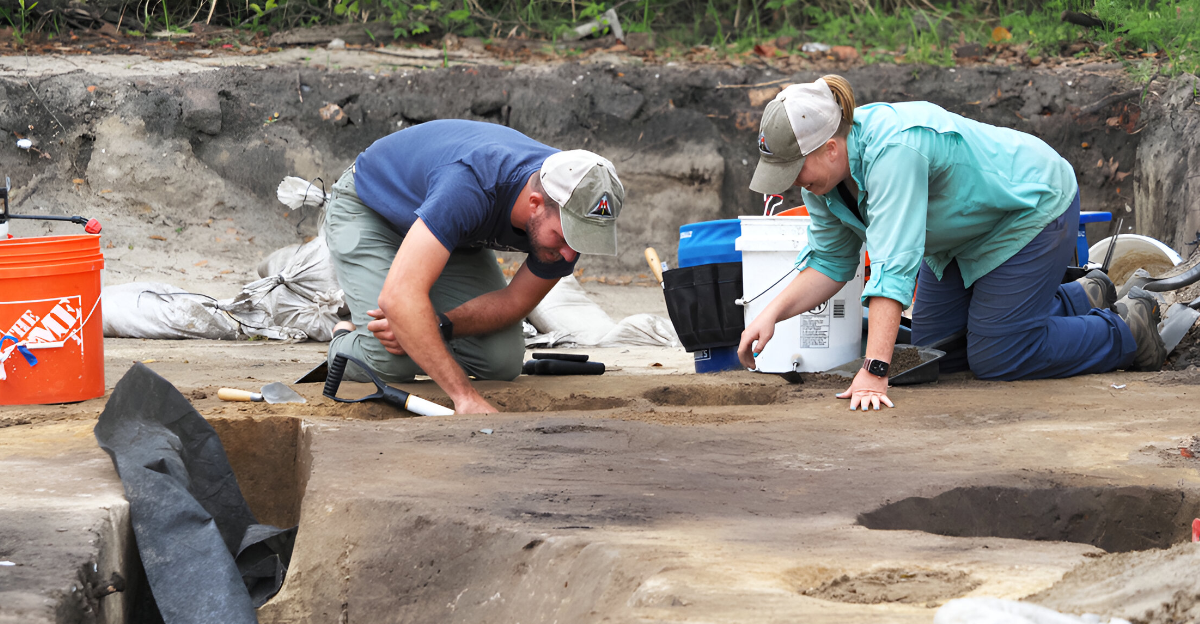
In July 2025, archaeologists announced the discovery of Peñico, a 3,500-year-old city located in Barranca province, Peru, approximately 200 kilometers north of Lima.
The site was hidden under desert hills for thousands of years. Teams from the Caral Archaeological Zone and Peru’s Ministry of Culture spent eight years digging before sharing this huge news.
Because Peñico is so old, it’s making people rethink when city life began in the Americas.
Lost Urban Center
Peñico wasn’t just a small village; it was a thriving community. Archaeologists have discovered 18 structures, including temples, public gathering spaces, and residential areas.
With drones, they saw a circular plaza surrounded by stone and mud buildings. The advanced design shows Peru’s ancient people were skilled planners.
As the news spread, experts debated whether Peñico could alter our entire understanding of early cities in the Americas.
Ancient Origins
Tests indicate that the builders constructed Peñico between 1500 and 1800 BC.
That means this city is as old as civilizations in Egypt, Mesopotamia, and China.
Finding such an advanced old city here proves that people in the Americas built complex societies far earlier than many once thought. It puts ancient Peru among the first major civilizations worldwide.
Civilization Endures Change
Unlike Egypt’s pyramids or China’s Great Wall, Caral grew into Peñico—the oldest known civilization in the Americas.
Caral, built approximately 5,000 years ago, was renowned for its massive structures and well-organized society.
Peñico demonstrates that when Caral faced troubled times, people didn’t disappear—they continued to build and adapt. Peñico offers a rare glimpse into how Andean civilization endured and persisted.
Migration, Trade, Resilience
Peñico helps answer the big mystery about Caral’s people. When climate-related problems led to the decline of Caral around 1800 BC, many people moved and established Peñico as a hub for trade and ceremonial activities.
The site’s blend of old styles and new ideas demonstrates how much the past influenced what came next.
It also indicates that traditions and trade could endure challenging times in ancient Peru.
Local Impact
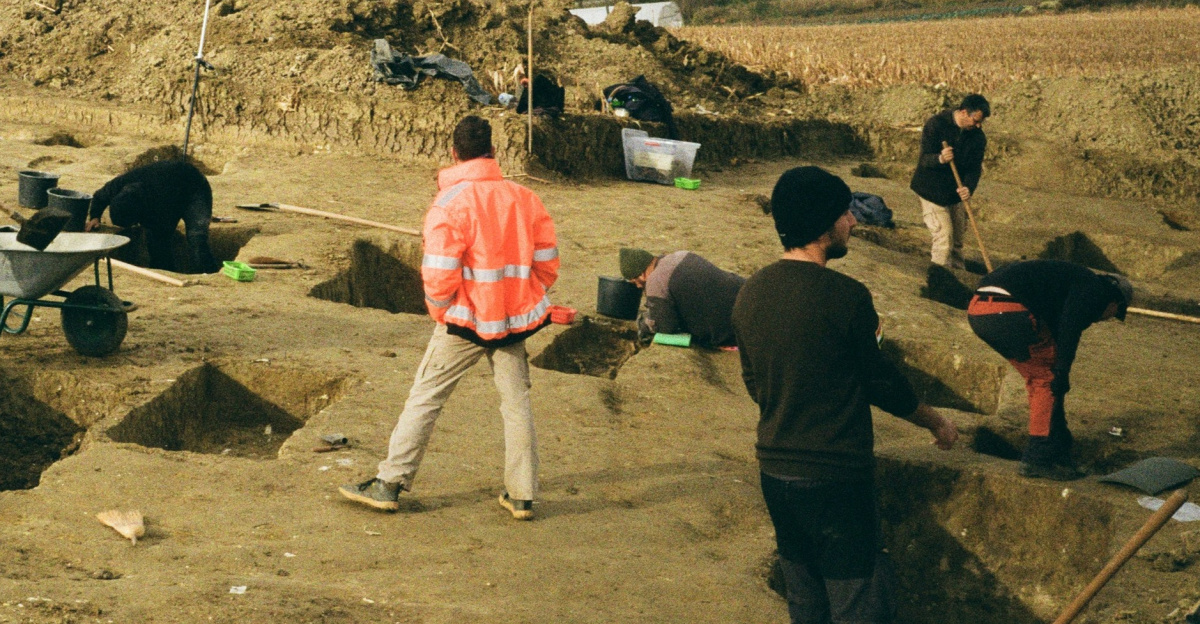
People in Barranca province take pride in Peñico. Locals worked alongside archaeologists, sharing memories and helping care for the ruins.
Opening Peñico to visitors has started new tourism jobs. Local guides are seeing an increase in tourists, which benefits the economy.
Many hope this site will change how Peru’s coast and ancient history are taught and understood by future generations.
Personal Lens
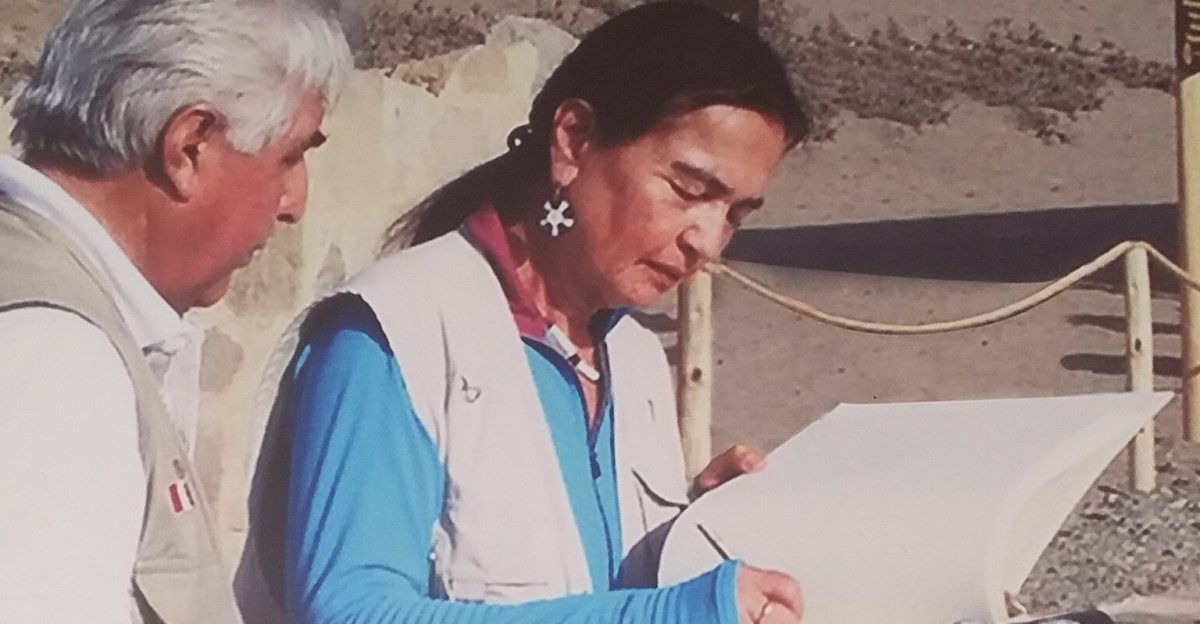
Dr. Ruth Shady, who runs the Caral Archaeological Zone, led the discovery of Peñico.
She called it “a strategic place for trade and meeting people from the coast, highlands, and jungle.”
Thanks to her work over eight years, Peñico’s story now sits at the heart of Peru’s archaeological identity. Her leadership ensured the ruins were protected and helped everyone understand their significance.
Far-Reaching Effects
Peñico’s discovery is altering how experts worldwide view New World civilizations.
Archaeologists worldwide are comparing how ancient Peruvians adapted to weather and disaster with what happened in Europe, Egypt, and Asia.
The idea that cultures can recover from climate trouble, rather than collapse completely, is now a lesson other scientists are examining for today’s climate challenges.
Expert Views
Experts say Peñico is crucial for understanding ancient trade, power, and survival in Peru.
Finds included clay figurines, carved reliefs, and exceptional trumpets called pututus, used in ceremonies.
The city’s location between the coast, jungle, and mountains made it a crossroads, shaping the growth and success of later Andean civilizations.
Artifacts

Some of Peñico’s most interesting finds include ceremonial objects, such as clay statuettes of people and animals, bead and shell necklaces, carved shell trumpets, and minerals like hematite.
This red stone was important in trade and religion.
These objects help us imagine what ancient people did each day and what mattered most to their society.
Conservation Challenges
Since July 2025, Peñico has faced new threats.
Old structures are fragile from wind, rain, and wear. Teams from Peru and abroad are working together to protect exposed ruins by installing new supports and educating visitors about the importance of respecting these historic sites.
Funding from global heritage groups and tight visitor rules are essential, but growing tourism makes it a tricky balance to keep the site safe.
Ownership & Response
Many arguments now swirl around who will control Peñico’s future. Governments, international funders, and local people all want a say.
There are debates about removing artifacts from the area, managing tourists, and ensuring that native groups have a seat at the table.
Public meetings now try to make protection and research open to all voices.
Government Actions
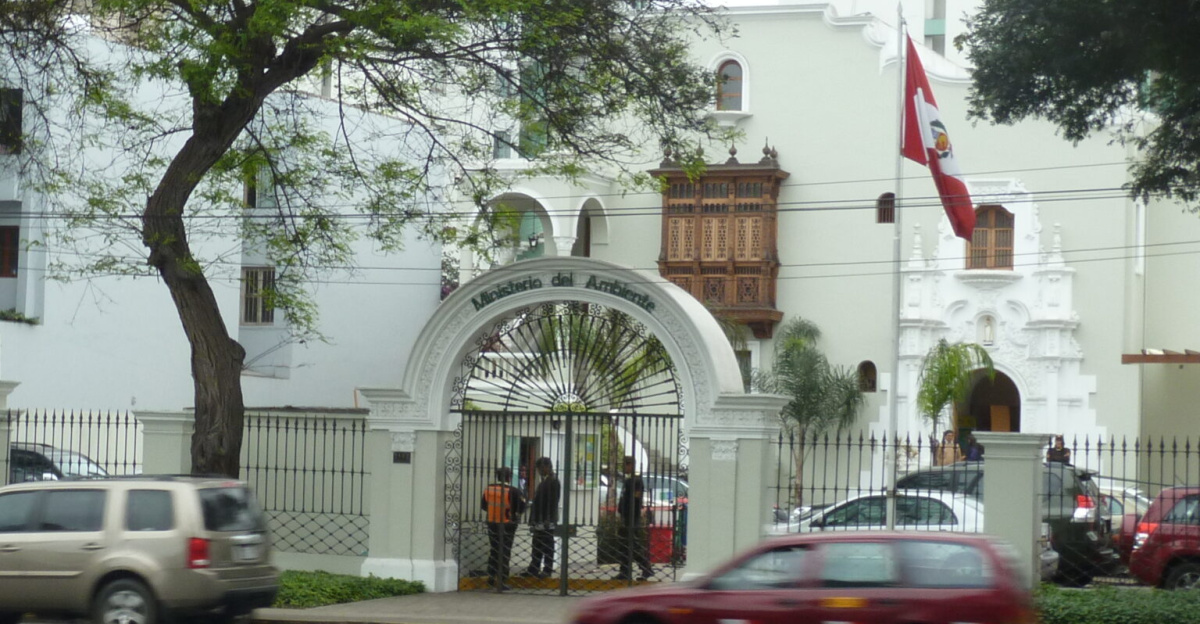
Peru’s Ministry of Culture recently granted Peñico top-level heritage protection, alongside Caral and other world-renowned sites.
New laws now keep dig sites safe, protect ancient artifacts, and guide tourists on how to visit them responsibly.
Efforts to preserve Peñico should help the site avoid the fate that ruined other archaeological sites through neglect or greed.
Wider Recovery
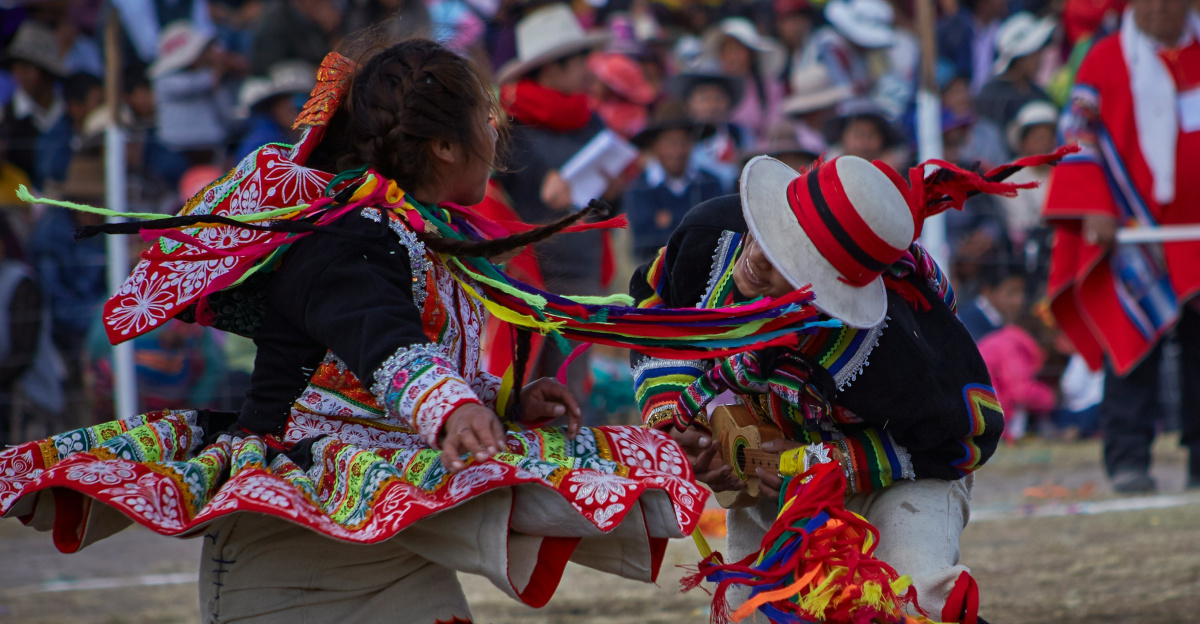
Peñico’s grand opening, featuring the new Peñico Raymi festival, helped bring ancient history to life for everyone.
Museums utilize digital models and guided walks to enable visitors to “see” the lost city.
The festival attracted scientists, teachers, and politicians, who agreed that Peñico’s rediscovery is key to reviving Peru’s cultural pride and academic research.
Looking Forward
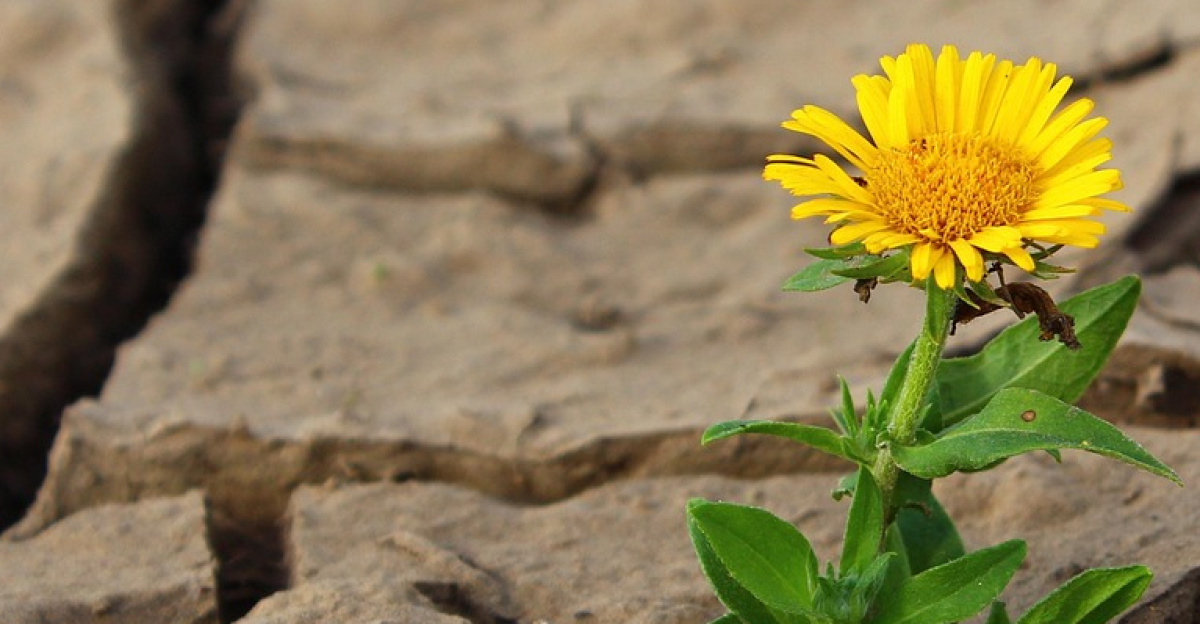
Now that Peñico is open, scientists and climate experts want to know how its people managed to survive droughts and social change.
They hope lessons from Peñico’s responses can help today’s society deal with natural disasters and future climate risks.
The city demonstrates how ancient people utilized creativity and resilience to overcome significant challenges—lessons that remain relevant today.
Emerging Research
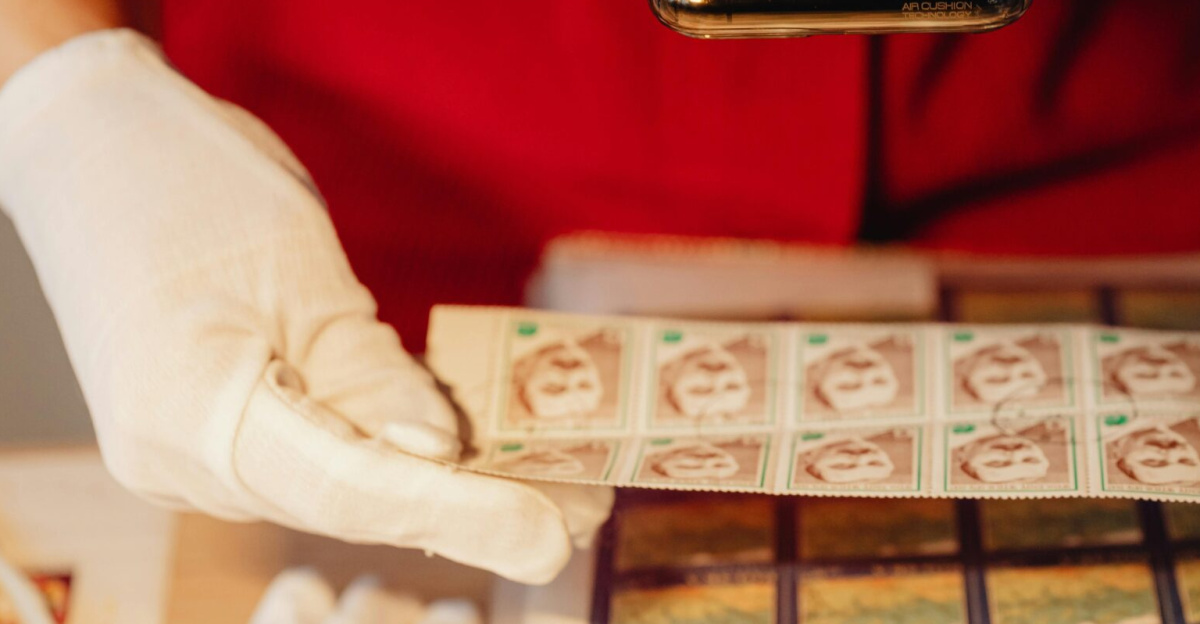
Peru is pushing for more research at Peñico, aiming to discover how it became a gateway for trade and culture.
Scholars seek to collaborate with experts from around the world and digitize artifacts for the benefit of everyone.
Some believe new digs at Peñico could unlock secrets about how ancient people endured past climate disasters—and maybe offer new ideas for modern problems.
Industry Relevance

Scientists say Peñico’s old trade networks paved the way for many aspects of modern business, including supply chains, resource management, and skilled jobs.
Museums and tourism businesses use Peñico as an example of how ancient solutions can teach us about addressing today’s urban planning and environmental challenges.
Fact Versus Fiction

People around the world have shared Peñico’s story, and users spread both information and misinformation about it online.
Some posts claim the city is even older or make up stories about lost treasures.
Experts clarify Peñico’s true history to ensure people accurately understand what has been discovered and do not form misconceptions about the site’s past.
Lessons From Caral
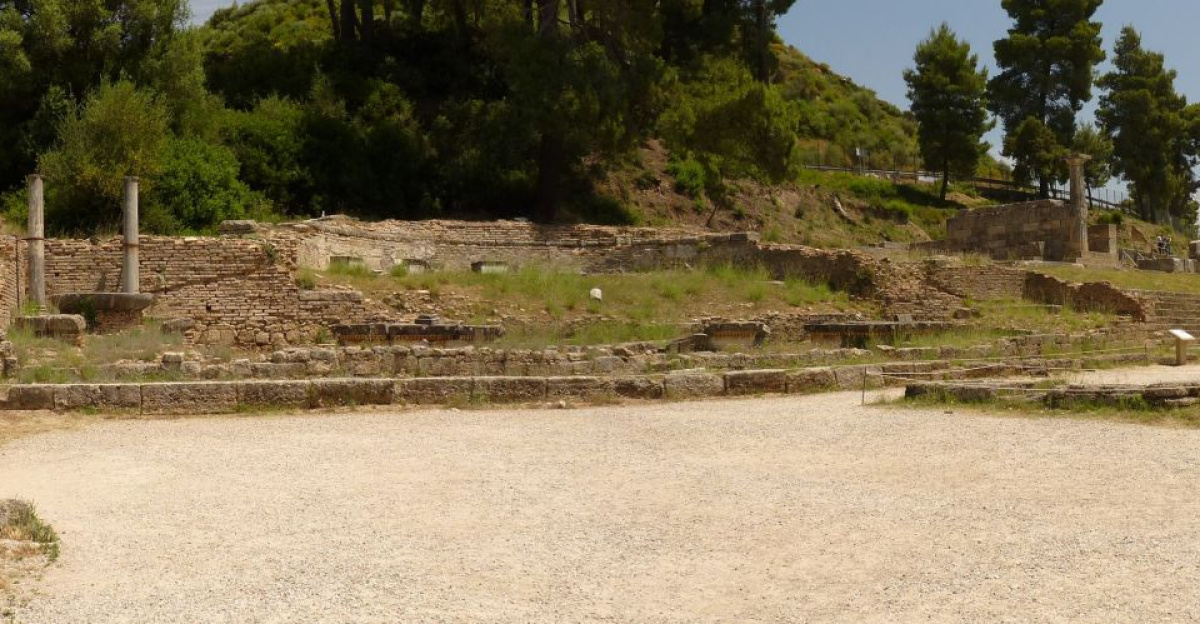
Peñico’s rediscovery is similar to that of nearby Caral in the 1990s.
Both finds shifted what archaeologists thought about Peru’s past. Each shows the value of working slowly and respecting local knowledge.
Mistakes from earlier digs—such as allowing ruins to erode or spreading incorrect information—have also contributed to the development of better plans for Peñico.
Enduring Ancient Legacy
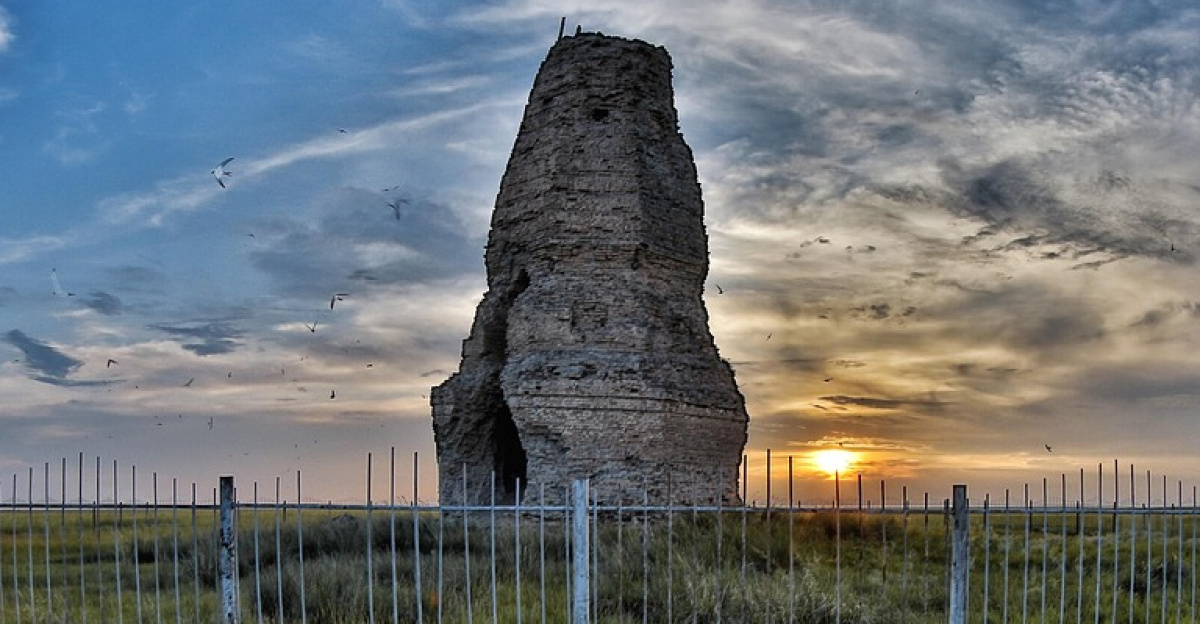
Discovering Peñico reveals that America’s ancient civilizations are older and more fascinating than most people ever imagined.
The city reveals how people traded, endured difficult times, and built community thousands of years ago.
It’s a discovery that continues to teach us today: the story of the Americas is far from finished—every new find adds something essential to the narrative.