The U.S. Cybersecurity and Infrastructure Security Agency delivered an ultimatum: update Chrome and Chromium browsers by January 2, 2026, or cease using them entirely. The December 12 directive followed the discovery of two zero-day vulnerabilities actively weaponized in “extremely sophisticated attacks against specific targeted individuals.”
Incidents across 80 countries forced both tech giants into emergency response mode, revealing a mercenary spyware operation capable of infecting devices through advertisements without user clicks.
Two Critical Vulnerabilities Actively Exploited in the Wild

Apple and Google issued coordinated emergency updates addressing CVE-2025-43529 and CVE-2025-14174, two WebKit vulnerabilities exploited in sophisticated attacks. CVE-2025-43529 enables arbitrary code execution through malicious web content. CVE-2025-14174 is a memory corruption issue in WebKit’s ANGLE component, which allows for sandbox escape and privilege escalation.
Google’s Threat Analysis Group, tracking government-backed hackers and mercenary spyware vendors, collaborated with Apple Security Engineering to identify vulnerabilities during active exploitation.
WebKit Vulnerabilities Create Universal Risk Across All iOS Browsers

WebKit powers Safari, Apple Mail, the App Store, and every third-party browser on iOS and iPadOS, including Chrome, Firefox, Edge, Brave, and Opera. This universal dependency means every iPhone and iPad browser was vulnerable regardless of user choice.
Google addressed CVE-2025-14174 in Chrome 131.0.6778.264 on December 10, 2025, affecting all Chromium-based browsers, including Microsoft Edge, Opera, Brave, and Vivaldi.
Comprehensive Device Impact Spans Entire Apple Ecosystem

Apple’s emergency updates target virtually every ecosystem device. iPhone 11 and later models require iOS 13.2 or later. iPad Pro (3rd generation and later), iPad (11th generation and later), iPad Air (3rd generation and later), and iPad mini (5th generation and later) need iPadOS 18.7.3.
Mac computers require macOS 13.2, 12.6, or 11.6. Patches are available for Apple Watch, Apple TV, Vision Pro, and Safari.
Predator Spyware and the Aladdin Zero-Click Attack Vector

Attribution evidence suggests that Predator spyware, developed by Intellexa, was the exploitation vehicle. Google Threat Intelligence reported Intellexa “evading restrictions and thriving” despite U.S. sanctions. Intellexa developed “Aladdin,” a zero-click infection mechanism using malicious advertisements.
These poisoned ads appear on trusted news websites and applications, appearing identical to legitimate ads. Simply viewing advertisements triggers an infection without user interaction.
Global Targeting Campaign Reaches 80 Countries

Apple and Google sent threat notifications to several hundred accounts across 80 countries on December 2, 2025, warning of zero-click Predator spyware targeting. The geographic breadth demonstrates the global reach of mercenary spyware operations.
Notifications distinguished these attacks from mass-scale campaigns, emphasizing targeted sophistication. Security researchers note coordinated response indicates both companies detected active exploitation before widespread proliferation occurred.
2025 Zero-Day Crisis Reaches Critical Levels

These patches bring Apple’s 2025 total to nine exploited zero-day vulnerabilities, while Google addressed eight Chrome zero-day vulnerabilities this year. Security experts characterize the period as “Dangerous December” following elevated activity throughout 2025.
The surge reflects a fundamental vulnerability economic shift, with attackers concentrating resources on browser engines. Paradoxically, improved platform security drives attackers toward more sophisticated research, as major vendors harden their platforms, reducing bug-based vulnerabilities.
Expert Warnings on Rapid Weaponization Timeline

James Maude from BeyondTrust warned: “Limited targeted attacks will rapidly become essential exploits for various threat actors.” Once patches are released publicly, reverse engineering allows attackers to understand and exploit unpatched systems.
Darren Guccione from Keeper Security stated: “No workaround or user behavior mitigates this risk. Installing updates is the only effective defense.” These warnings reflect assessments that vulnerabilities enable complete device compromise without defensive measures beyond patching.
Federal Government Mandates Immediate Action Under Binding Directive
CISA’s addition of CVE-2025-14174 to the Known Exploited Vulnerabilities list on December 12, 2025, triggered the requirements of Binding Operational Directive 22-01. The directive mandates updating Chrome and Chromium browsers by January 2, 2026, or ceasing to use the product.
The “update or disconnect” ultimatum reflects critical severity and immediate exploitation risk assessment. CISA “strongly encourages all organizations to minimize exposure by prioritizing timely vulnerability resolution”.
Immediate Update Requirements for All Users and Organizations

Users must immediately install iOS 26.2, iPadOS 18.7.3, and macOS Tahoe 26.2 or appropriate older system updates. Chrome users should update to version 131.0.6778.264 or later immediately.
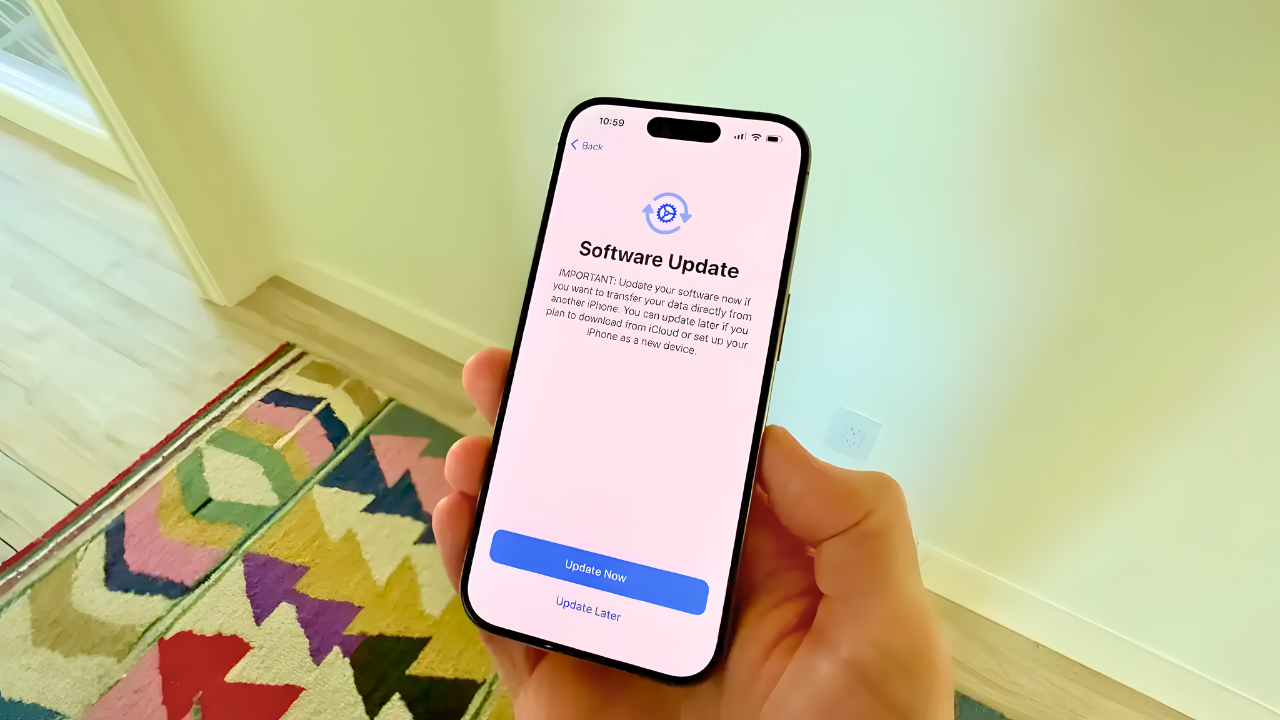
Apple users navigate to Settings > General > Software Update. Chrome users can access Settings > About Chrome to enable automatic updates. Delaying updates by 24-48 hours significantly increases the risk of compromise as exploit code proliferates through underground markets.
Lockdown Mode Provides Enhanced Protection for High-Risk Users

Apple’s optional Lockdown Mode protects against mercenary spyware by limiting risky features, including message previews, complex web technologies, attachments, and unknown FaceTime calls. High-risk individuals, including journalists, activists, and executives, should enable this feature despite minor convenience reductions.
Lockdown Mode disables JavaScript JIT compilation, eliminating entire attack categories. Security researchers estimate Lockdown Mode prevents 90-95% of known exploitation techniques used by mercenary spyware vendors.
Additional Security Measures Create Defense in Depth
Beyond updates and Lockdown Mode, experts recommend comprehensive protection strategies. Enable iCloud Private Relay to obscure IP addresses and encrypt DNS queries. Use private browsing mode with JavaScript disabled on untrusted sites. Avoid unknown links or attachments without verification.
Disable Wi-Fi and Bluetooth when unnecessary. Reboot devices regularly to disrupt persistence mechanisms. Use reputable VPN services on untrusted networks. Organizations should implement DNS filtering, intrusion detection systems, and endpoint detection solutions.
Market Economics Drive Continued Spyware Innovation
The commercial spyware industry operates in global markets, largely beyond the reach of traditional law enforcement. Intellexa evaded U.S. sanctions through corporate restructuring and jurisdictional arbitrage, maintaining worldwide customer relationships despite legal actions.
Economics favor zero-click capabilities, enabling mass surveillance without sophisticated social engineering. Mercenary vendors compete on zero-click attack features, viewing them as premium differentiators commanding higher prices. This market dynamic ensures continued innovation in attack vectors regardless of sanctions or regulatory pressure.
Broader Implications for Mobile Security Architecture
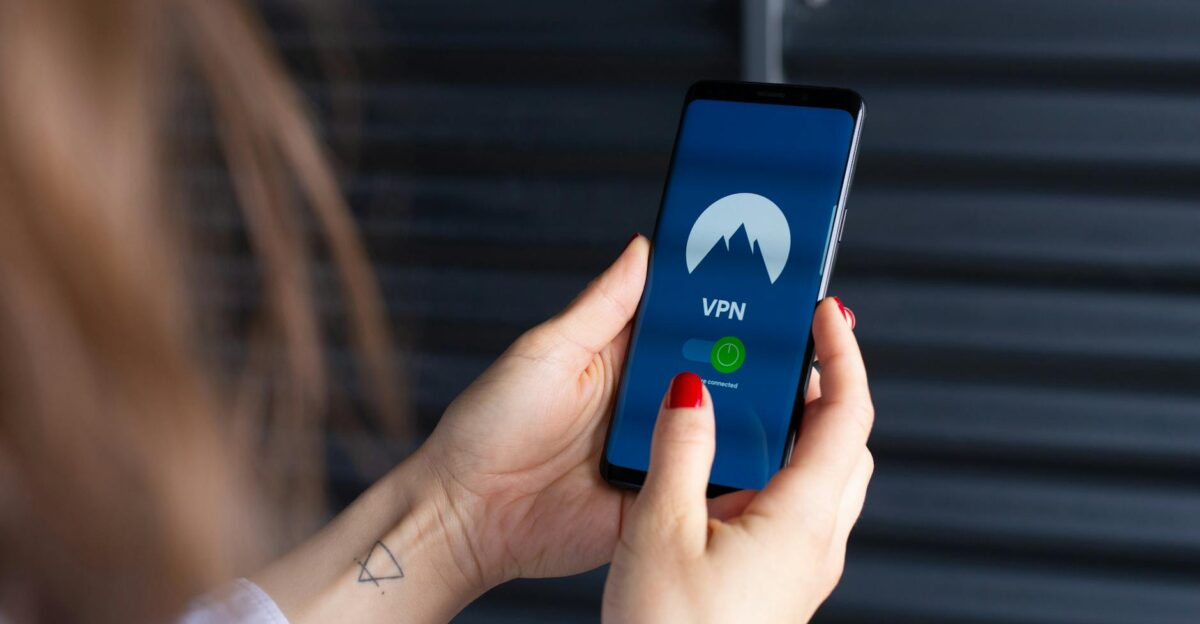
Coordinated attacks across Apple and Google reveal fundamental architectural vulnerabilities in mobile and browser ecosystems. WebKit and Chromium represent foundations for virtually all mobile browsing worldwide, creating single points of failure that sophisticated attackers systematically target.
Security researchers debate whether browser engine diversity improves security by reducing surface area or decreases it through fragmentation. The spyware industry demonstrates how commercial surveillance technology poses a threat to general security, necessitating a fundamental reconsideration of browser and platform design.
Future Outlook and Organizational Response Strategies

The Aladdin zero-click advertising attack vector represents a concerning evolution in mobile threats, compromising user agency through normal browsing. Researchers anticipate continued growth in zero-click exploitation as attackers invest in research.
Organizations should conduct comprehensive mobile security reviews, enforce automatic updates, and integrate CISA’s KEV catalog into intelligence programs. High-risk individuals should implement Lockdown Mode enterprise-wide. Security awareness must evolve beyond phishing to address zero-click threats. Immediate priorities: update devices, enable Lockdown Mode, implement defense-in-depth practices.
Sources:
“Apple Pushes an Emergency Update as Zero-Click Spyware Spreads.” MSN, December 2025.
“Apple, Google Forced to Issue Emergency 0-Day Patches.” The Register, December 15, 2025.
“Dangerous December—Why You Must Update Your Android and iPhone Users.” Forbes, December 13, 2025.
“Apple Issues Security Updates After Two WebKit Flaws Exploited in Targeted Attacks.” The Hacker News, December 12, 2025.
“Google and Apple Roll Out Emergency Security Updates After Zero-Day Attacks.” TechCrunch, December 12, 2025.
“Apple and Google are Warning Users About New Predator Spyware.” Moonlock, December 11, 2025.
“Update Your Apple Devices to Fix Actively Exploited CVE-2025-14174 and CVE-2025-43529.” HelpNetSecurity, December 14, 2025.
CISA Binding Operational Directive 22-01; CISA Known Exploited Vulnerabilities Catalog, December 12, 2025.
Apple Security Advisories iOS 26.2, iPadOS 18.7.3, macOS Tahoe 26.2, December 2025.
Google Chrome Security Update 131.0.6778.264; Google Threat Analysis Group Report, December 2025.