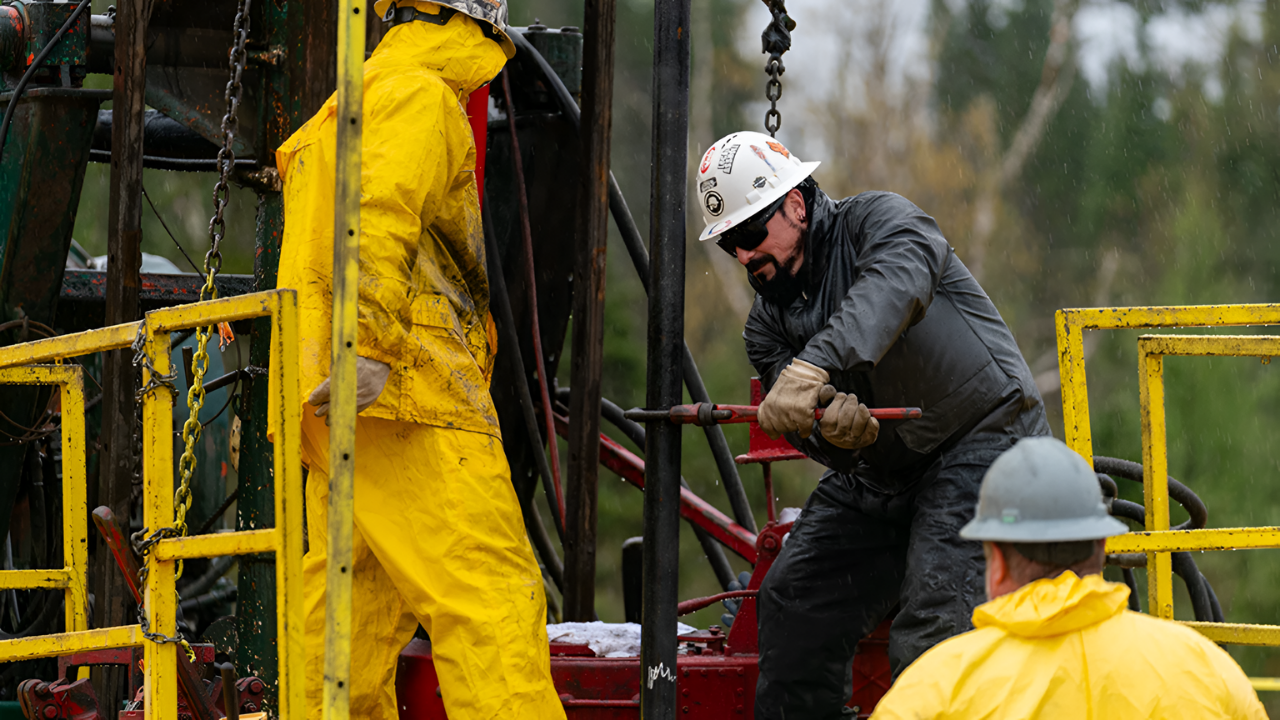
Drillers peered into the northern Minnesota soil in October 2025 and froze. At depths between 2,200 and 5,100 feet, gas samples revealed helium-3, the ultra-rare isotope once thought nearly impossible to find on Earth.
Concentrations measured 1.3–14.5 parts per billion—comparable to lunar soil from NASA’s Apollo missions. Technicians at Smart Gas Sciences and Woods Hole verified the signature, confirming a stable, single-source reservoir. “Close to lunar soil concentrations,” Pulsar Helium declared—a potential revolution for quantum computing and fusion energy.
Quantum Computing’s Cooling Dilemma
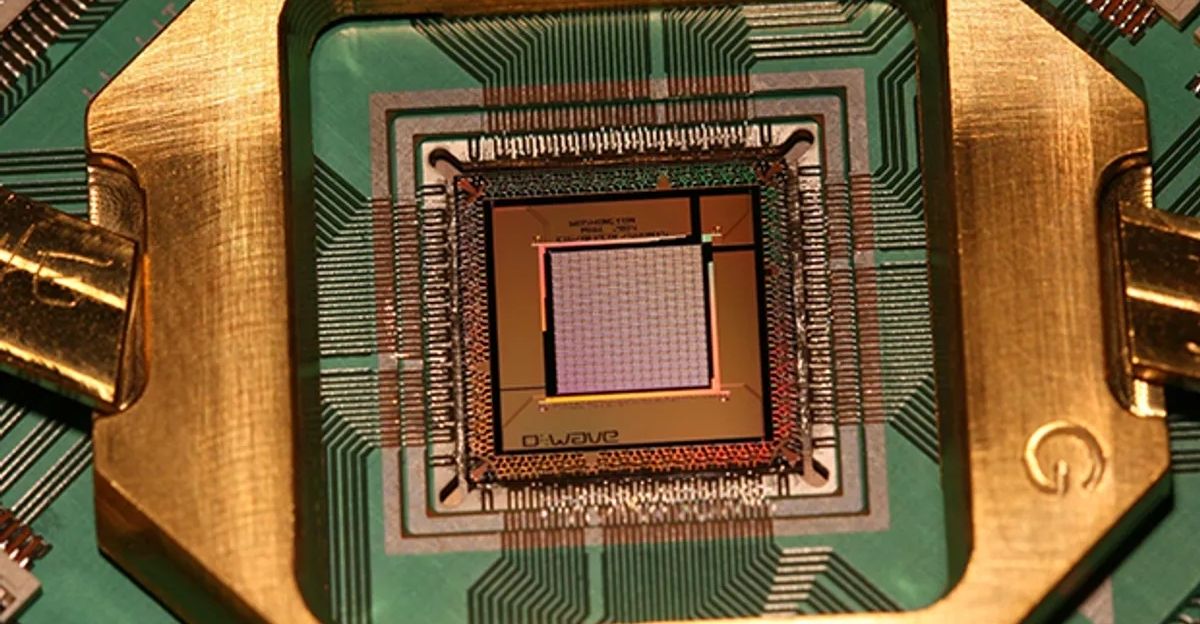
Quantum processors must reach near-absolute zero—below 10 millikelvin—to function. Achieving this requires helium-3, a scarce isotope previously sourced from nuclear weapons byproducts or lunar mining.
As quantum computers scale from hundreds to tens of thousands of systems over the next five years, supply bottlenecks threaten innovation. Without helium-3, the promise of industrial quantum machines stalls, leaving labs and corporations racing for a solution that until now seemed extraterrestrial.
Global Helium-3 Supply Crisis
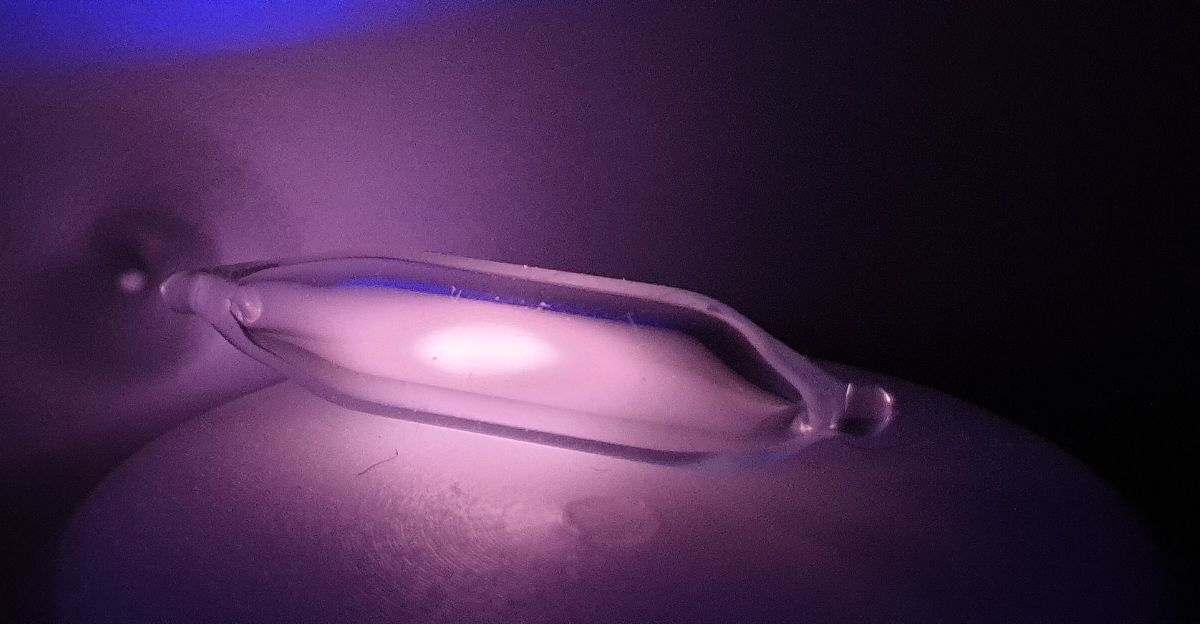
Earth’s helium-3 supply is shockingly limited. Quantum computing, fusion research, and national security all compete for an isotope nearly absent from the atmosphere.
Demand is projected to surge as quantum hardware scales worldwide, yet terrestrial supply remains flat. Markets face a volatile swing: occasional helium surpluses fail to meet helium-3 needs. Analysts warn that shortages could hinder emerging technologies while driving astronomical prices for the rare isotope, creating urgency for new sources.
The Moon: Once the Only Option
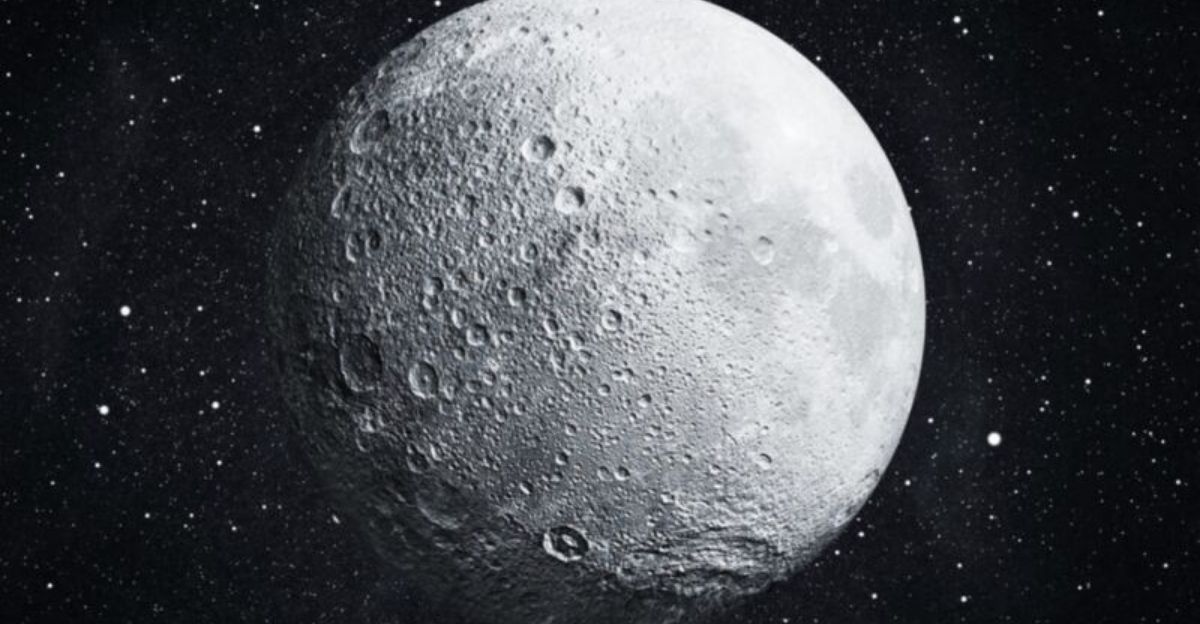
For decades, scientists eyed lunar regolith as the ultimate helium-3 source. Bombarded by solar winds for billions of years, the Moon’s soil is estimated to hold one million tons of helium-3—40 times the total ever produced on Earth.
Mining lunar soil became a staple of sci-fi energy plans, with costs projected between $15 and $427 billion annually. Apollo missions provided the first confirmation of helium-3’s abundance in lunar samples, making the Moon a tantalizing yet distant target.
The High Cost of Lunar Mining
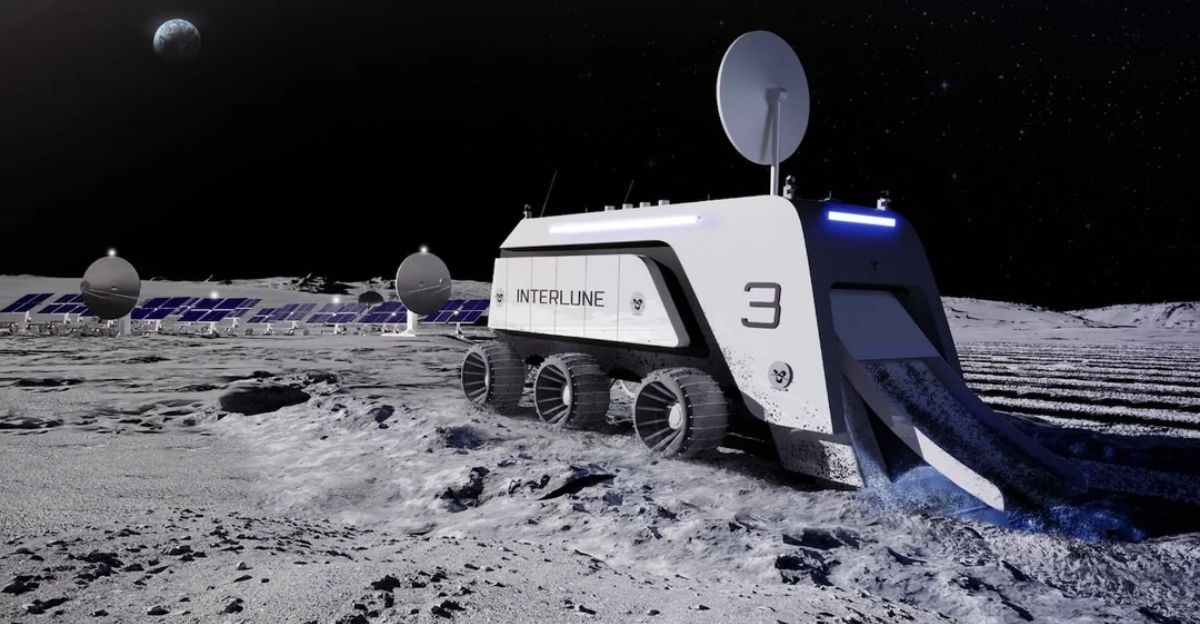
Economics are brutal. Helium-3 is worth roughly $18.7 billion per ton, but lunar mining requires massive infrastructure and transport across 240,000 miles of space.
A 2013 study projected costs of $427–1,348 billion annually to supply just 1–10% of global energy demand. Even under optimistic scenarios, profitability remains uncertain. For decades, humanity faced a choice: chase lunar fuel at eye-watering expense or wait for an improbable alternative on Earth.
Minnesota’s Topaz Project Breakthrough
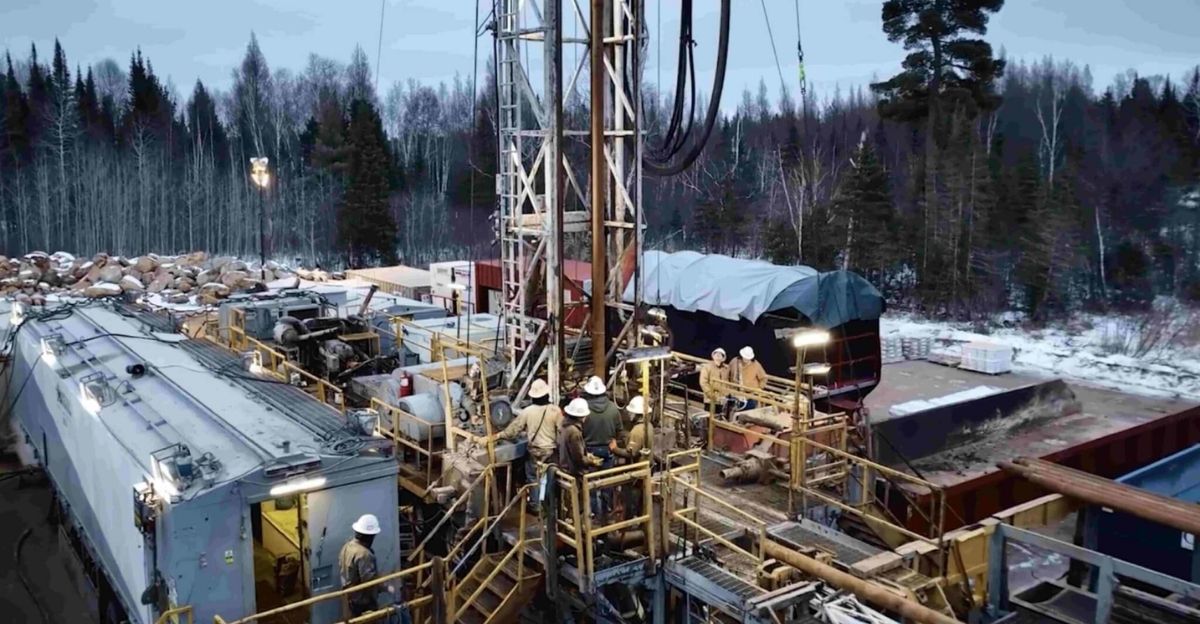
Pulsar Helium’s Jetstream #1 well at the Topaz Project revealed helium-3 concentrations from 1.3 to 14.5 parts per billion, overlapping Apollo lunar sample ranges of 9–18 ppb.
Independent verification confirmed a consistent isotopic signature (0.09 Rₐ), suggesting a stable, single-source reservoir. This marked the first measurable terrestrial helium-3 deposit in the U.S., upending assumptions that lunar mining was humanity’s only viable path to large-scale helium-3 supply.
Ancient Geology Created a Jackpot
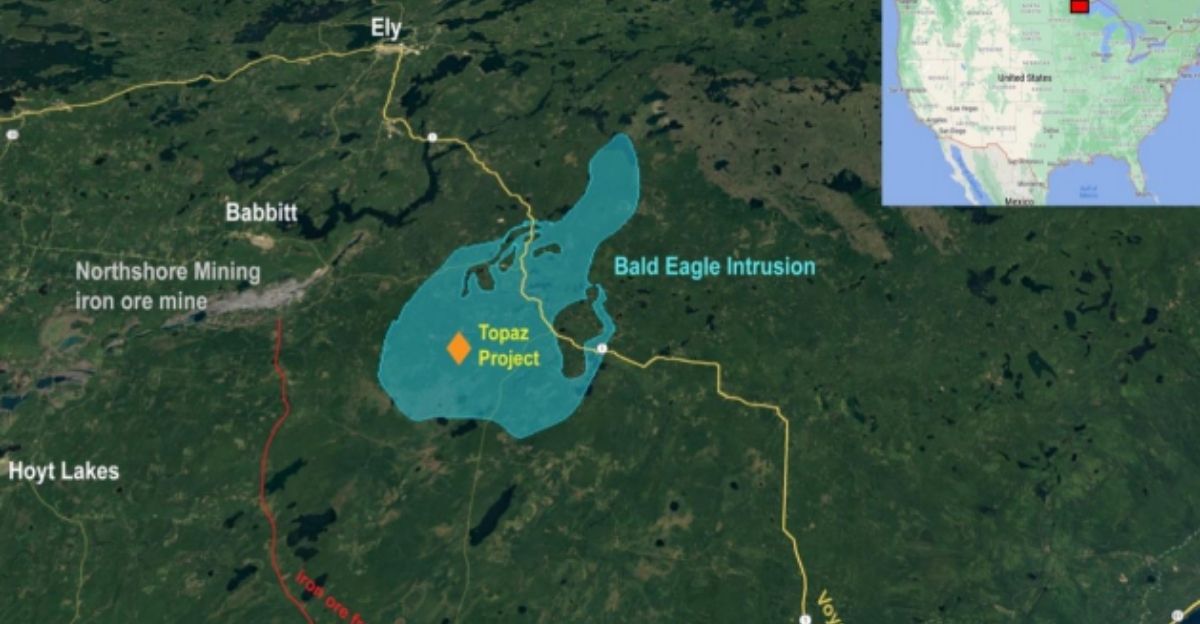
The Topaz Project sits within the 1.1-billion-year-old Duluth Complex, shaped by the Midcontinent Rift. Deep radioactive decay of uranium and thorium generated helium, which migrated through natural fractures over eons, collecting in porous rock.
Geologists describe the concentrations as “mind-bogglingly large,” a natural geological lottery. The discovery demonstrates that Earth’s crust, under the right conditions, can concentrate isotopes previously believed to exist only in trace atmospheric amounts.
CEO Calls Discovery Extraordinary
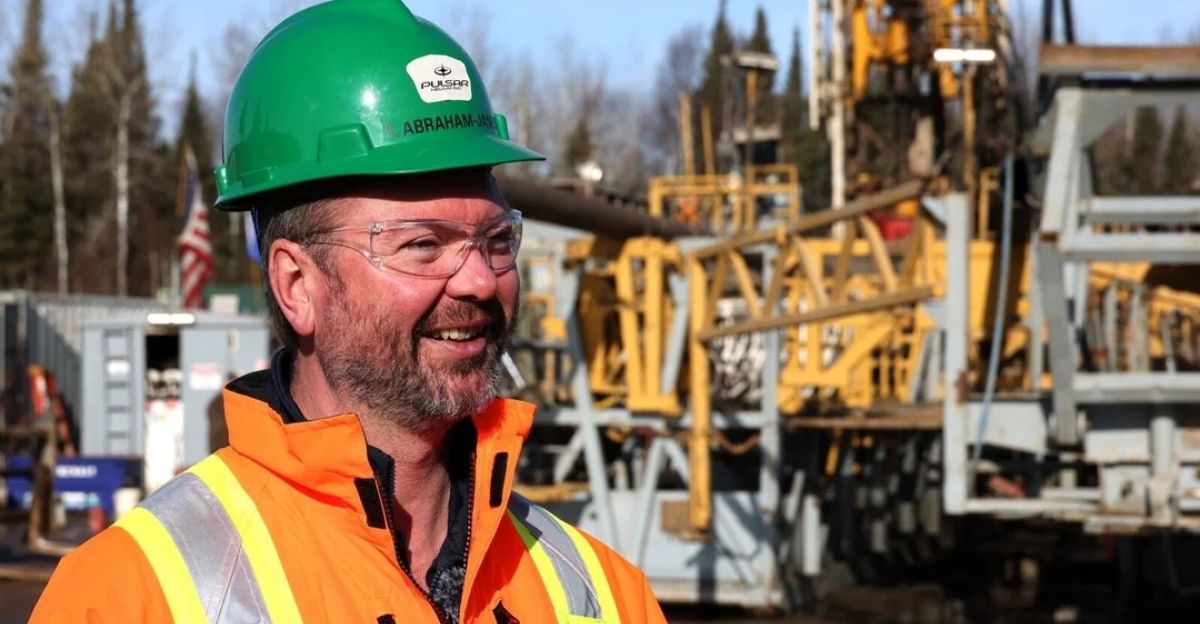
Thomas Abraham-James, Pulsar Helium’s CEO, called the finding “nothing short of extraordinary.” A veteran helium explorer, he noted that terrestrial sources eliminate decades of lunar mining delays and multi-billion-dollar space missions.
“To encounter helium-3 of this magnitude in Minnesota is a pivot point for global helium supply,” he said. The discovery immediately reframes strategies for quantum computing, fusion research, and national security applications, offering a domestic, scalable alternative to space-dependent sources.
Quantum Computing Gets a Lifeline
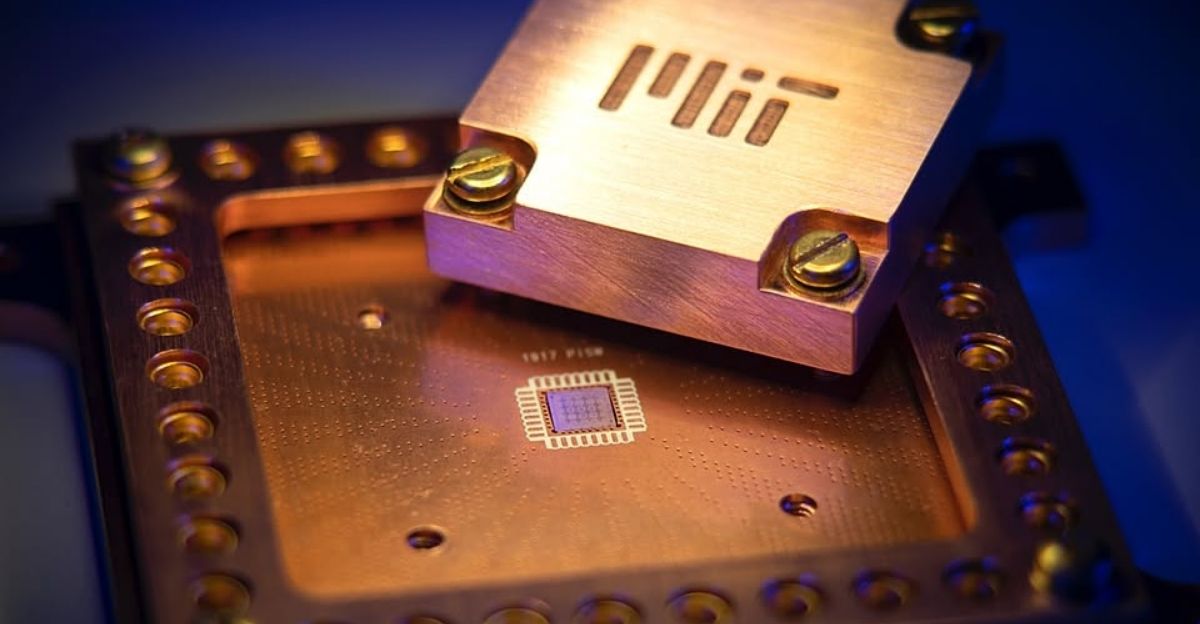
Quantum hardware depends on helium-3 for ultra-low-temperature cooling. Pulsar’s discovery opens a terrestrial supply, reducing reliance on lunar mining or nuclear stockpile-derived helium.
Companies like Interlune and Maybell Quantum are already exploring new processing technologies capable of handling both Earth and lunar helium-3. This domestic source shortens timelines, lowers costs, and de-risks the expansion of quantum systems projected by some analysts to reach over $65 billion globally by 2030.
Fusion Energy’s Game-Changer
Helium-3 fusion promises near-zero radioactive waste and direct energy conversion—impossible with conventional deuterium–tritium fusion. In May 2025, the Wendelstein 7-X stellarator produced helium-3 ions via radio-frequency heating, proving the concept.
Pulsar Helium’s terrestrial discovery could supply reactors with a stable, scalable isotope, accelerating the path from laboratory research to commercial fusion. For decades, helium-3 availability was the limiting factor; now, the U.S. may control its own fusion future.
Helium-4 Adds Extra Value
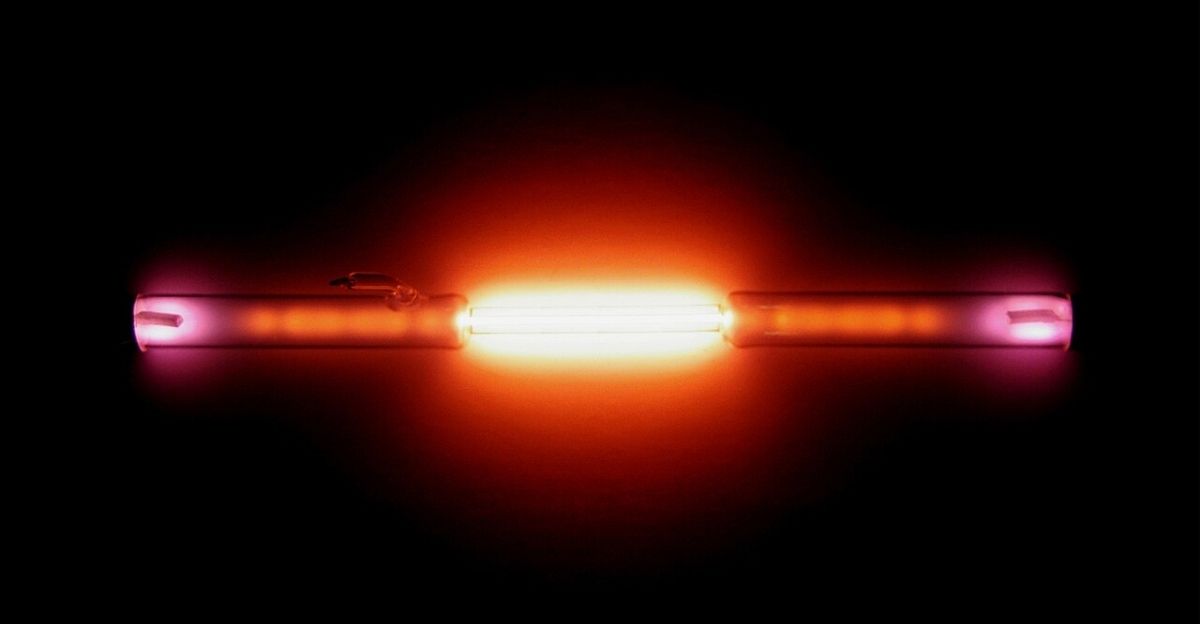
Beyond helium-3, the Topaz well contains 7–8% helium-4, far exceeding the 0.3% commercial threshold, and measurable CO₂. Total helium reaches up to 14.5%, making it one of North America’s richest helium deposits.
Helium-4 alone can fund near-term project development while helium-3 processing scales. This multi-product potential lowers investment risk, attracting both venture capital and strategic investors eager to enter a rare gas market projected to exceed $5 billion by 2029.
Minnesota Rushes to Regulate

The state lacked helium-specific extraction rules, as previous frameworks only covered petroleum-related production. The discovery prompted emergency legislation—HF5350 (2024)—to create regulatory standards, environmental safeguards, and fair royalties.
A Technical Advisory Committee was formed to design permitting requirements and ensure local and state benefits. The framework sets a precedent for managing rare isotopes on Earth, balancing economic potential with environmental protection in previously uncharted territory.
Community Divides Over Development
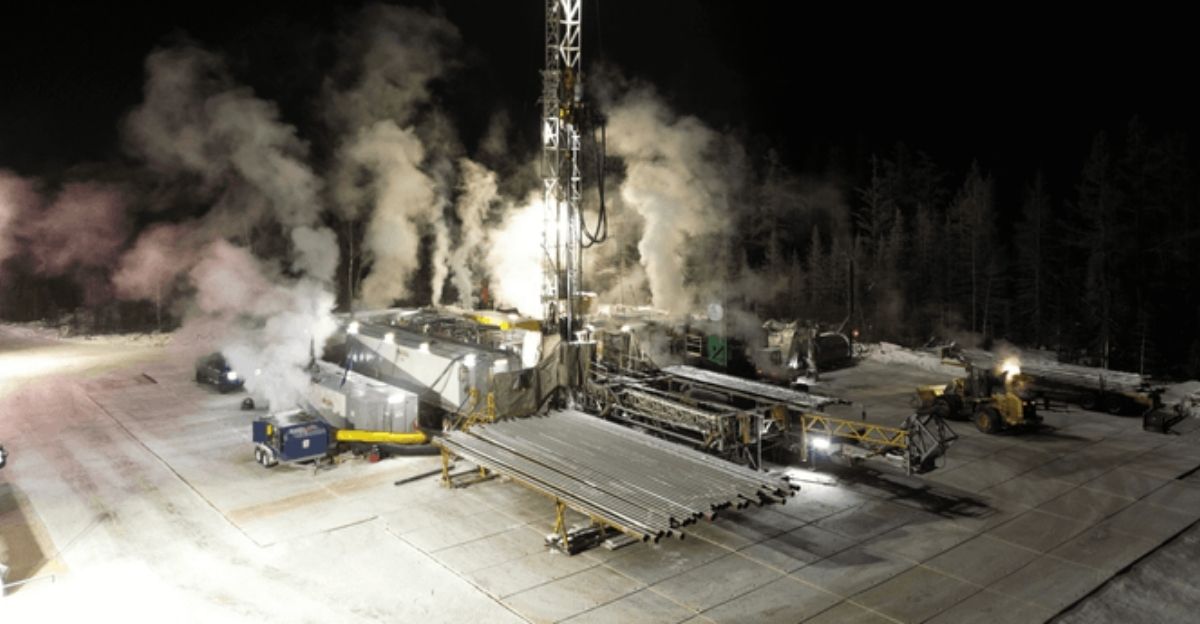
Local governments see economic promise: royalties and jobs could support infrastructure and reduce property taxes on 82% publicly owned land. Environmental concerns, including forest impact, water use, and workforce capacity, fuel debate.
Tribal sovereignty issues also intersect with development plans. Multiple appraisal wells are planned to map reserves before commercial production decisions, leaving communities balancing economic opportunity with long-term environmental stewardship.
Extraction Technology Advances
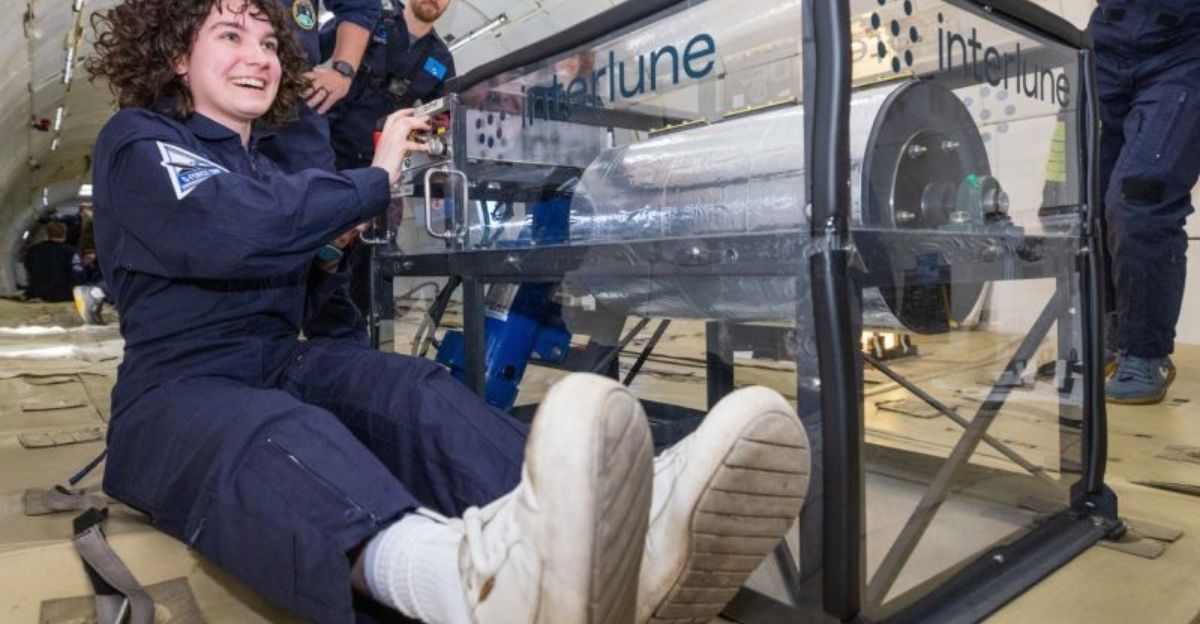
Separating helium-3 from helium-4 requires cryogenic processing or advanced membrane filtration. Cryogenic systems recover 90%+ but demand energy-intensive infrastructure, while polybenzimidazole membranes reduce cost and energy use but limit purity.
Pulsar aims for wellhead processing, producing marketable helium directly onsite. Competitors and partners, including NASA-funded Interlune, are racing to perfect scalable, efficient separation technologies, crucial for unlocking helium-3’s commercial potential.
Strengthening National Security
Helium-3 is essential for neutron detection at ports and borders, historically sourced from tritium in nuclear weapons. As stockpiles decline, so does the supply. Minnesota’s terrestrial discovery provides a domestic, non-weapons-dependent alternative, reducing reliance on imports from Russia or Qatar.
This strengthens U.S. independence in critical quantum, fusion, and national security applications, offering a strategic advantage in a world where helium-3 scarcity has long posed potential risks.
The Lunar Question Reconsidered
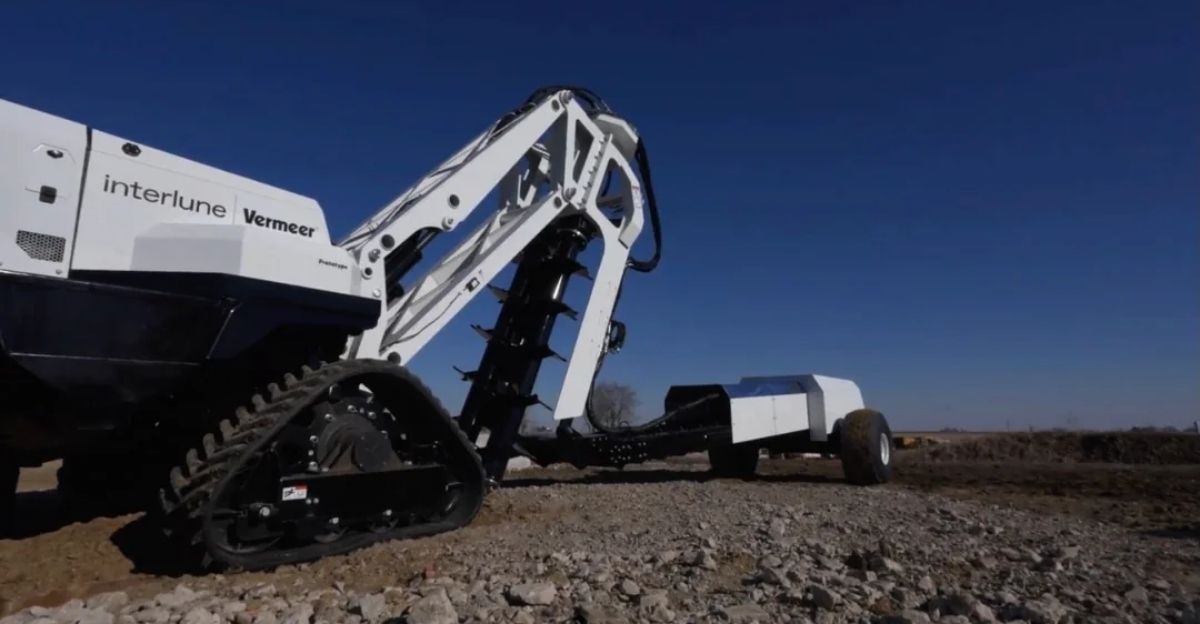
Terrestrial helium-3 doesn’t eliminate lunar ambitions but reframes them. NASA and Black Moon Energy still evaluate lunar sources, yet Minnesota’s discovery offers a cheaper, scalable alternative.
Lunar mining shifts from primary supply strategy to backup, with multi-billion-dollar operations now facing reduced urgency. Costs of $15–427 billion annually become harder to justify, especially when domestic reserves could stabilize the market and provide reliable delivery for emerging industries.
Geopolitics of Helium Shift
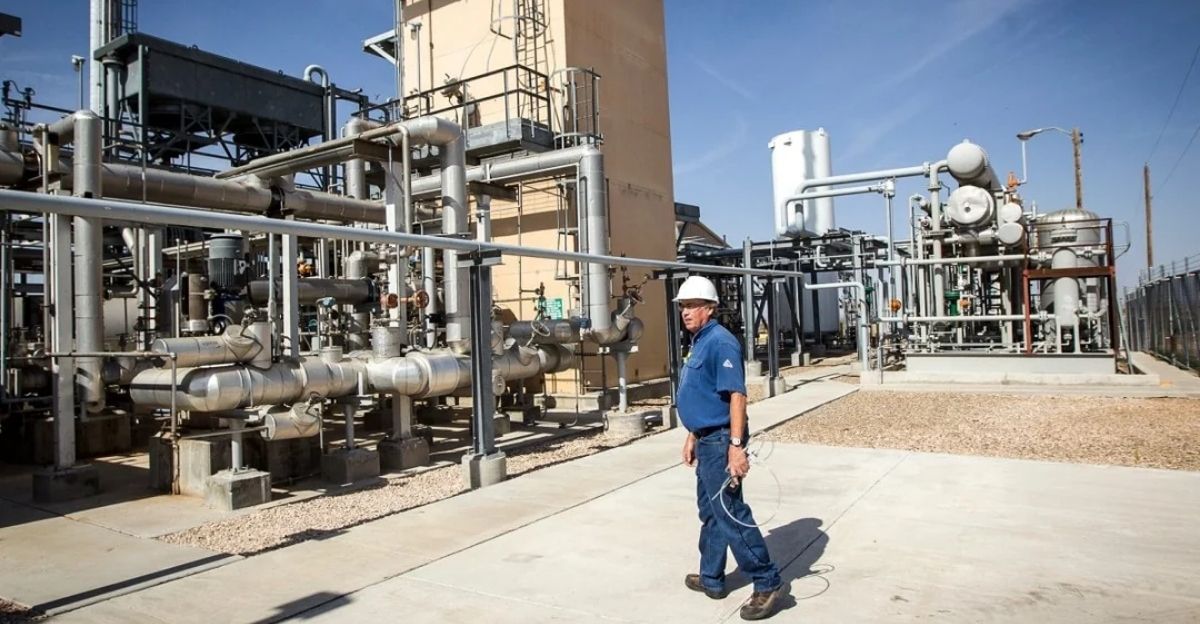
Global helium production is concentrated in the U.S., Russia, Qatar, and Australia. Sanctions, aging infrastructure, and delays previously created supply volatility. Minnesota’s discovery reduces import dependence, weakening foreign leverage and strengthening U.S. standing in quantum computing, fusion energy, and semiconductor technologies.
Domestic helium-3 could accelerate America’s leadership in advanced technology sectors and reduce vulnerabilities to international market shocks.
China’s Lunar Plans Under Pressure
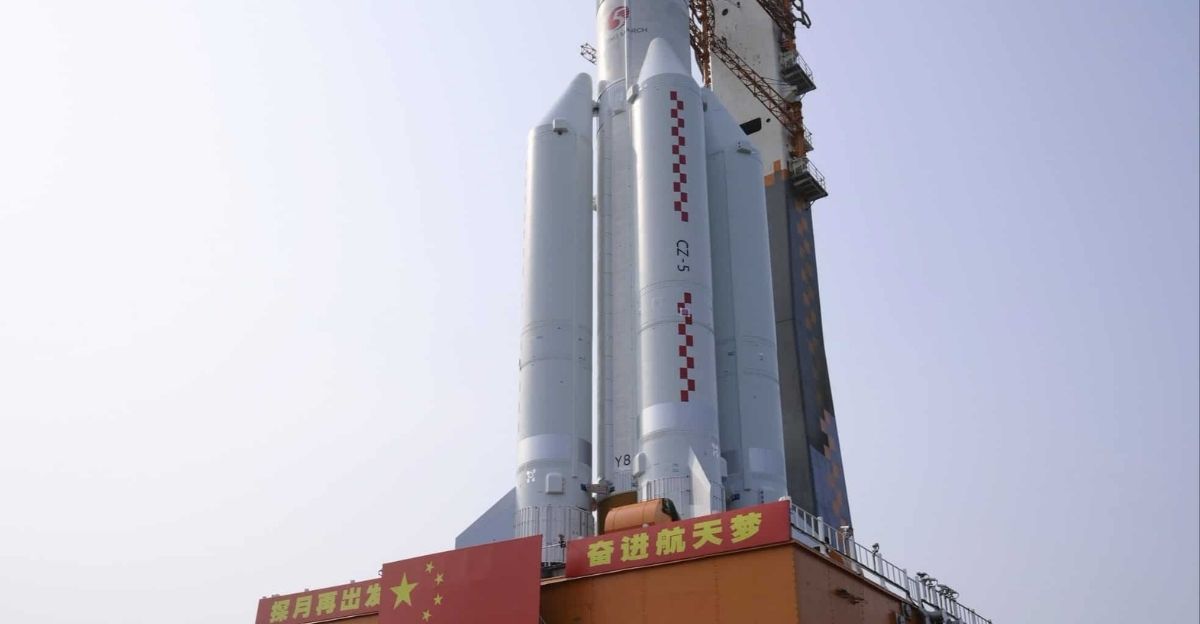
China’s Chang’e 6 mission returned lunar samples in 2024, advancing research toward potential helium-3 extraction. Yet the Minnesota discovery raises questions about the economic viability of lunar operations.
If terrestrial supply is scalable, Earth-based helium-3 could undercut multi-billion-dollar lunar infrastructure plans, forcing global reassessment of mining timelines, priorities, and investment strategies in space-based energy resources.
Environmental Stakes in Focus

Extraction near forests, public lands, and tribal territories prompts rigorous oversight. Water use, seismic testing, and processing waste must be carefully managed. The Fond du Lac Band borders the Topaz Project, requiring consultation and adherence to sovereignty rights.
Balancing economic development, clean energy potential, and environmental protection will shape Minnesota’s helium industry for decades, setting a model for responsible resource management in sensitive ecosystems.
A Terrestrial Revolution
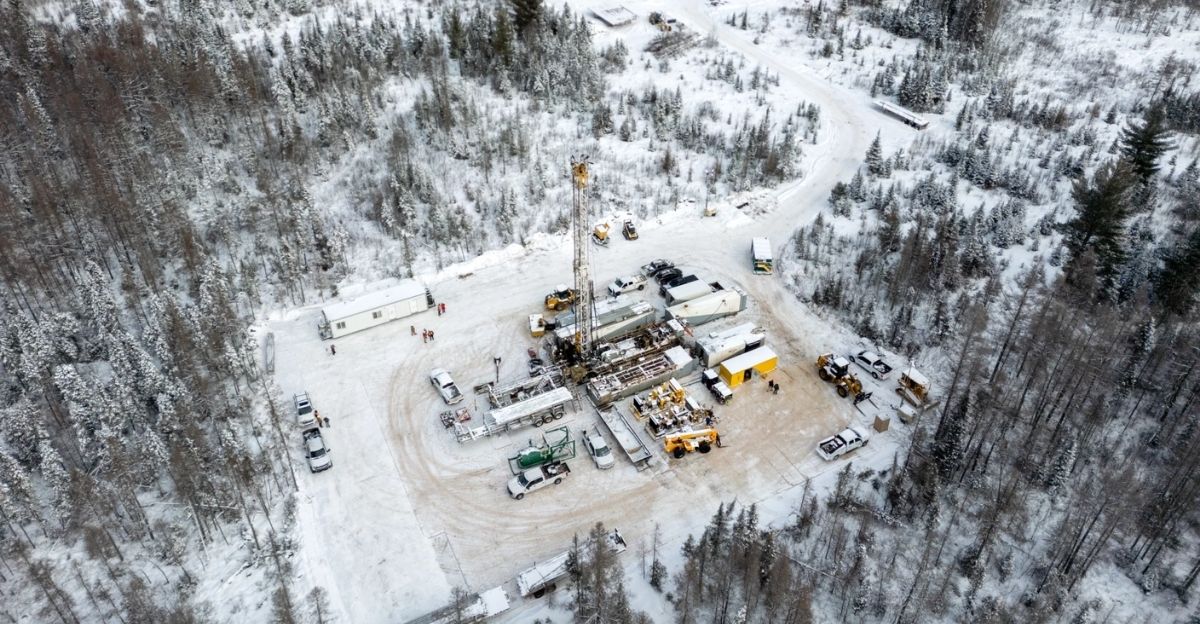
The Minnesota helium-3 discovery is historic: it challenges the notion that lunar mining is the only path. Earth holds rare isotopes in ancient rock, unlocked by geology and human ingenuity.
Commercialization depends on regulatory clarity, investment, and environmental stewardship. Quantum computing, fusion energy, and national security may soon rely on a fuel once imagined as science fiction. The Moon is no longer the exclusive domain—the next energy revolution could literally rise from beneath our feet.
Sources:
Pulsar Helium Inc. | Helium-3 Discovery at Jetstream#1, Topaz Project | October 1, 2025
Crux Investor | Pulsar Helium Reports Helium-3 Concentrations at Topaz Project, Minnesota | September 30, 2025
Minnesota Legislature | HF 5350: Helium Exploration and Production Regulation Act | May 28, 2024
Forschungszentrum Jülich | World premiere in fusion research: high-energy particles generated by radio-frequency heating in Wendelstein 7-X | May 27, 2025
PR Newswire | Bluefors to source helium-3 from the Moon with Interlune to power next phase of quantum industry growth | September 16, 2025
Earth.com | Northern Minnesota harbors a ‘fuel of tomorrow’ researchers reveal | January 5, 2026