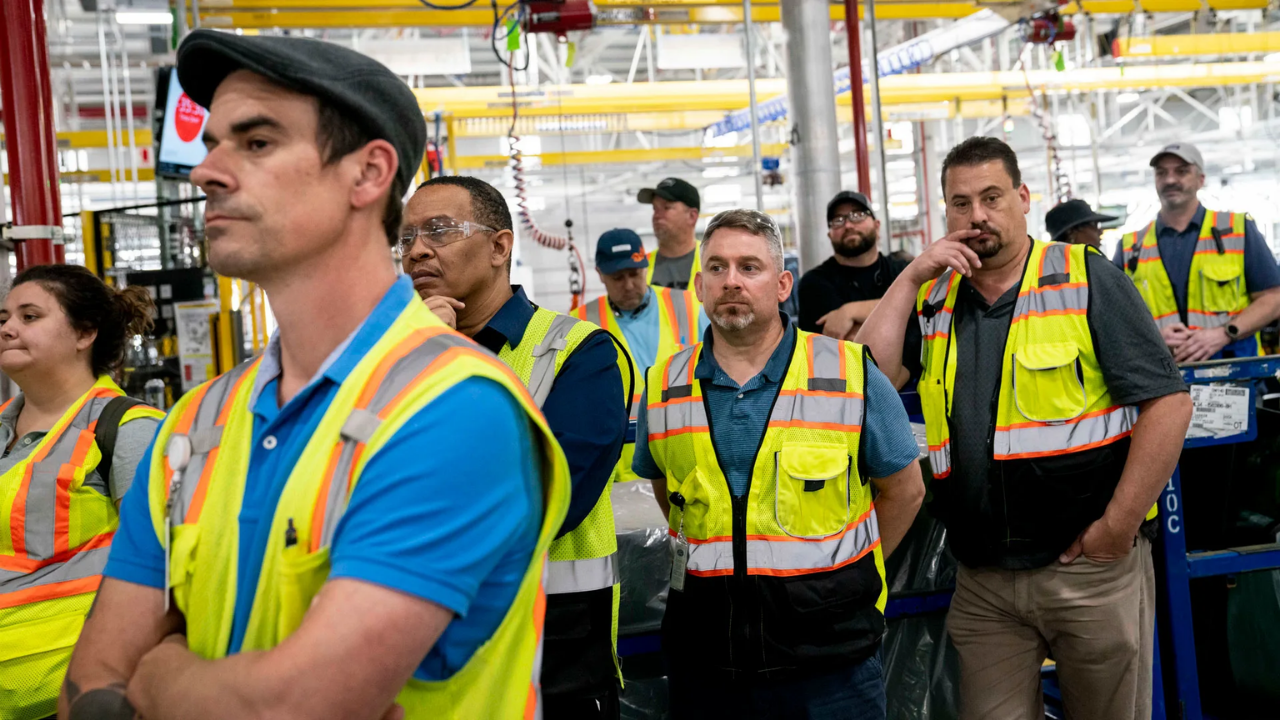
Ford’s struggle to fill thousands of high-paying mechanic jobs is exposing a deeper labor shortage that threatens the backbone of American manufacturing and infrastructure. Despite offering salaries around $120,000—among the highest for skilled trades—Ford has about 5,000 open mechanic positions, mirroring a nationwide shortfall of over a million trade-related jobs. This acute gap is not unique to Ford but reflects a systemic challenge with far-reaching economic consequences.
A Six-Figure Paycheck, But Few Takers

In late 2025, Ford CEO Jim Farley publicly acknowledged the company’s difficulty in recruiting enough skilled mechanics, even with competitive compensation and benefits. The company’s transparency highlights a paradox: while the pay is substantial, vacancies persist. Experts point to cultural factors—such as the prevailing bias toward four-year college degrees, lingering social stigma around blue-collar work, and the undervaluing of manual labor—as major barriers to attracting new talent. Ford’s experience suggests that salary alone cannot overcome entrenched perceptions about the trades.
The Economic Toll of Unfilled Roles

The impact of these vacancies extends well beyond individual companies. Ford’s 5,000 unfilled mechanic jobs represent millions in lost wages and productivity. When scaled to the national level, with roughly one million skilled trade positions open, the economic stakes become clear. Persistent shortages slow growth, disrupt supply chains, and threaten the stability of sectors ranging from manufacturing to infrastructure. According to the Bureau of Labor Statistics, more than 400,000 manufacturing roles remain vacant, even as unemployment rates hover near historic lows. This mismatch between job openings and available skilled workers is creating bottlenecks that ripple through the economy.
Barriers to Entry and the Training Challenge
Becoming a top-tier mechanic at Ford is no quick feat. The path requires years of specialized training—often five years or more—to master complex systems like heavy-duty diesel engines and advanced diagnostics. This lengthy preparation period stands in contrast to the urgent need for skilled labor, creating a tension between the depth of expertise required and the speed at which new workers can enter the field. While Ford’s 2023 contract with the United Auto Workers raised wages and eliminated the lowest pay tier, bringing skilled trades compensation close to $50 per hour, these improvements have not been enough to fully replenish the talent pipeline.
Shifting Education and Workforce Trends

There are signs of change. Trade-school enrollment jumped 16% in 2024, the largest increase since 2018, with Gen Z showing renewed interest in skilled programs over traditional college degrees. However, this growth still falls short of meeting labor market demand, especially in fields like auto repair and maintenance. Some trades—such as HVAC, electrical, and plumbing—have rebounded more quickly, thanks to shorter training programs and clearer career pathways. In contrast, automotive service roles continue to lag, highlighting uneven recovery across the skilled trades.
The Decline of Apprenticeships and the Need for New Pipelines
Traditional apprenticeships and on-the-job training programs have declined over the past two decades, with investment failing to keep pace with demand. This erosion of training infrastructure has made it harder for companies to develop the skilled workforce they need. A 2024 survey by the Manufacturing Institute and Deloitte found that many manufacturers struggle not only to recruit but also to retain skilled workers, with high turnover and absenteeism compounding the problem. Rebuilding robust training pipelines is now seen as essential to sustaining critical roles in manufacturing and auto services.
Cultural Shifts and the Future of Skilled Trades

Beyond pay and training, non-financial factors—such as career prestige, job security, and societal perceptions—play a decisive role in attracting talent to the trades. Employers and policymakers are increasingly urged to elevate the status of skilled work and create clear, attainable pathways to success. Gen Z’s growing interest in vocational education suggests a potential shift, but experts caution that this trend will only continue if supported by coordinated efforts in education, policy, and public messaging.
Automation, Electrification, and Rising Skill Demands
The rise of automation and vehicle electrification is reshaping the skills required for modern mechanics. Rather than reducing the need for human labor, new technologies are raising the bar for technical expertise, making the recruitment challenge even more acute. Thousands of unfilled mechanic jobs now threaten not only vehicle reliability and service efficiency but also customer satisfaction and the broader transition to electric vehicles.
A Call for Coordinated Action
Ford’s mechanic shortage is more than a company problem—it is a warning sign for the nation’s ability to adapt to changing labor market demands. Without structural reforms and a cultural shift that restores respect and opportunity to skilled trades, the gap is likely to widen. Experts argue that investing in technical education, revitalizing apprenticeships, and reshaping public perceptions are critical steps to rebuilding the skilled workforce and ensuring the continued vitality of American industry.