In the summer of 2011, a sonar sweep in the Baltic Sea revealed a formation that would spark scientific debate and generate significant public attention. The Ocean X Team, led by Swedish treasure hunters Peter Lindberg and Dennis Åsberg, detected a roughly circular object approximately 60 meters (200 feet) wide, resting around 90 meters beneath the surface. This so-called Baltic Sea Anomaly remains the subject of scientific investigation and public fascination.
Renewed Focus and Advanced Investigation Plans

Over a decade after its discovery, the Baltic Sea Anomaly drew renewed attention in July 2025, when Dennis Åsberg and the Ocean X Team announced plans for a new expedition using advanced multibeam sonar and AI-based data analysis. The team proposed employing state-of-the-art autonomous underwater vehicles (AUVs) to capture high-density imaging and data sets that would reveal geometric structures and ridge alignments beneath the surface, including connections to nearby formations not previously detected by traditional sonar alone.
The Ocean X Team emphasized that their investigation would focus on whether the anomaly’s features—particularly the nearly perfect circular geometry, raised dome, and stair-like features—might represent previously unknown formations or require new scientific explanation. According to statements by both Lindberg and Åsberg in 2025, the team’s investigation aims to determine the anomaly’s true nature relative to known man-made objects, shipwrecks, and natural geological processes studied in the region.
Ongoing Collaboration and Scientific Discourse
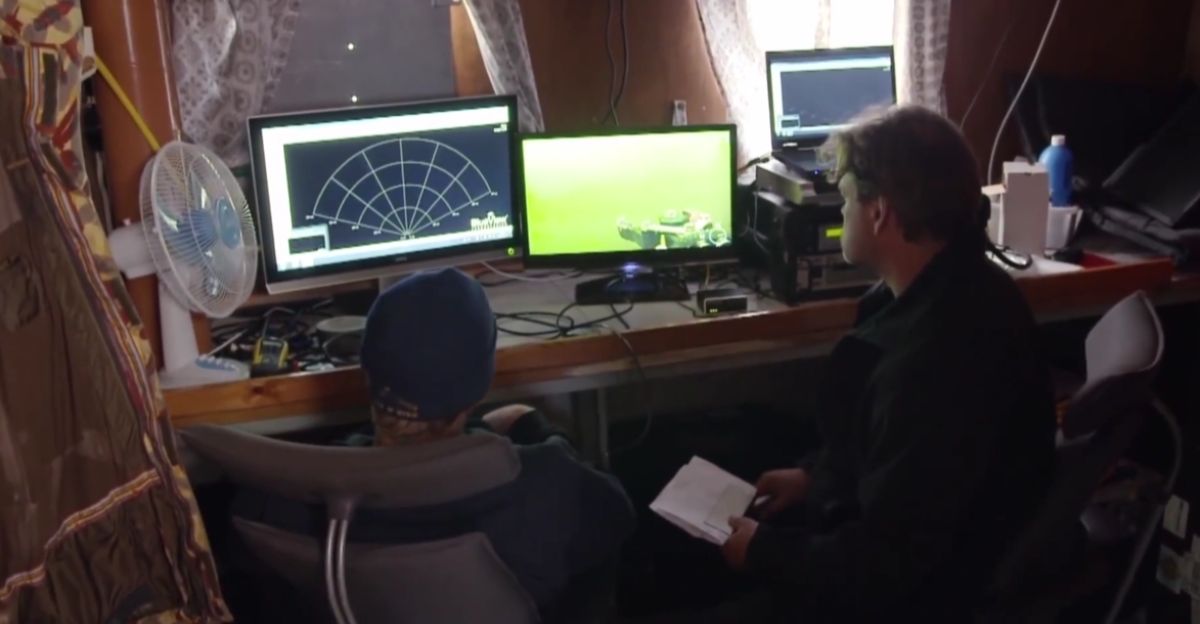
The investigations have drawn in independent researchers, including astronomer Dr. Beatriz Villarroel, who has examined unexplained phenomena. Dr. Villarroel acknowledged the object as a notable anomaly that could represent a natural formation, advanced human engineering, or something of non-terrestrial origin. Although the Ocean X Team has made high-profile announcements about its investigation plans, Dr. Villarroel and associated researchers emphasize the critical need for peer-reviewed studies and further open-data sharing to establish definitive scientific conclusions.
Interpreting the Evidence
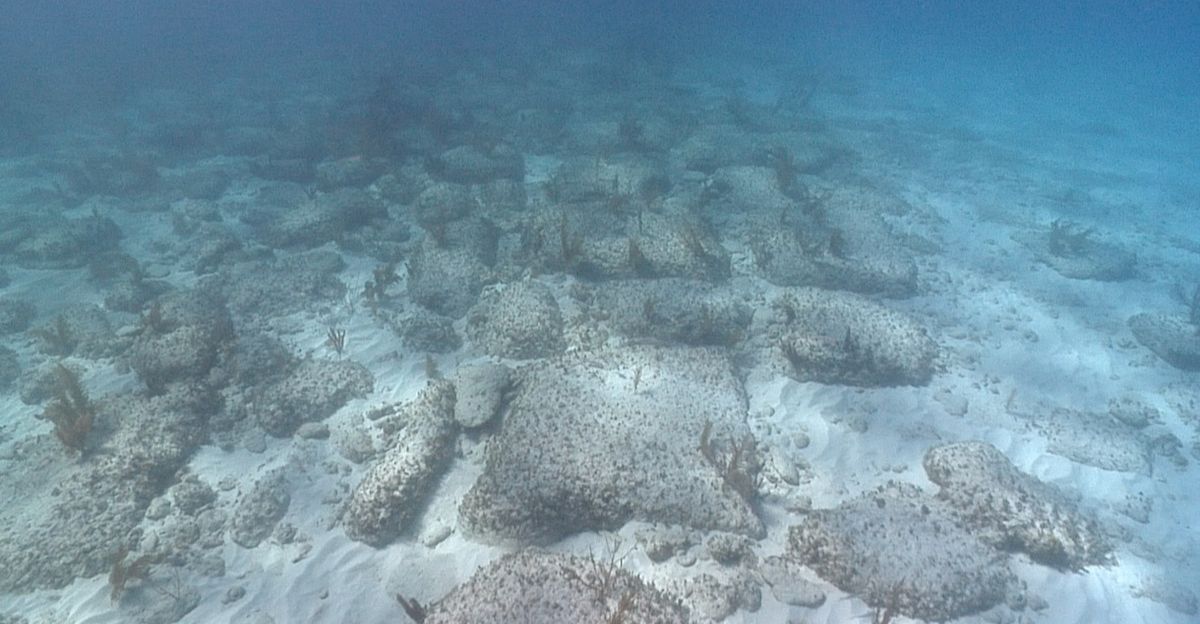
Public interest has intensified with each technological advance and statement by the Ocean X Team. Historical reports from the team’s 2011-2012 investigations described equipment failures affecting diving operations in proximity to the object, though skeptical analysis attributed such failures to faulty instrumentation or power depletion rather than environmental electromagnetic phenomena. Ongoing speculation about the object’s possible artificial or non-human origins persists, though marine geologists and oceanographers continue to emphasize that glacial activity and geological forces in the Baltic region have produced similarly shaped moraines and rock formations.
Current investigations do not yet produce a single, uncontested scientific interpretation. However, the planned AI-enhanced deep-sea scanning—combined with ongoing expert collaborations—may provide evidence to test the Ocean X Team’s interpretation that the Baltic Sea Anomaly does not conform to known human technological artifacts or standard regional geological processes. Scientists both within and outside the Ocean X Team continue to call for rigorous peer-reviewed analysis under modern research standards to reach a final, independently verified conclusion.
The Path Forward

With the deployment of AI and cutting-edge underwater robotics, the Ocean X Team’s planned 2025 investigation represents a significant advance in marine anomaly research methodology. While rigorous scientific debate continues, upcoming research expeditions and evidence as analyzed by expedition leaders and external advisors may help determine whether the Baltic Sea Anomaly exhibits features inconsistent with natural geological formations or known man-made structures currently documented, potentially sustaining scientific interest in the site’s true origins.