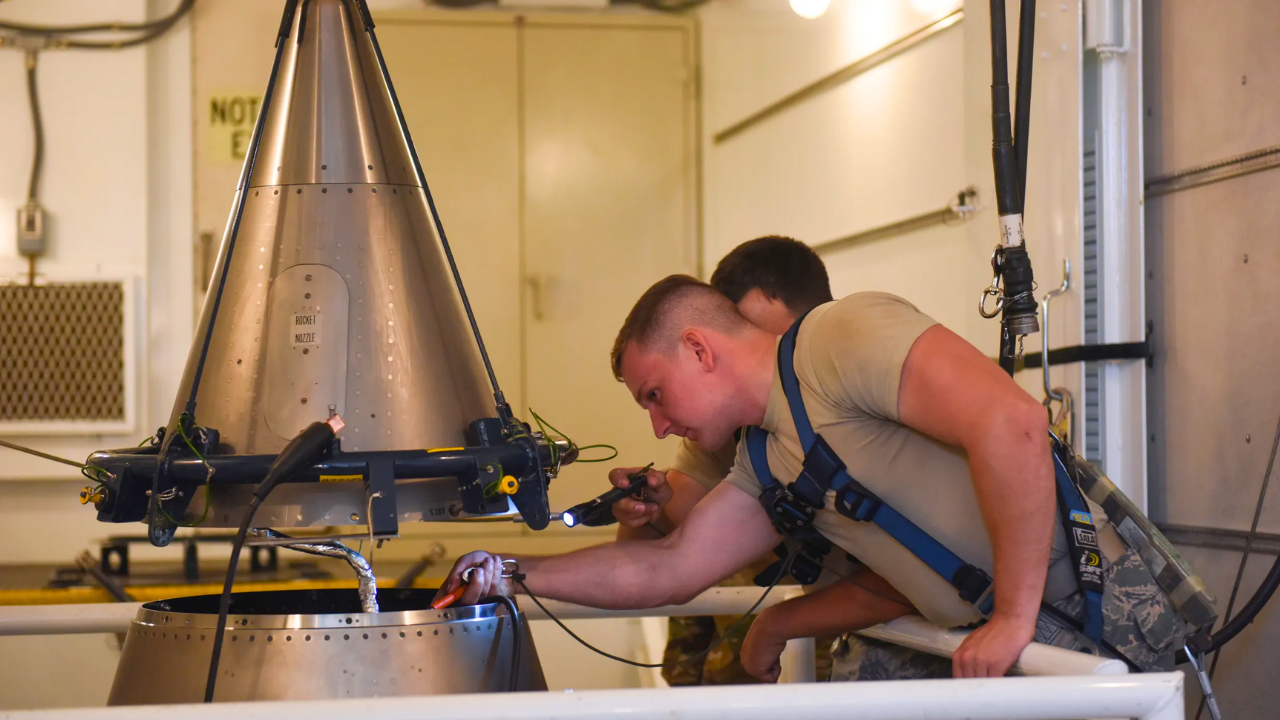
In the predawn hours of November 5, 2025, a streak of light arced over the Pacific as the U.S. Air Force launched an unarmed Minuteman III intercontinental ballistic missile from Vandenberg Space Force Base. The missile, part of a routine readiness exercise dubbed “Glory Trip 254,” traveled roughly 4,200 miles before splashing down near the Marshall Islands’ Kwajalein Atoll. Coordinated by the 625th Strategic Operations Squadron using the Airborne Launch Control System aboard a Navy E-6B Mercury aircraft, the test was a vivid demonstration of America’s enduring nuclear deterrent—one that has remained operational for over half a century.
Minuteman III: A Relic Still Central to Deterrence
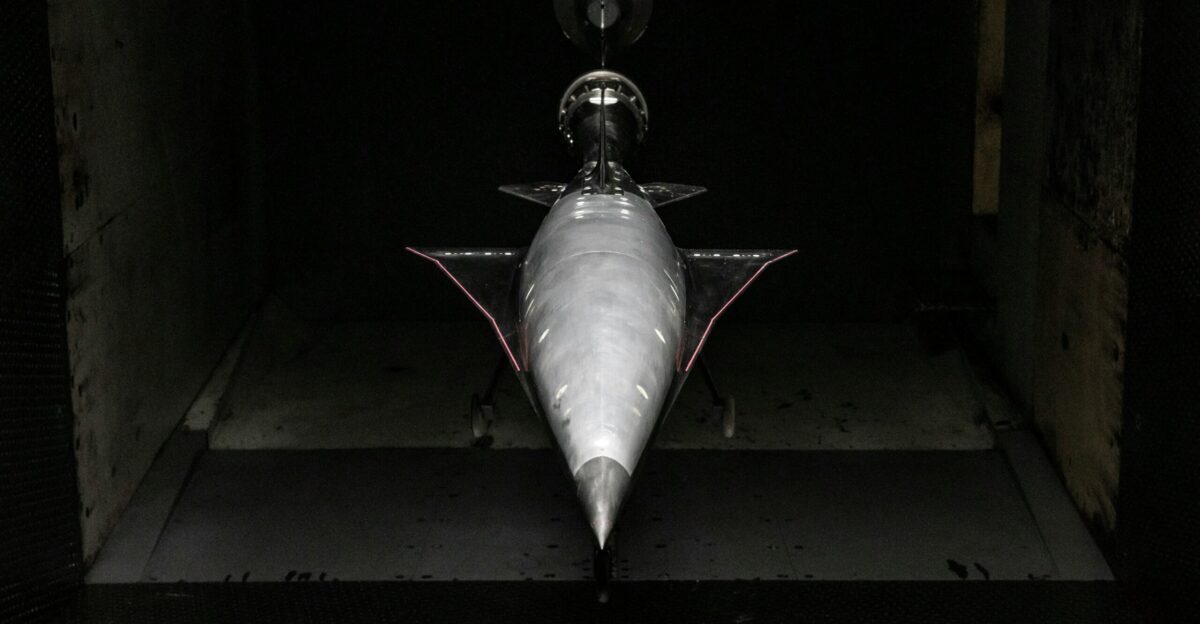
Since its introduction in 1970, the Minuteman III has stood as the world’s oldest continuously deployed ICBM system. Designed during the Cold War, it has undergone extensive upgrades to maintain its precision and reliability, even as global threats and technologies have evolved. The November 2025 test flight underscored the missile’s continued relevance, highlighting both the engineering achievements that have kept it viable and the challenges of replacing such a complex system. While the Air Force is developing the LGM-35A Sentinel as a successor, the Minuteman III remains the backbone of U.S. strategic deterrence, a testament to its robust design and the difficulties inherent in modernizing nuclear forces.
Modernization Challenges and Strategic Pressures
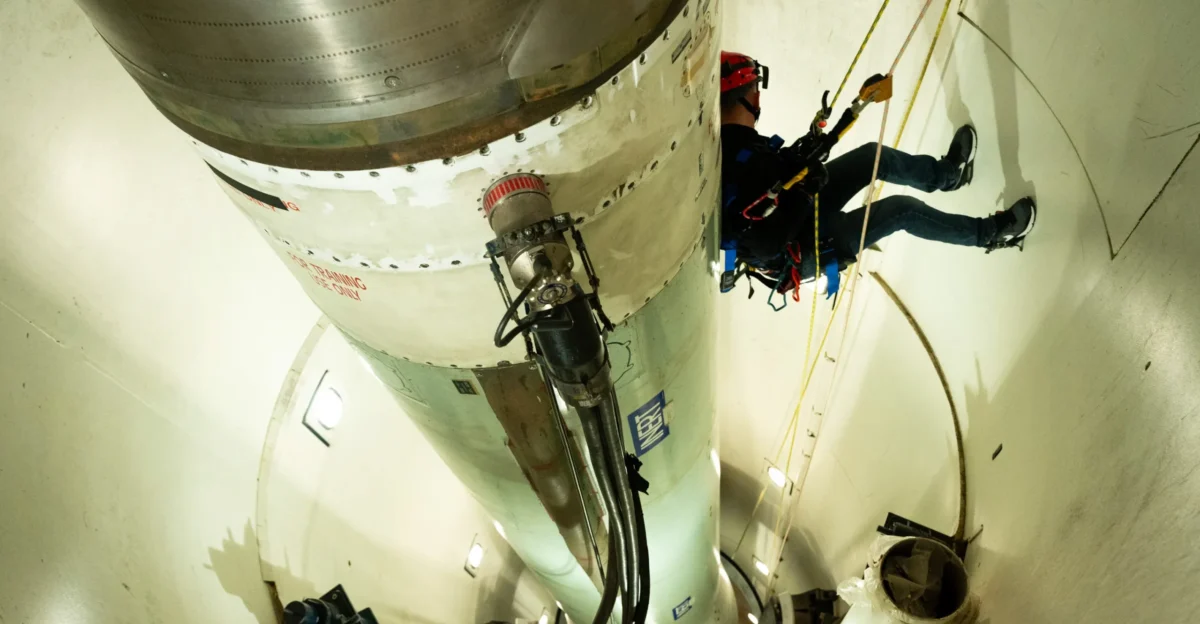
Efforts to update the U.S. nuclear arsenal have proven costly and complex. The Sentinel program, initially estimated at $78 billion, has ballooned to $140 billion, with deployment now delayed well into the 2030s. These setbacks stem from intricate engineering demands, budget constraints, and shifting geopolitical risks. As a result, the U.S. must continue to rely on the aging Minuteman III fleet, placing pressure on maintenance crews and raising concerns about potential vulnerabilities. The November test highlighted this paradox: while billions are funneled into future systems, the nation’s immediate security still depends on technology first fielded more than 50 years ago.
Nighttime Launches and Airborne Command: Testing Under Realistic Conditions
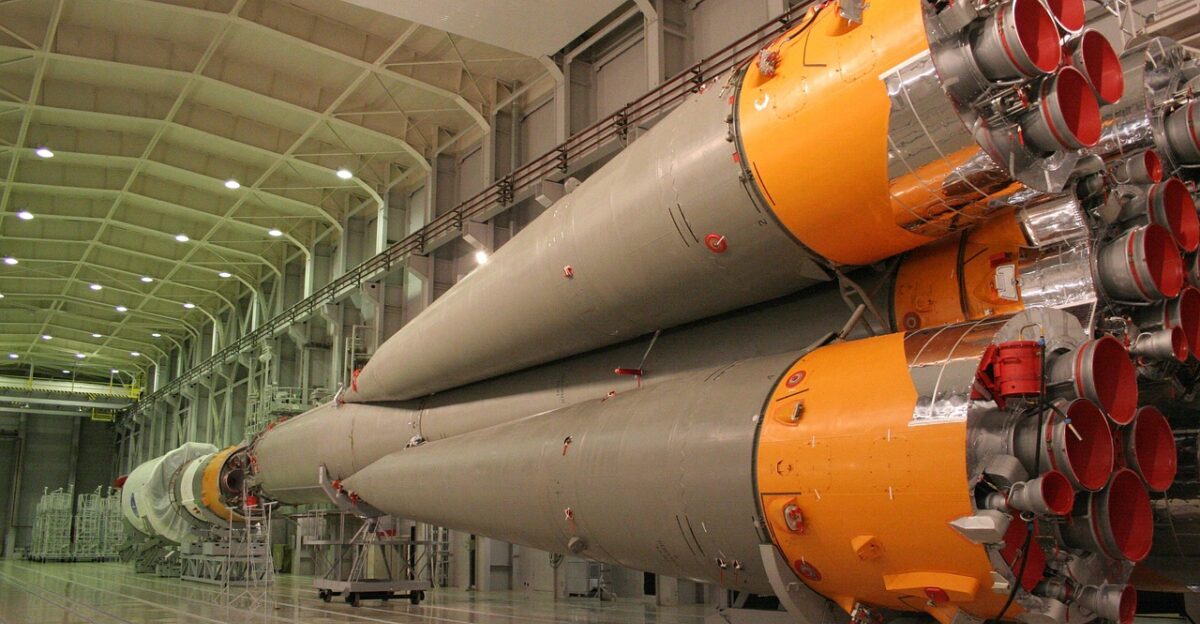
Launching the missile at 1:35 a.m. was no accident. Nighttime tests simulate the most challenging combat conditions, where detection is harder and decision-making windows are compressed. These exercises test both human operators and technology under stress, ensuring readiness for any scenario. The use of the E-6B Mercury “Doomsday” plane as a launch platform adds another layer of resilience. Designed to survive a nuclear first strike that could disable ground-based command centers, the airborne system ensures that launch orders can still be transmitted, complicating adversaries’ calculations and reinforcing the credibility of U.S. deterrence.
Diplomatic Sensitivities and the Risks of Misinterpretation
Even unarmed missile tests can ripple through international relations. The November 2025 launch occurred amid renewed debate in Washington over the possible end of a decades-long moratorium on nuclear explosive testing. Although the Minuteman III exercise was unrelated to these discussions, its timing required careful diplomatic messaging to avoid misinterpretation by other nuclear powers. Routine tests like Glory Trip 254 are intended to demonstrate reliability and resolve, not provoke escalation. Maintaining transparency and open communication remains essential to prevent misunderstandings that could destabilize already tense global dynamics.
Looking Ahead: Balancing Old and New in Nuclear Strategy
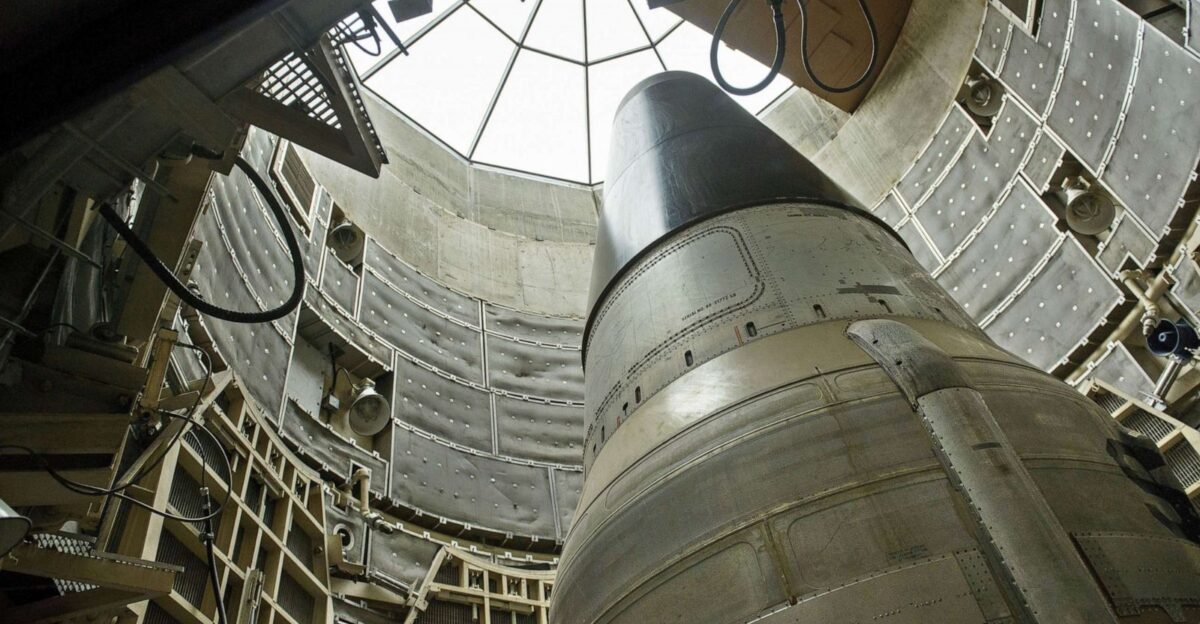
The Minuteman III’s ability to deliver a warhead across continents in about 30 minutes—at speeds approaching 30,000 mph—remains a cornerstone of U.S. deterrence. Yet, as modernization lags, the Air Force must walk a tightrope: extending the life of an aging system while preparing for its eventual replacement. Each test, including Glory Trip 254, validates not just hardware but the intricate web of personnel, procedures, and command redundancies that underpin nuclear security. The continued reliance on the Minuteman III highlights both the resilience of American engineering and the urgent need for sustained investment and innovation. As the U.S. navigates this transition, the stakes remain high: credible deterrence, global stability, and the avoidance of catastrophic miscalculation all depend on getting it right.