Walmart’s abrupt decision to halt hiring workers who require H-1B visas marks a pivotal moment in American labor policy. The move comes in direct response to the Trump administration’s new $100,000 fee for each H-1B application, set to take effect in September 2025—a staggering 2,000% increase from the previous cost of about $5,000. As the nation’s largest private employer and a significant user of the H-1B program, Walmart’s action is expected to reverberate across corporate America, reshaping how companies source skilled talent and manage labor costs.
A Historic Fee Reshapes the H-1B Landscape
The H-1B visa program, established in 1990, was designed to help U.S. businesses fill gaps in specialized fields such as technology, healthcare, and corporate management. For decades, application fees remained relatively stable, allowing companies to routinely sponsor foreign talent. The new $100,000 fee, however, is unprecedented—more akin to a corporate tax than a processing charge. This dramatic increase introduces financial barriers never before seen in the program’s 35-year history, forcing employers to reconsider their reliance on international hiring.
Walmart’s dependence on H-1B workers is substantial. As of mid-2025, the company employed approximately 2,390 H-1B visa holders in roles spanning corporate, technology, and operations. The new fee structure means that maintaining current hiring levels could cost Walmart up to $230 million annually, compared to just $11.5 million under the previous system. For many large employers, the cost is simply unsustainable, prompting a reevaluation of talent acquisition strategies.
Economic Rationale and Corporate Response
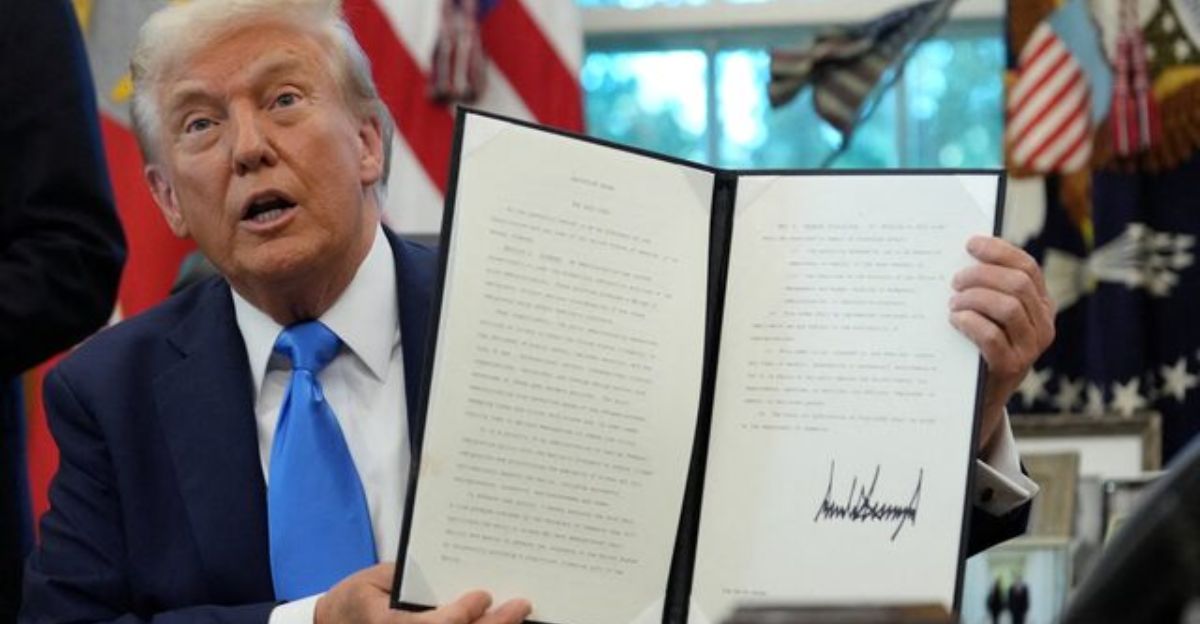
The Trump administration’s justification for the fee hike is twofold: to discourage H-1B applications perceived as disadvantaging American workers and to generate significant revenue for immigration enforcement. By dramatically raising the cost of hiring foreign talent, the policy effectively acts as a deterrent, pushing companies to prioritize domestic recruitment or consider offshoring operations.
Walmart’s decision to freeze new H-1B hires is a calculated financial response. The company determined that absorbing the increased labor costs would be untenable, especially given its scale and the competitive pressures of the retail sector. This move highlights the broader impact of immigration policy on corporate strategy, as businesses must now weigh the costs of international hiring against the benefits of maintaining a diverse and skilled workforce.
Implications for American Workers and the Labor Market
Walmart’s hiring freeze is being interpreted by some as a protectionist measure that could benefit domestic workers. By redirecting recruitment efforts toward American candidates, the company may help expand opportunities in sectors sensitive to social and economic pressures. Supporters argue that this shift could foster skill development and wage growth among U.S. workers, challenging the prevailing notion that foreign talent is indispensable for innovation and competitiveness.
However, critics warn that restricting access to skilled immigrants could lead to talent shortages, particularly in STEM fields where domestic supply often falls short of demand. The policy’s impact is likely to be felt most acutely in industries that rely heavily on specialized expertise, such as technology, finance, and healthcare. While the immediate effect may be an uptick in domestic hiring, the long-term consequences could include reduced economic dynamism and a diminished global competitive edge.
Uncertainty for Current and Prospective H-1B Workers
The sudden fee increase and Walmart’s hiring freeze have created significant anxiety among current H-1B visa holders. Many are uncertain about their prospects for visa renewal and continued employment, as companies grapple with the financial and procedural challenges posed by the new policy. The lack of clarity regarding the status of existing foreign employees adds to the sense of insecurity, discouraging long-term planning and integration.
This climate of uncertainty may exacerbate social alienation within immigrant communities and contribute to a potential brain drain, as skilled workers seek opportunities in more welcoming environments. The emotional and professional toll on affected individuals underscores the complex interplay between corporate pragmatism and human consequences in the evolving landscape of U.S. immigration policy.
Corporate Adaptation and the Future of Talent Sourcing

Walmart’s decision is emblematic of a broader trend among large employers facing steep visa fees. Companies are being forced to rethink their talent pipelines, with some investing more heavily in domestic training programs, offshoring technical teams, or accelerating automation initiatives. The shift away from international hiring could reshape the future of corporate innovation, as businesses explore alternative strategies to address skill shortages.
The $100,000 fee also highlights a growing divide between sectors. While high-margin technology firms may be able to absorb the increased costs to maintain access to global talent, mass employers like Walmart are less equipped to do so. This disparity raises questions about economic equity and the distribution of skilled labor across industries.
Looking Ahead: Balancing Protectionism and Openness
Walmart’s H-1B hiring freeze, triggered by the historic fee increase, signals a new era in U.S. immigration policy. The decision challenges the foundational principles of a globalized labor market and sets the stage for significant disruptions in employment, innovation, and competitiveness. As policymakers, businesses, and society grapple with the implications, the stakes are high: the future of American labor will depend on finding a balance between protecting domestic jobs and maintaining openness to global talent. The long-term effects of this shift will shape the trajectory of U.S. economic growth and its position in the world for years to come.