
The Trump administration’s historic $100,000 fee per new H-1B application, which goes into effect in September 2025, is the direct cause of Walmart’s decision to stop hiring applicants who need H-1B visas. Large employers are no longer able to afford routine sponsorship of foreign skilled workers due to this 2,000% increase from the previous cost of about $5,000.
With more than 2,300 H-1B workers as of mid-2025, Walmart is the biggest private employer in the United States and a major user of the H-1B program, which was created in 1990 to enable American businesses to hire foreign talent. Walmart’s talent pipeline could be disrupted by this sharp cost increase, which could also change corporate hiring practices across the country.
The H-1B Program’s Historical Background and Fee Development
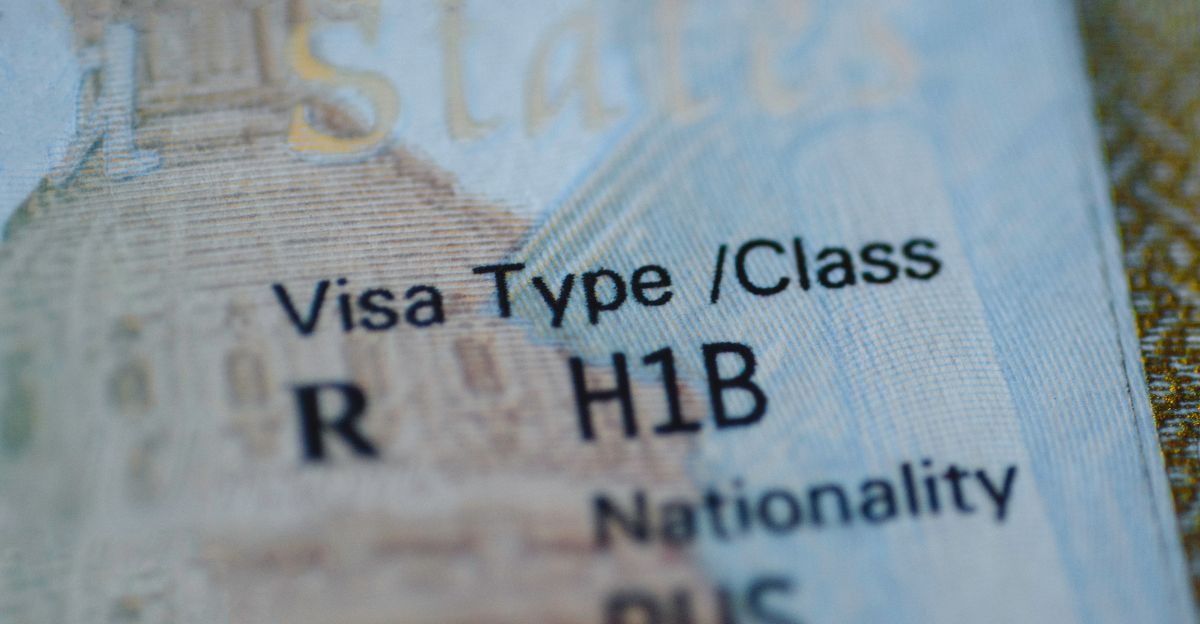
In 1990, the H-1B visa program was established in response to the increasing need for skilled foreign workers in U.S. industries like technology, healthcare, and increasingly the retail and corporate sectors. H-1B application processing fees have historically been close to $5,000, which includes administrative and enforcement costs.
The 2025 $100,000 fee is the highest single visa fee ever levied by the United States; it is more akin to a corporate tax on immigration than a processing fee, whereas fee increases in the 2010s were gradual and manageable. This new cost structure introduces financial obstacles never seen in the program’s history, upending a 35-year framework.
The Dependency of Walmart on H-1B Employees

As of June 2025, Walmart employed about 2,390 H-1B workers, indicating a significant reliance on highly qualified foreign workers in corporate, tech, and operational roles. Although Walmart is frequently thought of as a retail behemoth that employs a large number of domestic workers, its corporate and digital transformation greatly depends on talent from around the world.
In addition to preventing Walmart from restocking its vital leadership and technology pipeline, halting new H-1B hires also indicates that big businesses are more susceptible to cost shocks from immigration laws. If current headcount growth is matched, hiring new employees at a cost of $100K per application could cost Walmart up to $230 million annually.
The $100,000 fee increase’s economic justification
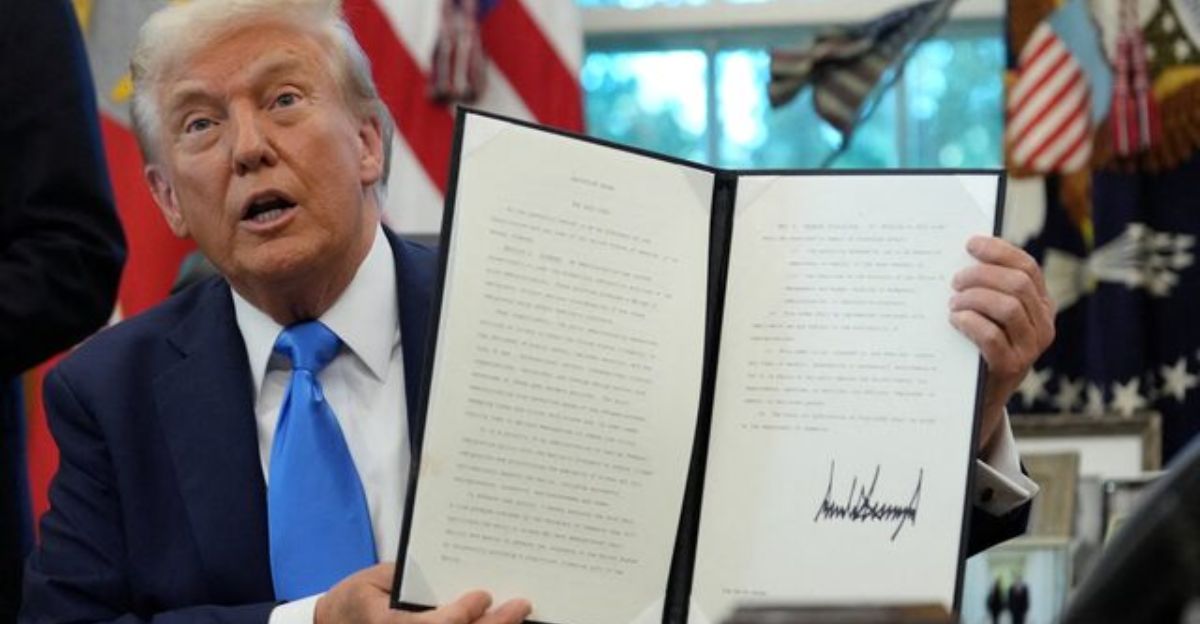
The Trump administration’s contradictory justification for a 20x fee increase probably accomplishes two objectives: discouraging H-1B applications that are thought to disadvantage American workers and bringing in a sizable amount of money for immigration enforcement.
From a strategic standpoint, this forces companies to prioritize domestic hiring or offshore operations by acting as a corporate tax on hiring foreign talent. Walmart made a calculated financial decision to publicly halt H-1B hiring because paying $100,000 for each applicant would result in unsustainable labor cost inflation. This demonstrates how the government has reshaped the labor market while claiming to be defending American jobs.
Does Walmart Preserve American Employment?

Walmart’s action can be reinterpreted as a protectionist measure that supports domestic workers, despite the fact that it is frequently criticized for restricting immigrant labor. Walmart may be able to improve employment opportunities in socially sensitive industries by rerouting recruitment toward American workers by stopping expensive foreign hires.
This forces businesses to fully internalize hiring costs and runs counter to the dominant narrative of globalization as an unadulterated good. Supporters see a chance for skill development and wage growth in underserved U.S. labor pools, challenging the technocratic orthodoxy about the necessity of foreign talent, while critics claim this will result in a talent shortage.
Psychological Effects on Present and Future H-1B Workers

Walmart’s freeze and the unexpected $100,000 fee increase have left current H-1B visa holders deeply insecure about their eligibility for renewal and their future employment opportunities. Although new hires are prohibited, it is unclear if Walmart will extend existing visas or gradually phase out foreign employees. This discourages long-term planning and integration among immigrant workers by creating anxiety and uncertainty.
The emotional toll on immigrant communities may exacerbate social alienation, increase brain drain, and make it more difficult for the U.S. labor market to adjust to changes in the global talent pool. The conflict between corporate pragmatism and human consequences is highlighted by Walmart’s statement, “remaining thoughtful about our approach.”
Disruption of the Strategic Talent Pipeline and Corporate Adjustment

Walmart’s H-1B hiring halt is an example of a larger trend: employers are forced to reconsider their talent sourcing strategies when faced with exorbitant visa fees. The long-term viability of corporate innovation and leadership pipelines that significantly depend on international hiring is put at risk by this disruption. Walmart and other companies might invest more in domestic training initiatives, offshore technical teams, or speed up automation.
This could lead to a strategic shift in how businesses handle skill shortages, with less emphasis on immigration and more emphasis on technology-driven labor substitutes or “grow-your-own” initiatives. This could paradoxically slow the U.S.’s overall economic agility and innovation.
Walmart and Other Companies’ $230 Million Cost Paradox

The annual cost would increase to roughly $230 million if Walmart decided to keep hiring 2,300 foreign workers under the new fee, as opposed to just $11.5 million under the previous system. Walmart is forced by this $218.5 million discrepancy to either absorb sharp increases or stop growth in important departments, particularly in corporate and tech roles.
A fiscal shock like this could reduce operational flexibility and competitiveness. Smaller businesses that aren’t as large as Walmart might face greater difficulties, which would hasten the concentration of talent sourcing power in businesses that can pay or outsource. This cost paradox shows that the fee disrupts immigration-dependent business models rather than serving as a revenue measure.
Possible Repercussions for the Greater The American Labor Market

Walmart’s freeze foreshadows a domino effect for all sectors of the economy that depend on the H-1B program. Sharp cost increases in the technology, finance, healthcare, and research sectors also necessitate reevaluations of talent acquisition. Reducing the number of skilled foreign workers entering the country could temporarily boost domestic labor demand, but it could lead to long-term skill shortages, especially in STEM fields where domestic supply lags.
The initial policy premise to “protect American jobs” may be undermined by the artificial inflation of hiring costs, which could lower U.S. economic dynamism, promote offshoring, and weaken America’s competitive edge internationally. Policymakers must strike a difficult balance between economic openness and employment protectionism.
Walmart vs. Big Tech Companies on H-1B Policy Reaction

Since they see H-1B applicants as essential to innovation and product development, many tech giants, such as Google and Microsoft, have absorbed higher visa costs to maintain talent inflow, in contrast to Walmart’s freeze. However, it is not feasible for Walmart to absorb $100K per visa due to its corporate size and lower-margin retail business.
This difference highlights sector-specific effects: mass employers cut back or stop hiring foreign workers, while high-margin businesses continue to do so. This division raises concerns about economic equity and competitiveness as it speeds up a divided labor market where access to skilled immigrants depends on industry profitability.
Impact of Immigration Fees on Automation Adoption

Automation adoption may be indirectly accelerated by Walmart’s fee-driven hiring freeze, particularly in positions like IT support and analytics that were previously held by H-1B employees.
Walmart must increase its investments in robotics, artificial intelligence, and self-service innovations in order to maintain productivity and cost effectiveness due to a forced decrease in the availability of foreign labor. A new industrial model combining labor scarcity with digital substitution could be formalized by this unintentional synergy between immigration fee increases and tech adoption, posing difficulties for job markets and skill retraining initiatives.
The $100K Corporate Immigration Tax Fee
From a theoretical perspective, the $100,000 H-1B fee functions more as a de facto immigration tax on corporations than as a regulatory expense. Under the guise of an administrative fee structure, the financial barrier legitimizes a protectionist labor policy by enforcing indirect rationing of foreign talent.
This theory contributes to the explanation of why Walmart, a historically populist employer, complies pragmatically by freezing hires instead of vigorously opposing the fee. The fee’s existence pushes immigration talks into the realm of budgetary discussions, which may obscure complex policy discussions on talent mobility.
Lessons from Previous Changes in Visa Fees
In the past, increases in visa fees have seldom surpassed incremental percentages, resulting in generally stable labor markets.
The $100,000 increase in 2025 is comparable to uncommon but significant historical precedents such as early 20th-century immigration quotas and Chinese exclusion acts, which drastically changed the makeup of the labor market. Similar to significant immigration restrictions in the 20th century that altered ethnic and skill demographics and potentially upset social and economic equilibria for decades, this significant fee increase may represent a turning point in U.S. immigration policy.
Verified Information on Trends in Visa Denials and Their Amplification

The H-1B denial rate reached a peak of almost 24% in fiscal year 2018 during Trump’s first administration, indicating increased scrutiny. This creates an even greater obstacle for skilled foreign workers when paired with rising fees.
The 2025 policy raises procedural and financial barriers, which will probably result in higher denial rates due to increased compliance complexity and burdens. Therefore, Walmart’s hiring freeze results from a hostile environment that increases risk for foreign hires, discourages applicants, and exacerbates recruitment volatility in addition to fees.
A New Era in Skilled Immigration Policy Is Signaled by Walmart’s Freeze
Walmart’s decision to stop hiring H-1B workers following the imposition of a $100,000 fee is a historic development that signals the end of pipelines of reasonably priced, skilled foreign workers for many American businesses.
The fundamental tenets of a globalized labor market are called into question by this drastic change in policy, which could lead to significant disruptions in the dynamics of immigration, employment, and innovation. Walmart’s practical response draws attention to the stark economic realities that lie beneath ideological arguments, compelling governments to reevaluate immigration enforcement objectives, businesses to reevaluate talent strategies, and society to balance protectionism and openness. For years to come, this decision’s repercussions will influence both global competitiveness and U.S. labor markets.