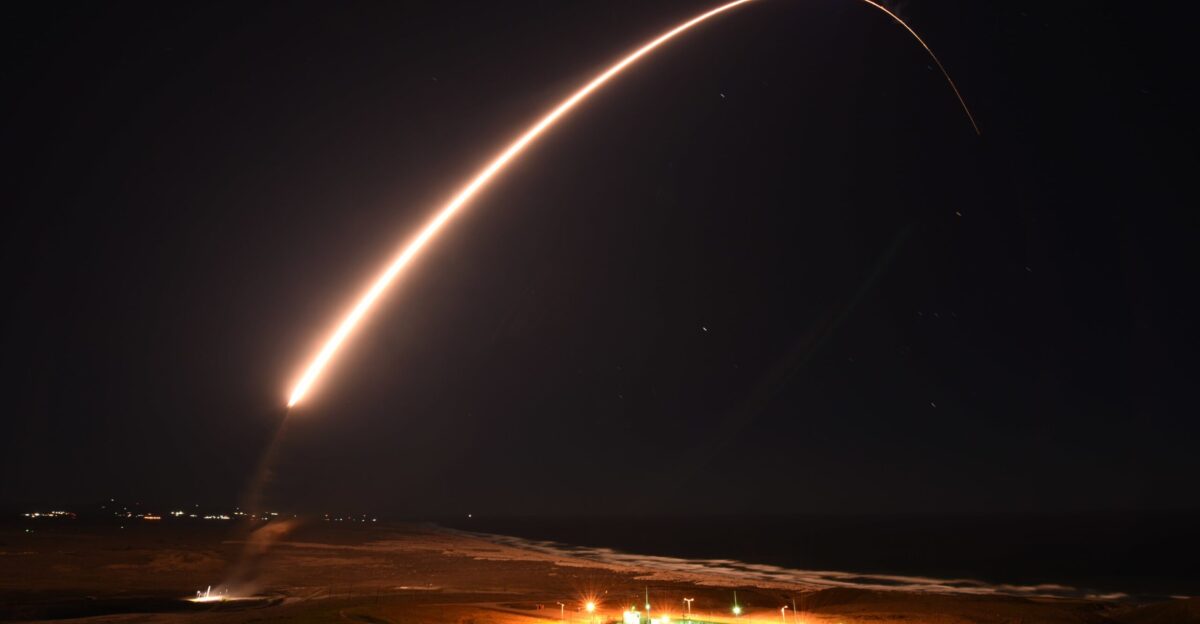
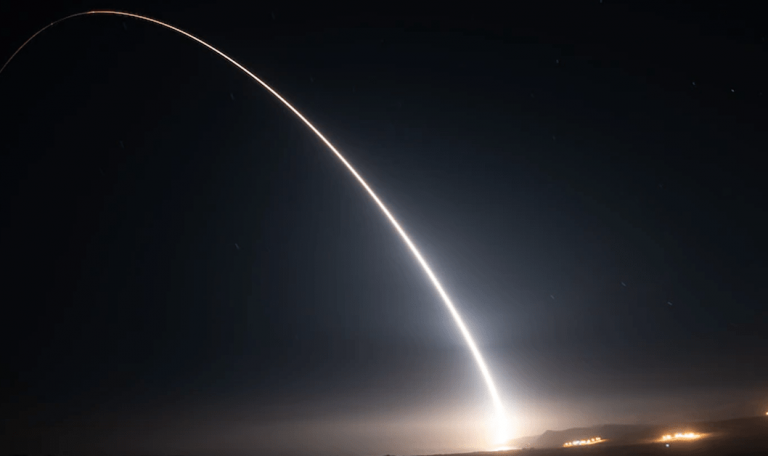
On November 5, 2025, the U.S. Air Force launched an unarmed Minuteman III intercontinental ballistic missile (ICBM) as part of a standard readiness test known as “Glory Trip 254.” The missile took off from Vandenberg Space Force Base at 1:35 a.m. PT and traveled about 4,200 miles to the Marshall Islands’ Kwajalein Atoll. The Airborne Launch Control System on a U.S.
Navy E-6B Mercury “Doomsday” aircraft was used by the 625th Strategic Operations Squadron to coordinate this test. The exercise is essential for confirming the dependability of the Minuteman III fleet, which, despite more than 50 years of service, continues to be the cornerstone of America’s nuclear deterrent. This launch is one of several planned operational tests that will continue until 2030.
The Minuteman III’s Historical Legacy
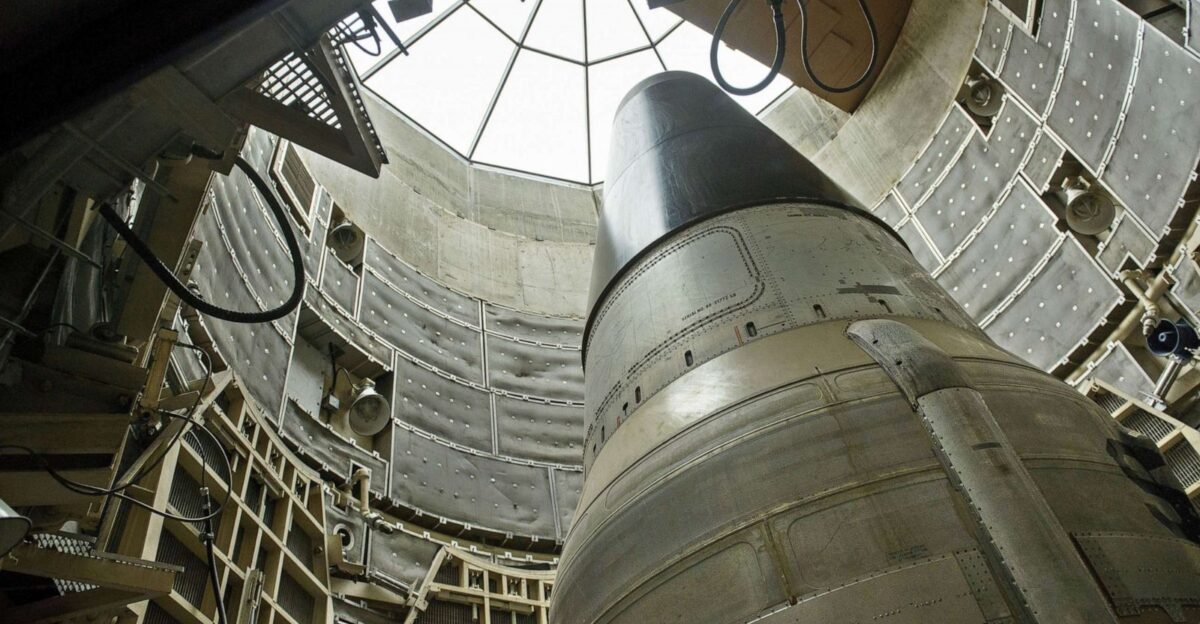
With over 50 years of uninterrupted service since its debut in 1970, the Minuteman III is the world’s oldest operational ICBM system. It embodies Cold War-era technological achievement and remains a bedrock of American strategic deterrence amid shifting geopolitical dynamics. Unlike many weapons that quickly become obsolete, the Minuteman III has been extensively upgraded for continued precision and reliability.
The November 2025 test flight underscores both enduring operational reliability and the innovation behind its long-term relevance. While new systems like the LGM-35A Sentinel are under discussion, the Minuteman III remains indispensable. This resilience reflects not only difficult modernization hurdles but also notable engineering success.
Costs and Difficulties of Modernization
The process of updating America’s nuclear triad is expensive and time-consuming. With timelines slipping past 2030, the Sentinel replacement program for the Minuteman III, which was first projected to cost $78 billion, has skyrocketed to a projected $140 billion. These delays are caused by complicated engineering requirements, financial limitations, and geopolitical unpredictabilities, which force the use of outdated systems for extended periods of time.
This paradox is highlighted by the November 2025 test: the United States must rely on missiles that are five decades old to maintain credible deterrence while investing billions in a successor that is still years away from deployment. Maintaining the readiness of the Minuteman III fleet is under tremendous pressure due to this financial reality, which also creates strategic vulnerabilities.
Nighttime Testing’s Strategic Significance

Launching at 1:35 a.m. raises the question, “Why test in the dark?” The most realistic combat conditions, where detection and decision-making windows are most constrained, are simulated by nighttime launches.
It evaluates operators’ and technology’s ability to perform flawlessly under pressure and low visibility, an environment that is unrepresented in daylight tests. Additionally, the timing minimizes interference and lowers public alarm. By demonstrating the United States’ readiness to react quickly to threats at any time of day, this nighttime exercise strengthens deterrent credibility through realism and validates both technical dependability and human factors essential to nuclear command control.
The Function of the Airborne Launch Control System
A strategic redundancy that is rarely recognized outside of defense circles is highlighted by the ICBM’s airborne launch from an E-6B Mercury platform. This system, which is built to withstand a nuclear first strike that might destroy ground command centers, guarantees that orders for retaliation can be sent from an aerial “Doomsday plane.” Adversaries’ defense calculations are made more difficult by this mobility, which increases the unpredictability of U.S. strategic forces.
Live launches such as Glory Trip 254 validate this layer of operational depth, which improves second-strike assurances essential to deterrence psychology and maintains command integrity in the worst-case nuclear scenarios.
Risks of Misinterpretation and Diplomatic Sensitivities

Even though they are completely non-explosive, test launches have the potential to increase geopolitical tension if they are misinterpreted by other nuclear powers, particularly when they take place during public discussions about nuclear testing moratoria. The November 2025 test took place during President Trump’s discussions about lifting the 30-year U.S. moratorium on such tests, but it was clearly unrelated to any renewed proposals for nuclear explosive testing.
A delicate diplomatic calculation is introduced by this timing: displaying strength without escalation runs the risk of inadvertently conveying aggressive intent. To prevent destabilizing arms race dynamics or increased conflict risk, it is crucial to maintain open lines of communication and transparency regarding the nature of routine tests.
Unprecedented Missile Speed and Performance
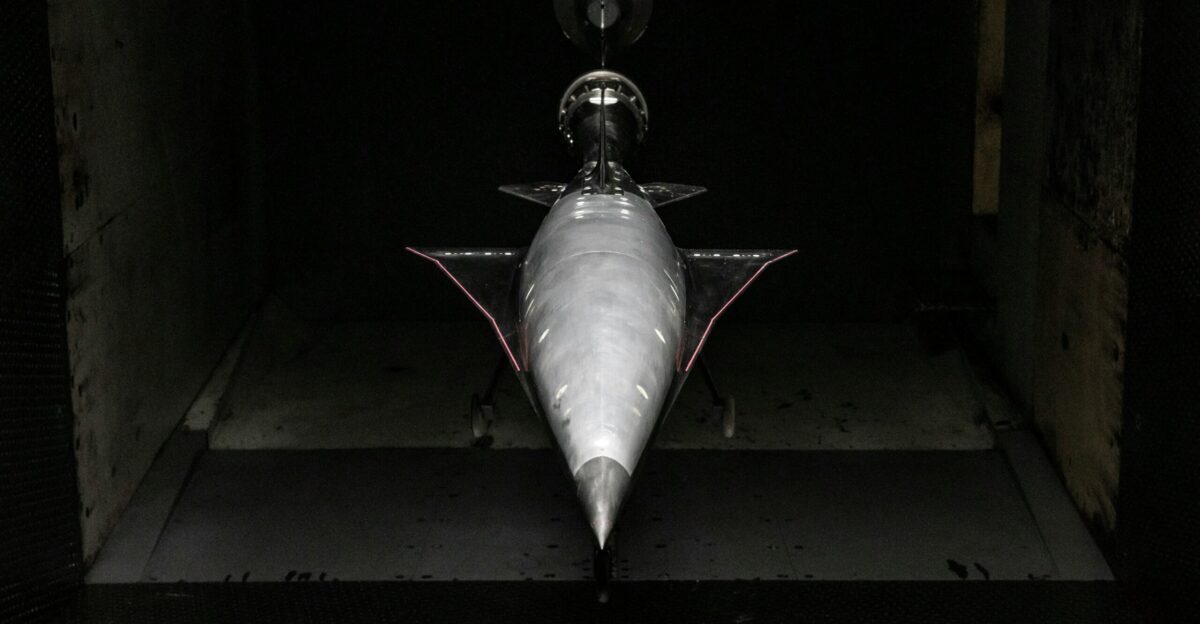
The Minuteman III missile can reach speeds of about 30,000 mph while in flight, and it can cover 4,200 miles, the distance between California and the Marshall Islands, in about 30 minutes. Anywhere in the world, this quick delivery capability guarantees a reliable and timely response to threats.
By ensuring nearly instantaneous strike capability, such velocity compresses enemy decision windows and enforces strategic deterrence. The deterrent value of the U.S. nuclear posture is maintained by the combination of range, speed, and dependability, demonstrating that the Minuteman III is still a useful technological tool for strategic stability despite its advanced age.
Effects of Psychology on International Deterrence

Deterrence is reinforced both physically and psychologically by the test. Adversaries considering nuclear aggression are made more cautious by the knowledge that a missile can be launched remotely from a flying command post and reach global targets in a matter of minutes. First strikes are less motivated by the perception that U.S. retaliatory forces are invulnerable.
By maintaining a balance of terror that deters nuclear war, this enhances global strategic stability. The delicate psychological balance of deterrent dynamics is reinforced by regular, visible demonstrations such as Glory Trip 254, which act as potent reminders of the costs of nuclear provocation.
The Future of ICBMs and the Sentinel Program
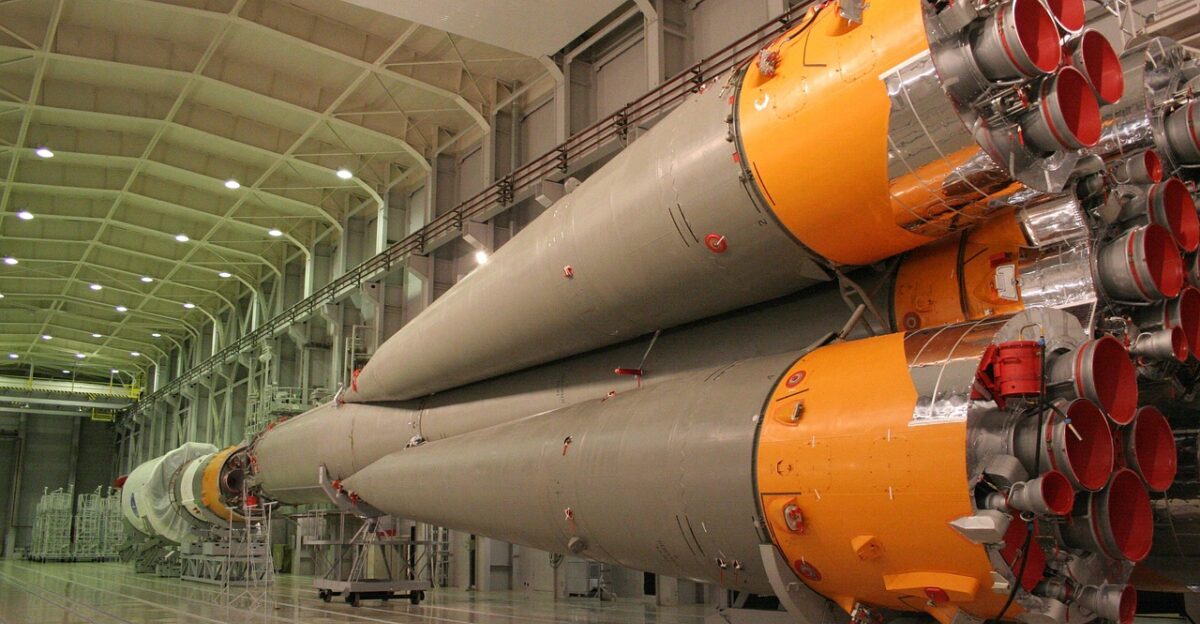
The deployment of the LGM-35A Sentinel missile system, which is intended to replace Minuteman III, is expected to be delayed well into the 2030s due to technical, financial, and scheduling issues. America will have to rely largely on the current Minuteman III fleet until the Sentinel is operational, which will prolong its service life by decades. Paradoxical pressures arise from the prolonged overlap: modernizing while preserving outdated infrastructure.
To avoid obsolescence-induced failure, this duality necessitates thorough, ongoing testing. The launch in November 2025 is a prime example of how the United States handles this period of transition, striking a balance between modernization requirements and contemporary deterrence requirements, a difficult dance of technological advancement and strategic necessity.
Technical Perspectives from “Glory Trip 254”
It is impossible to fully replicate the telemetry and sensor data produced by GT 254 on the ground. Missile accuracy models are improved by factors like atmospheric drag, reentry vehicle behaviors, and guidance system performance under actual flight conditions.
Transmission of data to Kwajalein’s equipment enables accurate post-flight analyses that support upcoming improvements. The Air Force improves system resilience and performance predictability by incorporating real-world environmental variables. These technical validations are essential to guarantee that the Minuteman III’s lethality and dependability are unaffected by aging hardware, a fact that cannot be established by theory or simulation alone.
A Tri-Wing Task Force’s Function
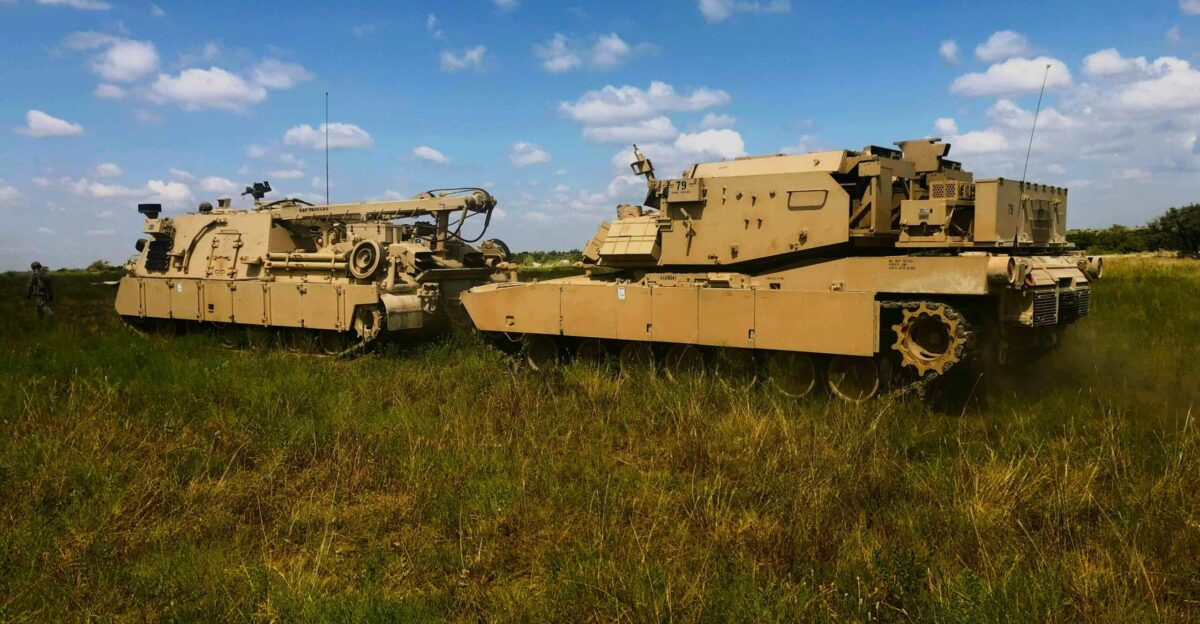
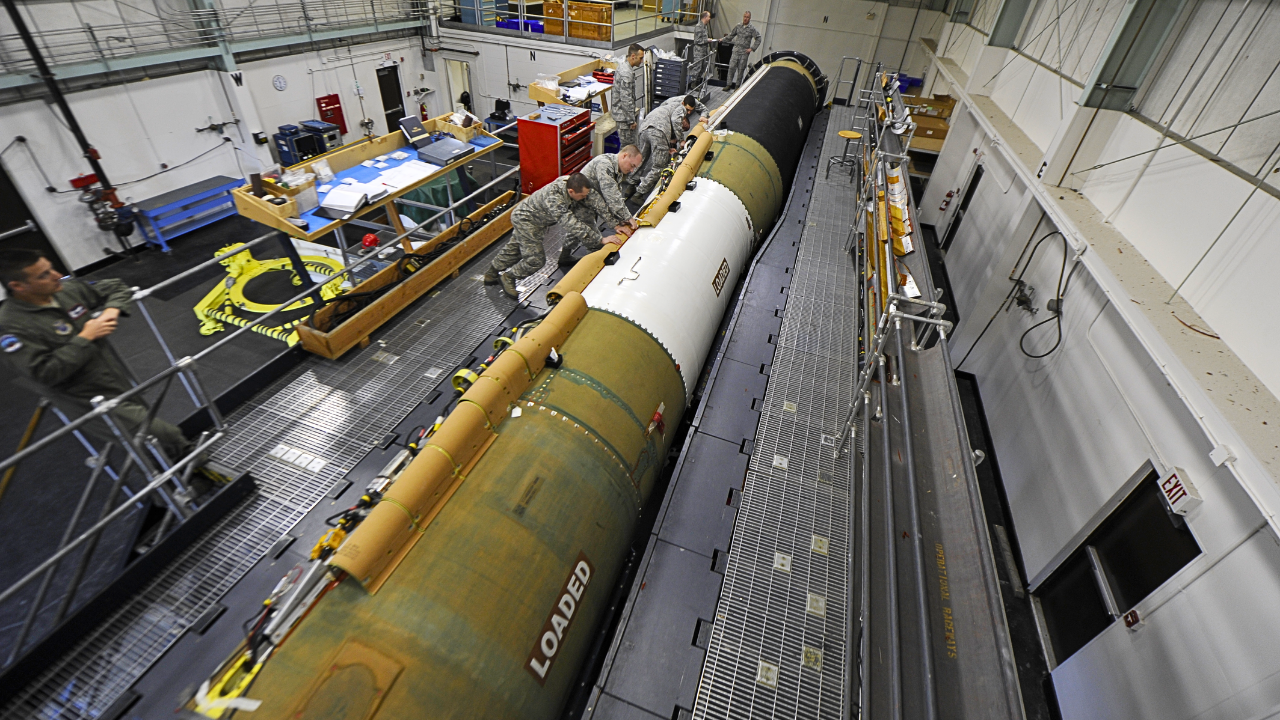
Personnel from the three missile wings of the Air Force Global Strike Command, at F.E. Warren, Malmstrom, and Minot Air Force Bases, participated in the test to demonstrate integrated readiness. The larger operational ecosystem that supports the missile force, which includes maintainers, launch crews, and command personnel, is validated by this multi-wing partnership. It reaffirms that the interconnected human and technological networks that enable quick, dependable execution are just as important to U.S. nuclear deterrence as missiles.
The 90th Missile Wing’s maintainers’ participation serves as an example of the vital technical and logistical support work that keeps missiles viable in the face of aging hardware. The foundation of strategic dependability is this group preparedness.
Mobile Command Capability’s Strategic Consequences
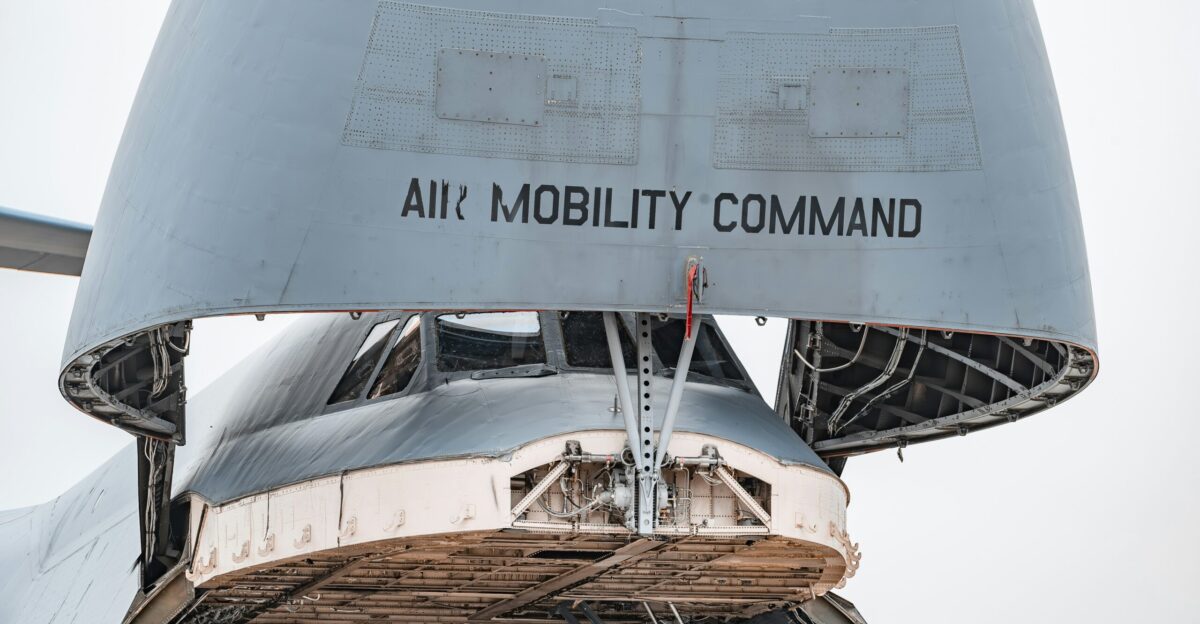
By adding unpredictability to an adversary’s targeting calculus, mobile airborne command via E-6B platforms makes launch control functions more resilient in an emergency. Airborne launch control allows for command continuity in the event that primary ground nodes become incapacitated, in contrast to fixed, vulnerable silo-based commands. This capability strengthens deterrence stability by acting as a strategic hedge against decapitating strikes.
The flight in November demonstrated ongoing operational testing of this kind of redundancy. Beyond hardware, airborne launch control has psychological and practical value in crisis communication, demonstrating American resolve and all-encompassing defense depth. Adversaries considering surprise attacks are discouraged by such survivability advancements.
The Trump Administration’s Nuclear Policy Discussion in Context

President Trump was considering starting nuclear explosive testing again after a three-decade break at the time of the November 2025 test. Even though the rhetoric was clearly unrelated, it caused concern and scrutiny on a global scale.
This overlap highlights conflicts between the United States’ long-standing policy restraint and new demands to reevaluate its nuclear posture in light of growing geopolitical challenges. In this context, the Minuteman III test acts as a tacit warning of possible escalations as well as a guarantee of present capabilities. It illustrates the delicate balancing act required in great-power nuclear competition between preserving credible deterrence and controlling diplomatic risk.
The Minuteman III as a Representation of Perseverance and Danger
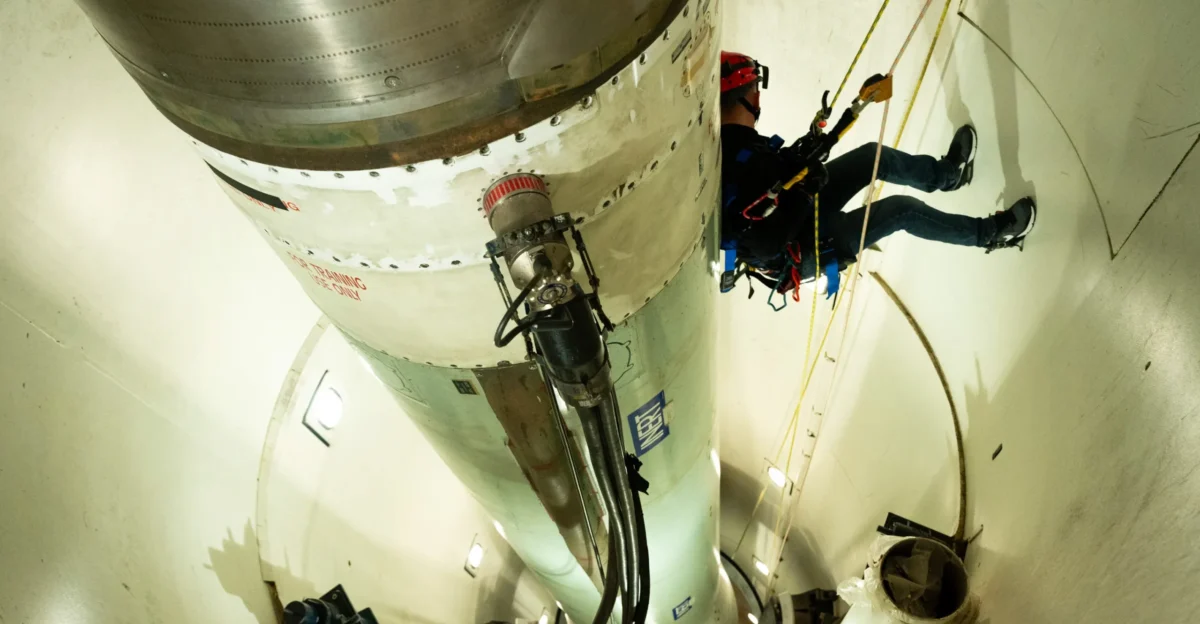
The Minuteman III is more than just a weapon; it represents a paradox: a deadly system that has been around for decades but is susceptible to aging and financial strain. While delays in modernization increase risks, continuous testing pushes its operational boundaries. Its continued existence is indicative of a larger story about the difficulties in maintaining outdated strategic arsenals in modern geopolitics.
This tenacity serves as a source of pride for the country as well as a cautionary tale about complacency, emphasizing the critical need for continued funding, supervision, and innovation to ensure future deterrent credibility without inadvertent escalation. The flight of the Minuteman III serves as a potent metaphor for defense resiliency in the face of uncertainty.
Keeping Modernization, Risk, and Deterrence in Check
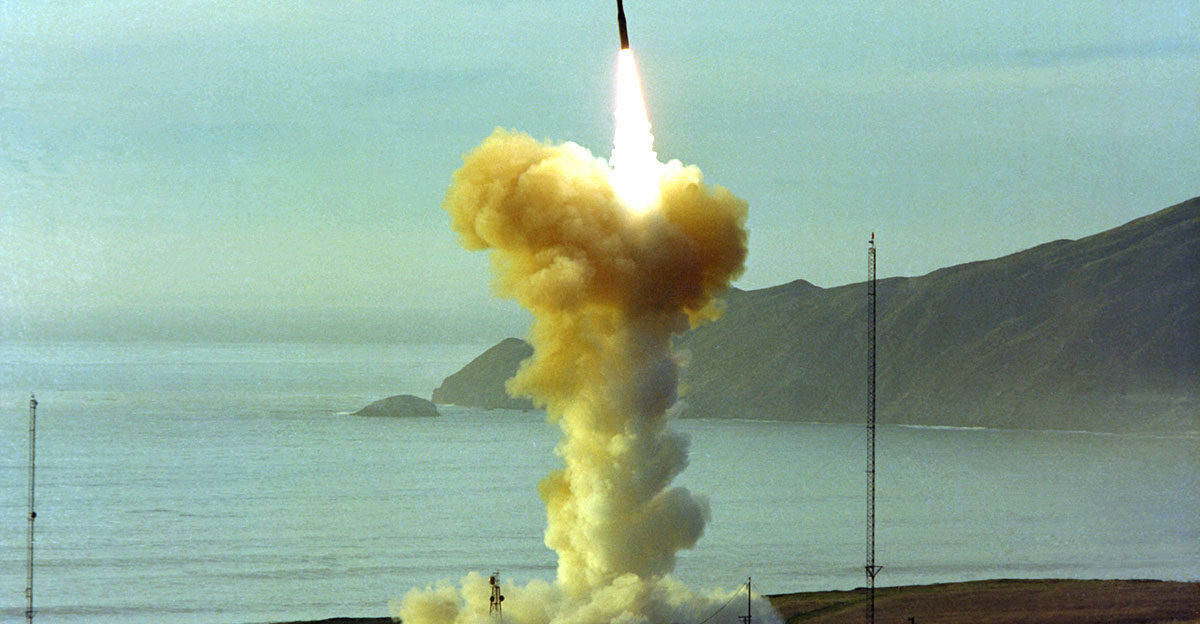
The Minuteman III ICBM launch in November 2025 highlights a complicated strategic reality: the United States struggles with the high cost and technical difficulties of modernization while heavily depending on an antiquated but dependable deterrent system.
This standard, yet crucial, test validates redundant command capabilities essential to strategic stability, assures allies and alerts adversaries, and shows operational readiness. However, it also draws attention to significant dangers, such as diplomatic miscommunications and weaknesses brought about by prolonging the life of Cold War-era technology. The missile’s long-lasting function is a testament to its exceptional engineering as well as the pressing need to responsibly switch to new systems in order to maintain peace via reliable deterrence.