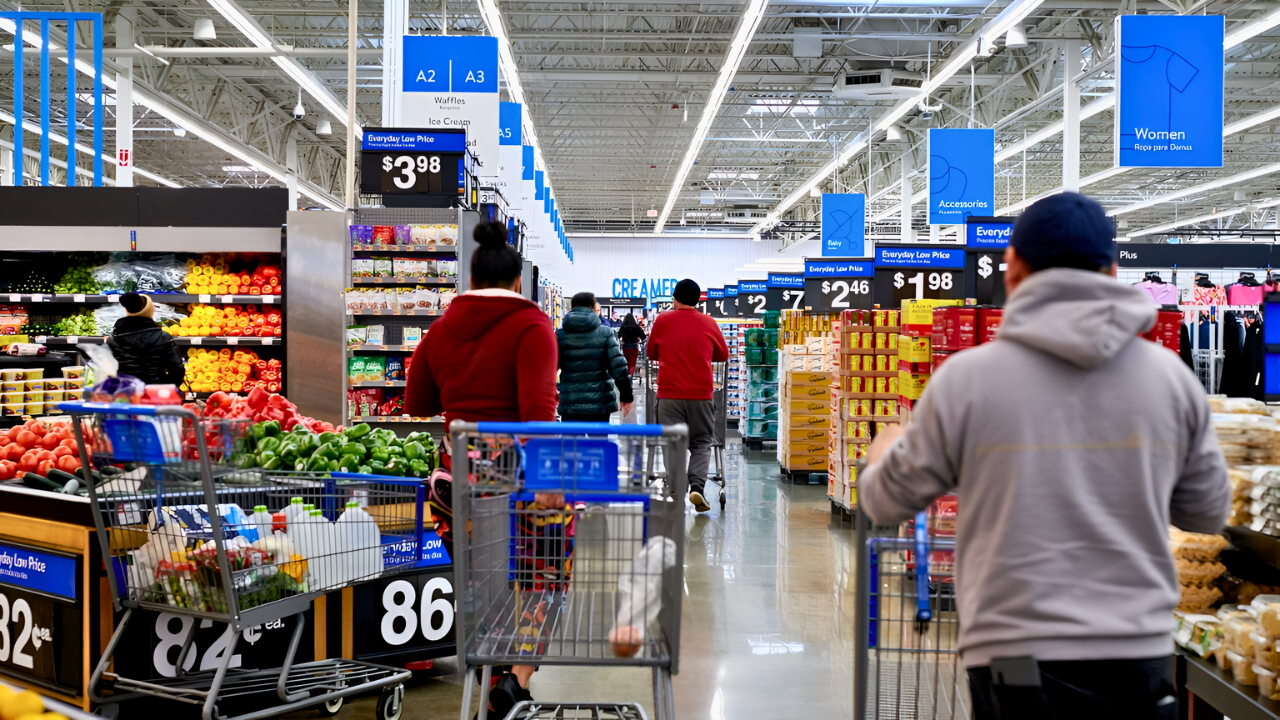
Walmart, the world’s largest retailer, is contending with a dramatic surge in legal expenses, reportedly losing about $4.4 million every day to lawsuits and compliance costs. This mounting financial burden is not isolated—major U.S. retailers across the sector are feeling the ripple effects, with analysts warning that these pressures could soon translate into higher prices for consumers.
As litigation becomes a persistent challenge, the retail landscape is shifting, raising questions about affordability, trust, and the future of shopping in America.
Legal Battles Reshape Retail
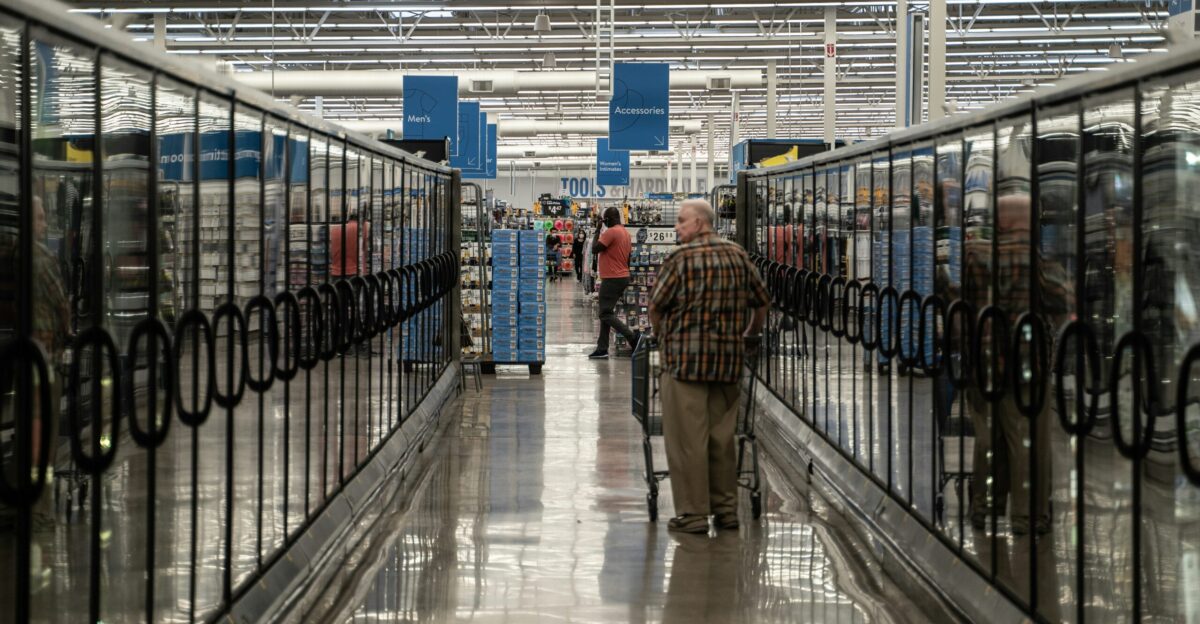
Walmart’s legal troubles are neither new nor unique, but the scale has intensified. Over the past decade, the company has faced a steady stream of lawsuits, ranging from consumer protection violations to employee disputes. Settlements and penalties have grown, forcing Walmart and its peers to devote increasing resources to legal defense and compliance. In August 2025, Walmart agreed to pay $5.6 million to settle allegations of overcharging customers at 280 California stores—a case emblematic of similar legal actions in states like New Jersey and Florida.
These lawsuits are not just costly; they are reshaping how retailers operate. The frequency and size of settlements are forcing companies to rethink everything from pricing to employee training. The financial impact is clear: with millions lost daily, retailers are being pushed to adjust their business models, often at the expense of consumers.
Consumer Trust and Local Impact
For shoppers, the consequences are immediate and personal. Many have noticed discrepancies between advertised prices and what they pay at checkout, fueling frustration and eroding trust. Local officials have echoed these concerns. Santa Clara County District Attorney Jeff Rosen emphasized, “When someone brings an item to the register to be scanned, the price must be right.”
This erosion of trust is not limited to Walmart. Other major retailers, including Target and Kroger, have faced similar scrutiny and are investing in technology to improve pricing accuracy and compliance. Globally, the trend is mirrored in markets like the United Kingdom, where retailers have faced regulatory crackdowns and multi-million-pound settlements over pricing errors and consumer protection violations.
Compliance Costs and Strategic Shifts
The financial toll of litigation is forcing Walmart and its competitors to make significant changes. In June 2024, Walmart agreed to a $45 million class-action settlement over grocery item weights, highlighting the scale of the problem. To address these challenges, Walmart has ramped up compliance efforts, deploying dedicated staff to oversee pricing and product labeling, especially in high-risk states. CEO Doug McMillon has publicly committed to enhancing transparency and operational integrity, with the company investing in training and auditing systems to ensure accuracy and rebuild consumer confidence.
These strategic adjustments are mirrored across the industry. Competitors are racing to implement advanced price-check systems and real-time monitoring tools, aiming to reduce errors and prevent future lawsuits. The stakes are high: as legal costs rise, companies must balance risk management with the need to maintain competitive pricing and customer loyalty.
Internal Pressures and Industry Outlook
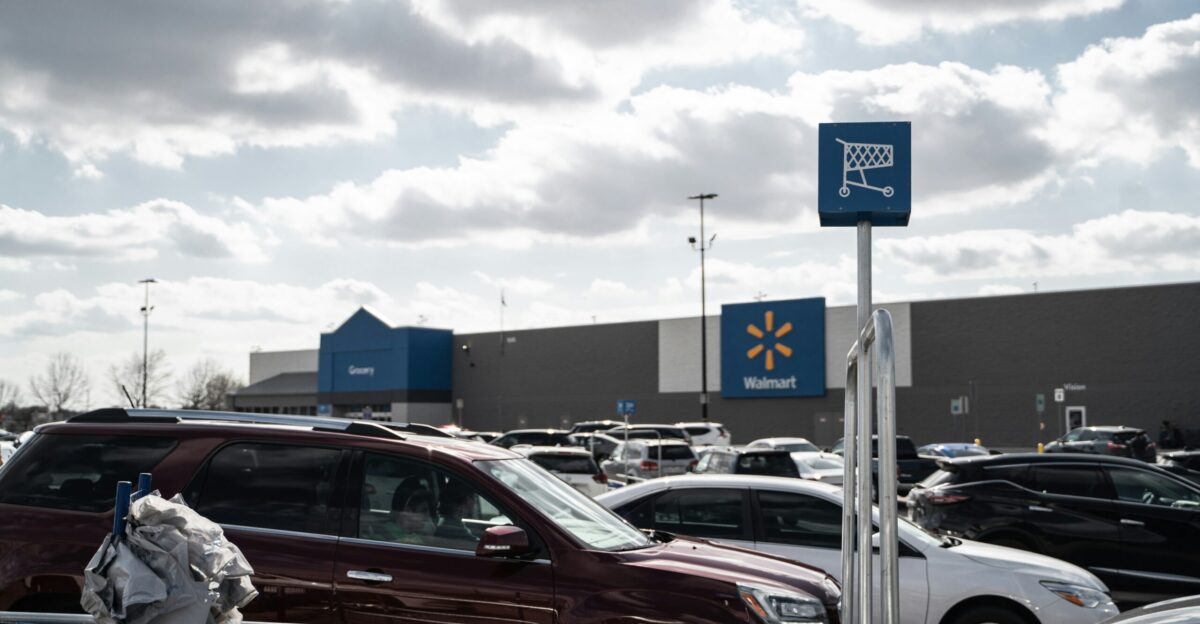
Inside Walmart, the strain is palpable. Executives and legal teams are under pressure to contain costs while maintaining public trust. Employees report that resources are increasingly diverted from core business initiatives to address legal challenges, creating uncertainty and affecting morale.
Experts caution that the litigation trend is unlikely to abate soon. Regulatory bodies and consumer advocacy groups are stepping up enforcement, and new regulations targeting pricing accuracy are on the horizon. Retailers must be proactive—those who adapt quickly and invest in compliance will be better positioned to weather the storm.
Looking Ahead: A New Retail Reality

As Walmart and its competitors navigate this challenging environment, the stakes extend far beyond balance sheets. The industry faces a pivotal moment: will enhanced compliance and transparency be enough to restore consumer trust and stem the tide of litigation? Or will deeper changes to business practices and corporate culture be required?
For now, shoppers remain wary, regulators remain vigilant, and retailers are bracing for a future where legal challenges are a constant companion. The path forward will demand adaptability, innovation, and a renewed commitment to fairness—qualities that will define the next era of American retail.