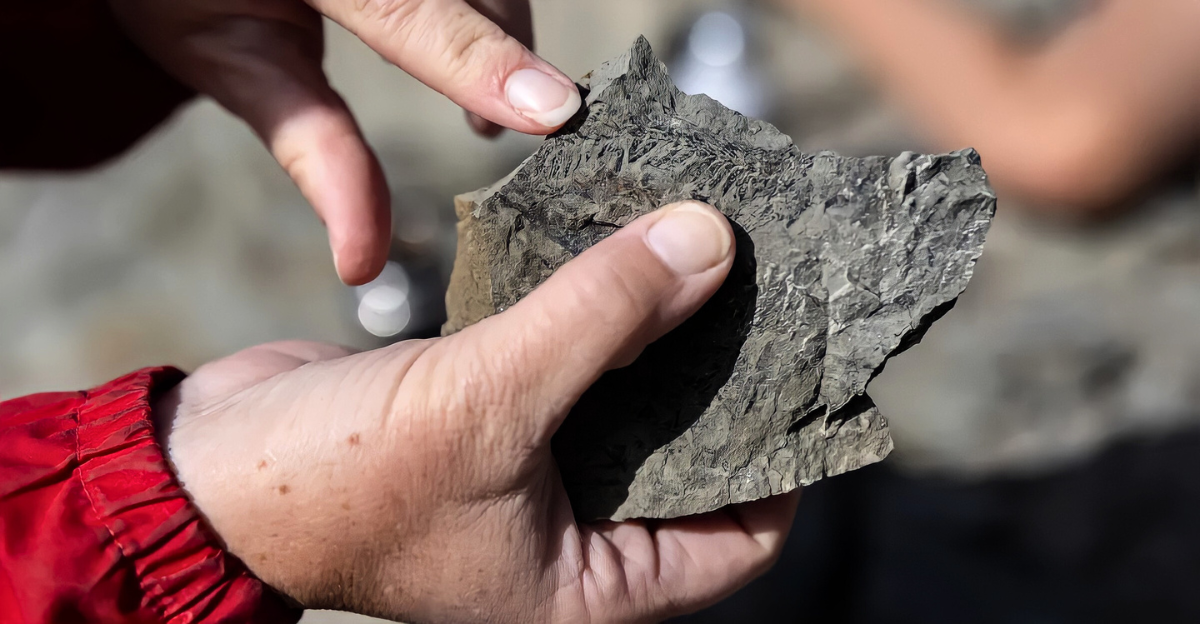
The Canadian Museum of Nature (CMN) houses over 14.6 million specimens, a legacy of centuries of collecting. Among these is a nearly complete ichthyosaur skeleton (catalog CMNFV 40398) first discovered in 1916 by local fisherman Tom Prentice.
For more than a century, this Early Jurassic marine reptile lay hidden in storage. Only in 2025 did paleontologists study its bones and name it Fernatator prenticei.
This discovery reminds us that even long-forgotten museum specimens can yield new science, proving collections still hold treasures worth uncovering. Patient curation is often the key to unlocking scientific surprises.
Research Gap
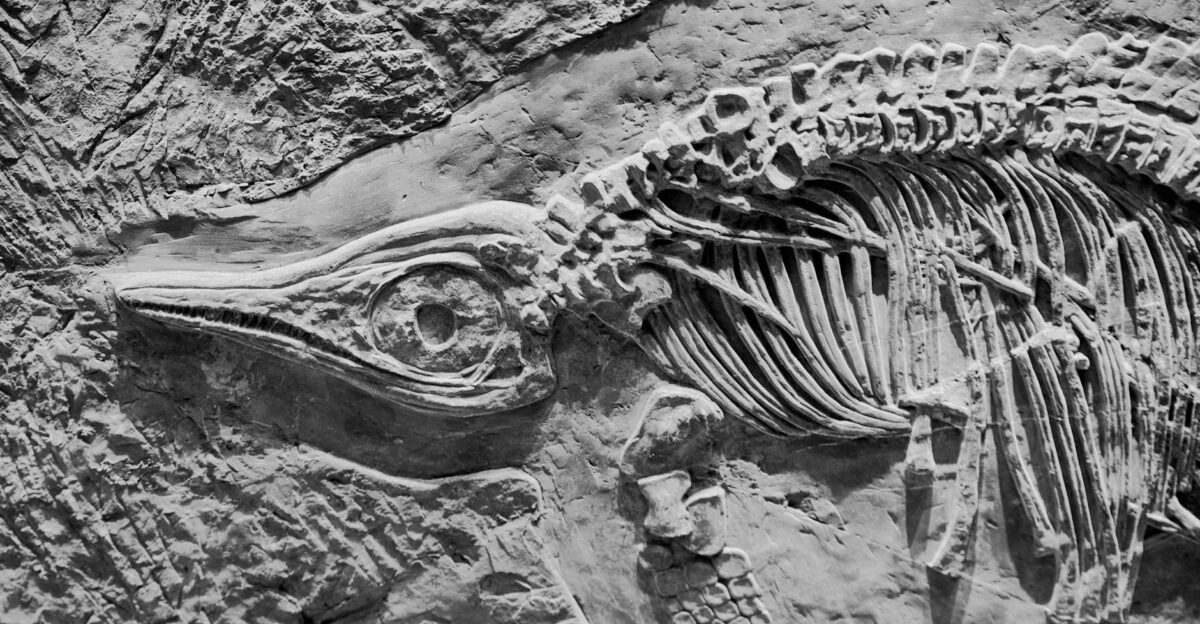
By contrast with Europe’s hundreds of finds, Early Jurassic ichthyosaur fossils from North America have barely been reported. Paleontologists note that “thousands of partial and complete skeletons … have been collected, mainly from the UK and Germany,” whereas “Early Jurassic ichthyosaurs from North America are rare”.
This imbalance leaves big gaps in our understanding of ancient North American seas. The new Fernatator specimen, for example, “represents an important addition to the meagre North American record” of its time.
Each North American find is invaluable for reconstructing the 190-million-year-old marine ecosystem.
Marine Dominance
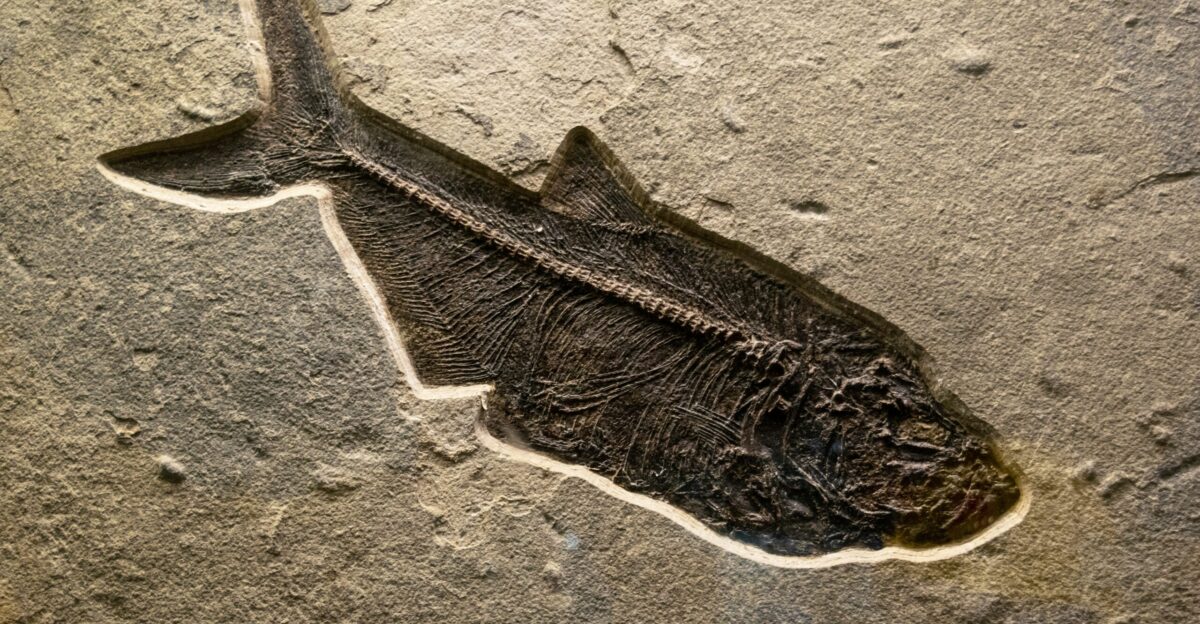
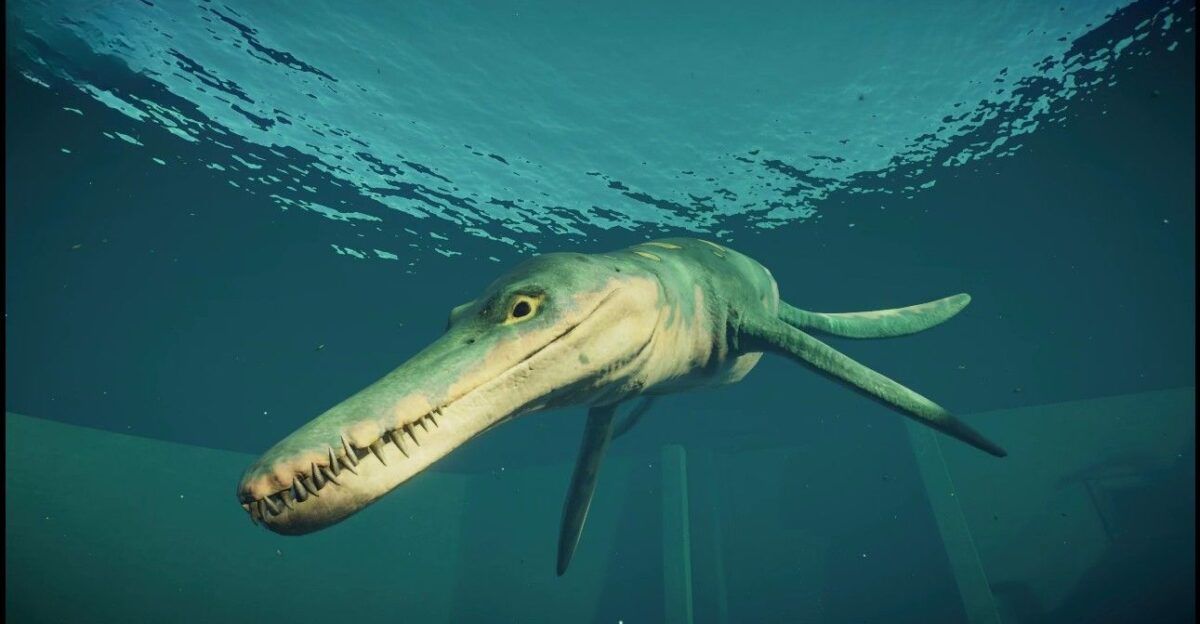
Ichthyosaurs were dolphin-like reptiles that thrived in the Mesozoic seas. “They were important marine predators from the Early Triassic to the beginning of the Late Cretaceous (Cenomanian),” explained ichthyosaur expert Dr. Judy Massare.
In fact, she notes, “They were the dominant large predators in the Triassic and Early Jurassic oceans”.
Over roughly 150 million years, these descendants of land-dwellers evolved streamlined bodies, long tooth-filled jaws, and powerful flipper limbs, fully adapting to aquatic life. By the Jurassic, they had diversified into many forms and ecological roles, ruling ancient seas even before dinosaurs appeared on land.
Collection Pressure
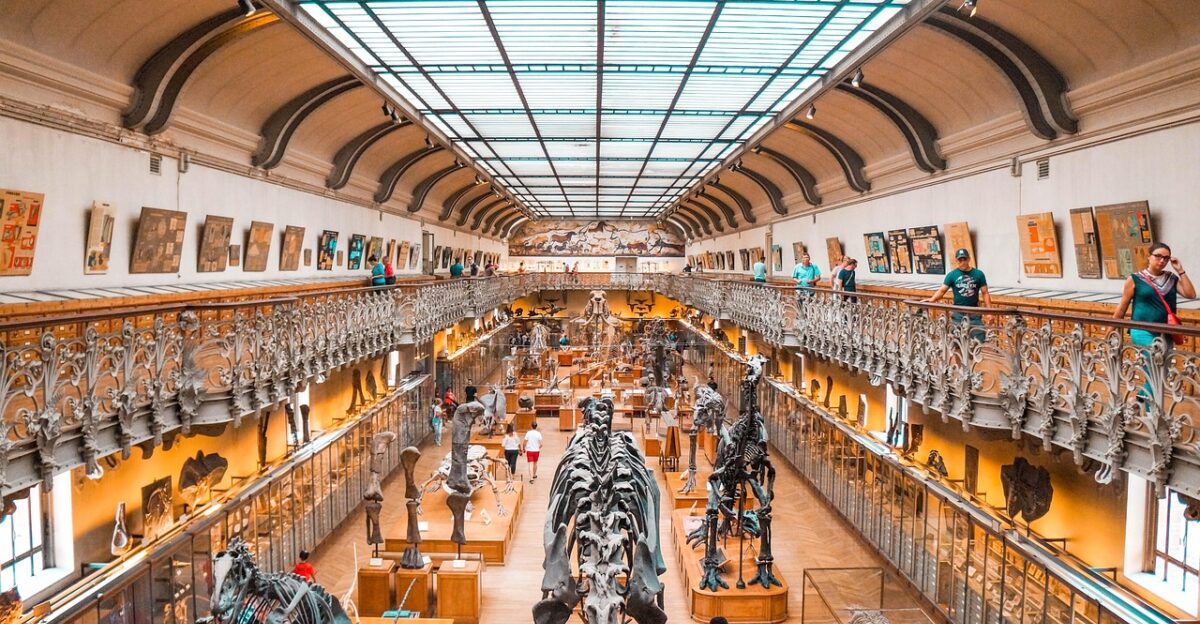
Paleontology collections worldwide are feeling the squeeze from shrinking budgets and storage limits. The Geological Society warns that recent cuts have hit “regional and local museums and collections,” jeopardizing the care of irreplaceable specimens.
In the U.S., the Paleontological Research Institution (PRI) in New York depended on multi-million dollar pledges to stay afloat and warned it could become “unable to cover mortgage costs and other critical expenses” without them.
As a result, many significant fossils remain boxed in drawers. Curators note that valuable specimens often sit decades unstudied simply because grants, staff, and space are lacking.
Fernatator Revealed
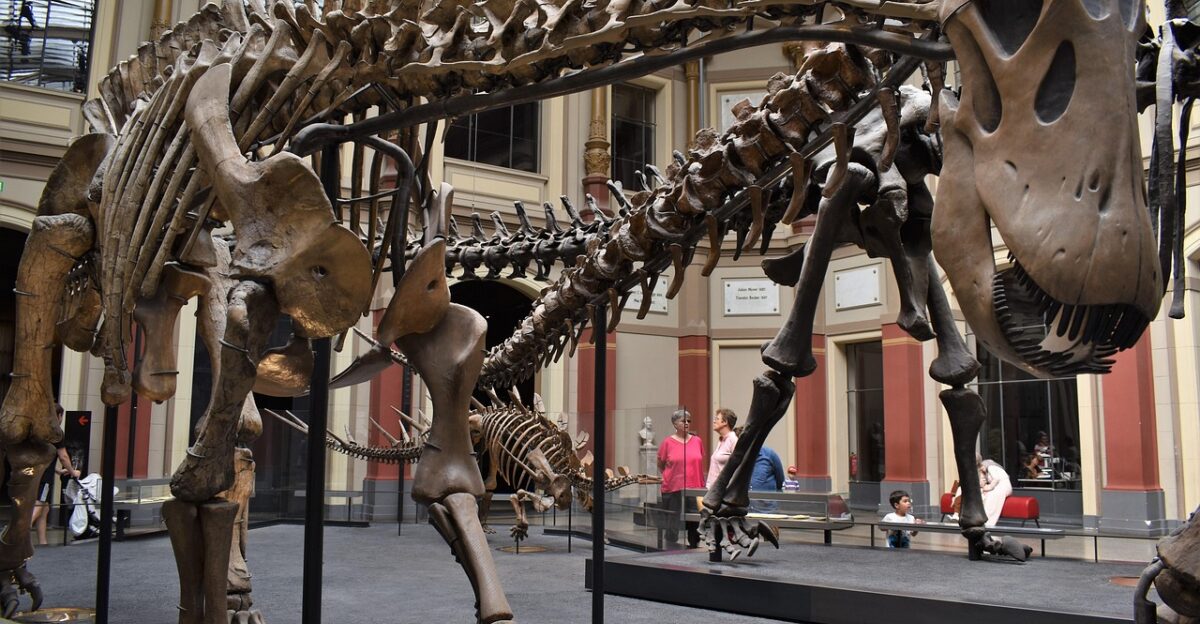
In June 2025, an international team described Fernatator prenticei, naming the new genus for Fernie, BC, and honoring Tom Prentice. At about 3–4 meters long, this ichthyosaur is the most complete Early Jurassic specimen yet found in North America.
SUNY Brockport paleontologist Judy Massare led the study, and Canadian Museum scientist Jordan Mallon noted that its unusual bones made it clearly distinct.
“The formal description of Fernatator prenticei marks a significant addition to the remarkably sparse record of Early Jurassic ichthyosaurs in North America,” Mallon said. The discovery shows that Canada’s Jurassic seas held predators as diverse as those of Europe.
Regional Impact
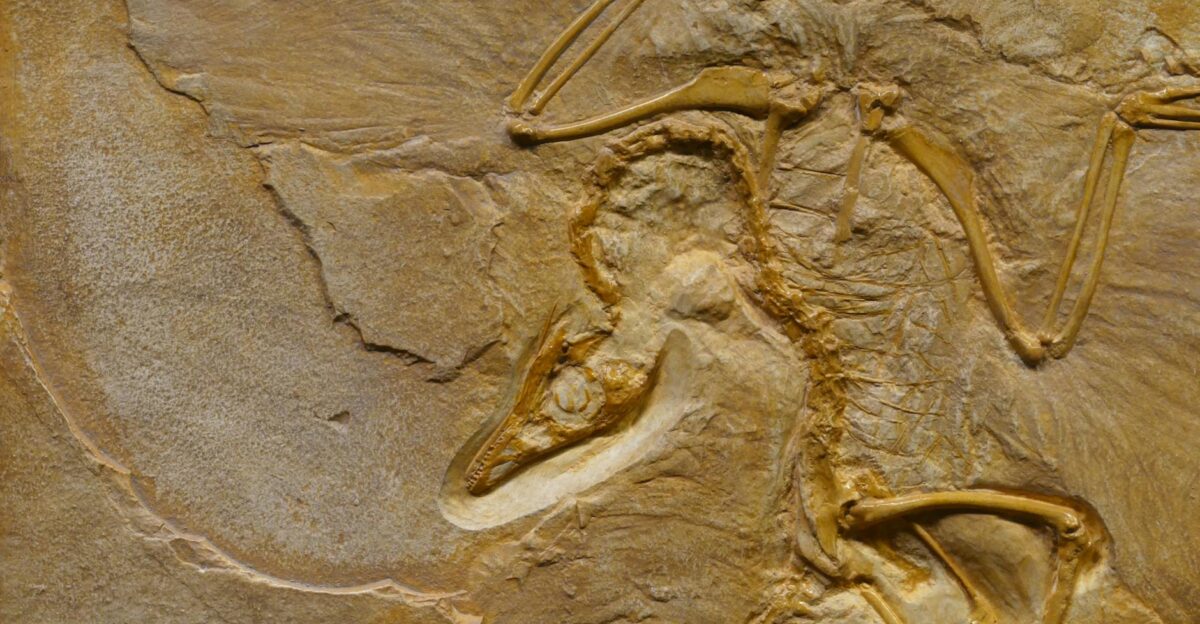
The fossil comes from the Fernie Formation, a Jurassic rock unit stretching across western Alberta and northeastern British Columbia. Named after the town of Fernie, this formation was laid down in the ancient Sundance Sea.
Its dark marine shales and limestones are rich in fossils (ammonites, bivalves, fish, and reptiles) that capture snapshots of Jurassic marine life.
The Elk River site where Fernatator was dug lies within these offshore sediments. In short, the Fernie Formation provides a crucial window into the Early Jurassic ocean environments of western North America.
Human Story
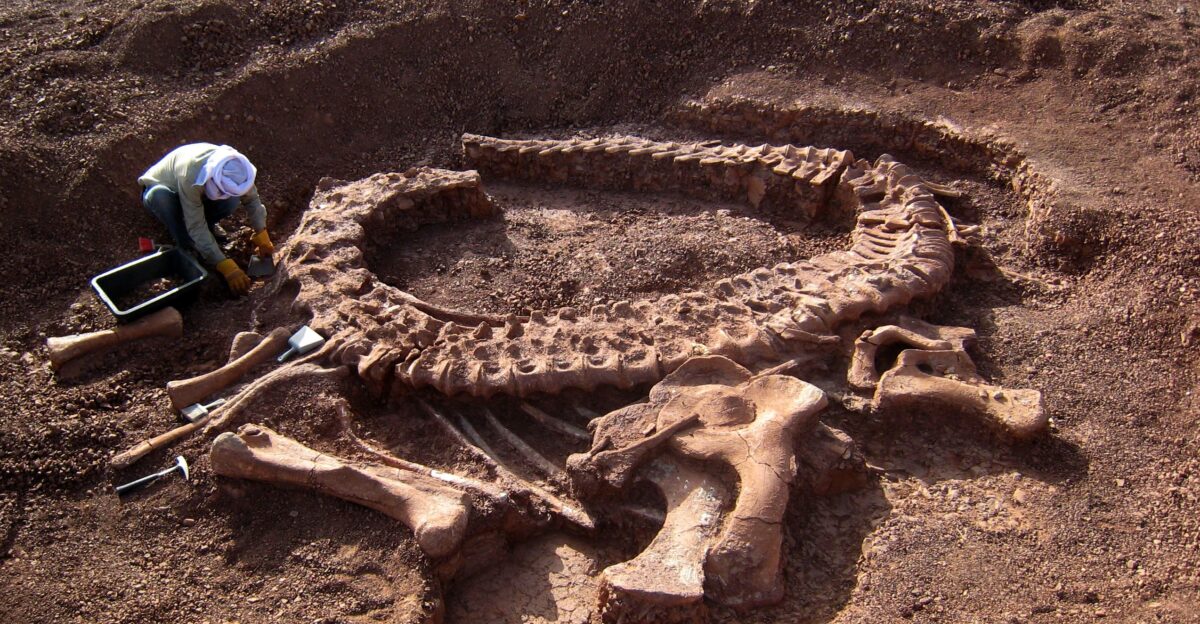
A century ago, local man Tom Prentice stumbled upon this fossil while fishing the Elk River in 1916. The incomplete skeleton eventually made its way to CMN, but its exact locality was long forgotten.
Dr. Jordan Mallon describes it as “a curious ichthyosaur with various unusual features”, reflecting researchers’ surprise when they finally examined it.
Decades later, in the 1990s, paleontologist Bob Morris recognized the original dig site from an old photograph. These events – a fisherman’s chance discovery, decades of patient curation, and eventual detective work – spanned 109 years from initial find to scientific publication.
Scientific Competition
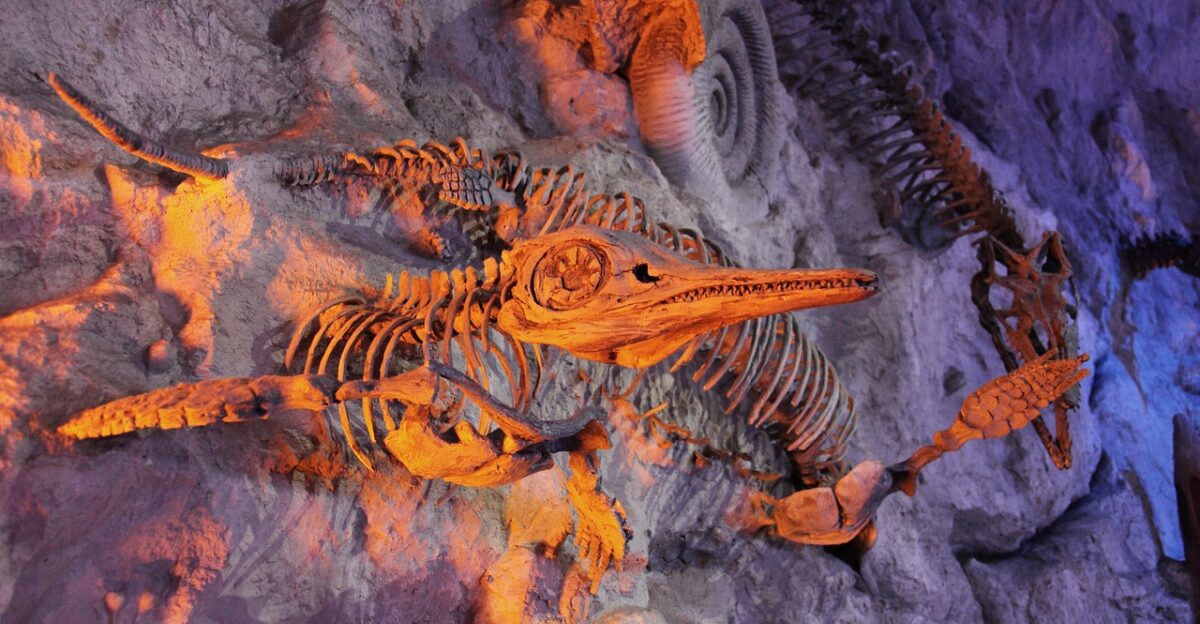
Ichthyosaurs eventually gave way to other marine predators. Some old theories blamed increasing plesiosaur and mosasaur competition, but recent work highlights climate and evolutionary factors. A 2016 Nature Communications study found that ichthyosaurs remained diverse into the Late Cretaceous, but their evolutionary pace had slowed dramatically.
Scientists showed that ichthyosaur extinction rates spiked during periods of “environmental volatility,” with diversity crashing in two phases amidst rising sea levels and unstable oceans.
Profound climate swings rather than a single event drove their decline, offering a deep-time lesson on how marine ecosystems react to environmental upheaval.
Global Context
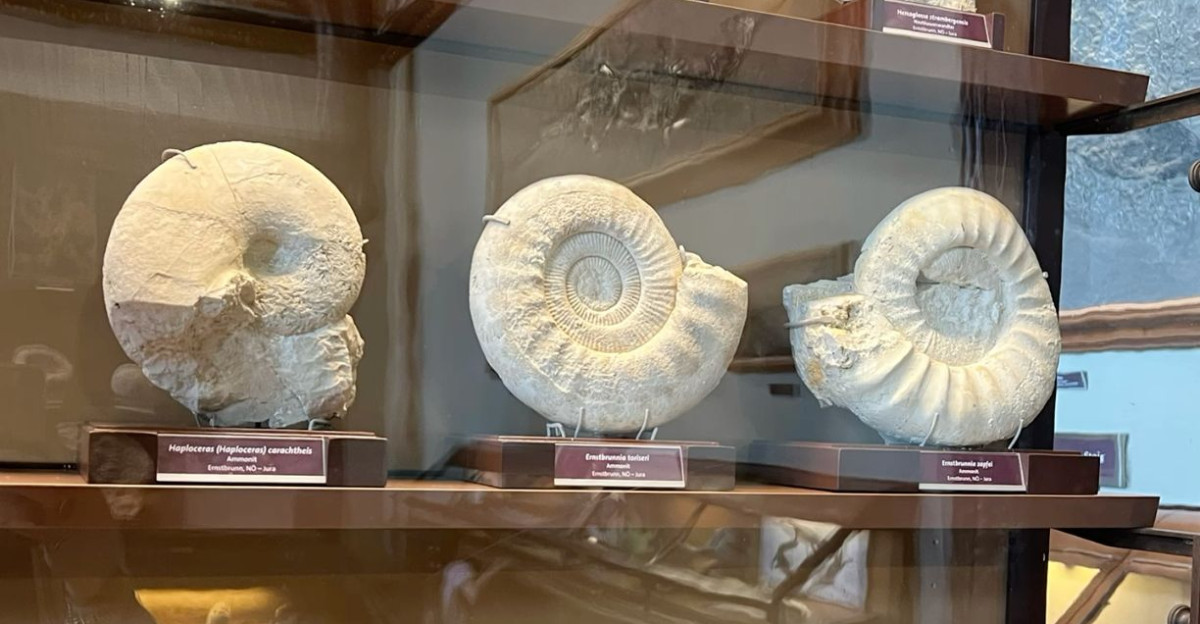
Collections like CMN’s are part of an immense global archive. The CMN’s own vertebrate fossil collection holds over 61,620 specimens. Worldwide, museums have amassed millions more, spanning the history of life.
New technologies let scientists revisit these archives. CT scanning, 3D imaging, and molecular analysis can uncover details hidden in century-old fossils, and large digitization projects are making specimens accessible online.
Fernatator’s story fits this trend: a long-dormant specimen finally yielded its secrets when modern tools and international collaboration brought it into focus.
Anatomical Secrets
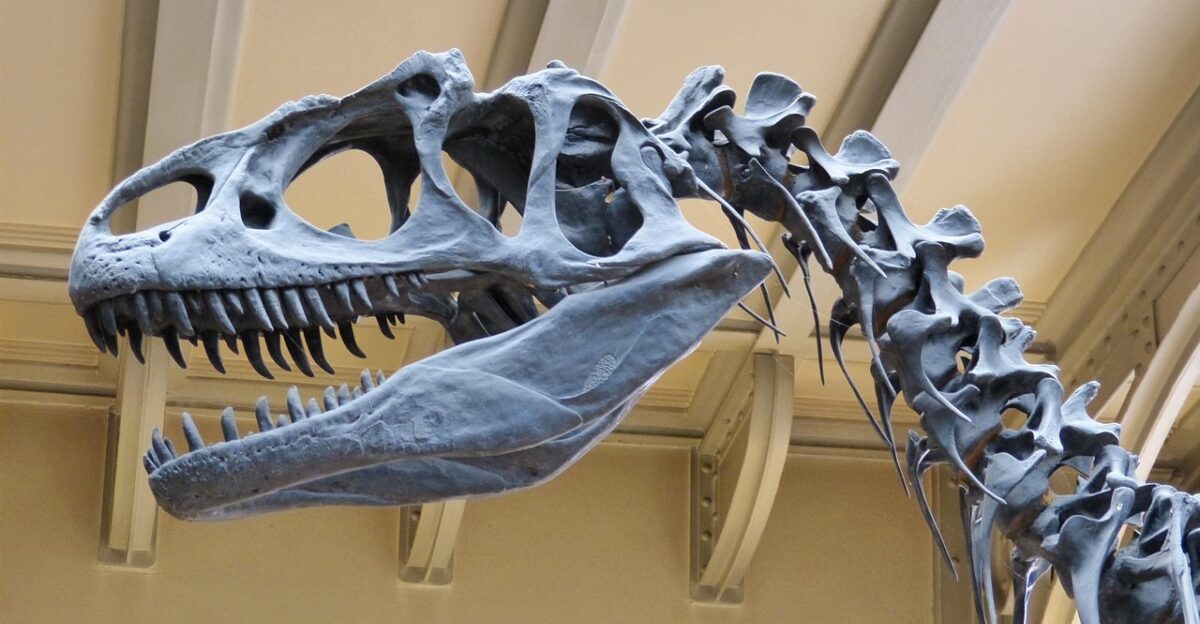
Fernatator’s skeleton hides several surprises. Dr. Mallon points out that the upper jaw bone (maxilla) is “quite long,” and the rear orbital bones join in an unusual “butt joint”.
The formal description also notes that its shoulder blade (coracoid) has “a broadly curved lateral edge and a deep anterior notch” – a combination not seen in any European ichthyosaur.
This reptile’s skull and shoulder bones bear unique shapes that set it apart. These anatomical quirks clinched the case for a new genus. Researchers will continue studying its other bones (fins, vertebrae, etc.) for further clues.
Institutional Strain

Even as collections grow, museum budgets often do not. The PRI crisis highlighted how funding gaps can stall science.
Many institutions lack enough curators and lab resources, so important fossils may “sit for decades” before someone has funding and time to study them.
Without dedicated staff to prep, catalog, and analyze specimens, even “remarkably preserved” fossils can languish in storage. Curators note that this backlog is a chronic bottleneck: valuable fossils often wait a generation or more for detailed study simply because support is scarce.
Leadership Recognition
The Fernatator discovery owes much to unexpected collaboration. At a paleontology banquet, Mallon showed SUNY Brockport’s ichthyosaur expert Judy Massare a photograph of the specimen.
Massare’s curiosity led her to Ottawa (with museum support) to study the bones in person. In short, identifying Fernatator required teamwork across borders: a Canadian curator’s context paired with an American researcher’s ichthyosaur expertise.
Mallon later reflected that it took that cross-border spark to recognize the fossil’s importance. Their story shows how combining international expertise can unlock hidden scientific gems.
Research Revival
The formal naming of Fernatator has spurred renewed attention to North American Jurassic marine reptiles. It exemplifies a trend in paleontology: re-examining museum collections for new discoveries.
As one museum press statement put it, this ichthyosaur “provides crucial new data” on reptile evolution and “demonstrates the timeless value of museum collections”.
Many researchers now pair modern tools with old fossils, mining archival material instead of only doing new fieldwork. By maximizing scientific output from existing collections, paleontologists are filling gaps in the record faster than ever.
Expert Outlook
Modern researchers stress that museum specimens often repay patience. As Edward Stanley (Florida Museum) put it, “When people first collected these specimens, they had no idea what the future would hold for them”.
Decades later, the same fossils can yield new insights thanks to tools like CT scanning. The Fernatator case is a perfect example: careful curation and teamwork transformed a 1916 find into a new species.
Experts say this underlines the value of maintaining collections for when tomorrow’s techniques reveal their hidden information.
Future Questions
The Fernatator case begs a big question: how many other significant fossils lie unrecognized in museum drawers? Researchers are now scouring collections with new imaging and analyses.
As paleontologist Victor Beccari remarked about his own museum rediscovery: “There are also still a number of undescribed specimens that may also represent new species… even though many of these fossils were discovered almost two centuries ago, there’s still a lot they can teach us”.
Even long-studied collections may conceal novel finds. The combination of advanced scans, chemistry, and fresh field data could unearth many more “hidden gems” from familiar cabinets.
Policy Implications

This discovery also highlights why policy matters. Museums and their collections are “a great national asset” for research, education, and cultural heritage, yet many now face deep budget cuts.
The Geological Society notes that funding reductions have put “regional and local museums and collections” under strain.
Public support directly affects how many fossils can be studied and shared. Paleontologists warn that without government investment in natural history museums and digitization programs, important specimens – and the data they hold – risk being lost before science can examine them.
International Reach
The Fernatator study involved both Canadian and American scientists, underscoring paleontology’s international nature. Fossils routinely travel across borders for analysis, and many grants now explicitly fund global teams.
For example, the Paleontological Society’s Sepkoski Grants support researchers in South America, Africa, and Southern Asia, fostering worldwide collaboration.
This means shared expertise and specimens: if one museum lacks funds to study a specimen, colleagues overseas may help out. As budgets tighten globally, paleontologists say such cross-border teamwork is now essential to advance our understanding of Earth’s past.
Environmental Context
How marine reptiles respond to change is another lesson here. Scientists have found that ichthyosaurs did not disappear in one flash, but rather suffered two waves of extinction linked to environmental upheaval. In the Late Cretaceous, rising seas and wild climate swings drove their decline.
One study showed ichthyosaur extinction rates closely tracked “environmental volatility,” with reptile diversity crashing during periods of rapid warming and sea-level rise.
This deep-time pattern provides a cautionary analogue: understanding how ancient species reacted to past climate change can inform how modern marine ecosystems might handle today’s rapid changes.
Cultural Significance
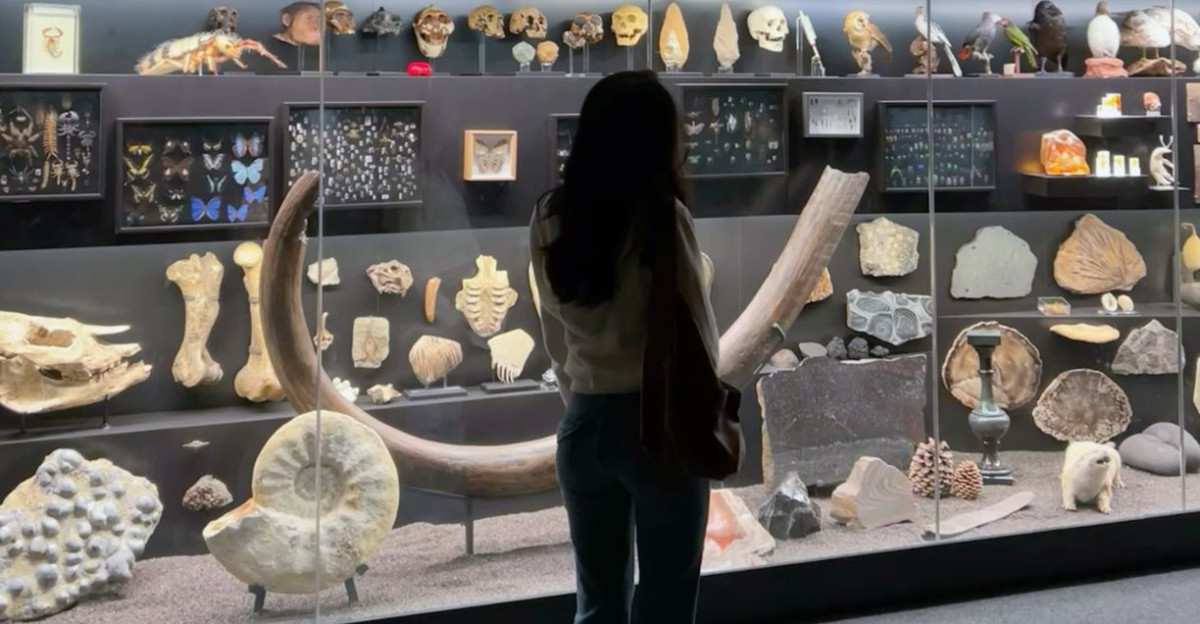
Natural history discoveries also captivate the public. Museums use fossils like Fernatator to connect visitors with Earth’s history. As the U.S. National Park Service notes, paleontology collections “provide a more equitable experience for scientists and museum guests alike” by giving access to rare specimens.
Exhibits built around such finds spark public interest and education. By turning scientific data into engaging stories, paleontology bridges the lab and the museum.
Fernatator’s story will likely boost awareness of Canada’s deep past. Experts emphasize that this shared cultural heritage needs public support: without it, these scientific treasures might never reach (or inspire) the people they’re meant to engage.
Legacy Reflection
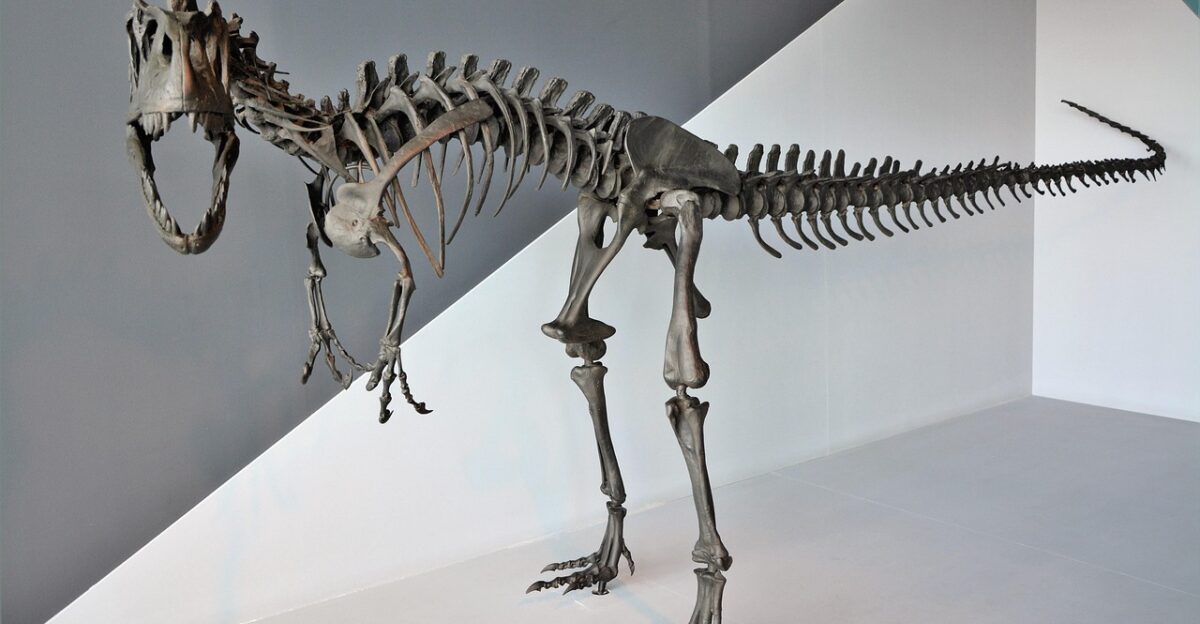
Each specimen is, as one expert put it, “a physical snapshot of a species or community at a particular point in time and space”.
Fernatator’s century-long journey from discovery to description shows how patience and the right expertise can unlock those snapshots. In the words of Victor Beccari, even fossils collected two centuries ago “still have a lot they can teach us”.
Many scientific treasures quietly wait on museum shelves, ready for the right moment and person to reveal them.