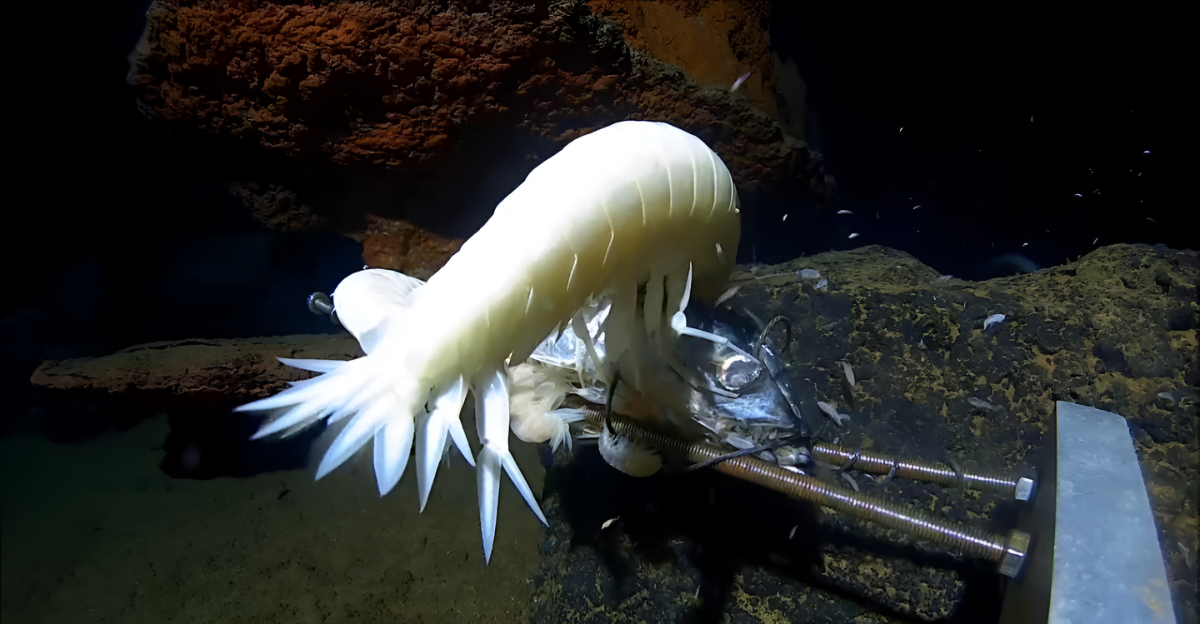
Oceans cover the majority of our planet, yet much of their depths remain shrouded in mystery. Scientists have long spotted enormous crustaceans in these remote waters, but they were believed to be extremely rare.
Recent research, however, suggests these giants may be far more common than previously thought, quietly thriving in places humans rarely explore.
How do they survive such extreme conditions? And why have we barely seen them? Studies of a giant deep-sea amphipod are beginning to reveal answers. This discovery reminds us that the deep ocean still holds countless secrets waiting to be uncovered.
A Hidden World
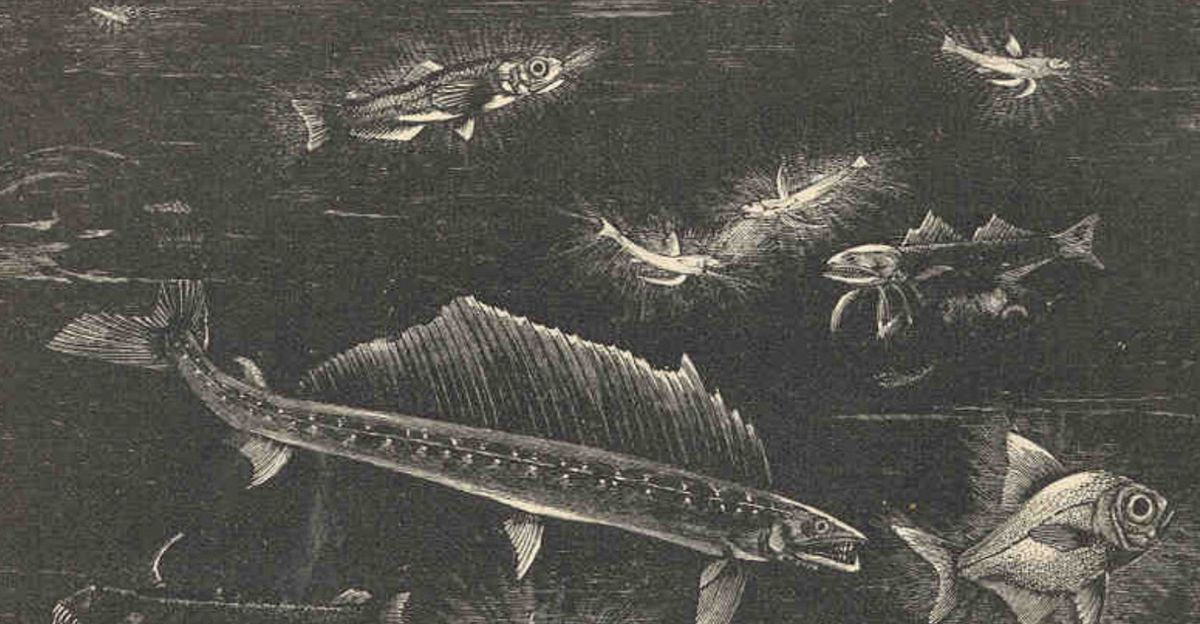
The deep ocean is hard to explore. It’s dark, freezing, and the pressure is severe. Many animals, some still undiscovered, live there. Supergiant crustaceans like Alicella gigantea stay hidden because humans just can’t reach them easily.
First Sightings
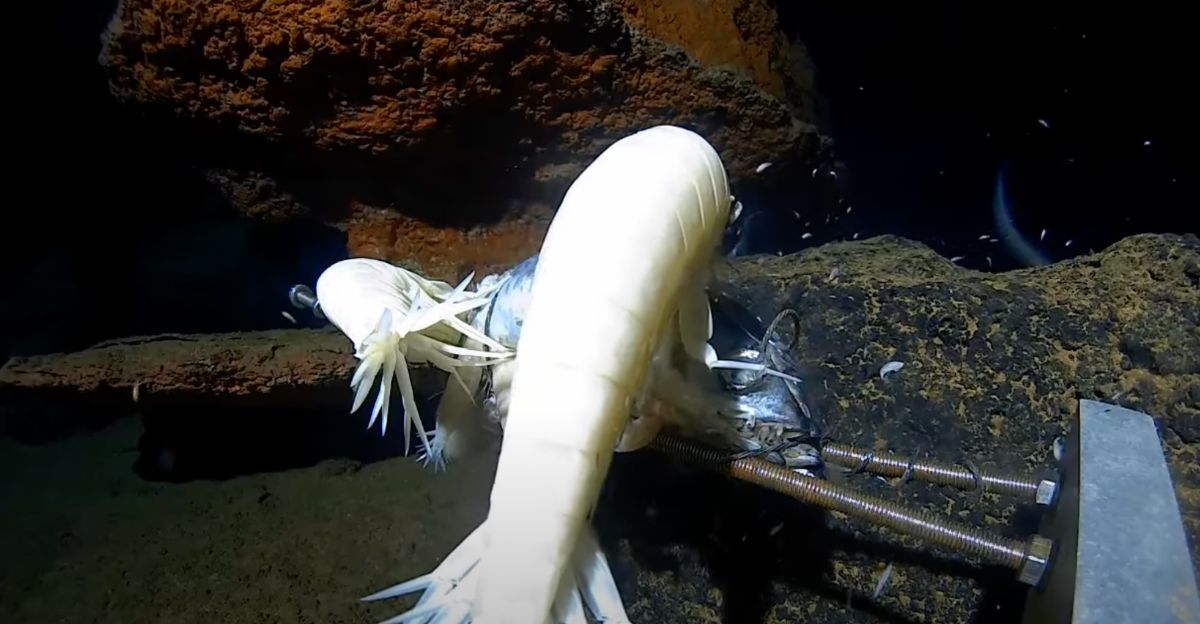
The supergiant amphipod, Alicella gigantea, was first filmed in the 1970s at over 5,300 meters deep in the North Pacific.
There weren’t many sightings back then, so scientists thought it was extremely rare. Limited tools made it hard to know how many really existed.
The Supergiant
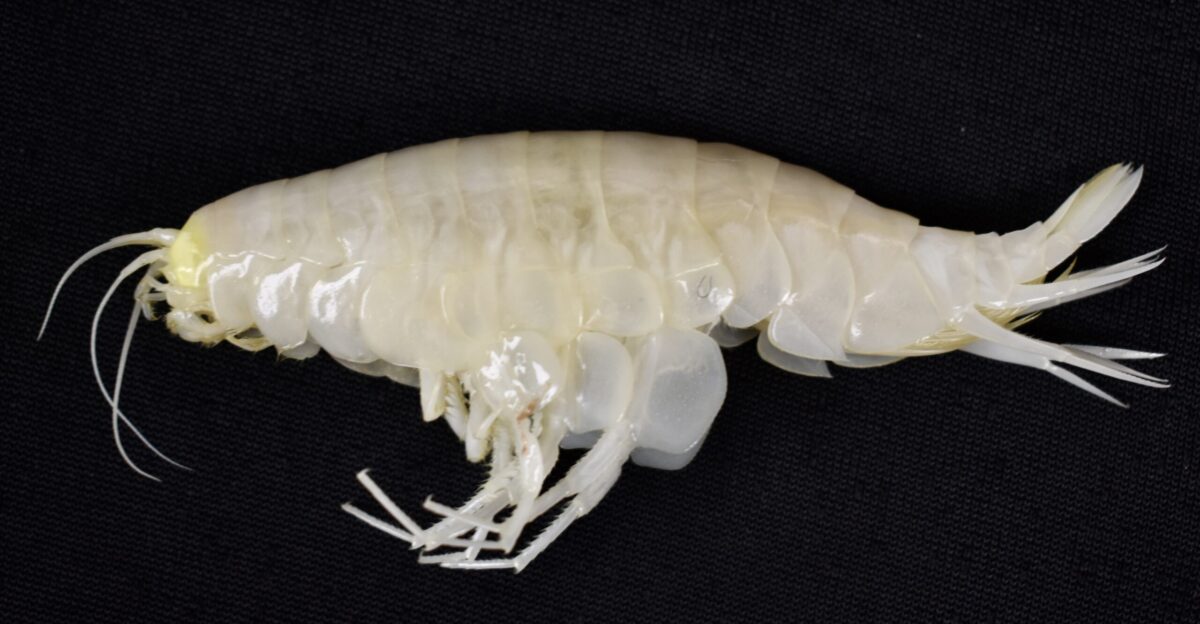
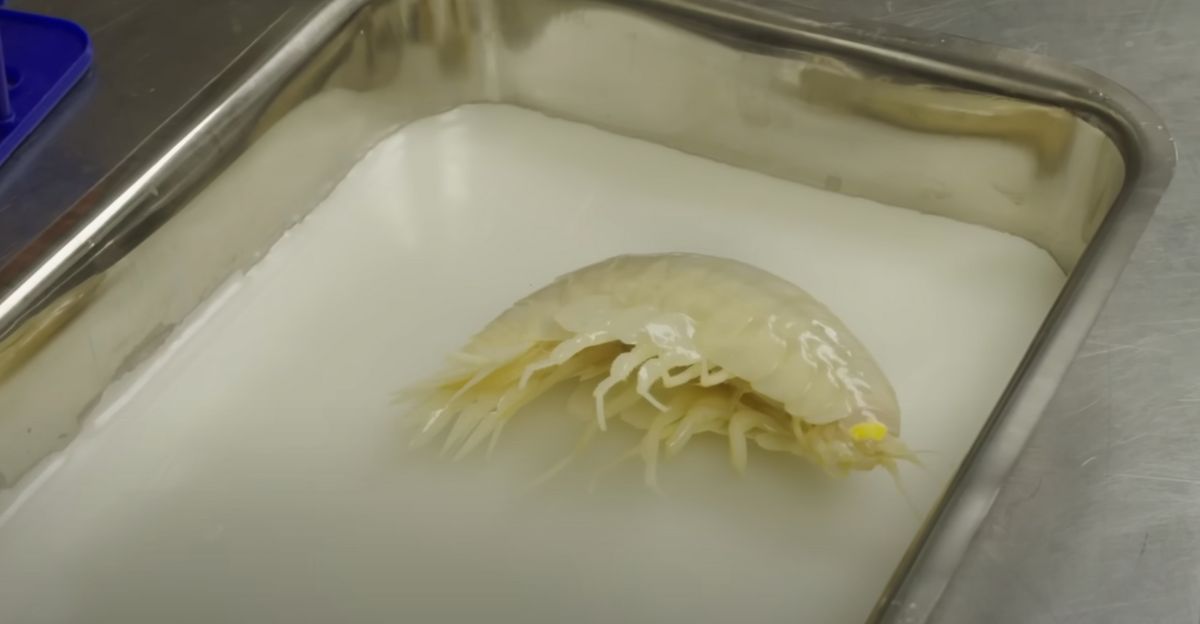
Alicella gigantea can grow up to 34 centimeters, about the size of a bread loaf. It has a curved body and many legs that allow it to crawl along the seafloor. Even though it’s big, it blends in and is easy to miss.
Found Everywhere
New studies show A. gigantea may live in almost 60% of the world’s oceans. Researchers used records from 75 spots and DNA testing to map where it lives. It avoids the Arctic, Antarctic, and Mediterranean, but survives in deep waters across the major oceans.
How Scientists Study Them
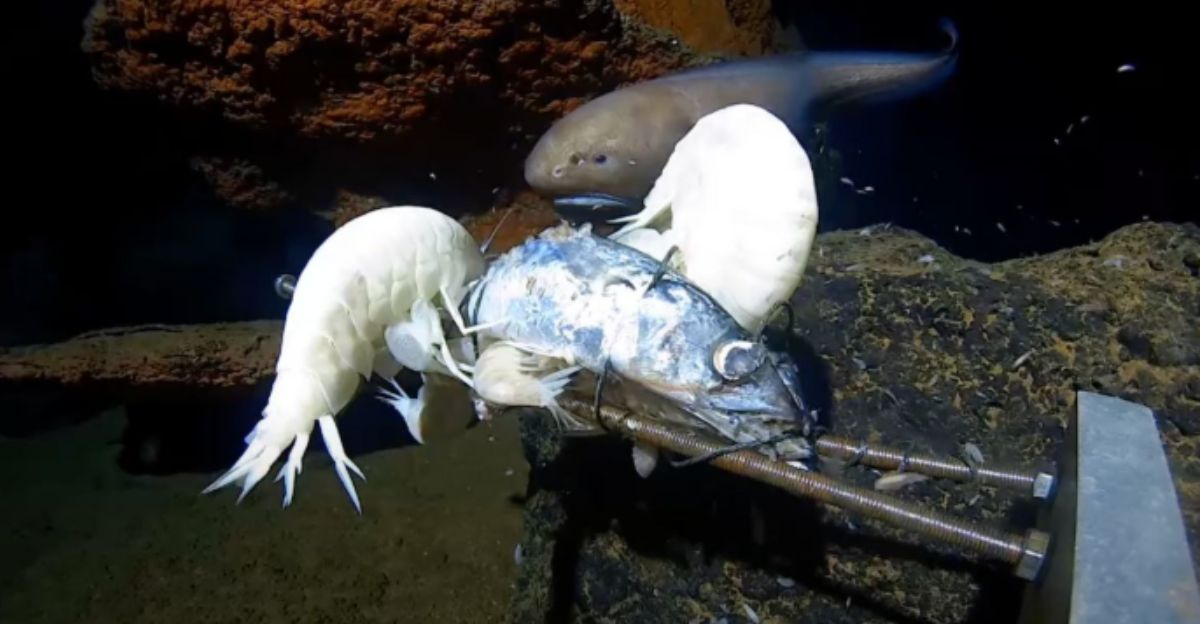
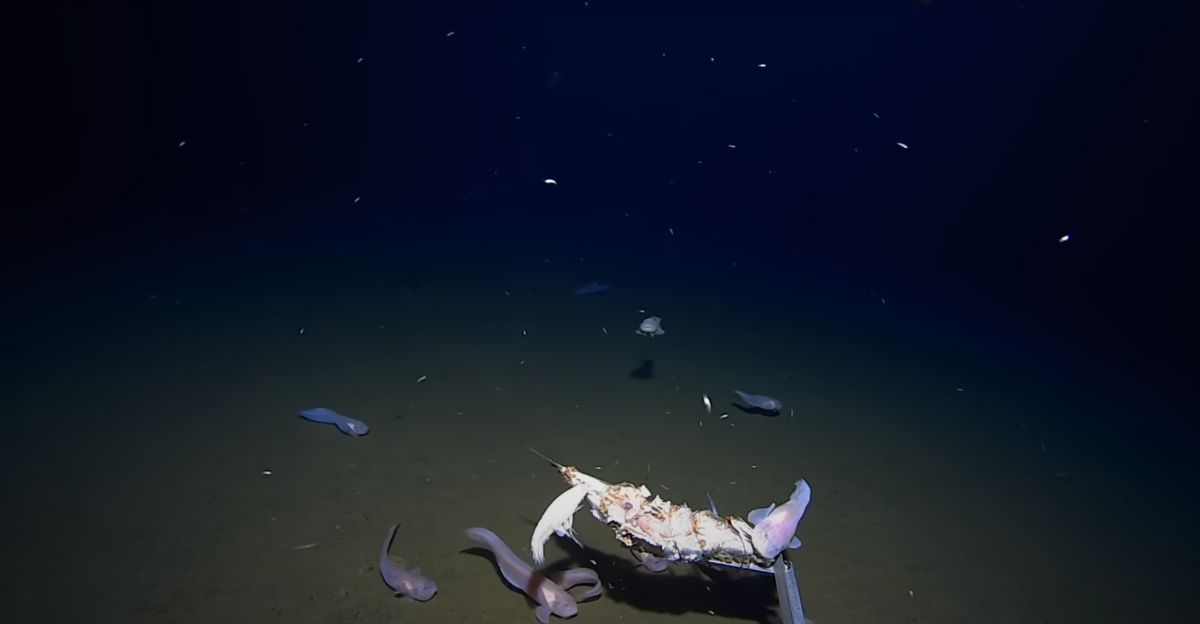
Researchers use special landers with traps baited with fish to catch these amphipods. This lets scientists study them without disturbing the area. DNA tests confirmed they are the same species in different parts of the world.
Low Numbers, Big Range
Even though they live in many places, there aren’t many in each area. That’s why they seemed rare. Their ability to survive in low numbers shows they are well-suited to life in deep water with little food.
How They Eat
Supergiant amphipods are scavengers. They eat food that sinks from shallower water, like dead fish or debris. Their slow metabolism and careful movement help them survive with limited food.
Built to Survive
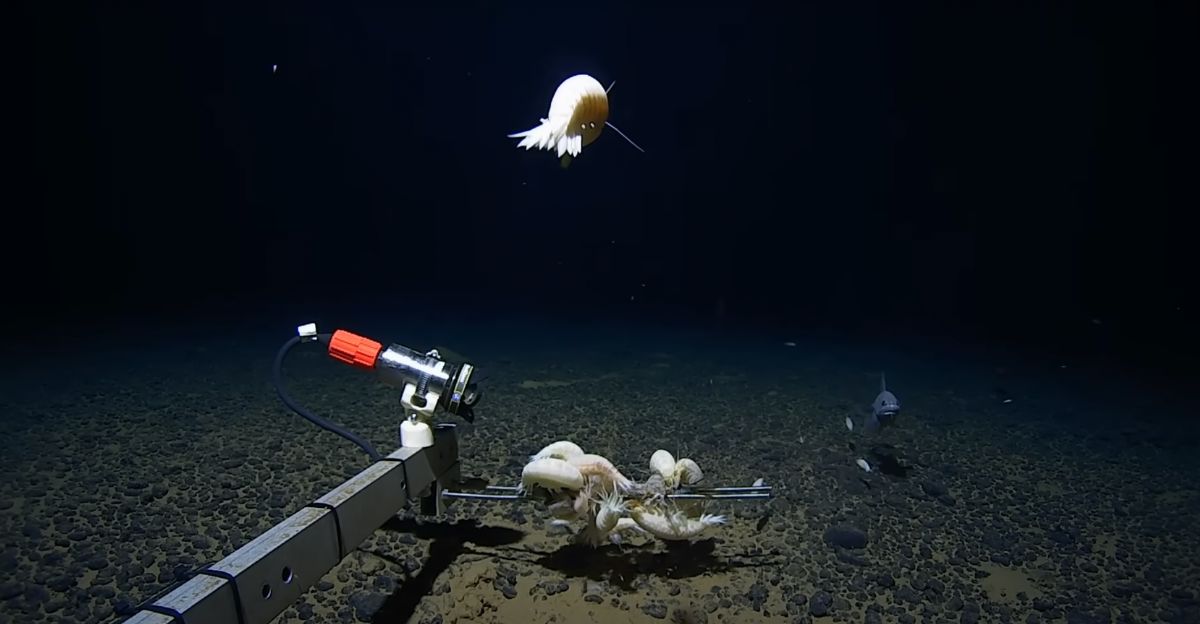
A. gigantea has a flexible shell and long legs to move along the seafloor. Its body can handle extreme pressure and cold water. These traits help it live in very deep ocean areas.
Depth Range
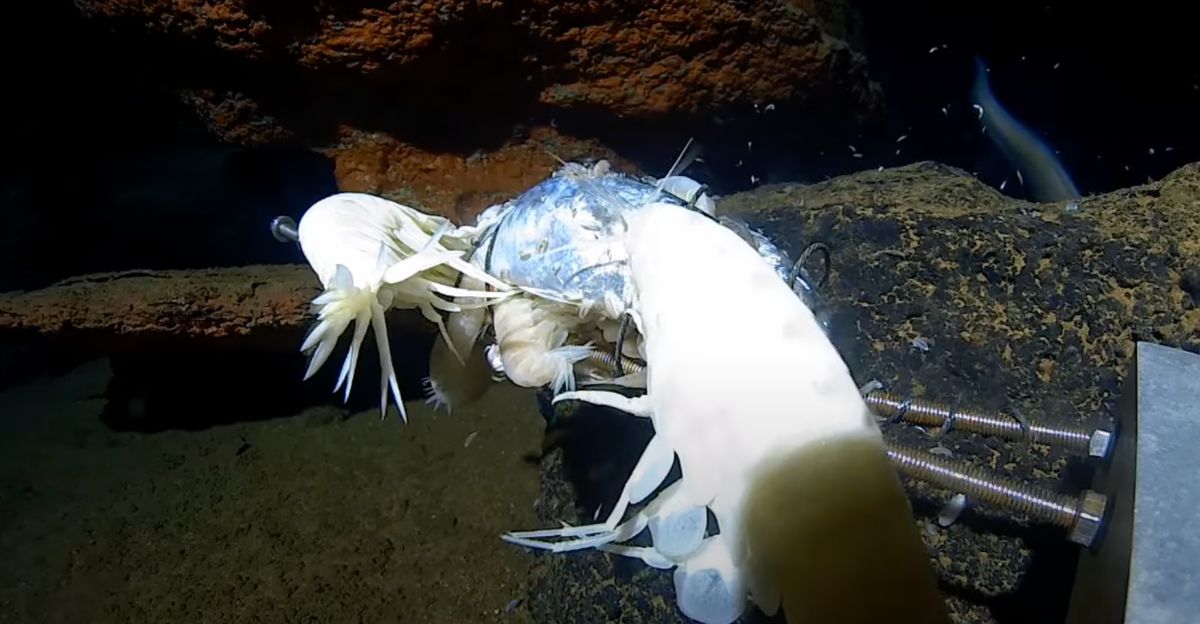
They’ve been found from 5,000 to almost 6,800 meters down. They can handle changes in pressure, oxygen, and temperature. The deep ocean has very little food, so survival is tough.
A Big Study

The study looked at 195 records worldwide. Combining older sightings with new samples gave the largest dataset for any amphipod. This gave a clearer picture of where they live.
DNA Proof
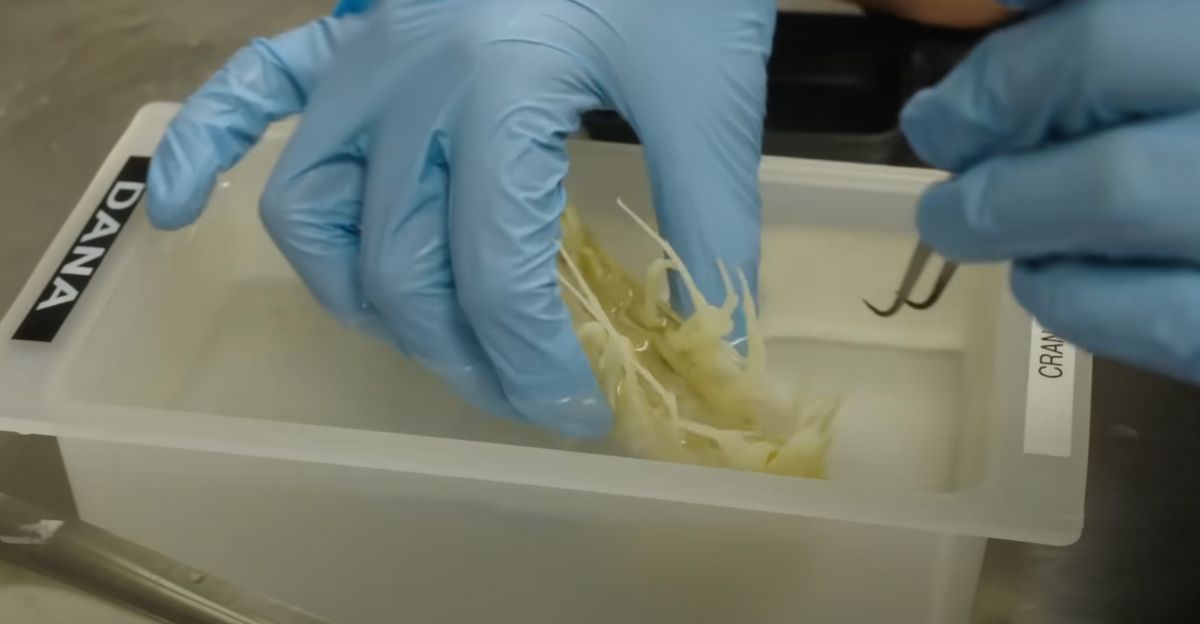
DNA tests showed all specimens belong to the same species. Even though populations are far apart, they are genetically very similar. Ocean currents or drifting larvae may connect them.
Pacific Ocean
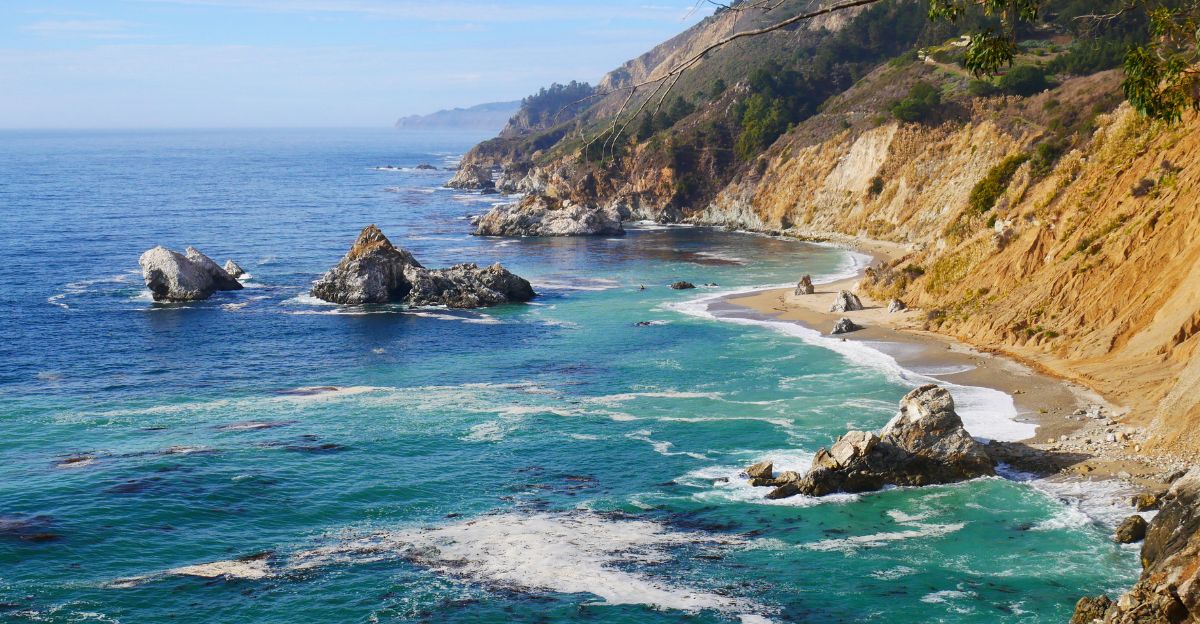
The Pacific has the biggest suitable habitat, over 104 million km². The Atlantic is next with about 47 million km². Other oceans have smaller areas, partly because there are fewer samples and different seafloor landscapes.
Small Mediterranean Range
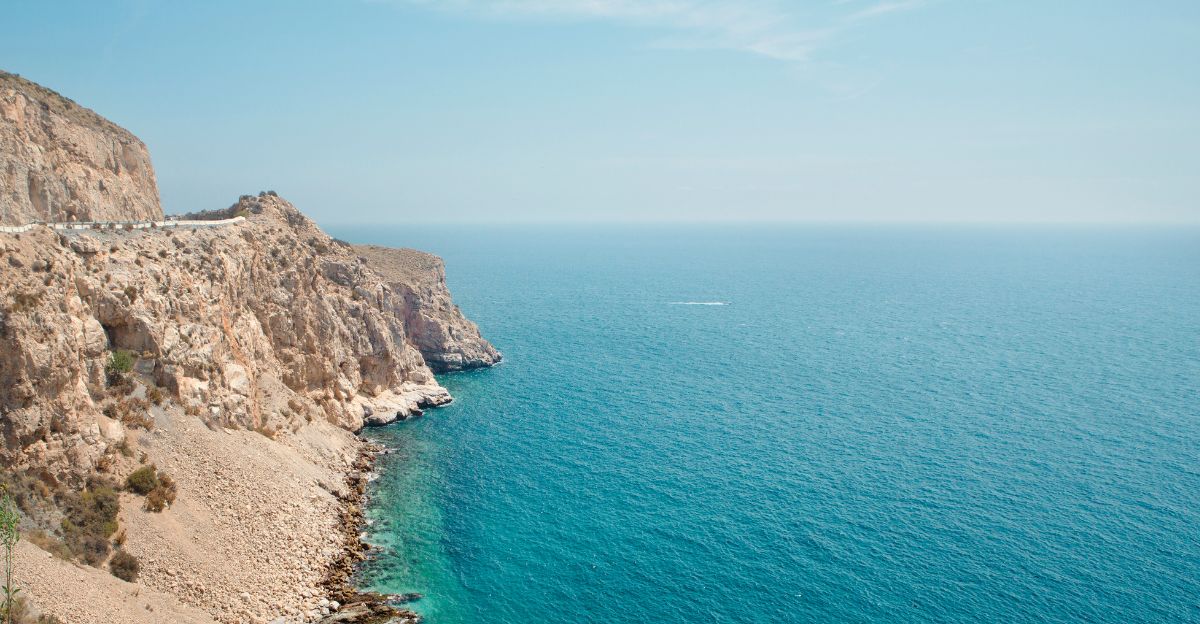
The Mediterranean has the smallest suitable area, around 30,000 km². Its shallow deep zones and warmer water make it less ideal. Limited space explains why they aren’t evenly spread.
Not So Rare
The species seemed rare because it was hard to see. In truth, its low numbers and hidden habitats caused this. Modern studies show it is actually widespread, even if elusive.
Why It Matters
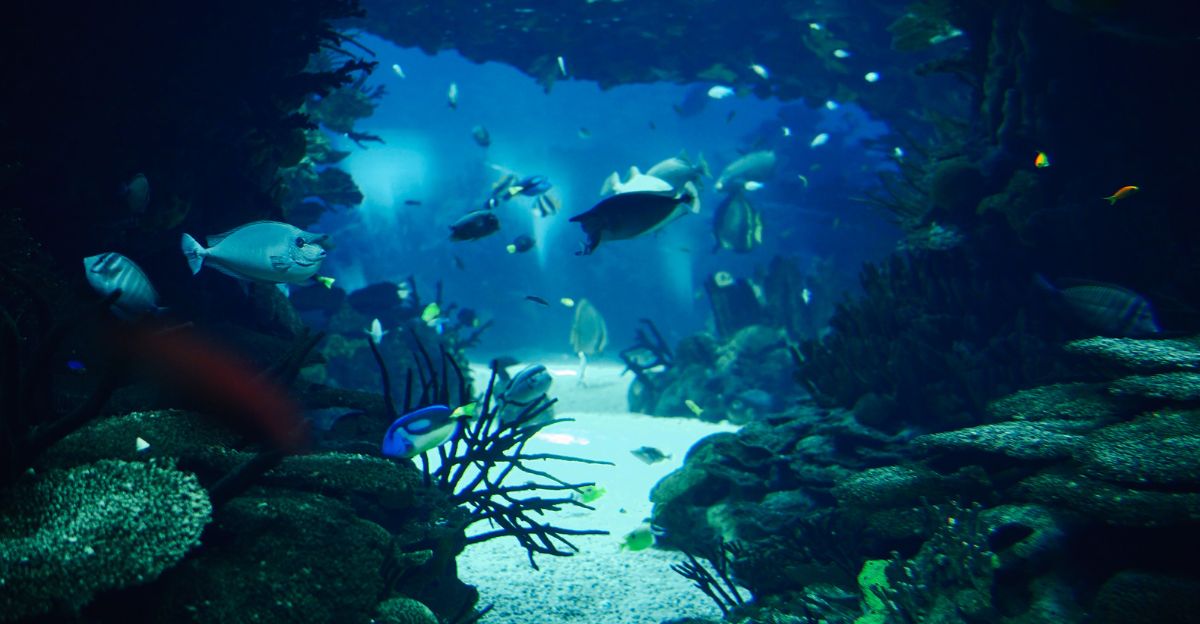
Studying deep-sea species like A. gigantea helps us understand biodiversity. They recycle nutrients by eating falling organic material, supporting the deep-sea food chain.
Human Impacts
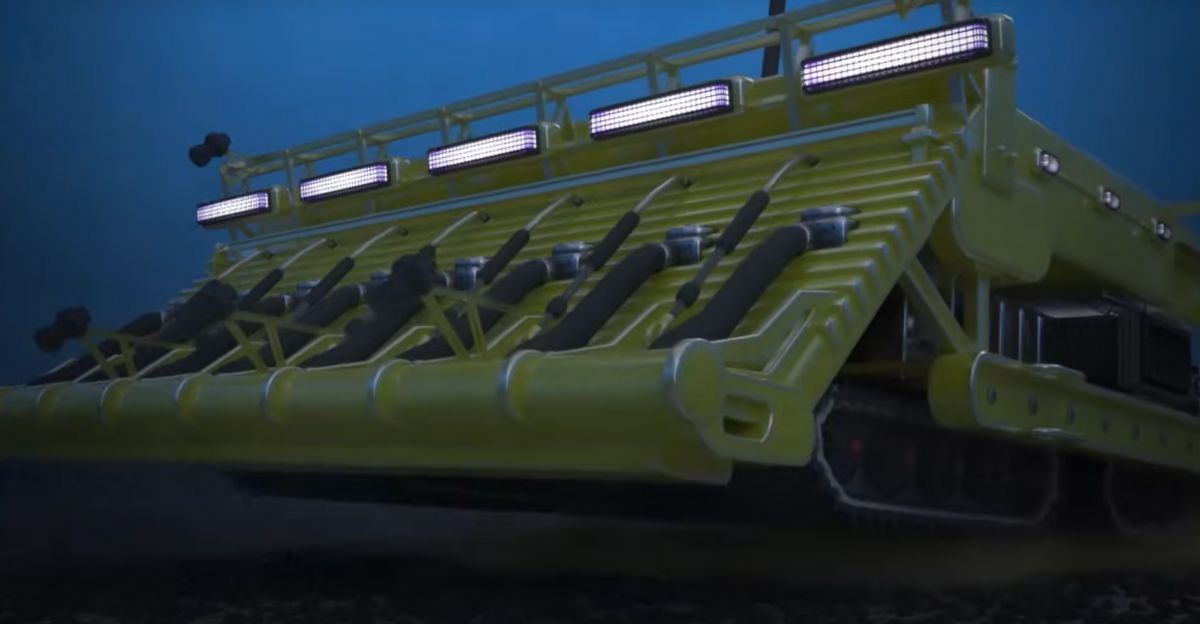
Deep-sea mining and pollution could affect them in the future. Even though they are widespread now, changes in their habitat could reduce their numbers. Monitoring is important to protect them.
Next Steps

Scientists want to learn more about how they reproduce, move, and live. Deep-sea vehicles and cameras will track them and show how they survive in extreme conditions.
Lessons from the Deep
A. gigantea shows that even big animals can stay hidden. It challenges assumptions about rare species and shows how much we still don’t know about the deep ocean.
More to Discover
Supergiant amphipods remind us that most of the ocean is still unexplored. With better tools and global research, scientists continue finding species that change our understanding of life in Earth’s deepest areas.