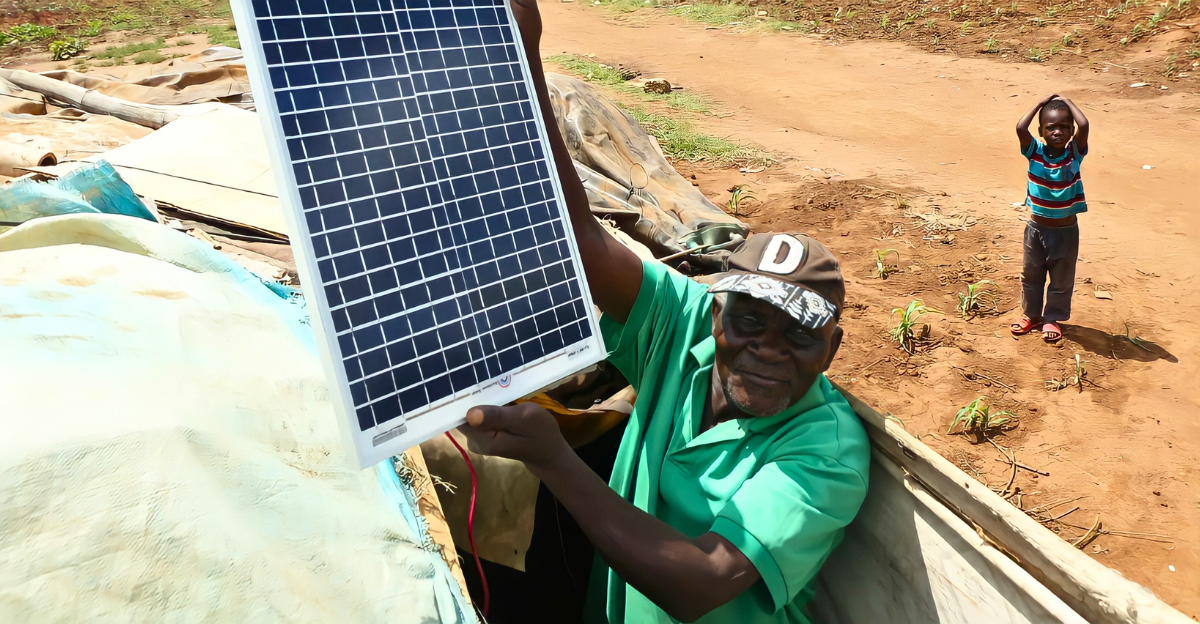
Africa, where energy demand is rising but access is still restricted, has become a new and urgent market for China’s massive overproduction of solar panels. In addition to reducing its domestic surplus, China is helping Africa overcome its reliance on conventional fossil fuels by exporting inexpensive solar technology, which will help more than 600 million people who lack electricity and strengthen its strategic economic dominance.
As a result, a symbiotic relationship is created: China gains geopolitical leverage and global leadership in renewable technology and raw material supply chains, while Africa gains sustainable energy solutions that are essential to development. This interaction reveals a complicated but hopeful story of energy, economics, and diplomacy as it takes place amid global renewable energy races and climate imperatives.
China-Africa Energy Ties in Their Historical Context
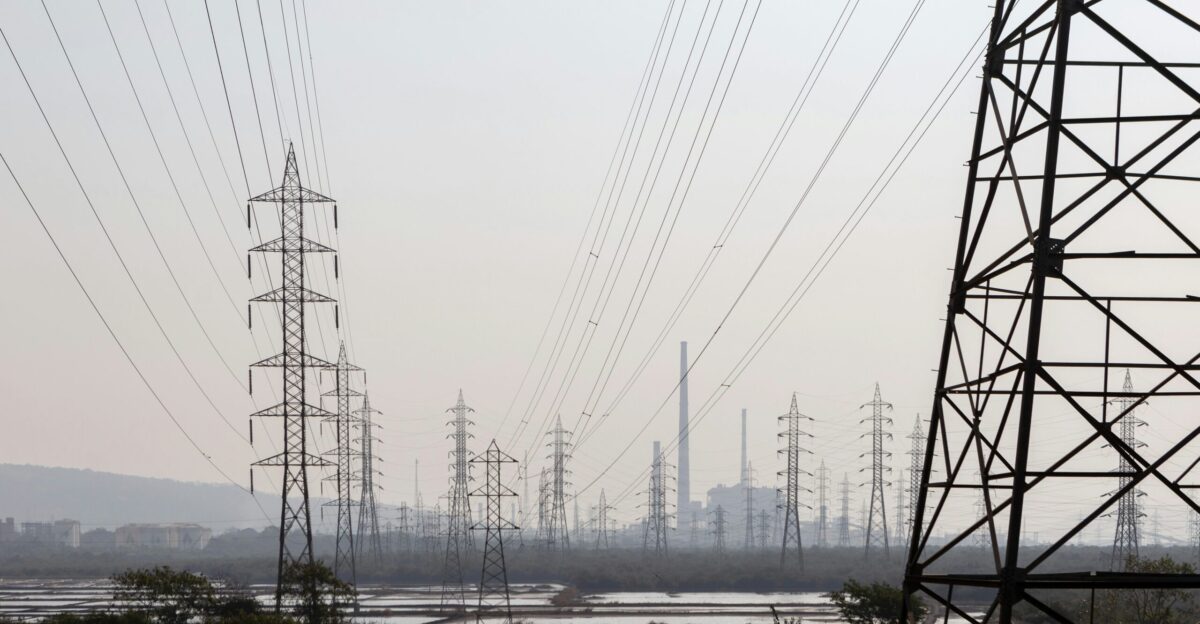
China has been involved in Africa’s energy sector for decades, initially concentrating on infrastructure and fossil fuels. China has made a significant shift toward renewable energy in recent years, particularly after 2010, and by 2024, it plans to invest about $66 billion in energy projects in Africa.
This is in keeping with China’s pledge to achieve carbon neutrality by 2060 and changes in environmental regulations around the world, including hydro, wind, and most notably solar power. Historically, China has been the primary supplier to Africa’s fledgling renewable ambitions due to its success in controlling global solar manufacturing, producing more than 80% of solar panels globally.
Africa’s Energy Deficit and Solar Potential
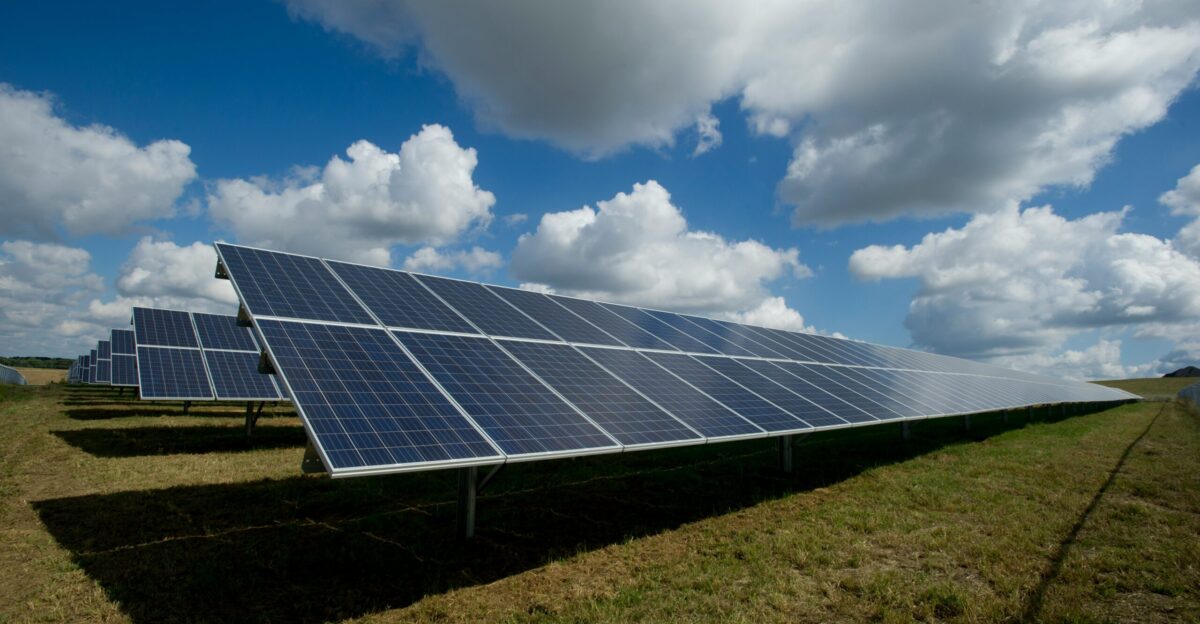
Unfortunately, only around 3% of Africa’s electricity is generated by solar power, despite the continent having 60% of the world’s best solar resources. More than 600 million Africans still do not have consistent access to electricity, which hinders their ability to prosper economically and live better lives.
The continent’s energy crisis forces a move away from coal and expensive, environmentally harmful diesel and toward renewable energy. Large areas of the continent are suitable for solar farms and off-grid solar home systems, making solar power a uniquely scalable and locally accessible solution. Africa’s growing population and fast urbanization highlight the fact that distributed solar solutions must be integrated into traditional power grids in order to meet future energy demands.
China’s Export Strategy and Solar Overcapacity
Due to a massive oversupply brought on by China’s aggressive solar manufacturing capacity, domestic prices fell precipitously. Due to this glut, Chinese manufacturers have been forced to actively pursue international markets, with Africa turning out to be the most open and unexplored continent.
China nearly doubled solar panel shipments to Africa in the year ending in mid-2025, surpassing 40 gigawatts in installations across the continent, which is the equivalent of several Hoover Dam expansions. This strategic shift reflects both domestic economic need and larger aspirations to export renewable standards and infrastructure.
African Chinese Solar Market Dynamics
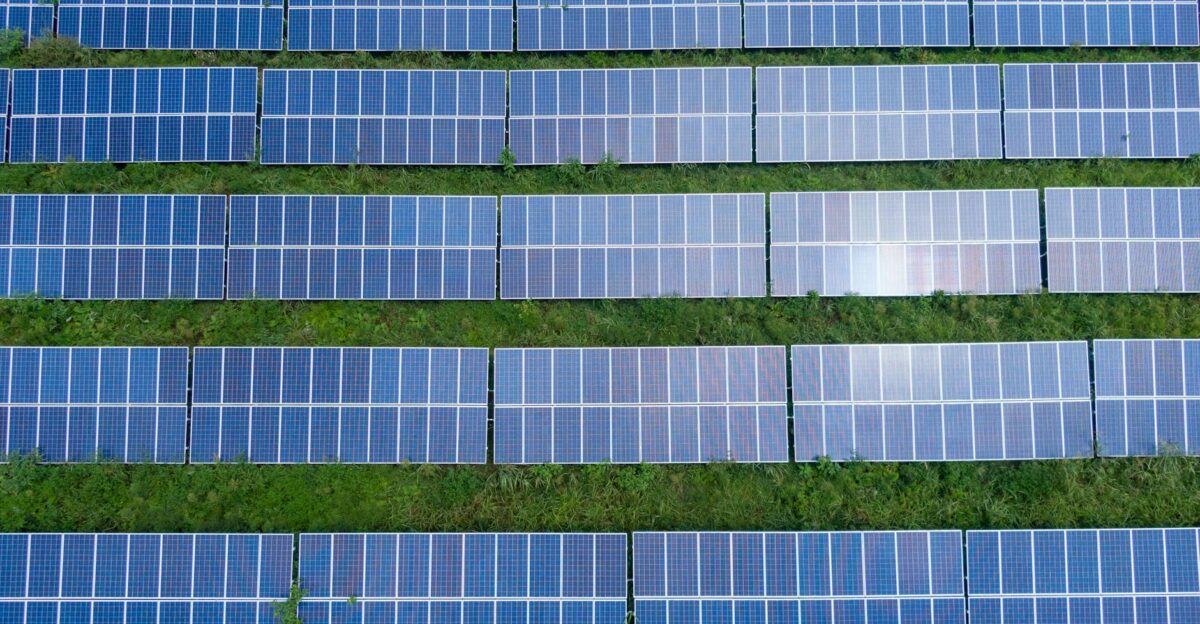
The low cost of Chinese solar panels stands in sharp contrast to the high capital costs that are typically three to seven times higher in Africa than in developed nations. Chinese companies have entered rural off-grid markets by utilizing creative financing models, like pay-as-you-go solar home systems, in conjunction with their cost competitiveness.
From Algeria to Zambia, imports have significantly increased, with some countries experiencing exponential growth rates. For instance, Algeria’s imports increased by more than 6,000% annually. These market dynamics put a premium on scalable, commercially viable energy solutions that are adapted to the economic realities of Africa, challenging traditional Western aid models.
Technology Modifications for African Environments
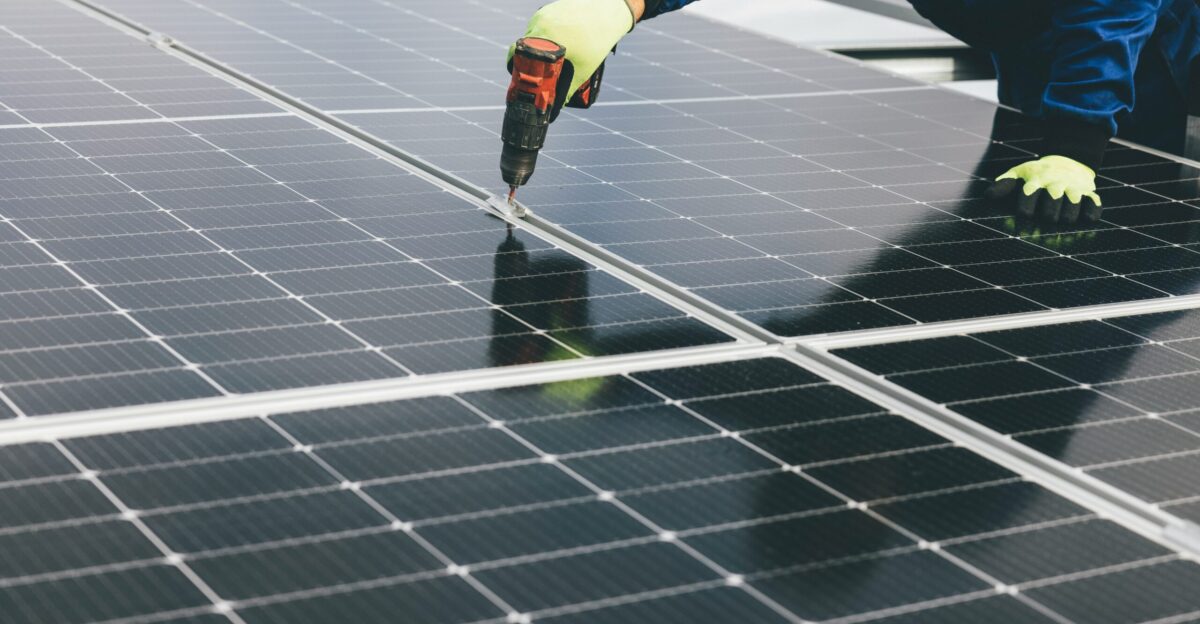
Chinese solar technology for Africa requires adaptation for the continent’s harsh climate, which includes high temperatures, dust, and humidity, rather than just exporting domestic goods.
These consist of integrated systems made for sporadic grid connections and ruggedized solar panels. Chinese companies transfer knowledge to create sustainable maintenance ecosystems by investing in localized manufacturing and technical training. By addressing skepticism toward renewable technologies in harsh climates and establishing a quality precedent, these adaptations guarantee dependability and longevity.
More Comprehensive Investments in Renewable Energy
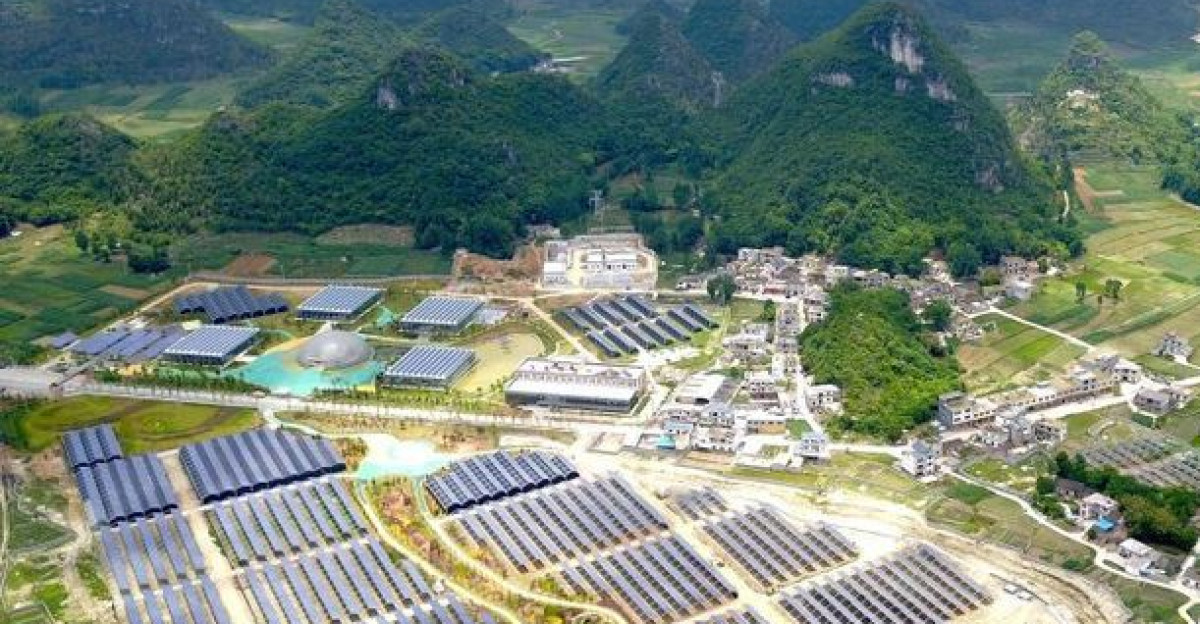
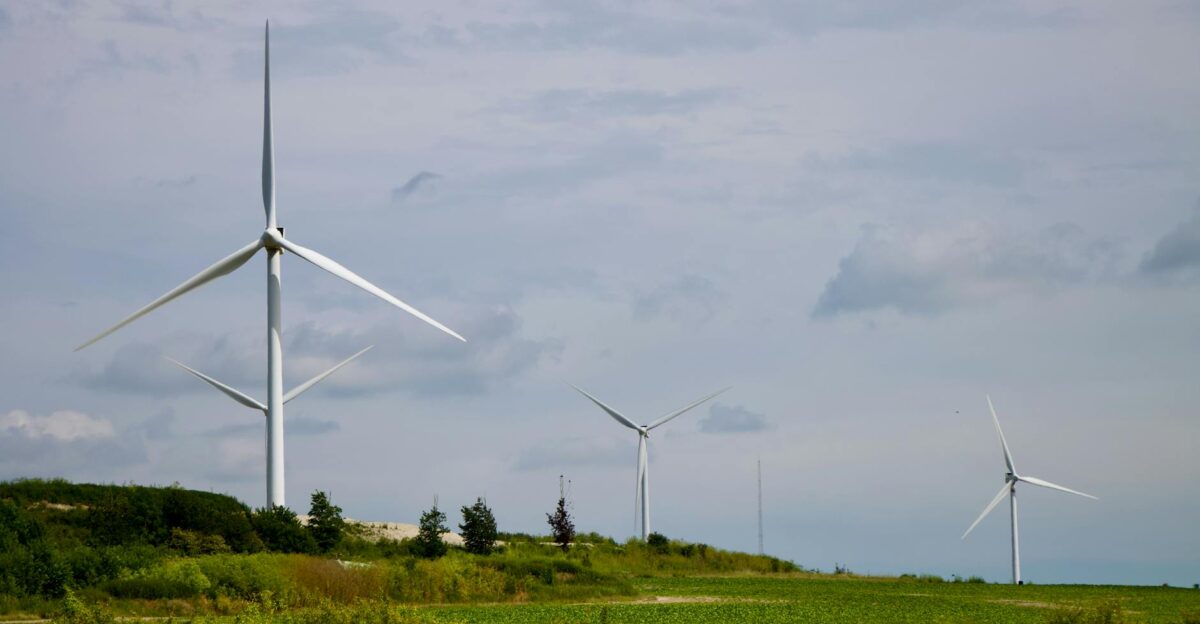
In addition to solar energy, China has made significant investments in wind and hydropower in Africa, establishing wind farms in highland and coastal regions like Kenya and Morocco.
These projects are led by Chinese state-owned companies, which strike a balance between the deployment of renewable technologies and workforce training, knowledge transfer, and innovative grid integration strategies. In line with global trends toward decarbonization, these investments help diversify Africa’s energy mix and lessen its reliance on fossil fuels.
Social and Political Consequences

China’s drive for renewable energy in Africa affects labor markets, economic policies, and diplomatic relations in addition to trade. China creates jobs and skill development by constructing training facilities and manufacturing hubs, which promotes regional economic growth.
Politically, these investments can complicate Western geopolitical strategies by strengthening bilateral ties and moving Africa’s alliances toward China in international affairs. The hybrid character of China’s approach as a business and strategic partner is reflected in this multifaceted impact.
Obstacles and Remarks

Notwithstanding achievements, problems still exist: regulatory irregularities, funding obstacles, and infrastructure deficiencies impede project implementation. Chinese solar deals, according to critics, are sometimes opaque or put Chinese interests ahead of African sovereignty and benefit.
Concerns are also raised by the longevity of imported technology and environmental factors like recycling end-of-life panels. Strong governance, inclusive stakeholder engagement, and equitable partnerships are necessary to address these criticisms, steer clear of neo-colonial narratives, and guarantee sustainable results.
Overcoming Fossil Fuels with Solar Energy
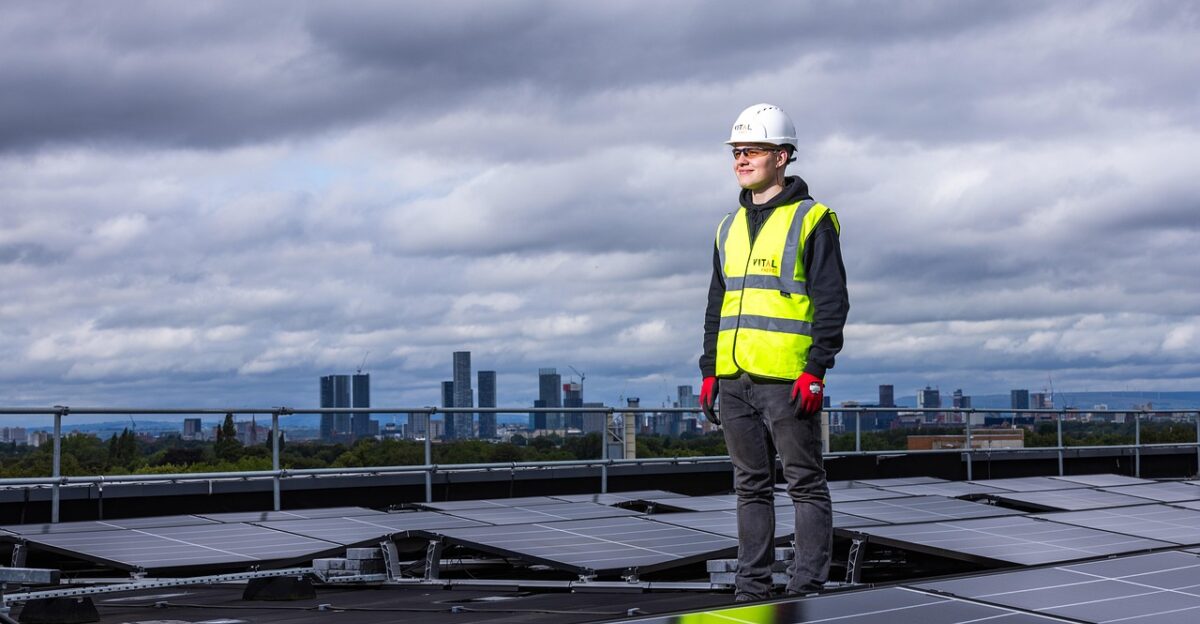
Unlike the historical paths of industrialized nations, Africa’s energy hunger offers a unique chance to avoid traditional fossil fuel dependency. Through Chinese solar exports, Africa is able to install clean energy infrastructure at a speed and scale that would be impossible to accomplish otherwise, reducing the impact on the climate while increasing access to energy.
This leapfrogging is best demonstrated by nations like Kenya, whose Garissa solar farm combines solar with storage and smart grids to boost economic activity that diesel generators previously hindered.
Modernization of the Grid and Integration of Regional Energy
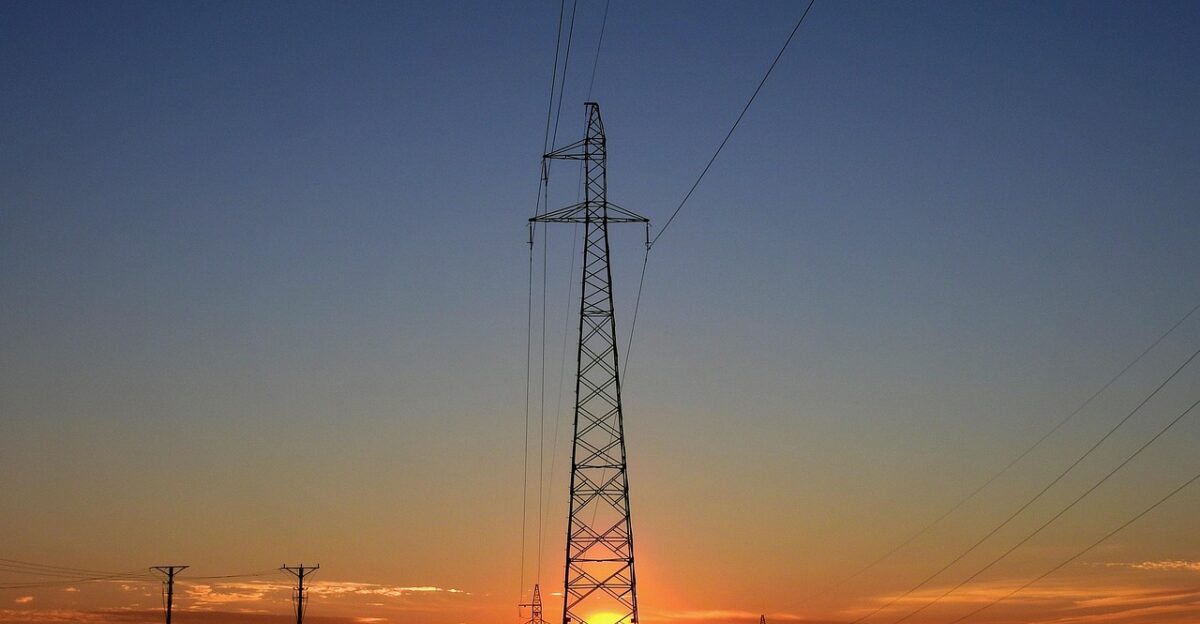
Modernizing grid infrastructure is becoming more and more important in China-supported projects in order to effectively integrate solar and variable renewable energy across several nations. Solar surpluses are used by regional power pools like the East African Power Pool and cross-border power sharing programs to lower overall costs and increase grid stability. Future electricity-intensive industries, such as green hydrogen production and electric vehicles, will require these improvements.
Better demand response and energy management are made possible by advancements in smart grid technology, and expanded access to clean energy is made possible by investments in transmission interconnectors. Africa is creating a robust, interconnected energy system that can better meet rising demand and advance sustainable development goals than disparate national grids by promoting regional cooperation and leveraging China’s technical know-how.
Solar Finance: Cutting-Edge Models Fueling Growth
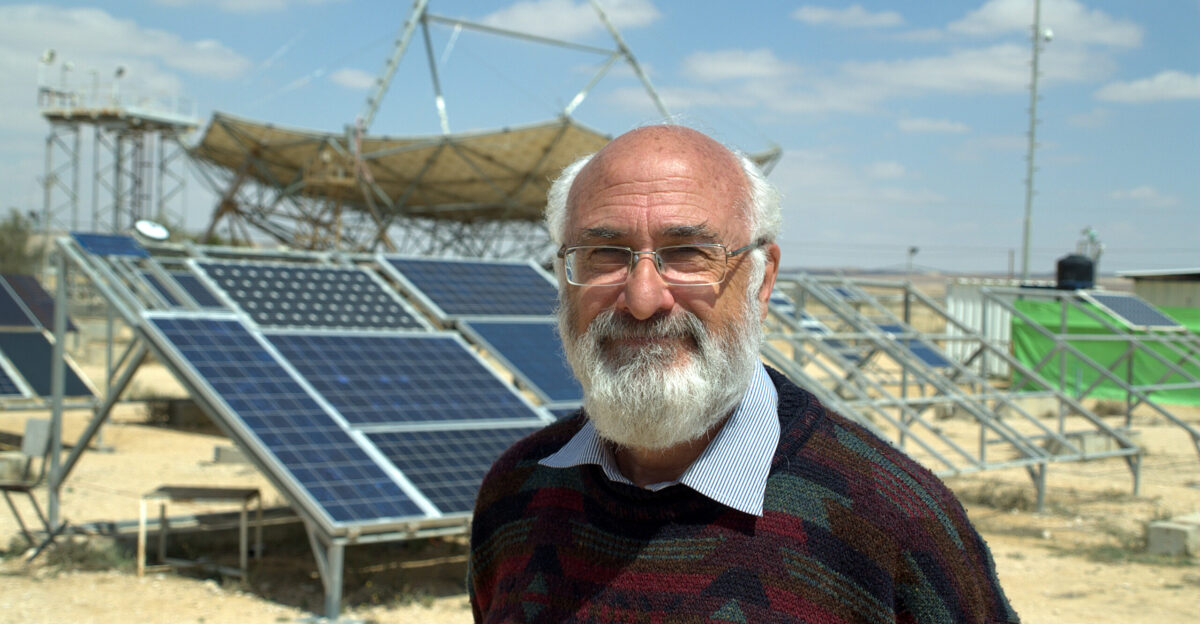
Due to high capital costs and perceived risks, financing solar projects in Africa is still tricky, but new financing models are hastening adoption. To lower risks and draw in private investment, China uses export credits, concessional loans, and blended finance agreements with multilateral development banks.
Pay-as-you-go solar home systems that are backed by mobile money platforms make them more affordable for off-grid and rural consumers. These financially inclusive models increase equitable access to energy and reduce barriers to entry. Capital flows to solar projects are predicted to rise sharply as investor confidence rises as a result of improved regulatory frameworks and successful project track records. In order to meet urgent energy and climate targets and unleash Africa’s enormous solar potential, low-cost financing must be scaled.
Effect on Emissions and Climate Goals

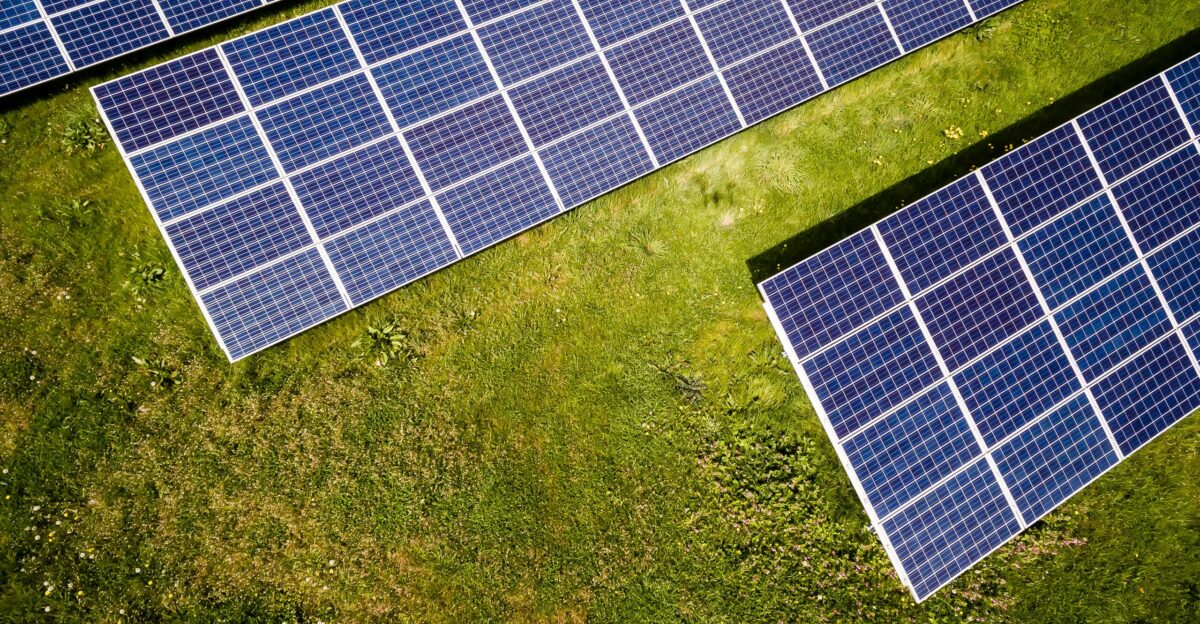
By replacing fossil fuel-based power generation, solar projects enabled by Chinese technology significantly reduce greenhouse gas emissions and air pollution, helping Africa meet its climate commitments. Chinese-backed solar expansion projects help the continent reach its 2030 renewable capacity target of about 300 GW.
The importance of solar deployment is further highlighted by the health benefits of cleaner air, fewer respiratory illnesses, and climate resilience gained through dependable energy access. These advancements position Africa as a key participant in the global clean energy transition by bringing the continent’s sustainable development goals into line with the world’s net-zero aspirations. To optimize environmental and social benefits, international cooperation and support are still crucial.
Electrification and the Advancement of Society
Expanding access to solar-powered electricity is a potent driver of social and economic advancement throughout Africa. Reliable solar-powered schools, clinics, and small businesses boost medical services, encourage entrepreneurship, and improve educational outcomes.
Off-grid home solar systems save time and improve health, particularly for women and children, by reducing reliance on labor-intensive and polluting fuels like firewood and kerosene. These advantages lessen urban-rural disparities and encourage inclusive development.
Intersection of Green Tech and Digital
Digital technologies like smart metering, grid automation, and IoT-enabled performance monitoring are increasingly integrating with Chinese solar deployments in Africa to improve customer service and operational efficiency. Africa’s larger goals for digital transformation and the growth of the green tech ecosystem are supported by this integration.
Affordable, dependable solar power is advantageous for emerging industries like green hydrogen, electric cars, and environmentally friendly mining. In addition to panels, China exports complete renewable energy solutions that integrate financial models, software, and hardware to build cooperative green industrial corridors. These developments can promote technology transfer and capacity building in advanced sectors while hastening Africa’s shift to a low-carbon economy.
The Solar Surge in Algeria
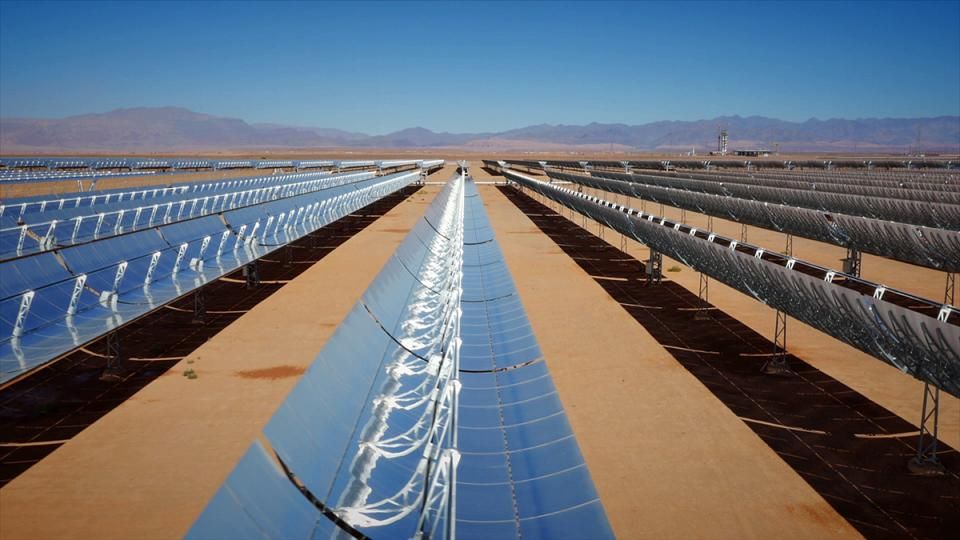
Algeria’s astounding 6,300% year-over-year increase in solar panel imports in early 2025 serves as an example of the revolutionary potential of Chinese solar exports. Algeria is quickly implementing utility-scale and distributed solar to lessen its dependency on fossil fuels and diversify its energy mix, which has been helped by China’s manufacturing scale and customized financing. In the context of regional economic and geopolitical dynamics, this growth is indicative of broader North African shifts toward renewable energy.
Algeria sets an example for neighboring nations looking to expedite energy transitions while resolving infrastructure and budgetary limitations by leveraging Chinese investment and technology. The nation’s solar boom serves as an example of how exports from China impact energy prospects outside of sub-Saharan Africa.
The Function of State-Owned Businesses in China
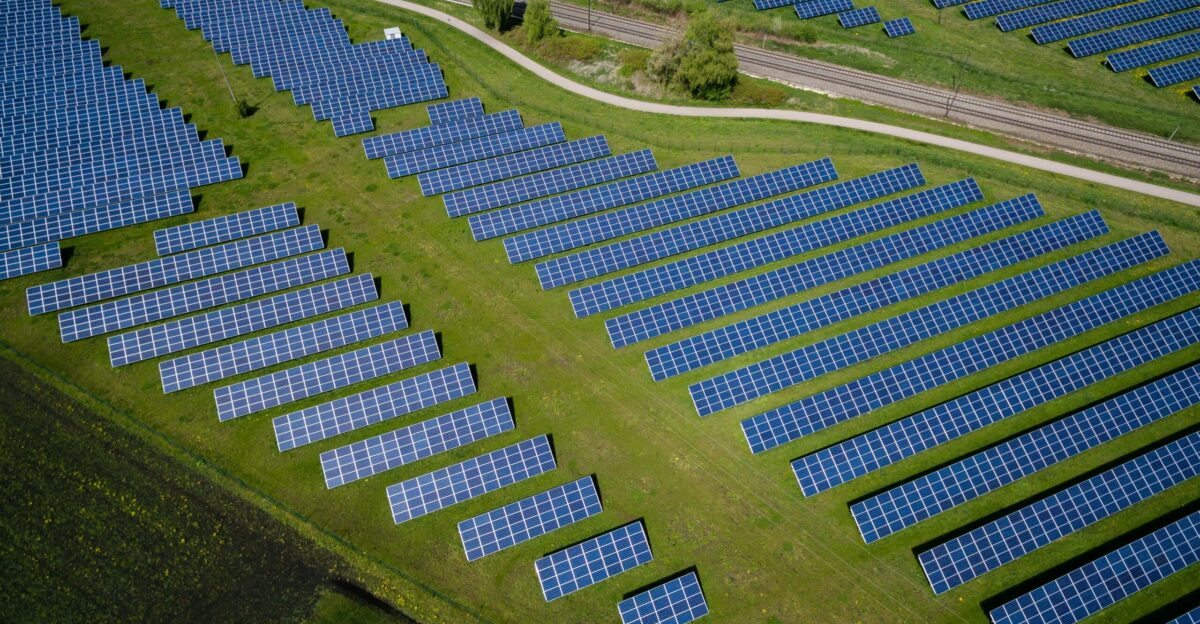
Large-scale renewable energy infrastructure delivery throughout Africa is largely dependent on Chinese state-owned enterprises (SOEs), such as PowerChina and China Energy Engineering Group. Projects that combine solar, wind, energy storage, and green industrial applications like water treatment and electrified transportation are made possible by their substantial financial and technical resources.
By fostering local supply chain development, technology transfer, and workforce development, SOEs help to match geopolitical strategy with business goals. Their participation positions China as a strategic energy partner while also influencing project scale and quality. This coordinated strategy shapes Africa’s renewable landscape holistically by striking a balance between Beijing’s aspirations and the continent’s energy needs.
Looking Ahead to 2030 and Beyond
Africa is expected to have more than 300 GW of solar capacity by 2030, and China will be a key player in financing, grid integration, and technology deployment. Growing hybrid renewable systems that combine solar, wind, and storage, the development of decentralized microgrids in rural regions, and the rise in solar-powered green hydrogen production are some of the emerging trends.
The continent wants to incorporate solar energy into emerging industries like green manufacturing and e-mobility. Africa’s solar revolution has the potential to improve energy security, economic resilience, and climate action as markets and policies develop, establishing China as a long-term partner and enabler of renewable energy.
Risks of Dependency and African Agency

China’s quick solar expansion in Africa raises concerns about technological dependence, which could stifle local creativity and economic independence. Critics warn that depending too much on Chinese project models, funding, and equipment may marginalize African governance and industry.
In order to develop indigenous capabilities, African policymakers are requesting technology transfer, local content requirements, and industrial partnerships. New frameworks combine African-led agendas with Chinese investment, emphasizing cooperation over reliance. This changing dynamic emphasizes how crucial it is to form balanced alliances in order to guarantee that solar growth promotes innovation capacity, strategic autonomy, and sustainable development on the continent.
Conclusion
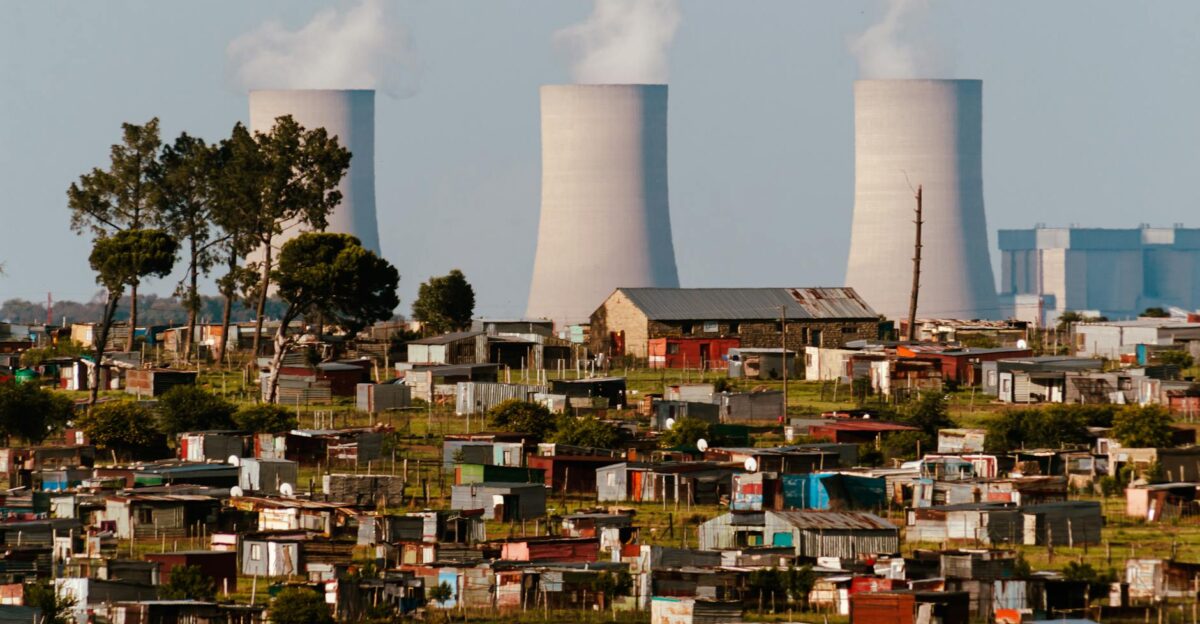
Africa can address energy poverty with cost-effective, scalable renewable energy solutions thanks to China’s strategic rerouting of excess solar production, which also maintains China’s geopolitical clout and leadership in clean energy.
This Sino-African solar nexus has the potential to serve as a model for sustainable development worldwide if it is built on cooperative, open partnerships that honor African agency and developmental priorities. This developing relationship sheds light on a positive story of mutual gain, technological advancement, and a more environmentally friendly future for all as both continents negotiate economic and climate challenges.