Amazon shoppers may notice some everyday items costing more than they used to. Amazon CEO Andy Jassy says tariffs imposed by President Donald Trump are now affecting prices on certain products sold through the site.
Earlier inventory bought before the tariffs helped hold prices down, but is running out. As that buffer fades, it becomes harder for Amazon and its sellers to keep shielding customers from higher costs.
Costs Creep In
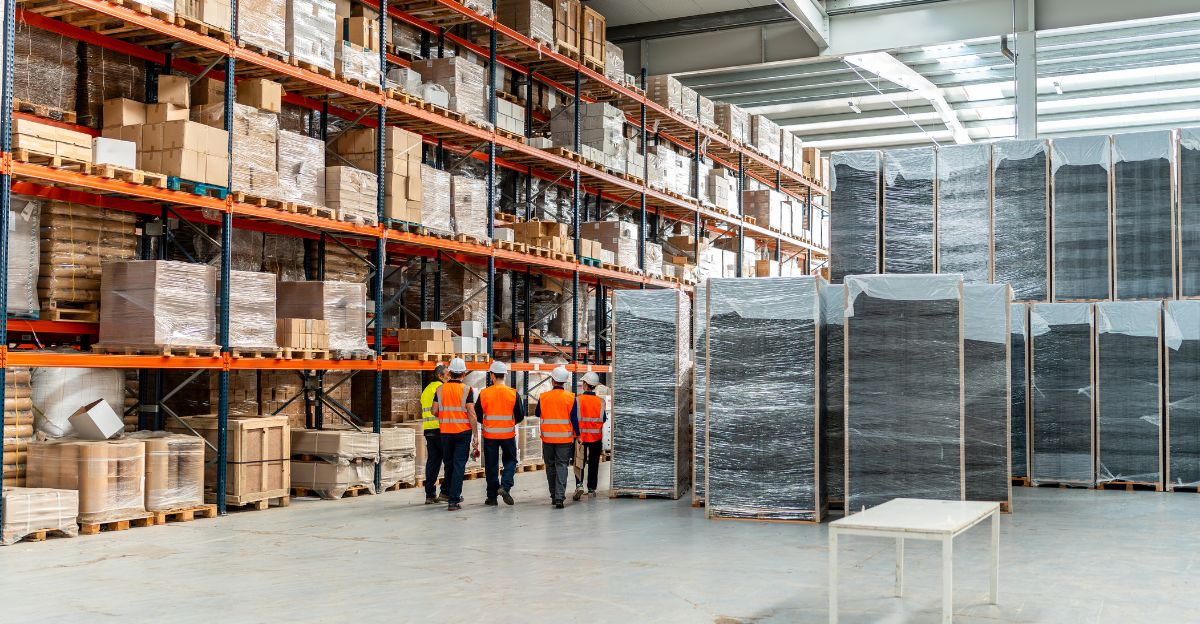
Jassy explains that Amazon and many retailers bought extra goods before Trump’s latest tariffs took effect. That strategy delayed the impact on shoppers by using lower‑cost stock.
By late 2025, much of that inventory had been sold, exposing companies to the full tariff rates. Now, some sellers are raising prices on selected items as they face higher import bills they can no longer avoid.
Tariffs Reloaded
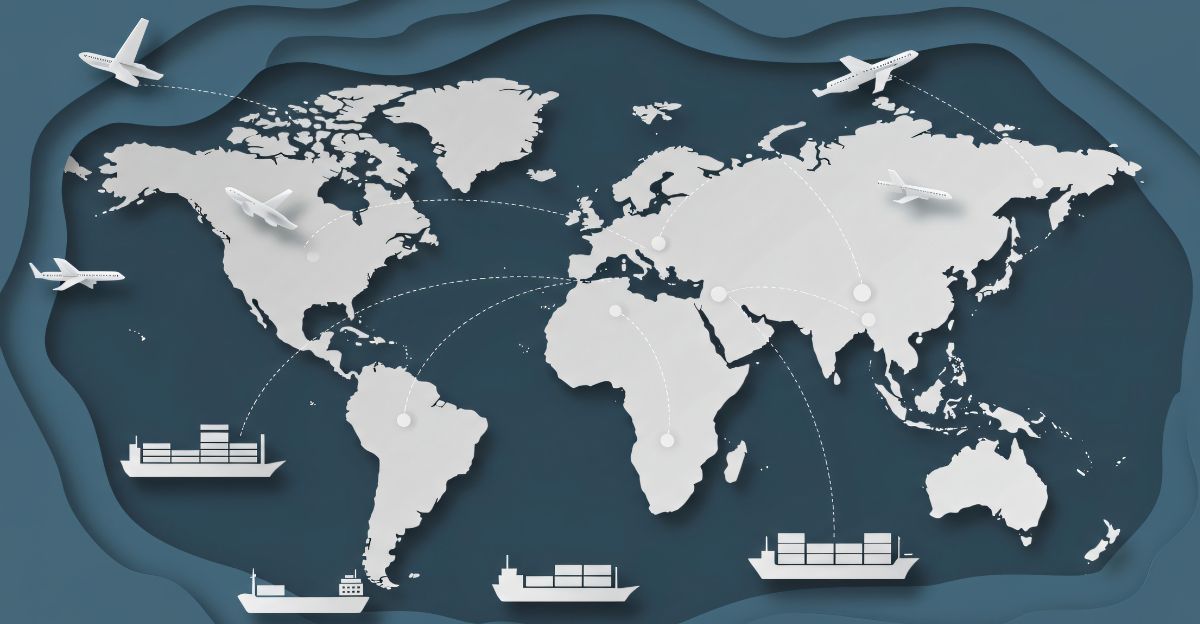
Trump’s expanded tariffs increased duties on a wide range of imported products, including electronics, tools, and household items. Retailers say these higher charges add directly to their costs when goods enter the United States.
Those costs first appear on company ledgers but rarely stay there. Over time, businesses often respond by cutting spending, accepting lower profits, or raising prices for consumers to cover part of the gap.
Retail Squeeze

Large chains like Walmart, Target, and Home Depot entered 2025 already dealing with inflation, wage increases, and shifting shopper habits. Tariffs added another layer of pressure to their cost base.
Many tried to hold off on raising prices by improving supply chains and negotiating with suppliers. Executives now warn that these steps only go so far, and balancing thin margins with cautious consumers is getting tougher.
Jassy’s Turn
On January 20, 2026, at the World Economic Forum in Davos, Jassy said tariffs are “influencing certain prices on various items” on Amazon. He noted that some vendors are passing higher costs on to shoppers, while others are absorbing part of the hit.
This contrasts with his June 2025 comment that prices had not “appreciably” risen because of tariffs. His updated view confirms tariffs now affect at least some Amazon customers.
Main Street Impact
For many households, tariff effects may first be seen in non‑essential purchases, such as small gadgets, home décor, or clothing. Analysts say basic goods could also face pressure if tariffs stay in place on key imports.
Walmart’s finance leaders have warned investors that shoppers will see some price increases as tariffs work through inventories. Even small changes can matter when families are watching budgets and adjusting other spending.
Cart-Level Reality
Most shoppers do not see a separate tariff line on receipts or checkout screens. They only see that the total price of their basket has edged higher.
Jassy says some Amazon sellers adjust prices to reflect tariff‑related costs, while others keep prices flat to stay competitive.
This split means two similar products can move in different directions, leaving customers unsure why one item costs more than before.
Big-Box Warnings
Walmart, Target, and Home Depot have each warned that Trump’s tariffs threaten stable pricing. Walmart executives told investors they expect to lift prices on some products as higher duties take hold, despite efforts to protect shoppers.
Target’s CEO has said tariffs could force increases even on groceries. Home Depot has described modest price bumps in certain areas, linking them directly to rising import costs.
Inflation Undercurrent

Government inflation data showed moderate increases through 2025, but business surveys pointed to more price pressure ahead. Companies told the Federal Reserve that tariffs were one reason they might need to raise prices more steeply.
This pipeline effect means official numbers can lag behind what shoppers already feel. Policymakers and retailers both watch this closely, because weaker consumer spending can slow economic growth.
Hidden Budget Strain
Tariffs may not cause one dramatic jump in costs, but they can slowly erode buying power. Small increases across several retailers and online platforms can add up over the year.
Shoppers may react by shifting to cheaper brands, postponing projects, or cutting back on extras. Those choices can change which products sell well, and can reshape retail demand in ways that are not easy to reverse.
Seller Frustration
Third‑party sellers on Amazon must decide how to handle higher costs from tariffs. Some say their profit margins are already thin, making it hard to absorb extra duties without cutting staff, marketing, or other expenses.
Others worry that raising prices too quickly could hurt sales or search rankings. Jassy says Amazon is working with sellers, but admits there is a limit to how much they can absorb before prices move.
Leadership Shifts

Jassy’s open comments on tariffs reflect Amazon’s direction since he succeeded founder Jeff Bezos as CEO. Under his leadership, Amazon has focused on cost control, including job cuts and efficiency measures, while facing closer political and regulatory attention.
In that context, acknowledging the effects of tariffs on prices is notable. It suggests the company is becoming more direct about how outside policies shape its business and customers’ bills.
Corporate Counterpoint

While Jassy points to higher prices on some items, Amazon stresses that overall pricing on the site has not moved beyond normal patterns.
A company spokesperson told CNN that certain brands and sellers have increased prices, but average prices across the platform remain within usual swings.
This highlights a gap between individual examples and broad trends, and reminds readers that headline claims may focus on specific parts of the story.
Expert Uncertainty

Economists differ on how much tariffs alone are driving recent price changes compared with other forces. Some describe tariffs as a tax on trade that often falls partly on consumers.
Others say companies can choose how to share higher costs between profits, wages, and prices. Jassy’s new comments, along with warnings from big retailers, add evidence that tariffs now play a clearer role in what shoppers pay.
What Comes Next

Trump’s tariffs remain in place, and retailers have fewer ways left to soften the impact. The coming year may reveal how much higher prices shoppers are willing to accept before changing habits.
Jassy says, “You don’t have endless options” when costs keep rising, hinting at hard choices ahead. How Amazon, Walmart, Target, and Home Depot respond could shape everyday prices for millions of households.
Sources:
CNN – “Amazon CEO: Prices have gone up from tariffs” – 20 Jan 2026
Reuters – “Tariffs starting to bump up product prices, Amazon CEO tells CNBC” – 20 Jan 2026
Yahoo Finance – “Tariffs starting to bump up product prices, Amazon CEO …” – 20 Jan 2026
Yahoo Finance – “Amazon CEO: Prices have gone up from tariffs” – 20 Jan 2026
CNBC – “Amazon’s Jassy says Trump’s tariffs are pushing up prices” – 20 Jan 2026
Yahoo Finance – “Amazon CEO Andy Jassy says tariffs are starting to drive …” – 20 Jan 2026