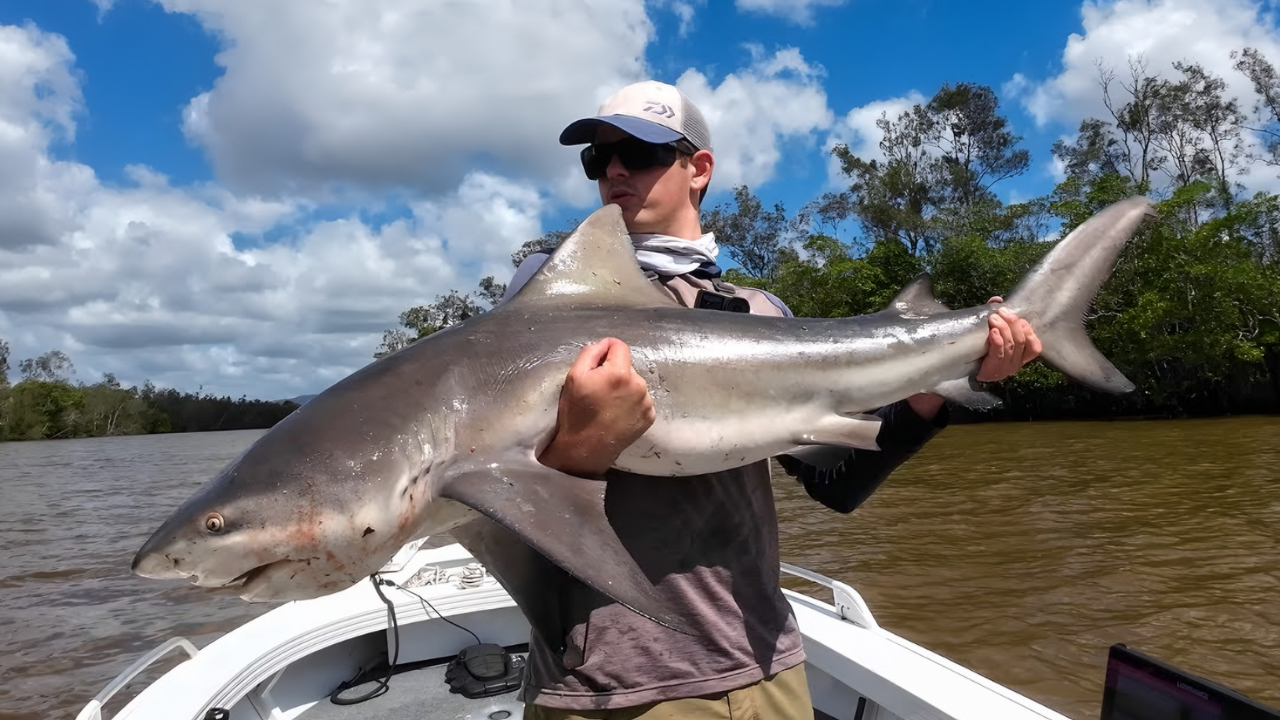
From Florida’s famed surf breaks to remote Indian Ocean islands, ten coastal regions worldwide have earned reputations as shark encounter zones. For beachgoers and surfers, awareness of these locations transforms vague fears into informed decision-making. Marine researchers track these areas closely, revealing patterns in shark behavior, peak seasons, and human interaction that empower ocean lovers rather than discourage them.
Florida’s Atlantic Shores
New Smyrna Beach in Volusia County holds the title of the world’s shark bite capital, with over 275 incidents documented since systematic tracking began. The overwhelming majority involve minor injuries from blacktip sharks, small species that rarely inflict serious harm. Remarkably, recent decades have recorded zero fatalities in the county. Nearby Brevard County follows with over 150 documented incidents. The concentration reflects both warm year-round waters attracting sharks and massive crowds of swimmers and surfers creating frequent encounters.
Hawaii and California’s Pacific Waters
Hawaii has logged over 180 shark incidents since 1995, with tiger sharks accounting for a significant portion, particularly around Kauai and Maui where reef ecosystems create ideal habitat. The Hawaii Department of Land and Natural Resources promotes education and coexistence, advising visitors to avoid murky water and exercise caution during dawn and dusk feeding hours. Northern California’s Red Triangle, stretching from Bodega Bay through San Francisco to Big Sur, has recorded more than 200 great white shark encounters since 1950. Research indicates roughly 30 to 38 percent of all great white incidents in California occur within this zone. Advanced tagging has mapped migration patterns and feeding behaviors, demystifying the region for ocean enthusiasts.
Australia’s Eastern and Western Coasts
New South Wales leads Australia with 465 documented shark encounters over 235 years, including 150 in greater Sydney alone. Great white sharks patrol these waters, drawn by seal populations and fishing activity. Yet with millions visiting NSW beaches annually, statistical risk remains low. The Australian Shark Incident Database tracks every encounter meticulously, averaging 22 incidents nationally per year between 2010 and 2022. Sydney beaches maintain excellent lifeguard services, shark spotters, and real-time alert systems.
Western Australia has recorded 241 incidents, including some tragic fatalities that shaped the region’s approach to ocean safety. Rather than retreat from the ocean, authorities embraced technology. Drone patrols now scan waters before swimming events, and government alerts provide real-time sighting information. Elite surfers continue pursuing pristine breaks while accessing advanced safety tools.
South Africa’s Dual Approaches
KwaZulu-Natal province recorded numerous shark attacks over several decades, prompting authorities to install gill nets along popular beaches beginning in Durban in 1952. Bull sharks, known for aggressive behavior and ability to navigate varied water conditions, were a primary concern. In the first year of operation, 552 sharks were caught, and no serious shark-inflicted injuries have occurred at Durban’s protected beaches since. Modern installations combine effective protection with environmental consideration.
Meanwhile, the small coastal town of Gansbaai hosts Shark Alley, a narrow channel between Dyer Island and Geyser Rock attracting an unusually dense concentration of great whites. Approximately 60,000 Cape fur seals on Geyser Rock draw sharks hunting for prey. Cage diving tours allow visitors to observe apex predators in their natural habitat, while seasonal whale migrations create overlapping viewing opportunities between May and December.
Reunion Island and Brazil
French Reunion Island in the Indian Ocean has documented over 55 shark attacks since 1913, with approximately 26 proving fatal. Tiger sharks thrive in the island’s reef systems, and several tragic incidents prompted dramatic policy shifts. In 2013, authorities banned recreational surfing and swimming at certain beaches during specific seasons. While controversial among the international surf community, the restrictions remain in place, with locals adapting through real-time shark spotters and aerial drone technology.
Brazil’s Boa Viagem beach in Pernambuco experienced a disturbing surge starting in the 1990s, with over 70 documented incidents. Bull and tiger sharks, likely attracted by nearby Port Suape constructed in that decade, became increasingly aggressive. Scientists believe the port disturbed marine life along the coast and estuaries, altering shark migration patterns. Authorities implemented periodic surfing and swimming bans during high-risk seasons, while the vibrant local community integrated safety awareness into cultural practice rather than abandoning their beloved beaches entirely.
These ten hotspots demonstrate that informed ocean use, rather than avoidance, represents the path forward for beach communities worldwide.
Sources:
Florida Museum of Natural History – International Shark Attack File (ISAF), 10 February 2025
Taronga Conservation Society Australia – Australian Shark-Incident Database, 19 September 2021
Hawaiʻi Department of Land and Natural Resources – Hawaiʻi Sharks: Incidents List, 8 December 2025
California Department of Fish and Wildlife – White Shark Information, 13 January 2026
KwaZulu-Natal Sharks Board – Beach Research and Bather Protection Programme, 2007
Marine Dynamics – Shark Alley (Gansbaai) Research and Eco-Tourism Operations, 5 June 2025