
Elizabeth Holmes, the disgraced Theranos founder, has formally petitioned President Trump to commute her 11-year federal prison sentence.
The request, filed with the Department of Justice’s Office of the Pardon Attorney in 2025, remains pending as of January 2026.
Holmes is currently incarcerated at Federal Prison Camp Bryan in Texas, where she has been serving her sentence since May 2023.
The Stakes Mount

A commutation would free Holmes years earlier than her projected December 2031 release date—potentially within months.
However, the plea raises an urgent question for defrauded investors: will her early release leave them permanently unpaid?
Holmes and her co-conspirator Ramesh “Sunny” Balwani were jointly ordered to pay $452 million in restitution to fraud victims, a sum that remains largely outstanding.
The Theranos Collapse
Theranos, once valued at $9 billion, promised to revolutionize blood testing with proprietary technology that could run thousands of tests from fingerstick samples.
Founded in 2003 by Holmes when she was 19, the company attracted prominent board members and billions in investor capital.
By 2018, investigations revealed the technology was largely fraudulent; the company shut down in 2024.
The Criminal Reckoning
Holmes was convicted in January 2022 of four counts of wire fraud and conspiracy after a four-month trial in federal court.
Evidence showed she knowingly misled investors about the capabilities of Theranos’ blood-testing devices and falsified financial records.
Balwani, her former president and boyfriend, was convicted separately in July 2022 on 12 counts of fraud.
The Sentence—11 Years and Counting

On November 18, 2022, federal Judge Edward Davila sentenced Holmes to 11 years and 3 months in prison. She began serving at FPC Bryan, a minimum-security facility in Bryan, Texas, in May 2023.
Court documents affirmed the $452 million joint restitution obligation, with investigators calculating total investor losses matched that sum exactly.
Investors’ Long Wait
The $452 million restitution order covers more than 900 defrauded investors who lost an estimated $700 million collectively when Theranos collapsed.
To date, nearly no meaningful payments have been made. Victims report receiving less than 1% of owed amounts, leaving them watching from the sidelines as Holmes pursues executive mercy.
A Public Plea
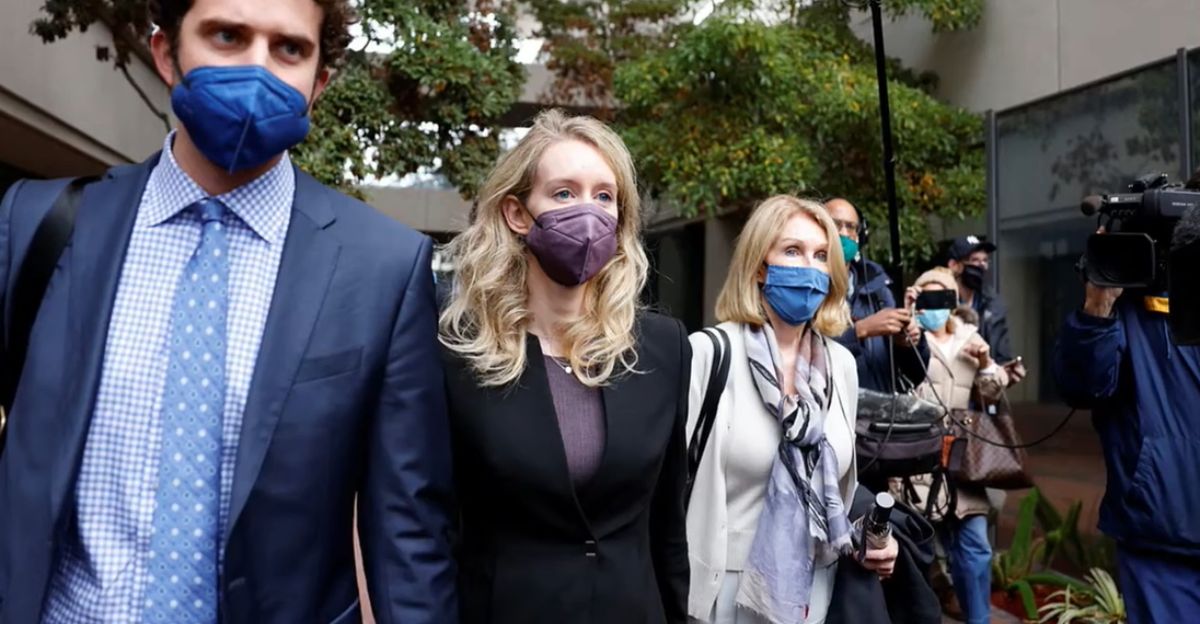
On Wednesday, January 22, 2026, Holmes posted on X (formerly Twitter): “We are continuing to fight for my innocence and we know the truth can not be repressed for ever.”
She has framed her case as part of a broader “weaponization of our justice system,” echoing language often used by President Trump to describe his own legal battles.
The “Audition” Strategy
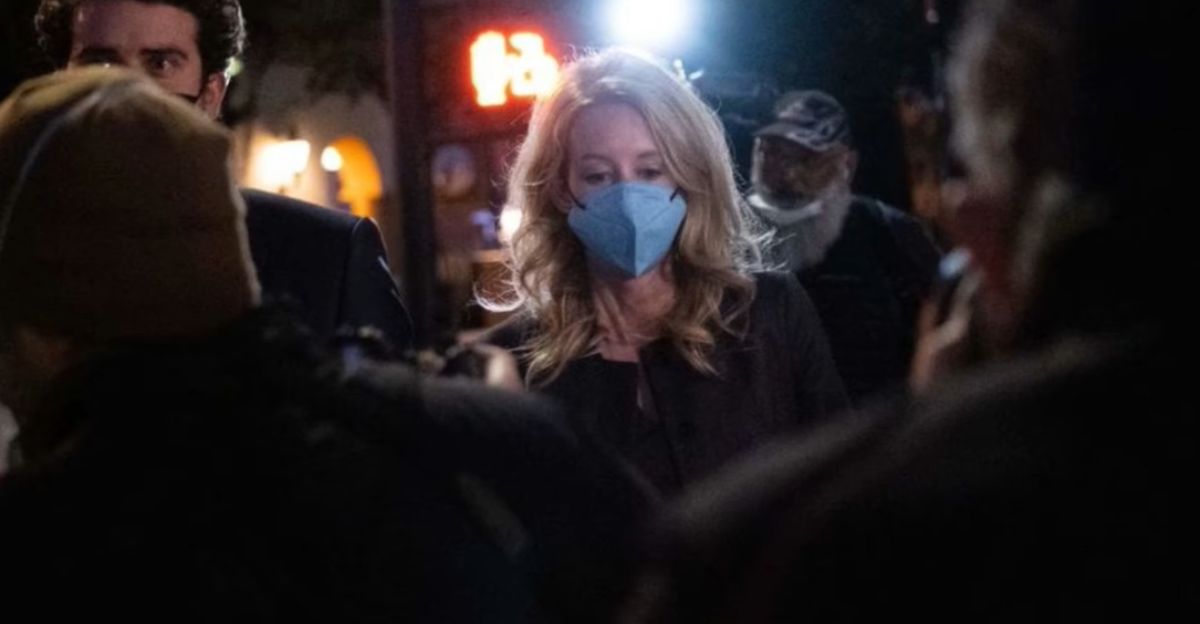
Legal analyst Steven Clark noted that Holmes has deliberately cultivated a public image favorable to Trump.
“Elizabeth Holmes has been auditioning for this for months because her social media posts have been very favorable to Trump and his administration,” Clark stated. “I think she’s doing that to curry favor to try to get this sentence commuted.”
Pardon vs. Commutation

A critical legal distinction shapes Holmes’ options. A commutation would reduce her prison time but leave restitution obligations intact.
A full presidential pardon, by contrast, could effectively erase her conviction and associated penalties—potentially wiping the $452 million restitution order from enforcement. Presidential pardons are rare in fraud cases.
The Appeals Court Setback

In 2025, a federal appeals court upheld Holmes’ conviction and the $452 million restitution order in full. The three-judge panel rejected arguments that jury instructions were flawed or evidence improperly admitted.
That decision eliminated her primary non-clemency route to relief, making a Trump commutation her clearest path to early release.
White House Silence
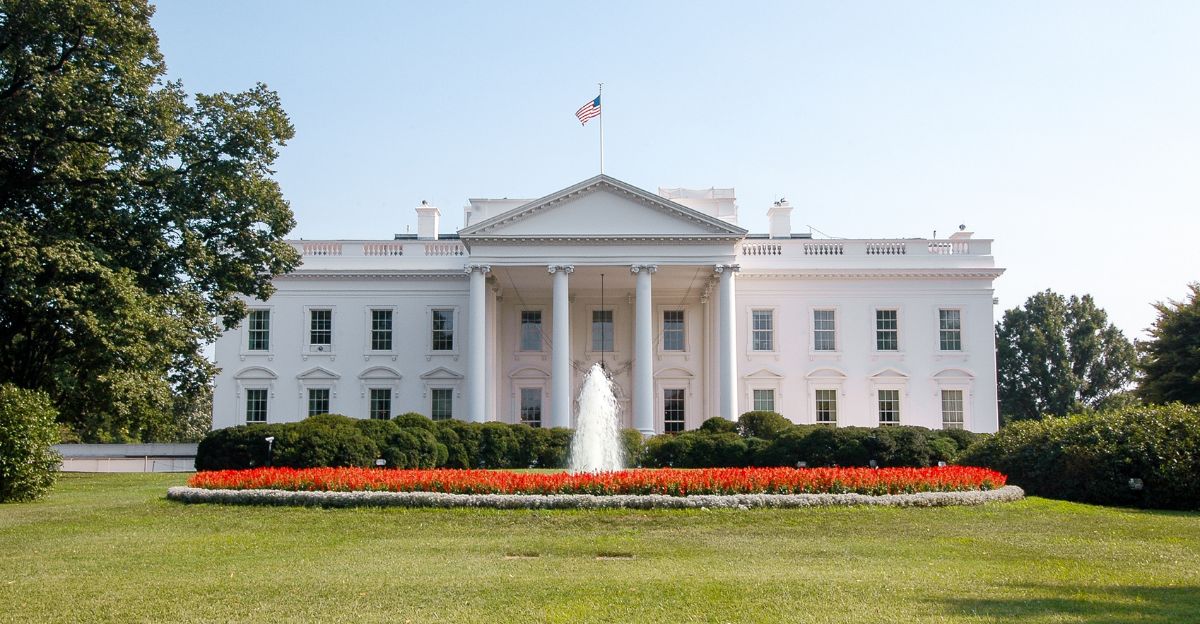
The White House has declined to comment on Holmes’ clemency request, citing standard protocol not to discuss specific cases under review.
However, Trump has used his pardon and commutation powers aggressively in his second term, particularly for individuals he views as victims of what he calls a “weaponized” justice system.
A Landmark Case

Holmes’ prosecution was celebrated as a major victory against Silicon Valley fraud. The case exposed how startup culture’s “fake it till you make it” ethos could spiral into criminal deception affecting hundreds of ordinary Americans.
Her conviction signaled that even charismatic, well-connected founders face accountability for lying to investors.
Balwani’s Parallel Path
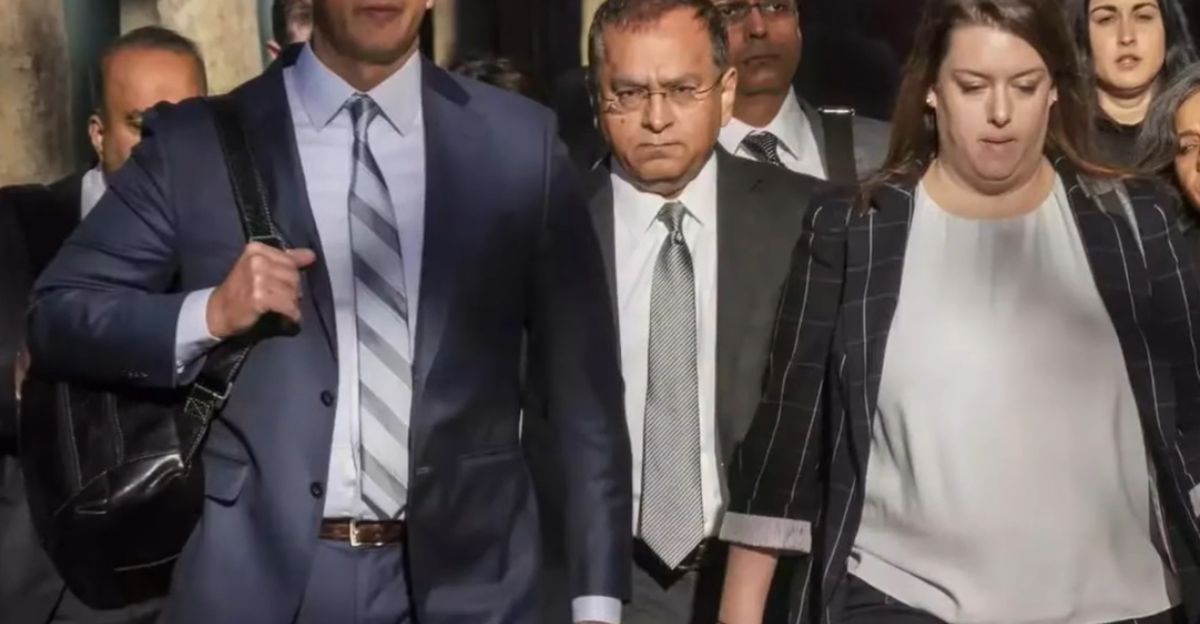
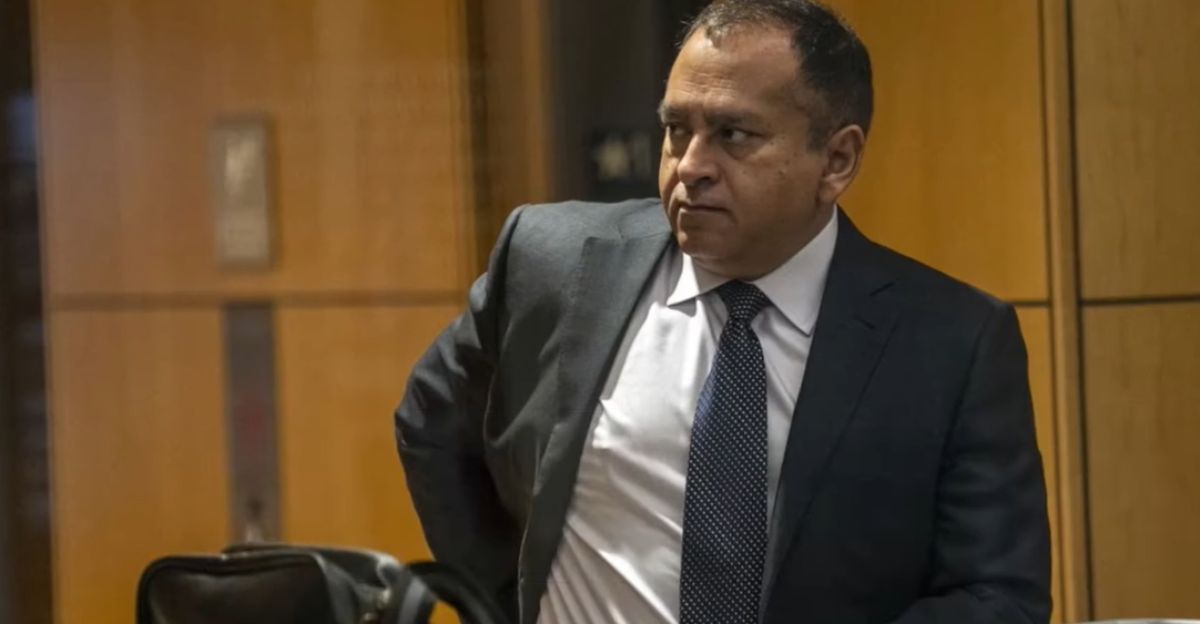
Ramesh Balwani, Holmes’ co-conspirator, was sentenced to nearly 13 years in prison in December 2022 and is also incarcerated in federal custody.
He faces the same restitution obligation as Holmes and has not publicly sought clemency.
Legal observers note Balwani’s lower public profile and lack of social media presence contrast sharply with Holmes’ visible clemency campaign.
The Clemency Process
The Office of the Pardon Attorney, a subdivision of the DOJ, reviews all clemency petitions and forwards recommendations to the President.
The process typically takes months or years. Holmes’ request, filed in 2025 and still “pending” as of January 2026, offers no public timeline for a decision.
What Comes Next?

If Trump grants a commutation, Holmes could walk free within weeks, leaving investors in limbo. If he denies it, she will remain imprisoned until at least 2031.
If he issues a pardon, her conviction could be erased entirely. Each scenario carries vastly different implications for fraud accountability and victim recovery.
A Dangerous Precedent
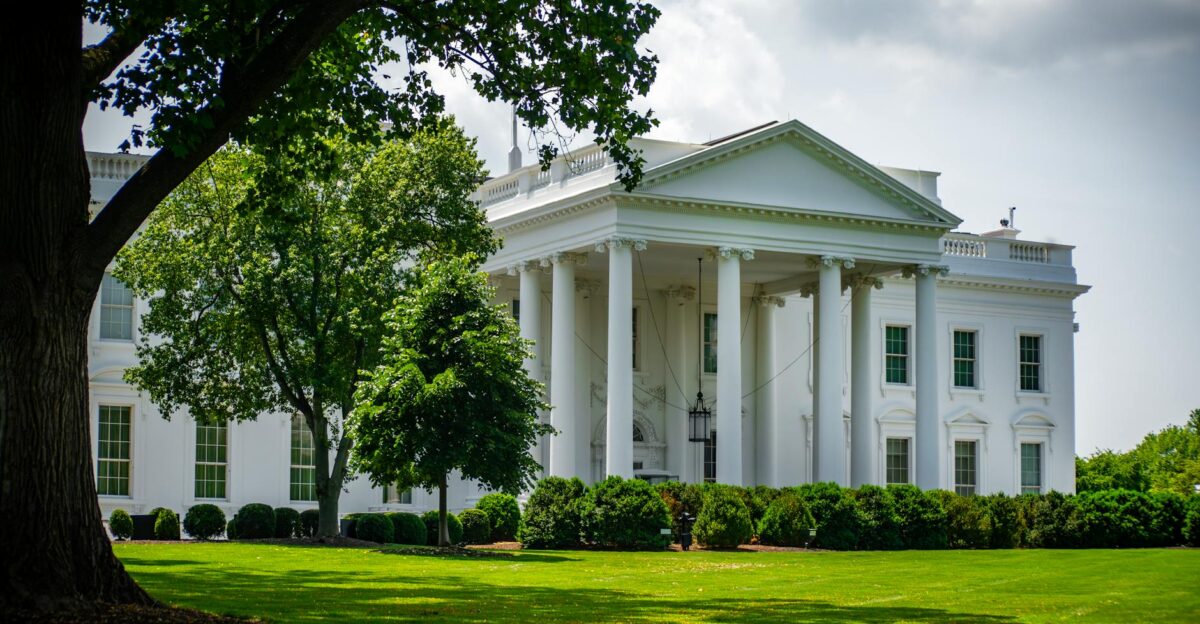
President Trump has used his clemency powers to reduce sentences for individuals he views as victims of what he calls a ‘weaponized’ justice system.
Holmes has adopted similar language in her public statements.
Some policy analysts worry that broad clemency for fraud convicts could weaken enforcement against white-collar crime, though the White House has not specified its reasoning on Holmes’ case.
The Restitution Question
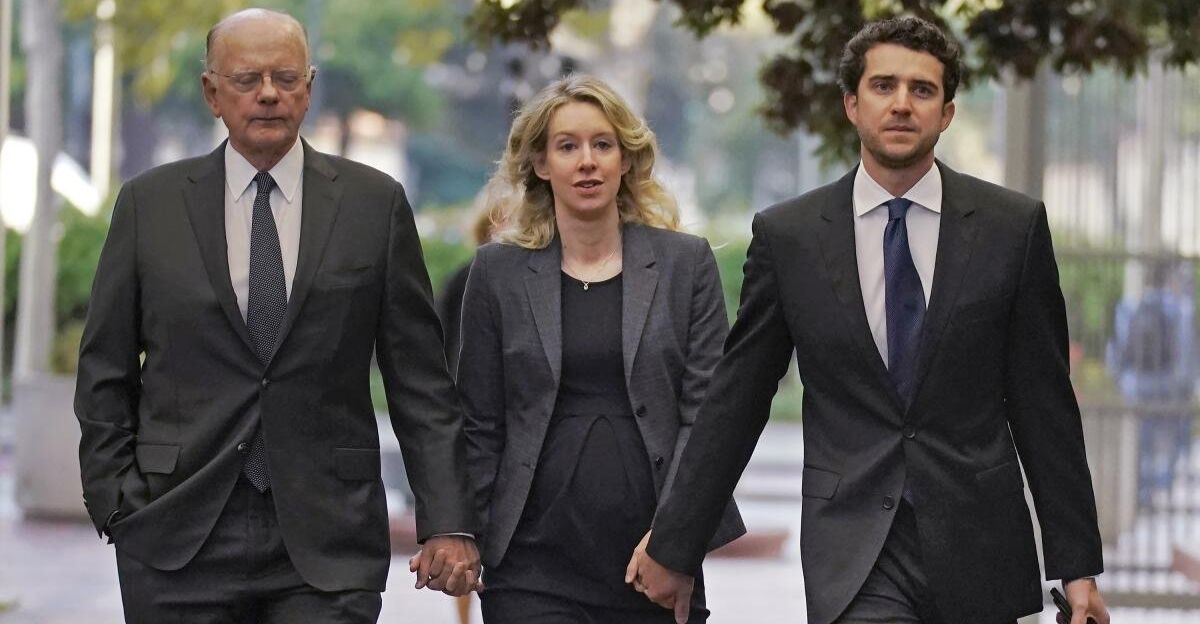
Even if Holmes is freed early, the restitution order does not disappear. However, enforcement becomes more difficult post-release.
Victims’ advocates have raised concerns about collection challenges, noting that high-profile defendants can sometimes relocate or shield assets. Legal experts say clemency for white-collar criminals complicates restitution recovery.
Silicon Valley’s Reckoning
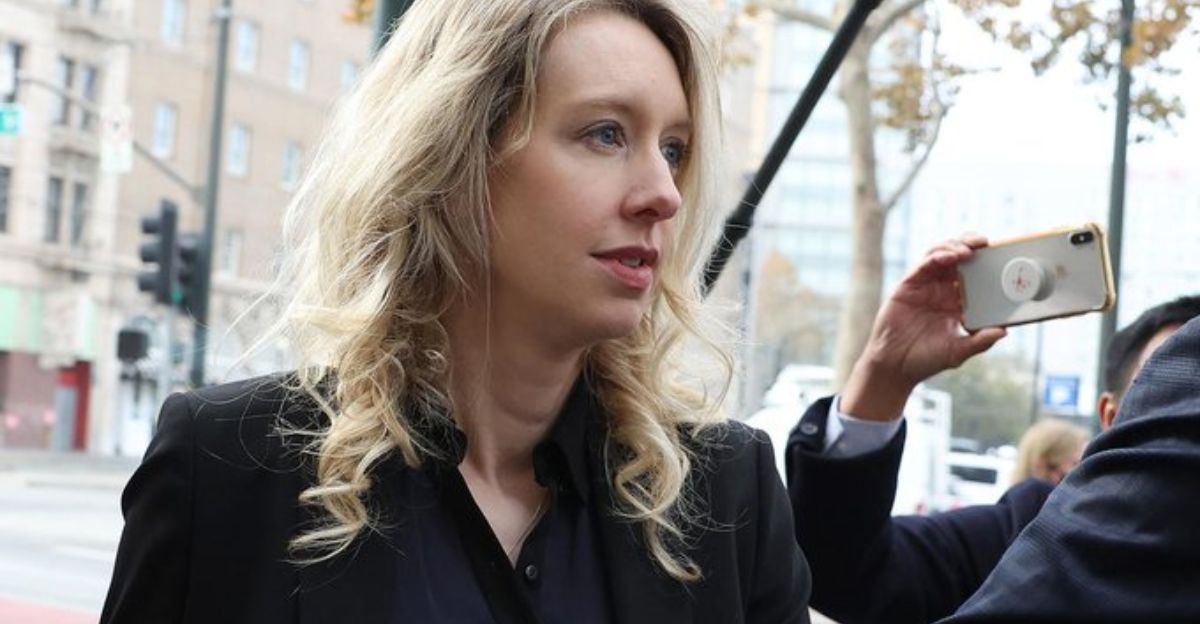
Holmes’ prosecution was heralded by some as a major victory against Silicon Valley fraud, exposing how startup culture’s ‘move fast and break things’ ethos could spiral into criminal deception.
However, legal critics have warned that early clemency could send a contradictory signal about accountability for high-profile founders.
The Precedent Risk
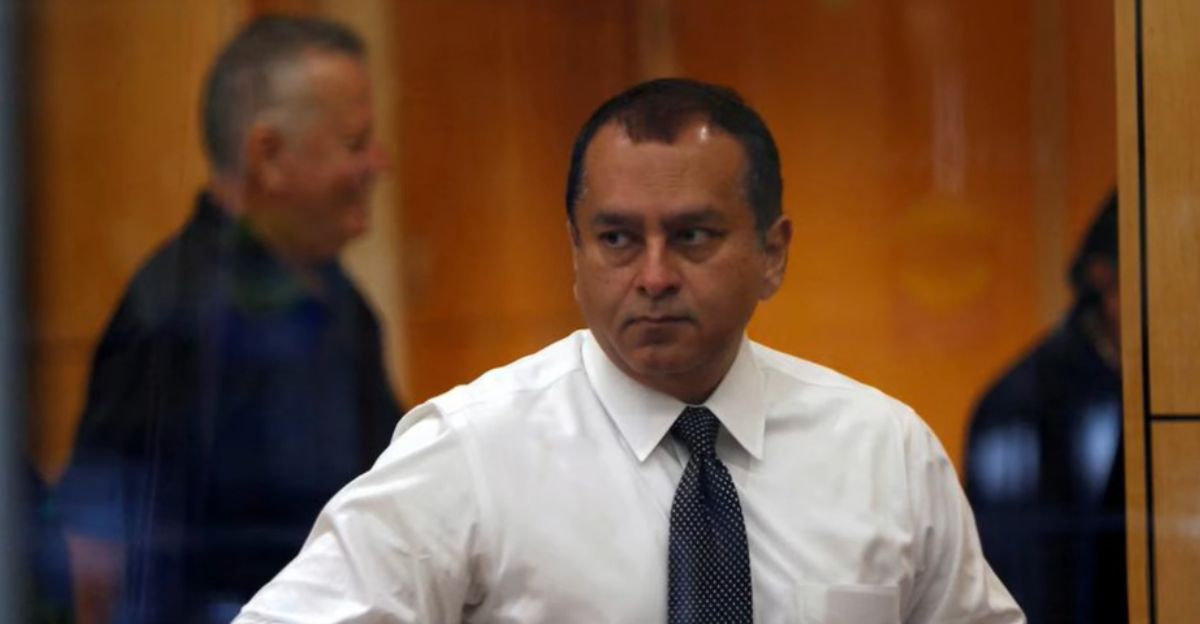
Legal scholars have warned that unequal access to presidential clemency could create two-tier justice. Some observers note that ordinary Americans convicted of fraud rarely receive commutations, whereas high-profile defendants with resources and media attention may have better prospects. Whether Holmes’ social media strategy influences clemency decisions remains unclear.
A System Under Strain
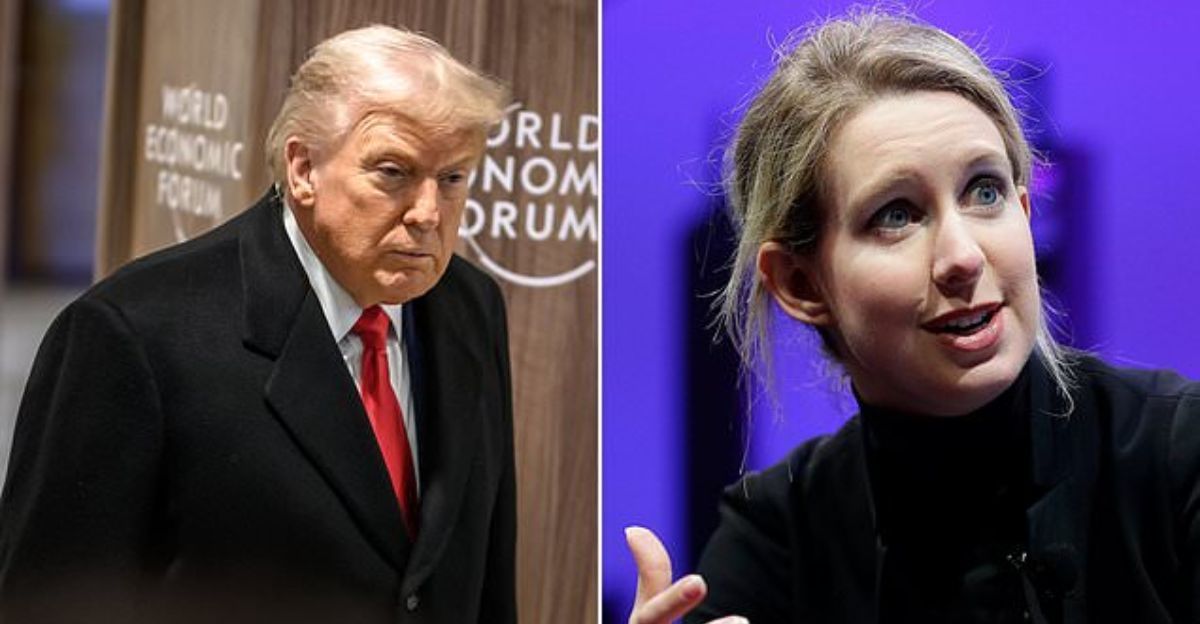
Holmes’ clemency bid encapsulates a deeper tension in American justice: the pull between executive mercy and accountability to victims.
Whether Trump grants or denies her request, the outcome will send a powerful signal about how the country values fraud prosecutions, victim compensation, and the rule of law itself.
Sources:
ABC News – “Elizabeth Holmes asks Trump administration to commute her prison sentence” – January 20–21, 2026
CNN – “Elizabeth Holmes asks Trump to let her out of prison early” – January 21, 2026
Quartz – “Elizabeth Holmes asks Trump to commute her sentence” – January 22, 2026
Yahoo Finance – “Elizabeth Holmes Asks Trump for Early Prison Release” – January 21, 2026
NBC Bay Area – “Theranos founder Holmes Trump commute sentence” – January 21, 2026
U.S. Department of Justice – Press releases and sentencing memos (2022)
U.S. District Court, Northern District of California – Sentencing order for Elizabeth Holmes, November 18, 2022