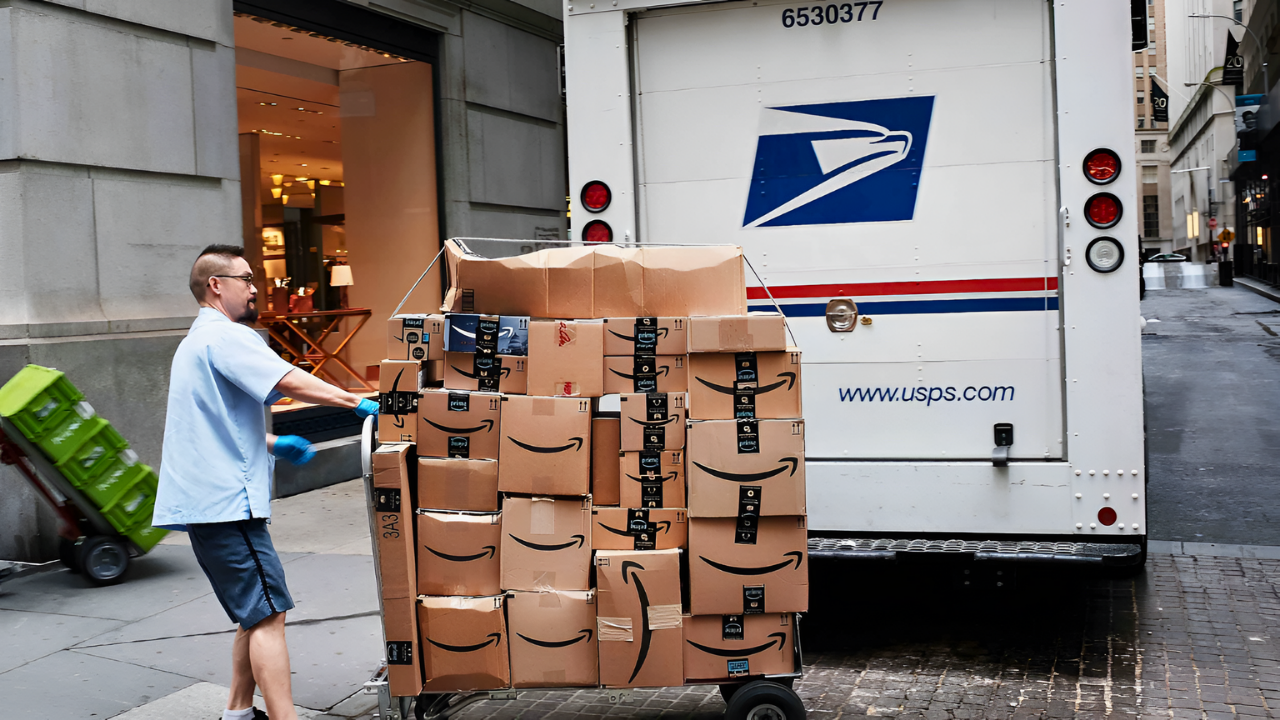
For nearly 30 years, Amazon and the U.S. Postal Service forged an unlikely partnership that became the backbone of America’s e-commerce delivery system. But this month, that historic relationship faces its most critical test yet. With USPS reporting a $9 billion fiscal loss and Amazon investing $4 billion in its own rural delivery network, negotiations could reshape American logistics forever. Here is how the standoff escalated.
When USPS Became Amazon’s Quiet Workhorse
Last summer, Amazon and USPS began preliminary discussions that soon stalled over pricing and service structure. The partnership, dating to 2013, gave Amazon exclusive Sunday delivery rights. Over 13 years, Amazon grew into a $6 billion annual USPS customer, about 7.5% of operating revenue, and 30%-40% of rural volume. Yet profitability stayed unanswered, quietly fueling distrust.
The Losses Behind Every Delivery Promise
USPS reported a $9 billion net loss for fiscal year 2025, improved from $9.5 billion in 2024. But controllable loss rose to $2.7 billion from $1.8 billion. Operating revenue hit $80.5 billion while expenses reached $89.8 billion. First-Class Mail volume fell 50% since 2008, squeezing leverage just as Amazon pushed harder.
Amazon’s Edge Was Density, Not Just Volume
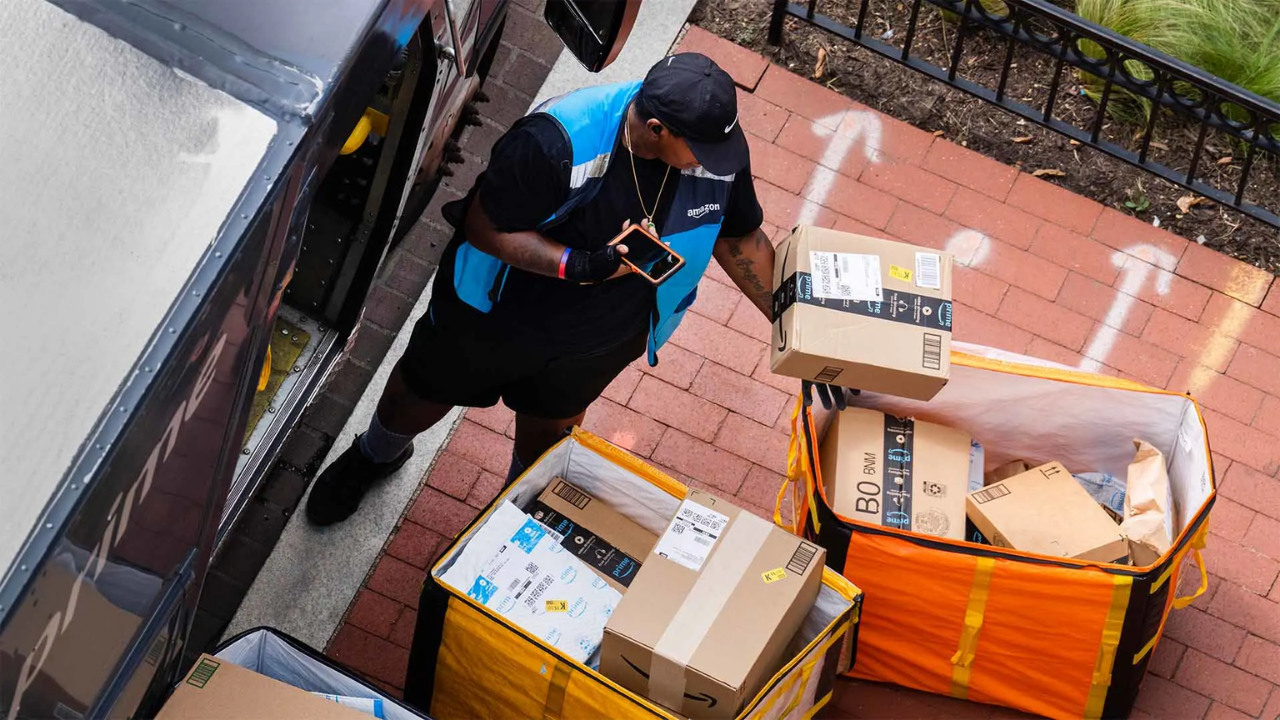
Amazon’s real value to USPS is network density, concentrating packages where USPS costs are lowest. Amazon remains USPS’s biggest customer even after UPS and FedEx stepped away. Amazon delivered 6.3 billion packages in 2024 versus USPS at 6.9 billion, with analysts projecting Amazon leads by 2028. That imbalance shaped 2026 bargaining power.
USPS Opens The Doors To Bidding

On January 20, 2026, USPS launched a bidding platform offering access to more than 18,000 Delivery Destination Units. Instead of exclusive deals, shippers can bid by zip code. Winners are notified in Q2 2026, with service beginning in Q3. Steiner said, “We recognize trends in the shipping marketplace and changing market conditions.” That line carried consequences.
A Breakdown That Looked Like A Strategy
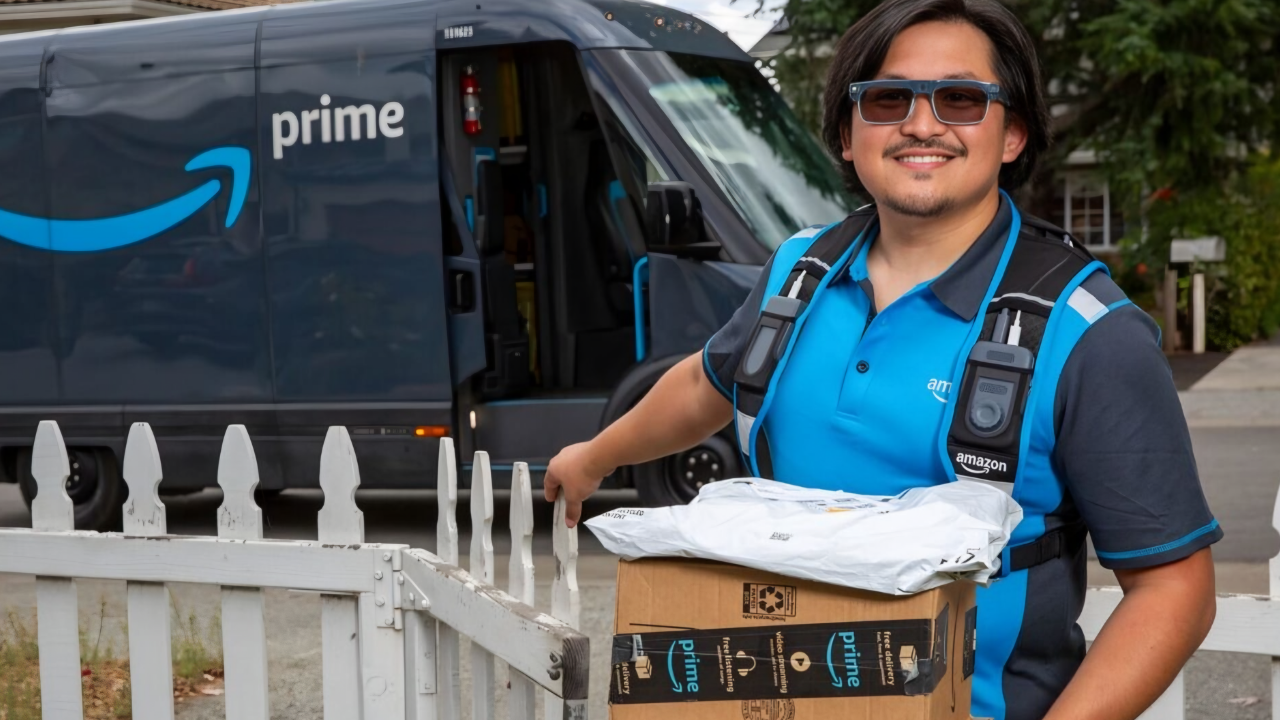
Amazon startled observers by saying it was “evaluating all options” in early December 2025. It said it had been “in discussions with the Postal Service about its future relationship and considering its options before its current contract expires” in October 2026. Amazon signaled it might extend if terms improved, but who truly blinked first?
The $6 Billion Figure That Warps Debate
“In 2025, Amazon represented $6 billion of the USPS total revenue — less than 7.5% of the operating income pie chart,” wrote Jason Sethre in January 2026. USPS argues 7.5% is too small to sacrifice flexibility. Critics say Amazon could consume 15%-25% of operational resources, especially weekends and peaks. That math keeps shifting.
Amazon Builds A Rural Network Of Its Own
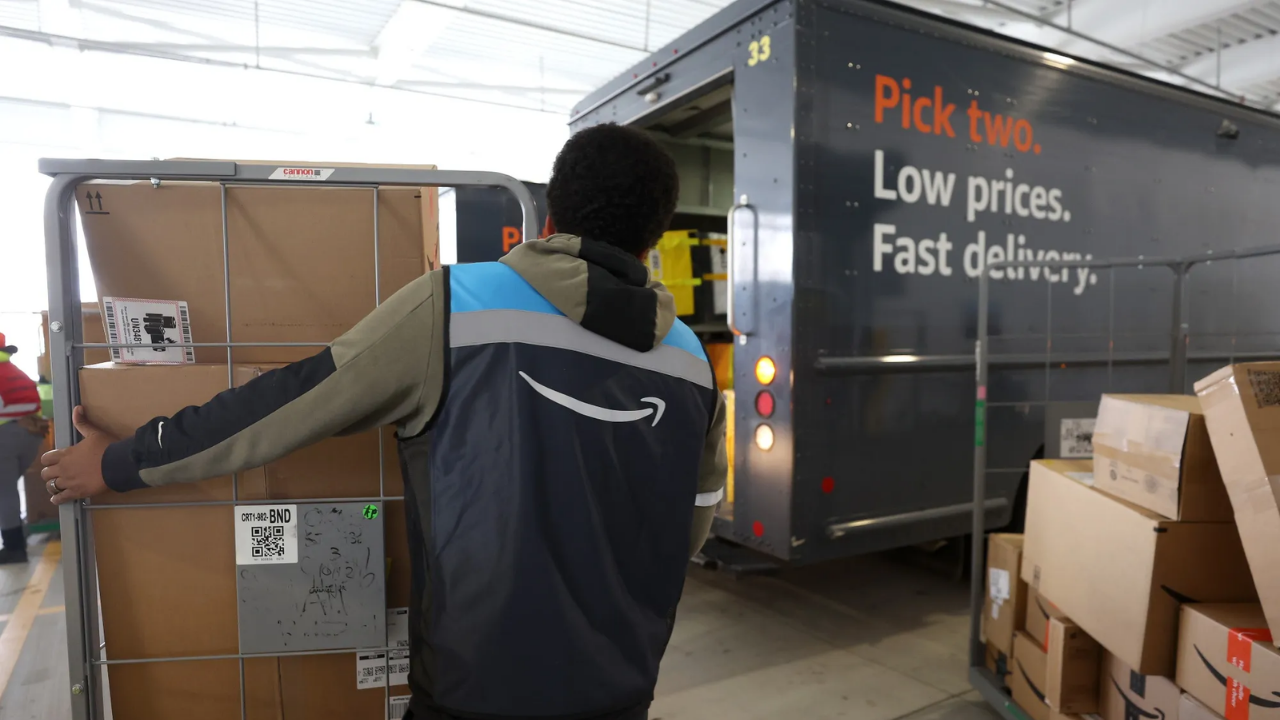
Amazon announced a $4 billion investment to triple rural delivery by year-end 2026. It will reach 13,000 zip codes over 1.2 million square miles, from Milton, Florida, to North Pole, Alaska. Andy Jassy said carriers were “backing away from rural customers because of cost to serve.” Rural delivery times already halved, changing expectations.
Rural Communities Feel The Stakes First
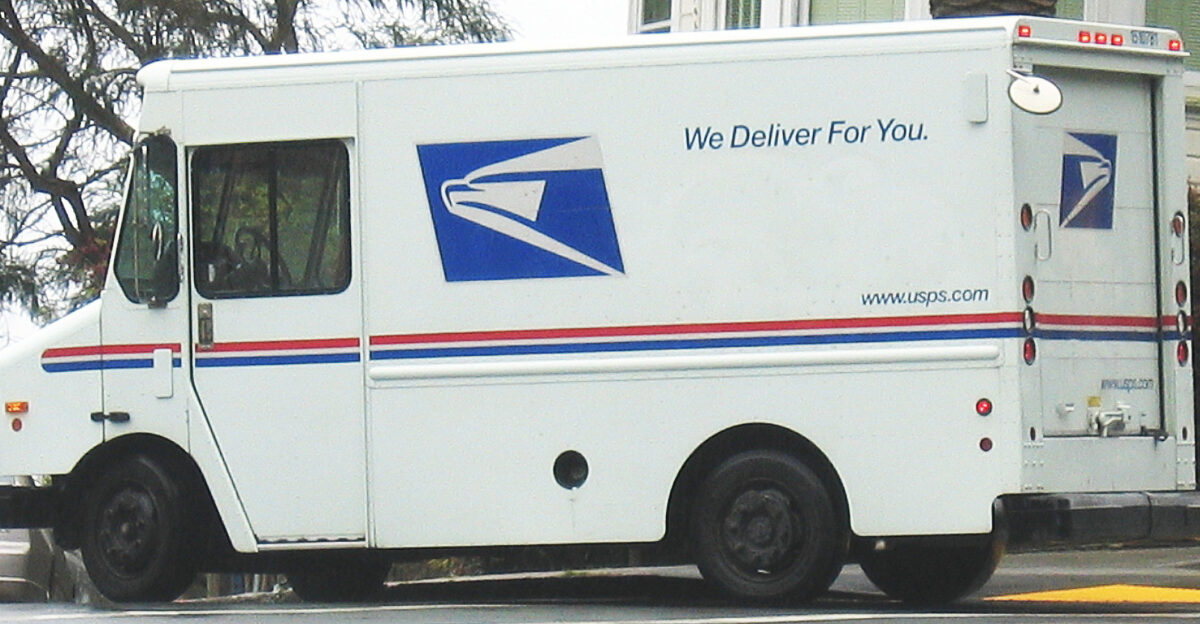
USPS has 130,000 rural carriers serving 46.1 million rural delivery points. Rural post offices are 57% of locations, yet nearly two-thirds run deficits. More than 14 million rural Americans lack broadband and rely on mail for bills, benefits, and voting. If Amazon exits, USPS could raise prices, cut frequency, or close offices. Which option survives politics?
The Mandate That Warped USPS Economics
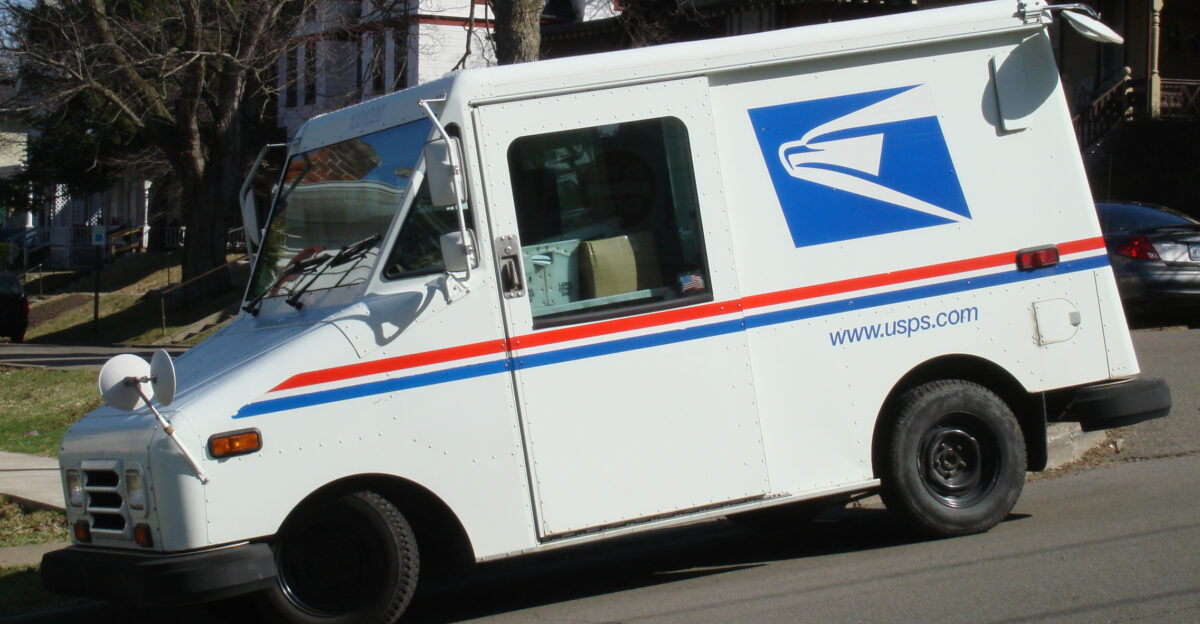
USPS struggles not only from volume decline, but from pension and retiree healthcare mandates. The Postal Accountability and Enhancement Act of 2006 required pre-funding $5.5-5.8 billion annually through 2016. USPS defaulted on $55.4 billion in required retirement payments from 2011 to 2019 to stay liquid. Reform in 2022 helped, but costs remain heavy.
Amazon’s Share Climbs Toward A Tipping Point
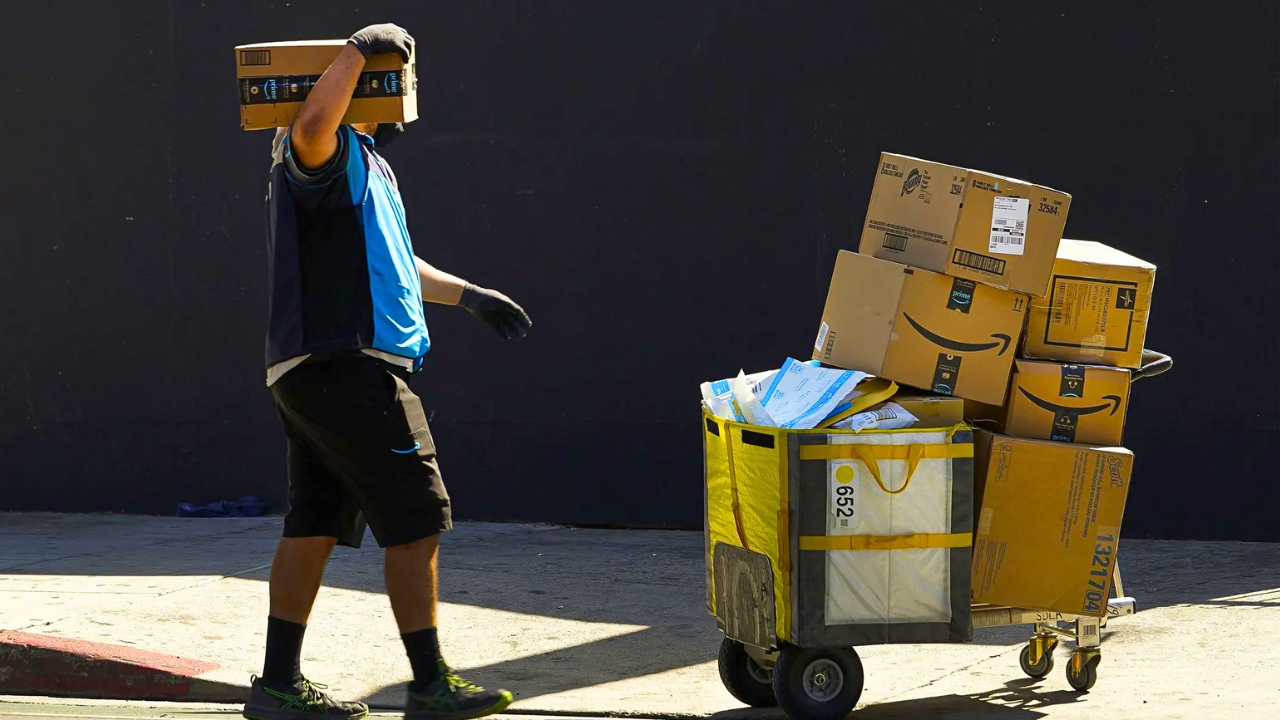
“Amazon is expected to ship more U.S. parcels than the U.S. Postal Service by 2028,” according to Pitney Bowes’ 2024 index. Amazon controls 25%-28% of U.S. parcels at 6.1-6.3 billion annually. USPS holds 30%-31% at 6.9-7.2 billion. Amazon thrives on light parcels, averaging 1.8 pounds versus UPS at 8.2 pounds. That gap matters.
The Leverage Gap Everyone Admits Quietly
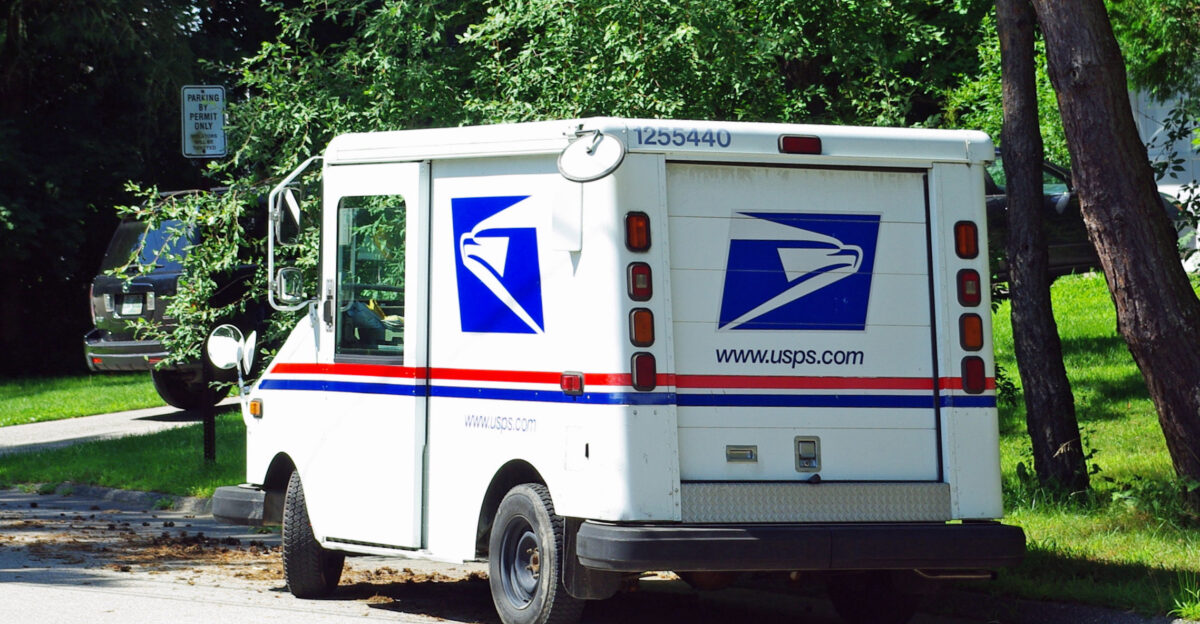
“USPS needs Amazon a lot more than Amazon needs USPS,” said analyst Juozas Kaziukenas in December 2025. USPS can’t replace 7.5% revenue quickly, while Amazon has alternatives. Some projections show Amazon shifting 2-4 million packages daily over 18-24 months. USPS could answer with 12%-18% rate hikes across Ground Advantage and Priority. The fallout would spread fast.
Three Scenarios, None Comfortable
Gain Consulting outlined 3 futures for 2026. Scenario 1 at 65%: a new contract with rates 12%-18% higher. Scenario 2 at 30%: a “glide-down” shifting 2-4 million packages daily over 18-24 months, followed by USPS rate increases pushing other shippers away. Scenario 3 at 5%: full break and possible emergency intervention. Which seems most politically survivable?
Steiner Bets On Growth, Not Cuts
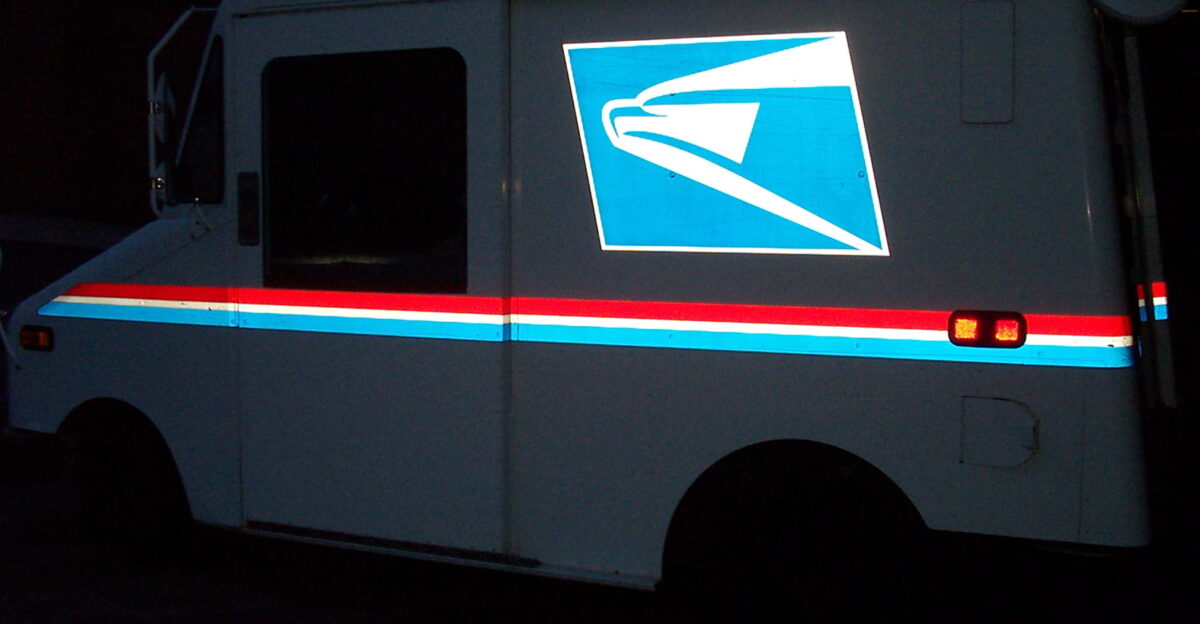
“I have taken to saying that we cannot cost cut our way to prosperity — we have to grow,” Steiner told the USPS Board of Governors in November 2025. He cited mail volume down 110 billion pieces annually over 18 years, an $85 billion revenue loss. The bidding platform is his growth play, but critics say it risks alienating Amazon mid-negotiation. That gamble could redefine USPS.
Workers See The Stress In Real Time
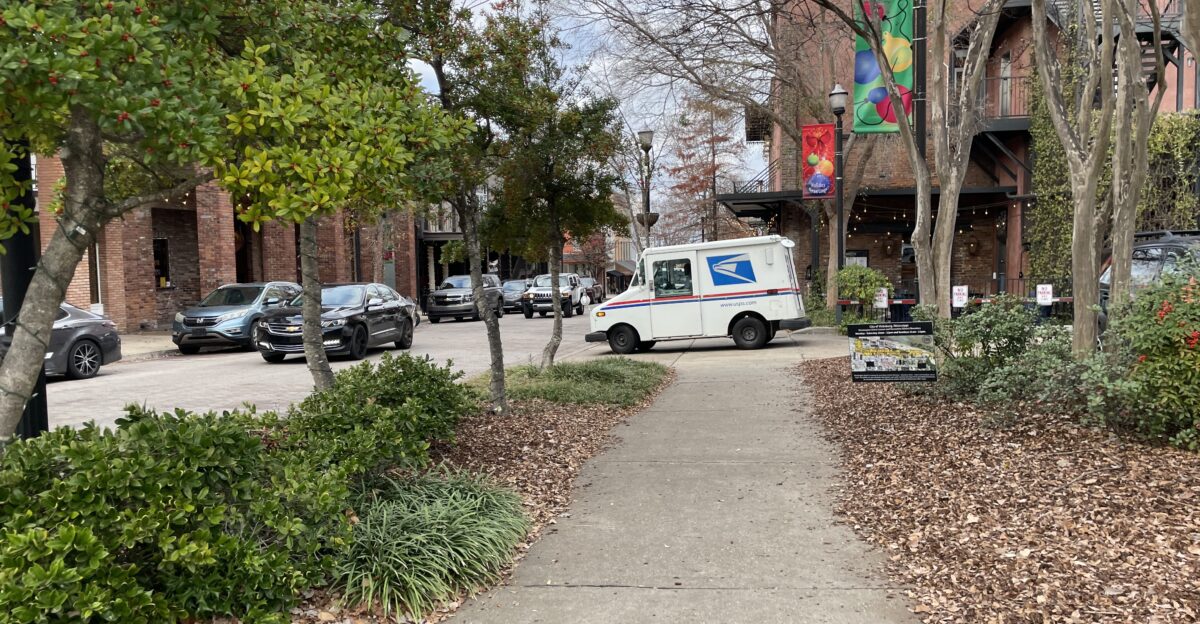
Postal employees have carried Amazon’s peak-season load for years, especially oversized packages. A postal worker said, “Last-mile delivery is one of USPS’s most valuable assets, and instead of offering guaranteed access through private contracts, the Postal Service plans to require companies to compete for access by region and market”. Union leaders fear fragmented routes and harder scheduling. Yet some admit losing Amazon could ease daily strain, even if jobs shrink.
UPS And FedEx Already Walked Away
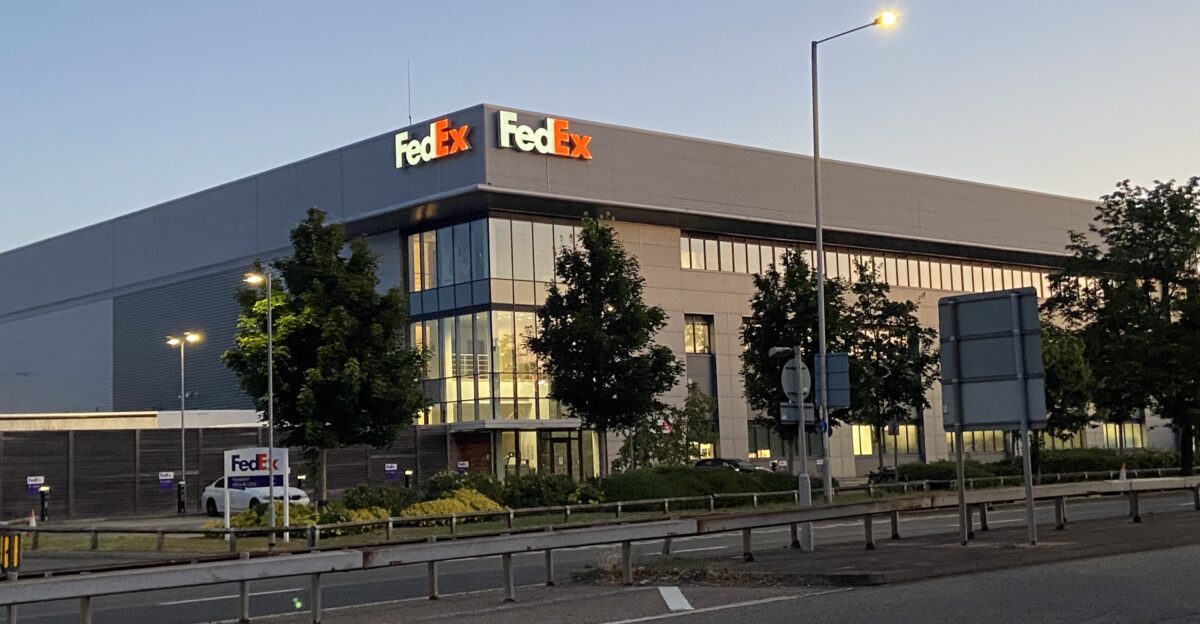
UPS and FedEx ended direct Amazon delivery relationships between 2024 and 2025. UPS pivoted to higher-margin business-to-business shipments, and FedEx made similar moves. Executives judged Amazon’s pricing and volume demands squeezed profits, while Amazon’s in-house network threatened to cannibalize them anyway. USPS now faces the same dilemma: accept thinner margins or brace for a competitor. That precedent shaped Amazon’s confidence.
Congress Watches, But Gridlock Rules

Lawmakers from both parties worry about rural delivery outcomes. In 1914, Congress blocked contracting out rural delivery to the lowest bidder, citing equity. Similar arguments return as USPS considers restructuring. Some members want USPS barred from conceding rural capacity to Amazon without review, fearing privatization. Others push more pension relief so USPS can compete fairly. Yet paralysis leaves bargaining power in corporate hands.
Q2 2026 Brings Numbers That Change Terms
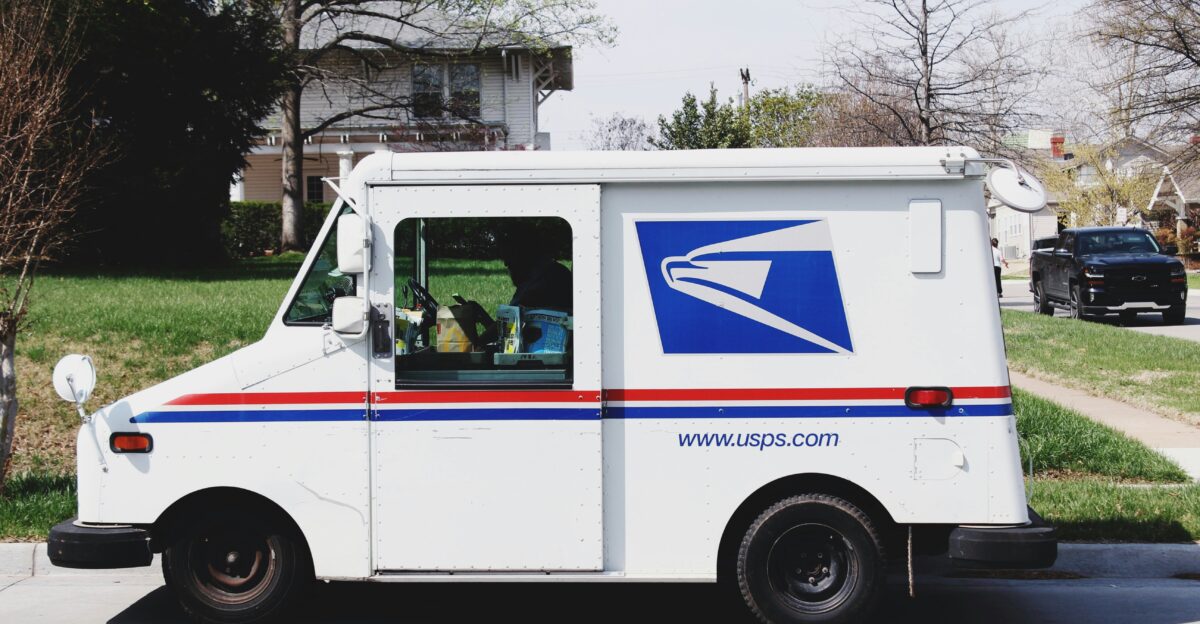
By April 2026, USPS will notify winners for the last-mile platform, with service starting in Q3. Amazon must decide whether to renew, shift volume to its network, or use a hybrid plan. USPS also signaled openness to expanded work with UPS, creating a backup if Amazon exits. By late summer 2026, pricing benchmarks will harden, making commitments harder to reverse.
This Fight Is About Universal Service
This renegotiation isn’t just corporate drama. USPS alone must deliver to every address, profitable or not, relying on cross-subsidies from dense routes to fund rural service. If Amazon exits, USPS loses a major driver of parcel profitability and the financial model strains. If USPS keeps Amazon at low rates, pressure shifts to taxpayers or service cuts. The 2026 decision tests what America values.
The Quiet Pivot Toward A Modular USPS
USPS’s bidding platform is a philosophical shift: sell last-mile capacity by region and ZIP code instead of granting mega-customers special terms. It creates price discovery, potentially helping smaller retailers and regional carriers tap USPS reach at competitive rates. Amazon shifts from privileged partner to one bidder among many. If it works, the ecosystem broadens, but incumbents lose certainty. The first results could be surprisingly disruptive.
October 2026 Becomes The Real Deadline
The current Amazon-USPS contract expires on October 1, 2026. By then, Q3 bidding will be underway and Amazon’s rural network expanded. A renewal likely raises Amazon rates 12%-18%, preserving USPS revenue and rural stability. No renewal triggers a glide-down, USPS emergency increases, and rapid shipper flight. Either path changes shipping by year-end. The question is whether adaptation comes fast enough.
Sources
U.S. Postal Service Reports Fiscal Year 2025 Results. USPS Newsroom, November 14, 2025
“I have taken to saying that we cannot cost cut our way to prosperity — we have to grow,” remarks to USPS Board of Governors. USPS, November 2025
Amazon investing $4 billion to expand rural delivery network. Reuters, 2025
Amazon statement on evaluating options and discussing future relationship with USPS. Reuters, December 2025
“Amazon is expected to ship more U.S. parcels than the U.S. Postal Service by 2028.” Pitney Bowes Parcel Shipping Index, 2024