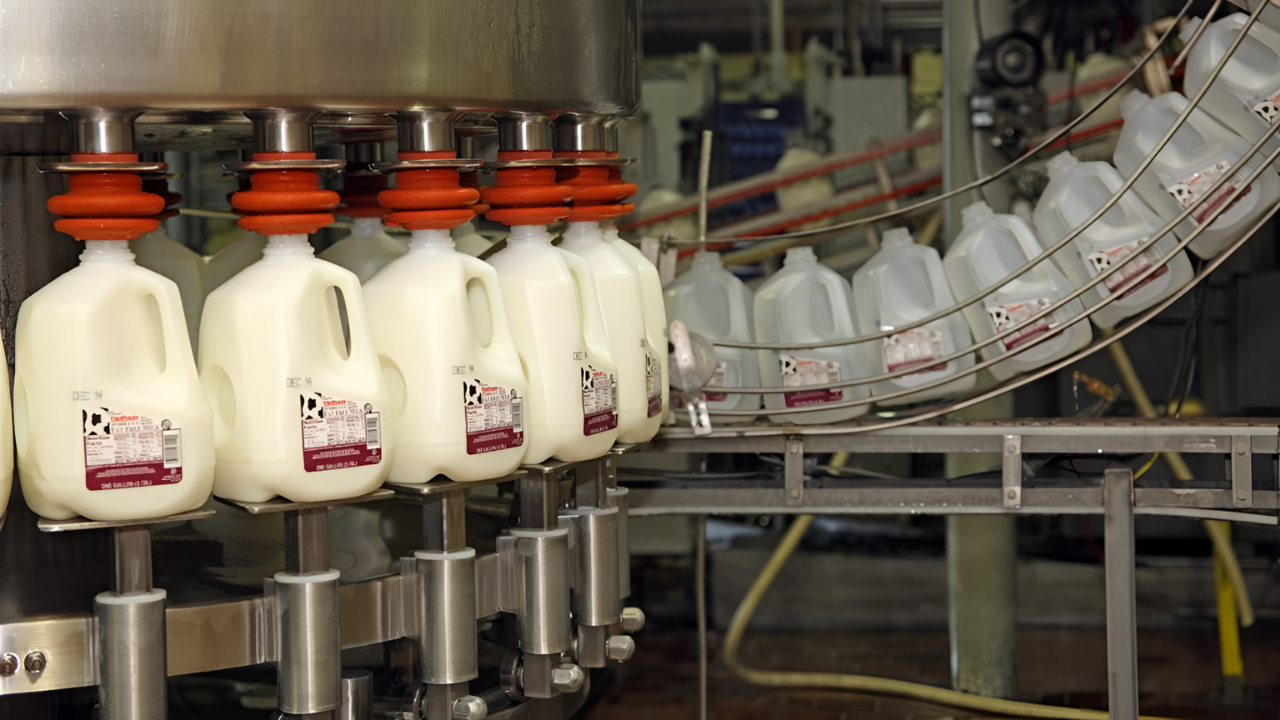
Alpenrose, a well‑known dairy brand that started in Portland more than 100 years ago, is closing its last Oregon factory in Clackamas at the end of March 2026. The brand will stay on store shelves, but all the products that were made at this plant will soon be produced in Washington instead.
From Local Dairy To Regional Brand
Alpenrose began in 1891, when Swiss immigrant Florian Cadonau delivered milk to Portland homes by wagon. Over many decades, the dairy grew into a regional name recognized across the Pacific Northwest. Its large campus in Southwest Portland became a landmark, with attractions like Dairyville, a mock western town, and a bicycle racing track called the velodrome.
These features turned Alpenrose into more than just a milk brand, making it part of local family traditions and community events. When those attractions later closed and the land began moving toward redevelopment, many residents felt that an important part of Portland’s past was disappearing.
To keep production going while facing pressure to redevelop the original property, Alpenrose shifted its main operations away from Southwest Portland. The company bought Larsen’s Creamery in Clackamas and turned it into a new multi‑acre dairy campus focused on butter and related products. This move kept some jobs and production in the region but concentrated Oregon manufacturing into one key site.
New Ownership And A Tough Market
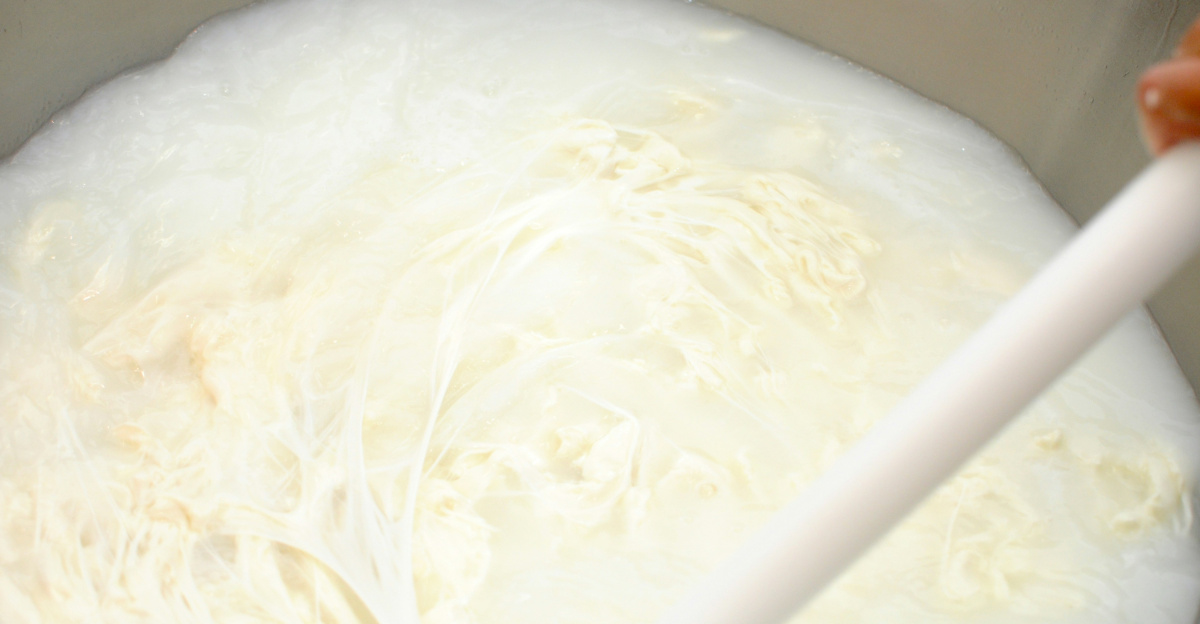
In 2019, Smith Brothers Farms, a family‑owned dairy company based in Kent, Washington, bought Alpenrose and kept using the Alpenrose brand. After this change, important business decisions were made from Washington, and the focus shifted toward home delivery and overall efficiency rather than keeping specific Oregon plants open at any cost.
Over time, butter production became harder to sustain at smaller plants like Clackamas. Industry reports describe unstable demand, strong competition, and pressure on profit margins for butter and other dairy products, especially in the Pacific Northwest. Running both an Oregon plant and a Washington plant added costs, so management started looking at whether it made more sense to combine operations in one place.
CEO Dusty Highland has said the choice to close Clackamas was difficult but needed for the long‑term health of the company. He pointed to “worsening butter market economics” and increasing competition, and said the company could not find a sustainable way to keep the plant profitable. That thinking led Smith Brothers to consolidate production in Kent, where it has already invested in trucks, delivery routes, and logistics.
Closing The Clackamas Plant
In January 2026, Alpenrose announced it would shut down its Clackamas butter plant, its last manufacturing facility in Oregon, on March 31. The plant makes butter, sour cream, and private‑label products, and that work will now shift to the Kent, Washington facility. Once that happens, Alpenrose will no longer produce anything in Oregon, even though its name will still appear in local grocery stores.
About 35 workers at the Clackamas site will lose their jobs when operations stop. The company has promised severance packages, but many families will still face sudden income loss and the challenge of finding comparable work. Because Portland’s food‑processing sector is relatively small and has been shrinking, similar industrial jobs may not be easy to secure quickly in the same area.
For these workers, experience with butter and cream production may not transfer perfectly to other roles, so some might leave manufacturing altogether. Local labor advocates are likely to use this closure as another example in calls for better retraining programs and stronger support for keeping industrial jobs in the region. The decision also removes another piece of the area’s working‑class economic base at a time when many former factory sites are being turned into housing and offices.
What It Means For Oregon
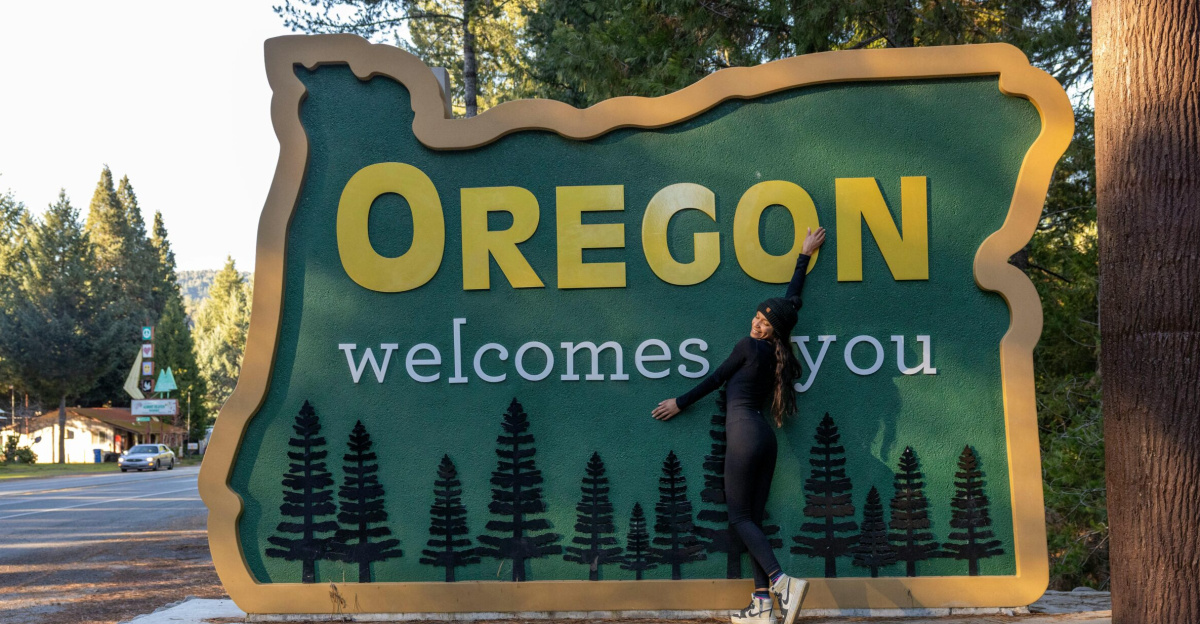
The Clackamas shutdown adds to a wider pattern of longtime food and beverage plants closing or moving, with former factory properties turned into new developments. Alpenrose had already closed public attractions like Dairyville and the velodrome, and their removal signaled that the company’s physical ties to Oregon were fading even before production ended. The plant closure now completes that shift, turning Alpenrose from an Oregon‑based producer into a regional label controlled and manufactured from Washington.
Online, many Oregonians have reacted with a mix of nostalgia and concern, sharing memories of visits to the old Portland grounds and worrying about what the loss means for local jobs. Some people even thought the Alpenrose brand itself was disappearing, prompting news outlets to clarify that only the Oregon plant is closing and that products will still be sold in stores. The strong public reaction shows how closely residents still connect Alpenrose’s identity to having a real, physical presence in their state, not just a logo on cartons.
For state and local leaders, the closure raises questions about how to keep manufacturing in Oregon, especially for small and mid‑sized processors competing with larger, multi‑state companies. Alpenrose’s move may be used in debates over land use, costs, and incentives, as policymakers look for ways to keep future legacy brands from making the same choice. In the end, Oregon will still buy Alpenrose products, but the paychecks and production lines supporting that brand will now sit across the border in Washington.
Sources:
KATU – “Alpenrose closing Clackamas butter plant to focus on milk production” – 19 Jan 2026
DairyNews.Today – “Alpenrose Dairy to Close Oregon Butter Plant Amid Market Challenges” – 18 Jan 2026
Smith Brothers Farms – “Smith Brothers Farms Acquires Alpenrose Dairy” – 15–16 Aug 2019
The Oregon Encyclopedia – “Alpenrose Dairy” – 7 Apr 2022
Seattle Business Magazine – “More than Milk” – 3 Jan 2024
YouTube (KATU) – “Alpenrose will close Clackamas butter plant, leave Oregon” – 20 Jan 2026